Author name: Web Desk

Chinese Firm Offers Help to End Gwadar's Power Crisis
World

Chinese Firm Offers Help to End Gwadar’s Power Crisis

A Chinese company involved in the CPEC framework has stepped forward with readiness to tackle Gwadar’s ongoing power supply challenges. Read More: https://theboardroompk.com/govt-slaps-fixed-charges-on-domestic-users-to-recover-rs101-billion/ Chinese Firm Offers Sustainable Solutions M/s CIHC Pak Power Company (Pvt.) Limited, developer of the planned 300MW coal-fired power plant in Gwadar, wrote to Minister Ahsan Iqbal. The letter from Chairman Zhao Bo highlights the firm’s appreciation for government support. They seek help to extend the Financial Closing Date in their Letter of Support. This comes amid procedural delays with the Private Power and Infrastructure Board (PPIB). The company has already complied with extensions and fees as advised. Their Performance Guarantee remains valid until 2028. Alternative Power Paths Explored Discussions during the Prime Minister’s 2025 China visit prompted alternatives. The firm submitted a photovoltaic scheme analysis to PPIB in December 2025. They now offer to evaluate integrated, sustainable options beyond coal. This includes further specialized studies for the region’s energy needs. Gwadar, a key CPEC hub, faces long-term power security issues. The company reaffirms commitment to assist authorities. They aim for reliable solutions to boost development. This move signals stronger Sino-Pak cooperation on energy.

Govt Slaps Fixed Charges on Domestic Users to Recover Rs101 Billion
External Sector

Govt Slaps Fixed Charges on Domestic Users to Recover Rs101 Billion

The Power Division of Pakistan has recently issued a notification introducing fixed monthly charges on domestic electricity consumers across various consumption slabs. Read More: https://theboardroompk.com/retailers-adoption-of-qr-based-merchant-payments-needs-a-clear-roadmap/ This move aims to recover approximately Rs 101 billion annually while addressing structural issues in the power sector, such as high fixed costs and declining grid demand due to rising solar adoption. The charges vary by usage levels and consumer categories, with lifeline users (permanently below 100 units) remaining exempt. This adjustment follows approvals and is linked to efforts to reduce cross-subsidies, particularly benefiting industrial users through lower variable tariffs. Slab-Wise Fixed Charges Introduced The new fixed charges are consumption-based and apply to most domestic users except true lifeline consumers. For lower-usage protected consumers (up to 100 units), a Rs 200 fixed charge now applies to around 9.9 million users previously exempt or lightly burdened. Over 6.1 million protected consumers in the up-to-200-unit category will pay Rs 300 monthly. Non-protected users face charges starting from Rs 275 per kW for those occasionally exceeding low thresholds. Higher slabs see progressive increases: Rs 300 for the 200-unit slab (affecting about 2.24 million), Rs 350 for 201–300 units (2.9 million consumers), Rs 400 for 301–400 units (around 1 million), Rs 500 for 401–500 units (about 400,000), and up to Rs 675 per kW for those exceeding 500 units. For Time-of-Use (ToU) and higher-consumption users, some offset comes via reduced variable charges. Broader Implications and Rationale The policy seeks equitable recovery of fixed costs like capacity payments and transmission, which were previously mismatched with mostly volumetric tariffs (over 93% recovery per unit). It reduces cross-subsidy burdens on industries by about Rs 4.04 per kWh through their tariff cuts. Critics argue it shifts financial relief for industries onto households, potentially straining low-income users amid inflation. The government views it as essential for grid sustainability and long-term financial health, aligning with the National Electricity Plan’s goal of fixed charges covering at least 20% of costs.

Jazz and USF Sign PKR 668 Million Badin Project to Boost Digital Connectivity in Sindh
Business

Jazz and USF Sign PKR 668 Million Badin Project to Boost Digital Connectivity in Sindh

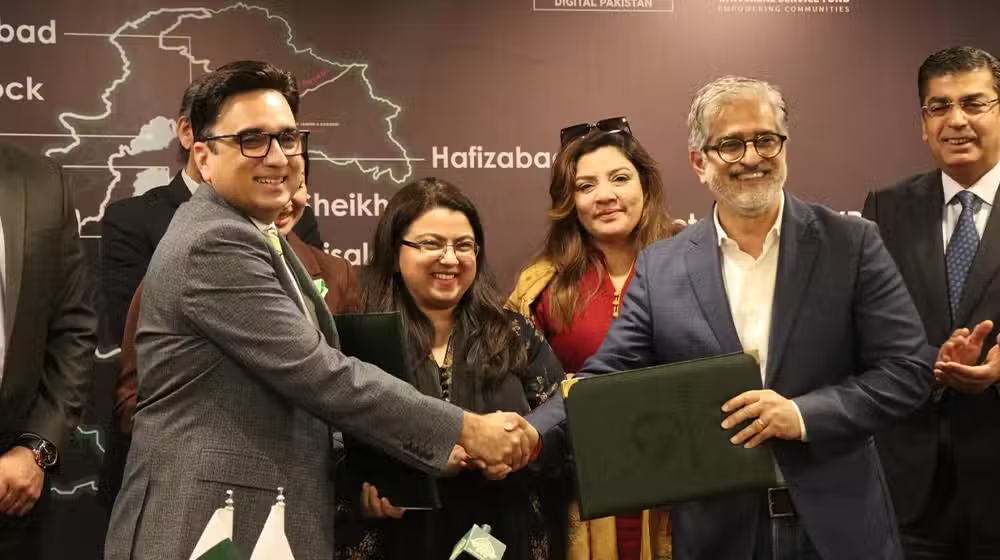
Jazz and the Universal Service Fund (USF) have taken another step to expand digital connectivity in Sindh with the signing of the Badin Project, aimed at bringing reliable mobile voice and broadband services to underserved communities in District Badin. Read More: https://theboardroompk.com/retailers-adoption-of-qr-based-merchant-payments-needs-a-clear-roadmap/ The agreement, formalized at a ceremony in Karachi, reflects a shared effort to extend meaningful digital access to areas where connectivity has remained limited. The ceremony was attended by the Honorable Governor of Sindh, Mr. Kamran Tessori, and the Federal Minister for IT & Telecom, Shaza Fatima, as Chief Guests. The project marks continued progress in strengthening telecom infrastructure to support inclusive digital access across the province. The PKR 668 million Badin Project will strengthen telecom access in the district by deploying 45 new telecom sites and upgrading four existing ones, extending reliable voice and high-speed mobile broadband services to 144 unserved and underserved mauzas and reaching an estimated 0.43 million people. The expanded network will support access to digital financial services, online learning, telehealth, and government e-services, while enabling small businesses and farmers with improved digital tools and generating direct and indirect employment during deployment and operations. Commenting on the development, Aamir Ibrahim, CEO JazzWorld, said, “Connectivity is the foundation of inclusive growth. We appreciate the continued support of the Universal Service Fund and the Ministry of IT & Telecom in enabling partnerships that bring high-quality digital services to communities that have long remained on the margins of the digital economy. The Badin Project reflects our shared commitment to ensuring every Pakistani, regardless of geography, can participate in and benefit from the country’s digital future.” Chaudhry Mudassar Naveed, CEO USF, added, “The USF Badin Project reflects our continued partnership with Jazz to bridge the digital divide by delivering reliable connectivity to underserved communities. By expanding broadband access in District Badin, we are enabling socio-economic development, improving access to essential services, and creating new opportunities at the grassroots level.”

Retailers’ Adoption of QR-Based Merchant Payments Needs a Clear Roadmap
Pakistan

Retailers’ Adoption of QR-Based Merchant Payments Needs a Clear Roadmap

The adoption of digital payments in Pakistan’s retail sector remains sluggish in major markets, despite government and regulatory efforts to promote a cashless economy. Read More: https://theboardroompk.com/sbp-launches-cyber-shield-to-protect-the-banking-system-and-customers/ While India’s digital payment ecosystem gained significant traction about a decade ago, Pakistan requires a clear roadmap and coordinated collaboration among stakeholders to foster widespread cashless transactions and enhance financial inclusion. The government and the State Bank of Pakistan (SBP) have introduced supportive measures, including Person-to-Merchant (P2M) QR payments via the Raast instant payment system and Rs3.5 billion in subsidies to incentivize merchants and consumers. However, experts emphasize that sustainable progress depends on active private sector involvement, including banks, microfinance institutions, payment gateway operators, and fintech companies working together to create scalable solutions for onboarding merchants across the country. Mariam Pervaiz, Chief Commercial Officer (CCO) of ABHI Microfinance Bank, highlighted that P2M QR-based payments tackle a major hurdle for small merchants: affordable and straightforward digital payment acceptance. “By enabling QR-based payments, financial institutions will help merchants reduce cash handling, maintain better transaction records, and improve cash-flow visibility,” she said. ABHI, partnering with 1Link, is launching a platform that allows shopkeepers, small businesses, and service providers to accept digital payments directly into their bank accounts—no expensive hardware or complicated setups required. Benefits include faster fund settlements, transparent records, and stronger financial profiles that could help merchants access future bank financing for growth. For consumers, Raast-supported mobile apps and wallets enable seamless, interoperable instant payments. According to the Digital Economic Census by the Pakistan Bureau of Statistics (PBS), Pakistan has over 2.7 million retail units, 188,000 wholesale trade units, and 825,000 service shops as of 2025—representing a vast potential market for digital adoption. Najeeb Agrawalla, CEO of 1Link, stressed the importance of partnerships: “Collaborations among financial institutions are key enablers for the expansion of Raast-based merchant payments and support Pakistan’s ongoing shift toward digital transactions and a broader financial ecosystem.” He noted that ties like those between 1Link and ABHI Microfinance Bank will accelerate merchant onboarding, integrate everyday businesses into the digital economy, and advance financial inclusion. SBP data shows progress: Raast P2M transactions reached 4.3 million, totaling Rs17.0 billion, in the first quarter of FY2025-26, with expectations of accelerated growth ahead. Despite these developments, challenges persist on the ground. Hamayun Sajjad, CEO of Mashreq Bank Pakistan—which recently introduced digital cross-border banking for Pakistani nationals in the UAE—called for disciplined execution in high-frequency areas like merchant checkouts, utilities, education fees, and salary disbursements. He advocated expanding merchant acceptance through interoperable QR infrastructure, fast onboarding, and reliable settlement cycles. Atiq Mir, Chairman of All Karachi Tajir Ittehad (representing over 500 markets and bazaars), pointed to ongoing hesitation among merchants, shopkeepers, and customers. “Government-led digital payment initiatives require greater policy clarity, structured awareness campaigns, and tangible incentives to build merchant confidence,” he said. Adoption remains limited in major wholesale and retail markets, with concerns over income security and confidentiality needing to be addressed through education on the system’s benefits. Overall, while infrastructure and transaction volumes show promise, bridging the gap in major markets demands stronger incentives, awareness, and trust-building to realize a truly inclusive digital payments ecosystem in Pakistan.

SBP Launches “Cyber Shield” to Protect the Banking System and Customers
Tech

SBP Launches “Cyber Shield” to Protect the Banking System and Customers

As part of its Vision 2028 agenda, the SBP today announced the launch of “Cyber Shield – the Cyber Resilience Strategy for Regulated Entities”, a major initiative aimed at strengthening the safety and robustness of the country’s banking and financial system. Read More: https://theboardroompk.com/attock-cement-public-offer-sparks-fresh-momentum-in-pakistans-cement-sector/ The strategy is designed to better protect banks and financial institutions from cyber threats, thus ensuring that people and businesses can continue to access financial services safely. It sets out a clear roadmap to help financial institutions strengthen their systems and controls, prevent cyber incidents, respond quickly when cyber threats materialize, and recover effectively from such incidents. As the banking ecosystem faces increasingly sophisticated cyber threats, the strategy aims to enhance cyber defenses of the regulated entities through a holistic, forward-looking and collaborative approach. It focuses on five key priorities: strengthening the ability of banks to withstand cyber incidents, improving governance and accountability for cybersecurity, encouraging cooperation and information-sharing across the financial sector, building skilled cyber talent, and continuously updating security practices to keep pace with new risks. The SBP will closely monitor both global and domestic cyber developments and will update the strategy as needed to address emerging threats. By strengthening cyber resilience across the banking sector, SBP aims to safeguard customers, support digital innovation in a secure environment and ensure financial stability.

Attock Cement Public Offer Sparks Fresh Momentum in Pakistan’s Cement Sector
Business

Attock Cement Public Offer Sparks Fresh Momentum in Pakistan’s Cement Sector

The Attock Cement Public Offer has officially been announced, setting the stage for what could become one of the most strategic corporate moves in Pakistan’s cement and power sectors this year. In a joint development that is already drawing attention across financial circles, Fauji Cement Company Limited and Kot Addu Power Company Limited (KAPCO) have formally declared their intention to acquire shares and joint control of Attock Cement Pakistan Limited. The move signals more than just a routine share purchase it reflects strategic consolidation within Pakistan’s industrial landscape. What Is the Attock Cement Public Offer About? Under the provisions of the Securities Act 2015 and the regulations of the Pakistan Stock Exchange (PSX), the joint acquirers have offered to purchase 10,950,306 ordinary shares, representing approximately 7.97% of Attock Cement’s total shareholding. The public offer has been submitted through Integrated Equities Limited, with official copies forwarded to the Securities and Exchange Commission of Pakistan (SECP), the Pakistan Stock Exchange, and the target company itself. This regulatory compliance underscores the seriousness and transparency of the transaction. Why This Attock Cement Public Offer Matters The Attock Cement Public Offer is not just a financial transaction it represents a calculated strategic alignment between key players in Pakistan’s infrastructure ecosystem. Instead of presenting figures in isolation, here’s what the numbers really mean: • The offer targets nearly 8% of Attock Cement’s share capital, a stake large enough to influence corporate governance decisions.• The joint acquisition signals a move toward shared control, potentially reshaping management dynamics.• By combining cement manufacturing strength with power sector expertise, the deal could enhance operational efficiencies, especially in energy-intensive cement production. In simple terms, this is a play for long-term strategic positioning rather than short-term gains. Cement Sector Consolidation: A Growing Trend Pakistan’s cement sector has experienced waves of consolidation over the past decade. Rising input costs, energy challenges, and export competition have pushed companies toward strategic alliances. The Attock Cement Public Offer aligns with this broader trend: • Energy efficiency has become a key competitive advantage.• Vertical and horizontal integration are increasingly seen as survival strategies.• Investors are closely watching companies that show proactive expansion plans. By stepping into Attock Cement’s shareholding structure, Fauji Cement and KAPCO may be positioning themselves to capitalize on future infrastructure development and potential export growth. Regulatory Transparency and Next Steps According to the official announcement, the public offer notice will be published within two days in both English and Urdu newspapers. Additional documentation required under regulatory frameworks has already been submitted separately to the SECP. This ensures that: • Minority shareholders are informed.• Market transparency is maintained.• The process adheres strictly to legal requirements. Such compliance reinforces investor confidence in Pakistan’s capital markets. What Could This Mean for Investors? The Attock Cement Public Offer has already generated curiosity among market participants. Historically, public offers and acquisition announcements tend to influence: • Short-term stock price volatility.• Increased trading activity.• Speculative positioning by institutional investors. More importantly, the potential joint control may redefine Attock Cement’s future expansion strategy. Will this lead to production capacity enhancements?Could export strategies be reshaped?Might operational costs decrease through energy integration? These are the questions investors are now quietly asking. A Strategic Move Worth Watching The Attock Cement Public Offer marks a significant moment in Pakistan’s corporate landscape. With two major industrial players stepping forward for joint control, the implications stretch beyond a simple share transaction. If executed smoothly, this acquisition could signal a new phase of collaboration between the cement and power sectors potentially strengthening Pakistan’s industrial backbone. For now, the market watches closely. One thing is certain: the Attock Cement Public Offer has set the wheels in motion for what could become a defining corporate development of the year.

Uzbekistan Pakistan Air Links Set to Transform Regional Connectivity in 2026
World

Uzbekistan Pakistan Air Links Set to Transform Regional Connectivity in 2026

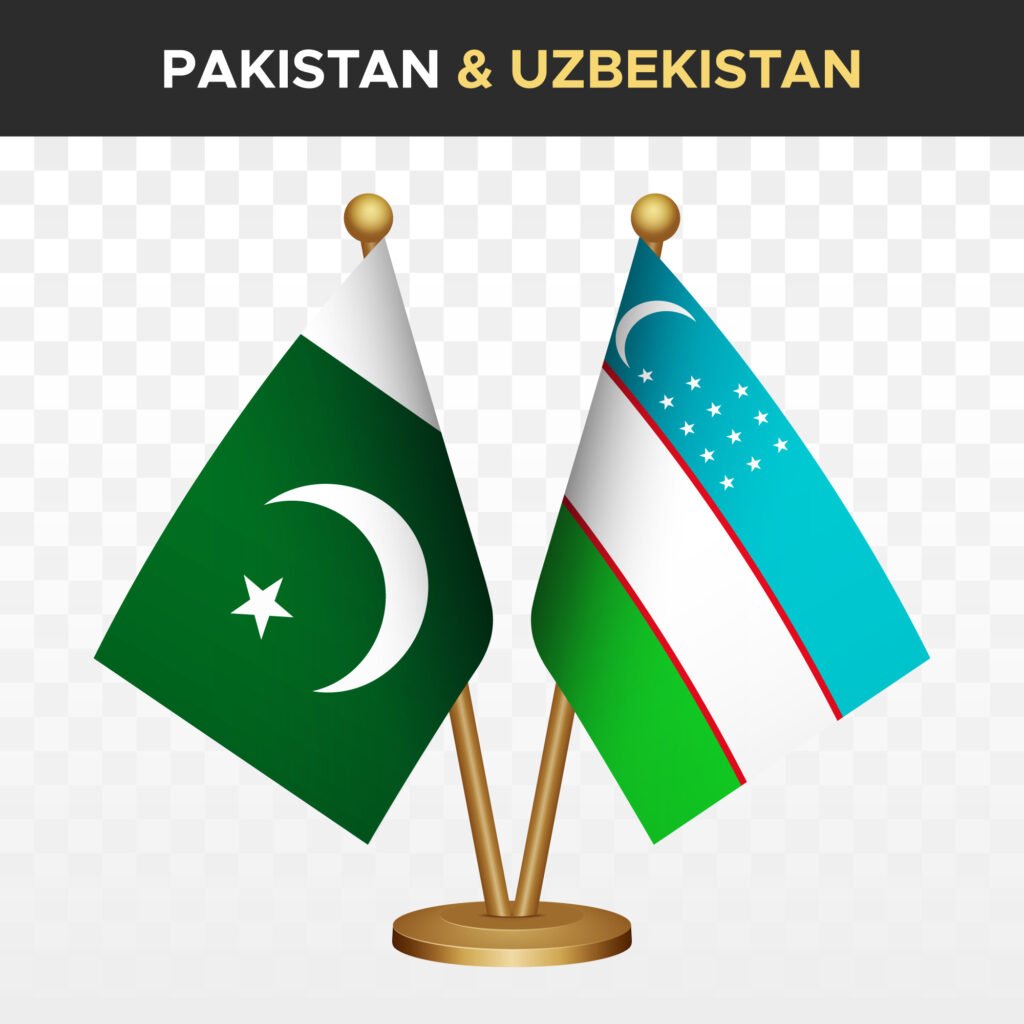
Uzbekistan Pakistan Air Links are entering a dynamic new phase as both countries prepare to launch direct passenger and cargo flights aimed at strengthening trade, tourism, and economic integration. Starting March 30, 2026, travelers and businesses will witness a new era of aviation connectivity linking Central Asia with South Asia. This strategic move is not just about adding flights it signals a deeper shift in regional cooperation and economic ambition. Uzbekistan Pakistan Air Links: Direct Passenger Flights from Tashkent to Lahore Uzbek carrier Centrum Air has announced the launch of nonstop passenger flights between Tashkent and Lahore. Beginning March 30, 2026: • Flights will operate twice weekly• Aircraft deployed: Airbus A320• Route: Direct, nonstop service The new route significantly reduces travel time and eliminates the need for connecting flights through third countries. For business executives, exporters, students, and tourists, this development removes logistical friction that previously slowed bilateral exchange. Lahore, known as Pakistan’s cultural and economic hub, offers immense opportunity for Uzbek travelers. Meanwhile, Tashkent serves as a strategic gateway to Central Asia’s fast-growing markets. Cargo Expansion: Uzbekistan Pakistan Air Links Boost Freight to Karachi In parallel with passenger services, My Freighter will introduce dedicated cargo operations to Karachi, Pakistan’s commercial capital and primary seaport. Rather than presenting the figures in table format, here’s what the cargo expansion practically means: • Faster delivery timelines for textile, pharmaceutical, and agricultural goods• More reliable supply chain channels between Central and South Asia• Reduced dependency on indirect freight routes• Enhanced export potential for small and medium enterprises (SMEs) Karachi’s port infrastructure combined with direct air cargo access from Uzbekistan creates a streamlined trade corridor that businesses have long awaited. Why Uzbekistan Pakistan Air Links Matter for Trade and Tourism The launch of Uzbekistan Pakistan Air Links follows high-level diplomatic engagement between the two nations. During his recent visit to Pakistan, Shavkat Mirziyoyev emphasized the strategic importance of direct air connectivity. His message was clear: economic diplomacy requires physical connectivity. Direct air routes: • Encourage tourism growth on both sides• Support joint ventures and business expansion• Enable faster movement of investors and professionals• Strengthen people-to-people ties For Pakistan, enhanced connectivity to Central Asia aligns with broader regional trade ambitions. For Uzbekistan, Pakistan offers access to South Asian markets and warm-water ports. A Sustainable Air Bridge Between Central and South Asia Abdulaziz Abdurakhmanov, Founder and CEO of Centrum Holding, described the initiative as more than route expansion. He called it the creation of a “sustainable air bridge” a powerful phrase that reflects long-term economic strategy rather than short-term aviation growth. This air bridge is expected to: • Stimulate bilateral trade volumes• Improve logistics efficiency• Support tourism campaigns• Attract foreign direct investment In an era where regional supply chains are being restructured, air connectivity plays a crucial role in economic competitiveness. What Comes Next for Uzbekistan Pakistan Air Links? Industry analysts suggest that if passenger demand and cargo volumes meet expectations, additional frequencies and routes may follow possibly linking Islamabad or other Uzbek cities in the future. The March 2026 launch date marks the beginning of what could become one of the most important aviation partnerships in the region. For businesses, exporters, travel operators, and policymakers, the message is clear: Uzbekistan Pakistan Air Links are opening new doors and those who move early may benefit the most.

Gold Price in Pakistan Drops Sharply – What’s Behind the Sudden Slide?
Business

Gold Price in Pakistan Drops Sharply – What’s Behind the Sudden Slide?

The Gold Price in Pakistan witnessed a notable decline on Monday, sparking fresh conversations among investors, traders, and jewelry buyers. With 24-karat gold now being sold at Rs523,762 per tola, down Rs3,200 in a single session, market watchers are asking: Is this a temporary dip or the beginning of a larger correction? Let’s break down the latest numbers and what they mean for you. Gold Price in Pakistan, Latest Market Update According to rates shared by the All-Pakistan Gems and Jewelers Sarafa Association (APGJSA), gold prices declined across major categories. The price of 24-karat gold per 10 grams dropped by Rs2,743 to settle at Rs449,041. Meanwhile, 22-karat gold per 10 grams was quoted at Rs411,635, reflecting the broader market weakness. In simple terms, if you were planning to buy bridal jewelry or invest in bullion, you are now paying significantly less compared to the previous trading session. Day-on-Day and Broader Trends Compared to February 14, 2026, gold per tola decreased from Rs526,962 to Rs523,762 a drop of Rs3,200 in just two days. However, the bigger picture tells a different story: • Over the past one month, gold is still up by Rs41,900 per tola.• Since the beginning of the fiscal year (FYTD), gold has surged by Rs173,562.• On a calendar year-to-date (CYTD) basis, it has gained Rs66,800. This shows that while the Gold Price in Pakistan dipped in the short term, the long-term upward trend remains intact. Global Markets Influence Gold Price in Pakistan The local bullion market closely follows international trends. Globally, spot gold traded near $5,011 per ounce, down $8 or 0.16% from the previous session. Even minor fluctuations in global gold prices can trigger noticeable movements in Pakistan due to currency exchange rates and import-linked pricing mechanisms. A stronger US dollar and global profit-taking often translate into local corrections. This interconnected dynamic explains why the Gold Price in Pakistan responds almost immediately to global shifts. Silver Also Slides in Domestic Market It wasn’t just gold that softened. Silver prices also fell in the domestic market. • 24-karat silver per tola declined by Rs55 to reach Rs8,164.• Per 10 grams, silver dropped by Rs47 to settle at Rs6,999. Interestingly, while silver has fallen over the past month by Rs1,318 per tola, it remains up Rs4,382 on a fiscal year-to-date basis. This mixed performance suggests volatility in precious metals as investors rebalance portfolios. What Does This Mean for Investors? The recent dip in the Gold Price in Pakistan presents both opportunity and caution: For Buyers: If you were waiting for a pullback before making wedding or investment purchases, this could be a favorable entry point. For Investors: Given gold’s strong FYTD and CYTD gains, short-term corrections may simply be profit-booking rather than a reversal of trend. For Traders: Volatility is expected to continue as global markets react to economic data, interest rate expectations, and geopolitical developments. Is Gold Still a Safe Haven? Despite short-term declines, gold continues to hold its reputation as a hedge against inflation and currency depreciation. Pakistan’s economic landscape, exchange rate movements, and global uncertainties will continue to shape the Gold Price in Pakistan in the coming weeks. The key question remains: Will gold resume its upward rally, or are we heading toward a broader consolidation phase? Investors should closely monitor international bullion trends and domestic currency movements before making major decisions. Conclusion: A Dip, Not a Collapse While the headline drop may appear alarming, the broader trend suggests resilience. The Gold Price in Pakistan has seen significant gains over the fiscal year, and temporary pullbacks are part of any healthy market cycle. Whether you are a long-term investor or a first-time buyer, staying informed is the smartest investment you can make.

OGDCL Kal-03 Well Output Surge Sparks New Hope for Pakistan’s Energy Sector
Business

OGDCL Kal-03 Well Output Surge Sparks New Hope for Pakistan’s Energy Sector

OGDCL Kal-03 well output surge has emerged as a powerful reminder that Pakistan’s aging oil fields may still have untapped potential. In a dramatic turnaround, Oil and Gas Development Company Limited (OGDCL), the country’s largest exploration and production firm, has multiplied crude output from its Kal-03 well in Punjab’s Chakwal district by an astonishing 15 times. For a sector grappling with declining reservoir pressures and limited major new discoveries, this development could not have come at a more critical time. OGDCL Kal-03 Well Output Surge: From 50 BPD to 750 BPD Before the intervention, the Kal-03 well was producing a modest 50 barrels of oil per day (BPD) under natural flow conditions. Such output levels are common in mature oil fields where reservoir pressure declines over time. However, following a carefully planned workover, production skyrocketed to approximately 750 BPD. Instead of presenting this as mere numbers, let’s understand the scale of transformation: • Previously, Kal-03’s contribution was marginal in OGDCL’s broader portfolio.• After intervention, output increased fifteenfold.• The surge significantly improves field economics and extends the productive life of the asset. This remarkable increase demonstrates how technology-driven interventions can unlock hidden value in aging wells. How the OGDCL Kal-03 Well Output Surge Was Achieved The production jump did not happen by chance. It was the result of a technical and strategic intervention that included: • Multistage Physico-Chemical treatment to enhance reservoir flow characteristics.• Installation of an Electric Submersible Pump (ESP) to artificially lift crude oil to the surface. In simple terms, when natural pressure weakens in mature wells, oil struggles to flow freely. By deploying advanced chemical treatments and artificial lift systems, OGDCL restored and enhanced the well’s productivity. This intervention forms part of OGDCL’s broader production-optimization strategy a roadmap designed to stabilize output and generate incremental gains from legacy assets. Why the OGDCL Kal-03 Well Output Surge Matters for Pakistan Pakistan’s upstream oil and gas sector faces mounting pressure. Domestic reserves are depleting, while the country continues to rely heavily on imported crude and refined petroleum products. The OGDCL Kal-03 well output surge signals three important shifts: Rather than relying solely on new discoveries, energy firms are increasingly focusing on squeezing more value from existing assets. Every additional barrel produced domestically helps narrow the import bill a crucial factor for a country managing foreign exchange constraints. The announcement was made through a regulatory filing under securities regulations, ensuring transparency for market participants. Such performance improvements can positively influence investor sentiment toward OGDCL and Pakistan’s energy sector. A Broader Strategy Beyond Kal-03 The Kal-03 intervention is not an isolated event. It reflects a growing industry trend across Pakistan’s upstream sector: • Aging reservoirs are being reassessed.• Enhanced Oil Recovery (EOR) techniques are gaining importance.• Artificial lift systems are becoming standard in mature wells. As major new discoveries remain limited, the future of domestic oil production may increasingly depend on such optimization projects. The success at Chakwal could encourage similar interventions across OGDCL-operated fields, potentially unlocking additional incremental production nationwide. The Bigger Energy Picture At a time when global oil markets remain volatile and energy security is a top national priority, the OGDCL Kal-03 well output surge stands out as a strategic win. While 750 BPD may appear small in global terms, the symbolic and operational importance is substantial. It proves that innovation and technical expertise can revive declining assets and strengthen Pakistan’s energy resilience. For policymakers, investors, and industry stakeholders, one question now looms large: If one mature well can deliver a 15x jump in output, how many more untapped opportunities lie beneath Pakistan’s aging fields?

KSE-100 Plunges Over 5,500 Points Amid Mutual Fund Redemptions
Business

KSE-100 Plunges Over 5,500 Points Amid Mutual Fund Redemptions

The Pakistan Stock Exchange (PSX) witnessed intense selling pressure on February 16, 2026, as the benchmark KSE-100 index plunged over 5,500 points during intra-day trading. The index dropped by 5,504.75 points, or 3.06%, reaching 174,098.98 by 2:45 pm. Read More: https://theboardroompk.com/surplus-lng-pakistan-faces-tough-choice-of-cutting-rlng-or-risk-breaking-qatar-deal/ This sharp decline followed a weekly loss of around 2.5% the previous week, with the index closing at 179,603.73. Triggers Behind the Sharp Sell-Off Massive redemptions from mutual funds triggered heavy selling, led by a few large institutions. Analyst Waqas Ghani from JS Global noted that these redemptions acted as the primary catalyst for the downturn. Heightened political uncertainty and worsening security conditions, especially in Balochistan, further eroded investor confidence over the past week. Sectoral and Stock Impacts Broad-based selling hit major sectors, including automobile assemblers, cement, commercial banks, oil and gas exploration, oil marketing companies, power generation, and refineries. Index-heavy stocks like OGDC, PPL, HBL, MCB, HUBCO, and MARI traded lower. High-volume decliners included BOP (down 9.82%), KOSM (8.08%), and others like KEL and SSGC. Limited gainers appeared in stocks such as HUMNL (up 6.72%). The market saw elevated trading activity in stocks like K-Electric, WorldCall Telecom, and Bank of Punjab. Other indices also fell sharply: BR100 down 3.45%, BR30 down 4.82%, and KSE30 down 2.97%. Amid the turmoil, the government announced potential relief packages for construction, property, and textile sectors soon.

Scroll to Top