
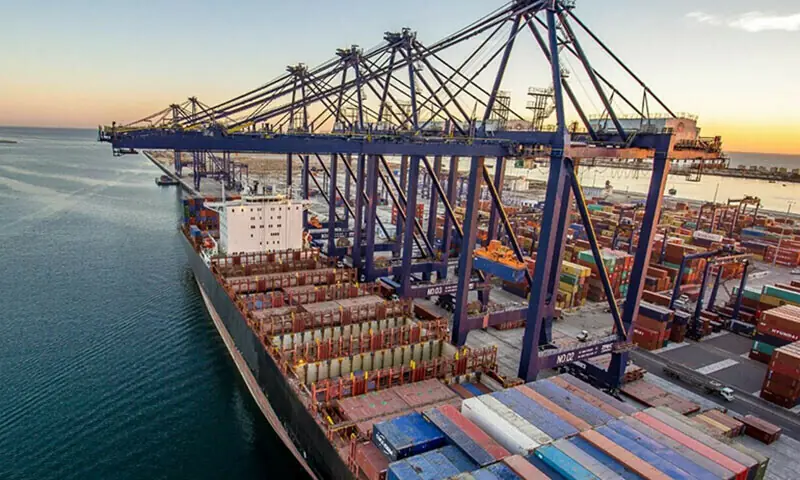
Marine Bunkering Services in Pakistan have entered a transformative phase as global energy giant Vitol launches international-standard operations through Karachi Port Trust. This historic milestone is more than just a new commercial venture it signals Pakistan’s arrival on the global maritime energy map.
For decades, Pakistan’s bunkering potential remained largely untapped despite its strategic geographic location along major international shipping routes. Now, with Vitol’s entry, Karachi’s ports are stepping into a competitive global league.
Marine Bunkering Services Achieve International Standards
The launch of Marine Bunkering Services at Karachi Port introduces bunker barges fully compliant with global maritime assurance requirements. These vessels meet the highest international operational and safety standards, aligning Pakistan’s ports with world-class bunkering hubs.
A major operational breakthrough is the ability to directly load bunker barges from Keamari Oil Terminals. Previously, fuel transport often depended on trucking logistics, limiting scale and efficiency. Direct barge loading eliminates that bottleneck, enabling faster, larger, and more reliable fuel deliveries to visiting vessels.
Additionally, a transparent and structured bunker licensing regime has been introduced an essential reform that builds international market confidence and ensures regulatory clarity for global shipping lines.
Global Market Confidence: Why Vitol’s Entry Matters
Vitol, recognized as the world’s largest independent energy trader, brings unmatched credibility and operational expertise. Its annual supply target of 500,000 to 600,000 metric tons across Karachi Port, Port Qasim, and outer anchorage areas reflects strong confidence in Pakistan’s maritime potential.
This volume positions Marine Bunkering Services as a high-impact economic activity rather than a niche port service. The move sends a powerful signal to international shipping companies: Pakistan is ready for large-scale, reliable bunkering operations under best global practices.
Expanded Fuel Portfolio Strengthens Marine Bunkering Services
Under this initiative, a full spectrum of marine fuels is now available to visiting vessels:
• High Sulfur Fuel Oil (HSFO)
• Very Low Sulfur Fuel Oil (VLSFO)
• Low Sulfur Marine Gas Oil (LSMGO)
This diversified fuel portfolio ensures compliance with international environmental regulations while catering to various vessel requirements. The availability of these fuel grades locally enhances Pakistan’s appeal as a cost-effective and convenient refueling destination.
Economic and Operational Impact of Marine Bunkering Services
The economic ripple effects of expanded Marine Bunkering Services are substantial.
First, port efficiency is expected to improve significantly. Faster fuel supply reduces vessel turnaround time, making Karachi’s ports more attractive for global trade routes. Reduced waiting time directly enhances competitiveness in imports and exports.
Second, domestic industrial growth stands to benefit. An estimated 40–50 percent of local refineries’ fuel oil output is projected to be utilized as bunker fuel. This shift creates a stable domestic demand channel, supporting refinery operations and strengthening the broader energy sector.
In simple terms, bunkering transforms from a supporting service into a strategic economic driver.
Marine Bunkering Services Expansion Plan for 2026
The momentum does not stop here.
By 2026, infrastructure development will include dedicated berths and associated facilities capable of handling 70 to 100 bunker operations per month. This scale indicates a long-term strategic commitment rather than a short-term commercial experiment.
Furthermore, Vitol plans to deploy an additional state-of-the-art vessel to introduce bio-bunker deliveries by the second quarter of 2026. This forward-looking move aligns Pakistan’s ports with global sustainability trends and positions Marine Bunkering Services within the evolving green shipping ecosystem.
Strategic Significance: Fueling Pakistan’s Blue Economy
Marine Bunkering Services are now emerging as a core maritime offering rather than a peripheral port activity. By strengthening energy security for vessels, improving trade competitiveness, and attracting international shipping lines, Pakistan is carving out its place in the regional Blue Economy.
Karachi’s geographic advantage located near key global shipping lanes combined with internationally compliant bunkering infrastructure, provides a powerful growth platform.
The question now is no longer whether Pakistan can compete in maritime fuel supply it’s how quickly it can scale.
With Vitol’s global expertise and Karachi Port Trust’s infrastructure, Marine Bunkering Services are not just fueling ships they are fueling a new chapter in Pakistan’s maritime and economic future.