Author name: Web Desk

JF-17 Thunder Takes Centre Stage in Pak-Indonesia Defence Discussions
Pakistan

JF-17 Thunder Takes Centre Stage in Pak-Indonesia Defence Discussions

Islamabad – An Indonesian delegation, led by Defence Minister Lt Gen (R) Sjafrie Sjamsoeddin, met Pakistan Air Force Chief Air Chief Marshal Zaheer Ahmed Baber Sidhu at Air Headquarters in Islamabad on Tuesday to discuss deepening bilateral defence cooperation, with the JF-17 Thunder fighter jet emerging as a central topic. Read More: https://theboardroompk.com/pakistan-and-bangladesh-deepen-defence-ties-with-potential-jf-17-deal/ Strategic Dialogue and Modernisation Efforts The talks, which follow the recent state visit by the Indonesian President to Pakistan, emphasised capacity building, specialised training, technological exchange, and joint operational collaboration between the two air forces. Air Chief Marshal Sidhu briefed the minister on the PAF’s ongoing modernisation, including the induction of advanced capabilities, infrastructure upgrades, and readiness for multi-domain operations. He reaffirmed Pakistan’s commitment to long-term institutional engagement with Indonesia. JF-17 as Key Attraction Amid Global Interest Discussions highlighted the JF-17 Thunder, a multi-role combat aircraft jointly developed by Pakistan and China and produced in Pakistan. The jet has gained significant prestige following its demonstrated performance in the May 2025 conflict with India. Minister Sjamsoeddin praised the PAF’s operational excellence and commended Pakistan’s self-reliance in aerospace, particularly through the National Aerospace Science & Technology Park (NASTP), calling it a “testament to Pakistan’s increasing self-reliance.” Reports indicate advanced-stage negotiations for the potential sale of over 40 JF-17 jets, alongside air defence systems, training programs for Indonesian air force personnel, and interest in Pakistani drones like the Shahpar. While no concrete decisions were announced, both sides expressed enthusiasm for expanding joint ventures in aviation and aerospace to bolster regional stability. This engagement aligns with Pakistan’s broader defence export push, as seen in recent interest from Iraq, Bangladesh, and others.
Info Ministry Rejects 'Disinformation' Alleging Pakistan Bases for US Iran Attack
Politics

Info Ministry Rejects ‘Disinformation’ Alleging Pakistan Bases for US Iran Attack

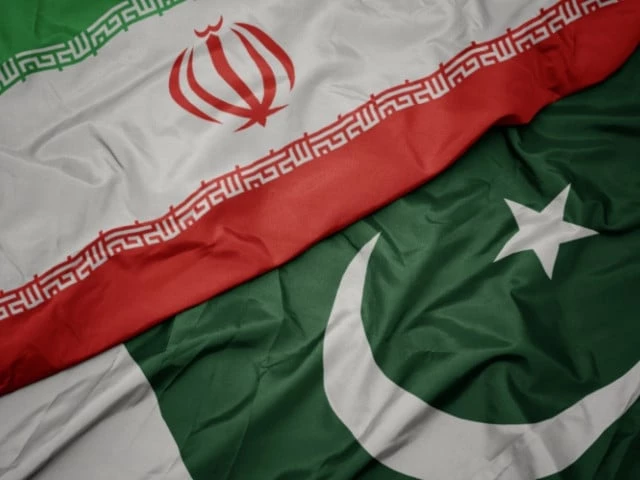
ISLAMABAD – Pakistan’s Ministry of Information and Broadcasting on Monday categorically denied circulating claims that the country is facilitating or allowing its territory to be used for potential United States military strikes on Iran. The ministry labeled the allegations as “pure disinformation” and a “reckless, blame-pushing narrative” designed to entangle Pakistan in the escalating US-Iran standoff. In a detailed fact-check statement posted on its official platforms, the ministry addressed specific rumors spread primarily via social media. These included assertions that US aerial refueling aircraft (such as KC-135R tankers), surveillance platforms, and stealth fighters (F-35/F-22) had been relocated to Pakistani bases or were conducting unusual flights toward or into Iranian airspace. The ministry stated firmly: “There is no credible proof that US aircraft or ISR [intelligence, surveillance, and reconnaissance] assets are based in Pakistan. There is also no credible evidence of Pakistan-to-Iran operational flights for strikes.” The denial comes against the backdrop of renewed regional volatility. Iran has faced widespread protests in recent weeks, prompting sharp warnings from US President Donald Trump about possible intervention if the crackdown intensifies. Tehran has vowed readiness for war while expressing openness to diplomacy on equal terms. Earlier, a brief but intense 12-day conflict in mid-2025 involving Iran, Israel, and US strikes on Iranian nuclear facilities drew strong condemnation from Pakistan, which described the actions as violations of international law and reaffirmed Iran’s right to self-defense. Officials emphasized that Pakistan’s prior public stance—condemning foreign military operations on Iranian soil—directly contradicts any notion of facilitation. The ministry urged the public and media to rely on verified sources and avoid unverified propaganda, some of which reportedly originated from accounts linked to Afghanistan and India. No major international outlet has corroborated the claims, reinforcing Islamabad’s position of non-involvement in the dispute.

KSE-100 Index Ends Lower Amid Broad-Based Selling Pressure
Pakistan

KSE-100 Index Ends Lower Amid Broad-Based Selling Pressure

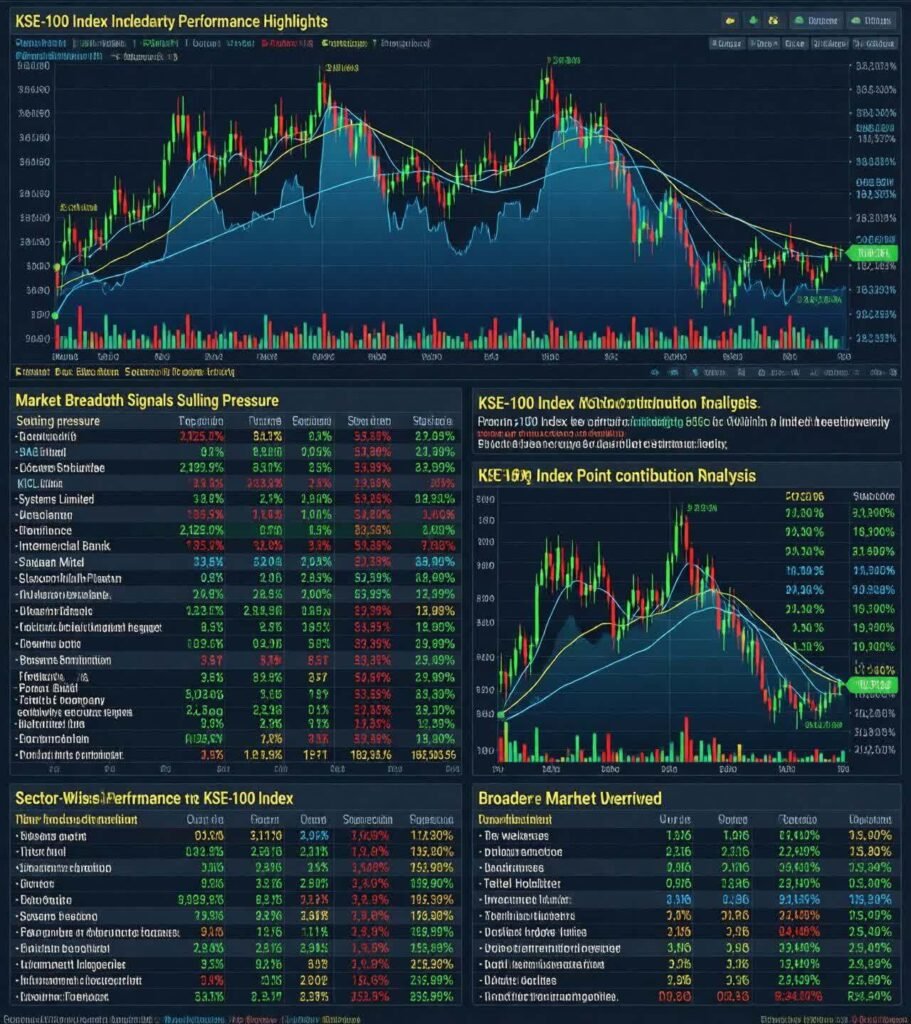
The KSE-100 Index extended its corrective phase on Monday, closing sharply lower as heavyweight sectors including commercial banks, oil & gas exploration, cement, and fertilizers came under selling pressure. Investor sentiment remained cautious despite strong year-to-date gains, leading to profit-taking across most index constituents. By the end of the trading session, the KSE-100 Index settled at 182,384.14 points, marking a decline of 2,025.53 points or 1.10% on a day dominated by negative breadth and sector-wide weakness. KSE-100 Index Intraday Performance Highlights The KSE-100 Index experienced heightened volatility throughout the session, moving within a wide intraday range of over 2,100 points. The index briefly touched an intraday high of 184,439.06 points, before selling pressure intensified, dragging it down to a low of 182,303.56 points. Market participation remained active, with 418.83 million shares traded within the benchmark index, indicating sustained investor engagement despite the bearish close. Market Breadth Signals Strong Selling Pressure Out of the 100 companies comprising the KSE-100 Index, market breadth remained decisively negative. Only 18 stocks closed in the green, while 81 stocks ended lower, and one stock remained unchanged, reflecting broad-based selling across sectors. Top Losers and Gainers in the KSE-100 Index Selling pressure was most pronounced in select blue-chip and growth stocks. The worst-performing stocks included insurance, technology, cement, and pharmaceutical names. Meanwhile, selective buying interest emerged in textiles, telecom, and chemicals. Stocks that declined the most were led by AICL, which shed nearly 8%, followed by SAZEW, KOHC, Systems Limited, and GlaxoSmithKline Pakistan. On the positive side, Nishat Mills, Pakistan Telecommunication Company, and Lotte Chemical Pakistan posted strong gains, helping cushion the index from steeper losses. KSE-100 Index Point Contribution Analysis From an index-point perspective, the downward move in the KSE-100 Index was largely driven by heavyweight stocks. Systems Limited, United Bank Limited, Meezan Bank, Engro Holdings, and Fauji Fertilizer Company collectively erased several hundred points from the benchmark. Conversely, support to the index came primarily from PTC, Nishat Mills, Askari Bank, Lotte Chemical, and Millat Tractors, which added modest points but were insufficient to offset broader losses. Sector-Wise Performance of the KSE-100 Index The KSE-100 Index was primarily dragged lower by the commercial banking sector, which contributed the largest negative impact. This was followed by oil & gas exploration, investment companies, cement, and fertilizer sectors, all of which faced notable selling pressure. On the supportive side, textile composite stocks provided limited relief, while marginal gains were recorded in REITs, woollen, sugar & allied industries, and leasing companies, though their overall contribution remained minimal. Broader Market Overview The weakness extended beyond the benchmark, as the All-Share Index closed at 109,499.62 points, down 882.96 points or 0.80%. Total market volume rose to 1.06 billion shares, reflecting increased activity, while traded value declined to Rs48.24 billion, indicating cautious positioning. Across the broader market, 161 stocks advanced, 284 declined, and 36 remained unchanged, reinforcing the bearish undertone. Long-Term Performance Keeps Investor Optimism Alive Despite the short-term correction, the KSE-100 Index has delivered impressive long-term returns. During the current fiscal year, the index has surged by 56,757 points, representing a gain of 45.18%. On a calendar-year basis, it remains up 8,330 points or 4.79%, highlighting the underlying strength of Pakistan’s equity market. Outlook for the KSE-100 Index Market participants are likely to remain selective in the near term, focusing on earnings visibility, interest rate expectations, and macroeconomic signals. While volatility may persist, strong fiscal-year performance suggests that any further dips in the KSE-100 Index could attract value-based buying.

Pakistani Rupee Exchange Rate Shows Stability Against US Dollar
Pakistan

Pakistani Rupee Exchange Rate Shows Stability Against US Dollar

The Pakistani Rupee Exchange Rate remained largely stable in Monday’s interbank trading session, as the local currency recorded a marginal gain of 1.14 paisa against the US dollar, closing at PKR 280.01 per USD, compared to the previous session’s close of 280.02. Currency market participants observed a relatively narrow trading range throughout the day, indicating calm sentiment and balanced demand-supply dynamics in the foreign exchange market. Pakistani Rupee Exchange Rate in Interbank and Open Market During the session, the Pakistani rupee traded within a tight intraday band. The interbank market recorded a high (bid) of PKR 280.30 and a low (ask) of PKR 281.05, reflecting minimal volatility. In the open market, exchange companies quoted the US dollar at PKR 280.40 for buying and PKR 281.05 for selling, suggesting stable retail demand for foreign currency. This steadiness in the Pakistani Rupee Exchange Rate aligns with improving external account indicators and cautious optimism around Pakistan’s macroeconomic outlook. Pakistani Rupee Exchange Rate Against Major Global Currencies While the rupee held firm against the US dollar, it showed mixed performance against other major international currencies. Against the Euro, the Pakistani rupee depreciated by Rs1.11 or 0.34%, closing at PKR 327.25, compared to 326.14 in the previous session. This movement reflects the euro’s relative strength in global markets. Similarly, the rupee weakened against the British Pound, falling by 67 paisa or 0.18% to settle at PKR 376.74, compared to 376.07 a day earlier. The local currency also declined against the Swiss Franc, losing Rs1.52 or 0.44%, closing at PKR 351.62, indicating pressure from safe-haven currency demand. Asian and Regional Currency Performance In contrast, the Pakistani Rupee Exchange Rate improved against the Japanese Yen, appreciating by 0.26 paisa or 0.15% to close at PKR 1.7749, compared to 1.7775 previously. Against the Chinese Yuan, however, the rupee weakened by 4.21 paisa or 0.10%, closing at PKR 40.15, reflecting ongoing trade settlement dynamics between the two countries. The rupee remained largely unchanged against Gulf currencies, strengthening slightly by 0.30 paisa against the Saudi Riyal to PKR 74.67, and by 0.31 paisa against the UAE Dirham to PKR 76.24, underscoring the peg-driven stability of these currencies. Pakistani Rupee Exchange Rate: Fiscal Year and Calendar Year Trends From a broader perspective, the Pakistani Rupee Exchange Rate has shown notable improvement over time. During the current fiscal year, the rupee has appreciated by Rs3.75 or 1.34% against the US dollar. On a calendar-year basis, the local currency has gained 11.10 paisa or 0.04%, signaling gradual stabilization following previous periods of heightened volatility. Money Market Update and Interest Rate Indicators In the money market, short-term liquidity conditions eased slightly. The 6-month Karachi Interbank Offered Rate (KIBOR) edged down by 3 basis points, with bid rates at 10.11% and offer rates at 10.36%. This decline suggests improving liquidity and reduced short-term funding pressure in the banking sector. Outlook for the Pakistani Rupee Exchange Rate Market analysts believe the Pakistani Rupee Exchange Rate will continue to trade within a controlled range in the near term, supported by stable remittance inflows, disciplined import demand, and cautious monetary policy expectations. However, external factors such as global interest rate movements and commodity prices will remain key risk indicators.

Gas Supply in Karachi Disrupted Amid Reduced Output from Two Gas Fields
Pakistan

Gas Supply in Karachi Disrupted Amid Reduced Output from Two Gas Fields

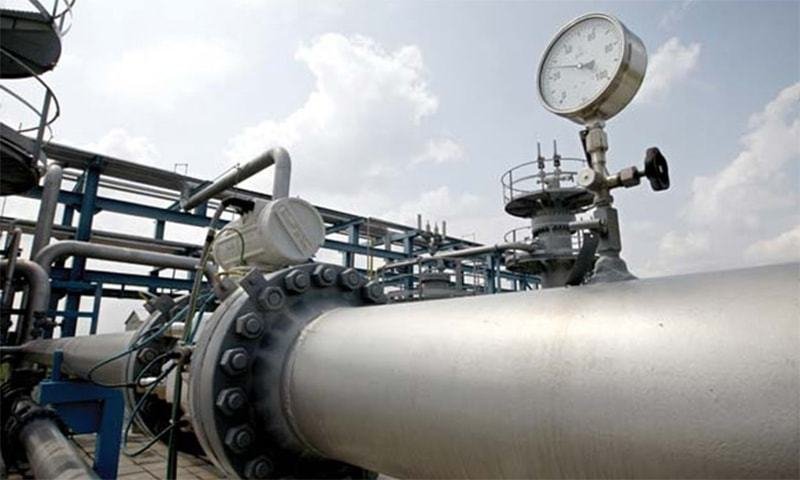
Gas supply in Karachi has come under pressure after Sui Southern Gas Company Limited (SSGC) reported a decline in production from two key gas fields, triggering low pressure and supply disruptions in several parts of Pakistan’s largest city. The situation has raised concerns among households and businesses, particularly during the ongoing winter season when gas demand peaks. According to SSGC, the combined gas supply from the two affected fields stands at around 45 million cubic feet per day (mmcfd). The reduction caused a noticeable dip in system pressure, impacting gas availability in multiple localities. However, company officials confirmed that the situation has started to stabilize and gradual improvement has been observed over the past few hours. Gas Supply in Karachi: What Caused the Disruption? The disruption in gas supply in Karachi is primarily linked to reduced output from upstream gas fields, a challenge that has become more pronounced during winter. Low temperatures significantly increase domestic gas consumption, while system line pack the pressure maintained within gas pipelines weakens due to higher withdrawals. SSGC highlighted that the pressure drop was not due to distribution failure but rather constrained supply amid unusually high seasonal demand. The company emphasized that such situations require immediate load management to prevent a complete system imbalance. SSGC Prioritizes Domestic Gas Supply in Karachi To mitigate the impact of the shortfall, SSGC implemented emergency measures focused on protecting household consumers. One of the most critical steps was the temporary suspension of gas supply to Fauji Fertilizer Company, a major industrial consumer. In addition, industrial gas supply remained suspended on Sunday, allowing SSGC to redirect available volumes toward domestic users. These measures reflect the company’s winter gas load management strategy, where household consumption takes precedence over commercial and industrial demand. Explained simply, gas that would normally be allocated to fertilizer production and industrial operations was rerouted to residential areas to maintain cooking and heating needs. Winter Demand and Gas Supply in Karachi: The Bigger Picture Despite the current challenges, SSGC revealed that it is supplying 28 mmcfd more gas to domestic consumers compared to last winter. This increase underscores the company’s efforts to strengthen household gas availability year-on-year. However, colder-than-usual temperatures across SSGC’s franchise areas have intensified demand beyond projections. As a result, even enhanced domestic allocations have struggled to keep pace, putting extraordinary pressure on the gas transmission network. In practical terms, while more gas is being delivered to homes than last year, consumption has risen even faster, reducing line pressure and affecting end-user supply consistency. Gas Supply in Karachi: Areas Affected and Recovery Outlook Although SSGC did not release a detailed list of affected neighborhoods, the company confirmed that low gas pressure was reported in several parts of Karachi, particularly during peak usage hours. SSGC management stated that teams are closely monitoring gas field recovery and system pressure levels. Once full production from the affected gas fields is restored, the additional supply will be immediately diverted to domestic consumers to normalize gas pressure across the city. Business and Economic Impact of Gas Supply Disruptions The disruption in gas supply in Karachi has broader implications for Pakistan’s economy. Temporary suspension of gas to industries can slow production, affect supply chains, and increase operational costs for businesses reliant on natural gas. However, experts note that prioritizing domestic consumers during winter is essential to avoid social and public welfare challenges. Energy planners argue that long-term solutions — including LNG imports, gas storage expansion, and demand-side management — are critical to reducing seasonal supply shocks. Managing Gas Supply in Karachi During Peak Winter The current gas shortfall highlights the fragile balance between supply and demand in Pakistan’s energy sector. While SSGC’s swift response has helped stabilize gas supply in Karachi, the episode underscores the urgent need for infrastructure upgrades and diversified energy sources. As winter continues, consumers are advised to use gas efficiently, especially during peak hours. SSGC has reassured the public that restoration efforts are ongoing and that domestic consumers will remain the company’s top priority until normal supply conditions are fully restored.

Pakistan–Indonesia Cooperation Agreement for Ghee Industry Marks a Strategic Trade Milestone
World

Pakistan–Indonesia Cooperation Agreement for Ghee Industry Marks a Strategic Trade Milestone

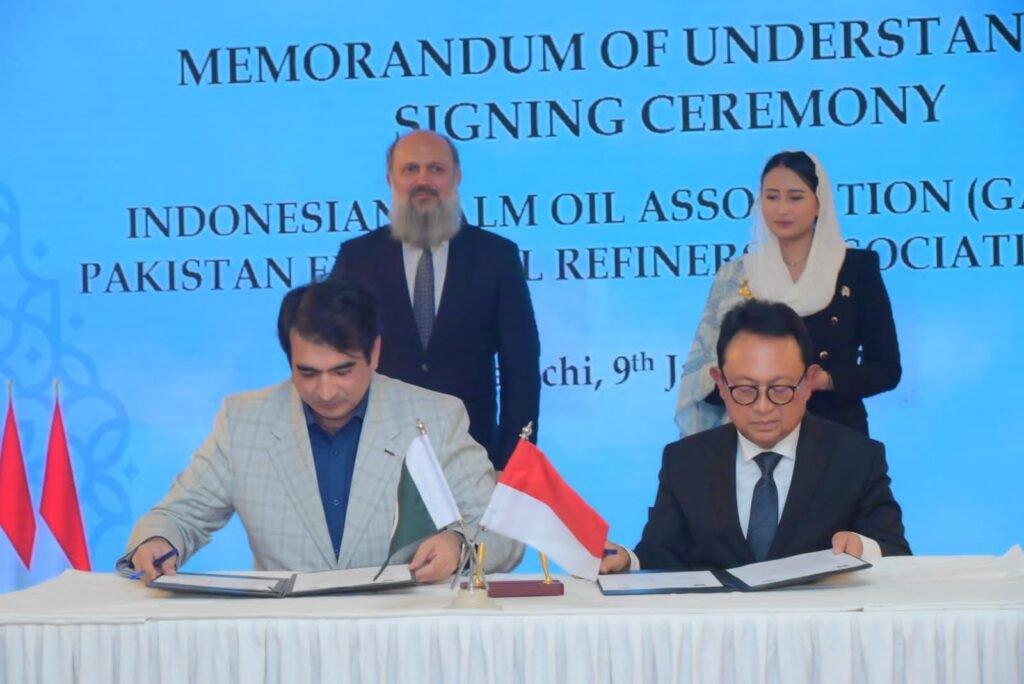
The Pakistan–Indonesia Cooperation Agreement for Ghee Industry has emerged as a landmark development for Pakistan’s vanaspati and cooking oil sector, paving the way for a more stable palm oil supply, enhanced trade collaboration, and long-term industry sustainability. The agreement reflects growing economic cooperation between the two countries and highlights the role of private-sector partnerships in strengthening bilateral trade. The milestone agreement was formalized through a Memorandum of Understanding (MoU) between the Pakistan Vanaspati Manufacturers Association (PVMA) and the Indonesian Palm Oil Association (GAPKI), reinforcing Indonesia’s position as Pakistan’s largest and most reliable palm oil supplier. Pakistan–Indonesia Cooperation Agreement for Ghee Industry: Strengthening Palm Oil Trade Speaking at the signing ceremony in Karachi, PVMA Chairman Sheikh Umer Rehan described the Pakistan–Indonesia Cooperation Agreement for Ghee Industry as a “timely and positive development” for Pakistan’s edible oil ecosystem. He emphasized that Indonesia remains a critical trading partner for Pakistan in palm oil, which constitutes a significant share of the country’s edible oil imports. Under the agreement, both associations will work closely to ensure uninterrupted palm oil supply, improved commercial terms, and long-term market stability. This cooperation is expected to benefit not only manufacturers but also consumers by supporting price stability and ensuring consistent availability of essential food commodities. How the Pakistan–Indonesia Cooperation Agreement Supports Industry Stability The Pakistan–Indonesia Cooperation Agreement for Ghee Industry focuses on multiple strategic areas that are crucial for sustainable growth. Instead of listing figures in tables, the agreement outlines its impact across key dimensions: First, the MoU prioritizes supply chain stability, ensuring that Pakistani manufacturers receive palm oil without disruptions, especially during periods of global price volatility. Second, it emphasizes information sharing and joint initiatives, allowing both countries’ private sectors to collaborate on market intelligence, sustainability standards, and future investment opportunities. Third, the agreement seeks to improve trade terms and efficiency, helping reduce operational uncertainties for Pakistan’s ghee and cooking oil producers while strengthening Indonesia’s export footprint. Together, these elements create a framework that supports long-term planning, industry confidence, and mutual economic benefit. Government Backing for Pakistan–Indonesia Cooperation Agreement for Ghee Industry Sheikh Umer Rehan also acknowledged the Government of Pakistan’s proactive role in trade diplomacy, noting that official support was instrumental in facilitating the agreement. The presence of Federal Minister for Commerce Jam Kamal Khan at the signing ceremony underscored the government’s commitment to industrial growth, trade diversification, and export-oriented policies. From Indonesia’s side, the participation of Deputy Minister of Trade Mrs. Dyah Roro Esti highlighted the strategic importance Jakarta places on its economic relationship with Pakistan, particularly in the palm oil sector. Long-Term Economic Impact of Pakistan–Indonesia Cooperation Agreement According to PVMA leadership, the Pakistan–Indonesia Cooperation Agreement for Ghee Industry is expected to generate positive spillover effects beyond the edible oil sector. Increased bilateral trade volumes, stronger private-sector engagement, and enhanced supply chain resilience are likely to contribute to overall economic stability. The agreement also lays the foundation for future collaboration in related sectors, joint strategies, and sustainable trade practices, supporting Pakistan’s food security goals and Indonesia’s export-driven growth strategy. A Foundation for Sustainable Trade Growth The Pakistan–Indonesia Cooperation Agreement for Ghee Industry represents more than a trade MoU it is a strategic partnership aimed at long-term sustainability, economic resilience, and consumer protection. By aligning private-sector collaboration with government-backed trade diplomacy, the agreement sets a strong precedent for future bilateral initiatives between Pakistan and Indonesia. As global commodity markets remain volatile, such structured cooperation will play a critical role in safeguarding local industries, stabilizing prices, and strengthening regional trade ties.

Port Qasim Industrial Complex to Transform Pakistan into a Climate-Resilient Industrial Powerhouse
Pakistan

Port Qasim Industrial Complex to Transform Pakistan into a Climate-Resilient Industrial Powerhouse

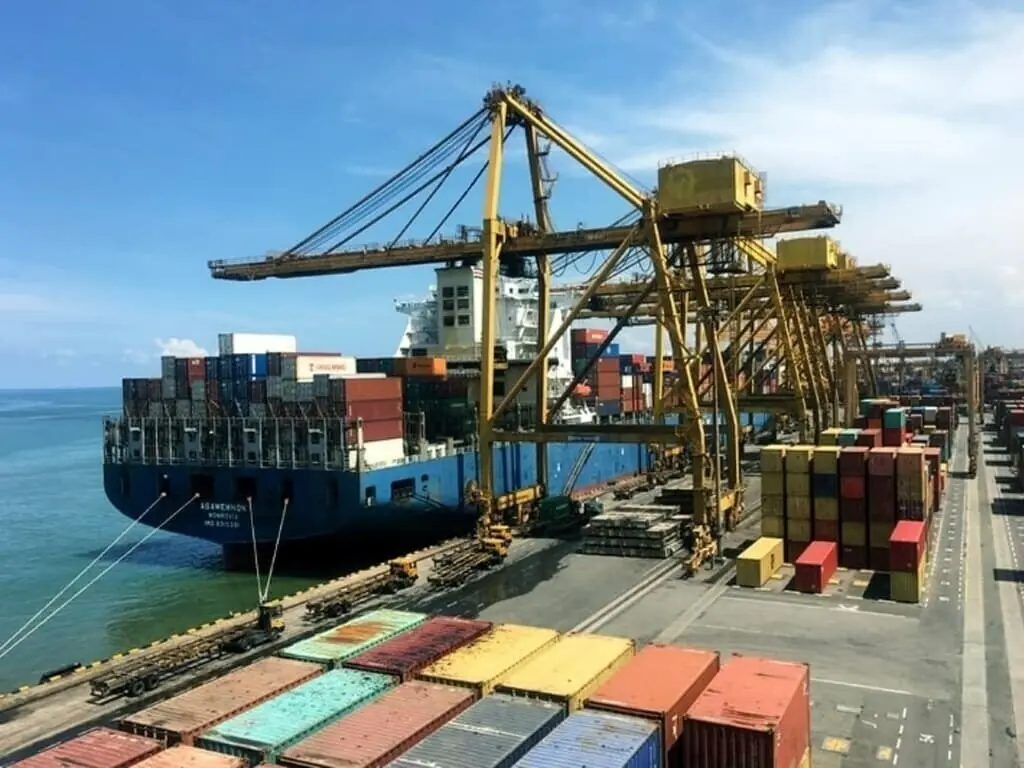
Port Qasim Industrial Complex is at the heart of Pakistan’s ambitious plan to build a globally competitive, climate-resilient industrial and logistics ecosystem that supports long-term economic growth, export expansion, and environmental sustainability. The federal government has unveiled a comprehensive master plan to develop Port Qasim into a modern industrial hub that aligns with Pakistan’s broader objectives of industrialization, trade diversification, and blue economy development. The plan reflects a long-term vision to strengthen investor confidence while ensuring strict environmental compliance. Port Qasim Industrial Complex and Pakistan’s Economic Vision Federal Minister for Maritime Affairs Muhammad Junaid Anwar Chaudhry described Port Qasim Industrial Complex as a “gateway to national prosperity,” emphasizing its strategic importance in Pakistan’s long-term economic framework. According to the minister, the climate-resilient industrial hub is projected to generate tens of billions of dollars in economic activity over the next two decades, significantly enhancing Pakistan’s industrial base. The initiative is also expected to create hundreds of thousands of jobs, stimulate export-led growth, and strengthen supply chains across key sectors. A strong focus on sustainability, he noted, will help mitigate long-term environmental and economic risks an increasingly important factor for global investors evaluating emerging markets. Master Plan of Port Qasim Industrial Complex: Scale and Scope The Port Qasim Industrial Complex master plan spans 14,590 acres and follows a phased development strategy designed to ensure balanced land use, efficient port operations, and long-term sustainability over a 50-year horizon. Instead of fragmented development, the plan introduces a structured zoning model that supports diversified industrial activity while safeguarding environmentally sensitive areas. Industrial Zoning Strategy within Port Qasim Industrial Complex The development is divided into three major industrial zones, each serving a distinct economic purpose. The North Western Zone, covering 3,061 acres, is earmarked for diversified industrial activity. This area will support value-added manufacturing, port-linked ancillary services, and light-to-medium industries that benefit from proximity to port operations. The Eastern Zone, the largest at 7,273 acres, will form the industrial backbone of the complex. It is designed to accommodate heavy industries, export-oriented manufacturing units, and large-scale logistics facilities essential for regional and international trade. The South Western Zone, spanning 2,258 acres, is allocated for specialized industrial and commercial uses. In addition, 1,997 acres of low-lying land will be developed in carefully planned phases, incorporating environmental safeguards to ensure sustainable utilization. This zoning approach ensures that Port Qasim Industrial Complex grows in an orderly, efficient, and environmentally responsible manner. Existing Capacity and Investor Confidence at Port Qasim Industrial Complex Highlighting existing momentum, the minister revealed that Port Qasim Industrial Complex currently hosts 833 operational industrial units, with another 40 units under construction. This sustained expansion reflects strong investor confidence and the port’s growing role as an industrial hub. The government remains committed to improving the ease of doing business by streamlining approvals, upgrading infrastructure, and introducing digital systems that enhance transparency and efficiency. Strategic Role of Port Qasim Industrial Complex in National Supply Chains Port Qasim Industrial Complex plays a critical role in Pakistan’s national supply chain and energy security. The port handles bulk cargo, liquid chemicals, energy imports, and industrial raw materials that are vital to sectors such as manufacturing, energy, construction, and exports. To further enhance competitiveness, the government plans to modernize port infrastructure, strengthen road and rail connectivity, and integrate advanced digital logistics systems. These upgrades aim to reduce costs, improve turnaround times, and align operations with international standards. Positioning Port Qasim Industrial Complex as a Regional Hub The ultimate objective is to position Port Qasim Industrial Complex as a regional industrial and logistics hub that supports Pakistan’s economic transformation. By combining climate resilience, industrial scale, and operational efficiency, the port is set to become a cornerstone of sustainable development and export growth. As global trade increasingly prioritizes sustainability and efficiency, Port Qasim’s long-term vision places Pakistan in a stronger position to compete in regional and international markets.

Pakistan car sales December 2025 jump 35% as auto sector recovery strengthens
Pakistan

Pakistan car sales December 2025 jump 35% as auto sector recovery strengthens

Pakistan car sales December 2025 recorded a strong year-on-year rebound, reflecting renewed momentum in the country’s automotive industry, according to the latest data released by the Pakistan Automotive Manufacturers Association (PAMA). Total sales of cars, including light commercial vehicles (LCVs), vans, and jeeps, increased by 35.2% to 13,280 units, compared to 9,820 units in December 2024. However, despite the robust annual growth, the market experienced a 14% month-on-month decline, as sales slipped from 15,442 units in November 2025, indicating short-term demand normalization after earlier buying activity. Pakistan car sales December 2025 show strong 6MFY26 performance On a cumulative basis, Pakistan car sales December 2025 capped a strong first half of FY26. During July–December FY26 (6MFY26), total vehicle sales reached 88,322 units, marking a 45.5% increase compared to 60,676 units sold in 6MFY25. Passenger cars remained the backbone of the recovery, contributing 65,910 units during the six-month period, up 41.7% year-on-year. Meanwhile, LCVs, vans, and jeeps outperformed the broader market, with cumulative sales rising sharply by 58.1% to 22,412 units, highlighting growing demand from commercial and utility segments. Pakistan car sales December 2025: Production trends mirror sales growth Vehicle production largely tracked sales momentum. In December 2025, total car production stood at 12,950 units, reflecting an 18.5% year-on-year increase, though production declined 21.5% month-on-month due to seasonal and inventory adjustments. For the 6MFY26 period, cumulative car production reached 96,233 units, a significant 51.2% increase from 63,632 units in 6MFY25, underlining improving supply-side conditions amid easing import constraints and better availability of auto parts. Across all vehicle categories, Pakistan’s automotive industry produced 162,270 units in December 2025, while total sales stood close at 160,408 units, signaling healthy market absorption. From July to December 2025, cumulative production surged to 928,521 units, up 32.9% year-on-year. Brand-wise performance highlights in Pakistan car sales December 2025 Major automakers maintained competitive positioning during Pakistan car sales December 2025. Toyota continued its leadership in the 1300cc and above segment, producing 1,959 units of Corolla, Yaris, and Corolla Cross models, while sales reached 2,116 units, reflecting stable consumer demand. Honda produced 2,129 units of City and Civic models during the month, with sales totaling 1,739 units, showing a slight month-on-month softening. Suzuki remained dominant in multiple segments. Swift production stood at 1,331 units, with sales of 1,009 units, while in the below-1000cc segment, Alto production reached 4,388 units, and sales totaled 3,863 units, reaffirming its mass-market appeal. SUVs, commercial vehicles, and tractors support auto sector growth The SUV and pickup segment showed steady traction, with 2,215 units produced and 2,609 units sold in December. Honda’s BR-V and HR-V contributed to this segment with 180 units produced and 204 units sold, while other crossover models continued to gain market share. In the trucks and buses segment, December production reached 626 units, while sales stood at 372 units, led by manufacturers such as Hino, Isuzu, Master, and JAC, supporting logistics and transport sector activity. The farm tractor segment remained a key growth driver. December production totaled 3,506 units, with sales of 3,399 units, reflecting sustained agricultural demand. Over July–December FY26, tractor production reached 13,366 units, while sales stood at 12,929 units. Outlook for Pakistan car sales December 2025 and beyond Overall, Pakistan car sales December 2025 underscore a broad-based recovery in the automotive sector, supported by improved macroeconomic stability, easing supply chain constraints, and gradual revival in consumer confidence. While month-on-month volatility persists, strong cumulative growth signals a positive trajectory for the remainder of FY26.

Gold Price in Pakistan Rallies Sharply Amid Global Economic Turmoil
Pakistan

Gold Price in Pakistan Rallies Sharply Amid Global Economic Turmoil

The gold price in Pakistan witnessed a strong upward move on Monday, reflecting rising global uncertainty and renewed investor appetite for safe-haven assets. According to the All-Pakistan Gems and Jewelers Sarafa Association (APGJSA), prices of both gold and silver surged significantly in the domestic market, tracking international bullion trends. This sudden spike highlights growing concerns over geopolitical instability, economic volatility, and increasing expectations of interest rate cuts by major central banks, particularly the US Federal Reserve. Gold Price in Pakistan Today – Latest Domestic Rates The gold price in Pakistan climbed sharply across all major purity levels. 24-karat gold, the most traded benchmark in the local market, was sold at Rs480,962 per tola, marking a day-on-day increase of Rs7,700. On a per-10-gram basis, 24-karat gold reached Rs412,347, up Rs6,602, while 22-karat gold also moved higher, trading at Rs377,998 per 10 grams. In practical terms, this means gold prices have now gained nearly Rs28,700 in the past month, underscoring sustained bullish momentum driven by global market forces. Silver Prices Follow Gold’s Rally in Pakistan Silver prices mirrored the surge in gold, strengthening further in the local bullion market. 24-karat silver was sold at Rs8,895 per tola, registering an increase of Rs430 in a single session. On a 10-gram basis, silver climbed to Rs7,626, gaining Rs369. Over the past month, silver prices in Pakistan have risen by more than Rs2,400 per tola, indicating strong industrial and investment demand amid rising economic uncertainty. Gold and Silver Performance Snapshot As of January 12, 2026, gold and silver have shown notable gains across multiple timeframes: • Gold has increased by Rs7,700 day-on-day, nearly Rs28,700 over one month, and over Rs130,000 since the start of the fiscal year, reflecting robust long-term performance.• Silver recorded a Rs430 daily rise, more than Rs2,400 monthly growth, and solid gains on both fiscal-year and calendar-year bases. These figures indicate that precious metals continue to outperform many traditional asset classes in Pakistan. Global Gold Prices Drive Gold Price in Pakistan Internationally, spot gold traded near $4,595 per ounce, rising by $55.4 or 1.22% in the latest session. This global rally directly influenced the gold price in Pakistan, as local bullion rates closely track international movements combined with PKR exchange fluctuations. Market analysts attribute the surge to a “perfect storm” of factors, including escalating geopolitical tensions, slowing global economic growth, and mounting pressure on the US Federal Reserve to cut interest rates sooner than expected. Lower interest rates typically weaken the US dollar and increase gold’s appeal as a store of value. What’s Next for Gold Price in Pakistan? Looking ahead, the gold price in Pakistan is expected to remain volatile but biased upward if global uncertainty persists. Any further depreciation of the Pakistani rupee or escalation in geopolitical risks could push prices even higher in the short term. For investors, gold continues to serve as a hedge against inflation, currency risk, and economic shocks making it a key asset to watch in 2026.

Ahsan Iqbal Sounds Alarm Saying Pakistan Heading Towards 400M as NFC Formula Fueling Population Explosion
Uncategorized

Ahsan Iqbal Sounds Alarm Saying Pakistan Heading Towards 400M as NFC Formula Fueling Population Explosion

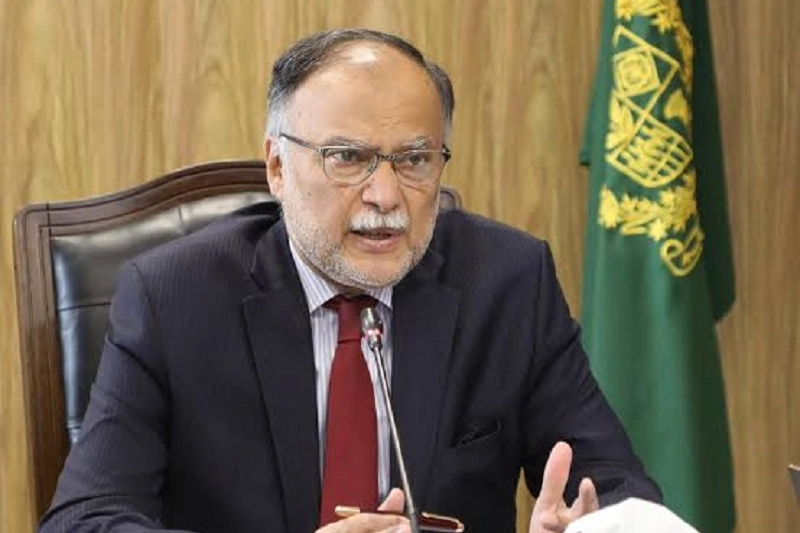
Federal Minister for Planning, Development and Special Initiatives Ahsan Iqbal has raised serious alarms over Pakistan’s accelerating population growth, describing it as one of the most pressing threats to the nation’s future stability and development. In a recent video message, the minister revealed findings from the country’s first Digital Census in 2023, which showed the annual population growth rate climbing from 2.4% in the previous census to 2.55%. “We are one of the fastest-growing populations in the world,” Iqbal stated, noting that such rates are typically observed in the least developed countries of Africa. With Pakistan’s current population at 240 million, continued growth at this pace could push the figure to around 400 million by 2050—a daunting prospect that would severely strain resources, infrastructure, and public services. Iqbal emphasized the direct link between unchecked population expansion and hindered economic progress. Rapid growth, he explained, overburdens available resources, impacts human development indicators, and risks creating a future generation facing deficits in education, skills, and employment opportunities. He announced that the government is launching a coordinated national effort on population planning, acknowledging that the issue falls under provincial jurisdiction and requires strong inter-governmental collaboration. A key concern raised by the minister is the structure of the National Finance Commission (NFC) Award, where 82% of divisible resources are allocated based on population size. This formula, he argued, creates a perverse incentive: provinces gain larger shares by having bigger populations, effectively discouraging efforts to promote family planning and control measures. “What incentive does any province have to decrease its population?” Iqbal questioned, calling for urgent debate and reform to remove this distortion. As discussions on the next NFC Award continue amid delays in technical working groups, Iqbal’s warning underscores the need for immediate policy shifts to align resource distribution with sustainable demographic goals.

Scroll to Top