Pakistan

Federal Excise Duty (FED) and Sales Tax now collectively account for nearly 50% of the final retail price of cement
Pakistan

Federal Excise Duty (FED) and Sales Tax now collectively account for nearly 50% of the final retail price of cement

KARACHI – A comprehensive new study by the Competition Commission of Pakistan (CCP) has revealed that fiscal policy, rather than manufacturing inefficiency, has become the dominant driver of cement prices in the country. Federal and provincial taxes now collectively account for nearly 50% of the final retail price of a cement bag, creating what industry experts describe as a “hidden tax” on every construction project in Pakistan. Read More: https://theboardroompk.com/ke-ventures-appoints-adeeb-ahmad-as-ceo/ Multi-Layered Burden The study identifies the Federal Excise Duty (FED) and Sales Tax as the primary contributors to this pricing structure. Collectively, these federal levies ensure that the government earns almost as much from a single bag of cement as the manufacturers themselves. This heavy taxation has positioned cement as the second most heavily taxed sector in Pakistan, trailing only behind tobacco. The Rising Cost of Self-Reliance The report further highlights a significant shift in how energy costs are being driven by policy rather than market prices. Recent interventions—including petroleum, climate support, and “off-the-grid” levies on fuels used by Captive Power Plants (CPPs)—have added an estimated PKR 2,180 per ton to the cost of cement. These levies have made furnace oil-based self-generation largely unviable and have “effectively penalized industrial efficiency” by forcing manufacturers toward higher-cost grid supply. Provincial Disparities and “Ad Valorem” Traps In addition to federal taxes, provincial inconsistencies in mineral royalties are distorting the market. While most provinces use a fixed per-ton rate for limestone, Punjab employs an ad valorem approach, charging 6% of the ex-factory price. This mechanism ensures that whenever production costs or energy prices rise, the tax burden on Punjab-based manufacturers increases automatically, further inflating the final price for consumers in that region. Market Consequences The CCP warns that this high, pass-through tax structure is directly responsible for:Stifled Demand: Contributing to a significant gap between Pakistan’s per capita consumption (191 kg) and the global average (550 kg). Smuggling Incentives: Enabling a “persistent inflow” of cheaper, untaxed, and uncertified cement from Iran, which evades the formal tax net and undermines local industry.Construction Inflation: Amplifying price volatility and undermining the predictability needed for housing and infrastructure development. The Road Forward To mitigate these distortions, the report recommends that the government adopt a medium-term tax policy framework for FED and Sales Tax. Such a framework would provide clearly defined rates and adjustment rules announced in advance, aimed at reducing price volatility and fostering a more investment-friendly environment for the construction sector.

KE Ventures Appoints Adeeb Ahmad as CEO
Editor pick, Pakistan

KE Ventures Appoints Adeeb Ahmad as CEO

Karachi, 27 April 2026: In a step towards diversifying services beyond core utility operations, the Board of Directors of KE Ventures Company Limited (KE Ventures), a wholly-owned subsidiary of K-Electric Limited (KE) established in 2020, has appointed Adeeb Ahmad as CEO. Read More: https://theboardroompk.com/bingx-tradfi-elevates-with-tradingview-bringing-pro-grade-analysis-to-multi-asset-trading/ KE Ventures is the strategic investment arm established to serve Karachi’s residents and entrepreneurs with services across the entire energy value-chain, marking an elevation in KE’s approach. Having deployed capital of over PKR1.3 billion in its first business, K-Solar, KE Ventures’ investment plans include renewable energy, distributed generation, E-mobility, industrial infrastructure and services, technology solutions, and fintech services. Sameer Chishty, Chairman of KE Ventures BoD and Member of the KE Board, said: “KE is about powering Karachi by supplying cheap, plentiful, and reliable energy. KE Ventures is about better serving Karachi by powering related platforms and affiliated ecosystems that deliver value of innovation to all our stakeholders including employees, customers and government.” Adeeb Ahmad, CEO at KE Ventures, said: “We look forward to capitalizing on opportunities that continue to evolve and where KE’s infrastructure and access are key enablers. There is immense room for integrating new technologies and innovative services across a wide range of industrial and consumer sectors. In this pursuit, KE Ventures will, as appropriate, also seek to partner with experienced operators and investors. The move reflects our belief that the future of Karachi demands innovative energy, power and related solutions across multiple platforms and ecosystems.”

Govt Plans Rs437m SDGs Project Without UN Funding Triggers Fresh Transparency Concerns
Pakistan

Govt Plans Rs437m SDGs Project Without UN Funding Triggers Fresh Transparency Concerns

The federal government has proposed a new Sustainable Development Goals (SDGs) Support Unit with an allocation of Rs437.3 million from the national exchequer. The plan does not include any financial contribution from the United Nations Development Programme (UNDP), raising questions about transparency, funding structure, and past performance. According to official documents, the Planning Ministry is preparing a concept paper for approval. The proposed unit will coordinate Sustainable Development Goals implementation across Pakistan. Authorities say the initiative aims to improve monitoring, data systems, and policy coordination. Shift Away From Earlier Cost Sharing Model The new proposal marks a major shift from the original 2016 arrangement. At that time, the SDGs Support Unit was established with a planned budget of Rs1 billion over five years. The cost was meant to be shared equally between the federal government and the UNDP. However, the arrangement did not fully materialize as planned. Government contributions reached Rs430 million, while the UN system contributed Rs221 million. This created a clear imbalance in funding responsibility. The government has now decided to proceed without any external financial support for the new phase of the project. Performance of Previous SDGs Unit Under Scrutiny Questions are now being raised about the performance of the earlier SDGs structure. There is limited publicly available data on measurable outcomes achieved under the previous framework. Officials and observers have pointed to coordination gaps between the Planning Commission of Pakistan and the UNDP during earlier implementation phases. These gaps reportedly affected decision making and financial transparency. Former deputy chairman Sartaj Aziz had previously raised concerns over governance and spending procedures. He questioned whether the implementation structure ensured proper oversight and accountability. Policy Reversals Over the Years Pakistan’s approach to managing SDG coordination has changed multiple times. In 2016, the country handed over administrative control to the UNDP. This made Pakistan one of the few countries to adopt an externally managed SDG coordination model. In 2022, the Planning Commission reversed this decision and launched its own SDG Support Unit. Recruitment processes were initiated and internal systems were developed. However, the initiative was disrupted following severe floods in 2022 and a change in government. The program was effectively stalled before full implementation. Now in 2026, the government is again revisiting its strategy and considering a renewed partnership model. Concerns Over Fund Utilisation and Oversight The proposed Rs437 million allocation has raised concerns about how funds will be used. Critics have pointed out the risk of administrative spending outweighing development outcomes. There are concerns that resources may be directed toward salaries, allowances, and operational costs rather than measurable SDG progress. Policy observers stress the importance of strict financial monitoring. They argue that every expenditure must be linked to clear performance indicators and development targets. Structure of the New SDG Support Unit According to the concept paper, the SDGs Support Unit Pakistan will function as a central coordination body. It will serve as both a national secretariat and an international focal point for SDG reporting. The unit is expected to strengthen coordination between federal and provincial departments. It will also improve data collection, reporting systems, and indicator tracking. Authorities plan to introduce structured oversight mechanisms and inter-agency coordination platforms. Focus on Research and Data Integration A major feature of the proposed project is the establishment of an SDG research and resource centre. This centre will collaborate with academic institutions and policy think tanks. The initiative also includes the development of a digital dashboard. This system will map research outputs with SDG targets and policy actions. Officials say the dashboard will support evidence based policymaking. It will also help identify gaps in implementation and improve national reporting systems. The project will further integrate administrative data from multiple government departments to enhance monitoring capacity. Development Goals and Policy Objectives The government states that the SDGs Support Unit Pakistan will help accelerate progress on poverty reduction, inequality, and sustainable development. The initiative is designed to align multiple government programs under a unified framework. This is expected to improve coordination and reduce duplication of efforts. Authorities also claim that the project will support environmental protection and inclusive economic growth. In addition, the unit is expected to serve as a knowledge hub for development planning. It will document best practices and previous policy outcomes for future use. Debate Over Effectiveness and Long Term Impact Despite the planned structure, experts remain divided over the effectiveness of repeated restructuring. Frequent policy shifts have created uncertainty among stakeholders. Some analysts argue that institutional stability is essential for long term development planning. Others believe that improved governance and transparency can still make the new model effective. The success of the project will depend on implementation discipline, funding accountability, and consistent policy direction.

Diesel, fertiliser shocks threaten new wave of food inflation
Editor pick, Pakistan

Diesel, fertiliser shocks threaten new wave of food inflation

Pakistan’s agriculture sector is emerging as the next pressure point in the ongoing global energy crisis, with rising diesel costs and fertiliser supply disruptions threatening to push food inflation higher in the coming months, according to The Policy Research Institute of Market Economy (PRIME). Read More: https://theboardroompk.com/pll-receives-four-lng-bids-amid-power-demand-surge/ The shock originates from the disruption of global energy and fertiliser supply chains following the 2026 Iran war, which has significantly curtailed flows through the Strait of Hormuz—a route that handles a major share of oil, gas and fertiliser trade. At the domestic level, the impact is being transmitted through two key channels: fuel and fertiliser. High-speed diesel (HSD), which powers tractors, tube wells and freight transport, has seen sharp price volatility amid global oil supply constraints. This is critical because diesel underpins nearly every stage of Pakistan’s food supply chain—from land preparation and harvesting to transportation of crops to markets. Simultaneously, fertiliser production is facing stress due to gas shortages. LNG supplies—already constrained due to disrupted shipments—are forcing authorities to consider diverting gas away from fertiliser plants toward power generation to avoid electricity shortages. This creates a structural trade-off: energy security versus food security.Globally, the fertiliser market is also tightening. The Hormuz disruption has affected urea supply chains, with analysts warning that higher input costs could translate into reduced fertiliser availability and elevated prices. For Pakistan, the timing is particularly sensitive. The agriculture sector is entering critical cropping cycles, where fertiliser availability and fuel affordability directly influence yields. Any disruption at this stage can reduce output and trigger downstream price pressures. The inflationary transmission mechanism is already well understood: higher diesel costs raise transportation and logistics expenses, while fertiliser shortages increase production costs—both ultimately passed on to consumers in the form of higher food prices. Adding to the risk is Pakistan’s structural reliance on imported inputs. Fertiliser production depends heavily on gas, while the broader agricultural supply chain is closely linked to fuel prices, leaving the sector exposed to external shocks. Economists warn that if the energy disruption persists, Pakistan could face a second-round inflationary wave driven not by demand, but by supply-side constraints in food production. The emerging risk is clear: what began as an energy crisis is rapidly morphing into a food inflation challenge.

Mango Export Pakistan 2026: Why Delayed Exports Could Save Pakistan’s Global Reputation
Pakistan

Mango Export Pakistan 2026: Why Delayed Exports Could Save Pakistan’s Global Reputation

Mango Export Pakistan 2026 is shaping up to be one of the most critical seasons in recent years, as climate change, shifting weather patterns, and quality concerns threaten Pakistan’s global fruit reputation. Industry leaders are urging caution, warning that rushing exports could damage the country’s standing in international markets. Waheed Ahmed, Patron-in-Chief of The Pakistan Fruit and Vegetable Exporters, Importers and Merchants Association (PFVA) has recommended that mango exports officially begin from June 1, instead of earlier dates often pushed by commercial pressures. The reason is simple but crucial: quality must come first. Climate Change Threatens Mango Export Pakistan 2026 This year, mango orchards across Pakistan have struggled against unusual environmental conditions. A delayed summer onset combined with insufficient humidity has disrupted the natural ripening cycle of mangoes. Experts explain that mangoes require a specific climate rhythm to develop their signature sweetness, aroma, and texture. Without adequate heat and moisture, the fruit fails to mature properly, resulting in lower-quality produce. For Mango Export Pakistan 2026, this is not just an agricultural issue. It is a commercial risk that could impact export revenues and long-term buyer relationships. Why Delaying Mango Export Pakistan 2026 Matters Industry stakeholders stress that mangoes must remain on trees longer to achieve their traditional flavor profile. Early harvesting, although tempting for quick profits, can lead to substandard exports. Pakistan’s mango is often described as the country’s “fruit ambassador.” Exporting low-quality mangoes could damage brand trust in key markets across the Middle East, Europe, and Asia. If international buyers receive inferior produce, they may shift to competing suppliers such as India, Mexico, or Thailand. Once buyers switch, regaining their trust becomes significantly harder. Production and Export Estimates for Mango Export Pakistan 2026 Despite the climate challenges, Pakistan is still expecting a substantial mango harvest this season. According to industry projections explained in simple terms: • Total mango production is expected to reach around 2.5 million tons• Export volumes are estimated between 80,000 to 100,000 tons• Final export targets will be officially announced by May 15 These figures indicate that while supply remains strong, export strategy will determine actual success. Industry Warning: Reputation at Risk Waheed Ahmed, Patron-in-Chief of PFVA, has issued a clear warning: exporting poor-quality mangoes could harm Pakistan’s reputation in global markets. For Mango Export Pakistan 2026, the stakes are higher than ever. Overseas buyers who already have multiple sourcing options are quick to switch suppliers if quality drops. In recent years, Pakistan has worked hard to position its mangoes as premium products known for rich taste and aroma. Losing that positioning could have long-term financial consequences for exporters. Global Competition Intensifies The international mango market is becoming increasingly competitive. Countries like India, Mexico, and Thailand are aggressively expanding their export footprint. If Pakistani exporters rush shipments without ensuring proper ripening and quality, global buyers may prefer these alternative suppliers. This shift could reduce Pakistan’s market share in key export destinations. For Mango Export Pakistan 2026, maintaining consistency and quality is essential to stay competitive. The Way Forward for Mango Export Pakistan 2026 Experts agree that patience will be the key to success this season. Delaying exports until June 1 allows mangoes to mature fully, ensuring better taste, longer shelf life, and higher customer satisfaction. Exporters are being advised to prioritize: • Proper harvesting timelines• Quality control measures• Careful handling and packaging• Strategic market timing These steps can help Pakistan not only maintain but potentially enhance its global mango reputation. Quality Over Speed Mango Export Pakistan 2026 is more than just a seasonal business cycle. It is a defining moment for Pakistan’s agricultural exports. Choosing quality over speed may temporarily limit early shipments, but it safeguards long-term credibility and profitability. In a highly competitive global market, reputation is everything. If handled wisely, this season could reinforce Pakistan’s position as a leading exporter of premium mangoes. If mishandled, it risks losing loyal customers to rival nations.

PLL Receives Four LNG Bids Amid Power Demand Surge
Pakistan

PLL Receives Four LNG Bids Amid Power Demand Surge

Pakistan LNG Limited has received four competitive LNG bids Pakistan from international energy suppliers as the country moves to secure urgent fuel supplies for power generation. The development comes at a critical time when rising temperatures and supply disruptions have increased electricity demand across the country. Read More: https://theboardroompk.com/historic-vote-gazans-cast-ballots-for-first-time-in-two-decades-amid-regional-conflict/ Tender issued for urgent LNG cargoes Pakistan LNG Limited issued a spot tender on April 24, 2026 to procure three liquefied natural gas cargoes. Each cargo carries around 140,000 cubic meters of LNG. The company moved quickly to secure shipments after facing supply gaps that triggered load shedding in several areas. Officials confirmed that the tender aims to ensure uninterrupted gas supply to power plants. These plants rely heavily on imported LNG to maintain electricity generation during peak demand periods. The government has also pushed for faster procurement to stabilize the energy sector. Delivery schedule and port arrangements The company requested suppliers to deliver the cargoes at Port Qasim in Karachi. The deliveries will take place within tight windows to address immediate shortages. The first cargo is scheduled for April 27 to April 30. The second cargo will arrive between May 1 and May 7. The third shipment is expected from May 8 to May 14. All cargoes will be delivered on a delivered ex ship basis. This means suppliers will bear the transportation cost and deliver LNG directly to the port. Energy experts say this approach reduces logistical risks for Pakistan during urgent procurement cycles. International suppliers submit competitive bids Several global energy firms participated in the bidding process. For the first delivery window from April 27 to April 30, TotalEnergies Gas and Power Limited submitted the lowest bid. The company offered LNG at USD 18.8800 per MMBtu. For the second window from May 1 to May 7, Vitol Bahrain quoted USD 18.5400 per MMBtu. This rate remained slightly lower compared to other offers for that period. Market analysts say the pricing reflects current global LNG trends driven by supply constraints and seasonal demand. In the third delivery window from May 8 to May 14, OQ Trading submitted the most competitive bid. The company offered LNG at USD 17.9970 per MMBtu. This price undercut Vitol Bahrain’s competing bid of USD 18.7400 per MMBtu. The bids highlight strong competition among international suppliers. They also show that Pakistan remains an active buyer in the global LNG spot market despite financial pressures. Supply disruptions increase urgency Pakistan’s energy sector has faced multiple challenges in recent weeks. Disruptions in global supply routes have limited LNG availability. At the same time, rising temperatures have increased electricity consumption nationwide. As a result, several cities reported intermittent power outages. The government responded by accelerating LNG procurement through spot tenders. Officials aim to bridge the gap between demand and supply until long term contracts stabilize the situation. Energy experts warn that reliance on spot purchases can expose the country to price volatility. However, they also acknowledge that such purchases remain necessary during emergencies. SOCAR signals support under framework agreement Amid the ongoing procurement efforts, Azerbaijan’s state energy company SOCAR has expressed readiness to support Pakistan. The company indicated that it can supply LNG under a 2025 framework agreement. This agreement allows Pakistan to make faster LNG purchases through SOCAR Trading. Officials believe this mechanism can reduce delays in future procurements. It may also provide more flexible pricing options compared to traditional contracts. Analysts say the involvement of SOCAR could strengthen Pakistan’s energy security. It also reflects growing cooperation between the two countries in the energy sector. Market trends and pricing outlook Global LNG prices have remained elevated due to tight supply conditions. Demand from Asia and Europe continues to influence pricing patterns. Any disruption in supply chains quickly impacts spot market rates. The bids received by Pakistan LNG Limited reflect these global dynamics. Prices above USD 17 per MMBtu indicate sustained pressure on importing countries. Pakistan must carefully manage its procurement strategy to balance cost and supply needs. Experts suggest that diversifying supply sources can help reduce risks. They also recommend expanding local energy resources to decrease dependence on imports in the long term. Government focuses on energy stability The government has prioritized energy stability as a key objective. Officials are working to ensure consistent fuel supply for power plants. They are also exploring policy measures to improve efficiency in the energy sector. Short term actions include securing LNG cargoes through competitive bidding. Long term plans involve investment in renewable energy and infrastructure upgrades. These efforts aim to create a more resilient energy system.

Islamabad Peace Summit: US Envoys Arrive as Iran Rejects Direct Dialogue
Breaking News, Pakistan

Islamabad Peace Summit: US Envoys Arrive as Iran Rejects Direct Dialogue

ISLAMABAD – A high-level delegation of U.S. negotiators is scheduled to arrive in the Pakistani capital this Saturday to revive stalled peace talks, even as Tehran maintains a firm stance against direct engagement. The mission, led by Special Envoy Steve Witkoff and Jared Kushner, aims to resolve a nine-week conflict that has disrupted global energy supplies and claimed thousands of lives. Mediation Through Interlocutors Despite the White House’s optimism that the “Iranians want to talk in person,” Iranian Foreign Ministry spokesperson Esmaeil Baqaei clarified on social media that no direct meeting is on the agenda. Instead, Tehran intends to use Pakistani officials as intermediaries to convey their concerns. Foreign Minister Abbas Araqchi, who arrived in Islamabad on Friday, has been coordinating with Pakistani leadership, emphasizing that “neighbors are our priority” while dismissing direct contact with the American team. Economic Stakes and the Nuclear Demand The backdrop of these talks is a crippling economic impasse. Iran has largely closed the Strait of Hormuz, a vital artery for 20% of global oil, in response to a U.S. blockade on its exports. U.S. Defense Secretary Pete Hegseth recently stated that Iran still has an “open window” to secure a deal, provided they abandon their nuclear ambitions in a verifiable manner. With Brent crude prices soaring by 16% this week, the international community is watching Islamabad closely for any sign of a breakthrough that could stabilize the market.

Petroleum Price Hike Devastating for Industry and Employment, Businessmen
Breaking News, Pakistan

Petroleum Price Hike Devastating for Industry and Employment, Businessmen

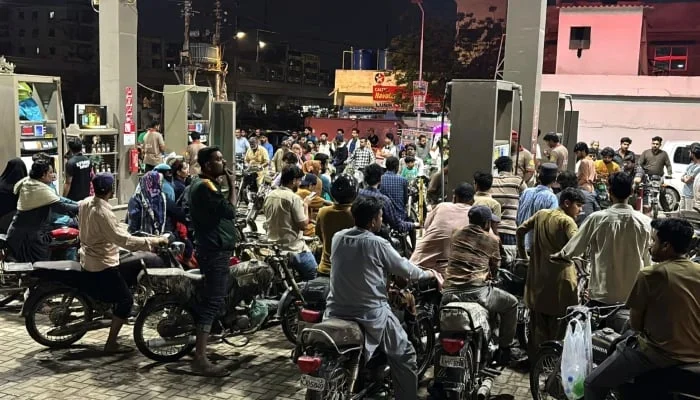
Karachi: President of the Korangi Association of Trade and Industry (KATI), Muhammad Ikram Rajput, has expressed serious concern over the government’s recent increase in petroleum prices, warning that the move will have damaging consequences for industry, employment, and the broader economy. Read More: https://theboardroompk.com/why-phevs-not-evs-are-winning-the-first-round-of-electrification-in-emerging-markets/ Reacting to the latest notification, he said the price of petrol has been raised by Rs26.77 per litre to Rs393.35, while high-speed diesel has increased to Rs380.19 per litre. He termed the sharp hike in energy costs “highly detrimental” to industrial and commercial activity. Rajput noted that higher fuel prices would significantly raise production costs, leading to an increase in the prices of essential goods and undermining export competitiveness. “Expensive fuel translates directly into expensive production,” he said, adding that the burden would ultimately be passed on to consumers. He urged the government to immediately reduce levies and other charges on petroleum products to bring prices within reach of the common man. “Fuel prices are rapidly moving beyond the affordability of ordinary citizens,” he said, warning that the rising cost of energy is making it increasingly difficult for industries to sustain operations. President KATI pointed out that the business community is already grappling with high electricity tariffs, elevated interest rates, and other financial constraints. “At such a time, an increase in petroleum prices will only compound the challenges faced by industrialists,” he added. Rajput called on the government to review its decision and introduce immediate relief measures for the industrial and trade sectors. He cautioned that if production costs continue to rise at the current pace, industrial activity could slow down, adversely affecting both economic growth and employment.

Pakistan Power Demand Surge: Hydropower Boost Brings Relief Amid LNG Shortfall
Pakistan

Pakistan Power Demand Surge: Hydropower Boost Brings Relief Amid LNG Shortfall

Pakistan Power Demand Surge is once again at the center of national attention as electricity consumption rises sharply across the country. With temperatures climbing and economic activity gradually picking up, the pressure on the national grid is intensifying. Yet, amid these challenges, a surprising lifeline has emerged in the form of stronger hydropower generation. Officials from the Power Division confirmed that improved water releases have significantly boosted electricity output, offering temporary relief to millions of consumers struggling with inconsistent supply. Hydropower Gains Momentum with Tarbela Support Pakistan Power Demand Surge Meets Hydel Recovery The ongoing Pakistan Power Demand Surge is being partially offset by increased hydropower generation, particularly from Tarbela Dam. During peak night hours, hydel generation climbed to approximately 5,800 megawatts, a notable jump compared to recent days. While this is still below the dam’s installed capacity of around 11,500 megawatts, the improvement signals better utilization of water resources. Higher water outflows have not only enhanced generation but also contributed to stabilizing voltage fluctuations across the grid. In practical terms, this means fewer unexpected outages and improved supply consistency, especially in urban centers where demand spikes sharply after sunset. Power Flow from South Strengthens the Grid Another crucial development in the Pakistan Power Demand Surge story is the increased electricity transmission from the southern region. Around 500 megawatts were added to the national grid, reflecting a 100-megawatt increase compared to earlier in the week. This additional supply has helped bridge part of the demand-supply gap, particularly during critical peak hours. Energy experts suggest that better coordination between regional grids is becoming a key strategy to manage Pakistan’s chronic electricity shortages. Load Management Continues Despite Supply Gains Pakistan Power Demand Surge Keeps Pressure on Distribution Despite encouraging signs, the Pakistan Power Demand Surge continues to strain the system. Distribution companies have resorted to up to two hours of load management during peak periods. Authorities clarified that this is not solely due to supply shortages. A significant portion of load management is linked to high-loss feeders, where electricity theft and inefficiencies remain persistent challenges. This distinction is important. While improved hydropower is easing overall shortages, structural issues in distribution continue to limit the benefits reaching end consumers. LNG Crisis Leaves 5,500 MW Capacity Idle Pakistan Power Demand Surge Faces Global Energy Constraints One of the biggest hurdles in addressing the Pakistan Power Demand Surge is the ongoing shortage of liquefied natural gas. Power plants with a combined capacity of 5,500 megawatts remain offline due to global LNG supply constraints. This shortfall highlights Pakistan’s vulnerability to international energy markets. As LNG prices fluctuate and supply chains tighten, domestic power generation faces unpredictable disruptions. Energy analysts warn that without consistent LNG availability, the country will continue to rely heavily on hydropower and other sources, which are themselves subject to seasonal variations. What Lies Ahead for Pakistan’s Power Sector The Pakistan Power Demand Surge presents both a challenge and an opportunity. On one hand, rising demand underscores economic recovery and increased activity. On the other, it exposes longstanding weaknesses in energy planning and infrastructure. The Power Division remains optimistic. Officials believe that improved LNG availability combined with sustained water releases could significantly reduce the power shortfall in the coming weeks, especially during night hours when demand peaks. However, long-term stability will depend on structural reforms, better resource management, and diversification of energy sources. Relief Today, Uncertainty Tomorrow Pakistan Power Demand Surge is a reminder of the country’s delicate energy balance. While hydropower gains are offering short-term relief, deeper systemic issues continue to loom large. For consumers, the situation means cautious optimism. For policymakers, it is yet another wake-up call to accelerate reforms in one of Pakistan’s most critical sectors.

Rupee Holds Ground Against Dollar Ahead of Key SBP Policy Meeting
Pakistan

Rupee Holds Ground Against Dollar Ahead of Key SBP Policy Meeting

The Pakistani rupee against dollar showed slight stability on Friday as the local currency posted a marginal gain in the inter bank market. The rupee closed at 278.85 against the US dollar, improving by Re0.01 compared to the previous day’s close of 278.86. Although the gain appears small, it reflects a steady trend in the currency market amid global uncertainty and upcoming policy decisions by the State Bank of Pakistan. Rupee Stability Comes Before Key Policy Decision Market participants are closely watching the upcoming Monetary Policy Committee meeting of the State Bank of Pakistan scheduled for April 27, 2026. This will be the third policy review of the year. The central bank is expected to assess inflation trends, external account conditions, and economic stability before deciding on the key policy rate. Analysts believe that the decision could influence currency movement in the coming weeks. A stable or tighter policy stance may help support the rupee, while any unexpected shift could create volatility. Dollar Gains Strength in Global Market While the Pakistani rupee showed slight improvement, the US dollar remained firm in the global market. The US dollar index, which tracks the greenback against major currencies, stood at 98.82. The index is on track for a weekly gain of around 0.58 percent, marking its first weekly rise in three weeks. This indicates renewed strength in the dollar against currencies like the euro and the British pound. The euro remained steady at 1.1683 dollars, while the British pound edged slightly lower to 1.3464 dollars. Oil Prices Drive Currency Trends Global oil prices have played a key role in shaping currency movements. Analysts note that the dollar often moves in line with oil price trends. Sho Suzuki stated that the dollar continues to hold firm as crude oil prices rise. He explained that the close relationship between oil and the dollar remains intact, especially during periods of geopolitical tension. Higher oil prices usually strengthen the dollar, which can put pressure on emerging market currencies like the Pakistani rupee. Middle East Tensions Push Oil Higher Oil prices surged on Friday due to rising tensions in the Middle East. Concerns grew after Iran released footage of commandos boarding a cargo ship in the Strait of Hormuz. Reports also suggested that Tehran’s air defenses engaged hostile targets, raising fears of a broader military escalation. As a result, Brent crude futures climbed to over 106 dollars per barrel. Meanwhile, West Texas Intermediate crude reached around 96 dollars per barrel. Both benchmarks recorded strong weekly gains. Brent rose more than 17 percent, while WTI increased by over 15 percent. This marks one of the biggest weekly jumps since the start of the conflict. Impact on Pakistan’s Economy Rising oil prices pose challenges for Pakistan’s economy. The country relies heavily on imported fuel, which increases pressure on foreign exchange reserves. Higher oil import costs can widen the trade deficit and weaken the rupee over time. This makes currency stability more difficult to maintain. However, the recent marginal gain in the Pakistani rupee against dollar suggests that short term pressures remain under control. Market Awaits Clear Direction Investors and traders are now looking toward the upcoming policy meeting for guidance. The State Bank of Pakistan will play a crucial role in shaping market sentiment. A clear and consistent policy approach could help maintain stability in the currency market. On the other hand, global factors such as oil prices and geopolitical risks will continue to influence trends. A Delicate Balance Ahead The Pakistani rupee against dollar remains in a delicate position. While domestic indicators show some stability, external pressures continue to build. Global oil prices, dollar strength, and geopolitical tensions all contribute to uncertainty. At the same time, policy decisions at home will determine how well the economy navigates these challenges. For now, the slight gain in the rupee offers a signal of resilience. However, the coming weeks will be critical in defining its direction.

Scroll to Top