Pakistan

Pakistan Railways Transports 8.2 Million Tonnes Freight in FY 2024–25
Pakistan

Pakistan Railways Transports 8.2 Million Tonnes Freight in FY 2024–25

ISLAMABAD, Dec 29: Pakistan Railways achieved a significant milestone by transporting 8.2 million tonnes of freight during the fiscal year 2024–25, underscoring its vital role in the country’s logistics and supply chain. The freight volume included a wide range of essential commodities such as petroleum products, containers, coal, rock phosphate, fertilizer, wheat, and various other bulk items critical for industry, agriculture, and energy sectors. Read More: https://theboardroompk.com/m-tag-islamabad-enforcement-vehicle-registration-deadline/ As per the National Transport Policy 2018, Pakistan Railways is positioned as the primary mode for long-haul freight movement between industrial zones and seaports. Despite this strategic importance, the department continues to face longstanding constraints including ageing infrastructure, limited line capacity, and shortages of rolling stock, which have historically limited operational efficiency. Fleet Expansion and Infrastructure Projects to Boost Capacity To overcome these challenges and enhance freight capabilities, Pakistan Railways has launched several key initiatives. The department has already inducted 200 high-capacity freight wagons into its fleet, with an additional 620 wagons currently under indigenous manufacturing for future induction. These additions are expected to increase load-carrying ability and operational flexibility. A major ongoing project includes the construction of a 105-kilometre railway line in collaboration with the Sindh government to connect Thar coal mines directly to the main network, facilitating domestic coal transportation and helping reduce reliance on imported coal. Further enhancements are planned, with work scheduled to begin next year on the Karachi–Rohri section (480 km) of Main Line-1 and the Rohri–Nokandi section (884 km) of Main Line-3. These upgrades aim to support increased freight from projects like Reko Diq and Thar coal fields, paving the way for greater efficiency and economic impact.
Rs2.8 Billion Approved for Multan Avenue Expansion: 9km Road to Get 3 Lanes, Green Corridors
Pakistan

Rs2.8 Billion Approved for Multan Avenue Expansion: 9km Road to Get 3 Lanes, Green Corridors

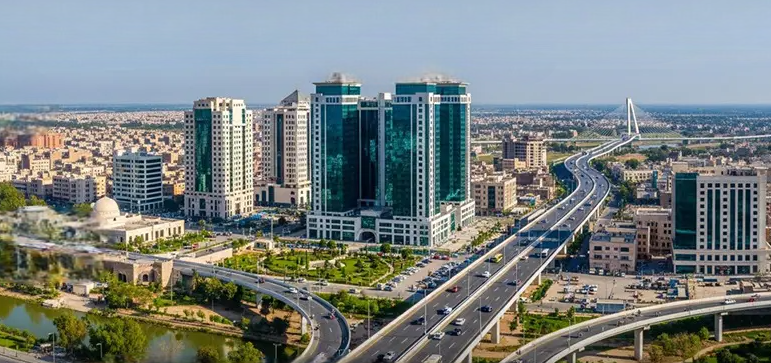
MULTAN, Dec 29: The Multan Divisional Development Working Party (DDWP) has approved a major Rs2.8 billion scheme for the expansion and modernization of Multan Avenue, a key nine-kilometre corridor from Saidanwala Chowk to Sahu Chowk. This initiative, part of the Annual Development Programme, aims to convert the existing dual carriageway into a state-of-the-art urban boulevard, significantly easing traffic congestion and enhancing the city’s aesthetic and environmental appeal. The project follows the successful awarding of contracts in the second tender round, which yielded savings of approximately Rs900 million after the initial process was cancelled due to temporary funding constraints. All packages have been vetted under standard technical and financial procedures, with construction supervised by NESPAK and closely monitored by the Divisional Commissioner and senior officials. Eco-Friendly Features and Swift Timeline Set for Completion The expansion will widen the road from two to three lanes in each direction, complemented by 16-foot-wide service roads on both sides to separate local and through traffic. Key highlights include tuff pavers to control dust, 260 LED streetlights (a first for the corridor), landscaped green corridors spanning 18 kilometres, pedestrian walkways, safe crossings, off-street parking for 1,890 vehicles, paved medians, and repositioned electricity poles for improved safety. Additional amenities feature multi-use green parkways with benches, walking tracks, open-air gyms, gazebos, fountains, and artistic installations to promote recreation while preventing encroachments. Officials target completion within four months, promising a modern, sustainable landmark that boosts civic convenience, economic activity, and environmental quality in Multan.

M-Tag, Islamabad enforcement, vehicle registration deadline
Pakistan

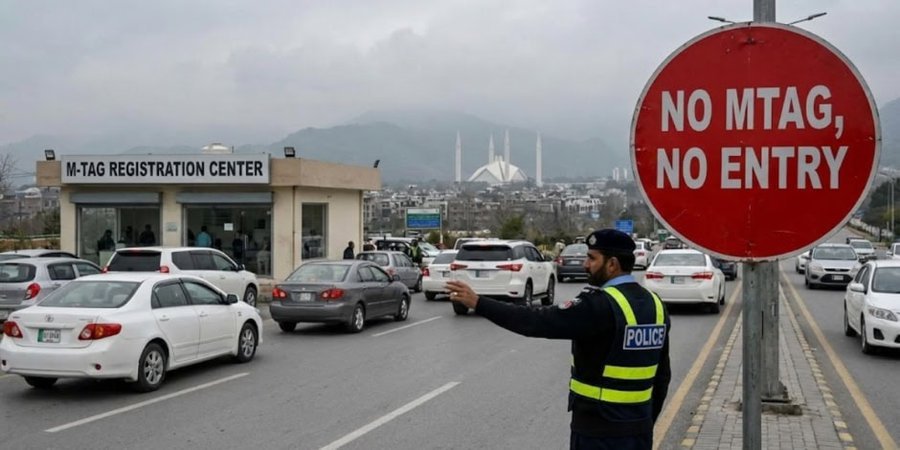
M-Tag, Islamabad enforcement, vehicle registration deadline

ISLAMABAD, Dec 29: With only two days remaining before full enforcement, the Islamabad Capital Territory (ICT) administration is witnessing a significant rush for M-Tag installations as authorities prepare to bar vehicles without the electronic tags from entering the federal capital starting January 1, 2026. The M-Tag, an RFID-based system linked to vehicle registration, aims to enhance security, streamline traffic monitoring, and reduce manual checks at entry points. Deputy Commissioner Islamabad Irfan Nawaz Memon has confirmed that M-Tag readers will be activated at all designated main entry points, with no extensions planned. Vehicles lacking the tag will face automatic restrictions, marking a major shift toward digital traffic management in the capital. Read More: https://theboardroompk.com/pakistan-textile-council-calls-for-export-emergency-amid-sharp-decline-in-shipments/ Record-Breaking Daily Registrations Signal Public Response In the last 24 hours, 1,379 vehicles were fitted with M-Tags, pushing the total number of registered vehicles beyond 98,000 since the campaign intensified in mid-November. The administration has deployed extra staff and counters at 16 registration centers across the city to manage the growing crowds and minimize waiting times. Officials emphasized that the initiative will improve overall traffic flow, strengthen record-keeping, and support quicker emergency responses. Deputy Commissioner Memon urged residents not to delay, warning that last-minute rushes could lead to inconvenience once enforcement begins. Citizens are advised to visit only authorized centers and ensure accurate vehicle details during registration. The ICT administration has appealed for public cooperation, highlighting that timely compliance will prevent congestion and delays at entry points. As the January 1 deadline looms, authorities expect further spikes in registrations, reinforcing the system’s role in modernizing Islamabad’s urban mobility and security framework.

ABAD Former Chairman Arif Jeeva Passes Away
Pakistan

ABAD Former Chairman Arif Jeeva Passes Away

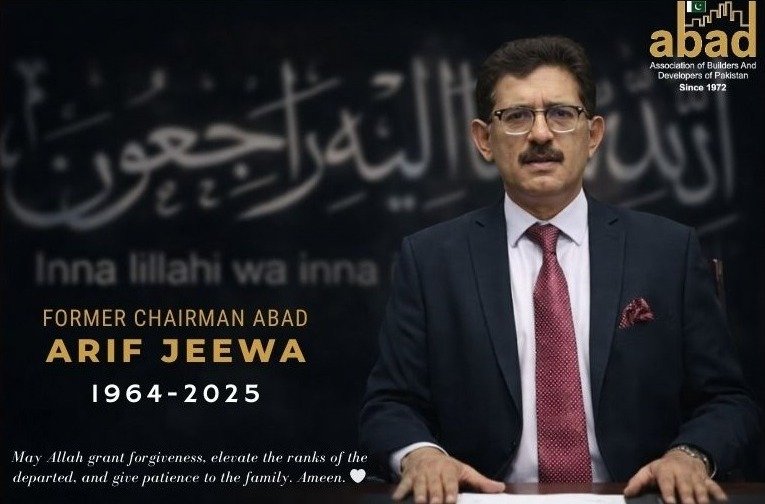
ABAD Former Chairman Arif Jeeva has passed away, leaving behind a legacy of leadership, reform, and unwavering commitment to Pakistan’s construction and real estate sector. Members of the Association of Builders and Developers (ABAD) have expressed profound grief and sorrow over the demise of one of the industry’s most respected figures. According to ABAD officials, Arif Jeeva’s contributions to the construction ecosystem will be remembered for generations. His vision helped transform ABAD into a stable, influential, and proactive platform representing builders and developers across Pakistan. ABAD Former Chairman Arif Jeeva’s Lasting Contributions to the Construction Sector During his tenure, ABAD Former Chairman Arif Jeeva played a pivotal role in strengthening institutional advocacy for the construction and housing industry. ABAD members highlighted that his leadership enabled meaningful dialogue between the private sector and policymakers, particularly during times when the industry faced regulatory and economic challenges. His efforts were focused on: • Resolving long-standing industry issues• Promoting transparency and professional standards• Encouraging sustainable urban development• Supporting policy reforms to boost housing and construction growth ABAD officials stated that under Arif Jeeva’s leadership, the association made remarkable progress, emerging as a united and dynamic voice for builders and developers nationwide. ABAD Former Chairman Arif Jeeva’s Leadership Era Marked by Progress Industry peers recall that ABAD Former Chairman Arif Jeeva was known for his inclusive leadership style and pragmatic approach. He consistently worked to bridge gaps between stakeholders, ensuring that concerns of developers were effectively communicated to relevant authorities. ABAD members described his services in addressing construction-sector bottlenecks as unforgettable, noting that many policy-level improvements were achieved due to his persistent advocacy. Funeral Details of ABAD Former Chairman Arif Jeeva According to an official ABAD spokesperson, the funeral prayer of ABAD Former Chairman Arif Jeeva will be held in Karachi. The spokesperson confirmed that: • Funeral prayer timing: Tonight at 11:00 PM• Location: Rehman Mosque, Navy Housing Scheme, Karsaz, Karachi It was also disclosed that Arif Jeeva had been battling cancer for a prolonged period and passed away after a courageous fight with the illness. ABAD Expresses Solidarity with the Bereaved Family ABAD members collectively expressed their heartfelt condolences to the grieving family, emphasizing that the association stands shoulder to shoulder with them during this difficult time. Prayers were offered for the elevation of the departed soul’s ranks and for patience and strength for his loved ones. “May Allah Almighty grant the departed eternal peace and bestow courage upon the bereaved family,” ABAD stated in its official message. Why ABAD Former Chairman Arif Jeeva’s Legacy Matters The passing of ABAD Former Chairman Arif Jeeva marks the loss of a guiding force in Pakistan’s real estate and construction landscape. His leadership helped shape industry discourse at a national level and laid the groundwork for future reforms. As Pakistan continues to navigate economic recovery and housing sector growth, the principles championed by Arif Jeeva collaboration, stability, and industry unity remain more relevant than ever.

Gold Price in Pakistan Drops Amid Domestic and Global Pressure
Pakistan

Gold Price in Pakistan Drops Amid Domestic and Global Pressure

Gold price in Pakistan witnessed a notable decline on Monday, reflecting weaker domestic demand and a pullback in international bullion markets. According to the All-Pakistan Gems and Jewelers Sarafa Association (APGJSA), prices of both gold and silver moved lower, marking one of the sharpest single-day drops in recent weeks. The decline comes at a time when investors are closely tracking global gold movements, currency fluctuations, and expectations around international interest rate trends. Gold Price in Pakistan Today: Latest Rates The gold price in Pakistan for 24-karat gold fell by Rs5,500 per tola, bringing the new rate down to Rs470,162 per tola compared to Rs475,662 recorded in the previous trading session. On a gram basis, 24-karat gold per 10 grams was sold at Rs403,088, reflecting a decrease of Rs4,715. Meanwhile, 22-karat gold also recorded a decline and was quoted at Rs369,510 per 10 grams. These price adjustments highlight short-term volatility in the domestic bullion market, influenced largely by international price corrections. Gold Price in Pakistan: Day-on-Day, Monthly, and Year-to-Date Trend From a broader perspective, despite the daily decline, gold price in Pakistan continues to show strong performance over longer timeframes. On a day-on-day basis, gold prices dropped by Rs5,500 per tola. However, over the past one month, gold prices have still increased by approximately Rs26,000 per tola, reflecting strong investor demand during recent weeks. Looking at fiscal performance, gold prices have surged by nearly Rs119,962 per tola so far in the current fiscal year, while calendar year-to-date gains stand at an impressive Rs197,562 per tola. This reinforces gold’s role as a hedge against inflation, currency depreciation, and economic uncertainty in Pakistan. Silver Prices in Pakistan Also Record Decline Alongside gold, silver prices in Pakistan also moved lower during the session. The price of 24-karat silver per tola declined by Rs332, settling at Rs8,075, compared to Rs8,407 previously. Similarly, silver per 10 grams fell by Rs284 and was quoted at Rs6,923. Despite the daily drop, silver has still posted gains of Rs2,166 over the past month, while fiscal year-to-date and calendar year-to-date increases stand at Rs4,293 and Rs4,725, respectively. Global Gold Prices Weigh on Gold Price in Pakistan The decline in gold price in Pakistan closely mirrors global trends. In international markets, spot gold traded near $4,475 per ounce, down by $51.3 or 1.13% from the previous session. This drop in global prices was driven by profit-taking, shifts in investor sentiment, and cautious positioning ahead of key economic indicators and central bank signals. Since Pakistan’s bullion market is directly linked to international gold prices and exchange rate movements, global weakness tends to transmit quickly into domestic rates. Market Outlook: What’s Next for Gold Price in Pakistan? Market analysts believe that while short-term corrections are possible, the medium-to-long-term outlook for gold price in Pakistan remains supportive. Persistent inflationary pressures, currency volatility, and geopolitical risks continue to strengthen gold’s appeal as a safe-haven asset. However, investors are advised to monitor global interest rate expectations, movements in the US dollar, and international gold demand trends, as these factors will play a decisive role in shaping prices going forward.

Pakistan Banks Association Elects Zafar Masud as Chairman and Constitutes 16-Member Executive Committee
Pakistan

Pakistan Banks Association Elects Zafar Masud as Chairman and Constitutes 16-Member Executive Committee

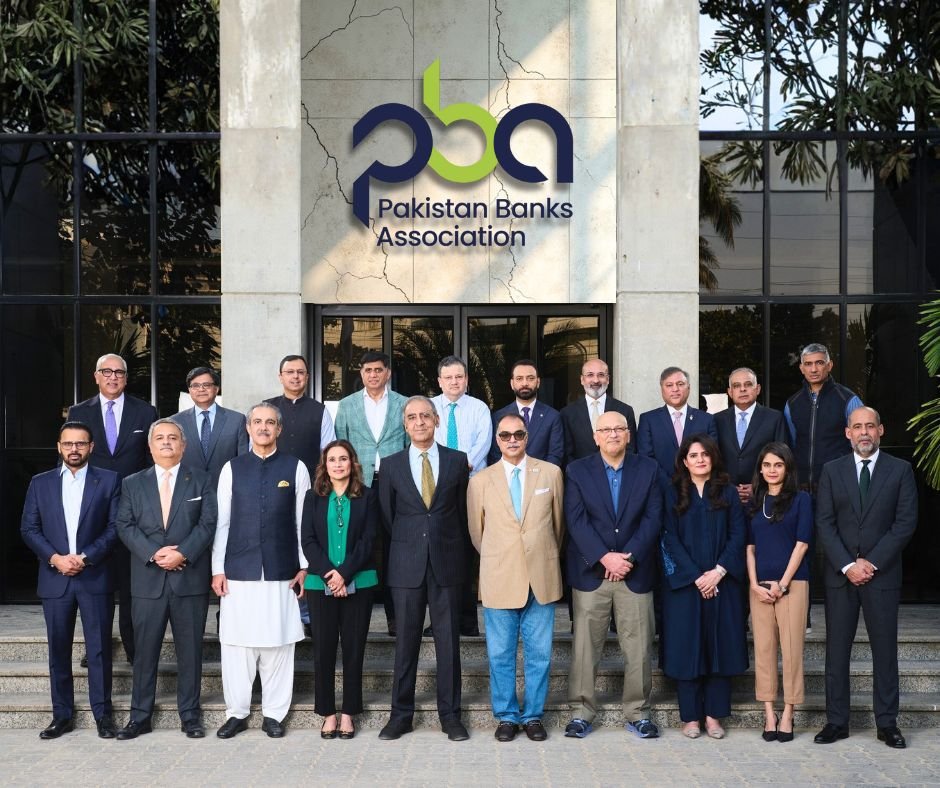
Karachi, December 28, 2025: The Pakistan Banks Association (PBA) elected and constituted a new 16-member Executive Committee, including two female members and eight newly inducted member banks, marking a strategic shift toward greater inclusivity and broader industry representation. Following the elections, the Executive Committee unanimously elected Mr. Zafar Masud, President and Chief Executive Officer of The Bank of Punjab, as Chairman of the PBA. Commenting on his election, Mr. Masud said the newly constituted Executive Committee represents an important evolution in the Association’s governance. He noted that the expanded and more diverse membership strengthens the PBA’s ability to advance a National Economic Agenda, with a focus on bridging credit gaps in priority sectors, accelerating financial inclusion through digital channels, and supporting Pakistan’s sustainable economic recovery. The leadership team also includes Mr. Nassir Salim, President and Chief Executive Officer of Habib Bank Limited, as Senior Vice Chairman, and Mr. Yousaf Hussain, President and Chief Executive Officer of Faysal Bank Limited, as Vice Chairman. Mr. Nassir Salim emphasized the importance of resilience and strong compliance frameworks amid global headwinds, while Mr. Yousaf Hussain highlighted modernization, technology adoption, and agility as key priorities to ensure the banking sector remains innovative and regionally competitive. Commenting on the milestone, Mr. Muneer Kamal, Chief Executive Officer and Secretary General of the PBA, said that the expansion of the Executive Committee, including the historic inclusion of female representation, reflects the Association’s commitment to diversity and modern governance. Under the new leadership, the PBA aims to deepen collaboration with the State Bank of Pakistan, the Ministry of Finance, and the Federal Government to support infrastructure development, expand private sector credit for agriculture and SMEs, and advance the country’s digital transformation.

Pakistan UAE Loan Conversion Signals Strategic Shift in Debt Management
Pakistan

Pakistan UAE Loan Conversion Signals Strategic Shift in Debt Management

Pakistan UAE loan conversion efforts gained momentum on December 29, 2025, as the federal government confirmed active negotiations with the United Arab Emirates to convert $1 billion of financial assistance into long-term equity investment. The move marks a strategic shift from short-term borrowing to sustainable capital inflows, aimed at reducing Pakistan’s growing external debt burden while strengthening bilateral economic ties. The announcement was made by Deputy Prime Minister and Foreign Minister Ishaq Dar during a press conference outlining the annual performance of the Ministry of Foreign Affairs. He stated that the proposed structure would involve the UAE acquiring equity stakes in companies associated with the Fauji Group, effectively eliminating Pakistan’s repayment obligation for that portion of the loan. Pakistan UAE Loan Conversion to Involve Fauji Group Equity Under the proposed Pakistan UAE loan conversion framework, instead of repaying the $1 billion as sovereign debt, Pakistan would offer equity participation to the UAE in select Fauji Group-linked entities. This approach converts liabilities into investment capital, improving Pakistan’s external account metrics and reducing pressure on foreign exchange reserves. According to Ishaq Dar, discussions are progressing with the aim of finalizing the transaction by March 31, 2026. He emphasized that such arrangements represent a more sustainable financial model, especially for emerging economies facing balance-of-payments challenges. This conversion model aligns with Pakistan’s broader economic reform agenda, which prioritizes foreign direct investment (FDI) over debt accumulation. Pakistan UAE Loan Conversion Strengthens Bilateral Relations The timing of the announcement is significant, as it follows high-level diplomatic engagements between Pakistan and the UAE. Prime Minister Muhammad Shehbaz Sharif recently welcomed UAE President Sheikh Mohamed bin Zayed Al Nahyan, reaffirming the long-standing strategic partnership between the two countries.Both leaders emphasized expanding cooperation across multiple sectors, including energy, infrastructure, information technology, and trade. They also highlighted the importance of people-to-people ties, cultural exchange, and collaboration on regional and global platforms.The Pakistan UAE loan conversion initiative underscores the UAE’s confidence in Pakistan’s institutional assets and long-term economic potential, particularly through entities like the Fauji Group. Why Pakistan UAE Loan Conversion Matters for the Economy From a macroeconomic perspective, the Pakistan UAE loan conversion offers multiple benefits: • Reduces external debt servicing obligations• Improves Pakistan’s debt-to-GDP ratio• Enhances foreign investor confidence• Encourages long-term strategic investment• Supports fiscal and balance-of-payments stability For Pakistan, converting loans into equity investments represents a shift toward resilience-driven economic policymaking. For the UAE, it offers exposure to stable, diversified assets within one of Pakistan’s largest and most reputable conglomerates. Outlook: A Model for Future Financial Cooperation If successfully executed, the Pakistan UAE loan conversion could serve as a template for similar arrangements with other friendly nations. As Pakistan continues to navigate economic headwinds, such innovative financing structures may play a crucial role in ensuring sustainable growth without deepening debt vulnerabilities. With negotiations progressing and market sentiment improving, the coming months will be critical in determining the long-term impact of this landmark initiative.

Pakistan Tajikistan Halal Meat Exports Signal New Era of Central Asia Trade
Pakistan

Pakistan Tajikistan Halal Meat Exports Signal New Era of Central Asia Trade

Pakistan Tajikistan halal meat exports are poised to become a major driver of regional trade expansion as Pakistan prepares to export 143,000 tons of halal meat worth $14.5 million to Tajikistan. The initiative marks a strategic step in strengthening Pakistan’s economic footprint in Central Asia, while opening new avenues for bilateral trade, investment, education, and tourism. The development was shared by Ambassador Muhammad Saeed Sarwar, Pakistan’s envoy to Tajikistan, during a joint interaction with Pakistani media in Dushanbe, where he outlined the growing momentum in Pakistan-Tajikistan economic cooperation. Pakistan Tajikistan Halal Meat Exports: A Strategic Trade Opportunity The halal meat sector has emerged as a cornerstone of Pakistan Tajikistan halal meat exports, reflecting Pakistan’s strong position as a global supplier of certified halal products. According to Ambassador Sarwar, the planned export volume represents not only commercial growth but also a long-term strategy to diversify Pakistan’s export destinations beyond traditional markets. Instead of relying on raw trade figures alone, the projected exports can be understood in three dimensions: first, a substantial increase in Pakistan’s agri-based exports; second, stronger food security partnerships with Central Asian states; and third, the expansion of halal trade as a high-value niche market. Preferential Trade Agreement to Accelerate Pakistan Tajikistan Trade A Preferential Trade Agreement (PTA) between Pakistan and Tajikistan is also under active consideration. Ambassador Sarwar described the PTA as a strong possibility, emphasizing that trade liberalization would reduce tariff barriers and enhance market access for businesses on both sides. With the PTA in place, bilateral trade currently modest could scale rapidly. The Ambassador projected that Pakistan-Tajikistan trade volume could reach $300 million in the coming years, supported by halal food exports, pharmaceuticals, textiles, and services. Rather than presenting this as a static number, officials see the $300 million target as a result of cumulative gains from trade facilitation, logistics connectivity, and regulatory cooperation. Pakistan Tajikistan Halal Meat Exports and Air Connectivity A key challenge identified in expanding Pakistan Tajikistan halal meat exports is limited direct connectivity. Ambassador Sarwar stressed the importance of regular direct flights between the two countries to facilitate trade delegations, exporters, investors, and tourists. He called for targeted marketing strategies and active engagement with travel agents to ensure sustainable flight operations. Improved air connectivity would not only support meat exports but also boost business travel, academic exchanges, and tourism creating a multiplier effect across sectors. Central Asia’s Strategic Importance for Pakistan Central Asia, particularly Tajikistan, holds growing strategic value for Pakistan’s regional integration agenda. Beyond trade, Pakistan is actively strengthening academic, educational, and cultural ties, recognizing that long-term economic partnerships are built on people-to-people connections. The Pakistani Embassy in Dushanbe has committed to promoting collaboration across universities, research institutions, and professional training programs, aligning economic diplomacy with human capital development. Education and Medical Cooperation Strengthen Bilateral Ties On the Tajik side, First Deputy Minister of Education and Science, Hoshimzoda Homid Hasan, announced an agreement to sign a Memorandum of Understanding (MoU) covering student and faculty exchanges between Pakistan and Tajikistan. During a meeting with visiting Pakistani journalists, Hasan praised Avicenna Tajik State Medical University for its pivotal role in deepening bilateral relations. He emphasized that cooperation in medical education, sciences, and medical tourism is viewed by both governments as a long-term economic growth driver. Rather than isolated initiatives, these educational exchanges are designed to complement trade expansion, creating skilled professionals who can support joint ventures and healthcare collaboration. Pakistan Tajikistan Halal Meat Exports Lead a Broader Partnership In conclusion, Pakistan Tajikistan halal meat exports represent more than a trade transaction they symbolize a broader shift toward economic integration, regional connectivity, and strategic partnership in Central Asia. With halal meat leading commercial engagement, supported by a potential PTA, improved air links, and expanding educational cooperation, Pakistan and Tajikistan are laying the foundation for a resilient and diversified bilateral relationship. As regional dynamics evolve, this initiative positions Pakistan as a key economic partner for Central Asia, with halal trade acting as the gateway to deeper cooperation.

Silver Nears $80 Amid Broader Precious Metals Correction
Pakistan, World

Silver Nears $80 Amid Broader Precious Metals Correction

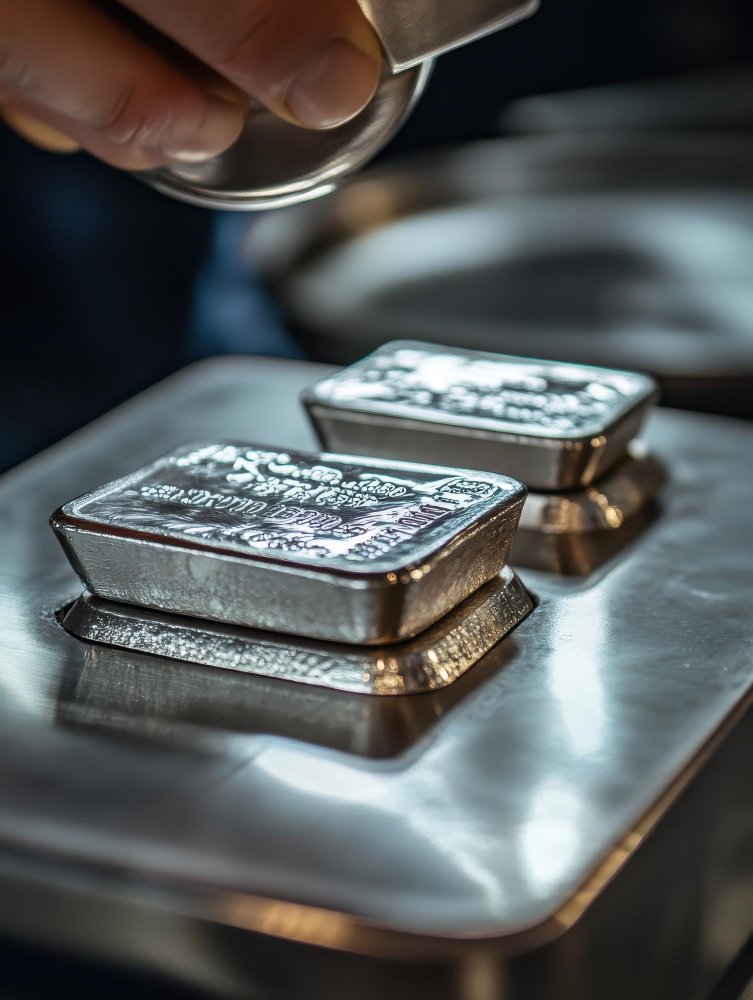
London, December 29, 2025 – Precious metals retreated on Monday after a stellar rally throughout 2025, with investors engaging in profit-booking amid easing geopolitical tensions. Spot gold fell 0.4% to $4,512.30 per ounce as of 0426 GMT, down from a record high of $4,549.71 hit on Friday. US gold futures also declined 0.4% to $4,535.10. The pullback comes despite gold’s impressive 72% year-to-date gain, driven earlier by central bank buying, ETF inflows, and expectations of US rate cuts. Read More: https://theboardroompk.com/silver-breaches-75-gold-and-platinum-hit-all-time-highs/ Silver, however, showed resilience, rising 0.7% to $79.68 per ounce after retreating from an all-time high of $83.62 earlier in the session. The white metal has surged 181% in 2025, outperforming gold due to supply shortages, low inventories, its status as a critical US mineral, and booming industrial demand from sectors like solar energy and electronics. Reasons Behind the Retreat and Analyst Views KCM Trade Chief Market Analyst Tim Waterer attributed the dip to “a combination of profit-taking and seemingly productive talks between Trump and Zelensky regarding a potential peace deal,” which reduced safe-haven demand. US President Donald Trump noted on Sunday that he and Ukrainian President Volodymyr Zelenskiy were “getting a lot closer, maybe very close” to ending the Ukraine war. This cooled geopolitical tailwinds that had fueled the rally. Platinum dropped 1.5% to $2,421.35 after touching a record $2,478.50, while palladium plunged 6% to $1,807.59. Traders await the Federal Reserve’s December meeting minutes for further policy clues, with expectations of two rate cuts in 2026 supporting non-yielding bullion in a low-rate environment.Outlook Remains Bullish for 2026. Waterer remains optimistic, suggesting gold could reach $5,000 next year with a dovish Fed shift, while silver might hit $100 amid continued industrial appetite and supply constraints. The 2025 rally marks one of the strongest years for precious metals since 1979, highlighting their role as hedges against uncertainty.

Pakistan Textile Council Calls for Export Emergency Amid Sharp Decline in Shipments
Pakistan

Pakistan Textile Council Calls for Export Emergency Amid Sharp Decline in Shipments

Islamabad, December 29, 2025 – The Pakistan Textile Council (PTC) has issued an urgent appeal to Prime Minister Shehbaz Sharif, demanding the declaration of an ‘Export Emergency’ to rescue the country’s vital textile sector from collapse. In a strongly worded letter, PTC Chairman Fawad Anwar highlighted the severe erosion of export competitiveness due to high energy costs, burdensome taxation, and policy distortions that have left exporters on the verge of shutdowns. Read More: https://theboardroompk.com/pakistan-shifts-cotton-export-oversight-to-state-bank-for-enhanced-compliancenew-regulatory-framework-introduced/ Pakistan’s exports have contracted for the fourth straight month, dropping over 14 percent year-on-year in November 2025. For the July-November period of FY26, total exports fell to $12.8 billion from $13.7 billion the previous year, while imports ballooned to over $28 billion. This has ballooned the trade deficit to nearly $15.5 billion in just five months, with November alone seeing a $2.86 billion gap – a 33 percent increase from last year. The textile industry, which accounts for the bulk of Pakistan’s exports, is bearing the brunt of these challenges, threatening economic stability, jobs, and foreign exchange reserves.Key Demands from the Textile Sector The PTC has outlined a series of immediate measures to reverse the decline, including restoring a 1 percent full-and-final tax regime on exports, waiving taxes for high-growth exporters, abolishing the super tax on export sectors, and capping energy prices at regionally competitive levels – Rs2,600 per MMBtu for gas and Rs24 per unit for electricity. Additional calls include rationalizing fertilizer gas pricing, restoring duty-free imports under the Export Facilitation Scheme, addressing cotton smuggling through GST exemptions, and mandating banks to lend 50 percent of private sector credit to exporters.Urgent Action Needed to Prevent Further Losses Anwar warned that without swift intervention, delays would lead to factory closures, massive unemployment, and permanent loss of global market share. He emphasized that an export-led recovery is essential for Pakistan to achieve sustainable growth and exit IMF dependency. Industry experts agree that these structural reforms could quickly stabilize shipments and boost competitiveness against regional rivals like Bangladesh and Vietnam. The government has yet to respond officially, but stakeholders hope for prompt action to avert a deeper crisis in one of Pakistan’s cornerstone industries.

Scroll to Top