Pakistan

Fatima Fertilizer and Multan Sultans Celebrate Title Sponsorship with a Grand Meet & Greet in Karachi
Pakistan

Fatima Fertilizer and Multan Sultans Celebrate Title Sponsorship with a Grand Meet & Greet in Karachi

From the Fields to the Crease — Fatima Fertilizer Brings Farmers Face-to-Face with Multan SultansFatima Fertilizer Puts Farmers in the Spotlight at Exclusive Multan Sultans Meet & Greet Dealers, Farmers, and the Entire Multan Sultans Team Come Together at Mövenpick Hotel in a Celebration of Cricket, Community, and an Eight-Year Partnership Karachi, 20 April 2026: Fatima Fertilizer Company Limited, Title Sponsor of the Multan Sultans in the Pakistan Super League (PSL), hosted an exclusive Meet & Greet event at Mövenpick Hotel, Karachi, bringing together the entire Multan Sultans Team, company dealers, and the farming community in a memorable evening that celebrated cricket, community, and an eight-year partnership built on shared identity and pride. Eight seasons in, this partnership continues to thrive with each passing year — reflecting a shared vision, strong collaboration, and a deep-rooted connection to the communities both organisations proudly serve. The event brought this partnership to life, giving Fatima Fertilizer’s dealer network and farming community an up-close experience with their cricket heroes. Attendees interacted with the Multan Sultans team, collected autographs, and took photographs with their favourite players. Among the guests were winners of the Sarsabz Golden Ticket — a farmers’ engagement campaign now in its fourth PSL season, through which participants who uploaded photographs with a Sarsabz bag on Facebook were shortlisted as winners. The three selected farmers were then invited as special guests to the event, where they interacted with and met their favourite Multan Sultans players. “This partnership is a source of immense pride for everyone at Fatima Fertilizer. We have been with the Multan Sultans since the very beginning — through every season, every milestone, and every victory. Eight years on, this is not just a sponsorship; it is a bond rooted in the soil of South Punjab and a shared love for cricket. We know how deeply Pakistanis love this game, and we are honoured to stand alongside the Sultans as they continue to inspire millions across the country.”— Ms. Rabel Sadozai, Director Marketing & Sales, Fatima Fertilizer Company Limited. “Fatima Fertilizer is not just a sponsor — they are family. The legacy of this eight-year partnership speaks for itself, and it is a privilege to step into this role knowing that a partner of this stature stands alongside the Multan Sultans. I am energised by the shared vision and values that Fatima Fertilizer brings to this association, and together, I believe we will take this partnership to even greater heights. We both represent the pride of South Punjab, and I look forward to writing the next chapter of this journey together.” — Mr. Gohar Shah, Chief Executive Officer, Multan Sultans. The meet and greet event stands as a powerful example of how Fatima Fertilizer continues to use the platform of cricket to give back to the communities that form the backbone of its business — the farmers of Pakistan. As the PSL season progresses, Fatima Fertilizer remains committed to delivering meaningful experiences that connect the farming community with the national passion for cricket.

Pakistan Turns to Global Market for LNG
Breaking News, Pakistan

Pakistan Turns to Global Market for LNG

Pakistan has stepped up efforts to secure liquefied natural gas as energy pressures continue to mount. Pakistan LNG Limited has issued a fresh tender to purchase liquefied natural gas (LNG) cargoes from the international market. Read More: https://theboardroompk.com/kenya-rice-export-meeting-reap-members-discuss-export-hurdles-and-ways-to-enhance-trade/ PLL seeks three LNG cargoes According to an official advertisement, the company has invited bids from global suppliers for three LNG cargoes. Each cargo will carry around 140,000 cubic metres of gas. Authorities want delivery on a delivered-ex-ship basis at Port Qasim. PLL has specified clear delivery windows. The first shipment should arrive between April 27 and 30. The second cargo should reach between May 1 and 7. The third delivery is expected from May 8 to 14. The tender will close on April 24, leaving a short timeframe for bids. Energy shortage drives urgent move Officials say the tender reflects growing urgency in Pakistan’s energy sector. The country continues to face a gap between demand and supply. LNG imports play a crucial role in filling this gap. Pakistan depends heavily on gas to generate electricity and run industries. However, domestic gas production continues to decline. This trend has increased reliance on imported LNG. Authorities aim to secure spot cargoes quickly to stabilize supply. Without immediate imports, the risk of prolonged power outages remains high. Government entity leads procurement PLL operates as a public sector company under the Ministry of Energy. It functions as a subsidiary of Government Holdings Private Limited. The company manages the entire LNG supply chain from procurement to delivery. Officials say PLL handles importing, storing, transporting, and distributing LNG across Pakistan. It also ensures supply to end users, including power plants and industries. This centralized role makes PLL a key player in maintaining energy stability. Any disruption in its procurement process can impact the entire system. Azerbaijan offers LNG support In a positive development, SOCAR has expressed readiness to supply LNG to Pakistan. Company officials said they can provide cargoes as soon as Islamabad places a request. SOCAR highlighted a framework agreement signed in 2025. This agreement allows Pakistan to purchase LNG cargoes under a faster process. Officials believe this arrangement can help reduce delays in procurement. Pakistan may consider this option to secure immediate supplies. Quick deals could help bridge the current shortfall. Global factors add pressure Pakistan’s LNG challenges also link to global market conditions. The country faces price volatility due to international supply disruptions. The ongoing impact of the Ukraine war continues to influence LNG availability and costs. Fluctuating prices make it difficult for Pakistan to secure affordable cargoes. At the same time, competition from other buyers adds further pressure. These factors have forced authorities to explore multiple supply options. The current tender reflects this broader strategy. Load shedding continues amid shortages Energy shortages have already started affecting consumers. Sardar Awais Ahmad Khan Leghari recently confirmed that load shedding will continue during peak hours. He said LNG supply remains disrupted due to a force majeure declared by Qatar. This situation has reduced available gas for power generation. The country currently faces a shortfall of around 3,400 megawatts. Lower hydropower generation has worsened the crisis. Reduced rainfall and irrigation demand have limited water releases from reservoirs. Government explores alternative measures Authorities have started using furnace oil to manage electricity demand. They have also delayed maintenance of nuclear plants to keep power generation stable. Officials say these measures offer temporary relief. However, long-term stability depends on consistent LNG supply. The government continues to work on multiple fronts to address the crisis. Securing LNG cargoes remains a top priority. Critical weeks ahead for energy sector The coming weeks will prove crucial for Pakistan’s energy outlook. Successful bids in the current tender can ease immediate pressure. Delays or high prices could deepen the crisis. Authorities remain under pressure to act quickly. Consumers and industries continue to face uncertainty as demand rises.

Kenya Rice Export Meeting: REAP Members Discuss Export Hurdles and Ways to Enhance Trade
Pakistan

Kenya Rice Export Meeting: REAP Members Discuss Export Hurdles and Ways to Enhance Trade

Meeting has been arranged at REAP House, Karachi to discuss various issues related to rice exports to Kenya. This meeting was attended by Mr. Muhammad Jawed Jillani, Senior Vice Chairman of REAP, Mr. Rafique Suleman, Convener of REAP’s Committee on Kenya, Executive Committee members Mr. Sheeraz Ahmed Shaikh, Mr. Mohaib Moulvi along with a large number of REAP members engaged in exporting rice to Kenya. Additionally, approx.. 40 Members attended the meeting via Zoom video link. Read More: https://theboardroompk.com/strong-banking-industry-link-pakistan-bankislami-pushes-for-sme-financing-boom/ Rafique Suleman, thanked all the respected guests who attended today’s Kenya meeting. Around 40 participants were present at REAP Office, while approximately 40 members joined online via Zoom. He sincerely appreciated participation and support of REAP Members. Jawed Jillani, Senior Vice Chairman REAP appreciated Government support for Rice Exporters in the shape of Duty Drawback and Local Taxes (DLTL), i.e. 9% on Basmati Rice and 3% on Non Basmati Rice. He was hopeful that this will result into boost of rice export trade. Following extensive deliberations and input from participants, REAP members collectively agreed on the need to strengthen rice exports to Kenya while also addressing the challenges in a timely and effective manner. During the meeting, it was agreed by most of the members that only unity among REAP members will result into the strength of Kenyan market, which is one of the largest buyers of Pakistani long grain rice. It was also decided to hold such meeting on monthly basis.

Breaking the 1894 Barrier: NGC Moves to Replace Colonial-Era Land Laws for Grid Expansion
Pakistan

Breaking the 1894 Barrier: NGC Moves to Replace Colonial-Era Land Laws for Grid Expansion

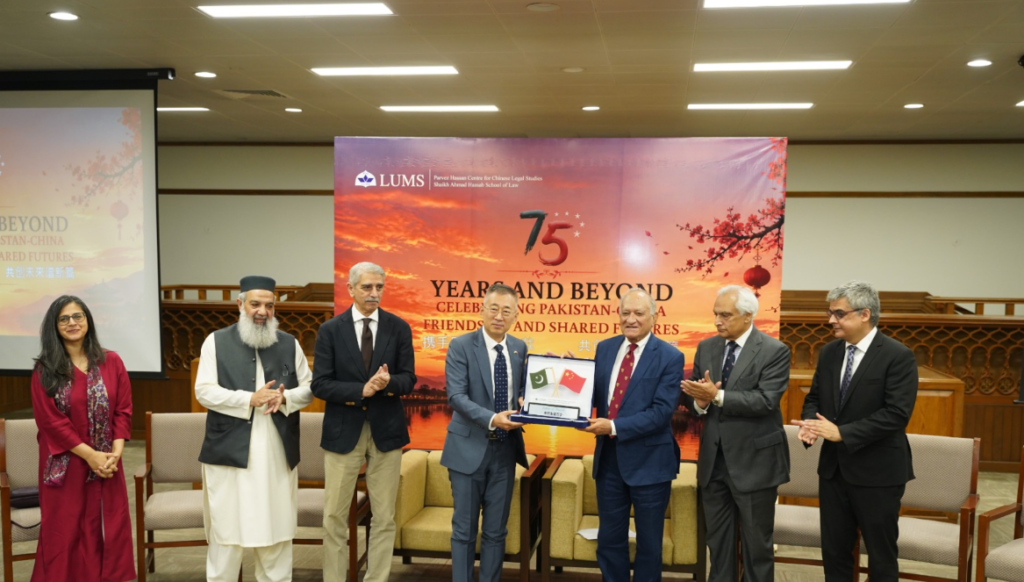
Lahore: National Grid Company of Pakistan (NGC) hosted its first-ever workshop on Right-of-Way (ROW) Issues in Transmission Infrastructure in LUMS Lahore. Read More: https://theboardroompk.com/pakistan-tightens-rules-for-used-mobile-phone-imports/ The event brought together legal experts, development partners and power sector stakeholders to chart a path toward a modern legal and operational framework for resolving land access challenges that continue to affect the reliable and timely delivery of Pakistan’s power transmission network. ROW constraints, particularly the legal and practical challenges of securing land access for transmission lines and related infrastructure remain one of the most persistent barriers to grid expansion in Pakistan. Delays in land acquisition directly lead to cost overruns, reduced grid reliability, and slower delivery of affordable power to communities nationwide. This workshop represents a concrete step toward addressing these challenges. At NGC, ROW issues are the largest obstacle to timely project delivery, which is why the organization is taking the lead in convening experts to develop fair and efficient solutions that can accelerate progress for the benefit of all Pakistanis. The session was opened by Ms. Maria Rafique, Chief Law Officer of NGC, who outlined the workshop’s objectives and framed the day as the beginning of a sustained, structured effort to build a governance model fit for Pakistan’s growing transmission needs. In his keynote address, Dr. Fiaz Ahmad Chaudhry, Chairman of the NGC Board, set the tone for the discussions that followed. “Century-old legal frameworks require corrective measures,” he said. “We need to move from a reactive posture to a proactive one anticipating challenges, modernizing our tools, and building frameworks that serve today’s development needs.” A recurring theme throughout the day was the urgent need to reform the Land Acquisition Act (LAA) of 1894 colonial-era legislation that continues to govern land acquisition in Pakistan despite being fundamentally misaligned with current infrastructure realities. Mr. Irfan Ali, Chairman of the CPPA-G Board and Guest of Honor, emphasized that fair and equitable treatment of landowners is not just a legal obligation but a practical imperative. “An approach grounded in fairness reduces grievances, minimizes litigation, and keeps projects on track,” he said. “Reform of the LAA is overdue.” NGC’s Legal Consultant, Dr. Daud Munir, delivered a detailed presentation on the existing regulatory landscape, highlighting gaps between the current legal framework and operational needs, and proposing the key elements of a modern ROW framework for large-scale transmission development. Drawing on international examples, Dr Munir noted that a modern framework that balances public interest with private citizen rights is not only more just and people-centric, but also supports the government’s developmental goals through more efficient project delivery. Participants, drawn from all power distribution companies (DISCOs), EPC contractors, Deputy Commissioner Office Lahore, Environmental Protection Agency, World Bank and CPPA-G, shared field-level experiences and engaged in structured dialogue on the practical obstacles, legal risks and procedural reforms needed to accelerate project delivery. In his closing remarks, Engr. Altaf Hussain Malik, Managing Director NGC, reaffirmed the organization’s commitment to both legislative advocacy and internal improvement. “The laws governing land acquisition are outdated and must be replaced,” he said. “But legal reform alone is not sufficient. We must also strengthen our own internal processes on how we plan, communicate and engage with communities and landowners so that we are ready to operate effectively under any framework.

Govt Prepares Major Oil Reserve Plan
Editor pick, Pakistan

Govt Prepares Major Oil Reserve Plan

Prime Minister Shehbaz Sharif has launched a major plan to secure Pakistan’s oil reserves amid rising energy concerns.future. Authorities have started work on a comprehensive plan to build and maintain strategic reserves of crude oil. Officials shared updates during a high-level meeting held on Thursday. Government moves to secure oil reserves The prime minister chaired the meeting and reviewed progress on the initiative. He stressed that energy security holds critical importance for the country’s long-term planning. Officials briefed him on efforts to strengthen reserves in response to evolving regional challenges. The government aims to reduce risks linked to global oil supply disruptions. Strategic reserves will help Pakistan manage sudden shortages and price shocks. Authorities believe this step will create stability in the energy sector. Regional tensions shape policy direction During the meeting, the prime minister highlighted the impact of the current regional situation. He said timely energy conservation measures helped the country avoid a major crisis. Officials credited coordinated planning and reduced consumption for maintaining stability. The National Coordination and Management Council continues to monitor developments closely. The council reviews the situation daily and advises the government on necessary actions. Electric vehicles gain strong push The prime minister also emphasized a shift toward environmentally friendly transport. He directed authorities to gradually replace traditional vehicles with electric alternatives. He stated that government departments should only procure electric buses and motorcycles in the future. This move aims to reduce fuel consumption and lower carbon emissions. Officials informed the meeting that Pakistan plans to convert 30 percent of vehicles to electric within the next five years. This transition could save up to 4.5 billion dollars in fuel import costs. Incentives planned for public adoption Authorities have prepared measures to encourage public adoption of electric vehicles. Officials said government employees up to Grade 16 will receive electric motorcycles on easy instalments. The prime minister instructed departments to ensure transparency in subsidy distribution. He urged officials to speed up implementation under the National EV Policy. Experts believe these incentives can accelerate the transition toward cleaner transport. Lower costs and financial support may attract more consumers to electric options. Focus on battery storage solutions The government also plans to invest in battery storage technology. The prime minister directed authorities to develop a strategy that makes battery acquisition easier. This initiative will support storage of surplus electricity generated from solar energy. Officials highlighted the importance of efficient storage systems for renewable energy expansion. Authorities are currently preparing PC-I proposals for two pilot projects. These projects will focus on grid-level battery storage solutions. Experts expect these systems to improve energy reliability and reduce waste. Local oil and gas production increases Officials also briefed the prime minister on progress in local energy production. Oil and gas companies continue efforts to increase domestic output. Authorities believe higher local production will reduce dependence on imports. This strategy aligns with the broader goal of energy independence. The government aims to combine local production, strategic reserves, and renewable energy. This integrated approach will strengthen Pakistan’s energy framework. Long-term vision for sustainable growth The meeting highlighted a broader shift in Pakistan’s energy policy. Authorities now focus on sustainability, efficiency, and resilience. The prime minister stressed that future planning must balance economic growth with environmental protection. He urged all departments to align their policies with this vision. Officials believe the combined strategy of reserves, EV adoption, and renewable energy will reshape the sector. The coming years will determine how effectively these plans transform Pakistan’s energy landscape.

FPCCI and Guangzhou Chamber Ink Landmark MoU to Boost Pak-China Trade
Pakistan

FPCCI and Guangzhou Chamber Ink Landmark MoU to Boost Pak-China Trade

In a major move to fortify economic ties, the Federation of Pakistan Chambers of Commerce and Industry (FPCCI) and the Guangzhou Chamber of Commerce have signed a historic Memorandum of Understanding (MoU). Read More: https://theboardroompk.com/pakistan-pays-record-premium-on-fuel-imports-as-global-supply-disruptions-intensify/ The agreement was finalized at the Pakistan Consulate in Guangzhou, signed by FPCCI Senior Vice President Saquib Fayyaz Magoon and Guangzhou Chamber Chairman Richard Wu. Lahore to Host Major B2B Conference A centerpiece of this agreement is the announcement of a high-profile B2B Investment Conference scheduled to take place in Lahore on May 9 and 10. This event aims to bring together leading investors from both nations to explore joint ventures in home appliances, electrical equipment, and industrial machinery. Focus on Emerging Sectors Chairman Richard Wu highlighted that Chinese enterprises are increasingly eager to establish industrial units within Pakistan to leverage local advantages. The partnership specifically targets renewable energy, information technology, and agriculture as priority sectors for future Chinese capital and expertise.

Pakistan Pays Record Premium on Fuel Imports as Global Supply Disruptions Intensify
Breaking News, Pakistan

Pakistan Pays Record Premium on Fuel Imports as Global Supply Disruptions Intensify

Pakistan is currently facing an unprecedented surge in fuel import costs, as the country is now paying record-high premiums on petroleum products amid ongoing global supply disruptions. The sharp increase is largely linked to geopolitical tensions in the Middle East, which have significantly impacted oil supply routes and pricing dynamics. Read More: https://theboardroompk.com/ccp-allows-acquisition-of-ranipur-sugar-mills-by-saakh-pharma-united-ethanol/ Recent data shows that the premium on imported fuel has climbed to around $34 per barrel, a dramatic jump compared to earlier levels of roughly $12 per barrel. This steep rise reflects tightening global supply conditions and increased competition for available cargoes. One of the key factors behind this spike is the disruption in the Strait of Hormuz—a critical global oil transit route—forcing countries like Pakistan to secure fuel at higher costs due to limited availability and increased freight risks. As a heavily import-dependent energy market, Pakistan is particularly vulnerable to such external shocks. The country relies on imports for a large portion of its fuel needs, making it highly exposed to fluctuations in global oil prices and supply chain disruptions. The financial impact is significant. Rising premiums are expected to push up the overall import bill, weaken the currency, and add further pressure on inflation. Historically, even moderate increases in oil prices have had a direct effect on Pakistan’s fiscal stability and current account balance. This situation is already translating into higher domestic fuel prices, placing an additional burden on consumers and businesses alike. With inflationary pressures mounting, the government faces difficult decisions regarding subsidies, pricing adjustments, and energy policy going forward. Looking ahead, uncertainty remains high. If global tensions persist and supply routes remain unstable, Pakistan could continue to face elevated fuel costs, further straining its economy and complicating recovery efforts.

Supreme Court Introduces Multi-City Digital Hearing System
Pakistan

Supreme Court Introduces Multi-City Digital Hearing System

The Supreme Court of Pakistan (SC) has taken a major leap toward judicial modernization by fully integrating technology into its proceedings, marking a transformative shift in the country’s legal system through digital hearing reforms. According to an official court handout issued on Wednesday, the initiative is aimed at building a more transparent, accessible, and citizen-friendly justice system. The reforms are designed to remove geographical barriers and ensure faster, more efficient case handling across Pakistan. Multi-Location Digital Hearing System Introduced Under the new framework, the Supreme Court has successfully operationalized Digital Hearing across multiple locations. This allows judges, lawyers, and litigants to participate in court proceedings from different cities without being physically present in Islamabad. In a recent landmark session, a bench at the Principal Seat in Islamabad conducted proceedings while counsels joined virtually from Quetta, Hyderabad, and Karachi. The court described the process as smooth, inclusive, and effective in ensuring equal participation for all parties. This development highlights a significant shift in how justice is delivered, reducing delays caused by travel and logistical challenges. Leadership Participates from Multiple Cities The Digital Hearing system also demonstrated flexibility in judicial coordination. Chief Justice of Pakistan Yahya Afridi presided over proceedings from Islamabad, while Justice Ayesha A. Malik joined from Lahore. This arrangement ensured continuity in court operations despite changes in bench composition. The system allowed proceedings to continue without interruption, reinforcing judicial efficiency and adaptability. Fully Digitized Court Proceedings A major feature of the Digital Hearing system is the use of fully digitized case files. The court has moved away from traditional paper-based records, adopting electronic case management for all hearings. This shift eliminates the need to physically retrieve files from branch registries. It has significantly improved the speed, accuracy, and transparency of judicial proceedings. Officials said this marks a structural transformation in courtroom operations, reducing dependency on manual processes. Fully Digital Court Proceedings The court has now moved beyond traditional paper-based systems. As part of the Supreme Court digitisation, hearings are conducted using fully digitised case files. This innovation eliminates the need to retrieve physical records from branch registries. It also speeds up proceedings and reduces the risk of document loss or delays. In recent sessions, the entire docket was handled digitally, with participants joining remotely from Quetta while the bench remained in Islamabad. This reflects a fully functional, technology-driven judicial ecosystem. Key Features of Digital Reform The Supreme Court digitisation includes a wide range of reforms designed to modernize the judicial system. Case files have been digitised to ensure secure and efficient record management. Authorities have introduced barcoding systems for accurate case tracking. Digital case filing now allows lawyers and litigants to submit documents electronically, reducing procedural delays. In addition, electronic transmission of court orders ensures that decisions reach parties quickly. Digital payment systems have simplified fee submission, making processes more convenient. Video-link hearings have been institutionalised, allowing courts to operate beyond physical boundaries. The introduction of an e-office system further supports administrative efficiency within the judiciary. Transparency and Efficiency at the Core The Supreme Court digitisation aims to enhance transparency by making judicial processes more open and traceable. Barcoded cases and digital records reduce the chances of manipulation or misplacement. At the same time, faster communication and streamlined procedures improve overall efficiency. Litigants can now track their cases more easily and receive updates without unnecessary delays. Officials believe that these reforms will strengthen public trust in the judicial system. Greater Accessibility for Citizens One of the most significant benefits of the Supreme Court digitisation is improved accessibility. Citizens from remote areas can now participate in court proceedings without traveling long distances. This is particularly important in a country like Pakistan, where access to courts can be challenging due to geographical and financial constraints. By enabling remote participation, the judiciary is making justice more inclusive and responsive to public needs. Shift Toward a Modern Judicial Model The reforms represent a clear departure from conventional courtroom practices. The Supreme Court digitisation is transforming the judiciary into a modern, technology-driven institution. Experts describe this transition as a paradigm shift that aligns Pakistan’s legal system with global trends. Digital courts are increasingly becoming the norm worldwide, offering speed and convenience. Challenges and Future Prospects While the Supreme Court digitisation marks significant progress, experts note that challenges remain. These include ensuring cybersecurity, maintaining digital infrastructure, and training legal professionals to adapt to new systems. However, the overall outlook remains positive. Continued investment in technology and policy support can further strengthen the system.

Engineers Body IEEEP urgently calls for engineers to replace bureaucrats in technical leadership roles to solve energy problem
Pakistan

Engineers Body IEEEP urgently calls for engineers to replace bureaucrats in technical leadership roles to solve energy problem

In a forceful and uncompromising call for reform, the Institution of Electrical & Electronics Engineers Pakistan (IEEEP) has demanded that Pakistan immediately align its governance of technical sectors with international standards by appointing highly qualified engineers and domain specialists—rather than generalist civil servants—to lead its ministries, regulators, and public sector agencies. Read More: https://theboardroompk.com/ccp-allows-acquisition-of-ranipur-sugar-mills-by-saakh-pharma-united-ethanol/ The demand came during the inaugural session of the 40th Multi-topic International Symposium-2026, where IEEEP leadership warned that decades of mismanagement in critical sectors—particularly energy—stem from a chronic absence of technically competent leadership at the helm.Addressing a distinguished gathering of engineers, academics, and industry experts, IEEEP President Tahir Basharat Cheema asserted that the time had come to redefine governance boundaries. “Civil servants should be confined to administrative roles such as district management,” he declared. “Technical ministries and specialised agencies must be led by professionals with deep domain expertise. The current model is neither sustainable nor effective.” Cheema sharply criticised the prevailing structure of regulatory bodies such as National Electric Power Regulatory Authority and Oil and Gas Regulatory Authority, noting that these highly specialised institutions are not being run by professionals with relevant technical expertise. “It is deeply concerning that not a single seasoned power sector practitioner is currently steering the affairs of NEPRA,” he said.Highlighting the consequences of this systemic oversight, Cheema pointed out that Pakistan’s energy infrastructure remains technologically stagnant. “Distribution transformers in use today are based on designs dating back to 1908, while much of our grid infrastructure traces its roots to the 1960s. This stagnation is a direct result of the absence of qualified professionals in decision-making roles,” he warned. He further criticised the performance of key institutions such as the Private Power and Infrastructure Board, stating that its flagship output—independent power producers (IPPs)—has failed to satisfy stakeholders across the board. Similarly, once-prestigious organisations like the Pakistan Council of Scientific and Industrial Research are now grappling with severe financial constraints, rendering them unable to sustain even basic operations, let alone drive innovation. Cheema underscored that the principle of appointing specialists to technical roles was established over a century ago by European administrations, yet Pakistan continues to deviate from this globally accepted norm. In his opening address, IEEEP Karachi Centre Chairman Navid Akram Ansari called for urgent policy interventions to revitalise Pakistan’s engineering and manufacturing sectors. He urged the government to mandate public sector organisations to prioritise procurement of “Made in Pakistan” products, thereby strengthening domestic industry and encouraging investment in quality enhancement. Ansari also called for the abolition of duties and taxes on imported raw materials used by engineering industries to boost competitiveness in international markets. He stressed the need for establishing a nationwide network of internationally accredited testing laboratories to elevate production standards. He highlighted the critical role of institutions such as the Engineering Development Board, Pakistan Engineering Council, and the Higher Education Commission in transforming engineering education and industrial output. “IEEEP stands ready to support the government in strengthening academia-industry linkages, enhancing engineering curricula, and promoting research and development,” he added.Delivering the keynote address, Professor of Practice Tahir Mahmood Chaudhry—CEO of a leading engineering consultancy—called on the Higher Education Commission to equip university vice-chancellors with essential administrative and financial management training. He revealed a startling statistic that only 12.4 per cent of Pakistan’s more than 250 universities have formal placement bureaus to assist graduates in securing employment. “Placement bureaus are vital for bridging the gap between academia and industry,” he said, warning that their absence is exacerbating graduate unemployment and weakening industrial growth.Earlier, in his welcome remarks, IEEEP Karachi Centre Honorary Secretary Engineer Imran Zafar announced that over 14 research papers would be presented during the symposium, covering key advancements in electrical and electronics engineering, particularly in the power sector. A dedicated session will also focus on reforming higher education in engineering disciplines, with actionable recommendations expected.He noted that senior officials from the Higher Education Commission and the Engineering Development Board were unable to attend the symposium due to movement restrictions in Islamabad amid heightened security arrangements. The symposium has brought into sharp focus a critical national question: can Pakistan afford to let its most technical sectors remain under non-specialist leadership in an increasingly complex and competitive global landscape? The IEEEP’s answer is unequivocal—reform is not just necessary, it is urgent.

Attock Refinery Shutdown Disrupts Fuel Supply as Tanker Movement Halted in Pakistan
Pakistan

Attock Refinery Shutdown Disrupts Fuel Supply as Tanker Movement Halted in Pakistan

The Attock Refinery Shutdown has sparked widespread concern in Pakistan’s energy sector after Attock Refinery Limited announced the closure of its main crude distillation unit. The decision comes amid a sudden suspension of oil tanker movement, creating ripple effects across fuel supply chains and raising questions about potential shortages. The refinery confirmed the development in a notice submitted to the Pakistan Stock Exchange, highlighting operational challenges caused by transport restrictions. Attock Refinery Shutdown: Why Was the Main Unit Closed? According to the company, the main crude distillation unit, also known as HBU-I, with a capacity of 32,400 barrels per stream day, was forced to shut down after tanker movement to and from the refinery was abruptly halted. The suspension was linked to the expected arrival of foreign delegates in Islamabad, which resulted in road closures affecting petroleum logistics. The Attock Refinery Shutdown has directly disrupted crude oil receipts and product dispatch operations. With supply routes blocked, the refinery faced two simultaneous problems: declining crude intake and rising storage levels of refined products such as Motor Spirit and High-Speed Diesel. Fuel Stocks Rising While Dispatches Stall Industry observers note that the Attock Refinery Shutdown has created an unusual scenario. Instead of shortages at the refinery level, petrol and diesel inventories are building up because products cannot be transported to distribution networks. The company explained that its Motor Spirit and High-Speed Diesel stocks have increased significantly due to dispatch constraints. At the same time, crude oil deliveries have dropped sharply, making continued operations unsustainable. Until tanker movement resumes and transportation routes normalize, refinery operations are expected to remain limited. This has triggered concerns among stakeholders about supply continuity in northern regions dependent on Attock’s output. Market Reaction to Attock Refinery Shutdown The Attock Refinery Shutdown is being closely watched by investors and energy analysts. Temporary closures at refineries often affect fuel supply logistics, transportation costs, and market sentiment. Although the shutdown is operational rather than structural, analysts believe prolonged disruptions could impact distribution networks and increase reliance on alternative refineries. The development also highlights Pakistan’s dependence on uninterrupted logistics for maintaining fuel supply stability. About Attock Refinery Limited Attock Refinery Limited was incorporated in Pakistan in 1978 and converted into a public company in 1979. The refinery plays a crucial role in refining crude oil and supplying petroleum products. The company operates as a subsidiary of Attock Oil Company Limited, while its ultimate parent entity is Coral Holding Limited. These international affiliations underline its importance within regional energy markets. What Happens Next? The Attock Refinery Shutdown is expected to remain temporary, with operations resuming once tanker movement improves. However, the situation underscores vulnerabilities in Pakistan’s fuel logistics infrastructure. If road closures continue or similar disruptions occur, refinery operations across the country could face operational bottlenecks. Industry experts emphasize the need for contingency planning and diversified transport mechanisms to ensure uninterrupted fuel supply.

Scroll to Top