Editor pick

KATI Urges Government to Explore Importing Iranian Oil and Gas in Local Currency
Editor pick

KATI Urges Government to Explore Importing Iranian Oil and Gas in Local Currency

KATI Urges Government To Explore Low-Cost Oil And Gas Imports From Iran Through Local Currency Trade President of the Korangi Association of Trade and Industry (KATI), Muhammad Ikram Rajput, has urged the Government of Pakistan to seriously examine the possibility of importing low-cost oil and gas from Iran through local currency transactions. He said such a move could help meet the country’s energy needs at lower cost, ease pressure on foreign exchange reserves, and strengthen the national economy. Calls For Swift Action Amid Potential Sanctions Relief Rajput said Pakistan should move swiftly to capitalize on any potential easing of sanctions on Iran following ongoing U.S.-Iran negotiations. He stressed that, as an energy-importing country, Pakistan needs access to affordable sources of oil and gas to support its industrial, agricultural, transportation, and domestic sectors. He said that establishing a mutually beneficial trade mechanism with Iran based on local currency settlements would not only reduce import costs but also enhance economic cooperation between the two neighboring Islamic countries. Lower Global Oil Prices Should Benefit Consumers Rajput noted that recent regional tensions and retaliatory strikes had created uncertainty in the global energy market, driving up crude oil prices. However, with international oil prices now showing signs of easing, he said the benefits of lower prices should be passed on promptly to Pakistani consumers, industries, and businesses. High Energy Costs Hurt Industrial Competitiveness The KATI president also highlighted that Pakistan’s electricity, gas, and overall energy costs remain among the highest in the region, undermining the competitiveness of local industries and placing additional pressure on exporters through higher production costs. He said access to affordable energy would boost industrial output, improve exports, create employment opportunities, and encourage both domestic and foreign investment. Government Urged To Adopt Pragmatic Energy Policies Rajput called on the government to evaluate all available energy options and opportunities for regional economic cooperation in the national interest, enabling Pakistan to benefit from lower-cost energy and accelerate its journey toward economic stability. Expressing optimism, he said the government would adopt pragmatic and forward-looking energy policies that would help reduce inflationary pressures, provide affordable energy to industry, and pave the way for sustainable economic growth.


PIA Privatization: Lt Gen Anwar Ali Hyder Appointed First Chairman Under New Private Ownership
Editor pick

PIA Privatization: Lt Gen Anwar Ali Hyder Appointed First Chairman Under New Private Ownership

The PIA Privatization process has entered one of its most significant milestones with the appointment of Lt Gen (retd) Anwar Ali Hyder as the first Chairman of Pakistan International Airlines Corporation Limited (PIACL) under private ownership. The development comes immediately after management control of the national carrier was officially transferred to the Arif Habib Corporation-led consortium, marking the beginning of what investors describe as a complete transformation of Pakistan’s flagship airline. The appointment signals far more than a leadership change. It represents the first major governance decision after the airline’s historic privatization, setting the direction for an ambitious turnaround strategy designed to restore profitability, modernize operations, and rebuild public confidence in one of Pakistan’s most recognizable brands. PIA Privatization Reaches a Historic Milestone The announcement followed the successful first financial closing of the privatization transaction. With this milestone completed, the investor consortium has officially assumed management control of PIACL, ending decades of state-led management and opening a new chapter driven by private sector investment and corporate governance. The first phase of the transaction included an initial payment to the Government of Pakistan along with a fresh capital injection into the airline. These funds are expected to strengthen PIACL’s financial position, improve liquidity, support fleet modernization, and finance future expansion plans. The completion of the financial closing also demonstrates that the privatization process has moved beyond policy discussions into practical implementation, making it one of the country’s most closely watched corporate restructuring initiatives. Who Is Lt Gen Anwar Ali Hyder? Lt Gen (retd) Anwar Ali Hyder brings extensive leadership and administrative experience to the role. He currently serves as the Managing Director of Fauji Foundation and has held several senior positions throughout his distinguished career. His appointment reflects the consortium’s intention to establish strong corporate governance while steering the airline through one of the most challenging transformation periods in its history. Industry observers believe experienced leadership will be essential as PIACL works to improve operational efficiency, strengthen financial discipline, and compete more effectively in regional and international aviation markets. PIA Privatization Aims to Modernize the National Carrier Speaking after assuming the chairmanship, Hyder emphasized that although the airline’s ownership structure has changed, its responsibility toward the people of Pakistan remains unchanged. He said PIACL will preserve its historic legacy while evolving into a modern premium airline capable of delivering higher service standards and stronger commercial performance. The new management intends to focus on several strategic priorities, including improving passenger experience, expanding domestic and international route networks, modernizing the aircraft fleet, enhancing operational efficiency, and delivering long-term financial sustainability. These objectives reflect a broader vision of transforming PIA into a competitive regional airline capable of attracting both business and leisure travelers. Fresh Investment Could Accelerate PIA’s Revival One of the biggest expectations surrounding the PIA Privatization process is the availability of private capital for long-delayed reforms. The consortium’s initial investment is expected to support fleet upgrades, improve maintenance capabilities, strengthen technology infrastructure, and enhance customer service across multiple touchpoints. Industry experts believe these investments could help the airline improve operational reliability while reducing costs over the long term. Modern aircraft, digital transformation, improved scheduling, and better service standards are widely viewed as essential if PIACL hopes to regain market share in an increasingly competitive aviation industry. Why This Leadership Change Matters The appointment of the first chairman under private ownership carries both symbolic and strategic importance. It demonstrates that the new owners are moving quickly to establish a governance framework capable of implementing reforms without the delays traditionally associated with state-owned enterprises. The success of the privatization will ultimately be judged by measurable improvements in profitability, operational performance, passenger satisfaction, and international competitiveness. For employees, investors, and millions of travelers, the coming months will determine whether private ownership can deliver the transformation that has eluded the national airline for decades. As Pakistan’s aviation sector enters a new phase, all eyes will remain on PIACL’s leadership and its ability to convert fresh investment into sustainable growth. If the consortium successfully executes its modernization strategy, the airline could once again become a source of national pride while emerging as a commercially successful carrier in the regional aviation market.

Yen Slumps to 39-Year Low at 162 Against Dollar as US Rate Concerns Persist
Editor pick

Yen Slumps to 39-Year Low at 162 Against Dollar as US Rate Concerns Persist

The Japanese yen sank to a nearly 39-year low against the US dollar on Monday. It touched 162.29 yen per dollar, the weakest level since December 1986, as traders priced in expectations of higher-for-longer US interest rates. Read More: https://theboardroompk.com/pakistan-ipo-momentum-defies-regional-uncertainty-as-companies-raise-over-rs-20-billion/ Rate Gap Keeps Yen Under Pressure The Bank of Japan raised its policy rate to 1.00 percent from 0.75 percent earlier this month. It marked the highest level in 31 years but did little to narrow the gap with US rates. The Federal Reserve has signalled that another rate increase remains possible before year-end. This outlook continues to favour dollar assets and keeps selling pressure on the yen. Investors have long used the yen as a low-cost funding currency for carry trades. The strategy remains attractive while the interest rate differential stays wide. The recent BoJ hike was largely expected and therefore had limited immediate effect on the exchange rate. Traders are now focusing on upcoming policy meetings for fresh directional clues. Strong US economic data has kept expectations of near-term Fed easing in check. Comments from President Trump urging lower rates have not altered the central bank’s stance so far. Officials Prepare for Possible Market Intervention Japan has intervened in currency markets several times over the past year. The latest round of action ran from late April into May and slowed but did not reverse the yen’s decline. Finance Minister Satsuki Katayama said Japan and the US had agreed to take decisive steps if needed. Prime Minister Sanae Takaichi’s push for extra fiscal spending has added to market attention on Japan’s high debt burden. Higher government borrowing could increase bond supply and weigh on currency sentiment. Market participants are watching Tokyo closely for any fresh verbal or actual intervention. The 162 level carries psychological weight as it was last approached in July 2024. At that time authorities stepped in to support the yen. Current conditions suggest similar vigilance from the Ministry of Finance. A sustained weak yen raises the local-currency cost of imported energy and food. This adds pressure on households and businesses in Japan’s import-dependent economy.

Pakistan on Path to FDI Recovery Amid Persistent Structural Challenges, Says OICCI Executive Kashif Shafi
Editor pick

Pakistan on Path to FDI Recovery Amid Persistent Structural Challenges, Says OICCI Executive Kashif Shafi

KARACHI: Pakistan’s economy is gradually emerging from a period of macroeconomic turbulence, with improvements in key indicators creating cautious optimism for foreign direct investment (FDI) inflows, according to a senior official at the Overseas Investors Chamber of Commerce and Industry (OICCI). However, high taxation, bureaucratic hurdles, and weak intellectual property protection continue to deter potential investors, requiring sustained reforms over the next 3-5 years. In a detailed interview, the Executive Director and CFO at OICCI, Kashif Shafi, highlighted how foreign exchange crises and significant currency devaluation in 2022-23 had effectively halved Pakistan’s market size in dollar terms. “This made the market appear smaller and created temporary challenges,” he noted. The devaluation, combined with external shocks, led to subdued investor sentiment during that period. “Yet, the country has made notable strides in recent years,” he said. Fiscal consolidation efforts have borne fruit, foreign exchange reserves have strengthened to around $17-21 billion levels in recent months, and Large-Scale Manufacturing (LSM) growth has rebounded sharply from a contraction of 6.5 percent to positive growth of around 6 percent. Credit ratings have also seen upgrades, signaling improving macroeconomic stability. “We are now emerging from that phase and moving towards stabilisation,” the official stated, emphasizing that Pakistan is now positioned to not only maintain but further enhance stability. Foreign investors routinely benchmark Pakistan against regional peers. Key pain points include taxation, ease of doing business, and intellectual property rights. Pakistan’s effective corporate tax rate stands at approximately 46 percent when including various levies, significantly higher than the 20-30 percent range prevalent in the region. This disparity places local and foreign businesses at a competitive disadvantage. The tax-to-GDP ratio, hovering around 10.3 percent, lags behind regional averages closer to 20 percent. Investors crave predictability for medium- to long-term planning. “Foreign investors want a 4-5 year forecast,” Kashif Shafi explained. A clear medium- and long-term taxation roadmap is essential to build confidence. Ease of doing business remains another critical area. While the government has undertaken initiatives, challenges persist. OICCI surveys reveal that 8 out of 10 foreign investors view tax refunds as a major hurdle, with delays impacting cash flows. Similarly, 6 out of 10 cite contract enforcement as problematic due to protracted court resolutions spanning years. Intellectual property (IP) protection is equally concerning. The formal sector loses nearly 20 percent of sales to counterfeiting, resulting in billions in annual tax revenue losses for the government. These issues cannot be resolved overnight. “These challenges cannot be solved in a year. This requires 2-3 years of planning and implementation” Kashif Shafi stressed. A 3-5 year predictable roadmap is vital for attracting manufacturing and fresh FDI. Broader Benefits of FDI FDI is not merely about capital inflows. It brings fresh ideas, advanced research, technology transfer, and know-how across sectors like pharmaceuticals, manufacturing, chemicals, technology, and artificial intelligence. Local workforces gain international exposure and skill upgrades through multinational corporations (MNCs). “FDI does not only bring money, but also provides human development, knowledge transfer, access to advanced products, and the latest medicines” Kashif Shafi added. Even developed nations like Germany and China actively pursue FDI for these spillover benefits. OICCI plays a pivotal role by offering factual, balanced information to prospective investors—highlighting both opportunities and ground realities. Many foreign companies have operated successfully in Pakistan for 50-60 years, with OICCI itself tracing roots back to 1860. Existing investors demonstrate confidence through reinvestment: over the past decade, re-investment by established foreign players has exceeded new FDI inflows. This underscores the viability of the market for those familiar with its dynamics. Existing investors understand local nuances, generate profits, and choose to expand operations. Road Ahead Despite recent stabilization, net FDI figures remain modest. Data for FY26 shows inflows fluctuating, with May 2026 recording a sharp monthly rise to $214 million, though year-on-year trends reflect ongoing challenges. China continues as a major source, but broader diversification is needed. Experts emphasize that policy consistency, tax reforms, faster dispute resolution, and stronger IP enforcement are prerequisites for unlocking Pakistan’s FDI potential. With a young population, strategic location, and growing domestic market, the opportunities are substantial if structural bottlenecks are addressed systematically. As Pakistan navigates its reform journey, sustained dialogue between policymakers, OICCI, and investors will be crucial. The coming years will test the country’s ability to translate macroeconomic gains into tangible FDI growth and long-term economic resilience.

Pakistanis Back 5% Tax on Social Media Influencers: PNP Survey
Editor pick

Pakistanis Back 5% Tax on Social Media Influencers: PNP Survey

A new survey by the Press Network of Pakistan shows that Pakistanis largely support the government’s proposed 5% withholding tax on income earned by social media influencers and digital content creators, as outlined in the Finance Bill 2026. Read More: https://theboardroompk.com/france-records-1000-excess-deaths-as-europe-endures-record-heatwave/ Survey Reveals Broad Support for Taxation Respondents gave the 5% tax measure an average rating of 3.42 out of 5. Support for the broader principle of taxing influencers like other professionals stood higher at 3.89 out of 5. The survey included 100 participants, with 45 men and 55 women taking part. Calls Grow for Exemptions and Sector Incentives Participants expressed concern that the tax could discourage young content creators. This worry received an average score of 3.34 out of 5. Strong support emerged for exempting smaller earners below a certain threshold. That proposal scored 3.88 out of 5 on average. The highest score of 3.92 out of 5 went to the recommendation that the government introduce incentives to support digital content creators. The Federal Board of Revenue estimates untaxed income from social media activities at between Rs4 billion and Rs10 billion annually. Officials say this revenue is growing fast but remains largely outside the formal tax system. The proposed withholding tax seeks to address this gap and improve revenue collection. More than half the respondents, 53.8%, believe YouTube creators will be the most impacted by the tax. Another 24.6% said the effect would be similar across all platforms. Smaller groups pointed to Instagram at 9.2% and TikTok at 6.2%. The survey underscores a public desire for fairness in how the new tax is applied. Exemptions for low earners could help sustain entry of new talent into the digital space. The PNP report notes that Pakistanis support the notion of influencers contributing to national revenues. It however emphasises the importance of balanced policies that encourage rather than hinder the digital economy. The sector represents one of the fastest growing areas of economic activity in the country. Policymakers will need to ensure the tax framework promotes innovation and entrepreneurship among young Pakistanis.

JP Morgan Cuts Brent Oil Price Forecast for H2 2026
Editor pick

JP Morgan Cuts Brent Oil Price Forecast for H2 2026

JP Morgan has lowered its Brent crude oil price forecast for the second half of 2026, citing weaker-than-expected demand and slower inventory drawdowns. The investment bank said the oil market has evolved differently than previously anticipated, reducing upward pressure on global crude prices. The revised outlook reflects changing market fundamentals, including softer oil consumption, rising supply, and weaker inventory declines across major economies. JP Morgan Revises Brent Crude Price Outlook JP Morgan now expects Brent crude to average $86 per barrel in the third quarter of 2026 and $80 per barrel in the fourth quarter. The bank also projects Brent crude to end 2026 at $78 per barrel, marking a lower outlook than its previous estimates. Analysts said weaker inventory drawdowns and larger demand losses prompted the revision. These factors have eased concerns about supply shortages and limited the potential for stronger price gains. Weaker Demand Reduces Pressure on Oil Prices According to JP Morgan, commercial crude inventories in OECD countries have declined at a slower pace than expected. At the same time, oil demand has weakened more than the bank’s earlier models projected. The combination has significantly changed the balance of the global oil market. Instead of tightening through strong consumption and falling inventories, the market has adjusted through weaker demand. As a result, crude prices have faced less upward momentum than initially expected. The bank noted that this shift represents a meaningful change in how the market has rebalanced during 2026. Oil Supply Continues to Increase While demand has softened, global oil supply has continued to rise. JP Morgan said oil flows are currently running at around 8.6 million barrels per day (bpd). By comparison, average flows stood near 6.3 million bpd during June. Current production levels remain well above those recorded in April and May. The increase in supply has added further pressure on oil prices, especially as demand growth has failed to keep pace. Higher production has also contributed to concerns about a potential oversupply later this year. Strategic Reserves Support Refinery Operations JP Morgan said private oil operators have largely avoided drawing down their own inventories. Instead, refiners have relied heavily on government Strategic Petroleum Reserve (SPR) releases to maintain operations. This approach has helped keep refinery gates open without significantly reducing commercial stockpiles. As a result, inventory declines have remained more limited than market participants initially expected. Inventory Drawdowns Expected Through Mid-Year Despite lowering its price outlook, JP Morgan still expects OECD oil inventories to decline further in the coming months. The bank forecasts an additional 50 million-barrel drawdown between April and July. However, analysts believe these declines may not be sufficient to offset increasing production and slowing demand during the second half of the year. As supply continues to outpace consumption, downward pressure on oil prices could persist. Production Cuts May Become Necessary in 2027 JP Morgan warned that the market could face a significant oversupply during the fourth quarter of 2026 and the first half of 2027. If current production trends continue, oil producers may need to reduce output early next year to stabilize the market. The bank expects producers to maximize production during the remaining months of 2026 before considering output curtailments in 2027. Such measures could help restore balance if global demand fails to recover. Broader Supply Growth Could Keep Prices Under Pressure Looking ahead, JP Morgan expects global oil production to continue expanding in 2027. The bank identified several countries expected to increase output, including Venezuela, Iran, Brazil, Guyana, Argentina, Canada, and the United States. Additional supply from these producers could place further downward pressure on Brent crude prices if global consumption remains subdued. Market participants will continue monitoring economic growth, fuel demand, and production trends as key factors shaping the outlook for oil prices over the coming year.

Met Office Predicts Nationwide Monsoon Rains, Warns of Flash Floods
Editor pick

Met Office Predicts Nationwide Monsoon Rains, Warns of Flash Floods

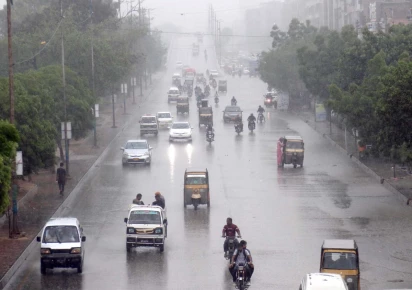
The Pakistan Meteorological Department (PMD) has forecast the arrival of monsoon rains across the country in the first week of July 2026, bringing widespread relief from current hot and humid conditions while issuing warnings for potential flash floods. Read More: https://theboardroompk.com/france-records-1000-excess-deaths-as-europe-endures-record-heatwave/ Weather System to Bring Widespread Precipitation A westerly wave is expected to enter upper parts of the country on the night of June 30. Moisture-laden currents from the Arabian Sea are already penetrating eastern and central regions. Currents from the Bay of Bengal are likely to reach upper areas by July 2. Scattered to moderate rain, windstorms, and thundershowers with isolated heavy falls are anticipated in various regions. Kashmir may see activity from July 1 to 6 while Khyber Pakhtunkhwa districts including Dir, Swat, Peshawar, Kohat and Bannu will experience thundershowers from July 1 to 5. Northern and central Punjab including Islamabad, Rawalpindi, Lahore and Sialkot are forecast to receive rain between July 1 and 6. Southern Punjab districts such as Bahawalpur, D.G. Khan and Multan may get intermittent rainfall from July 3 to 5. Risks and Advisories for Monsoon Season Gilgit-Baltistan is expected to receive rain and thundershowers from July 1 to 5. Northern and northeastern Balochistan including Zhob, Sibbi and Naseerabad will likely see precipitation from July 1 to 4. Northern Sindh districts like Sukkur, Larkana, Dadu and Jacobabad may witness windstorms and thundershowers on July 3 and 4. The PMD has highlighted risks including damage to weak infrastructure from windstorms and lightning such as solar panels, billboards and electric poles. Landslides are possible in mountainous areas of upper KP, Gilgit-Baltistan and Kashmir between July 2 and 6. Flash flooding may occur in local streams, nullahs and hill torrents of D.G. Khan. Urban flooding is likely in major cities including Islamabad, Rawalpindi, Peshawar, Lahore and Faisalabad from July 1 to 4. Authorities have been advised to remain vigilant and take proactive measures. Tourists and travellers should exercise caution and avoid unnecessary movement during the period. Farmers are urged to secure livestock and adjust crop activities accordingly. The monsoon system is expected to provide significant cooling across Pakistan.

Kaghan Valley Draws Over 109,000 Tourists as KP Hits Record 231,000 Daily Visitors
Editor pick, Pakistan

Kaghan Valley Draws Over 109,000 Tourists as KP Hits Record 231,000 Daily Visitors

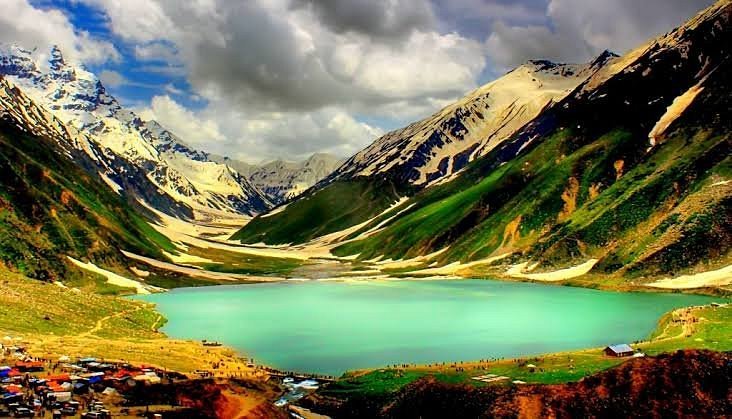
Khyber Pakhtunkhwa witnessed a strong surge in domestic tourism. Naran-Kaghan Valley emerged as the top destination on June 25, 2026. Read More: https://theboardroompk.com/trump-threatens-to-slam-100-tariffs-on-digital-tax-imposers-global-trade-tensions-soar/ The Khyber Pakhtunkhwa Culture and Tourism Authority (KPCTA) reported impressive numbers. This reflects growing interest in the province’s natural attractions during the summer season. Record Influx in Key Destinations Naran-Kaghan attracted 109,292 domestic tourists and 30 foreign visitors. It led the daily tally across the province. Overall, KP recorded 231,786 domestic tourists and 41 foreign visitors in one day. Swat Valley followed with 57,704 domestic tourists. Galiyat welcomed 48,472 domestic visitors. Kumrat Valley saw 15,900, while other spots like Kalash Valley and Booni/Mastuj also drew crowds. Economic Boost for Local Communities Tourism data was collected through police check posts, Levies, Tourist Police, and local administration. This ensures accurate monitoring of visitor movements. The surge brings opportunities for hotels, transport, and local businesses. It supports jobs in hospitality and related sectors across these valleys. Improved infrastructure and better promotion appear to be paying off. KP continues to position itself as a premier domestic tourism hub. Challenges and Future Prospects High visitor numbers test local capacity. Authorities must manage traffic, waste, and environmental impact to sustain growth. Foreign arrivals remain modest but show potential. Enhanced connectivity and facilities could attract more international tourists. For Pakistan’s economy, domestic tourism reduces reliance on other sectors. It circulates money within the country and aids regional development. Stakeholders call for continued investment. Sustainable practices will ensure these scenic spots remain attractive for years to come. This positive trend highlights KP’s rich tourism potential. Summer season momentum could set new records if managed well.

Pakistan-Iran Trade Revival Hits Banking and Barter Hurdles Despite $10bn Ambition
Editor pick

Pakistan-Iran Trade Revival Hits Banking and Barter Hurdles Despite $10bn Ambition

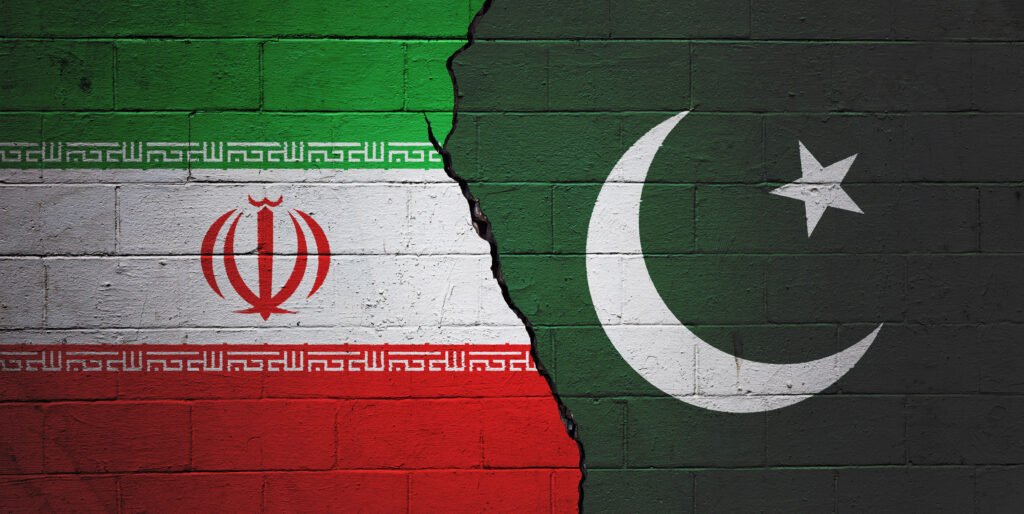
As prospects of sanctions relief for Iran gain momentum, Pakistan and Iran are working to revive and expand bilateral trade. Both sides have set an ambitious long-term target of $10 billion in annual trade volume. This would mark a sharp recovery from pre-sanctions levels when trade had already crossed $1.2 billion in FY10. Read More: https://theboardroompk.com/hdip-restructuring-plan-ordered-to-strengthen-governance-and-energy-sector-role/ Pakistani Exporters Stand to Gain from Iranian Demand Pakistan enjoys a clear competitive edge in several products that Iran needs. Rice, maize, fresh fruits and vegetables top the list. Textiles, pharmaceuticals and surgical goods also offer strong export potential.Formal access to the Iranian market would help Pakistani businesses diversify their destinations. It would generate valuable foreign exchange earnings at a time when export growth remains critical for the economy. Five Border Trading Centres to Formalise Flows Authorities have identified five dedicated crossing points to boost formal trade. These include Taftan-Minjaveh, Ladgasht-Jalaq, Parome-Kuhak, Mand-Peshin and Santsar-Nobandan. The centres are designed to operate at concessional customs rates. They form part of efforts to develop border Special Economic Zones and reduce reliance on informal channels. Initial trade is expected to focus on regularising the movement of petroleum products, especially petrol and diesel, that currently flow through unofficial routes. Food commodities could begin moving more quickly once basic mechanisms are established. Analysts at KTrade note that energy-related trade will drive the bulk of value in the early phase. Head of Research Fawad Basir said increasing trade with Iran will take time. The immediate challenge lies in formalising existing smuggling channels for fuel. Food trade may start sooner, but meaningful volumes in higher-value sectors will require operational and financial modalities to be sorted out first. Basir sees a realistic near-term target of around $2 billion rather than the full $10 billion goal. Once these foundations are in place, trade can gradually expand into more lucrative areas. The normalisation would also open a significant market for Pakistani exporters and strengthen economic ties with a key regional neighbour. The Iran-Pakistan gas pipeline, with capacity to deliver up to 750 million cubic feet per day, remains a long-term opportunity. It could help address Pakistan’s chronic energy deficit and support industrial growth. However, the project is unlikely to see rapid progress. Any revival would need both sanctions relief and a renegotiation of pricing and contractual terms to make it commercially viable.

Petrol Prices Unchanged: Oil Marketing Companies Win as Government Blocks Public Fuel Price Relief
Editor pick

Petrol Prices Unchanged: Oil Marketing Companies Win as Government Blocks Public Fuel Price Relief

Petrol Prices Unchanged has once again become the biggest talking point in Pakistan after the federal government decided not to pass on the benefit of lower refinery prices to consumers. Instead of allowing motorists to enjoy cheaper fuel, the government increased the petroleum levy to offset the decline in international and refinery costs, keeping retail fuel prices unchanged. The latest decision has sparked criticism from consumers and industry observers who believe the government has prioritized revenue collection and the interests of oil marketing companies over providing direct financial relief to millions of Pakistanis struggling with inflation. Petrol Prices Unchanged Despite Falling Refinery Costs According to a notification issued by the Petroleum Division, the government maintained petrol at Rs299.50 per litre while High-Speed Diesel (HSD) remained unchanged at Rs311.47 per litre. However, official price buildup data released by Euro Oil (Pvt) Limited reveals that underlying fuel costs had actually declined before taxes and levies were applied. For High-Speed Diesel, the refinery price dropped from Rs217.09 per litre to Rs210.52, a decrease of Rs6.57 per litre. Rather than passing this reduction on to consumers, the government increased the petroleum levy by exactly Rs6.57, from Rs72.97 to Rs79.54 per litre. The adjustment completely erased any potential reduction in retail prices. A similar pattern emerged for petrol (PMG). The refinery price fell by Rs0.39 per litre, but the petroleum levy increased by the same amount, rising to Rs66.64 per litre. As a result, motorists saw no reduction at fuel stations despite lower underlying costs. Government Uses Petroleum Levy to Neutralize Fuel Price Reduction The latest pricing mechanism demonstrates how the petroleum levy has become a fiscal tool instead of a consumer protection mechanism. While refinery prices declined, every rupee of savings was absorbed through higher taxation. Other pricing components remained unchanged, including: • Climate Support Levy at Rs2.50 per litre• IFEM charges of Rs2.40 per litre for diesel• IFEM charges of Rs2.87 per litre for petrol• Dealer margins• Distributor margins Because these components remained constant, the increase in petroleum levy became the only reason consumers were denied any reduction in fuel prices. The government’s strategy effectively protected its tax collections while maintaining existing pump prices. Oil Marketing Companies Secure Stability While Consumers Lose Expected Relief The decision is being viewed by many market participants as a victory for oil marketing companies, which had reportedly opposed reductions in petroleum prices. Stable retail prices help preserve market certainty and avoid disruptions in inventory valuations and pricing mechanisms. For ordinary Pakistanis, however, the outcome is disappointing. Lower fuel prices generally reduce transportation expenses, logistics costs and inflationary pressure across the economy. Instead, households and businesses continue paying the same high rates despite cheaper refinery prices. The unchanged fuel prices also mean transport operators, manufacturers and agricultural businesses will continue facing elevated operating costs, limiting any immediate reduction in the prices of essential goods. Petrol Prices Unchanged Raises Fresh Questions Over Government Priorities The latest pricing decision raises broader questions about the balance between fiscal needs and public welfare. The government has increasingly relied on the petroleum levy as a major source of revenue. While this approach strengthens government finances, critics argue that consumers are repeatedly denied the benefits of falling oil prices whenever international or refinery costs decline. With inflation still weighing heavily on household budgets, many expected at least partial relief at fuel stations. Instead, the latest adjustment shows that lower refinery prices no longer automatically translate into cheaper petrol or diesel. Unless the government changes its pricing strategy, future reductions in global or refinery fuel costs may continue to be absorbed through higher taxation rather than passed on to consumers. The latest announcement confirms that Petrol Prices Unchanged was not the result of stable fuel costs but of deliberate fiscal policy. Falling refinery prices created room for cheaper fuel, yet higher petroleum levies completely offset those savings. While the decision safeguards government revenue and maintains market stability for oil marketing companies, consumers remain without the relief many had anticipated. As fuel prices continue to influence inflation and the overall cost of living, the government’s pricing strategy is likely to remain under close public scrutiny.

Scroll to Top