
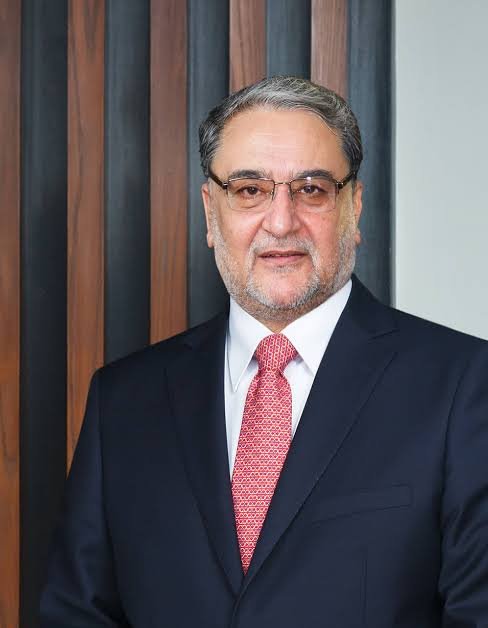
The PIA Privatization process has entered one of its most significant milestones with the appointment of Lt Gen (retd) Anwar Ali Hyder as the first Chairman of Pakistan International Airlines Corporation Limited (PIACL) under private ownership.
The development comes immediately after management control of the national carrier was officially transferred to the Arif Habib Corporation-led consortium, marking the beginning of what investors describe as a complete transformation of Pakistan’s flagship airline.
The appointment signals far more than a leadership change. It represents the first major governance decision after the airline’s historic privatization, setting the direction for an ambitious turnaround strategy designed to restore profitability, modernize operations, and rebuild public confidence in one of Pakistan’s most recognizable brands.
PIA Privatization Reaches a Historic Milestone
The announcement followed the successful first financial closing of the privatization transaction. With this milestone completed, the investor consortium has officially assumed management control of PIACL, ending decades of state-led management and opening a new chapter driven by private sector investment and corporate governance.
The first phase of the transaction included an initial payment to the Government of Pakistan along with a fresh capital injection into the airline. These funds are expected to strengthen PIACL’s financial position, improve liquidity, support fleet modernization, and finance future expansion plans.
The completion of the financial closing also demonstrates that the privatization process has moved beyond policy discussions into practical implementation, making it one of the country’s most closely watched corporate restructuring initiatives.
Who Is Lt Gen Anwar Ali Hyder?
Lt Gen (retd) Anwar Ali Hyder brings extensive leadership and administrative experience to the role. He currently serves as the Managing Director of Fauji Foundation and has held several senior positions throughout his distinguished career.
His appointment reflects the consortium’s intention to establish strong corporate governance while steering the airline through one of the most challenging transformation periods in its history.
Industry observers believe experienced leadership will be essential as PIACL works to improve operational efficiency, strengthen financial discipline, and compete more effectively in regional and international aviation markets.
PIA Privatization Aims to Modernize the National Carrier
Speaking after assuming the chairmanship, Hyder emphasized that although the airline’s ownership structure has changed, its responsibility toward the people of Pakistan remains unchanged.
He said PIACL will preserve its historic legacy while evolving into a modern premium airline capable of delivering higher service standards and stronger commercial performance.
The new management intends to focus on several strategic priorities, including improving passenger experience, expanding domestic and international route networks, modernizing the aircraft fleet, enhancing operational efficiency, and delivering long-term financial sustainability.
These objectives reflect a broader vision of transforming PIA into a competitive regional airline capable of attracting both business and leisure travelers.
Fresh Investment Could Accelerate PIA’s Revival
One of the biggest expectations surrounding the PIA Privatization process is the availability of private capital for long-delayed reforms.
The consortium’s initial investment is expected to support fleet upgrades, improve maintenance capabilities, strengthen technology infrastructure, and enhance customer service across multiple touchpoints. Industry experts believe these investments could help the airline improve operational reliability while reducing costs over the long term.
Modern aircraft, digital transformation, improved scheduling, and better service standards are widely viewed as essential if PIACL hopes to regain market share in an increasingly competitive aviation industry.
Why This Leadership Change Matters
The appointment of the first chairman under private ownership carries both symbolic and strategic importance. It demonstrates that the new owners are moving quickly to establish a governance framework capable of implementing reforms without the delays traditionally associated with state-owned enterprises.
The success of the privatization will ultimately be judged by measurable improvements in profitability, operational performance, passenger satisfaction, and international competitiveness. For employees, investors, and millions of travelers, the coming months will determine whether private ownership can deliver the transformation that has eluded the national airline for decades.
As Pakistan’s aviation sector enters a new phase, all eyes will remain on PIACL’s leadership and its ability to convert fresh investment into sustainable growth. If the consortium successfully executes its modernization strategy, the airline could once again become a source of national pride while emerging as a commercially successful carrier in the regional aviation market.