Editor pick

Cement Despatches Rise 7.21% in FY26 on Strong Domestic Demand
Editor pick

Cement Despatches Rise 7.21% in FY26 on Strong Domestic Demand

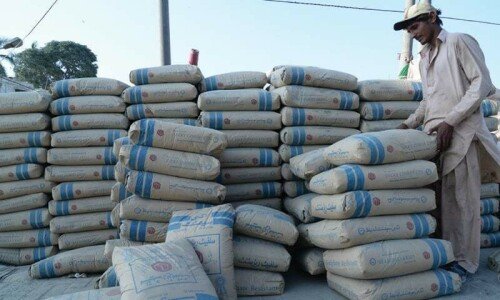
Pakistan’s cement industry recorded solid growth during the fiscal year ended June 30, 2026, with Cement despatches FY26 increasing 7.21% as robust domestic demand more than compensated for a slight decline in exports. According to data released by the All Pakistan Cement Manufacturers Association (APCMA), total cement despatches reached 50.515 million tons during FY26, compared with 47.116 million tons in the previous fiscal year. Domestic Cement Sales Drive Growth The industry’s performance was largely supported by stronger local demand. Domestic cement sales increased 9.5% to 41.507 million tons during FY26, up from 37.906 million tons in FY25. However, export performance remained under pressure. Cement exports declined 2.19% to 9.008 million tons, compared with 9.210 million tons recorded in the previous fiscal year. The figures indicate that rising construction activity within Pakistan more than offset weaker export demand. June Cement Despatches Jump Over 18% The industry also posted strong growth during June 2026. Total cement despatches reached 4.331 million tons, representing an 18.38% increase compared with 3.658 million tons dispatched in June 2025. Domestic despatches climbed 26.78% to 3.541 million tons, up from 2.793 million tons a year earlier. Meanwhile, export despatches declined 8.73% to 789,840 tons, compared with 865,387 tons in the corresponding month last year. North and South Region Performance North-based cement mills despatched 3.019 million tons during June 2026, an increase of 16.39% from 2.594 million tons in June 2025. South-based mills also recorded strong performance, with total despatches rising 23.23% to 1.31 million tons from 1.065 million tons during the same period last year. In the domestic market: Export Trends Remain Mixed No cement exports were recorded from North-based mills during June 2026. South-based mills, however, increased exports by 20.12%, shipping 789,840 tons compared with 657,527 tons in June 2025. For the full fiscal year: South-based mills continued their steady growth throughout FY26: APCMA Optimistic About Demand Outlook An APCMA spokesperson expressed confidence that cement demand will remain strong in the coming months across both domestic and international markets. The association also said that resolving geopolitical tensions through collective efforts would help ensure stable and competitive energy supplies. It added that lower energy and fuel costs would reduce production expenses and further improve the competitiveness of Pakistan’s cement industry.
Bitget Wallet Launches Crypto Card in South Asia
Editor pick

Bitget Wallet Launches Crypto Card in South Asia

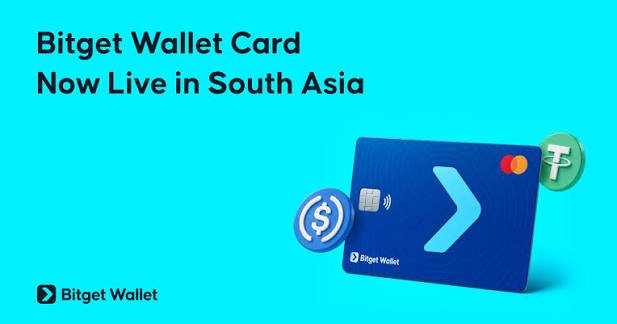
South Asia’s first Bitget Wallet Card links self-custody with global acceptance, offering up to 3% cashback. Mutsamudu, Comoros, July 2, 2026 – Bitget Wallet, a self-custodial wallet for everyday finance, announced the launch of the Bitget Wallet Card in South Asia, marking the card’s first rollout in South Asia. The card allows users to top up with USDT and USDC and spend globally. The launch brings self-custodial wallet-linked crypto payments to a region with some of the world’s most active digital economies, where demand for cross-border online payments continues to grow. Users can apply digitally through the Bitget Wallet app and add the virtual card to their mobile wallet within minutes. Bitget Wallet operates as a self-custodial wallet, allowing users to manage assets independently and maintain better control over their broader wallet holdings before choosing how much to top up to a separate card account for spending. The card supports global online and in-store purchases across hundreds of millions of Mastercard acceptance locations and digital access points globally, covering everyday scenarios from subscriptions, cloud services, AI tools, gaming, and e-commerce to travel, dining, and offline retail. Users may receive up to 3% cashback on card transactions, subject to a monthly limit. South Asia consistently ranks among the highest in global crypto adoption, underscoring the region’s position as a major crypto market. Its large base of freelancers, creators, and digitally connected businesses also points to growing demand for global payment access across work, commerce, travel, and online services. “With Bitget Wallet Card, our focus is to provide users with a simpler way to connect wallet-based assets to global payment infrastructure, while keeping the experience accessible and easy to use.” said Alvin Kan, COO of Bitget Wallet. The rollout is supported by Bitget Wallet’s Onchain Payments Matrix, an infrastructure layer that connects wallets, stablecoins, card networks, and payment providers to make digital assets usable across real-world payment scenarios. For more information, visit the Bitget Wallet website. Disclaimer: For informational purposes only. Cryptocurrencies are subject to high market risk and volatility. No profit is guaranteed. You are strongly advised to conduct own research before investing at your own discretion. Nothing on this page shall be construed as financial advice or solicitation. Past performance does not indicate future results.

Former TRG CEO Zia Chishti Wins US Court Ruling in Legal Dispute With TRG Pakistan
Editor pick

Former TRG CEO Zia Chishti Wins US Court Ruling in Legal Dispute With TRG Pakistan

TRG CEO Zia Chishti Wins US Court Ruling in Cross-Border Legal Dispute Former TRG Pakistan Limited (PSX: TRG) Chief Executive Officer Zia Chishti has secured a significant legal victory in his long-running dispute with The Resource Group International Limited (TRGI) and its affiliates after a United States court rejected an attempt to stop his legal proceedings in Pakistan. In an order dated July 1, 2026, the US District Court for the Southern District of New York (SDNY) denied a motion filed by TRGI, TRG Pakistan Chairman Mohammed Khaishgi, CEO Hasnain Aslam, and TRG Pakistan Limited, collectively referred to as the “Resource Group,” seeking an anti-suit injunction against Chishti. Judge Louis L. Stanton ruled that the applicants failed to satisfy the legal requirements necessary to prevent Chishti from pursuing litigation before Pakistani courts. Dispute Centers on Pakistan Court Proceedings The latest ruling stems from efforts by TRG Pakistan’s current management to stop Chishti from pursuing a criminal contempt petition before the Supreme Court of Pakistan. According to court filings, Resource Group argued that Chishti’s legal action in Pakistan was prohibited under a release agreement signed on January 10, 2022. However, Chishti maintained that his contempt petition sought to enforce Supreme Court orders issued on May 11, 2026, relating to earlier proceedings involving TRG Pakistan. Those orders upheld a Sindh High Court decision directing TRG Pakistan to hold overdue board elections and requiring its affiliate Greentree to return shares that the court found had been acquired using TRG Pakistan’s own funds. US Court Rejects Request for Anti-Suit Injunction Judge Stanton applied the legal test governing anti-suit injunctions and concluded that Resource Group did not establish the necessary grounds for relief. Although the court acknowledged sufficient overlap between the parties involved, it found that its earlier ruling issued on May 12, 2026, did not resolve the legal issues currently before Pakistani courts. The court noted that claims concerning delayed board elections had never been addressed in the previous US proceedings. It also found that allegations relating to Greentree’s acquisition of TRG Pakistan shares arose after the 2022 release agreement and therefore could not automatically be considered released claims. As a result, the court declined to block the Pakistani litigation. Court Questions Litigation Arguments The SDNY order also included observations regarding the conduct of the litigation. Judge Stanton stated that the court was led “to suspect” that previous US rulings had been inaccurately presented before Pakistani courts. The order further observed that Resource Group waited more than a year before seeking emergency relief despite being aware that certain claims involving Greentree’s share acquisition fell outside the scope of the release agreement. The court reiterated that anti-suit injunctions should be granted only in exceptional circumstances where foreign litigation substantially duplicates domestic proceedings, concluding that this standard had not been met. Pakistan Proceedings to Continue The ruling allows Chishti to continue pursuing proceedings before Pakistani courts, including the Sindh High Court case concerning TRG Pakistan’s board elections and the related contempt petition before the Supreme Court. The SDNY also formally disposed of letters filed by TRG Pakistan supporting TRGI’s motion. According to the information available, TRG Pakistan had not issued a corresponding disclosure to the Pakistan Stock Exchange (PSX) following the July 1 order at the time of reporting. Latest Development in Ongoing Legal Battle The decision represents the latest chapter in a complex cross-border legal dispute between Chishti and Resource Group. Earlier this year, several SDNY rulings had favored TRGI, including a May 12 decision concerning pre-2022 claims, a temporary restraining order issued on June 10, and a June 18 turnover order directing Chishti to satisfy a $9.1 million judgment related to share pledges and asset transfers. The July 1 ruling, however, marks a significant procedural victory for Chishti by allowing the Pakistani court proceedings to move forward while the broader legal dispute continues in multiple jurisdictions.

Cross-Border Pollution Requires Regional Cooperation, Says Environmental Expert
Editor pick

Cross-Border Pollution Requires Regional Cooperation, Says Environmental Expert

Cross-Border Pollution Pakistan Requires Regional Cooperation, Says Environmental Expert An environmental expert has urged South Asian countries to adopt a coordinated regional strategy to combat cross-border pollution, warning that Pakistan cannot effectively tackle worsening smog, water shortages, and climate-related disasters through domestic measures alone. Speaking to a state-owned television channel, Dr. Zainab Naeem stressed that environmental challenges affecting Pakistan demand sustained diplomatic engagement, stronger public awareness, and increased private-sector participation to build long-term climate resilience. Pakistan Faces Growing Climate Risks According to Dr. Naeem, Pakistan remains one of the countries most vulnerable to climate change and its associated disasters. She said trans-boundary smog and poor water management continue to pose serious environmental and public health challenges. She noted that seasonal crop residue burning across the border contributes to declining air quality in Pakistan. Combined with rising temperatures and prolonged heatwaves, these factors have intensified environmental pressures across the region. Dr. Naeem emphasized that environmental degradation is not confined by national borders and therefore requires practical cooperation among neighboring countries. Urgent Action Needed on Environmental Policies The environmental expert called for the swift implementation of effective environmental policies, saying governments must prioritize long-term ecological resilience over short-term considerations. She argued that stronger environmental governance would not only protect public health but also strengthen economic stability by reducing the long-term costs associated with climate-related disasters. According to Dr. Naeem, policymakers should treat environmental protection as a national and regional priority rather than a political issue. Public Awareness Plays a Key Role Dr. Naeem also highlighted the importance of expanding climate awareness campaigns across society. She said citizens, government institutions, and policymakers must recognize that environmental protection is a shared responsibility. Greater public understanding of climate challenges can encourage sustainable practices and support stronger environmental policies. She added that increasing awareness is essential for promoting long-term behavioral change and strengthening national resilience against climate risks. Government Initiatives Acknowledged Dr. Naeem acknowledged that the Government of Pakistan, under Prime Minister Shehbaz Sharif, and the Punjab government led by Chief Minister Maryam Nawaz Sharif have introduced various environmental policies and mitigation measures. She said these initiatives aim to address pollution and climate-related challenges while considering the country’s fiscal constraints. However, she maintained that domestic efforts alone cannot fully resolve environmental issues that originate beyond Pakistan’s borders. Call for a Permanent Regional Climate Mechanism To strengthen regional collaboration, Dr. Naeem proposed establishing a permanent climate-focused diplomatic mechanism for South Asia. She said such a platform would enable neighboring countries to maintain continuous dialogue on shared environmental concerns, exchange scientific data, and coordinate responses to cross-border pollution, water management, and climate adaptation. The expert also stressed the need for greater private-sector investment alongside effective regulatory enforcement. She said businesses can play a significant role in reducing pollution and promoting sustainable development if supported by clear environmental regulations. Dr. Naeem concluded that lasting environmental progress will depend on collective action among regional stakeholders, emphasizing that cooperation is essential to safeguard public health, protect natural resources, and ensure sustainable economic development across South Asia.

Internet Services Disrupted Across Pakistan Due to SMW-5 Submarine Cable Fault
Editor pick

Internet Services Disrupted Across Pakistan Due to SMW-5 Submarine Cable Fault

Internet Services Disrupted Across Pakistan After SMW-5 Submarine Cable Fault Internet users across Pakistan experienced slower speeds and connectivity problems after a fault developed in the SMW-5 submarine internet cable, according to the Pakistan Telecommunication Authority (PTA). The regulator confirmed that the issue has affected internet services in different parts of the country, with many users reporting difficulties in browsing, streaming, and accessing online platforms. PTA Confirms SMW-5 Cable Fault In an official statement, the PTA said the disruption was caused by a fault in the SMW-5 submarine cable, one of the major international internet links serving Pakistan. The authority stated that some users may continue to experience reduced internet speeds and intermittent connectivity until the issue is resolved. Technical Teams Working to Restore Services According to the PTA, technical experts from Transworld Associates (TWA) and the SMW-5 consortium have started investigating the fault. The teams are working to determine the exact cause of the problem and restore the affected cable as quickly as possible. The PTA added that it remains in close coordination with all relevant stakeholders to monitor the situation and speed up restoration efforts. Internet Traffic Shifted to Alternative Links To reduce the impact on internet users, Pakistan has redirected internet traffic through alternative international connectivity links. The PTA said this contingency measure is helping maintain services and minimize disruptions while repair work continues on the damaged submarine cable. Although alternative routes have reduced the severity of the outage, users may still notice slower internet performance during peak hours. Repair Timeline Yet to Be Announced The telecom regulator said it is actively communicating with the organizations responsible for the submarine cable infrastructure. However, no estimated timeline for completing repairs has been announced so far. The PTA assured the public that it will issue further updates as soon as more information becomes available regarding the restoration process. Importance of the SMW-5 Cable The SMW-5 (South East Asia–Middle East–Western Europe 5) submarine cable is one of Pakistan’s critical international internet gateways. Any fault in the cable can affect internet traffic by reducing available bandwidth, leading to slower browsing speeds and temporary connectivity issues for consumers and businesses. Pakistan relies on multiple international submarine cable systems for global internet connectivity. Network operators typically reroute traffic through other available cables whenever one link develops a fault. However, depending on overall network demand and available capacity, users may still experience degraded internet performance until the damaged cable is repaired. Authorities have advised users to remain patient while restoration work continues. The PTA reiterated that it is closely monitoring the situation and will share further updates once the repair schedule has been confirmed.

Saudi Arabia Pakistan Cricket Stadium Partnership Set to Transform Cricket in Jeddah
Editor pick

Saudi Arabia Pakistan Cricket Stadium Partnership Set to Transform Cricket in Jeddah

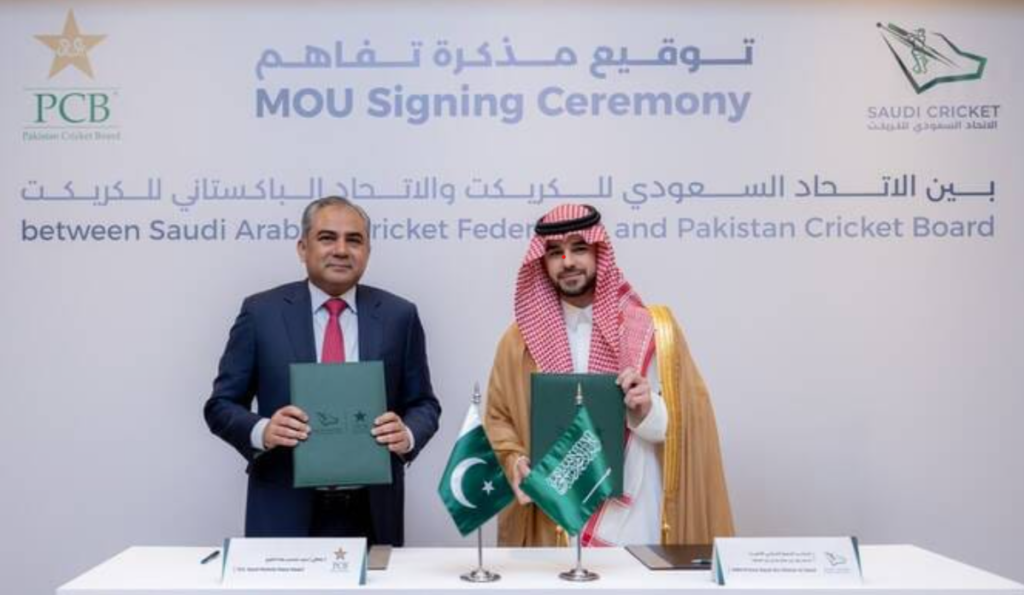
Pakistan and Saudi Arabia have signed a landmark Memorandum of Understanding (MoU) to develop a world-class international cricket stadium in Jeddah, marking a major milestone in sports cooperation between the two countries. The project is expected to strengthen cricket’s presence in the Kingdom while supporting Saudi Arabia’s broader ambitions to become a global sports destination under Vision 2030. Beyond the construction of a modern stadium, the agreement aims to establish a comprehensive cricket ecosystem that promotes player development, coaching, sports tourism, and long-term bilateral collaboration. Pakistan and Saudi Arabia Sign Historic Cricket Agreement The Memorandum of Understanding was signed by Prince Saud bin Mishal bin Mohammad Al Saud, Chairman of the Saudi Arabian Cricket Federation (SACF), and Mohsin Naqvi, Chairman of the Pakistan Cricket Board (PCB), during Naqvi’s official visit to Riyadh. The proposed stadium will be built in Jeddah and is expected to meet international cricket standards, enabling Saudi Arabia to host global cricket tournaments and international matches in the future. The agreement reflects the growing strategic partnership between the two countries and expands cooperation into sports development. Jeddah Stadium to Become a Modern Cricket Hub The project envisions much more than a cricket venue. Both cricket boards have agreed to develop a complete cricket ecosystem that includes high-quality playing facilities, broadcasting infrastructure, hospitality services, training academies, practice grounds, and modern spectator amenities. The objective is to create a venue capable of hosting international competitions while supporting the long-term growth of cricket throughout Saudi Arabia. Saudi Arabia Expands Its Global Sports Ambitions The cricket stadium project aligns with Saudi Vision 2030, which seeks to diversify the Kingdom’s economy through investments in sports, tourism, entertainment, and major international events. In recent years, Saudi Arabia has significantly expanded its presence in global sports by hosting major events in football, Formula One, golf, boxing, esports, and other international competitions. Adding world-class cricket infrastructure represents another important step toward positioning the Kingdom as a leading destination for international sporting events. Pakistan to Share Technical Expertise Under the agreement, the Pakistan Cricket Board will provide technical support across multiple areas of cricket development. The PCB will assist with stadium planning, pitch preparation, venue management, coaching systems, competition organization, broadcasting facilities, media infrastructure, and player development programs. The collaboration is intended to ensure that Saudi Arabia’s new cricket infrastructure meets international standards while benefiting from Pakistan’s decades of experience in the sport. Long-Term Partnership Beyond Stadium Construction Officials from both countries emphasized that the agreement extends beyond the construction of a single stadium. The partnership includes cooperation in coaching exchanges, technical education, talent development, cricket competitions, and institutional collaboration aimed at strengthening Saudi Arabia’s domestic cricket structure. These initiatives are expected to create greater opportunities for young Saudi cricketers while supporting the sustainable growth of the sport across the Kingdom. Cricket Continues to Grow in Saudi Arabia Cricket has steadily expanded in Saudi Arabia over the past several decades, driven largely by expatriate communities from Pakistan and India. The establishment of the Saudi Arabian Cricket Federation in 2020 accelerated the sport’s development through grassroots programs, youth participation initiatives, and national team development. Saudi Arabia became an affiliate member of the International Cricket Council (ICC) in 2003 and was elevated to associate membership in 2016, laying the foundation for its growing role in international cricket. Strategic Importance of the Project The Saudi Arabia Pakistan Cricket Stadium project carries significance beyond sports. For Saudi Arabia, it supports economic diversification, tourism growth, and private investment while strengthening the Kingdom’s position in global sports. For Pakistan, the collaboration enhances the Pakistan Cricket Board’s international role by contributing to cricket’s expansion into emerging markets. The project also reinforces the longstanding relationship between Pakistan and Saudi Arabia through sports diplomacy, creating new opportunities for investment, cultural exchange, and bilateral cooperation.

InfraZamin Convenes Global Leaders at London Climate Action Week to Scale Pakistan’s Sustainable Transformation
Editor pick

InfraZamin Convenes Global Leaders at London Climate Action Week to Scale Pakistan’s Sustainable Transformation

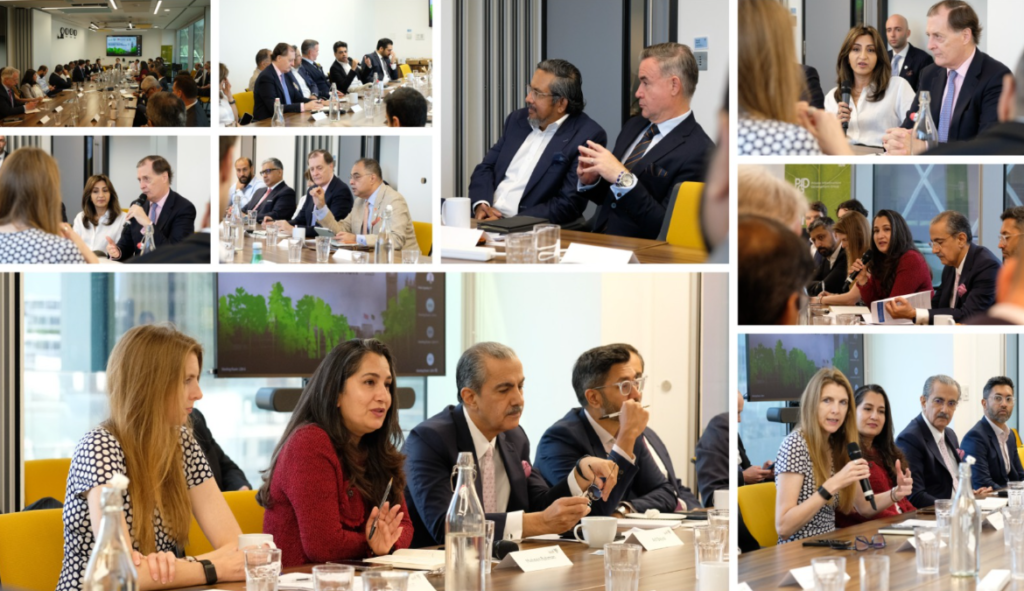
InfraZamin Pakistan, in collaboration with the Private Infrastructure Development Group (PIDG), brought together senior government officials, financial institutions, development finance organizations, investors, and private sector leaders for a high-level roundtable titled “Investing in Pakistan’s Sustainable Transformation” during London Climate Action Week 2026. Held at PIDG Headquarters in London, the event focused on mobilizing private capital for Pakistan’s climate-resilient infrastructure and strengthening collaboration between public and private stakeholders to unlock sustainable investment opportunities. High-Level Leaders Discuss Pakistan’s Investment Potential The roundtable was chaired by Maheen Rahman, CEO of InfraZamin Pakistan, and Philippe Valahu, CEO of PIDG. The event featured prominent participants from Pakistan and the United Kingdom, including: More than 30 representatives from development finance institutions, commercial banks, institutional investors, and climate-focused organizations attended the discussion. Pakistan Seen as a Strong Destination for Climate Investment Participants agreed that Pakistan offers significant opportunities for climate and infrastructure investment but emphasized that attracting large-scale private capital will require stronger collaboration among investors, government institutions, project developers, and blended finance providers. The discussion highlighted the importance of developing a robust pipeline of bankable projects, supported by enabling policies and innovative financing mechanisms to improve investor confidence and accelerate project implementation. Building a Pipeline of Investable Projects One of the key recommendations was the establishment of a multi-stakeholder task force to develop a steady pipeline of investable infrastructure and climate projects. Participants proposed creating a coordinated platform that brings together government agencies, private sector developers, financiers, and investors to identify, structure, and accelerate projects capable of attracting long-term investment. Such a platform would help streamline project development while improving coordination between public and private stakeholders. Strengthening Research and Market Intelligence The roundtable also emphasized the need for stronger research and market intelligence to support investment decisions. Participants recommended expanding evidence-based analysis and improving market data to design more effective financing structures and strengthen policy formulation. Better research, they noted, would enhance investor confidence and improve the overall investment environment. Climate-Resilient Agriculture Identified as a Priority Climate-smart agriculture emerged as another major focus area. Participants stressed the importance of increasing investment in climate-resilient farming practices to improve agricultural productivity, strengthen food security, and enhance Pakistan’s resilience to climate change. The discussion recognized agriculture as a key sector where sustainable investment can deliver both economic and environmental benefits. Policy Reforms Key to Unlocking Private Capital The forum highlighted the need for a stronger policy and regulatory framework to encourage greater private sector participation. Participants called for targeted incentives, supportive regulations, and predictable policy measures that reduce investment risks and facilitate financing for sustainable infrastructure projects. A stable and transparent regulatory environment was identified as essential for attracting both domestic and international investors. Commitment to Sustainable Infrastructure Development The roundtable concluded with a shared commitment to strengthen partnerships and develop practical solutions that mobilize larger volumes of private capital for Pakistan’s sustainable infrastructure. Participants reaffirmed their support for initiatives that promote innovation, collaboration, and long-term investment, helping Pakistan transition toward a greener, more resilient, and inclusive economy. They also commended InfraZamin Pakistan for organizing the timely dialogue during London Climate Action Week 2026 and pledged continued engagement to advance sustainable investment opportunities in the country.

Trump Crypto Earnings Top $1 Billion as Financial Disclosure Sparks Fresh Conflict of Interest Debate
Editor pick

Trump Crypto Earnings Top $1 Billion as Financial Disclosure Sparks Fresh Conflict of Interest Debate

Trump Crypto Earnings have crossed the remarkable $1 billion mark, according to the latest mandatory financial disclosure filed by US President Donald Trump, placing cryptocurrency at the center of one of the biggest political and business controversies of his presidency. The 927-page financial report shows that Trump’s growing crypto empire generated extraordinary wealth in 2025 through digital assets, licensing deals, and cryptocurrency businesses connected to his family. The disclosure has reignited debate over whether a sitting US president should benefit financially from an industry that is simultaneously being shaped by his own administration. The figures represent one of the largest annual earnings ever disclosed by a modern American president and highlight how dramatically Trump’s business portfolio has shifted from real estate to digital finance. Trump Crypto Earnings Driven by Meme Coin and Family Crypto Venture The largest contributor to Trump Crypto Earnings came from royalties linked to the Trump-themed meme coin launched shortly before he returned to the White House. According to the disclosure, Trump reported approximately $635 million in royalties from the cryptocurrency project. Although the token has lost significant value since its launch, the initial surge in investor demand generated substantial revenue. Another major source of income came from World Liberty Financial, the cryptocurrency company established by Trump’s sons together with the children of presidential special envoy Steve Witkoff. Trump disclosed earning more than $500 million through the venture, underscoring the growing financial importance of the family’s crypto investments. Beyond digital assets, the president also reported millions of dollars from traditional businesses, including real estate holdings, licensing agreements, and Trump-branded merchandise. Financial Disclosure Shows Massive Jump in Annual Income The latest disclosure reveals a dramatic increase compared with the previous year’s filing. In 2024, Trump reported business income exceeding $600 million. The latest report pushes total earnings beyond $1 billion, reflecting the explosive growth of cryptocurrency-related revenues. The disclosure illustrates how digital assets have rapidly become one of the most profitable segments of Trump’s business empire, surpassing many of his long-established real estate ventures. White House Rejects Conflict of Interest Allegations Despite criticism from ethics experts, the White House strongly rejected claims that the president’s crypto earnings present a conflict of interest. Deputy Press Secretary Anna Kelly defended the administration, stating that President Trump has successfully positioned the United States as the “crypto capital of the world.” The White House also emphasized that Trump’s business interests are held in a trust managed by his sons, maintaining that neither the president nor his family has engaged in conflicts of interest. Administration officials argue that all policy decisions are made solely in the interests of the American people and dismiss accusations as politically motivated. Trump has also repeatedly argued that the US president is not bound by federal conflict-of-interest laws that apply to many executive branch officials. Trump’s Dramatic Shift on Cryptocurrency Trump’s financial success in cryptocurrency represents a remarkable reversal from his earlier position. In 2021, he publicly described Bitcoin as a “scam” and warned that cryptocurrencies could become “a disaster waiting to happen.” However, during his presidential campaign several years later, Trump embraced digital assets, promising to transform the United States into the “crypto capital of the planet.” After returning to office, one of his first executive actions focused on supporting the responsible growth of the cryptocurrency industry, a policy shift that coincided with the rapid expansion of his own crypto-related business interests. Ethics Experts Raise Fresh Questions Over Trump Crypto Earnings The size of Trump Crypto Earnings has prompted renewed scrutiny from ethics specialists. Richard Painter, who served as chief White House ethics lawyer under former President George W. Bush, described the scale of the earnings as extraordinary and argued that they represent a clear conflict of interest because government policies affecting cryptocurrency markets could directly influence the president’s financial interests. Financial analysts also noted that Trump’s approach differs significantly from previous presidents. Will Walker-Arnott, Director of Private Clients at Raymond James Financial Group, observed that former President Jimmy Carter placed his peanut farm into a blind trust, while George W. Bush sold his ownership stake in the Texas Rangers before entering the White House. By contrast, Trump continues to generate substantial income through family-controlled business ventures while serving as president. What Trump Crypto Earnings Mean for the Future of US Digital Assets The unprecedented scale of Trump Crypto Earnings highlights the increasing influence of cryptocurrency in both politics and global finance. Supporters argue that Trump’s personal involvement demonstrates confidence in the future of blockchain technology and could accelerate innovation across the American digital asset industry. Critics, however, contend that the overlap between public policymaking and private financial interests creates significant ethical concerns that could shape future debates over presidential transparency, financial disclosures, and cryptocurrency regulation. As digital assets continue to reshape global financial markets, Trump’s billion-dollar crypto windfall is likely to remain one of the most closely watched intersections of business, politics, and emerging technology.

SLGTrax Digital Lending Partnership Expands Merchant Financing with Mobilink Microfinance Bank
Editor pick

SLGTrax Digital Lending Partnership Expands Merchant Financing with Mobilink Microfinance Bank

Pakistan’s digital commerce sector is entering a new phase of financial inclusion as SLGTrax Digital Lending gains fresh momentum through a strategic partnership between Secure Logistics Trax Group Limited (PSX: SLGL) and Mobilink Microfinance Bank Limited (MMBL). The collaboration is expected to strengthen access to working capital for thousands of merchants while expanding digital financial services across the country’s rapidly growing e-commerce ecosystem. The agreement marks a significant milestone for Secure Logistics Trax Group’s fintech ambitions and signals increasing confidence in technology-driven lending models that support small businesses. SLGTrax Digital Lending to Provide Instant Working Capital Secure Logistics Trax Group announced that its wholly owned subsidiary, LogiServe (Private) Limited, has signed a Lending Facility Agreement with Mobilink Microfinance Bank Limited to establish a digital lending mechanism specifically designed for merchants operating within the SLGTrax logistics and e-commerce network. The agreement was formally signed in Islamabad. Under the partnership, LogiServe will operate as a Non-Banking Finance Company (NBFC), allowing it to manage merchant financing under Pakistan’s regulatory framework while leveraging MMBL’s financial strength. The collaboration is expected to dramatically increase the company’s lending capacity, enabling faster loan approvals and greater financial support for businesses that rely on digital commerce. Merchants Can Access Financing of Up to Rs250,000 One of the biggest highlights of the partnership is the availability of working capital financing of up to Rs250,000 for eligible merchants. Instead of struggling with cash flow shortages or delayed inventory purchases, merchants will be able to obtain financing through a streamlined digital process. Loan disbursements and repayments will follow LogiServe’s existing lending cycle, ensuring operational efficiency while complying with NBFC regulations. For many small and medium-sized businesses operating online, quick access to working capital can determine whether they expand successfully or miss critical sales opportunities. The partnership aims to remove this financing gap and encourage sustainable business growth. SLGTrax Digital Lending Goes Beyond Traditional Loans Unlike conventional lending facilities, the new initiative combines financing with a comprehensive package of business and personal benefits designed to improve merchant resilience. Merchants enrolled under the program will receive access to more than 10,000 partner vendors offering exclusive commercial deals that can reduce procurement costs and improve operational efficiency. The package also includes free online outpatient (OPD) consultations, allowing business owners and their families to access healthcare services without additional financial pressure. Healthcare protection extends further through hospitalization coverage of up to Rs200,000 across a network of more than 300 panel hospitals. This benefit provides an additional financial safety net for entrepreneurs managing both business and personal responsibilities. Insurance Protection Adds Another Layer of Security The partnership introduces multiple insurance benefits that extend well beyond standard lending products. Eligible merchants will receive protection against accidental death, permanent disability, and damage resulting in the loss of business premises. Each insurance benefit will be covered up to the outstanding loan amount or Rs1 million, whichever is lower. These protections are designed to safeguard businesses against unexpected disruptions that could otherwise threaten repayment capacity and long-term sustainability. Female merchants will also receive additional support through family income protection and maternity-related benefits, reflecting a broader effort to encourage women-led entrepreneurship and financial inclusion. Lending Capacity Set for Major Expansion According to the company, the agreement has significantly increased LogiServe’s available lending capital, enabling it to scale its digital lending operations much faster than before. Management also indicated that additional financing facilities are already in the pipeline. If implemented successfully, these future arrangements could substantially expand merchant financing across Pakistan’s growing digital economy. The move positions Secure Logistics Trax Group to capitalize on increasing demand for embedded financial services, where lending solutions are integrated directly into e-commerce and logistics platforms instead of relying solely on traditional banking channels. Why This Partnership Matters Pakistan’s e-commerce industry continues to grow, but access to affordable financing remains one of the biggest challenges facing merchants. By integrating lending directly into its logistics ecosystem, SLGTrax is attempting to remove one of the most significant barriers to business expansion. The partnership with Mobilink Microfinance Bank demonstrates how fintech, logistics, and digital banking are increasingly converging to create smarter financial solutions for entrepreneurs. If the initiative achieves widespread adoption, it could strengthen merchant liquidity, accelerate online business growth, and reinforce Secure Logistics Trax Group’s position as an emerging player in Pakistan’s digital financial services sector. With additional lending facilities expected in the coming months, investors and merchants alike will be watching closely as SLGTrax Digital Lending continues its expansion into one of Pakistan’s fastest-growing business segments.

OGDC Completes Chak 63-05 Development Well in Sanghar, Sindh
Editor pick

OGDC Completes Chak 63-05 Development Well in Sanghar, Sindh

Karachi: Oil & Gas Development Company Limited (OGDC) has successfully completed Chak 63-05, a new development well in the Chak 63 Development & Production Lease (D&PL) located in Sanghar district of Sindh, marking another milestone in the company’s efforts to enhance Pakistan’s indigenous oil and gas production. Read More: https://theboardroompk.com/germany-crash-out-of-fifa-world-cup-2026-after-paraguay-win-dramatic-penalty-shootout/ Chak 63-05 Produces 600 BPD of Condensate and 10.5 MMSCFD of Gas During production testing through a 32/64-inch choke, Chak 63-05 produced 600 barrels of condensate per day (BPD) and 10.5 million standard cubic feet of gas per day (MMSCFD) at a wellhead flowing pressure (WHFP) of 2,580 psig. The well was spudded on April 20, 2026, drilled to a total depth of 3,325 metres, and successfully completed in the Massive Sand reservoir. The development well will be connected to the SSGC transmission system, while activities for its early monetisation are underway. OGDC Leads Joint Venture in Chak 63 D&PL OGDC operates the Chak 63 D&PL with a 62.5 percent working interest. Other joint venture partners include Government Holdings (Private) Limited (GHPL) with 22.5 percent and Orient Petroleum Inc. Limited (OPL) with 15 percent working interest. Project to Strengthen Pakistan’s Energy Security The successful completion of Chak 63-05 is expected to strengthen Pakistan’s indigenous hydrocarbon supplies, support the country’s energy security objectives, and reinforce OGDC’s commitment to operational excellence, sustainable growth, and long-term value creation for its stakeholders.

Scroll to Top