Auto

Kia Fuel Requirement Pakistan: Lucky Motor Clarifies Hi-Octane Not Required
Auto

Kia Fuel Requirement Pakistan: Lucky Motor Clarifies Hi-Octane Not Required

The Kia Fuel Requirement Pakistan debate has gained attention after recent increases in Hi-Octane fuel prices. Many car owners feared that owning a Kia vehicle could become more expensive due to fuel requirements. However, Lucky Motor Corporation has stepped forward to remove this confusion and provide clarity for customers across the country. In an official statement, the company confirmed that Kia vehicles sold in Pakistan are fully compatible with regular unleaded petrol and do not require mandatory use of high-octane fuel. This clarification is expected to bring relief to thousands of car owners dealing with rising fuel costs. Lucky Motor Corporation’s Official Clarification According to Lucky Motor Corporation, all Kia vehicles available in Pakistan are designed and tested to run efficiently on fuel with a minimum octane rating of RON 91 or above. This specification is clearly mentioned in each vehicle’s owner’s manual. The company further explained that consumers can confidently use RON 92 fuel, commonly sold in Pakistan as “Super” or “Premier,” without experiencing any drop in performance, engine efficiency, or reliability. This means drivers do not need to worry about switching to costly Hi-Octane fuel. This announcement directly addresses growing public concerns, especially as fuel price fluctuations continue to impact household budgets. Is Hi-Octane Fuel Necessary for Kia Cars? The Kia Fuel Requirement Pakistan clarification makes it clear that Hi-Octane fuel is not mandatory for Kia vehicles in the local market. The automaker emphasized that: • Regular unleaded fuel (RON 91 or RON 92) is sufficient• Mixing Hi-Octane with regular fuel is unnecessary• Vehicle performance remains optimal without premium fuel This statement is particularly important for drivers who believed that premium fuel was essential for maintaining engine health. The clarification ensures that Kia owners can continue using commonly available fuel without extra expenses. Fuel Quality Still Matters for Performance While the Kia Fuel Requirement Pakistan clarification removes concerns about octane levels, the company highlighted another critical factor fuel quality. Customers were advised to refuel only from reputable petrol stations. Poor-quality or adulterated fuel can negatively impact engine performance, fuel efficiency, and long-term reliability, regardless of the vehicle brand. Using trusted fuel stations helps prevent: • Engine knocking• Reduced fuel efficiency• Long-term engine damage• Performance issues This advice is especially relevant in Pakistan, where fuel quality can vary across different locations. Relief for Consumers Amid Rising Fuel Prices The clarification comes at a time when fuel pricing remains a major concern for Pakistani consumers. With inflationary pressures and volatility in global oil markets, many households are already struggling to manage transportation costs. The Kia Fuel Requirement Pakistan announcement provides reassurance that owning a Kia vehicle does not automatically translate into higher fuel expenses. Drivers can continue using affordable and widely available petrol options without compromising performance. This move also strengthens consumer confidence in Kia vehicles, especially among buyers considering purchasing new cars in a highly price-sensitive market. What This Means for Kia Owners in Pakistan For existing and potential buyers, the message is simple: • No need to use expensive Hi-Octane fuel• Regular petrol (RON 91 or 92) works perfectly• Performance and reliability remain unaffected• Focus on fuel quality rather than octane upgrades This clarity helps Kia owners make informed decisions and avoid unnecessary spending at fuel stations. The Kia Fuel Requirement Pakistan clarification by Lucky Motor Corporation has addressed widespread confusion among consumers. By confirming that Kia vehicles run efficiently on regular unleaded fuel, the company has eased financial concerns and reassured customers during a period of rising fuel costs. For Pakistani drivers, this means one less worry you can keep driving your Kia without switching to expensive Hi-Octane fuel, as long as you choose reliable petrol stations.

Hi-Octane Price Surge Reshapes SUV Economics as PHEVs, REEVs Emerge as Practical Alternative in Pakistan
Auto

Hi-Octane Price Surge Reshapes SUV Economics as PHEVs, REEVs Emerge as Practical Alternative in Pakistan

Lahore : With petrol prices in Pakistan remaining above Rs320 per litre and the government sharply increasing the levy on high-octane fuel—pushing its price to around Rs535 per litre—the economics of driving sport utility vehicles (SUVs) is undergoing a significant shift. Read More: https://theboardroompk.com/gold-price-in-pakistan-drops-sharply-latest-gold-silver-rates-today-shock-investors/ Industry experts say this change is rapidly tilting consumer preference toward plug-in hybrid electric vehicles (PHEVs) and range-extended electric vehicles (REEVs). According to Syed Asif Ahmed, Director Sales and Marketing at Chery Master Pakistan, the latest pricing dynamics are putting particular pressure on premium SUV users, as most high-end models are designed to run on high-octane fuel.Official data shows ex-depot MS petrol at approximately Rs321 per litre, while high-octane petrol has surged to around Rs535 per litre, highlighting Pakistan’s continued exposure to imported fuel volatility. Ahmed said the conversation around new energy vehicles has moved beyond environmental considerations. “For Pakistani consumers—especially SUV users—this is now a straightforward economic decision,” he said. “At these price levels, running a conventional petrol SUV is becoming a serious burden on household budgets.” A typical petrol-powered C-segment SUV, delivering around 10 kilometres per litre, now costs roughly Rs32 per kilometre to run on regular petrol. However, for luxury SUVs using high-octane fuel, the running cost jumps significantly to around Rs53–54 per kilometre, making daily usage increasingly expensive.Even conventional hybrids, with an assumed fuel economy of around 18 kilometres per litre, cost approximately Rs18 per kilometre on regular petrol. If operating on high-octane fuel, that cost can rise to nearly Rs30 per kilometre. “A hybrid improves efficiency, but it still remains exposed to petrol price shocks,” Ahmed noted. “The vulnerability is reduced, not removed.”He argued that PHEVs and REEVs fundamentally change this equation by allowing most daily urban driving to be completed on electricity rather than petrol. Using the Chery Tiggo 9 PHEV as an example, Ahmed said the SUV is equipped with a 34.46 kWh battery offering a claimed 170 km pure electric range under the NEDC cycle. “At a household electricity tariff of Rs50 per unit, a full charge costs about Rs1,723,” he explained. “Spread over 170 kilometres, that translates into a running cost of roughly Rs10 per kilometre.” This places a plug-in SUV dramatically below both conventional petrol and hybrid SUVs in day-to-day operating cost. Compared to a regular petrol SUV, the saving stands at around Rs22 per kilometre, while against high-octane luxury SUVs, the saving expands to approximately Rs43 per kilometre. Even compared to conventional hybrids, PHEVs offer a cost advantage of roughly Rs8 to Rs20 per kilometre, depending on fuel type. Ahmed added that the advantage becomes even more compelling for urban households with rooftop solar installations.Pakistan’s rooftop solar market has expanded rapidly in recent years, with net-metered capacity rising into several gigawatts by 2025, reflecting a growing shift toward self-generation. “This is where Pakistan’s energy transition and mobility transition begin to converge,” Ahmed said. “A household generating its own electricity is not just reducing its power bill—it is also significantly lowering the cost of mobility.”He noted that PHEVs and REEVs are particularly well-suited to Pakistani SUV buyers, who require space, flexibility, and long-distance usability, but are increasingly constrained by fuel costs. Unlike full battery electric vehicles (BEVs), these technologies offer electric-led commuting without complete dependence on a still-developing charging network. Ahmed also linked the argument to the broader economy, noting that Pakistan’s reliance on imported petroleum continues to exert pressure on foreign exchange reserves and fiscal stability during periods of global oil volatility. Pakistan’s Fiscal Risk Statement has warned that a 20% increase in global oil prices could widen the fiscal deficit by approximately Rs487 billion in FY2026, driven by lower petroleum levy revenues and higher subsidy requirements. “The case for PHEVs and REEVs is not about one brand or one product,” Ahmed said. “It is about providing Pakistani consumers with a realistic SUV solution that reduces running costs, lowers exposure to oil shocks, and aligns with local driving conditions.” As fuel prices remain elevated—particularly for high-octane users—the market appears to be moving toward a clear conclusion: for Pakistani consumers seeking to retain SUV mobility without absorbing the full impact of fuel inflation, plug-in hybrids and range-extended EVs are emerging as the most practical and economically viable solution.

https://theboardroompk.com/attacking-cheap-defending-expensive-drones-redefine-global-conflicts/
Auto

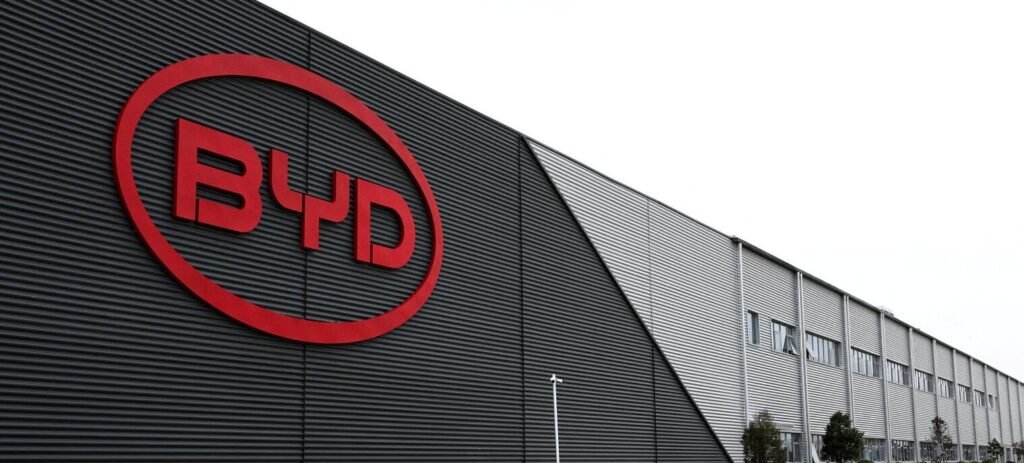
BYD-MMC Delivers 100 Atto 2 Vehicles Across Pakistan in a Single Day

Karachi, March 19, 2026 – Mega Motor Company (MMC), the official partner of BYD in Pakistan, marked another milestone in the country’s growing New Energy Vehicle (NEV) market by delivering 100 Atto 2 vehicles to customers nationwide in a single day. Read More: https://theboardroompk.com/attacking-cheap-defending-expensive-drones-redefine-global-conflicts/ Building on the momentum of BYD’s earlier launches and deliveries in Pakistan, this nationwide delivery milestone reflects the increasing adoption of electric mobility and the growing presence of BYD vehicles on roads across the country. The deliveries were carried out simultaneously across multiple cities through BYD experience centers and dealerships, highlighting the expanding footprint of BYD’s customer and retail network in Pakistan. Designed for urban mobility, the BYD Atto 2 offers a practical and cost-efficient electric driving solution for consumers seeking an alternative to conventional fuel vehicles. At a time of rising fuel costs, the vehicle combines affordability with advanced technology, modern design, and everyday practicality, making electric mobility more accessible to a wider segment of drivers. In addition to the Atto 2, BYD recently introduced its flagship Sealion 7 in Pakistan, with deliveries already underway. Together, these models reflect BYD’s expanding new energy vehicle portfolio in the country, offering advanced electric mobility solutions across different segments while strengthening the company’s presence in Pakistan’s evolving EV market.Commenting on the milestone, Lei Jian, Country Head, BYD Pakistan, said:“Pakistan represents an important market in BYD’s global vision for new energy mobility. As we continue to expand our portfolio here, our focus remains on making advanced electric vehicle technology accessible to more customers while supporting the country’s transition toward cleaner and more sustainable transportation.” Danish Khaliq, Vice President Sales & Strategy at BYD Pakistan-Mega Motor Company, added:“Reliability and customer trust are central to the BYD experience. As more BYD vehicles take to the roads across Pakistan, our priority is to ensure that customers receive not only advanced electric vehicles, but also a seamless ownership journey supported by strong service and customer care. The encouraging pace of EV adoption and the growing number of BYD vehicles already on the road reflect the increasing confidence Pakistani consumers have in electric mobility.” A customer receiving their Atto 2 at the delivery event shared their experience:“The whole process from booking to delivery was very smooth, and it feels great to finally receive the car. Getting the delivery just before Eid makes it even more special for my family. The team kept us informed throughout, and the experience at the delivery event was very well organised.” With more vehicles now reaching customers across the country, BYD-MMC expects to further accelerate the adoption of electric mobility in Pakistan, offering consumers a practical and efficient alternative to traditional fuel-powered vehicles.

ML-1, Thar Rail Projects Advance as PM Prioritizes Railways for Trade and Industry
Auto

ML-1, Thar Rail Projects Advance as PM Prioritizes Railways for Trade and Industry

Prime Minister Muhammad Shehbaz Sharif has emphasized the urgent need to upgrade Pakistan Railways’ infrastructure to drive economic and industrial growth. Read More: https://theboardroompk.com/pakistan-real-estate-regulatory-authority-rera-a-game-changer-for-property-buyers-and-affordable-housing/ During a steering committee meeting at the PM House in Islamabad on March 18, 2026, he chaired discussions on rebuilding the railway system on sustainable foundations, highlighting its role as the backbone of the nation’s economy and communication network. Focus on Freight Upgradation and Fuel Efficiency The Prime Minister directed authorities to prioritize upgrading freight facilities, noting that in the current regional context—including geopolitical tensions—rail-based cargo transport is essential for conserving fuel and ensuring efficient goods movement. This shift from road to rail is seen as critical amid rising fuel costs and supply chain pressures. Key Ongoing Projects and Progress Significant attention was given to major initiatives like the Main Line-1 (ML-1) project, where work on the Karachi–Rohri section is progressing with Asian Development Bank support. Engineering designs, environmental surveys, and land acquisition are underway. The Thar rail connectivity project, vital for transporting coal from Thar to power plants and industries, stands at 57% completion. Additionally, the Main Line-3 (ML-3) upgradation for the Rohri–Nokundi section—key for moving minerals from Balochistan—has a finalized PC-1 and hired design consultant. Officials briefed the meeting that freight services are projected to grow by 21% this year, supported by ongoing reforms including digitalization efforts such as mobile apps, cashless ticketing, free Wi-Fi at stations, freight management systems, digital weighing bridges, and rolling stock tracking to enhance transparency and service quality. Broader Economic and Regional Benefits PM Sharif described modernizing railways as a core national policy element to boost regional trade, connectivity, and industrial output. Upgraded infrastructure will facilitate cost-effective transport, reduce reliance on expensive road haulage, and support sectors like mining, energy, and manufacturing. The meeting included Minister for Economic Affairs Ahad Khan Cheema, Railways Minister Hanif Abbasi, Finance Minister Muhammad Aurangzeb, and other senior officials, underscoring a coordinated push for sustainable development through railways. This directive aligns with Pakistan’s efforts to revitalize the sector, attract investment, and integrate it into global trade networks for long-term economic stability.

Chery Master Pakistan Gears Up to Deliver Tiggo 8 PHEV in April’26
Auto

Chery Master Pakistan Gears Up to Deliver Tiggo 8 PHEV in April’26

KARACHI : Chery Master Pakistan is gearing up to deliver Tiggo 8 PHEV as promised to pre-registered customers in Apr’26. Tiggo PHEV series was first unveiled in Nov’25 at Pakistan Auto Show 2025, followed by a nationwide sneak preview. Read More: https://theboardroompk.com/foreign-profit-repatriation-surges-10-52-in-fy26-reaching-1-73-billion/ Master Auto Engineering signed an agreement with Chery Global in May’25. Advance booking for Tiggo 8 PHEV started in Jan’26 at an amazing special price of Rs 10,999,000 for pre-registered customers. After an overwhelming response, the price was revised to Rs 11,299,000 from 1st Feb’26. The timely rollout reflects the Chery’s customer-first philosophy and its commitment to delivering on its promises, under the “HELLO CHERY” approach, which focuses on a technology-led ownership experience backed by strong product engineering and early aftersales readiness. Chery Tiggo is Pakistan’s most advanced plug-in hybrid SUV lineups, led by the Tiggo 8 PHEV, positioned as Pakistan’s only 7-seater plug-in hybrid D-SUV designed for modern families. It is powered by Chery Super Hybrid (CSH), the world’s best plug-in hybrid technology, combining electric efficiency with high-performance hybrid engineering. Tiggo 8 PHEV delivers 496 horsepower and 735 Nm of torque, offering an electric range of up to 90 km and a combined driving range of around 1,200 km. Beyond performance, the SUVs integrate premium comfort and convenience features including spacious threerow layouts, advanced infotainment systems and immersive Sony audio. The Tiggo 8 features the Queen Co-Pilot zero-gravity massage passenger seat, 78.9% soft-wrap interior surfaces, heating and ventilation function and driver’s dedicated speaker system enhancing overall cabin comfort during long-distance travel. Safety and intelligent driving technology are also central to the lineup. Tiggo 8 PHEV carries five-star global safety ratings and integrates 10 airbags and advanced driver assistance systems (ADAS). Supporting the rollout is a nationwide 3S dealership network with 10 operational dealerships, which the company plans to expand to 20 locations by 2027 as part of its long-term market development strategy. Introduced in Pakistan by Master Auto Engineering,part of the Master Group — a trusted industrial name in the country for over 60 years — Chery’s arrival marks the entry of a globally established automotive brand into Pakistan’s fast-evolving electrified vehicle landscape. Globally, Chery has been China’s No.1 automotive exporter for 23 consecutive years, operating in more than 120 countries, with over 18.5 million users worldwide, and accounting for one in every four vehicles exported from China.

Pakistan Petrol Prices Driving Shift to Plug-in Hybrid SUVs
Auto

Pakistan Petrol Prices Driving Shift to Plug-in Hybrid SUVs

Pakistan petrol prices have crossed a critical threshold, now hovering above Rs320 per litre and this is beginning to reshape how people think about owning and driving SUVs in the country. What was once a symbol of comfort and status is quickly becoming a financial burden for many households. Read More: https://theboardroompk.com/foreign-profit-repatriation-surges-10-52-in-fy26-reaching-1-73-billion/ According to industry experts, including Syed Asif Ahmed, Director Sales and Marketing at Chery Master Pakistan, the conversation is no longer just about sustainability it’s about survival in a high-cost fuel economy. Why Pakistan Petrol Prices Are Hurting SUV Owners With Pakistan petrol prices at around Rs321 per litre, running a traditional petrol-powered SUV is becoming increasingly expensive. Let’s break it down in simple terms: A typical petrol SUV that gives around 10 km per litre now costs nearly Rs32 per kilometre to operate. For daily commuters, this adds up to a significant monthly expense, especially in urban cities like Karachi, Lahore, and Islamabad. Even conventional hybrid vehicles, often marketed as fuel-efficient alternatives, still cost about Rs18 per kilometre. While better than petrol, they still depend heavily on fuel and remain vulnerable to price hikes. Plug-in Hybrids: A Smart Response to Pakistan Petrol Prices This is where plug-in hybrid electric vehicles (PHEVs) and range-extended electric vehicles (REEVs) are gaining attention. Unlike traditional hybrids, these vehicles can run primarily on electricity for daily commuting, drastically reducing fuel consumption. Take the example of the Chery Tiggo 9 PHEV: • Battery capacity: 34.46 kWh• Electric range: up to 170 km• Cost of full charge (Rs50/unit): approx. Rs1,723 This translates to a running cost of nearly Rs10 per kilometre almost three times cheaper than petrol SUVs. For Pakistani consumers, this means savings of around Rs22 per kilometre, making a huge difference over time. How Solar Energy Makes the Shift Even More Attractive One major factor accelerating this shift is Pakistan’s growing adoption of rooftop solar systems. With electricity costs rising and load-shedding still a concern, many households are investing in solar panels. This creates a powerful combination: • Generate your own electricity• Charge your vehicle at home• Reduce both fuel and power bills In such cases, the cost per kilometre can drop even further, making PHEVs and REEVs the most economical choice for daily driving. Pakistan Petrol Prices and the Bigger Economic Picture The impact of Pakistan petrol prices goes beyond individual households it affects the entire economy. Pakistan relies heavily on imported petroleum. When global oil prices rise, it creates pressure on: • Foreign exchange reserves• Fiscal deficit• Government subsidies According to official estimates, a 20% increase in global oil prices could widen Pakistan’s fiscal deficit by Rs487 billion in FY2026. Reducing dependence on petrol-powered vehicles could help ease this burden over time. Why PHEVs and REEVs Fit Pakistan’s Reality Fully electric vehicles (EVs) are still limited by charging infrastructure in Pakistan. This is where plug-in hybrids and range-extended EVs offer a practical middle ground: • Electric driving for daily city use• Petrol backup for long-distance travel• No dependency on public charging stations For SUV buyers who need space, flexibility, and reliability, this hybrid approach makes more sense in current conditions. The Road Ahead: A Shift Driven by Pakistan Petrol Prices As Pakistan petrol prices remain high, consumer behavior is clearly evolving. The focus is shifting from brand loyalty and engine power to cost efficiency and long-term savings. The message is simple:If you want to continue driving an SUV without being crushed by fuel costs, plug-in hybrids and REEVs are quickly becoming the smartest option available in Pakistan.

Rising Fuel Prices EV Demand: Global Oil Tensions Are Changing Car Buying Trends
Auto

Rising Fuel Prices EV Demand: Global Oil Tensions Are Changing Car Buying Trends

The sudden spike in fuel prices following the Iran war is reshaping the global automobile market in unexpected ways. From Europe to the United States and Asia, Rising Fuel Prices EV Demand has emerged as one of the biggest business and consumer trends of 2026. Read More: https://theboardroompk.com/pakistan-power-generation-february-2026-demand-surges-as-coal-and-renewables-reshape-energy-mix/ For many car owners, the cost of filling up their petrol tanks has become a growing concern. But for electric-vehicle (EV) dealers and manufacturers, the crisis is opening up new opportunities. Fuel Shock Sparks Curiosity About Electric Cars The geopolitical tensions and disruption in oil shipping routes have triggered a sharp rise in gasoline prices worldwide. With nearly one-fifth of global oil supply passing through strategic sea lanes affected by the conflict, uncertainty in energy markets has increased significantly. In Britain and the European Union, average fuel prices climbed between 7% and 8% within weeks of the conflict. In the United States, gasoline prices jumped by more than a quarter, approaching levels that historically pushed consumers to rethink their car choices. This sudden rise is fueling public curiosity about EVs. Used electric-car dealers in Europe are reporting record sales days, while some are rushing to buy more inventory as customers seek protection from future petrol price hikes. Why Rising Fuel Prices EV Demand Matters for Consumers Historically, oil price shocks have changed consumer behaviour. During the energy crisis of the 1970s, buyers shifted toward smaller, fuel-efficient vehicles. Today, analysts believe a similar transformation could occur this time favouring electric mobility. However, industry experts say the shift may not happen overnight. Car buyers often wait until fuel prices cross a psychological “pain threshold” before making major decisions. For many markets, that tipping point is believed to be around $4 per gallon in fuel costs. Still, some proactive consumers are already acting. Families in major urban areas are trading in large petrol SUVs for smaller EVs to reduce monthly running costs. Their strategy is simple: switch before demand spikes further and prices of electric cars rise. Europe Leading the Shift Towards EV Adoption Europe appears particularly ready for the transition. Nearly one-fifth of cars sold there last year were fully electric, reflecting strong policy support and growing environmental awareness. Recent market surveys suggest that rising fuel prices are influencing purchasing decisions more directly in the region. In Germany, online car dealers have reported a significant jump in website traffic related to EV searches. Almost half of surveyed consumers said expensive petrol would encourage them to consider electric or hybrid vehicles. Governments are also reintroducing tax incentives for EV buyers, which could accelerate the Rising Fuel Prices EV Demand trend even further. Mixed Signals in the United States Auto Market In contrast, the American market is showing slower momentum toward electric mobility. EV sales still represent a relatively small portion of new-car purchases, and recent policy changes reducing purchase incentives have cooled growth. Experts suggest that a widespread shift in consumer behaviour may only occur if fuel prices rise dramatically potentially reaching levels as high as $6 per gallon. Higher fuel costs may also have a negative side effect: reduced overall vehicle sales. Economic uncertainty, inflation fears and trade-related concerns are already making many buyers hesitant about large purchases. Automakers Turn Crisis Into Marketing Opportunity Interestingly, some electric-vehicle manufacturers are using the fuel price surge as a marketing advantage. Discount campaigns targeting customers switching from petrol cars are becoming more common, particularly in emerging markets where fuel prices have risen sharply. This strategic push highlights a broader business reality energy volatility is now directly influencing automotive innovation, sales tactics and consumer awareness. What This Means for Pakistan’s Future Mobility For Pakistan, where petrol prices are closely tied to global oil trends, the global Rising Fuel Prices EV Demand phenomenon could signal future changes in the local auto market. If fuel costs continue to rise, interest in hybrid and electric vehicles may grow among urban consumers seeking long-term savings. While EV infrastructure is still developing, the global shift suggests that cleaner mobility solutions could soon become a mainstream conversation in Pakistan as well. A Turning Point for the Auto Industry The Iran war-driven fuel shock may prove to be more than a temporary disruption. It is gradually reshaping consumer priorities, dealership strategies and government policies worldwide. Whether this leads to a lasting transformation toward electric mobility depends on how long fuel prices remain elevated. But one thing is certain Rising Fuel Prices EV Demand is now a powerful force influencing the future of transportation.

Yango becomes first ride-hailing service to secure Transport Network Company operating license in Punjab
Auto

Yango becomes first ride-hailing service to secure Transport Network Company operating license in Punjab

LAHORE – 17 March 2026: Yango Ride, part of global technology company Yango Group, has become the first ride-hailing platform in Pakistan to receive an official Transport Network Company (TNC) operating license from the Punjab Provincial Transport Authority, marking a significant milestone for the country’s rapidly evolving mobility sector. Read More: https://theboardroompk.com/pakistan-iran-trade-flows-smoothly-amid-middle-east-turmoil-envoy/ The license authorizes Yango Ride to operate under the Provincial Motor Vehicle (Amendment) Act, 2025 which regulates ride-hailing services in Punjab. The approval follows several months of effective engagement between Yango Ride and the Punjab Transport Ministry, along with other government stakeholders, during the process of implementing the new licensing framework for digital mobility platforms across the province. The new licensing framework is designed to strengthen oversight, while introducing enhanced safety, verification, and compliance standards intended to protect both partner drivers and passengers. “We are grateful to the Punjab Transport Authority for granting us the license and appreciate the professionalism demonstrated throughout the process,” said Miral Sharif, Country Manager for Yango Pakistan. “This milestone reflects our commitment to working closely with regulators to support the development of a safer, affordable, and reliable ride-hailing ecosystem in Pakistan. Receiving the license also reaffirms our long-term presence in the market and our dedication to meeting the high regulatory and safety standards for both our partner drivers and passengers.” As ride-hailing services continue to expand across Pakistan, the license marks an important step toward greater transparency and consistency in the sector. Operating within a government-recognized framework also provides greater operational certainty while reducing the risk of regulatory disruptions. The development also comes as a positive signal for Pakistan’s broader technology and mobility sectors. As cities grow and demand for flexible urban transport rises, well-defined regulatory frameworks will be critical to supporting innovation while safeguarding public interests. By obtaining the TNC operating license, Yango Ride reinforces its long-term commitment to Pakistan’s growing digital economy and its readiness to continue working alongside policymakers and industry stakeholders to support a safer and sustainable mobility ecosystem for millions of users and partner drivers across Pakistan. In addition to this, Yango Ride is also actively working with the Government of Punjab and its authorities including Punjab Safe City Authority (PSCA) to integrate emergency 15 services in the app, making ride hailing more inclusive and safer for all.

Automobile Financing in Pakistan Gains Momentum as Consumer Credit Expands
Auto

Automobile Financing in Pakistan Gains Momentum as Consumer Credit Expands

Automobile financing in Pakistan is witnessing a strong revival, offering fresh signals about consumer sentiment and broader economic activity. Latest data released by the State Bank of Pakistan shows that car financing rose to Rs336.61 billion in February 2026, marking a 2.62% increase month-on-month from Rs328 billion recorded in January. Read More: https://theboardroompk.com/govt-declares-4-day-eid-ul-fitr-break-march-20-23-holidays-announced/ Even more striking is the year-on-year surge of over 35%, highlighting how vehicle purchases are regaining traction after a prolonged period of cautious spending and tighter credit conditions. Why Automobile Financing in Pakistan Is Rising The rise in automobile financing is not an isolated development. It reflects improving consumer appetite for big-ticket purchases, supported by relatively stable interest rate expectations and easing supply constraints in the automotive sector. This growth also signals optimism among middle-income households, many of whom rely on bank financing to afford vehicles. A steady increase in financing suggests greater financial inclusion, expanding bank portfolios, and stronger dealership activity across urban centers. Economists believe the trend could stimulate allied industries such as insurance, auto parts manufacturing, and fuel retail creating a multiplier effect across the economy. Housing and Personal Loans Add to Consumer Financing Growth Beyond automobile financing in Pakistan, other segments of consumer credit are also showing resilience. Financing for house building reached Rs223.77 billion by the end of February 2026, reflecting a 12% year-on-year increase. Month-on-month growth remained modest at just under 1%, but the upward trajectory suggests sustained demand for residential development and renovation. Similarly, personal loans rose to Rs277.11 billion, showing incremental monthly gains and a steady annual increase. This category often reflects spending on education, healthcare, and lifestyle upgrades further indicating gradual improvement in household financial confidence. Taken together, overall consumer financing climbed to Rs1.04 trillion, up nearly 20% compared to the same period last year. Even on a monthly basis, the segment expanded by about 1.8%, underscoring continued momentum. Private Sector Borrowing Strengthens Economic Activity Growth in automobile financing in Pakistan also aligns with expanding private sector credit. Outstanding loans to businesses rose to Rs10.61 trillion in February 2026, representing a 13.58% year-on-year increase and a healthy monthly uptick. Within this broader trend, the manufacturing sector remained the largest borrower, with credit rising to Rs5.86 trillion. This increase points to renewed industrial activity, investment in production capacity, and rising demand expectations. Meanwhile, construction sector borrowing stood at Rs213.67 billion. While annual growth remained positive, a slight monthly dip suggests cautious project financing amid fluctuating input costs. Agriculture, forestry, and fishing loans surged significantly to Rs595.47 billion, marking one of the fastest annual growth rates among sectors. Although month-to-month lending softened marginally, the overall trend indicates stronger financing support for rural economic activity and food production. What This Means for Pakistan’s Economic Outlook The continued expansion of automobile financing in Pakistan signals more than just rising car sales. It reflects a broader revival in consumer credit, improved banking sector liquidity, and stronger private sector confidence. If these trends persist, they could contribute to higher economic growth, increased employment, and improved market sentiment in the months ahead. However, analysts caution that sustained gains will depend on macroeconomic stability, inflation management, and consistent policy direction. For now, the numbers suggest that both consumers and businesses are gradually regaining their financial footing a development that could reshape Pakistan’s credit landscape in 2026.

Honda Faces First Annual Loss of $15.7 billion in 70 Years with Massive EV Restructuring Charge
Auto

Honda Faces First Annual Loss of $15.7 billion in 70 Years with Massive EV Restructuring Charge

Honda Motor Co. announced on March 13, 2026 (with initial reports on March 12), a massive restructuring of its electric vehicle (EV) business, expecting up to $15.7 billion (approximately 2.5 trillion yen) in expenses and losses over the coming years. Read More: https://theboardroompk.com/minister-leghari-74-local-power-reduces-impact-of-global-lng-disruption/ This includes canceling three planned battery-powered models for the U.S. market and writing down assets, leading to Honda’s first annual net loss in nearly 70 years as a listed company. The writedown stems from a reassessment amid slowing global EV demand, policy shifts in the U.S., and intense competition, particularly in China. Honda now forecasts a net loss of up to 690 billion yen for the fiscal year ending March 2026, reversing prior profit expectations. Massive Writedown and Model Cancellations Honda is scrapping three key EV projects: the Honda 0 Saloon sedan, the Honda 0 SUV, and the Acura RSX, all part of the “Honda 0 Series” unveiled in recent years with a planned 2026 North American launch. These were developed on Honda’s in-house platform, with significant investments in R&D, production capacity (including its Ohio EV Hub), and supplier commitments. The charges cover impairment of tangible and intangible assets, cancellation-related expenses, and supplier compensations, with cash outflows up to 1.7 trillion yen. Analysts noted the scale reflects overcommitment before adjusting to market realities, such as the end of U.S. EV subsidies under recent policy changes. Honda’s global EV sales in 2025 were only about 84,000 units, or 2.5% of total vehicle sales, highlighting the limited traction despite heavy investments. Challenges in Key Markets: U.S. and China In the U.S., EV demand has weakened sharply following subsidy removals and tariff impacts, prompting Honda to pivot toward hybrids for better market fit. The company aims to strengthen its lineup and cost competitiveness elsewhere, including India. China poses a longer-term threat, where Honda sold just 17,000 EVs out of 677,000 total vehicles in 2025 (about 2.5% penetration). The company cited an inability to match the value, software features, and rapid innovation from newer EV makers like BYD, amid shorter development cycles and shifting consumer preferences toward advanced driver-assistance and software-driven vehicles. Honda is impairing investments in its Chinese operations due to declining competitiveness, raising concerns about long-term technological edge. Financial Fallout and Market Reaction Shares dropped nearly 6% following the news, with U.S. shares down about 8% in premarket. Executives, including CEO Toshihiro Mibe, will take voluntary pay cuts for three months as part of cost controls. Analysts expressed shock at the writedown’s magnitude, describing it as a tough but necessary call made late in the process. This places Honda alongside other automakers facing billions in EV-related charges amid a broader industry slowdown. The joint venture with Sony for the Afeela sedan remains under review, with no final decisions announced. Outlook and Strategic Shift Honda emphasized returning its auto business to profitability through hybrids in the U.S., expanded presence in growth markets, and cautious EV investments. The move underscores the global EV transition’s challenges, including policy volatility and fierce competition from Chinese manufacturers. While painful short-term, the restructuring aims to position Honda more resiliently in a hybrid-heavy future while addressing gaps in pure EV competitiveness.

Scroll to Top