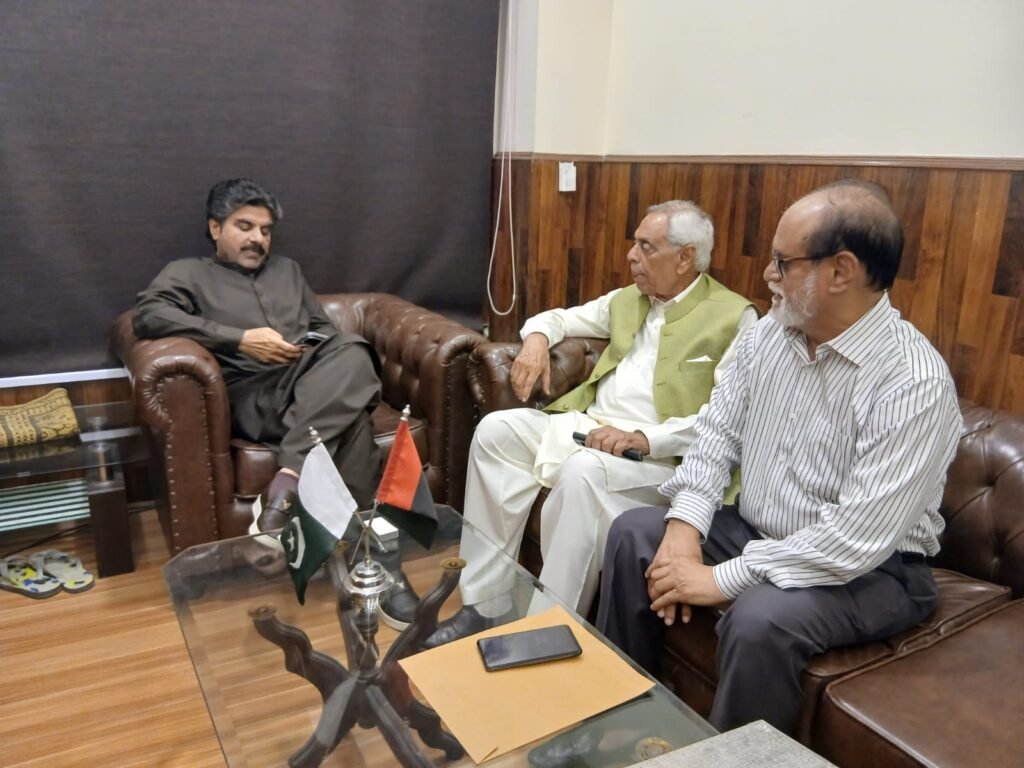
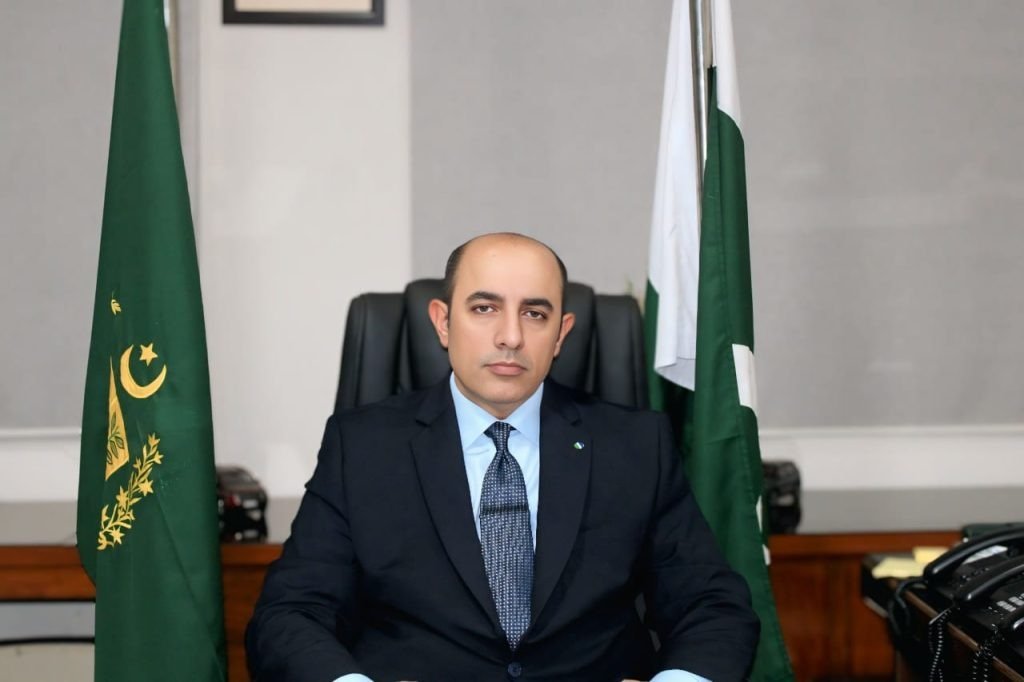
The idea of owning an affordable electric vehicle may soon become a reality for millions of Pakistanis. According to Hammad Ali Mansoor, Chief Executive Officer of the Engineering Development Board (EDB), Pakistan is preparing to launch its first Made in Pakistan Electric Car by June this year and the price target is turning heads across the auto industry. In a candid conversation during an industry gathering hosted by SME leader and former Pakistan Automotive Parts and Accessories Manufacturers Association (PAAPAM) Chairman Mashhood Ali Khan, Mansoor shared bold insights into the country’s evolving auto sector, government policy shifts, and the future of electric mobility in Pakistan. A Made in Pakistan Electric Car Under Rs1 Million? Speaking about the upcoming vehicle, Mansoor revealed that the government is working with industry players to introduce a Made in Pakistan Electric Car that could cost less than Rs1 million. If achieved, this would make it one of the most affordable electric cars in the region. He explained that the key to reducing prices lies in local manufacturing of auto parts. When vehicle components are produced domestically rather than imported, production costs decline significantly, allowing manufacturers to offer vehicles at far lower prices. Mansoor also noted that recent government initiatives are already breaking the long-standing dominance of a few large auto manufacturers in Pakistan. As competition increases, consumers are beginning to see the benefits through price reductions of up to Rs2.5 million on certain vehicle models in recent years. Tax Cuts Expected to Reshape Pakistan’s Auto Market Another major development could come through the upcoming federal budget, where the government has proposed significant tax reductions on vehicles, including hybrid, electric, and conventional fuel cars. Lower taxes could dramatically reshape Pakistan’s auto market by: • Making vehicles more affordable for middle-income consumers• Encouraging local manufacturing and assembly• Expanding EV adoption across the country Industry experts believe that these policy changes could create the most competitive auto market Pakistan has seen in decades. Lithium Battery Production Begins in Pakistan One of the most critical elements of the Made in Pakistan Electric Car strategy is domestic battery manufacturing. Mansoor revealed that Pakistan will soon begin local lithium battery production, a development that could transform the economics of electric vehicles. Instead of relying entirely on imports, Pakistan will manufacture most battery components locally. He explained the economic impact in simple terms: batteries currently imported at around $96 per unit could potentially be produced locally for approximately $72, significantly lowering EV manufacturing costs. Two lithium battery factories are already nearing completion: • The first plant will begin production in May• The second factory is expected to start operations in September Approximately 74 percent of battery components will be manufactured locally, strengthening Pakistan’s industrial ecosystem and reducing dependence on imports. Electric Vehicles with Long Driving Range Range anxiety one of the biggest concerns among EV buyers may also soon become a thing of the past. Mansoor stated that upcoming electric vehicles in Pakistan will be capable of traveling up to 180 kilometers on a single charge, which is more than enough for most urban commuters. He added that globally advanced EV models are already achieving ranges of up to 1,200 kilometers, suggesting that long-distance electric travel will eventually become feasible in Pakistan as well. “In the future, it may be possible to charge your vehicle in Islamabad and drive all the way to Karachi,” he said. Pakistan’s PAVE Program: Subsidies for Electric Bikes and Rickshaws The government has already taken a major step toward electrification through the Prime Minister’s Pakistan Accelerated Vehicle Electrification (PAVE) Program. The initiative aims to make electric mobility accessible to ordinary citizens through subsidies and financing options. Under the program: • 40,000 electric motorcycles and rickshaws have already been introduced in the first phase.• The next phase will add more than 70,000 electric bikes and three-wheelers.• By 2030, around 2.2 million electric motorcycles and rickshaws are expected to be deployed nationwide. A particularly notable feature is the government’s commitment to inclusion. Twenty-five percent of vehicles under the program are reserved for women, encouraging female mobility and economic participation. The subsidy structure is designed to make electric transport affordable: • Electric motorcycles receive subsidies of around Rs80,000.• Electric rickshaws receive subsidies of up to Rs400,000. Officials are also considering expanding the subsidy program to include electric cars in the future, which could further accelerate EV adoption. SMEs: The Backbone of Pakistan’s Auto Industry Industry leaders emphasize that the success of the Made in Pakistan Electric Car initiative depends heavily on small and medium enterprises. According to Mashhood Ali Khan, Pakistan’s SME sector plays a vital role in the country’s industrial ecosystem. Small and medium businesses supply components, engineering services, and manufacturing support to large industries particularly the auto sector. Their contribution to the economy is significant: • SMEs generate over 2.5 million jobs in Pakistan.• The sector contributes approximately $2.8 billion to national exports.• In the auto industry alone, nearly 70 percent of parts and components are produced by SMEs. Strengthening SMEs, Khan argues, is essential not only for industrial growth but also for increasing exports and achieving Pakistan’s broader economic targets. A New Chapter for Pakistan’s Auto Industry The combination of local EV manufacturing, tax reforms, battery production, and SME participation could mark the beginning of a new era for Pakistan’s automotive industry. If these initiatives succeed, the Made in Pakistan Electric Car may not only change how Pakistanis commute but also position the country as a competitive player in the global EV supply chain. For consumers, the promise is even more compelling: affordable electric mobility built at home, powered by local industry, and designed for Pakistan’s roads.