
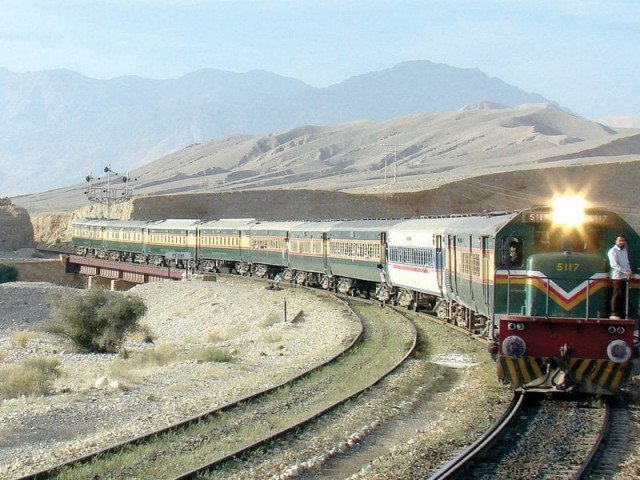
Prime Minister Muhammad Shehbaz Sharif has emphasized the urgent need to upgrade Pakistan Railways’ infrastructure to drive economic and industrial growth.
During a steering committee meeting at the PM House in Islamabad on March 18, 2026, he chaired discussions on rebuilding the railway system on sustainable foundations, highlighting its role as the backbone of the nation’s economy and communication network.
Focus on Freight Upgradation and Fuel Efficiency The Prime Minister directed authorities to prioritize upgrading freight facilities, noting that in the current regional context—including geopolitical tensions—rail-based cargo transport is essential for conserving fuel and ensuring efficient goods movement.
This shift from road to rail is seen as critical amid rising fuel costs and supply chain pressures.
Key Ongoing Projects and Progress Significant attention was given to major initiatives like the Main Line-1 (ML-1) project, where work on the Karachi–Rohri section is progressing with Asian Development Bank support. Engineering designs, environmental surveys, and land acquisition are underway.
The Thar rail connectivity project, vital for transporting coal from Thar to power plants and industries, stands at 57% completion. Additionally, the Main Line-3 (ML-3) upgradation for the Rohri–Nokundi section—key for moving minerals from Balochistan—has a finalized PC-1 and hired design consultant.
Officials briefed the meeting that freight services are projected to grow by 21% this year, supported by ongoing reforms including digitalization efforts such as mobile apps, cashless ticketing, free Wi-Fi at stations, freight management systems, digital weighing bridges, and rolling stock tracking to enhance transparency and service quality.
Broader Economic and Regional Benefits PM Sharif described modernizing railways as a core national policy element to boost regional trade, connectivity, and industrial output.
Upgraded infrastructure will facilitate cost-effective transport, reduce reliance on expensive road haulage, and support sectors like mining, energy, and manufacturing.
The meeting included Minister for Economic Affairs Ahad Khan Cheema, Railways Minister Hanif Abbasi, Finance Minister Muhammad Aurangzeb, and other senior officials, underscoring a coordinated push for sustainable development through railways.
This directive aligns with Pakistan’s efforts to revitalize the sector, attract investment, and integrate it into global trade networks for long-term economic stability.