Author name: Web Desk

KSE-100 Index Pullback: Market Slides as Middle East Tensions Shake Investor Confidence
Politics

KSE-100 Index Pullback: Market Slides as Middle East Tensions Shake Investor Confidence

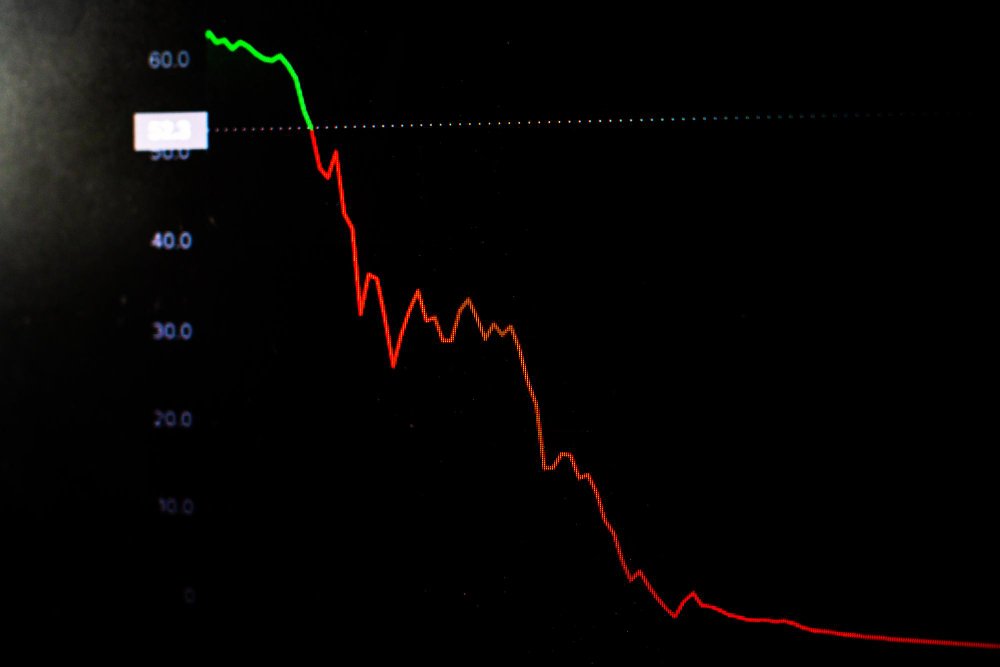
The KSE-100 Index pullback dominated market headlines on Wednesday as Pakistan’s benchmark index reversed course following a powerful rally in the previous session. After surging more than 5,000 points on Tuesday, the market slipped into correction mode, reflecting investor anxiety driven by escalating geopolitical tensions in the Middle East. The index settled at 155,777.21, marking a decline of 1,354.88 points (0.86%). This sudden downturn highlights how fragile investor confidence remains, especially when global uncertainties come into play. Volatility Returns Amid Global Uncertainty The trading session was marked by sharp volatility, with the index swinging across a wide range of over 3,100 points. It briefly touched an intraday high of 157,962, before plunging to a low of 154,790 a clear sign of indecision among investors. Market participation remained moderate, with 362 million shares traded, indicating that investors chose caution over aggressive positioning after the previous day’s rally. The primary trigger behind this KSE-100 Index pullback was rising geopolitical tension, particularly concerns surrounding potential escalation between the United States and Iran. These developments sent ripples across global markets, prompting investors to reduce exposure to riskier assets like equities. Market Breadth Turns Negative Despite Tuesday’s optimism, Wednesday painted a different picture. Declining stocks outpaced advancing ones, reflecting broad-based weakness across sectors. Out of nearly 500 listed companies, over 200 stocks declined, while slightly fewer managed to close in the green. This shift suggests that profit-taking activity and risk aversion took center stage. Among the notable gainers were UNITY, SSGC, and UPFL, showing resilience despite overall market pressure. On the flip side, stocks like IBFL, AKBL, and PABC recorded significant losses, contributing to the negative sentiment. Heavyweights Drag the Index Down The KSE-100 Index pullback was largely driven by losses in major index-heavy stocks. Companies like ENGROH, HBL, UBL, NBP, and LUCK collectively shaved off substantial points from the index. However, not all sectors were under pressure. Energy-related stocks, particularly oil and gas exploration companies, provided some cushion. Fertilizer and select consumer stocks also showed modest gains, preventing a steeper decline. Sector-Wise Performance Reflects Risk-Off Mood The biggest losses came from sectors closely tied to economic activity and financial flows. Commercial banks led the decline, followed by cement, investment companies, and technology-related stocks. Meanwhile, defensive and commodity-linked sectors showed relative strength. Oil & gas exploration, marketing companies, and fertilizer sectors attracted investor interest, as they are often seen as safer bets during global uncertainty. Broader Market Mirrors Weak Sentiment The broader market echoed the trend seen in the benchmark index. The All-Share Index declined by 0.61%, closing at 92,994.51. Trading activity also slowed noticeably. Total market volume dropped to 622 million shares, while overall traded value fell to Rs29.95 billion, down significantly from the previous session. This indicates a wait-and-see approach among investors. In practical terms, while hundreds of companies were actively traded, the balance tilted slightly toward declining stocks, reinforcing the cautious tone dominating the market. High-Volume Stocks: Where Activity Concentrated Investor attention remained focused on a handful of high-volume stocks. UNITY led the pack with over 117 million shares traded, followed by KEL and TSBLR1. Other actively traded names included BOP, PPL, and PAEL, reflecting a mix of speculative interest and sector-specific positioning. These stocks often act as sentiment indicators, and their mixed performance further underlines the uncertainty in the market. Big Picture: Strong Fiscal Gains, Short-Term Pressure Despite the KSE-100 Index pullback, the broader trend remains noteworthy. The index has gained 24% during the current fiscal year, reflecting strong underlying momentum. However, on a calendar-year basis, the market is still down by over 10%, highlighting ongoing volatility and macroeconomic challenges. Outlook: What Lies Ahead for Investors? The current KSE-100 Index pullback underscores a critical reality: Pakistan’s stock market remains highly sensitive to global geopolitical developments. If tensions in the Middle East escalate further, investor sentiment may remain subdued in the short term. However, any signs of de-escalation or stability could trigger another round of bargain hunting, similar to Tuesday’s rally. For now, investors appear to be balancing optimism about long-term growth with caution over immediate risks a dynamic that is likely to shape market direction in the coming sessions.

Cyber Vigilance for Regional Instability: NCERT Issues High-Priority Alert
Tech

Cyber Vigilance for Regional Instability: NCERT Issues High-Priority Alert

Cyber Vigilance for Regional Instability has become more than just a precautionary phrase it is now a national priority. Pakistan’s National Cyber Emergency Response Team (NCERT) has issued a high-priority cybersecurity advisory warning of escalating digital threats amid rising geopolitical tensions in the region. Read More: https://theboardroompk.com/veon-may-launch-starlink-in-pakistan-this-year-via-jazz-partnership/ Titled “Cyber Vigilance for Regional Instability” (NCA-25.280226), the advisory signals a volatile digital landscape where state-sponsored actors, hacktivist networks, and cybercriminal groups may exploit instability to target Pakistan’s most sensitive sectors. The message is clear: the battlefield is no longer confined to borders it has moved into cyberspace. The Expanding Threat Landscape Under Cyber Vigilance for Regional Instability According to NCERT, critical sectors such as defense, finance, telecommunications, and government infrastructure are facing elevated risks. Adversaries are no longer relying on basic hacking methods. Instead, they are deploying sophisticated techniques designed to evade detection and create maximum disruption. These emerging threats include: • Highly targeted spear-phishing campaigns that manipulate insiders.• Deepfake technology capable of impersonating public figures.• Advanced Persistent Threats (APTs) aimed at long-term espionage.• Ransomware operations targeting banking systems. The consequences of a successful breach could ripple across the economy and public confidence. For instance, account takeovers could allow attackers to hijack official portals or media accounts, spreading misinformation within minutes. Supply chain infiltration could allow malicious code to slip through trusted vendors. Critical infrastructure attacks on energy grids, transport systems, or telecom networks could disrupt daily life nationwide. Key Attack Vectors Identified in the Cyber Vigilance for Regional Instability Advisory NCERT’s advisory outlines several high-risk attack pathways currently under surveillance. Distributed Denial-of-Service (DDoS) attacks may overwhelm emergency response systems and government portals, rendering essential services inaccessible. Deepfakes and synthetic media pose a unique risk by fabricating statements or videos of high-profile leaders, potentially escalating geopolitical tensions overnight. Spear-phishing campaigns are becoming more context-aware and personalized, increasing the likelihood of successful credential theft. Meanwhile, malicious mobile applications disguised as financial tools or news platforms may embed spyware, silently extracting sensitive data. Credential stuffing attacks where hackers exploit reused passwords remain a persistent vulnerability across institutions. Additionally, disinformation websites and coordinated social media campaigns could amplify confusion, creating psychological operations (PSYOPS) that destabilize public trust. Why Cyber Vigilance for Regional Instability Demands Immediate Action The advisory underscores that hybrid warfare is no longer theoretical. Digital attacks are increasingly integrated into broader geopolitical strategies. The blending of cyber operations with information warfare represents a new frontier of national security challenges. Government departments, financial institutions, and critical infrastructure operators are being urged to: • Conduct immediate cybersecurity audits.• Strengthen endpoint monitoring systems.• Enforce strict password and multi-factor authentication policies.• Enhance real-time threat intelligence sharing.• Train personnel to identify social engineering tactics. In today’s interconnected economy, even a single compromised node can cascade into nationwide disruption. A Wake-Up Call for Public and Private Sectors The high-priority alert reflects more than precaution it reflects preparedness. As regional tensions fluctuate, cyber resilience becomes the backbone of economic stability and national security. Cyber Vigilance for Regional Instability is not solely the responsibility of state institutions. Private enterprises, fintech companies, telecom providers, and even small businesses must align with robust cybersecurity frameworks. The digital economy thrives on trust. Protecting that trust is now a strategic imperative. The NCERT advisory serves as both warning and roadmap. As digital threats grow more complex, proactive defense strategies and heightened vigilance are essential. In an era where information flows instantly and attacks can be launched remotely, cybersecurity readiness defines resilience. Cyber Vigilance for Regional Instability is no longer optional it is the foundation of national stability in an increasingly uncertain world.

VEON May Launch Starlink in Pakistan This Year via Jazz Partnership
World

VEON May Launch Starlink in Pakistan This Year via Jazz Partnership

DUBAI/ISLAMABAD: VEON Group, the parent company of Pakistan’s leading mobile operator Jazz, is actively exploring the introduction of Starlink satellite connectivity in the country, potentially as early as this year. Read More: https://theboardroompk.com/pakistan-requests-saudi-oil-reroute-via-yanbu-to-bypass-hormuz-closure/ This follows VEON CEO Kaan Terzioglu’s comments at Mobile World Congress in Barcelona, where he expressed hope for a launch in at least one of Pakistan, Bangladesh, or Uzbekistan in 2026, building on successful integrations elsewhere. Strong Momentum from Ukraine and Kazakhstan In Ukraine, VEON’s subsidiary Kyivstar has rolled out Starlink services amid ongoing challenges, with current users at around 5 million. Terzioglu projected this figure to surge to approximately 12 million by year-end—representing roughly half of Kyivstar’s customer base. The service has proven essential for maintaining connectivity during power outages and in hard-to-reach areas, driving expectations for similar benefits in other markets. In Kazakhstan, VEON’s Beeline unit is on track for full Starlink operations by the end of March 2026, starting with messaging and expanding to data and voice. Pakistan’s Potential as Key Market Pakistan, with its vast rural and remote regions lacking reliable terrestrial coverage, stands out as a prime candidate for satellite-to-mobile technology. Jazz, serving tens of millions, could leverage Starlink Direct to Cell to deliver seamless SMS, voice, and data without traditional towers. The non-exclusive partnership with Starlink positions VEON to address coverage gaps in underserved parts of Pakistan, enhancing resilience for users in hilly terrains, flood-prone areas, and border regions. Terzioglu highlighted conditions like favorable pricing, taxation, and regulation as critical for rollout. Pakistan’s telecom authority would need to approve any deployment, aligning with ongoing efforts to boost digital inclusion. Longer-Term Vision for South Asia VEON sees satellite tech transforming connectivity in large-population, underserved markets across South Asia, Latin America, and Africa over the next 3-5 years. For Pakistan, this could mean improved access to education, e-commerce, banking, and emergency services. The group’s recent initiatives, including the “Invest in Pakistan, NOW!” campaign with JazzWorld, underscore commitment to digital growth and attracting investment. As competition in satellite-to-phone intensifies, VEON’s push into Pakistan could significantly narrow the digital divide, bringing reliable connectivity to millions.

Pakistan Requests Saudi Oil Reroute via Yanbu to Bypass Hormuz Closure
Pakistan

Pakistan Requests Saudi Oil Reroute via Yanbu to Bypass Hormuz Closure

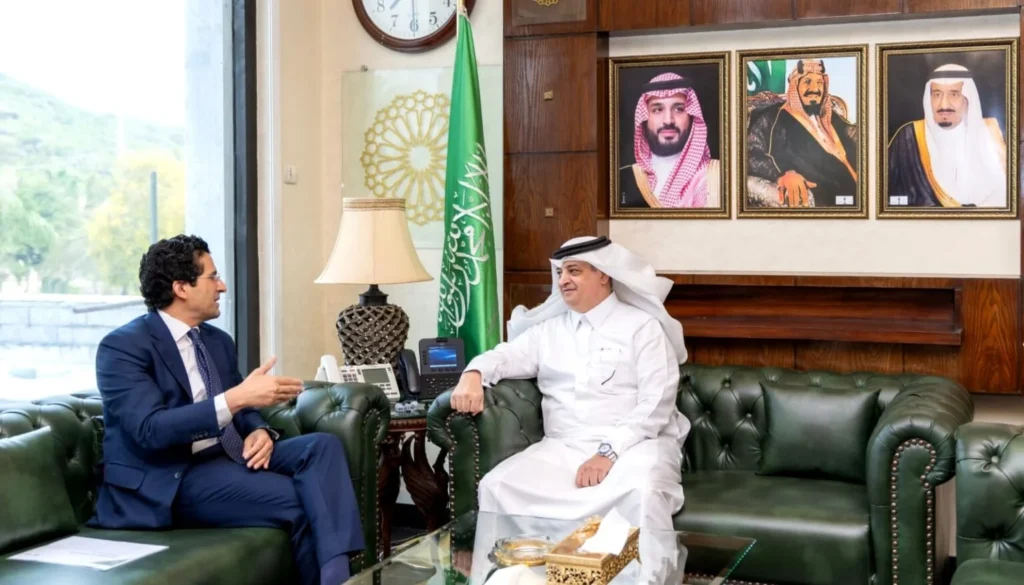
KARACHI: Pakistan has formally asked Saudi Arabia to redirect its oil shipments through the Red Sea port of Yanbu following the closure of the Strait of Hormuz, which has severely disrupted global shipping routes. Read More: https://theboardroompk.com/one-in-three-pakistanis-obese-health-minister-pushes-for-immediate-reforms/ The request was raised by Petroleum Minister Ali Pervaiz Malik during a meeting with Saudi Ambassador to Pakistan Nawaf bin Said Al-Malki, according to a press release from the Petroleum Ministry on March 4, 2026. Strait of Hormuz Closure Triggers Urgency The Strait of Hormuz—a vital chokepoint carrying about one-fifth of the world’s oil—has been effectively shut due to escalating war in the Middle East, including U.S. and Israeli strikes on Iran and retaliatory actions. Most of Pakistan’s energy imports, heavily reliant on Middle Eastern crude, normally transit this strait, raising serious concerns over supply continuity for the import-dependent nation. Alternative Route via Yanbu Proposed Minister Malik emphasized the need for secure alternatives, highlighting Saudi assurances on supply security through Yanbu on the Red Sea. One vessel has already been arranged to sail to Yanbu to lift crude destined for Pakistan. Riyadh has reaffirmed its commitment to support Islamabad in meeting emergency energy requirements amid the crisis. Broader Implications for Energy Security The government is closely monitoring developments to ensure uninterrupted fuel supplies. The disruption threatens economies like Pakistan that depend on Gulf oil flows. Saudi Arabia itself is diverting some crude exports to Yanbu to bypass the strait, where shipping has slowed dramatically due to conflict risks. Regional Context and Monitoring The Hormuz closure stems from heightened hostilities, with Iranian forces claiming control and warning against transits. Global oil prices have risen sharply, amplifying pressures on importers. Pakistan’s proactive diplomacy with Saudi Arabia—a key ally and supplier—aims to safeguard domestic needs. The move underscores vulnerabilities in global energy routes and the push for diversified pathways. As the conflict persists, officials stress contingency planning to avoid shortages that could impact power generation, industry, and households.

One in Three Pakistanis Obese- Health Minister Pushes for Immediate Reforms
Health

One in Three Pakistanis Obese- Health Minister Pushes for Immediate Reforms

ISLAMABAD: Dr. Mukhtar Ahmad Malik, Minister of State for National Health Services, Regulations and Coordination, has sounded the alarm on Pakistan’s escalating obesity epidemic, describing it as a pressing health and economic threat requiring immediate national response. Read More: https://theboardroompk.com/mobile-phone-imports-jump-31-36-to-1-139-billion-in-7-months/ The minister made the call while chairing a high-profile event on World Obesity Day 2026, jointly organized by the Ministry of National Health Services, Regulations and Coordination (MONHSRC) and Novo Nordisk. Alarming Statistics Highlight Scale of Crisis Dr. Malik revealed that nearly 38 million Pakistanis—roughly one in three people—are now living with obesity. He pointed out that women and urban residents bear a disproportionate burden, while childhood obesity continues to rise at concerning rates. These figures underscore a shift toward non-communicable diseases (NCDs) driven by modern lifestyles. Obesity serves as a major modifiable risk factor for serious conditions like diabetes, cardiovascular diseases, and certain cancers. The minister stressed that the crisis is straining Pakistan’s healthcare infrastructure and could lead to long-term economic losses if left unchecked. Calls for Lifestyle Changes and Policy Integration Prevention lies at the heart of the solution, according to Dr. Malik. He advocated for widespread promotion of balanced diets, reduced reliance on fast food, and greater emphasis on physical activity. The government has already incorporated obesity prevention into broader health strategies, including the Prime Minister’s Programme for Prevention and Control of Diabetes Mellitus (2024–2029). This initiative focuses on awareness campaigns, behavioral modifications, and early screening to disrupt the obesity-diabetes link. The minister urged multi-sectoral collaboration involving government, private partners, and communities to build sustainable habits. Secretary MONHSRC Hamed Yaqoob described obesity as a complex chronic disease shaped by biological, environmental, and social elements. He reaffirmed the ministry’s dedication to reducing stigma and expanding person-centered care. Danish Ambassador H.E. Maja Mortensen highlighted the value of international partnerships for sharing knowledge and innovative solutions. The event ended with pledges to bolster prevention policies, strengthen regulations, and encourage cross-sector efforts to protect public health. Experts agree that without swift, collective intervention, obesity-related complications could overwhelm the system. The minister’s message serves as a wake-up call for proactive measures to safeguard future generations.

Mobile Phone Imports Jump 31.36% to $1.139 Billion in 7 Months
Tech

Mobile Phone Imports Jump 31.36% to $1.139 Billion in 7 Months

ISLAMABAD/KARACHI: Pakistan witnessed a substantial increase in mobile phone imports during the July-January period of fiscal year 2025-26, reflecting rising consumer demand for smartphones and related devices. Read More: https://theboardroompk.com/multan-sultans-make-dramatic-return-to-psl-11-after-sialkot-stallionz-rebrand/ According to official statistics released by the Pakistan Bureau of Statistics (PBS), the value of mobile phone imports reached US$1,139.811 million in the first seven months. Strong Year-on-Year Growth Recorded This marks a 31.36% surge compared to US$867.685 million imported during the same period (July-January) of fiscal year 2024-25. The growth highlights accelerating market expansion despite broader economic challenges. In rupee terms, imports totaled Rs321.137 billion, up 33.07% from Rs241.330 billion a year earlier, influenced by currency fluctuations and higher volumes. Monthly Trends Show Continued Momentum January 2026 alone saw imports worth US$179.380 million, a 33.62% increase from US$134.243 million in January 2025. Compared to December 2025’s US$159.304 million, the month-on-month rise stood at 12.60%. These figures indicate sustained upward momentum in the sector throughout the fiscal year so far. Broader Trade Context Emerges While mobile imports climbed, overall merchandise exports declined by 7.30% to $20.462 billion during July-February 2025-26, down from $22.073 billion previously. Total imports, however, grew 8.06% to $45.504 billion. The contrast underscores the mobile phone category’s resilience amid mixed trade performance. Implications for Consumers and Industry The surge points to strong domestic appetite for newer models, possibly driven by digitalization, e-commerce growth, and replacement cycles. Local assembly operations continue, but imported finished units remain significant. Analysts note that such trends could support telecom sector expansion, though they add pressure on the current account if not balanced by exports or remittances. The data serves as a key indicator of consumer confidence and tech adoption in Pakistan. With smartphones integral to daily life, banking, and education, the import boom reflects evolving needs in an increasingly connected society. Policymakers may monitor these developments closely for potential adjustments in trade or taxation strategies.

Multan Sultans Make Dramatic Return to PSL 11 After Sialkot Stallionz Rebrand
Pakistan

Multan Sultans Make Dramatic Return to PSL 11 After Sialkot Stallionz Rebrand

LAHORE: The HBL Pakistan Super League (PSL) has confirmed a major shake-up ahead of PSL 11, with the franchise formerly known as Sialkot Stallionz officially renamed Multan Sultans. Read More: https://theboardroompk.com/after-pentagon-pact-openai-considers-contract-with-nato-networks/ The change brings back the popular Multan Sultans brand, which previously featured in the league and won the title in 2021, to represent fans from South Punjab. New Leadership Drives Rebranding Newly appointed CEO Gohar Shah, a former first-class cricketer from South Punjab, requested the name change as his first official act. Shah, who had previously bid unsuccessfully for the original Multan Sultans franchise, emphasized the move honors the region’s passionate cricket supporters. The Pakistan Cricket Board (PCB) approved the request following payment of a one-time license fee and an adjustment to the franchise agreement. Ownership and Financial Adjustments OZ Developers initially acquired the franchise (as Sialkot Stallionz) for PKR 18.5 billion over 10 years in a team auction held in Islamabad. A strategic partnership with CD Ventures followed, leading to the rebranding. The franchise fee was increased to a total of PKR 20 billion to reflect the name change and new arrangements. Official Statements Highlight Fan Focus PSL CEO Salman Naseer announced the development at a press conference, welcoming Gohar Shah to the PSL family. He acknowledged Sialkot fans’ attachment to the Stallionz name but assured efforts to honor their legacy while noting the new chapter for South Punjab. Naseer stated: “The voices of our fans from South Punjab have been heard as New Sultans now take the reins of the Stallions.” Gohar Shah added: “Bringing Multan Sultans back to represent the people of South Punjab is both a privilege and a responsibility. Our commitment is to build on that foundation with professionalism, stability, and exciting cricket.” Implications for PSL 11 PSL 11 is set to commence on March 26, with the opener between Lahore Qalandars and Hyderabad Kingsmen at Gaddafi Stadium, Lahore. The return of Multan Sultans strengthens regional representation and adds excitement to the tournament. Fans from Multan and South Punjab are celebrating the revival of their beloved franchise, while the league continues to evolve with enhanced stability and professionalism.

After Pentagon Pact, OpenAI Considers Contract with NATO Networks
World

After Pentagon Pact, OpenAI Considers Contract with NATO Networks

BRUSSELS/WASHINGTON: OpenAI is exploring a contract to deploy its artificial intelligence technology on NATO’s unclassified networks, according to a person familiar with the matter, according to Reuters. The discussions come just days after the ChatGPT developer finalized an agreement with the U.S. Pentagon to use its models on classified defense networks. Read More: https://theboardroompk.com/ccp-clears-way-for-institutional-real-estate-investment-ise-towers-restructuring-gets-green-signal/ Recent Pentagon Deal Sets Precedent OpenAI announced the Pentagon partnership late last week, following U.S. President Donald Trump’s directive to halt federal work with rival Anthropic over concerns about AI safeguards. The deal allows deployment in classified environments with restrictions, including no use for domestic surveillance of U.S. persons or by intelligence agencies like the NSA. OpenAI CEO Sam Altman described the Pentagon arrangement as a “complex, but right decision” with short-term PR challenges, while emphasizing shared commitments to ethical boundaries. Clarification on NATO Scope The Wall Street Journal first reported the NATO opportunity, citing Altman telling staff that OpenAI aimed to deploy across all NATO classified networks. An OpenAI spokeswoman later clarified to the Journal that Altman misspoke—the potential contract targets only unclassified networks. This limitation aligns with cautious expansion into government and alliance settings while maintaining core principles on AI use. Broader Context and Implications NATO, a 32-member military alliance, did not immediately comment on the reports. The move could enhance AI tools for non-sensitive operations, such as logistics, analysis, or planning in unclassified environments. OpenAI, backed by Microsoft, Amazon, and others, has positioned its “OpenAI for Government” initiative (launched in 2025) to serve public sector needs beyond the U.S., with NATO marking potential European traction. Ethical and Strategic Considerations The Pentagon deal includes affirmations against mass surveillance or autonomous weapons without human oversight, amid rival Anthropic’s opposition to looser guardrails. Similar safeguards may apply if the NATO talks progress. Analysts see this as part of accelerating AI integration in defense alliances, though it risks backlash from users concerned about military applications. Discussions remain exploratory, with no confirmed timeline or final agreement. The development highlights OpenAI’s growing role in strategic government partnerships amid geopolitical shifts.

Over 20,000 Flights Cancelled: Middle East War Hammers Airlines and Tourism
Uncategorized

Over 20,000 Flights Cancelled: Middle East War Hammers Airlines and Tourism

LONDON/CHICAGO/SYDNEY: The airline and tourism sectors are grappling with massive disruptions from the intensifying U.S. and Israeli strikes on Iran, which have triggered widespread airspace closures and flight cancellations across the Middle East. Read More: https://theboardroompk.com/ccp-clears-way-for-institutional-real-estate-investment-ise-towers-restructuring-gets-green-signal/ Major hubs like Dubai—the world’s busiest international airport—Doha, and Abu Dhabi remain closed or heavily restricted for a fourth consecutive day. Massive Flight Cancellations Reported Flightradar24 data shows over 21,300 flights canceled at seven key airports since the strikes began. Tens of thousands of passengers are stranded in the Gulf, rushing to secure limited repatriation flights amid ongoing explosions in Tehran and Beirut. Governments, including the UAE and U.S., have launched emergency operations: the UAE plans over 80 repatriation flights, while the U.S. facilitates charters for nearly 3,000 citizens. Airline Responses and Stock Impacts Emirates, flydubai, and Etihad operate only limited repatriation services. Delta Air Lines paused New York-Tel Aviv flights through March 22, issuing rebooking options and waivers through March 31. Virgin Atlantic resumed Heathrow-Dubai and Riyadh routes. Global airline stocks tumbled: Southwest down ~1%, Alaska Air ~2%, European carriers like Wizz Air, IAG, Lufthansa, and Air France-KLM down 5-8%, Ryanair 2.2%, Qantas 1.8%, and Asian airlines like Japan Airlines 6.4% and Korean Air 10.3%. Fuel Costs and Economic Strain Oil prices have surged about 30% year-to-date, raising jet fuel expenses. Analysts note a 10% fuel cost hike could add $1 billion to Delta’s 2026 bill. Cargo disruptions, including FedEx contingency measures, may cost billions. Travel consultant Paul Charles called it “the biggest shutdown since COVID,” with tourism losses potentially reaching billions if prolonged. Broader Travel Fallout Demand surges for alternative routes, like Hong Kong-London, driving up prices. Stranded travelers face uncertainty, with some unable to return home, work, or school. The conflict narrows slim Europe-Asia corridors, complicating global connectivity. Analysts highlight varying carrier impacts based on hedging, cargo exposure, and rerouting capabilities. As the situation evolves, the industry braces for prolonged challenges, with governments urging caution and airlines adapting amid security concerns.

CCP Clears Way for Institutional Real Estate Investment: ISE Towers Restructuring Gets Green Signal
Pakistan

CCP Clears Way for Institutional Real Estate Investment: ISE Towers Restructuring Gets Green Signal

ISLAMABAD: Following a Phase-I Review, the Competition Commission of Pakistan (CCP) has approved the proposed restructuring and transfer of designated real estate assets of ISE Towers REIT Management Company Limited to its subsidiary, ISE Realty Company Limited. Read More: https://theboardroompk.com/jazzcash-processes-13-of-pakistans-gdp-as-cashless-initiative-scales/ CCP received a pre-merger application on January 23, 2026, jointly filed by ISE Towers REIT Management Company Limited and ISE Realty Company Limited. The transaction is being carried out pursuant to a Scheme of Compromise, Arrangement, and Reconstruction dated November 17, 2025. ISE Towers REIT Management Company Limited, formerly Islamabad Stock Exchange (Guarantee) Limited, is a licenced Non-banking Finance Company (NBFC). ISE Realty Company Limited, incorporated in October 2025, is a public limited company engaged in real estate development and marketing, including commercial and mixed-use projects. Under the approved Scheme, designated real estate assets and liabilities of ISE Towers REIT will be transferred to ISE Realty Company Limited, followed by a reorganization of shareholding through the issuance of shares to the existing shareholders of ISE Towers REIT. Following the restructuring, ISE Towers REIT will function as a Special Purpose Vehicle (SPV) to facilitate the launch and management of a REIT Scheme. The CCP’s review noted that ISE Realty Company Limited has been incorporated specifically to implement the restructuring scheme and is not currently operational in the relevant market. The assessment further determined that the transaction involves internal restructuring and transfer of assets within related entities. CCP concluded that the proposed transaction is unlikely to create or strengthen a dominant position in the relevant market, substantially lessen competition, or create barriers to entry. The assessment also found that the transaction would not adversely affect market dynamics. Accordingly, the Commission has authorized the transaction. The restructuring aims to facilitate the launch of a Real Estate Investment Trust (REIT) structure in Pakistan. Such initiatives can contribute to the formalization and development of Pakistan’s real estate sector by promoting institutional investment, enhancing transparency, and improving efficiency in real estate management. The CCP remains committed to facilitating corporate restructuring and investment initiatives that support economic development while ensuring competitive market structures.

Scroll to Top