Author name: Web Desk

JazzCash Processes 13% of Pakistan’s GDP as Cashless Initiative Scales
Business

JazzCash Processes 13% of Pakistan’s GDP as Cashless Initiative Scales

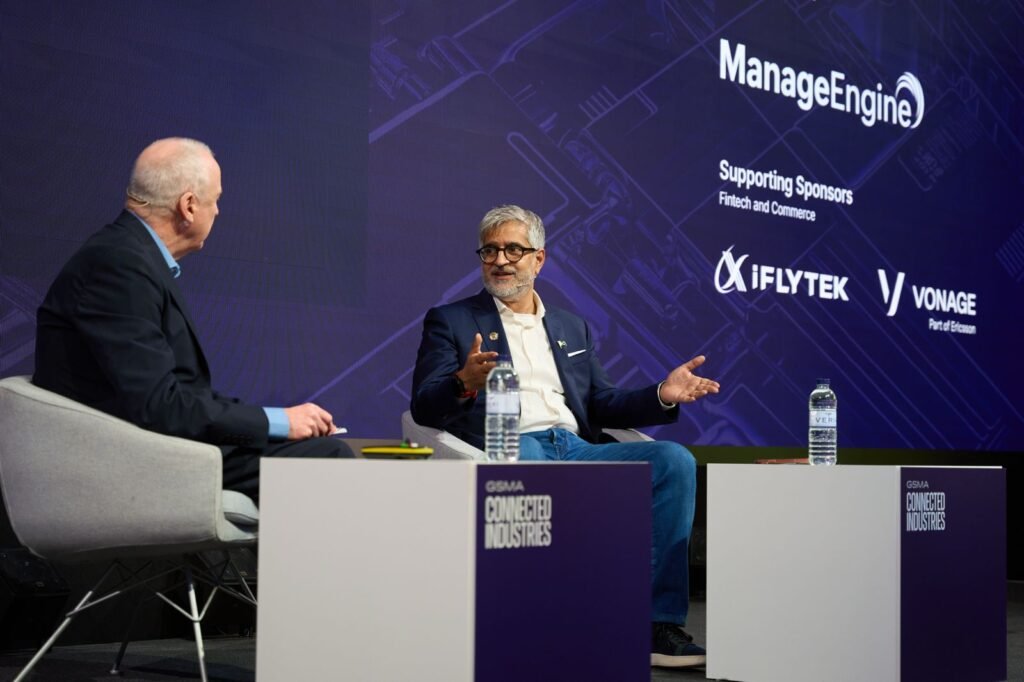
Karachi: Pakistan’s digital payments ecosystem is evolving from innovation to infrastructure, with Prime Minister Shehbaz Sharif’s Cashless Economy Initiative, supported by the State Bank of Pakistan’s enabling policies, driving momentum at national scale. Read More: https://theboardroompk.com/eu-capitals-resist-ukraines-bid-for-fast-track-membership/ These views were shared by Aamir Ibrahim, Chairman of Mobilink Bank and JazzCash, during a fireside chat with GSMA Fintech Lead Brian Gorman at the Fintech and Commerce Summit, where he outlined how the government’s push to accelerate digital payments is gaining measurable traction. The Prime Minister’s initiative focuses on expanding digital payment adoption, strengthening public digital infrastructure, and digitising government to person and person to government transactions. At its core is the objective of reducing reliance on cash, broadening documentation of economic activity, and expanding access to formal financial services. Ibrahim noted that Pakistan’s digital financial transition is built on strong institutional foundations led by the State Bank of Pakistan. The launch of Raast, Pakistan’s instant payment system, has enabled an interoperable payments framework that connects banks and wallets across the country, allowing customers and merchants to transact seamlessly. Within this national framework, JazzCash has emerged as one of the largest contributors to digital transaction volumes. The platform now serves nearly 58 million customers and supports more than one million Raast QR enabled merchants nationwide. In 2025, JazzCash processed PKR 15 trillion in gross transaction value, equivalent to roughly 13 percent of national GDP. The shift is visible across the economy. Small retailers are accepting QR payments in place of cash. Salaried employees are paying bills and school fees digitally. Freelancers are receiving cross border income directly into mobile wallets. Government welfare disbursements are increasingly delivered through digital channels, reducing leakages and improving transparency. In 2025 alone, JazzCash disbursed over PKR 100 billion in government to person payments, supporting the state’s objective of efficient and direct benefit transfers. The platform also issues more than 200,000 digital loans daily, extending regulated financial tools to micro entrepreneurs and small businesses that previously operated outside the formal banking system. Merchant digitisation remains central to the cashless agenda. With over one million Raast QR enabled merchants and tap on phone capabilities that convert smartphones into acceptance devices, JazzCash has expanded digital payment acceptance into urban centres and smaller towns alike. Documented transaction histories are enabling merchants to formalise revenues and access working capital through regulated channels. International flows are also reinforcing the digital shift. Pakistan recorded USD 38 billion in remittance inflows during FY25, underscoring the importance of cross border financial flows to the national economy. JazzCash processed PKR 138 billion in international remittances in 2025, enabling funds to settle directly into digital wallets, where they can be used for payments, savings, and credit. Ibrahim emphasised that financial inclusion is not only about convenience. “Digital transactions create documentation,” he said. “Documentation strengthens transparency, improves credit access, and supports broader economic participation.” As Pakistan advances its cashless framework, the combination of government policy, regulatory leadership from the State Bank, and private sector scale is accelerating adoption.
EU Capitals Resist Ukraine’s Bid for Fast-Track Membership
World

EU Capitals Resist Ukraine’s Bid for Fast-Track Membership

Ukraine’s ambition to secure a “fast-track” path into the European Union as a key component of a potential peace settlement has encountered significant resistance from member state governments. Read More: https://theboardroompk.com/fpcci-demands-50-fee-reduction-for-women-chambers-to-support-women-entrepreneurs/ President Volodymyr Zelenskyy has set a target date of 2027 for Ukraine’s accession, hoping this will provide his country with essential security, stability, and a clear path toward post-war prosperity. Concerns Over Institutional Stability Diplomats within the EU warn that an accelerated process could create a “Pandora’s box” of logistical and political complications. Heavyweights like France and Germany are reportedly skeptical about reforming the standard accession process, which is historically long and deeply bureaucratic. Officials fear that fast-tracking could undermine the integrity of the EU, potentially allowing new members to bypass critical democratic and economic reforms, such as anti-corruption measures, before they are fully integrated into the bloc’s decision-making frameworks. Balancing Peace and Standards While the European Commission has explored concepts like “reverse enlargement”—allowing countries to join before meeting every technical benchmark—these ideas face stiff opposition. Analysts suggest that the rise of anti-enlargement and populist movements across Europe makes it politically difficult for leaders to accelerate a process that lacks broad public consensus. Ukraine’s negotiators have proposed safeguards, including rigorous monitoring and transition periods for subsidies, but European officials remain wary, fearing that an expedited entry could set a destabilizing precedent for other candidate nations.

FPCCI Demands 50% Fee Reduction for Women Chambers to Support Women Entrepreneurs
Pakistan

FPCCI Demands 50% Fee Reduction for Women Chambers to Support Women Entrepreneurs

FPCCI Demands 50% Fee Reduction for Women Chambers in a move that could significantly impact women-led businesses across Pakistan. The call from the country’s apex trade body has sparked national attention, raising critical questions about regulatory costs, economic inclusion, and the future of women entrepreneurship. Read More: https://theboardroompk.com/citi-pharma-ipo-a-strategic-leap-into-veterinary-pharmaceuticals/ In a formal appeal addressed to the Director General of the Directorate General of Trade Organizations (DGTO) under the Ministry of Commerce, Islamabad, Atif Ikram Sheikh, President of Federation of Pakistan Chambers of Commerce & Industry, has requested a 50% reduction in the fee required for amending the Memorandum and Articles of Association for Women Chambers of Commerce and Industry. Why FPCCI Demands 50% Fee Reduction for Women Chambers The issue emerged following a recent notification that fixed a uniform fee of PKR 100,000 for documentary amendments across all trade bodies. While this amount may appear manageable for large chambers with strong financial bases, Women Chambers operate under vastly different conditions. FPCCI clarified that these amendments are not voluntary changes. Instead, Women Chambers are revising their constitutional documents to comply with new regulatory instructions issued by the DGTO. In other words, these trade organizations are responding to mandatory requirements rather than initiating discretionary updates. The financial burden becomes particularly significant when considering the operational realities of Women Chambers. Unlike larger trade bodies, they primarily depend on modest membership subscriptions and limited revenue streams. Their budgets are often tightly managed, focusing on training programs, networking initiatives, advocacy efforts, and capacity-building workshops for women entrepreneurs. The Economic Context: Why This Matters Now Women constitute approximately 52% of Pakistan’s population, yet their participation in formal economic activities remains disproportionately low. Women Chambers play a critical institutional role in bridging this gap. They: • Support startup incubation for women-led businesses• Facilitate networking between female entrepreneurs and investors• Provide mentorship and capacity-building programs• Advocate policy reforms for gender-inclusive economic growth A PKR 100,000 fee for mandatory compliance adjustments can divert essential resources away from these developmental activities. This is precisely why FPCCI Demands 50% Fee Reduction for Women Chambers to ensure regulatory compliance does not come at the cost of grassroots empowerment. Voices from FPCCI Leadership According to Atif Ikram Sheikh, Women Chambers represent some of the most vital and dynamic segments of Pakistan’s entrepreneurial ecosystem. Despite operating with constrained budgets, they consistently deliver impactful programs aimed at strengthening women-owned enterprises. Supporting this stance, Saquib Fayyaz Magoon, Senior Vice President of FPCCI, emphasized that granting the requested concession would significantly ease compliance pressures. He maintained that such a measure would allow Women Chambers to focus on their core mission: empowering women entrepreneurs and enhancing their economic participation. Aligning with National Economic Vision The appeal is not merely about reducing a fee it is about aligning regulatory frameworks with Pakistan’s broader economic goals. The government has repeatedly highlighted inclusive growth and women empowerment as strategic priorities. Facilitating Women Chambers through financial relief directly supports these objectives. Under Schedule ‘E’ of TOR 2013, FPCCI argues that special concessions are both justified and necessary. By reducing the compliance fee by 50%, the government would be sending a strong signal that women-led institutions are valued partners in economic development. A Turning Point for Women-Led Trade Bodies? As the business community awaits the DGTO’s response, the broader conversation centers on a crucial question: Should regulatory uniformity overlook institutional realities, or should policy frameworks adapt to support inclusion? If approved, the 50% reduction could strengthen institutional sustainability for Women Chambers nationwide. It would enable them to continue championing innovation, entrepreneurship, and financial independence among women without being constrained by disproportionate compliance costs. The call where FPCCI Demands 50% Fee Reduction for Women Chambers may well become a defining moment in Pakistan’s journey toward a more inclusive and balanced economic landscape.

Citi Pharma IPO: A Strategic Leap Into Veterinary Pharmaceuticals
Pakistan

Citi Pharma IPO: A Strategic Leap Into Veterinary Pharmaceuticals

The Citi Pharma IPO story is gaining momentum as Citi Pharma Limited moves to unlock a new growth frontier. In a significant development, the company’s Board of Directors has approved the Initial Public Offering (IPO) of its wholly owned subsidiary, Citi Veterinary Pharma Limited a move that signals both diversification and long-term ambition. Read More: https://theboardroompk.com/pakistan-afghanistan-clashes-kill-42-afghan-civilians-un-urges-end-to-fighting/ This IPO is more than just a capital-raising exercise it reflects a calculated expansion into Pakistan’s growing veterinary pharmaceutical sector, an industry increasingly seen as a high-potential vertical within the broader healthcare ecosystem. Citi Pharma IPO to Fuel Expansion Into Animal Health The Citi Pharma IPO centers around Citi Veterinary Pharma Limited, a newly established entity dedicated to manufacturing veterinary Active Pharmaceutical Ingredients (APIs) and finished pharmaceutical products. These products are designed specifically for the local market, addressing the rising demand for animal healthcare solutions in Pakistan. With livestock playing a vital role in the country’s economy, the timing appears strategic. The company is positioning itself to capitalize on a sector that intersects agriculture, healthcare, and food security areas that continue to attract both public and private investment. IPO Details: Funding Ambitions and Market Entry According to filings with the Pakistan Stock Exchange, the Citi Pharma IPO aims to raise between Rs1.0 billion and Rs2.0 billion. To streamline the listing process, the company has appointed K-Trade Securities Limited as Consultant to the Issue. The goal is clear: fast-track the listing and secure funding to accelerate operational capacity, production capabilities, and market penetration. Rather than viewing this IPO as a standalone event, market watchers see it as part of a broader capital strategy one that enables Citi Pharma to scale efficiently while maintaining focus on its core pharmaceutical operations. Citi Pharma IPO and Revenue Diversification Strategy One of the most compelling aspects of the Citi Pharma IPO is its role in diversifying revenue streams. Traditionally focused on human pharmaceuticals, Citi Pharma is now branching into veterinary healthcare an adjacent market with strong growth fundamentals. The company has already outlined ambitious projections. It expects to generate approximately Rs1.5 billion in revenue in FY26 through the trading of veterinary products alone. This indicates that the subsidiary is not just a future bet but an active revenue contributor in the near term. In narrative terms, this expansion reflects a shift from a single-segment pharmaceutical model to a multi-segment healthcare enterprise reducing risk while unlocking new opportunities. Why the Veterinary Pharma Sector Matters The Citi Pharma IPO comes at a time when Pakistan’s livestock and dairy sectors are under increasing pressure to modernize. Veterinary pharmaceuticals are critical for improving animal health, boosting productivity, and ensuring food safety standards. By investing in local manufacturing of veterinary APIs and medicines, Citi Pharma is aligning itself with national priorities reducing reliance on imports while supporting domestic industry growth. This also opens doors for future exports, particularly to regional markets where demand for cost-effective veterinary solutions continues to rise. Market Outlook: What Investors Should Watch For investors, the Citi Pharma IPO presents a compelling narrative: • Entry into a high-growth, underserved market• Strong backing from an established pharmaceutical parent• Clear revenue projections and near-term monetization strategy• Alignment with macroeconomic and agricultural trends in Pakistan However, execution will be key. The company’s ability to scale manufacturing, maintain quality standards, and compete with existing players will ultimately determine the IPO’s long-term success. Final Thoughts on Citi Pharma IPO The Citi Pharma IPO is shaping up to be one of the more interesting developments in Pakistan’s capital markets. By spinning off and listing its veterinary division, Citi Pharma Limited is not only raising capital but also redefining its business model. In an industry where innovation and diversification often dictate success, this move could position the company as a forward-looking player in both human and animal healthcare.

Pakistan Airports Authority Confirms Safe and Unhindered Aviation Operations
Pakistan

Pakistan Airports Authority Confirms Safe and Unhindered Aviation Operations

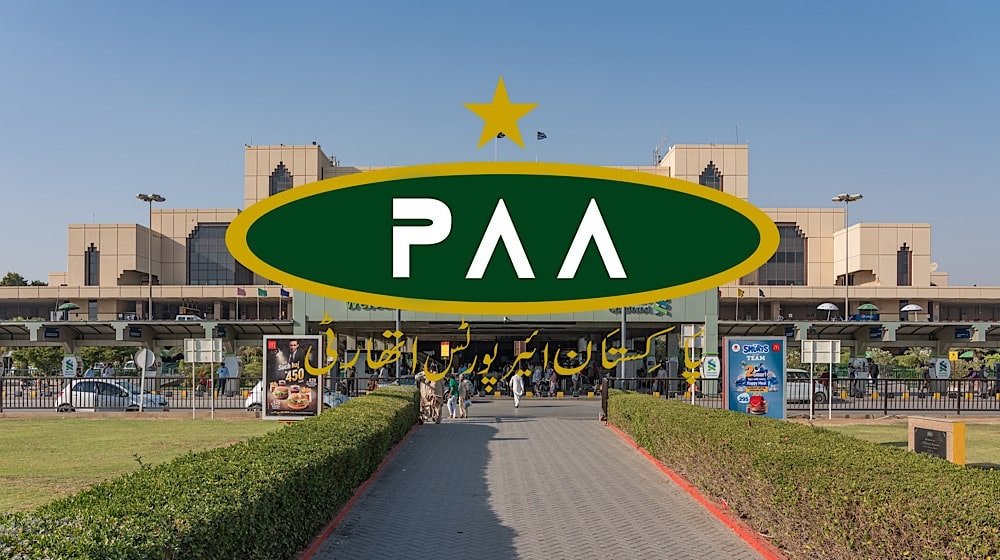
The Pakistan Airports Authority (PAA) on Tuesday issued a definitive statement confirming that Pakistan’s airspace remains fully open and safe for all civil aviation, including international and domestic commercial flights. Read More: https://theboardroompk.com/pakistan-afghanistan-clashes-kill-42-afghan-civilians-un-urges-end-to-fighting/ The announcement comes as a direct response to recent media reports and social media speculation suggesting a “partial closure” of the country’s airspace. The PAA categorically dismissed these claims as “incorrect and misleading,” reassuring the public that air traffic services are functioning without any interruptions. Routine Operational Advisory The authority explained that the confusion stemmed from a misinterpretation of a routine operational advisory, known as a NOTAM (Notice to Air Missions). Specifically, NOTAM A0134/26 was issued to inform airlines of the temporary unavailability of certain route segments within the Karachi and Lahore Flight Information Regions (FIRs). These segments are scheduled for closure during specific daily windows (0900-1500 PKT) from March 3 to March 31. The PAA emphasized that such notices are standard procedure in aviation management and do not equate to a shutdown of the airspace. Commitment to Uninterrupted Travel To ensure that flight schedules remain unaffected, the PAA has already implemented alternative routing options. These routes are routinely utilized to manage air traffic flow when specific segments are unavailable. According to the PAA, all airports are operating normally, with no restrictions placed on arrivals, departures, or overflights. The authority urged media outlets to verify information with official sources before publishing, noting that sensationalism causes unnecessary concern for passengers and the aviation industry. Currently, air traffic controllers and airport ground teams remain fully operational to maintain the highest standards of safety and transparency across Pakistan’s aviation network.

Gold Price in Pakistan Falls Sharply by Rs13,900 per tola
Pakistan

Gold Price in Pakistan Falls Sharply by Rs13,900 per tola

The Gold Price in Pakistan witnessed a significant drop on Tuesday, surprising investors and buyers across the country. According to the All-Pakistan Gems and Jewelers Sarafa Association, the price of 24-karat gold fell by Rs13,900 per tola, bringing it down to Rs549,962. Read More: https://theboardroompk.com/pakistan-afghanistan-clashes-kill-42-afghan-civilians-un-urges-end-to-fighting/ This sharp decline comes amid global market shifts and currency fluctuations, raising an important question: Is this a temporary dip or the beginning of a larger correction? Latest Gold Price in Pakistan Breakdown The latest figures reflect a noticeable downward trend in both gold and silver markets: • 24K gold (per tola): Rs549,962 (↓ Rs13,900)• 24K gold (per 10 grams): Rs471,503 (↓ Rs11,917)• 22K gold (per 10 grams): Rs432,226 Silver prices also followed suit: • 24K silver (per tola): Rs8,904 (↓ Rs1,146)• 24K silver (per 10 grams): Rs7,633 (↓ Rs983) Compared to the previous day, both precious metals recorded a sharp decline, signaling a broader market adjustment rather than isolated volatility. What’s Driving the Gold Price in Pakistan Down? Several key factors are influencing the Gold Price in Pakistan, with global trends playing a decisive role. Internationally, gold prices dropped to around $5,274 per ounce, reflecting a decline of $70.8 (1.32%). A stronger US dollar often pushes gold prices downward, as investors shift toward currency-backed assets. The performance of the Pakistani rupee against the US dollar also impacts domestic gold prices. A relatively stable or strengthening rupee can reduce local gold prices even when global markets fluctuate. After a sustained upward trend in recent months, many investors may be cashing out profits, triggering a temporary correction in gold prices. Monthly and Yearly Gold Price Trends in Pakistan Looking beyond daily fluctuations, the broader trend tells a more nuanced story: • Over the past month, gold prices have increased by Rs20,800 per tola• Since the start of the fiscal year, prices surged by Rs199,762• Calendar year gains stand at Rs93,000 This indicates that despite the current drop, the long-term trend for the Gold Price in Pakistan remains bullish. Silver, however, presents mixed signals with a monthly decline but strong yearly gains, suggesting uneven investor sentiment across metals. Gold Price in Pakistan: Opportunity or Warning? For buyers, this dip could be an attractive entry point especially for those planning weddings or long-term investments. Lower prices mean immediate savings and potential gains if the market rebounds. For investors, however, the situation demands caution. A falling trend could signal further corrections, particularly if global economic pressures persist. What to Expect Next? Market analysts believe that the Gold Price in Pakistan will remain closely tied to global economic indicators, including inflation data, interest rate decisions, and currency movements. If the US dollar continues to strengthen, gold prices may face additional pressure. However, geopolitical uncertainties and inflation concerns could quickly reverse the trend, pushing prices upward again. The recent drop in the Gold Price in Pakistan highlights the volatile nature of precious metal markets. While short-term declines may concern investors, long-term trends still favor gold as a safe-haven asset. Whether you’re a buyer looking for the right time or an investor planning your next move, keeping a close eye on both local and global developments is essential.

Pakistan-Afghanistan Clashes Kill 42 Afghan Civilians, UN Urges End to Fighting
Pakistan

Pakistan-Afghanistan Clashes Kill 42 Afghan Civilians, UN Urges End to Fighting

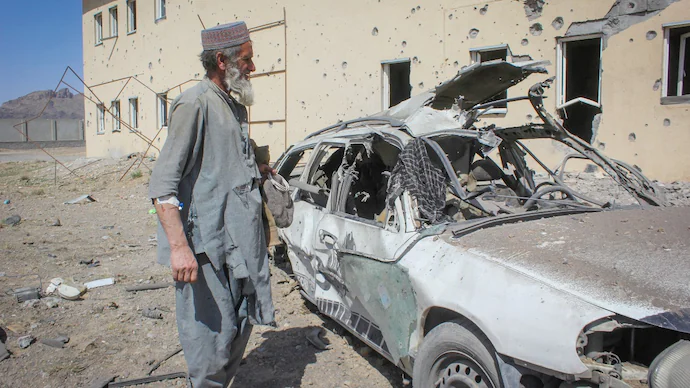
The escalating border conflict between Pakistan and Afghanistan has claimed at least 42 civilian lives in Afghanistan, according to preliminary figures from the United Nations Assistance Mission in Afghanistan (UNAMA). Read More: https://theboardroompk.com/qatarenergy-lng-production-halt-sends-shockwaves-through-global-energy-markets/ The casualties, including women and children, stem from indirect fire during cross-border clashes and airstrikes between February 26 and March 2, 2026, with 104 others wounded. Clashes intensified on March 3 as troops exchanged fire at multiple points along the 2,600-km Durand Line, marking the sixth day of sustained violence. UNAMA Calls for Immediate Ceasefire UNAMA documented 146 total civilian casualties (42 killed, 104 injured) in the period, warning that the fighting severely worsens Afghanistan’s humanitarian crisis—already strained by recent earthquakes that killed over 1,400 people. Indirect fire has hit residential areas in provinces like Paktya, Paktika, Nangarhar, Kunar, and Khost, while airstrikes affected Paktika and Nangarhar. The agency urged both sides to halt hostilities immediately, noting restricted humanitarian access has displaced around 16,400 households and hampered aid delivery in border regions. Military Actions and Claims Pakistan conducted air strikes on Afghan targets, including Bagram air base north of Kabul—officially acknowledged for the first time—citing intelligence that facilities housed ammunition and equipment used by militants and Taliban troops. Pakistan claims precise targeting of terrorists and supporters, with threats to continue operations and potentially target Taliban leadership unless Afghanistan addresses militant safe havens. Afghan Taliban forces reported repelling attacks, capturing a Pakistani military post in Kandahar, and inflicting losses. Both sides claim heavy enemy casualties, though independent verification remains limited amid ongoing exchanges at over two dozen locations. Regional Tensions and Broader Context The violence follows long-standing accusations from Pakistan that Afghan soil harbors groups like the Tehreek-e-Taliban Pakistan (TTP) launching attacks inside its territory—claims denied by the Taliban. The conflict risks further destabilizing the region, overlapping with separate Middle East tensions. UNAMA emphasized the preliminary nature of figures due to access challenges, while humanitarian groups highlight growing displacement and aid disruptions.

KSE-100 Index Recovery: Pakistan Stock Market Rebounds After Historic Crash
Pakistan

KSE-100 Index Recovery: Pakistan Stock Market Rebounds After Historic Crash

The KSE-100 Index recovery took center stage on Tuesday as Pakistan’s stock market staged a dramatic comeback, reversing part of the historic losses witnessed just a day earlier. The benchmark index surged by 5,159 points, closing at 157,132.09 up 3.39% signaling renewed investor confidence amid lingering global uncertainties. This sharp rebound follows one of the most volatile sessions in recent memory, where panic selling had pushed the market dangerously close to bear territory. Now, with aggressive value buying and institutional interest returning, the question remains: is this the start of a sustained rally or just a temporary rebound? What Drove the KSE-100 Index Recovery? The KSE-100 Index recovery was largely fueled by strong buying activity in heavyweight sectors. Investors rushed to capitalize on undervalued stocks after Monday’s steep sell-off, creating momentum across key industries. The banking sector emerged as the biggest contributor, adding nearly 1,900 points to the index. Fertilizer, oil & gas exploration, and power generation stocks followed closely, reinforcing the market’s upward trajectory. This rebound reflects a classic “buy-the-dip” strategy, where institutional investors step in after a sharp correction, stabilizing prices and restoring market sentiment. A Volatile Yet Promising Trading Session Despite the strong close, the trading session was anything but calm. The market swung within a massive range of nearly 7,000 points highlighting the fragile sentiment among investors. The index hit an intraday high of 158,217 before dipping to 151,258, indicating early uncertainty before buyers took control. Trading volumes also surged to over 429 million shares, signaling renewed participation and liquidity in the market. Market breadth painted a cautiously optimistic picture: • 67 companies closed higher• 33 declined This balance suggests that while confidence is returning, investors remain selective. Top Performers and Laggards in the KSE-100 Index Recovery Several stocks led the rally, posting impressive gains and driving index performance. Among the top gainers were YOUW, KEL, ABL, AIRLINK, and SCBPL, each delivering strong percentage increases and attracting investor attention. On the flip side, stocks like UNITY, SSOM, PAEL, AICL, and TRG faced continued selling pressure, reflecting sector-specific concerns and profit-taking behavior. In terms of index impact, major contributors included FFC, UBL, ENGROH, MEBL, and MARI collectively accounting for a significant portion of the day’s gains. Meanwhile, losses from PAEL, AICL, AKBL, TRG, and SRVI slightly offset the overall rally. Sector Insights Behind the Market Rebound A deeper look into sector performance reveals how the KSE-100 Index recovery unfolded: Banking stocks led the charge, supported by strong fundamentals and attractive valuations. Fertilizer companies followed, benefiting from stable demand expectations. Energy stocks, particularly in oil and gas exploration, also gained traction amid global price movements. However, not all sectors participated in the rally. Cable & electrical goods, insurance, leather, and property sectors remained under pressure, indicating that the recovery is not yet broad-based. Broader Market Performance Signals Cautious Optimism Beyond the benchmark index, the broader market also showed signs of recovery. The All-Share Index rose by 2.62%, closing at 93,566 points. Trading activity remained robust, with over 770 million shares exchanged across nearly 480 companies. While participation improved, the mixed performance 213 gainers versus 227 losers highlights ongoing caution among investors. Interestingly, despite the rebound, total traded value declined slightly, suggesting that large institutional flows are still measured rather than aggressive. Global Cues and Geopolitical Risks Still Loom The KSE-100 Index recovery comes against the backdrop of heightened geopolitical tensions involving the United States, Israel, and Iran factors that triggered the previous day’s market collapse. Globally, markets showed tentative signs of stabilization, with the S&P 500 and Nasdaq Composite both recovering modestly. This improvement in global risk sentiment provided additional support to local equities. However, uncertainty remains high, and any escalation in geopolitical tensions could quickly reverse gains. Is This a Sustainable Recovery or a Dead-Cat Bounce? Market experts remain divided on the sustainability of this rebound. According to Ali Najib of Arif Habib Limited, it is still unclear whether this rally marks the beginning of a sustained recovery or merely a temporary “dead-cat” bounce. The coming sessions will be crucial in determining market direction. Continued institutional buying and stability in global markets could reinforce the recovery, while renewed geopolitical shocks may trigger further volatility. Final Thoughts: A Market at a Crossroads The KSE-100 Index recovery has undoubtedly restored a degree of confidence in Pakistan’s equity market. Yet, the sharp swings and selective participation suggest that investors are still navigating uncertainty. For now, the rebound offers a glimmer of hope but whether it evolves into a lasting uptrend will depend on both domestic stability and global developments.

Qatar LNG Halt Due to the US-Iran War Offers Unexpected Relief to Pakistan's Gas Glut Crisis
World

Qatar LNG Halt Due to the US-Iran War Offers Unexpected Relief to Pakistan’s Gas Glut Crisis

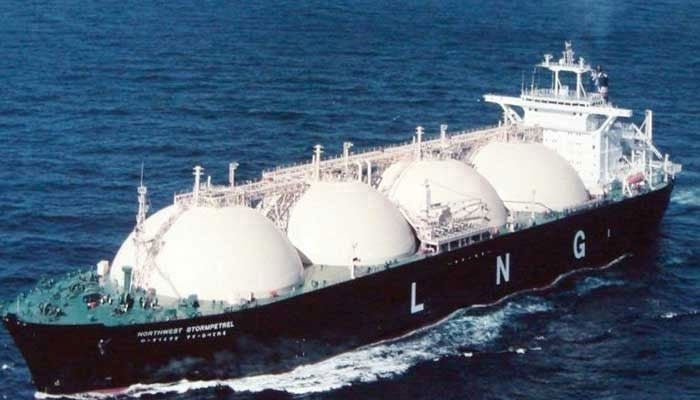
The Qatar LNG production halt amid the escalating Iran conflict has sent shockwaves through global energy markets, removing about 20% of worldwide supply and causing benchmark prices to surge sharply in Asia and Europe. Read More: https://theboardroompk.com/qatarenergy-lng-production-halt-sends-shockwaves-through-global-energy-markets/ While most Asian importers scramble for alternatives amid fears of shortages and blackouts, Pakistan stands out as an unexpected beneficiary due to its ongoing domestic LNG glut. Pakistan, which sources nearly all its LNG from Qatar, relies heavily on these imports. However, persistent oversupply in recent years—driven by weak domestic demand, surging solar adoption, and high contracted volumes—has forced local gas extraction companies to curtail output significantly. Pakistan’s LNG Glut Turns Delay into Relief Delivery delays from Qatar, triggered by the facility shutdowns at Ras Laffan and Mesaieed plus disrupted shipping through the Strait of Hormuz, could provide breathing room for Pakistan. The surplus has already led to reduced regasification at terminals and curtailed production from domestic fields, resulting in estimated annual losses of hundreds of millions of dollars for local producers. Officials plan to ramp up domestic natural gas output and further lower regasification rates to manage the situation. Unlike neighbors such as Bangladesh, which brace for potential power crises similar to post-2022 Ukraine disruptions, Pakistan avoids immediate pressure to chase expensive spot-market cargoes. Economic and Forex Benefits Emerge The glut has drained Pakistan’s foreign exchange reserves through costly imports amid low consumption. With fewer incoming cargoes in the short term, the country preserves precious forex that would otherwise go toward payments for unneeded volumes. This temporary reprieve eases strain on the balance of payments and supports efforts to renegotiate or defer long-term Qatar contracts. Industry sources note that while prolonged conflict risks eventual shortages if domestic production cannot fully compensate, the current delays align with Pakistan’s need to clear excess supply and revive curtailed local fields. The crisis highlights contrasting vulnerabilities across Asia: acute shortages for most, but a rare silver lining for oversupplied Pakistan.

Sindh govt, Mobilink Bank partner to provide Rs1bn in subsidised loans to SMEs
Pakistan

Sindh govt, Mobilink Bank partner to provide Rs1bn in subsidised loans to SMEs

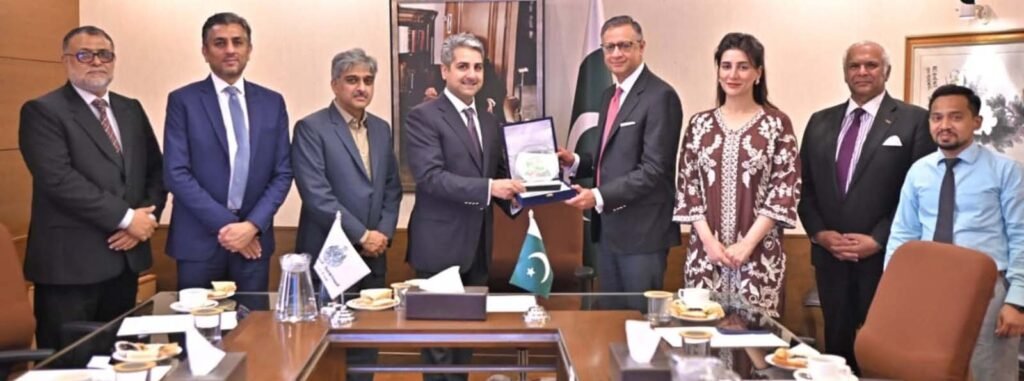
Karachi: Pakistan’s leading digital microfinance bank, Mobilink Bank, has entered into a five-year partnership with Sindh Enterprise Development Fund (SEDF), Government of Sindh, to expand access to structured financing for micro, small, and medium enterprises (MSMEs) across priority economic sectors in the province. Read More: https://theboardroompk.com/qatarenergy-lng-production-halt-sends-shockwaves-through-global-energy-markets/ The collaboration will unlock up to PKR 1 billion in financing by combining Mobilink Bank’s lending capabilities with SEDF’s markup subsidy support to reduce the cost of capital for entrepreneurs and stimulate sustainable economic activity province-wide. The collaboration strengthens financing ecosystems for underserved and high-impact sectors, including agri value chains, livestock and dairy, poultry, fisheries, cold storage and logistics, renewable and alternative energy solutions, women-led enterprises, mining and mineral processing, and innovation-driven IT projects. Under the partnership, Mobilink Bank will extend short, medium, and long-term MSME financing, while SEDF will provide markup subsidy support of up to one-year KIBOR or 10 percent – whichever is lower – for an initial three-year period, extendable based on performance. Individual projects will be eligible for financing of up to PKR 5 million, with flexibility for expansion in innovative cases. Commenting on the partnership, Haaris Mahmood Chaudhary, President & CEO, Mobilink Bank, said, “Small businesses are the backbone of Pakistan’s real economy. They drive employment, power local communities, and sustain regional value chains, yet many entrepreneurs continue to face structural barriers in accessing affordable finance. Through our partnership with SEDF, we are aligning financial innovation with policy support to expand access where it is needed most. We want to channel affordable capital directly to local entrepreneurs, enable bottom-up economic growth, and unlock sustainable livelihoods across the province. This collaboration is about strengthening small businesses today to build a more resilient and inclusive economy for tomorrow.” Zubair Ahmed Channa, Secretary, Investment Department, Government of Sindh, underscored the Government’s commitment to strengthening institutional financing ecosystems that support productive sectors across the province. He stated that structured collaborations such as this agreement reinforce policy alignment between the public and private sectors while creating scalable financial pathways for SMEs operating in Sindh’s value-added industries. The partnership reflects Mobilink Bank’s commitment to combine public policy support with private sector efficiency to drive inclusive growth, sustainability, and entrepreneurship in Pakistan’s emerging economic regions. The collaboration will enable MSMEs, particularly those in rural areas and women-led businesses, to invest in productivity, adopt green technologies, and scale their operations at lower borrowing costs and improved access to formal credit. The Mobilink Bank-SEDF partnership will integrate concessional support with commercial financing to spur long-term economic resilience in Sindh, a viable model that can be well replicated in other provinces.

Scroll to Top