Author name: Web Desk

Emirates Operating Reduced Schedule on 5–6 March with Over 100 Departures Planned
World

Emirates Operating Reduced Schedule on 5–6 March with Over 100 Departures Planned

Emirates can confirm that it is currently operating a reduced flight schedule until further notice. This follows the partial re-opening of regional airspace for the safe conduct of commercial flights. Read More: https://theboardroompk.com/iran-vows-us-will-bitterly-regret-warship-sinking-as-conflict-enters-sixth-day/ For 5 and 6 March, over 100 flights will depart from Dubai and return. These flights will carry people eager to reach their final destinations, as well as essential cargo like perishables and pharmaceuticals. Emirates will continue to gradually build back its flying schedule, subject to airspace availability and all operational requirements being met. Safety is always our top priority. We continue to monitor the situation and adapt our operations accordingly. For now, customers should only proceed to the airport if they have a confirmed booking. We urge all customers to check emirates.com and our official social media channels, where we will publish the latest updates.

Pakistan Gears Up for Private Helicopter Era: Tourism and Rescues Set to Soar
Pakistan

Pakistan Gears Up for Private Helicopter Era: Tourism and Rescues Set to Soar

Pakistan is set to introduce private helicopter operations for the first time, aiming to boost tourism in its stunning northern mountainous regions and enhance rescue capabilities for climbers and trekkers. Read More: https://theboardroompk.com/iran-vows-us-will-bitterly-regret-warship-sinking-as-conflict-enters-sixth-day/ This initiative marks a significant shift from the current system, where only military aviation handles helicopter services, primarily focused on emergency rescues. Boosting Mountain Tourism and Accessibility The new private services will allow for tourism safaris, logistical support for mountaineering expeditions, and easier access to iconic peaks such as K2, Broad Peak, and Nanga Parbat. These activities have been limited due to the lack of commercial options. Private operators will introduce specialized programs to attract international tourists and adventure enthusiasts, making Pakistan’s world-renowned mountains more reachable. Strengthening Rescue Operations Rescue missions in remote high-altitude areas will benefit greatly, with private helicopters permitted to conduct emergency evacuations alongside tourism duties. This will reduce reliance on military resources and improve response times for injured climbers and trekkers. The move draws inspiration from Nepal, which has a mature private helicopter sector with around 13 companies operating multiple aircraft. Timeline and Progress Operations are expected to commence by April–May 2026, with around five to six helicopters from private companies and some government entities entering the market on a commercial basis. The Civil Aviation Authority and Ministry of Defence are facilitating the process, with strong support from the government and armed forces. International Interest Foreign involvement is already emerging, with one Italian company and one Nepali company showing interest in joining. This collaboration could bring expertise and expand services quickly. Overall Impact The initiative promises to transform adventure tourism while saving lives in challenging terrains. It reflects Pakistan’s commitment to developing its northern regions sustainably.

Iran Vows US Will 'Bitterly Regret' Warship Sinking as Conflict Enters Sixth Day
World

Iran Vows US Will ‘Bitterly Regret’ Warship Sinking as Conflict Enters Sixth Day

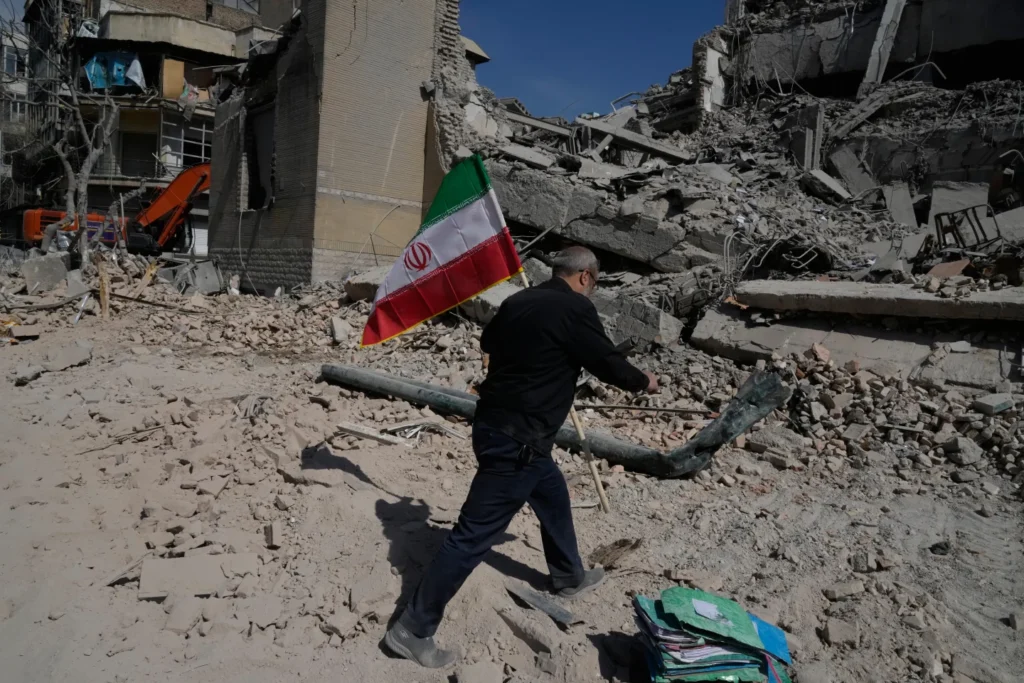
The escalating US-Israel-Iran conflict has entered its sixth day, with dramatic widening of the war theater. Iran launched a fresh wave of missiles targeting Israel, forcing millions into shelters, while Israel conducted new strikes on Tehran. Tensions surged further after a US submarine torpedoed and sank an Iranian frigate in the Indian Ocean. Read More: https://theboardroompk.com/tesla-uk-sales-drop-37-in-february-amid-surging-chinese-ev-competition/ US Submarine Sinks Iranian Frigate IRIS Dena In a significant escalation far from the Middle East, a US submarine struck the Iranian naval vessel IRIS Dena in international waters off Sri Lanka’s southern coast on Wednesday. The attack, described by US Defense Secretary Pete Hegseth as the first torpedo sinking of an enemy ship by a US submarine since World War II, resulted in heavy casualties. Sri Lankan authorities recovered at least 87 bodies, rescued 32 survivors with minor injuries, and continued searching for around 60 missing sailors. The frigate had reportedly been participating in exercises and was described by Iran as a “guest” of the Indian navy. Iran’s Strong Condemnation and Vows of Retaliation Iran’s Foreign Minister Abbas Araqchi condemned the strike as an “atrocity at sea” and warned that the US would “bitterly regret the precedent it has set.” Posted on X, his statement highlighted the unprovoked nature of the attack in international waters. Iranian Revolutionary Guards claimed retaliatory hits, including a missile strike on a US tanker in the northern Persian Gulf, leaving it on fire. Iran also targeted Kurdish separatist positions in Iraqi Kurdistan with missiles, claiming cooperation with local Kurds to counter alleged US-Israeli backed threats. Broader Regional Strikes and Disruptions The conflict spread beyond the Gulf, with missile and drone incidents reported in Qatar (intercepted attack on Doha with smoke in residential areas), Azerbaijan (blasts near Nakhchivan airport injuring two), and NATO intercepting an Iranian ballistic missile aimed at Turkey. Israel continued strikes in Beirut’s southern suburbs and Tehran, while Iran fired missiles at Israeli targets. Shipping through the Strait of Hormuz remains paralyzed, with over 200 vessels anchored, causing global energy market turmoil and flight disruptions across Gulf airports. Political and Succession Developments in Iran Amid the chaos, funerals for slain Supreme Leader Ayatollah Ali Khamenei were postponed. His son, Mojtaba Khamenei, has emerged as a leading candidate to succeed him. In the US, Republicans in the Senate blocked a resolution to limit President Donald Trump’s war powers, with supporters arguing the campaign would end swiftly. Italy announced plans to provide air defense aid to Gulf nations to protect its citizens and troops in the region. Global Ramifications The war, now in its sixth day, has caused hundreds of casualties across multiple countries and risks further international involvement. Iran’s threats signal potential for more asymmetric responses, while US and Israeli officials maintain the operations aim to degrade Iranian capabilities decisively.

Tesla UK Sales Drop 37% in February Amid Surging Chinese EV Competition
World

Tesla UK Sales Drop 37% in February Amid Surging Chinese EV Competition

Tesla’s UK car registrations fell sharply in February 2026, dropping 37% year-on-year amid intensifying competition from Chinese electric vehicle makers, particularly BYD. Data released by the Society of Motor Manufacturers and Traders (SMMT) highlighted the challenges facing the US automaker in one of its key European markets. Read More: https://theboardroompk.com/white-house-event-google-microsoft-amazon-among-firms-committing-to-fund-data-center-energy/ Sharp Decline for Tesla According to SMMT figures, Tesla registrations totaled 2,422 vehicles in February 2026, down from 3,852 in the same month of 2025. This represented a 37% decrease, contrasting with broader market trends. Tesla attributed the figures to registration timing rather than actual demand, noting that monthly data does not fully capture sales or orders. Overall UK Market Growth New car registrations across the UK rose 7.2% to 90,100 units in February, marking the strongest February performance since 2004. The uptick was driven by recovering private retail demand and steady interest in electrified vehicles, even as pure EV growth showed some variation across sources. Pressure from Chinese Rivals Chinese brands, led by BYD, continued to gain traction. SMMT data indicated BYD sales surged 83% year-on-year, though absolute volumes still trailed Tesla. A separate analysis from New Automotive showed Tesla at 2,208 units (down 45.2%) and BYD up 40.9% to 968 units. The divergence reflects different methodologies, but both underscore growing Chinese influence in the EV segment through competitive pricing and expanding model lineups. Tesla’s Response and Context A Tesla spokesperson emphasized that “monthly registration figures are not an accurate reflection of sales or orders taken.” They added that orders and reservations in January and February 2026 exceeded those from the prior two years, with many vehicles yet to be delivered and registered due to factory scheduling. This suggests potential backlog strength despite the reported dip. Broader EV Trends The UK EV market faces ongoing shifts, with Chinese manufacturers capturing increasing share through affordable, feature-rich options. Tesla’s position has been challenged by an aging lineup in some views, though upcoming refreshes like the Model Y could influence future performance. The data highlights a maturing competitive landscape where legacy leaders face pressure from agile newcomers. Implications for the Sector The February results reflect heightened rivalry in the UK’s transitioning auto market. While overall sales momentum is positive, Tesla’s decline signals the need for strategic adjustments amid global EV dynamics.

White House Event: Google, Microsoft, Amazon Among Firms Committing to Fund Data Center Energy
World

White House Event: Google, Microsoft, Amazon Among Firms Committing to Fund Data Center Energy

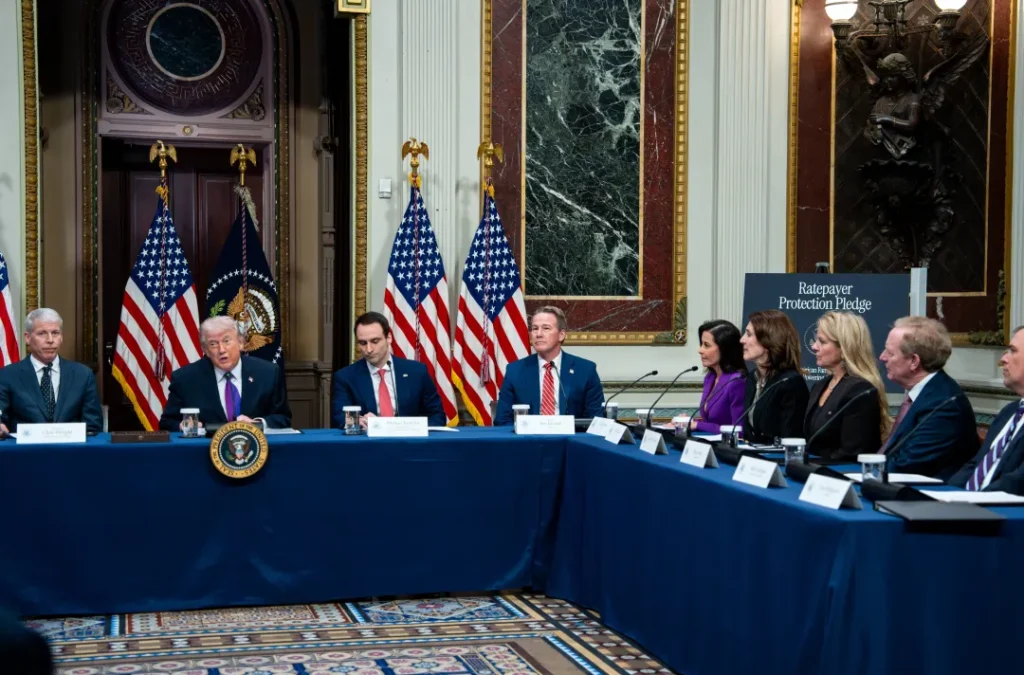
President Donald Trump hosted a high-profile White House event on March 4, 2026, where major technology companies signed the “Ratepayer Protection Pledge.” The voluntary agreement commits tech giants to cover the costs of new electricity generation and infrastructure needed for their power-hungry AI data centers, aiming to shield American households and small businesses from rising utility bills. Read More: https://theboardroompk.com/sbp-seen-holding-rates-at-10-5-as-oil-surge-clouds-inflation-outlook-owing-to-us-israel-strike-on-iran/ Key Signatories and Participants The pledge was signed by Google, Microsoft, Meta, Amazon, Oracle, xAI, and OpenAI. Executives from these firms attended the roundtable, joining Trump to formalize the commitment. The initiative, first announced in Trump’s recent State of the Union address, reflects growing concerns over the massive energy demands of AI infrastructure straining regional power grids. Details of the Pledge Under the agreement, companies promise to build, bring, or buy dedicated power sources—such as new plants or expanded capacity—to meet data center needs. They will also fund upgrades to power delivery systems and enter special rate arrangements with utilities. Trump emphasized that these steps would ensure data centers receive required electricity “without driving up electricity costs for consumers,” while making the grid “stronger and more resilient.” He described it as a “historic win for countless American families,” noting that local opposition to data center projects could reverse now that costs won’t burden ratepayers. Political Timing and Voter Concerns The signing occurred ahead of the November 2026 midterm elections, as energy affordability emerges as a key voter issue. Communities and state lawmakers have increasingly scrutinized data center expansions due to potential bill hikes and grid pressure from AI-driven demand. Trump highlighted that some previously rejected or delayed projects might now advance with clearer cost protections in place. A White House official stressed that no new data center developments would proceed without communities understanding the pledge. Broader Implications and Criticisms Trump portrayed the deal as tech firms funding a “colossal expansion of U.S. energy,” supporting AI leadership while curbing inflation. However, critics question its effectiveness. Jon Gordon of Advanced Energy United pointed out challenges in rapidly building new generation, even if funded by hyperscalers, and expressed concern over a potential emphasis on natural gas or fossil fuels rather than quicker renewables like solar and wind. Environmental groups have raised alarms about health risks from additional fossil fuel plants. The pledge remains voluntary and lacks federal enforcement, prompting some to view it as symbolic amid calls for stronger consumer safeguards. Outlook The agreement signals collaboration between the administration and Big Tech to balance AI growth with energy affordability. As data center proliferation continues, its real-world impact will depend on implementation and whether it meaningfully prevents cost pass-throughs to everyday Americans.

SBP Seen Holding Rates at 10.5% as Oil Surge Clouds Inflation Outlook Owing to US-Israel Strike on Iran
Pakistan

SBP Seen Holding Rates at 10.5% as Oil Surge Clouds Inflation Outlook Owing to US-Israel Strike on Iran

Pakistan’s central bank, the State Bank of Pakistan (SBP), is widely expected to maintain its benchmark policy rate at 10.5% in the upcoming Monetary Policy Committee (MPC) meeting scheduled for March 9, 2026. This follows a Reuters poll where all 10 surveyed analysts predicted no change, amid rising global oil prices and geopolitical tensions clouding the inflation outlook. Read More: https://theboardroompk.com/pakistan-drop-babar-azam-for-bangladesh-odi-series/ Inflation Rebound in February Headline consumer price index (CPI) inflation climbed to 7% year-on-year in February 2026, up from 5.8% in January, marking the highest level since October 2024 according to Pakistan Bureau of Statistics data. This uptick reflects pressures from food, energy, and other costs, with urban inflation at 6.8% and rural at 7.3%. Oil Rally and Geopolitical Risks Escalating Middle East tensions, including recent US and Israeli actions against Iran, have driven up global crude prices and raised concerns over potential disruptions in the Strait of Hormuz. Pakistan, heavily reliant on imported fuel, faces heightened vulnerability. Analysts estimate that every $10 per barrel increase in oil adds roughly 0.5 percentage points to inflation, widening the trade deficit and pressuring the rupee. Reasons for Rate Hold The expected pause aims to keep real interest rates positive and anchor inflation expectations, especially under the ongoing $7 billion IMF program. The SBP has already delivered cumulative cuts of 11.5 percentage points since mid-2024 (from a peak of 22%), supporting economic recovery. However, external risks—including higher energy costs, rupee depreciation potential, and a widening trade deficit—limit further easing room. Economic Context and Outlook Growth is projected at 3.75%–4.75% for fiscal year 2026, bolstered by stronger domestic demand from prior easing. Inflation may average 6%–8% in coming months and hover around 7% in the second half of FY26, potentially exceeding the 5%–7% target range temporarily. Economists note that sustained high oil prices could delay additional rate reductions. Analyst Perspectives Muhammad Ali, an analyst at AKD Securities, stated: “Energy prices should dictate the policy rate trajectory. Inflation could average around 7% during the second half of FY26.” Waqas Ghani of JS Capital added that higher oil widens the trade deficit and pressures the rupee, reinforcing caution. Broader Implications The decision underscores the SBP’s focus on medium-term price stability amid global uncertainties. While earlier easing aided recovery, current dynamics suggest a cautious stance to safeguard gains and comply with IMF commitments. Markets await the March 9 announcement for clearer signals on future policy direction.

Pakistan Drop Babar Azam for Bangladesh ODI Series
Pakistan

Pakistan Drop Babar Azam for Bangladesh ODI Series

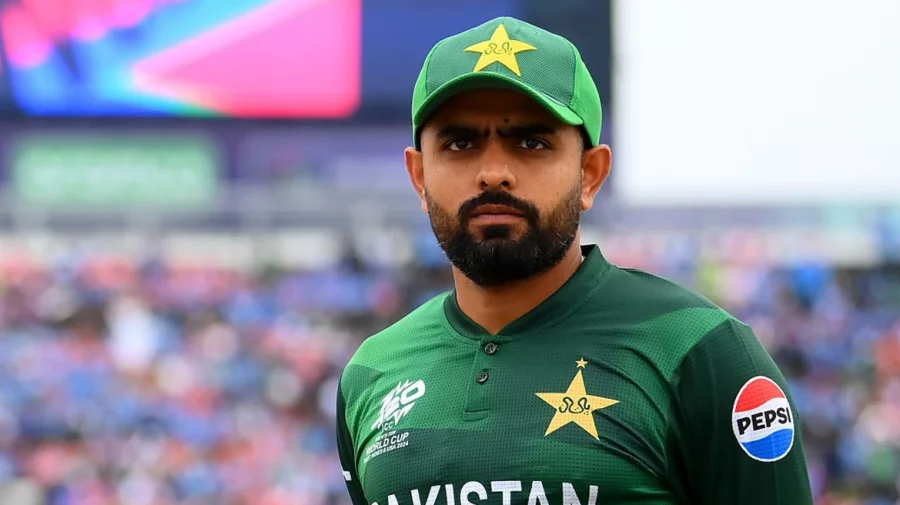
Pakistan selectors have dropped former captain Babar Azam from the 15-member squad for the upcoming three-match ODI series against Bangladesh, starting March 11, 2026, in Dhaka. Read More: https://theboardroompk.com/govt-may-rationalize-car-sales-tax-from-25-to-18-in-new-auto-policy-to-boost-sector-affordability/ The decision follows Babar’s underwhelming performance in the recent T20 World Cup 2026, where Pakistan exited at the Super Eight stage. Poor T20 World Cup Form Triggers Exclusion Babar managed only 91 runs across four innings in the T20 World Cup, struggling for consistency and even being omitted from the playing XI in a key match. Despite his strong ODI record—including an unbeaten 102 against Sri Lanka in November 2025—the selectors prioritized recent form and team rebuilding over past achievements. In 2025 ODIs, he scored 544 runs at an average of around 34 and a strike rate of 77.16, but the T20 flop prompted the axe. Shaheen Afridi Retains Captaincy Left-arm pacer Shaheen Shah Afridi will continue leading the side in ODIs. The squad features a mix of experienced players like wicketkeeper Mohammad Rizwan, fast bowler Haris Rauf, all-rounder Salman Ali Agha, and emerging talents. Notable inclusions are openers Sahibzada Farhan and others showing domestic promise. Six Uncapped Players Called Up In a bold shake-up, the PCB included six uncapped players: Abdul Samad, Maaz Sadaqat, Saad Masood, Shamyl Hussain, Abrar Ahmed, and wicketkeeper Muhammad Ghazi Ghori. Several of these—Abdul Samad, Maaz Sadaqat, Saad Masood, and Shamyl Hussain—gained exposure against England Lions in Abu Dhabi before that series was abandoned due to Middle East tensions. Full Squad Overview The 15-man squad: Shaheen Shah Afridi (captain), Abdul Samad, Abrar Ahmed, Faheem Ashraf, Faisal Akram, Haris Rauf, Hussain Talat, Maaz Sadaqat, Mohammad Rizwan (wk), Mohammad Wasim Jnr, Muhammad Ghazi Ghori (wk), Saad Masood, Sahibzada Farhan, Salman Ali Agha, Shamyl Hussain. Other omissions include opener Saim Ayub and Fakhar Zaman in some reports, signaling a broader transition. Series Details and Implications All matches will take place at Shere Bangla National Stadium in Dhaka from March 11 to 15. This series offers Pakistan a chance to test new combinations ahead of future events, including the 2027 ODI World Cup. Babar’s exclusion marks a significant shift, sparking debate on whether it signals a temporary rest or longer-term changes amid criticism following the T20 World Cup exit. The move reflects selectors’ intent to inject youth and fresh energy into the limited-overs setup after recent disappointments.

Rising Complaints Over Hidden Mobile Charges– PTA Issues Fresh Warning
Uncategorized

Rising Complaints Over Hidden Mobile Charges– PTA Issues Fresh Warning

The Pakistan Telecommunication Authority (PTA) has issued a fresh public advisory alerting millions of mobile users across the country to a surge in unauthorized activations of Value Added Services (VAS), leading to unexpected and often unnoticed deductions from prepaid and postpaid mobile balances. Read More: https://theboardroompk.com/govt-may-rationalize-car-sales-tax-from-25-to-18-in-new-auto-policy-to-boost-sector-affordability/ In its March 3, 2026, notice shared widely on social media and official channels, the PTA highlighted rising consumer complaints about services such as caller tunes (ring back tones), horoscope updates, missed call alerts, daily SMS bundles, quiz contests, mobile games, and infotainment alerts being subscribed without proper user consent. The regulator stressed that no VAS can legally activate without explicit confirmation — typically via sharing a One-Time Password (OTP) or dialing a specific USSD code. If neither step has occurred, any active subscription is deemed unauthorized and invalid.“Consumers are advised to remain vigilant,” the PTA stated. “Regularly check your mobile balance and review active subscriptions to detect any unexplained charges early.” Common VAS deductions often occur in small daily or weekly amounts, making them easy to overlook until significant balance erosion happens. The advisory outlines clear steps for affected users: Immediately contact the telecom operator (Jazz, Telenor, Zong, or Ufone) to lodge a complaint and secure a reference number. Operators are required to resolve valid issues within prescribed timelines. If dissatisfaction persists, escalate the matter through PTA’s Complaint Management System (CMS) at www.pta.gov.pk or via the dedicated mobile app.Major operators, including Telenor Pakistan, promptly shared the PTA advisory on their official X accounts, reinforcing the message to their subscribers. Public reaction has been mixed — while many appreciate the heads-up, others criticize persistent auto-activations and call for stricter enforcement against telecom companies rather than repeated consumer warnings. This latest alert underscores PTA’s ongoing commitment to consumer protection in Pakistan’s booming telecom sector, where VAS remain a key revenue stream but have long faced scrutiny over transparency and consent practices. Users are urged to treat OTPs cautiously and avoid sharing them with unknown sources to prevent such fraud.

Lucky Investments AM2++ Rating Upgrade Signals Strong Growth in Pakistan’s Asset Management Industry
Pakistan

Lucky Investments AM2++ Rating Upgrade Signals Strong Growth in Pakistan’s Asset Management Industry

The Lucky Investments AM2++ Rating Upgrade marks a significant milestone for Lucky Investments Limited, positioning it as one of the fastest-growing asset management companies in Pakistan. The upgrade, awarded by Pakistan Credit Rating Agency Limited (PACRA), comes with a Stable Outlook, signalling confidence in the firm’s governance, strategic direction, and long-term sustainability. This development is more than just a rating change it reflects the company’s ability to build trust in a competitive and evolving financial landscape. What the Lucky Investments AM2++ Rating Upgrade Reveals The Lucky Investments AM2++ Rating Upgrade underscores several key strengths that have driven the company’s rapid ascent: • Robust Governance Framework: Strong oversight and transparent operations• Experienced Leadership: Industry expertise guiding strategic decisions• Diversified Portfolio: Investments across multiple asset classes• Advanced Risk Management: Systems designed to mitigate volatility• Digital Innovation: Tech-driven solutions enhancing investor accessibility These elements collectively highlight how Lucky Investments has managed to differentiate itself in a crowded market while maintaining strong performance metrics. Rapid Growth Backed by Strong Investor Confidence Since launching operations in April 2025, Lucky Investments has demonstrated exceptional growth. In less than a year, the firm has accumulated over Rs130 billion in Assets Under Management (AUM). To put this into perspective: • Islamic Asset Management Market Share: Over 6%• Overall Asset Management Market Share: Approximately 3%• Timeframe: Achieved within just 10 months This rapid expansion reflects increasing confidence from both retail and institutional investors, who are actively seeking reliable and Shariah-compliant investment avenues in Pakistan. Rather than presenting raw numbers alone, the story here is about momentum Lucky Investments is not just growing; it is scaling at a pace rarely seen in the local asset management sector. Diverse Investment Solutions Driving Market Penetration A key factor behind the Lucky Investments AM2++ Rating Upgrade is its comprehensive product offering. The firm provides access to: • Eight distinct investment funds• Separately managed accounts tailored to client needs• Exposure to multiple asset classes including equities, fixed income, and Islamic instruments This diversified approach allows investors to align their portfolios with both financial goals and risk tolerance, making Lucky Investments an attractive partner for a broad client base. Regional Recognition Strengthens Brand Credibility Beyond domestic success, Lucky Investments is gaining recognition on the international stage. The company was awarded Emerging Islamic Finance Entity of the Year – South Asia at the 10th Islamic Finance Forum of South Asia (IFFSA) Awards 2025 in Colombo. This accolade reinforces its growing influence in the regional Islamic finance ecosystem and validates its commitment to delivering innovative Shariah-compliant solutions. Leadership Perspective on the Milestone Commenting on the Lucky Investments AM2++ Rating Upgrade, CEO Mohammad Shoaib emphasized the importance of trust and responsibility: “We are thankful to Allah (SWT) and our investors for their unwavering trust. This recognition strengthens our resolve to provide credible, Shariah-compliant investment solutions across Pakistan while upholding transparency, integrity, and long-term value creation.” This statement reflects the company’s broader mission balancing financial performance with ethical investing principles. Why This Upgrade Matters for Pakistan’s Financial Sector The Lucky Investments AM2++ Rating Upgrade is not just a corporate achievement; it signals a broader shift in Pakistan’s financial ecosystem: • Rising demand for Islamic investment products• Increasing importance of credible asset managers• Growing adoption of digitally enabled investment platforms As investors become more sophisticated, firms like Lucky Investments are setting new benchmarks for performance, transparency, and innovation. Conclusion: A Rising Force in Asset Management The Lucky Investments AM2++ Rating Upgrade encapsulates a powerful narrative one of rapid growth, strategic execution, and rising investor trust. With strong fundamentals and a clear vision, the company is well-positioned to play a pivotal role in shaping the future of Pakistan’s asset management and Islamic finance sectors.

Pakistan Cotton Arrivals 2026 Show Modest Growth Despite Regional Variations
Pakistan

Pakistan Cotton Arrivals 2026 Show Modest Growth Despite Regional Variations

Pakistan Cotton Arrivals 2026 have crossed an important milestone, offering fresh signals about the country’s agricultural and textile landscape. As of February 28, 2026, seed cotton arrivals at ginning factories have surpassed 5.6 million bales, reaching a total of 5,607,433 bales. This reflects a modest yet noteworthy 1.5% year-on-year increase, hinting at gradual recovery and resilience in the cotton sector. Read More: https://theboardroompk.com/kse-100-index-pullback-market-slides-as-middle-east-tensions-shake-investor-confidence/ Data released by the Pakistan Cotton Ginners Association reveals that the majority of this cotton over 5.58 million bales has already been processed into pressed cotton, indicating strong operational efficiency across ginning units. Regional Breakdown of Pakistan Cotton Arrivals 2026 A closer look at Pakistan Cotton Arrivals 2026 reveals a shifting regional dynamic between Punjab and Sindh two of the country’s key cotton-producing provinces. Punjab contributed approximately 2.69 million bales, showing a slight decline of 0.92% compared to last year. This dip suggests localized challenges, possibly linked to weather patterns or crop conditions. In contrast, Sindh demonstrated stronger momentum, delivering over 2.91 million bales, marking a 3.84% increase year-on-year. This growth underscores Sindh’s rising importance in Pakistan’s cotton supply chain. At the district level, performance highlights further illustrate regional strengths: • Sanghar (Sindh) emerged as the top contributor with over 1.28 million bales• Bahawalnagar (Punjab) followed with 769,358 bales• Bahawalpur (Punjab) contributed 417,550 bales These figures show how localized agricultural productivity continues to shape national output trends. Strong Demand Fuels Market Activity Pakistan Cotton Arrivals 2026 are not just about production they also reflect robust market demand. Out of the total arrivals, more than 5.36 million bales have already been sold. The breakdown of buyers reveals a clear trend: Textile mills remain the dominant force, purchasing approximately 5.18 million bales, while exporters accounted for 177,600 bales. This indicates that domestic consumption continues to drive the cotton market, supported by Pakistan’s large textile manufacturing base. With only 242,330 bales remaining as unsold stock, the data signals healthy liquidity and strong demand across the value chain. Operational Efficiency Across Ginning Factories Another key highlight of Pakistan Cotton Arrivals 2026 is the smooth functioning of ginning operations. During the latest reporting period, 71 ginning factories were active nationwide. The distribution of these facilities further reflects regional dominance: • Punjab: 67 operational factories• Sindh: 4 operational factories Despite the disparity in numbers, both provinces have maintained steady processing rates, ensuring minimal disruption in supply flow. What Pakistan Cotton Arrivals 2026 Mean for the Industry The latest data on Pakistan Cotton Arrivals 2026 paints a picture of cautious optimism. While overall growth remains modest, several underlying factors stand out: • Increasing efficiency in cotton processing• Strong domestic demand from textile manufacturers• Regional shifts favoring Sindh’s production growth• Low unsold inventory, indicating market stability For stakeholders from farmers to exporters these trends suggest a relatively stable outlook, though challenges in certain regions like Punjab may need targeted policy and agricultural support. Pakistan Cotton Arrivals 2026 highlight a sector that is steadily navigating economic and environmental pressures. The balance between modest growth and strong demand reflects resilience, while regional variations point to evolving agricultural dynamics. As Pakistan’s textile industry continues to anchor the economy, cotton arrivals will remain a critical indicator to watch one that not only measures crop output but also signals the broader health of the country’s industrial backbone.

Scroll to Top