Author name: Web Desk

China Unveils Massive 10-Passenger Electric Aircraft 'Matrix' in Flight Demo
Auto

China Unveils Massive 10-Passenger Electric Aircraft ‘Matrix’ in Flight Demo

A Chinese aviation startup has demonstrated what could be the future of larger-scale flying taxis with the Matrix, a 5-ton electric vertical takeoff and landing (eVTOL) vehicle. Read More: https://theboardroompk.com/pakistans-first-polio-case-of-2026-confirmed-in-sindh/ AutoFlight, founded in 2017 and based near Shanghai, showcased the aircraft in a public test at its Kunshan facility, marking it as China’s largest electric aircraft to date and a step toward redefining urban air mobility. Impressive Scale and Specs The Matrix boasts a 20-meter wingspan, measures 17.1 meters long and 3.3 meters tall (about 56 feet by 11 feet), and can carry up to 10 passengers. It features VTOL capabilities for vertical lift and landing, powered entirely by electricity. During the chilly afternoon demo observed by reporters, the remotely piloted craft rose from a helipad, completed two smooth laps in roughly 10 minutes, and landed without issues—noisier than expected but quieter than a traditional helicopter. Path to Flying Taxis and Beyond AutoFlight envisions the Matrix as a potential flying taxi or regional transport option, with a one-hour flight endurance without recharging. The company offers passenger and heavy-duty logistics variants, aiming to challenge smaller eVTOLs (typically 4-6 seats) from global competitors. While experts note the industry is years from widespread commercial flying taxis due to certification, infrastructure, and regulatory hurdles, this demo highlights China’s push in the low-altitude economy. Backed by battery giant CATL, AutoFlight positions the aircraft to disrupt short-haul aviation with lower operating costs, especially for cargo missions claimed to be one-tenth those of helicopters.

Pakistan's First Polio Case of 2026 Confirmed in Sindh
Health

Pakistan’s First Polio Case of 2026 Confirmed in Sindh

Pakistan’s National Emergency Operations Centre for Polio Eradication (NEOC) announced the country’s first wild poliovirus case of 2026 on Thursday. The infection was detected in a four-year-old child from Bello Union Council in Sujawal district, southern Sindh province, highlighting persistent challenges in high-risk areas despite ongoing vaccination drives. Read More: https://theboardroompk.com/pakistans-competition-watchdog-detects-212-cases-with-ai/ Case Details and Confirmation The case emerged through routine polio surveillance and was verified by the Regional Reference Laboratory for Polio Eradication at the National Institute of Health (NIH) in Islamabad. Health officials described it as a setback in efforts to eliminate the virus, which can cause irreversible paralysis or death but is fully preventable with safe, effective vaccines used in 195 countries, including Muslim-majority nations. Response and Broader Context The Polio Eradication Initiative (PEI) is analyzing the situation to craft a targeted response and prevent further spread. Pakistan launched a nationwide campaign earlier in 2026, reaching over 45 million children, with another planned for April. Officials stressed collective responsibility, urging parents to ensure full vaccination doses, including routine immunizations. In 2025, the country recorded 31 cases after five nationwide campaigns, showing a decline from 2024 detections but ongoing circulation in Sindh and southern Khyber Pakhtunkhwa. Since 1994, cases have dropped 99.8% from an estimated 20,000 annually. The PEI called on communities, religious leaders, and media to combat misinformation and support vaccination to achieve a polio-free Pakistan and world.

Pakistan's Competition Watchdog Detects 212 Cases with AI
Pakistan

Pakistan’s Competition Watchdog Detects 212 Cases with AI

ISLAMABAD: The Competition Commission of Pakistan (CCP) has detected more than 200 potential competition law violations and merger cases during the past two years using artificial intelligence and automated digital tools developed by its Market Intelligence Unit (MIU). Read More: https://theboardroompk.com/secp-registers-3444-new-companies-in-february-total-reaches-287049/ A paper titled “Leveraging Artificial Intelligence for Detecting Anti-Competitive Activities: Pakistan’s Journey toward Modernized Competition Enforcement,” published in the Asia-Pacific Competition Update of the Organisation for Economic Co-operation and Development (OECD), outlines CCP’s initiatives to strengthen and modernise its enforcement functions through the use of advanced technologies and AI-driven monitoring tools. Pakistan’s rapidly digitizing markets and the surge in unstructured data from procurement, advertising, and financial disclosures prompted the CCP to establish the Market Intelligence Unit in October 2023, shifting from complaint-based enforcement to proactive, AI-driven market monitoring. The paper stated that the CCP’s AI-driven monitoring systems identified 212 potential cases across multiple categories. These included 124 deceptive marketing cases, 58 merger and acquisition detections, 25 cartel and trade abuse cases, and 5 exemption-related matters. The cases were flagged through automated market monitoring, data analytics, and digital surveillance tools aimed at strengthening enforcement of the Competition Act. One of CCP’s key initiatives is an AI-driven public procurement monitoring system that analyses thousands of tender documents to detect suspicious bidding patterns and possible collusion. This system can process tens of thousands of records in hours instead of months of manual review. CCP has also introduced an Automated Digital Market Intelligence System that continuously monitors online advertisements, social media content, and digital platforms to detect deceptive marketing practices. The system generates real-time alerts and helps quickly identify misleading claims and potentially harmful advertising practices affecting consumers. In addition, CCP has developed an automated merger detection framework that monitors stock exchange announcements, media reports, and company disclosures to identify transactions that may require regulatory approval under Pakistan’s merger control regime. Another innovation is the Price Monitoring Dashboard, which analyses commodity price data across multiple regions to detect unusual or parallel price movements that may signal anti-competitive behaviour. By integrating artificial intelligence, data analytics, and automated monitoring tools, CCP has significantly enhanced its ability to detect competition violations early, generate actionable intelligence, and strengthen enforcement. The use of AI-enabled systems will continue to expand as part of the CCP’s broader strategy to modernize competition enforcement and protect consumers while promoting fair and competitive markets in Pakistan.

SECP Registers 3,444 New Companies in February; Total Reaches 287,049
Pakistan

SECP Registers 3,444 New Companies in February; Total Reaches 287,049

ISLAMABAD, March 06: The Securities and Exchange Commission of Pakistan (SECP) registered 3,444 new companies in February, bringing the total number of registered companies in the country to 287,049, reflecting continued growth in Pakistan’s corporate sector. Read More: https://theboardroompk.com/operation-ghazab-lil-haq-pakistan-army-intensifies-cross-border-security-offensive/ Private limited companies accounted for 59 percent of the new registrations, followed by single-member companies at 38 percent. The remaining 3 percent comprised public unlisted companies, not-for-profit organizations, limited liability partnerships, and foreign companies. Foreign investment remained robust, with 82 newly incorporated companies receiving international shareholding. China emerged as the leading source of investment with participation in 44 companies, followed by the United States with investments in seven companies. Investors from Palau and Germany participated in three companies each, while Egypt, the United Kingdom, Australia, Afghanistan, Yemen, and Indonesia invested in two companies each. Additional investment originated from Azerbaijan, Nigeria, Jordan, Canada, Sweden, Denmark, the Philippines, Turkey, Portugal, Belgium, and other countries. The primary destinations for foreign investment were the mining and quarrying, trading, and information technology sectors, indicating sustained international interest in Pakistan’s natural resources, commercial markets, and expanding digital economy. From a regional perspective, Punjab led with 1,696 new companies, followed by the Islamabad Capital Territory with 656, Sindh with 555, Khyber Pakhtunkhwa with 317, Gilgit-Baltistan with 174, and Balochistan with 46, demonstrating broad-based geographic expansion of corporate activity. Sector-wise, the information technology and e-commerce sectors remained the leading drivers of growth with 723 new incorporations, followed by the trading sector with 531 registrations, services with 434, and real estate development and construction with 323 new companies. Further diversification was observed across multiple sectors, including tourism and transport (194), food and beverages (165), education (107), mining and quarrying (79), textile (69), marketing and advertisement (64), chemicals (58), pharmaceuticals (58), corporate agricultural farming (57), healthcare (56), engineering (52), cosmetics (50), communications (44), fuel and energy (42), lodging (37), and auto-allied industries (35). In addition, 266 companies were incorporated across various other sectors, including cables and electric goods, sports, and paper and board, reflecting the continued broadening of Pakistan’s industrial and business base.

Pakistan Government Debt Climbs to Rs79.3 Trillion a Historic Level
Pakistan

Pakistan Government Debt Climbs to Rs79.3 Trillion a Historic Level

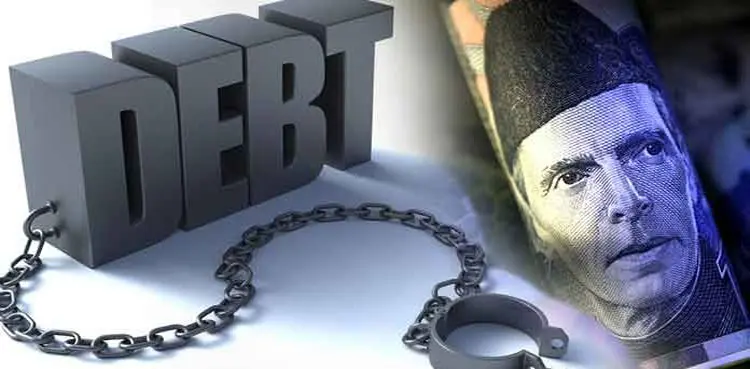
Pakistan government debt has reached a new milestone, reflecting the growing fiscal pressures on the country’s economy. According to the latest data released by the State Bank of Pakistan, the total debt of Pakistan’s central government surged to Rs79.32 trillion in January 2026, marking a 9.98% increase compared to Rs72.12 trillion in January 2025. Read More: https://theboardroompk.com/operation-ghazab-lil-haq-pakistan-army-intensifies-cross-border-security-offensive/ The rise in Pakistan government debt highlights the government’s continued reliance on both domestic and external borrowing to finance its fiscal deficit. As economic challenges persist, the debt trajectory has become a key point of concern for policymakers, investors, and financial analysts. On a month-to-month basis, the debt burden also edged higher. Compared to Rs78.53 trillion recorded in December 2025, the central government debt increased 1.01% in January 2026, indicating a steady accumulation of liabilities. Domestic Borrowing Drives Pakistan Government Debt Growth A closer look at the data reveals that domestic borrowing remains the dominant contributor to Pakistan government debt. Out of the total Rs79.32 trillion debt stock, Rs55.98 trillion was raised from domestic sources. This domestic debt is divided into three main categories: • Long-term domestic debt: Rs47.12 trillion• Short-term domestic debt: Rs8.78 trillion• Naya Pakistan Certificates: Rs72 billion Overall, domestic debt increased by 11.41% year-on-year and 1.11% month-on-month, reflecting the government’s growing dependence on local financial markets to meet funding requirements. Long-Term Borrowing Expands Rapidly Long-term debt has been the fastest-growing segment of Pakistan government debt. By January 2026, it rose 12.66% year-on-year to Rs47.12 trillion, compared with Rs41.83 trillion recorded during the same period last year. This category also witnessed a 1.21% increase compared to December 2025, signaling sustained borrowing through long-duration instruments. Among these instruments, Pakistan Investment Bonds (PIBs) dominate the landscape. PIBs accounted for Rs35.27 trillion, representing the largest portion of long-term domestic borrowing. The growth in PIBs shows: • 11.01% increase year-on-year• 0.98% rise month-on-month These bonds remain a preferred instrument for the government to secure financing from institutional investors such as banks and financial institutions. Short-Term Borrowing Remains Significant While long-term instruments dominate, short-term borrowing also plays a crucial role in Pakistan government debt management. Short-term domestic debt stood at Rs8.78 trillion in January 2026, representing a 5.17% increase year-on-year. The bulk of this short-term borrowing comes from Market Treasury Bills (MTBs), which amounted to Rs8.66 trillion during the review period. MTBs recorded: • 4.83% growth year-on-year• 0.55% increase month-on-month These short-term instruments allow the government to meet immediate financing needs, though heavy reliance on them can increase refinancing risks over time. Overseas Pakistanis Contribute Through Naya Pakistan Certificates Another component of Pakistan government debt comes from Naya Pakistan Certificates, an investment scheme designed to attract funds from overseas Pakistanis. Borrowing through these certificates reached Rs72 billion in January 2026, representing a 7.46% increase compared to the same period last year. Interestingly, the government’s borrowing through this channel rose significantly in a single month. In December 2025, the amount stood at Rs62 billion, meaning January saw a 16.13% month-on-month jump. This indicates renewed interest among overseas investors in government-backed savings instruments. External Debt Still a Major Component Beyond domestic borrowing, external loans remain a key part of Pakistan government debt. By January 2026: • Long-term external loans: Nearly Rs23 trillion• Short-term external loans: Rs345 billion External financing typically comes from multilateral institutions, bilateral partners, and international capital markets. While such borrowing provides foreign exchange support, it also exposes the country to currency risks and global financial conditions. What Rising Pakistan Government Debt Means The continued rise in Pakistan government debt reflects broader economic challenges, including persistent fiscal deficits and increasing financing needs. While domestic borrowing offers flexibility and reduces dependence on foreign lenders, the growing debt stock raises concerns about: • Future debt servicing costs• Fiscal sustainability• Pressure on public finances For policymakers, managing the balance between growth, fiscal discipline, and debt sustainability will remain one of the most critical economic challenges in the coming years.

Pakistan National Savings Schemes Rebound: January 2026 Mobilization Surges 545%
Pakistan

Pakistan National Savings Schemes Rebound: January 2026 Mobilization Surges 545%

Pakistan National Savings Schemes surprised financial observers with a powerful rebound in January 2026, posting net mobilization of Rs27.01 billion after months of declining inflows. Read More: https://theboardroompk.com/operation-ghazab-lil-haq-pakistan-army-intensifies-cross-border-security-offensive/ According to provisional figures from the Central Directorate of National Savings, the recovery marks a 545% month-on-month increase compared to December 2025, when mobilization stood at only Rs4.19 billion. The sudden surge has sparked fresh interest among investors and analysts alike, raising questions about whether the country’s traditional savings instruments are regaining momentum after a turbulent fiscal year. What Drove the January Surge in Pakistan National Savings Schemes? The latest data shows that the January rebound in Pakistan National Savings Schemes was primarily driven by strong inflows into Prize Bonds and the miscellaneous investment category labeled “Others.” Prize Bonds alone attracted Rs2.55 billion, while the “Others” category generated the largest contribution with Rs19.25 billion in inflows. However, not all savings instruments saw positive movement. Some schemes continued to face withdrawals and negative balances, reflecting cautious investor sentiment. For example, Defence Savings Certificates (DSC) experienced a net outflow of Rs2.19 billion, indicating that investors may have shifted funds toward more liquid or attractive options. Meanwhile, Special Savings Certificates (SSC-R) posted relatively modest inflows of Rs1.71 billion, suggesting stable but limited investor appetite. These mixed trends highlight a changing investment landscape where savers are actively reallocating their funds within the Pakistan National Savings Schemes portfolio. A Volatile First Half of FY2025–26 Despite the strong January rebound, the overall performance of Pakistan National Savings Schemes during the first half of fiscal year 2025–26 has been volatile. Mobilization steadily declined over several months before the recent recovery. In July 2025, the schemes attracted Rs44.17 billion, marking a relatively strong start to the fiscal year. However, inflows began to slow in the following months, eventually reaching their lowest point in December 2025 at just Rs4.19 billion. The January recovery therefore represents a sharp reversal of the downward trend, potentially signaling renewed confidence among savers seeking secure investment avenues amid economic uncertainty. Annual Mobilization Still Under Pressure Even with the January improvement, annual mobilization under Pakistan National Savings Schemes remains under pressure. During fiscal year 2025–26 so far, total mobilization has reached Rs183.12 billion. While this is still a significant figure, it represents a 28.8% decline compared with Rs257.12 billion recorded in FY2024–25. The decline suggests that although the schemes remain popular among retail investors, broader macroeconomic conditions and alternative investment opportunities may be affecting inflows. Financial analysts note that changes in interest rates, inflation expectations, and liquidity needs often influence investor behavior within the national savings ecosystem. Historical Cycles in Pakistan National Savings Schemes The performance of Pakistan National Savings Schemes has historically been cyclical, reflecting shifts in economic conditions and investor sentiment. The schemes reached their highest mobilization level in FY2019–20, when net inflows climbed to Rs372.45 billion. This period saw strong demand for government-backed savings products as investors sought stability. However, the economic shocks triggered by the COVID-19 pandemic significantly altered the trend. In FY2020–21, the schemes recorded net outflows of Rs317.31 billion, followed by Rs358.68 billion in outflows during FY2021–22. The contraction continued in FY2022–23, with withdrawals reaching Rs381.87 billion, highlighting widespread investor caution during uncertain economic conditions. These fluctuations underline the sensitivity of Pakistan National Savings Schemes to broader financial dynamics, including inflation pressures, interest rate adjustments, and liquidity requirements. What the January Rebound Could Mean The January 2026 surge may signal a short-term revival in Pakistan National Savings Schemes, but analysts remain cautious about declaring a full recovery. If inflows continue to rise in the coming months, it could indicate growing investor confidence in government-backed savings instruments. On the other hand, if the rebound proves temporary, it may simply reflect seasonal or tactical investment shifts. For policymakers, the schemes remain a critical tool for mobilizing domestic savings and financing government expenditures. For investors, they continue to offer a secure and relatively stable investment option in an unpredictable economic environment. Whether the January surge marks the beginning of a sustained turnaround or just a brief spike will likely become clearer as the fiscal year progresses.

Pakistan Foreign Exchange Reserves Rise to $21.43 Billion
Business

Pakistan Foreign Exchange Reserves Rise to $21.43 Billion

Pakistan foreign exchange reserves recorded a modest but encouraging increase in the latest weekly update released by the State Bank of Pakistan (SBP). According to the central bank, reserves held by the SBP rose to $16.3 billion during the week ending February 27, 2026, reflecting a $87.1 million week-on-week increase, equivalent to 0.54% growth. Read More: https://theboardroompk.com/operation-ghazab-lil-haq-pakistan-army-intensifies-cross-border-security-offensive/ While the increase may appear small at first glance, it signals continued stability in Pakistan’s external accounts and highlights steady progress in strengthening the country’s foreign currency buffer. At a time when emerging economies are closely watching global capital flows and exchange rate volatility, even incremental improvements in Pakistan foreign exchange reserves carry significant economic implications. Total Pakistan Foreign Exchange Reserves Cross $21.4 Billion The latest data shows that Pakistan’s total liquid foreign reserves combining holdings of the central bank and commercial banks climbed to $21.43 billion, up $26.2 million or 0.12% week-on-week. This increase was primarily driven by the improvement in SBP-held reserves, which offset a decline in reserves held by commercial banks. Breaking the figures down into context: • SBP reserves: $16.3 billion• Commercial bank reserves: $5.13 billion• Total reserves: $21.43 billion•While commercial banks saw their reserves decline by $60.9 million (1.17%), the central bank’s growth helped maintain overall upward momentum. This trend highlights the critical role the SBP plays in managing Pakistan’s external liquidity and maintaining stability in foreign exchange markets. Pakistan Foreign Exchange Reserves Show Strong Growth in FY2026 Looking beyond the weekly movement, the broader trend in Pakistan foreign exchange reserves is even more notable. Since the beginning of the current fiscal year, reserves held by the State Bank of Pakistan have increased by $7.24 billion, representing a 79.82% surge. This dramatic growth reflects a combination of factors, including: • Improved inflows from exports and remittances• External financing and multilateral support• Stabilization measures implemented by policymakers• Controlled import demand Such a significant rise in reserves is widely viewed as a positive indicator for Pakistan’s macroeconomic outlook, particularly after periods of pressure on the country’s balance of payments. A Positive Trend in 2026 So Far The calendar year 2026 has also started on a positive note for Pakistan foreign exchange reserves. Since January, reserves have increased by approximately $384.9 million, representing 2.42% growth. While modest, the increase indicates a gradual strengthening of the country’s external position. Economists note that maintaining steady reserve growth is crucial for: • Supporting the Pakistani rupee• Managing external debt obligations• Boosting investor confidence• Ensuring import coverage for essential goods For emerging economies like Pakistan, a strong reserve position is often seen as the first line of defense against global financial volatility. Why Pakistan Foreign Exchange Reserves Matter Foreign exchange reserves serve as a financial safety net for any economy. For Pakistan, maintaining healthy reserves helps: • Stabilize the currency market• Ensure payments for imports such as oil, machinery, and food• Strengthen credibility with international lenders and investors• Reduce vulnerability to external shocks With reserves now standing above $21 billion, Pakistan has a stronger cushion compared to previous years when reserves fell to critically low levels. However, economists caution that sustained improvements depend on continued export growth, remittance inflows, and disciplined economic management. Outlook: Can Pakistan Maintain Reserve Growth? The steady rise in Pakistan foreign exchange reserves offers cautious optimism for the country’s economic trajectory. Yet, maintaining this momentum will require continued reforms, stable macroeconomic policies, and strong external inflows. As global economic conditions remain uncertain, Pakistan’s reserve position will remain a key indicator closely watched by investors, policymakers, and international financial institutions. For now, the latest SBP data suggests a gradual but meaningful strengthening of Pakistan’s financial buffer.

Operation Ghazab Lil Haq: Pakistan Army Intensifies Cross-Border Security Offensive
Pakistan

Operation Ghazab Lil Haq: Pakistan Army Intensifies Cross-Border Security Offensive

Operation Ghazab Lil Haq has rapidly emerged as one of the most significant counter-terror operations in recent months, with the Pakistan Army escalating both air and ground strikes along the western border. Security sources report that the latest phase of Operation Ghazab Lil Haq involved a precision airstrike targeting key militant infrastructure belonging to the Afghan Taliban in southern Afghanistan. The strike reportedly destroyed the Brigade Headquarters of the 205 Corps located in Kandahar, a strategic hub long associated with Taliban command activities. Alongside the headquarters, multiple ammunition depots were also targeted, resulting in significant material losses for militant formations operating near the Pakistan-Afghanistan border. Analysts say the operation reflects Islamabad’s increasingly assertive stance against cross-border militancy and infiltration attempts. Strategic Airstrikes Under Operation Ghazab Lil Haq Security officials say the recent air campaign was carefully planned to neutralize militant command structures and disrupt logistical networks. The operation reportedly targeted: • Command centers coordinating militant activity• Weapons and ammunition depots• Tactical communication posts The destruction of these facilities is expected to severely disrupt operational coordination among militant groups operating near the frontier. Sources further indicated that militant groups suffered heavy casualties and significant logistical damage, though exact numbers have not yet been officially confirmed. Ground Operations Expand Across Key Border Regions In addition to airstrikes, Operation Ghazab Lil Haq also included extensive ground engagements along sensitive border sectors. According to security sources, Pakistani forces targeted 41 militant posts overnight using both light and heavy weapon systems. These operations were concentrated in areas adjacent to the following Pakistani districts: • Chaman• Zhob• Qila Saifullah• Nushki Military officials believe these locations have been used as staging grounds for cross-border infiltration and militant movement. By targeting these positions simultaneously, the operation aimed to dismantle militant support networks operating along the rugged border terrain. Intelligence-Driven Strike in Arandu Sector A separate intelligence-based operation was conducted in the mountainous Arandu sector, where security agencies had reportedly detected the presence of an armed militant formation. Acting on verified intelligence, Pakistani forces launched a coordinated assault on the militant positions. Security sources say the operation forced militants to abandon their weapons and flee from their posts, leaving behind equipment and logistical supplies. The militant command center in the area was also completely destroyed, marking another tactical success for the operation. Why Operation Ghazab Lil Haq Matters for Regional Stability Security experts believe Operation Ghazab Lil Haq represents a broader shift in Pakistan’s counter-terrorism posture. Rather than responding to isolated incidents, the strategy appears focused on systematically dismantling militant infrastructure and preventing regrouping across the border. Key objectives reportedly include: • Neutralizing militant command structures• Disrupting weapons supply chains• Preventing cross-border infiltration• Restoring stability in frontier regions Officials maintain that the operation will continue until all strategic objectives are achieved. While the situation remains fluid, the scale and intensity of the recent operations suggest that Pakistan’s security forces are prepared for a sustained campaign against militant threats along the western frontier. The Road Ahead As Operation Ghazab Lil Haq progresses, security analysts will closely monitor how these developments reshape the security landscape in the region. For Pakistan, the stakes are high: ensuring border security, protecting civilian populations, and maintaining regional stability remain top priorities. Whether these operations lead to a long-term shift in militant capabilities will depend on the durability of military pressure and evolving regional dynamics in the months ahead.

Pakistan Stock Exchange Rally: KSE-100 Surges Over 5,400 Points as Investor Confidence Returns
Business

Pakistan Stock Exchange Rally: KSE-100 Surges Over 5,400 Points as Investor Confidence Returns

The Pakistan Stock Exchange rally dominated Thursday’s trading session as the benchmark KSE-100 Index surged dramatically, recovering losses from the previous day and restoring investor confidence. Read More: https://theboardroompk.com/iran-vows-us-will-bitterly-regret-warship-sinking-as-conflict-enters-sixth-day/ By the end of trading, the index closed at 161,210.67 points, marking an impressive gain of 5,433 points or 3.49%. The strong rebound signaled a renewed appetite for equities as investors returned to the market with aggressive buying across multiple sectors. Throughout the day, the market remained firmly in positive territory. The index touched an intraday high of 161,476.84 points, while the lowest level recorded during the session was 156,250.28 points, still significantly above the previous close. Trading activity also reflected growing optimism. The KSE-100 Index recorded a total volume of more than 402 million shares, indicating that investors actively participated in the rally following cautious trading earlier in the week. Market Breadth Highlights Strength of the Pakistan Stock Exchange Rally One of the most striking indicators of the Pakistan Stock Exchange rally was the overwhelmingly positive market breadth. Out of the companies listed on the index: • 85 companies closed higher• 14 declined• 1 remained unchanged This broad-based upward movement demonstrated that the rally was not confined to a handful of stocks but spread across multiple sectors of the market. Among the strongest performers were DHPL and ATRL, both surging by the maximum 10 percent, followed closely by SSGC, PTC, and HUMNL, each posting strong gains of nearly 10 percent. However, a few stocks experienced minor declines. ABOT led the losses with a fall of about 3.5 percent, while HINOON, HALEON, CHCC, and SRVI posted smaller drops. Key Companies Driving the Pakistan Stock Exchange Rally The upward momentum in the Pakistan Stock Exchange rally was largely powered by heavyweight companies that significantly boosted the index. The biggest positive contributors included: • Hub Power Company adding over 482 points to the index• Oil and Gas Development Company contributing 475 points• Fauji Fertilizer Company contributing 445 points• Engro Holdings adding 429 points• Meezan Bank contributing 365 points These large-cap stocks played a decisive role in pushing the benchmark index sharply higher during the session. On the downside, only minor pressure came from a handful of stocks such as ABOT, HINOON, FATIMA, SRVI, and CHCC, but their impact was minimal compared to the gains generated by the market leaders. Sector Performance Fuels the Pakistan Stock Exchange Rally Several key sectors powered the Pakistan Stock Exchange rally, reflecting strong investor confidence in Pakistan’s core industries. The commercial banking sector led the surge, adding nearly 1,195 points to the index. Banks often act as a barometer of economic sentiment, and their strong performance suggested improved expectations for financial sector profitability. The oil and gas exploration sector followed closely, contributing more than 1,112 points, supported by rising global energy prices and renewed investor interest in energy companies. Other sectors that strengthened the market included: • Power generation and distribution, contributing over 559 points• Fertilizer companies, adding more than 504 points• Investment banks and securities firms, contributing around 451 points Only limited downward pressure was seen in leather and tannery companies, while sectors such as synthetic textiles, leasing companies, and vanaspati industries recorded only marginal movements. Broader Market Activity Shows Strong Investor Participation Beyond the benchmark index, the broader market also reflected the strength of the Pakistan Stock Exchange rally. The All-Share Index climbed to 96,097 points, gaining more than 3,100 points or 3.34 percent during the session. Trading volumes also increased significantly. The market recorded over 723 million shares traded, compared with 622 million shares in the previous session. Meanwhile, the total traded value rose to Rs35.18 billion, an increase of more than Rs5 billion, highlighting growing investor activity. In total, 478 companies were traded, with 350 closing higher, 78 declining, and 50 remaining unchanged another sign of the widespread nature of the rally. Why the Pakistan Stock Exchange Rally Happened The strong rebound came a day after cautious trading triggered by geopolitical uncertainty in the Middle East. However, improving global market sentiment helped restore investor confidence. International equity markets recorded gains, while gold and oil prices also moved higher, reflecting shifting global risk dynamics. This improvement in external conditions encouraged investors to re-enter the equity market. PSX Performance in the Current Fiscal Year Despite recent volatility, the KSE-100 Index has delivered notable gains during the fiscal year. The benchmark index has risen by more than 35,500 points, or about 28 percent, since the start of the fiscal year. However, on a calendar-year basis, the market remains down roughly 7 percent, highlighting the volatility investors have experienced in recent months. Outlook: Can the Pakistan Stock Exchange Rally Continue? Market analysts believe that if global sentiment remains stable and domestic economic indicators continue to improve, the Pakistan Stock Exchange rally could gain further momentum in the coming weeks. However, investors are expected to remain cautious, closely watching geopolitical developments, energy prices, and economic policy signals that could influence market direction. For now, Thursday’s powerful rebound has sent a clear message: investor confidence in Pakistan’s equity market is far from fading.

Gold Price in Pakistan Declines Amid Shifting Market Dynamics
Business

Gold Price in Pakistan Declines Amid Shifting Market Dynamics

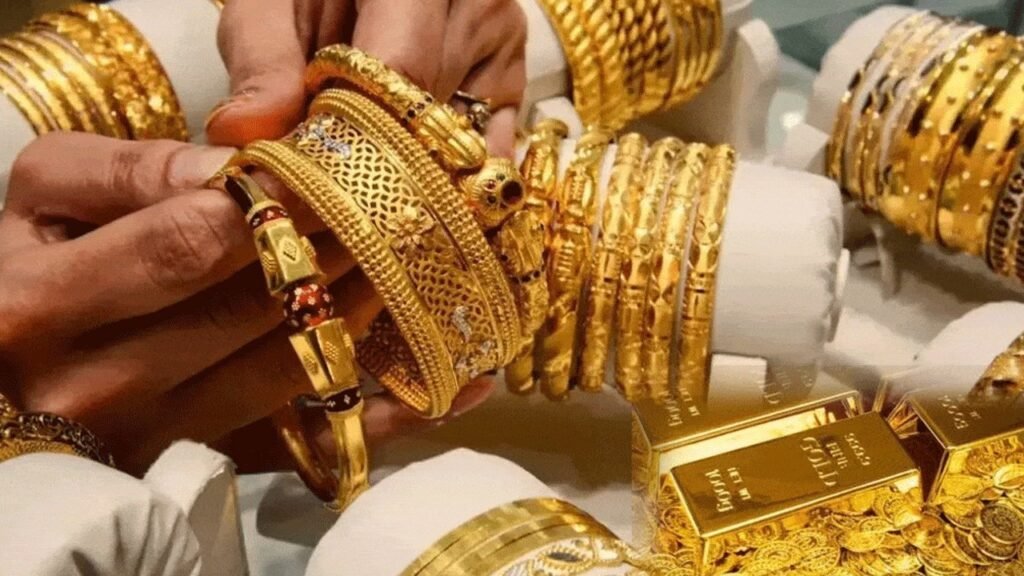
The gold price in Pakistan recorded a noticeable decline on Thursday, offering a moment of relief to buyers after weeks of strong upward momentum in the bullion market. According to the All-Pakistan Gems and Jewelers Sarafa Association, the price of 24-karat gold dropped by Rs2,800 per tola, bringing the new rate to Rs537,162 per tola in local markets. Read More: https://theboardroompk.com/iran-vows-us-will-bitterly-regret-warship-sinking-as-conflict-enters-sixth-day/ The latest adjustment highlights the volatile nature of Pakistan’s gold market, which is heavily influenced by global bullion trends, currency fluctuations, and investor sentiment. Despite the daily drop, gold continues to maintain historically high levels, reflecting its role as a preferred safe-haven asset for investors and households alike. For many Pakistanis, gold is not only a precious metal but also a traditional store of value and a key part of savings and wedding investments. Gold Price in Pakistan: Updated Local Rates The downward trend was also visible across other gold measurements in the domestic market. The 24-karat gold price per 10 grams fell by Rs2,401, settling at Rs460,529. Meanwhile, 22-karat gold, commonly used for jewelry in Pakistan, was quoted at Rs422,166 per 10 grams. In simple terms, while today’s drop offers short-term relief for buyers, the overall trend remains strong, particularly when compared to prices recorded earlier in the year. Market analysts note that such fluctuations are typical in commodity markets, especially when global economic signals remain uncertain. Silver Prices Also Slide in the Domestic Market Alongside the gold price in Pakistan, silver prices also moved downward in the local bullion market. The price of 24-karat silver declined by Rs194 per tola, reaching Rs8,810, while the 10-gram silver rate dropped by Rs166 to Rs7,553. Although silver is often overshadowed by gold in Pakistan’s investment landscape, it remains an important industrial metal and an accessible alternative for small investors looking to hedge against inflation. Global Gold Market Trends Driving the Gold Price in Pakistan The gold price in Pakistan is closely tied to international bullion markets. Globally, spot gold traded near $5,179 per ounce, showing a modest increase of $14.6 or 0.28% during the latest trading session. Several global factors are supporting gold demand: • Geopolitical tensions in the Middle East, which traditionally push investors toward safe-haven assets like gold• A weaker U.S. dollar, making gold more attractive for global buyers• Ongoing economic uncertainty in major markets These factors collectively help sustain strong demand for gold worldwide, which in turn impacts domestic prices in Pakistan. Why Pakistanis Closely Watch the Gold Price in Pakistan For consumers and investors alike, the gold price in Pakistan remains one of the most closely monitored financial indicators in the country. Gold plays multiple roles in the local economy: • Household savings and wealth preservation• Jewelry purchases for weddings and cultural events• A hedge against inflation and currency depreciation Because Pakistan imports most of its gold, the local price is directly influenced by the international bullion rate and the rupee-dollar exchange rate. Market Outlook: What’s Next for Gold? While today’s decline may signal short-term cooling, analysts suggest that the broader trend for gold remains bullish due to global uncertainty and persistent demand for safe-haven assets. If geopolitical tensions escalate or the U.S. dollar continues to weaken, the gold price in Pakistan could once again move upward in the coming weeks. For investors, the current dip may present a strategic entry point, especially for those looking to diversify their portfolios with precious metals.

Scroll to Top