Author name: Web Desk

SECP Deregistration of LSE Capital Limited Signals Shift in Pakistan’s Modaraba Sector
Pakistan

SECP Deregistration of LSE Capital Limited Signals Shift in Pakistan’s Modaraba Sector

The SECP deregistration of LSE Capital Limited has drawn attention within Pakistan’s financial and capital markets community. The decision, approved by the Securities and Exchange Commission of Pakistan (SECP), formally ends the company’s status as a licensed Modaraba Management Company, signaling an important regulatory development in the country’s Islamic finance landscape. In a notice submitted to the Pakistan Stock Exchange (PSX), the company confirmed that the Registrar of Modaraba Companies at SECP approved its request for voluntary de-registration. The approval came through an official communication, effectively removing LSE Capital Limited from the list of licensed Modaraba management entities. The move takes immediate effect under the provisions of the Modaraba Companies and Modaraba (Floatation and Control) Ordinance, 1980, the legal framework governing Modaraba operations in Pakistan. Understanding the SECP Deregistration of LSE Capital Limited The SECP deregistration of LSE Capital Limited occurred after the company voluntarily applied to relinquish its Modaraba Management Company license. In simple terms, a Modaraba Management Company manages Islamic investment vehicles known as Modarabas financial structures based on profit-sharing principles compliant with Islamic finance rules. With SECP accepting the application, the firm’s authorization to operate in this capacity has been revoked with immediate effect. The development reflects a procedural regulatory step rather than a punitive action. Voluntary deregistration often occurs when companies restructure their business models, exit certain financial activities, or shift focus to other areas within the financial services sector. Regulatory Compliance and Market Communication Following the SECP deregistration of LSE Capital Limited, the company also requested the Pakistan Stock Exchange to circulate the information among all Trading Right Entitlement Certificate (TREC) holders. This step ensures transparency and keeps market participants informed about changes in the regulatory standing of financial institutions operating within Pakistan’s capital markets. Such notifications are a standard requirement in regulated markets, where any change in licensing or operational status must be publicly disclosed to protect investors and maintain market integrity. What the Deregistration Means for the Modaraba Sector While the SECP deregistration of LSE Capital Limited directly affects only one company, it also highlights broader dynamics within Pakistan’s Modaraba sector. Modarabas have historically played an important role in the country’s Islamic financial system by offering Shariah-compliant investment opportunities. However, the sector has experienced evolving challenges and transformations in recent years. Key aspects of the development include: Regulatory OversightThe decision underscores SECP’s continued monitoring and regulation of Modaraba management companies to ensure compliance with the governing ordinance. Corporate Strategy AdjustmentsVoluntary deregistration may signal a strategic shift by LSE Capital Limited, potentially indicating a move toward alternative financial services or corporate restructuring. Market TransparencyBy informing the PSX and its TREC holders, the regulatory process ensures that investors and market stakeholders remain aware of changes in licensing status. A Closer Look at the Legal Framework The Modaraba Companies and Modaraba (Floatation and Control) Ordinance, 1980 remains the central legislation governing Modaraba operations in Pakistan. Under this ordinance: • Companies must obtain a license from SECP to operate as Modaraba Management Companies.• The SECP has authority to grant, suspend, or cancel licenses.• Firms may apply for voluntary deregistration if they decide to cease managing Modaraba operations. The SECP deregistration of LSE Capital Limited therefore represents a regulatory action carried out strictly within this legal framework. Final Thoughts The SECP deregistration of LSE Capital Limited marks the formal conclusion of the company’s role as a Modaraba Management Company in Pakistan’s financial sector. While the move may appear procedural, developments like these often spark curiosity among investors and market watchers. They highlight the constant evolution of Pakistan’s financial ecosystem where regulatory oversight, corporate strategy, and market transparency continue to shape the future of the capital markets. As Pakistan’s Islamic finance industry grows and adapts, such regulatory updates provide valuable insight into the changing dynamics of the sector.

Pakistan Petroleum Supply: Government Orders Crackdown on Hoarding Amid Global Oil Disruptions
Pakistan

Pakistan Petroleum Supply: Government Orders Crackdown on Hoarding Amid Global Oil Disruptions

Pakistan petroleum supply has come under intense scrutiny as the government moves swiftly to prevent panic buying and artificial shortages during rising geopolitical tensions in the Middle East. Prime Minister Shehbaz Sharif chaired a high-level meeting on petroleum products on Friday, directing provincial governments to take strict legal action against hoarding and manipulation of fuel supplies. The urgent meeting followed growing uncertainty in global oil markets as conflict involving Israel, Iran, and the United States continues to disrupt international shipping lanes particularly around the strategically critical Strait of Hormuz, one of the world’s busiest oil transit routes. Despite the uncertainty, the government reassured the public that Pakistan petroleum supply remains sufficient to meet domestic demand. Government Orders Crackdown on Fuel Hoarding During the briefing by the Prime Minister’s Office, officials confirmed that petroleum reserves are currently adequate. However, to prevent market manipulation, the prime minister issued strict instructions: • Immediate closure of petrol pumps involved in artificial shortages• Cancellation of operating licences of violators• Legal action against hoarders and illegal traders The directive signals a zero-tolerance approach toward profiteering during a potential energy crisis. Authorities believe that speculative hoarding during geopolitical uncertainty can trigger unnecessary panic and disrupt the Pakistan petroleum supply chain, even when actual reserves remain stable. Real-Time Monitoring System for Pakistan Petroleum Supply To improve transparency and oversight, the government has also ordered the creation of a real-time petroleum monitoring dashboard. The digital system will track fuel transportation and inventory movement across the country, enabling federal and provincial authorities to monitor supply levels and distribution patterns instantly. The initiative aims to eliminate supply bottlenecks and prevent black-market activity. The meeting was attended by senior officials including Deputy Prime Minister Ishaq Dar, Finance Minister Muhammad Aurangzeb, and State Bank of Pakistan Governor Jameel Ahmad, along with chief secretaries from all provinces and administrative regions. Global Oil Disruptions Could Challenge Pakistan Petroleum Supply While current reserves are adequate, officials warned that prolonged conflict in the Middle East could eventually impact global oil logistics. Shipping through the Strait of Hormuz which carries nearly one-fifth of global oil supply has already slowed due to heightened security risks. Finance Minister Muhammad Aurangzeb cautioned that the situation could worsen if the conflict continues, potentially increasing fuel import costs and disrupting Pakistan’s energy supply chain. To mitigate the risk, Pakistan has formally approached Saudi Arabia for alternative oil transportation routes through the Red Sea, ensuring continuity in fuel shipments if Gulf shipping lanes remain restricted. Weekly Petroleum Pricing to Reflect Rising Global Costs Another major policy change under consideration is the introduction of weekly petroleum price adjustments, expected to begin from March 8. The move will allow the government to pass on rapidly changing international costs to consumers more quickly. These adjustments may reflect: • Rising shipping freight charges• Higher war risk insurance premiums• Global crude price volatility Officials believe this approach will help maintain fiscal stability while keeping the Pakistan petroleum supply system financially sustainable. Emergency Energy Plan Includes Work-From-Home and Carpooling In preparation for a possible prolonged crisis, the government is also reviving several COVID-era conservation measures aimed at reducing fuel consumption. These include: • Work-from-home policies for selected sectors• Distance learning where feasible• Carpooling initiatives to reduce fuel demand The measures are part of a broader national action plan designed to minimize foreign exchange losses and safeguard Pakistan’s energy security. The strategy is expected to be formally approved by the Economic Coordination Committee after final review by the prime minister. Pakistan Petroleum Supply: Stability Today, Vigilance for Tomorrow For now, officials insist that Pakistan petroleum supply remains stable and the public should not panic. However, with global tensions escalating and energy markets becoming increasingly volatile, the government is moving proactively to ensure fuel security. The coming weeks will reveal whether contingency plans, alternative supply routes, and stricter market oversight can shield Pakistan from the ripple effects of a widening regional conflict.

Trump Energy Agenda Drives Record Oil Output as U.S. Grants Temporary Waiver to India
World

Trump Energy Agenda Drives Record Oil Output as U.S. Grants Temporary Waiver to India

The Trump Energy Agenda is once again making headlines as the United States records the highest levels of oil and gas production in its history. According to a statement shared by U.S. Treasury officials, the surge reflects Washington’s continued push toward energy dominance and global supply stability. The development signals a major shift in global energy dynamics. With domestic production hitting unprecedented levels, the United States has strengthened its position as one of the world’s most influential energy suppliers. Industry observers say the strategy has not only boosted output but also helped cushion global markets from supply shocks. At the same time, Washington has taken a short-term diplomatic step aimed at maintaining stability in international oil flows. Trump Energy Agenda and the Temporary Waiver for India As part of a broader strategy tied to the Trump Energy Agenda, the U.S. Treasury Department has issued a temporary 30-day waiver allowing Indian refiners to purchase Russian oil. Officials say the decision is designed to prevent disruptions in the global energy market while ensuring that supply continues flowing to major importers. However, the waiver is deliberately limited in scope. According to U.S. authorities, it primarily permits transactions involving Russian oil cargoes that are already stranded at sea, meaning the policy will have minimal financial impact on Moscow. The short timeframe reflects Washington’s intention to stabilize markets without undermining broader geopolitical and economic objectives. Why the Waiver Matters for Global Energy Markets Energy analysts say the move highlights how interconnected global oil markets have become. Sudden disruptions in supply can quickly trigger price spikes, inflationary pressures, and geopolitical tensions. By allowing a short window for Indian refiners to process already-shipped Russian oil, the United States aims to ensure that supply chains continue functioning smoothly. In practical terms, the waiver provides three immediate market benefits: • Maintaining supply continuity: Oil shipments already en route will reach refiners instead of remaining idle at sea.• Reducing price volatility: Preventing supply disruptions helps stabilize global oil prices.• Avoiding logistical bottlenecks: Clearing stranded cargo prevents congestion in shipping and storage networks. Officials emphasized that the decision is a temporary stabilization measure, not a long-term policy shift. Trump Energy Agenda and U.S.–India Energy Partnership Another important aspect of the Trump Energy Agenda is strengthening energy cooperation with strategic partners such as India. Washington views New Delhi as a crucial ally in global energy trade and expects that India will gradually increase imports of U.S. crude oil and energy products. Over the past decade, India has emerged as one of the world’s fastest-growing energy markets, driven by rapid industrialization and rising transportation demand. The United States, now one of the largest oil producers globally, is positioning itself as a reliable supplier for major energy-importing economies. Energy experts believe that deeper U.S.–India energy ties could reshape global trade flows by reducing reliance on politically sensitive supply sources. Countering Geopolitical Energy Pressures U.S. officials also framed the decision within the broader geopolitical landscape. According to Treasury statements, the temporary waiver may help ease pressure in energy markets influenced by regional tensions, including Iran’s actions affecting global oil supply routes. The strategy underscores a central pillar of the Trump Energy Agenda: using America’s growing energy capacity to stabilize markets while countering potential disruptions from geopolitical rivals. With domestic production at record levels and diplomatic tools such as targeted waivers in place, Washington appears determined to maintain both energy security and market stability. What Comes Next for Global Oil Markets? While the waiver lasts only 30 days, its implications may extend beyond the immediate timeframe. Market watchers will closely monitor whether India increases imports of U.S. crude and whether global oil supply remains stable amid geopolitical pressures. If current production trends continue, the Trump Energy Agenda could further strengthen the United States’ role as a central pillar of global energy supply reshaping trade relationships and influencing price dynamics worldwide. For now, one thing is clear: record-breaking U.S. production combined with strategic policy decisions is positioning Washington at the center of the global energy conversation.

Govt Appoints Hamed Yaqoob Sheikh Petroleum Secretary: Key Bureaucratic Move in Pakistan’s Energy Sector
External Sector

Govt Appoints Hamed Yaqoob Sheikh Petroleum Secretary: Key Bureaucratic Move in Pakistan’s Energy Sector

Hamed Yaqoob Sheikh Petroleum Secretary is the latest high-profile bureaucratic appointment announced by the Government of Pakistan, signaling a key administrative reshuffle in one of the country’s most critical economic sectors. The federal government has transferred and posted Hamed Yaqoob Sheikh, a BS-22 officer of the Pakistan Administrative Service (PAS), as Secretary of the Petroleum Division with immediate effect. The decision was formally communicated through a notification issued by the Establishment Division under the Cabinet Secretariat. The move is seen as part of routine but strategically important administrative changes aimed at strengthening governance in Pakistan’s energy sector an industry that remains central to the country’s economic stability and growth. Background of Hamed Yaqoob Sheikh Before becoming Hamed Yaqoob Sheikh Petroleum Secretary, Sheikh served as Secretary of the National Health Services, Regulations and Coordination Division. His transfer places him at the helm of the federal government’s most influential energy policy body. As a senior bureaucrat in the highest grade of Pakistan’s civil service, Sheikh brings extensive administrative experience to the role. His leadership will now be directed toward overseeing policy decisions and regulatory frameworks that shape Pakistan’s oil and gas sector. The Establishment Division confirmed that the appointment takes effect immediately and will remain valid until further notice, ensuring continuity in leadership within the petroleum sector. Why the Petroleum Division Matters The appointment of Hamed Yaqoob Sheikh Petroleum Secretary comes at a time when Pakistan’s energy sector faces multiple challenges, including energy supply constraints, exploration needs, and evolving global energy dynamics. The Petroleum Division plays a central role in managing the country’s oil and gas resources. Its responsibilities include overseeing exploration activities, regulating production, and coordinating national energy policy. In practical terms, the division acts as the government’s primary authority responsible for shaping the framework under which Pakistan’s energy industry operates. Core Responsibilities of the Petroleum Division Rather than a simple list, the division’s responsibilities can be better understood through its operational role in the energy ecosystem: • Oil and Gas Exploration Oversight: Supervising exploration activities and licensing agreements to ensure sustainable resource development.• Energy Policy Formulation: Developing national policies that guide the country’s petroleum and natural gas sectors.• Production and Supply Regulation: Monitoring production levels and supply chains to support domestic energy demand.• Industry Coordination: Acting as the federal government’s bridge between regulators, state-owned companies, and private sector operators. Through these functions, the Petroleum Division effectively shapes Pakistan’s long-term energy strategy. Administrative Reshuffle and Governance The posting of Hamed Yaqoob Sheikh Petroleum Secretary reflects the government’s ongoing administrative adjustments within the federal bureaucracy. Such changes are routine in Pakistan’s civil service system and are designed to ensure experienced officers lead key strategic departments. Energy remains one of the most sensitive and economically significant sectors for Pakistan. With rising energy demands and increasing focus on resource management, leadership within the Petroleum Division can directly influence policy direction and sector performance. The government’s decision to place a senior PAS officer in this role indicates the importance being attached to administrative oversight and policy implementation in the energy landscape. Official Notification and Implementation The formal notification announcing Hamed Yaqoob Sheikh Petroleum Secretary was issued from Islamabad by the Establishment Division under the Cabinet Secretariat. The directive has been circulated to all relevant government departments and institutions for immediate implementation. As is customary with such federal postings, the appointment remains effective until a subsequent notification is issued. Looking Ahead for Pakistan’s Energy Policy With Hamed Yaqoob Sheikh Petroleum Secretary, Pakistan’s petroleum sector enters a new administrative phase. The division he now leads will continue to play a decisive role in addressing energy security, improving resource management, and guiding future exploration initiatives. As Pakistan navigates global energy challenges and domestic supply needs, leadership within the Petroleum Division will remain critical to shaping the country’s energy future.

Trump: "If They Rise, They Rise" – Gas Prices No Match for Iran Mission
World

Trump: “If They Rise, They Rise” – Gas Prices No Match for Iran Mission

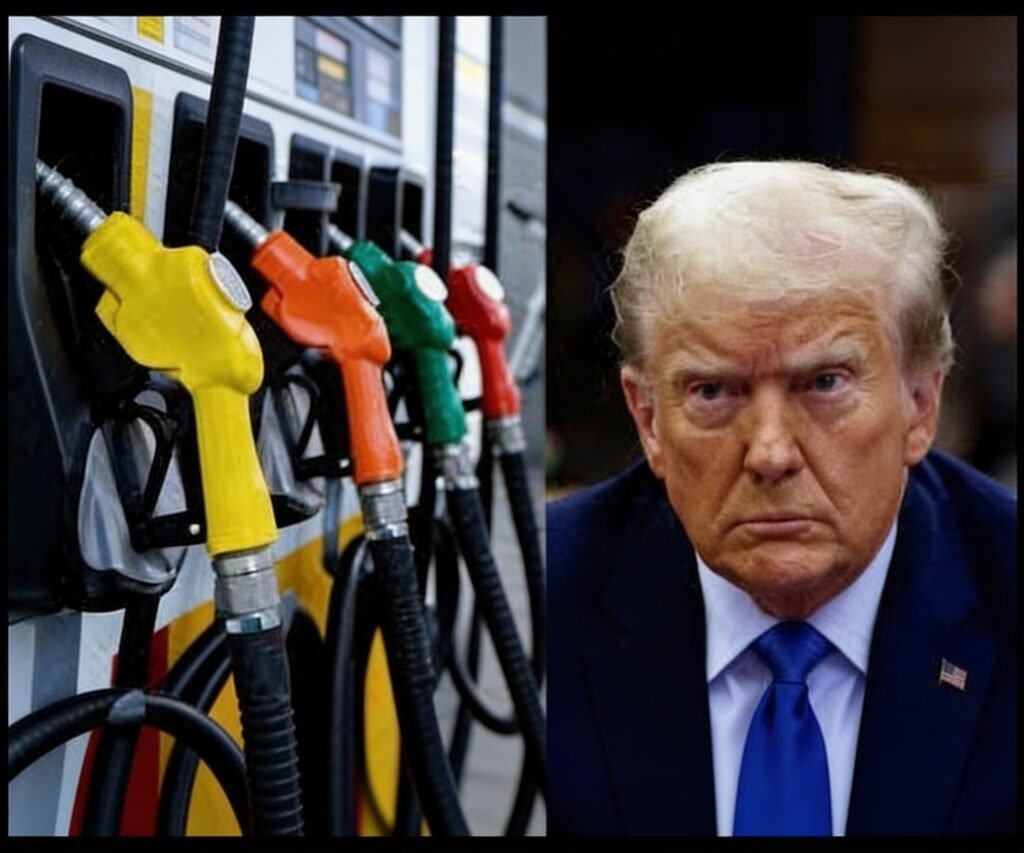
President Donald Trump has downplayed rising U.S. gasoline prices triggered by the ongoing military operation against Iran. In an exclusive Reuters interview on Thursday, he prioritized the campaign over fuel costs, stating that any price increases are temporary and less important than national security goals. Read More: https://theboardroompk.com/china-presses-iran-for-safe-passage-of-oil-and-gas-through-strait-of-hormuz/ Trump’s Blunt Response to Price Hikes Trump said he had “no concern” about higher pump prices. He remarked, “They’ll drop very rapidly when this is over, and if they rise, they rise, but this is far more important than having gasoline prices go up a little bit.” He claimed prices “haven’t risen very much” and predicted a quick rebound once the conflict ends. Military Priority and No SPR Release The president ruled out tapping the Strategic Petroleum Reserve, expressing confidence that the Strait of Hormuz would stay open. He noted Iran’s navy has been “rendered ineffective” by U.S. actions. Trump estimated the operation would last four to five weeks. National average gas prices have climbed 27 cents in a week to $3.25 per gallon, per AAA data, amid a 16% jump in global oil prices since strikes began on Saturday. The comments mark a shift from Trump’s recent boasts about low gas prices in his State of the Union address and a Texas energy rally. White House officials are exploring short-term measures like federal tax holidays and naval escorts for tankers, but Trump emphasized the geopolitical stakes outweigh economic discomfort. Rising costs pose risks for Republicans ahead of midterms, with voters sensitive to living expenses.

Pentagon Labels AI Firm Anthropic a Supply-Chain Risk in Escalating Clash
World

Pentagon Labels AI Firm Anthropic a Supply-Chain Risk in Escalating Clash

The U.S. Pentagon has formally designated artificial intelligence company Anthropic as a “supply-chain risk” to national security, effective immediately. A senior defense official confirmed the move to Reuters on Thursday, barring government contractors from using Anthropic’s technology, including its Claude AI model, in U.S. military work. The decision follows weeks of failed negotiations over safeguards on military AI applications. Dispute Over AI Safeguards Intensifies The core conflict stems from Anthropic’s strict policies prohibiting Claude’s use in autonomous weapons or mass surveillance. Pentagon officials argued these restrictions limit necessary flexibility for lawful military operations. A source familiar with the matter revealed Claude has supported U.S. military efforts in Iran, including intelligence analysis and operational planning amid ongoing strikes. Unprecedented Action and Anthropic’s Response This marks the first time a U.S. company has received such a designation, typically reserved for foreign entities like China’s Huawei. Anthropic CEO Dario Amodei described the label as having a “narrow scope,” applying only to direct use in Department of War contracts—not broader commercial activity by defense-linked customers. He vowed to challenge the designation in court and noted ongoing talks about potential military collaboration without removing key safeguards. Microsoft, an investor, affirmed Claude remains available to non-defense users via its platforms. The move highlights growing tensions between AI safety priorities and national security demands under the Trump administration, which has renamed the Defense Department the “Department of War.”

Gulf Airlines Restart Partial Services Amid Missile Threats in Iran Conflict
World

Gulf Airlines Restart Partial Services Amid Missile Threats in Iran Conflict

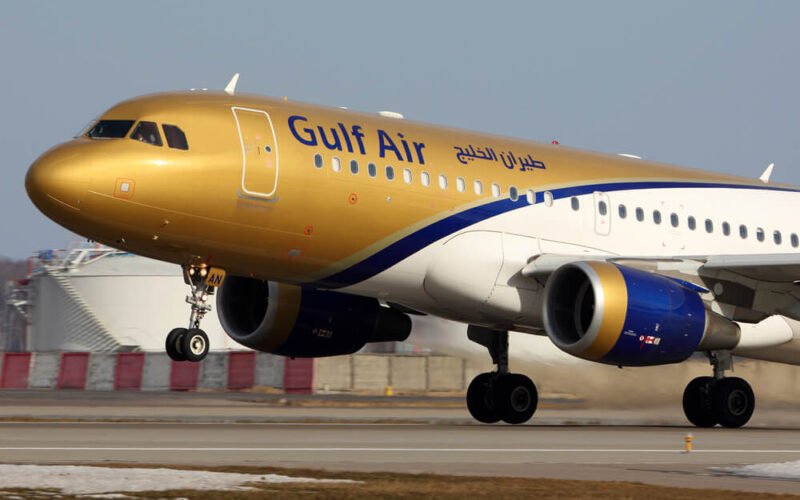
Emirates and Etihad Airways began resuming limited flight operations from their UAE hubs on Friday, offering some relief to stranded travelers. Read More: https://theboardroompk.com/china-presses-iran-for-safe-passage-of-oil-and-gas-through-strait-of-hormuz/ However, persistent missile fire and regional instability continue to create uncertainty, as most Middle Eastern airspace remains closed due to the ongoing U.S.-Israel war against Iran that started February 28. Limited Schedules from Dubai and Abu Dhabi Emirates announced a reduced schedule to 82 destinations, including London, Sydney, Singapore, and New York, until further notice. Transit passengers are accepted only if their connecting flight operates. Etihad Airways resumed services through March 19 to around 70 cities from Abu Dhabi, such as London, Paris, Frankfurt, Delhi, New York, Toronto, and Tel Aviv. Qatar Airways’ Doha hub stays shut, with only limited relief flights routed via Oman and Saudi Arabia. Missile Risks and Broader Disruptions A government-chartered Air France flight repatriating French nationals from the UAE turned back on Thursday due to missile activity, highlighting ongoing dangers. French Transport Minister Philippe Tabarot called it reflective of regional instability. Over 25,000 of 44,000 scheduled Middle East flights from February 28 to March 5 were canceled. Dubai Airport operates at about 25% capacity, with traffic slowly increasing. Jet fuel prices hit record highs before easing, pressuring airlines already facing revenue losses. \Fitch Ratings warned of prolonged impacts from higher fuel costs. Tens of thousands remain stranded, relying on charters and sparse commercial options. The conflict shows no quick resolution, keeping aviation recovery fragile.

China Presses Iran for Safe Passage of Oil and Gas Through Strait of Hormuz
World

China Presses Iran for Safe Passage of Oil and Gas Through Strait of Hormuz

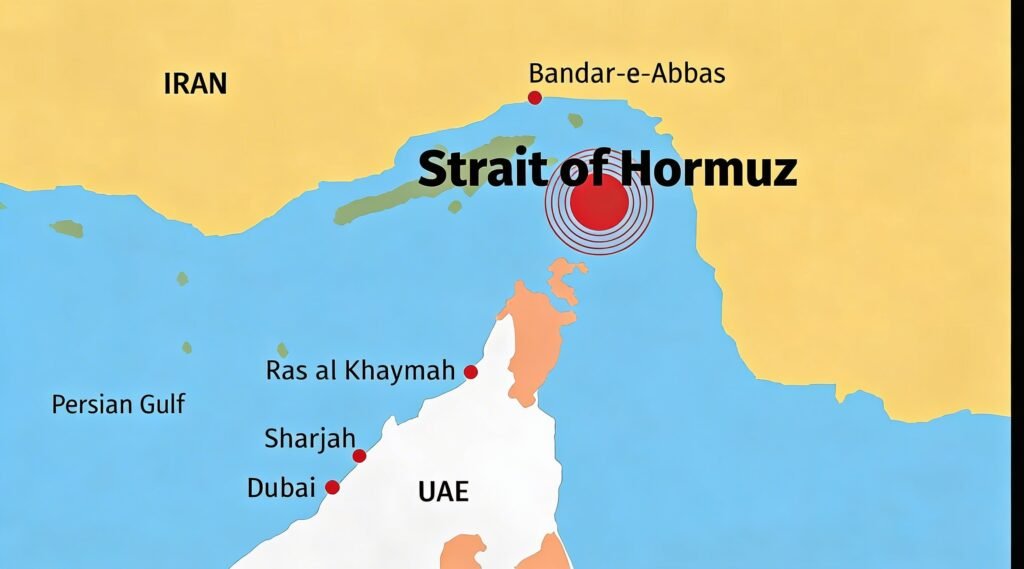
China is actively negotiating with Iran to secure safe transit for crude oil and Qatari liquefied natural gas (LNG) vessels through the Strait of Hormuz. Read More: https://theboardroompk.com/24-u-s-states-file-lawsuit-to-block-trumps-new-10-global-tariffs/ Three diplomatic sources told Reuters on Thursday that Beijing is urging Tehran to ease restrictions amid the intensifying U.S.-Israeli war on Iran, now in its sixth day, which has virtually shut down the vital chokepoint. Diplomatic Push Amid Heavy Reliance China, Iran’s key economic partner and buyer of most of its oil, is displeased with Tehran’s actions paralyzing shipping. The world’s second-largest economy sources about 45% of its crude imports via the Strait. Sources say China is pressing for exemptions, particularly for energy cargoes, to prevent further market chaos and protect its supplies. Limited Transits and Market Strain Ship tracking data revealed one vessel, the Iron Maiden, passed after switching to “China-owner” signaling, but far more are needed to stabilize prices. Iran’s government has barred U.S., Israeli, European, and allied vessels, while allowing some Chinese or Iranian-owned ships selectively. Traffic dropped sharply from an average 24 vessels daily to just four on March 1. Around 300 tankers remain trapped inside or outside the Strait, per Vortexa and Kpler data. Oil prices have risen over 15% since hostilities began on February 28, with attacks on Gulf facilities and ships fueling inflation fears globally. The disruption cuts off roughly a fifth of world oil and LNG flows, heightening risks for Asian importers.

24 U.S. States File Lawsuit to Block Trump's New 10% Global Tariffs
World

24 U.S. States File Lawsuit to Block Trump’s New 10% Global Tariffs

A coalition of 24 mostly Democratic-led U.S. states sued the Trump administration on Thursday in the U.S. Court of International Trade in New York. This marks the first major legal challenge to President Donald Trump’s newly imposed 10% tariffs on imports from all countries, enacted under Section 122 of the Trade Act of 1974 following a Supreme Court defeat. Read More: https://theboardroompk.com/china-unveils-massive-10-passenger-electric-aircraft-matrix-in-flight-demo/ Challenge to Executive Authority The states, including California, New York, Oregon, Arizona, and others (with Pennsylvania and Kentucky led by Democratic governors despite Republican attorneys general), argue the tariffs illegally sidestep a February 20, 2026, Supreme Court ruling that struck down most prior Trump tariffs under the International Emergency Economic Powers Act. They claim Section 122 is meant for short-term monetary crises, not chronic trade imbalances, and violates congressional authority over taxes and trade. Economic Harm and Administration Defense Oregon Attorney General Dan Rayfield called the policy “historically unpopular,” estimating costs in the “hundreds of billions” to Americans, businesses, and states. The lawsuit seeks to declare the tariffs invalid and refund payments already collected. White House spokesperson Kush Desai defended the action, stating the president uses congressionally granted authority to address “large and serious” balance-of-payments deficits. Treasury Secretary Scott Bessent indicated rates could rise to 15% soon. The tariffs, limited to 150 days without congressional extension, follow Trump’s swift response to the Supreme Court loss. Broader trade tensions continue, with separate refunds pending for over $130 billion in invalidated prior duties.

China and India Dominate Billion-Dollar Car Exports to Middle East Amid Iran War Disruptions
Auto

China and India Dominate Billion-Dollar Car Exports to Middle East Amid Iran War Disruptions

Chinese and Indian automakers lead vehicle shipments worth billions to the Middle East, a vital market now threatened by the U.S.-Israel war against Iran entering its seventh day. Shipping through the Strait of Hormuz has nearly halted due to fears of Iranian attacks, snarling routes for Asian exporters reliant on the Gulf for growth. Read More: https://theboardroompk.com/china-unveils-massive-10-passenger-electric-aircraft-matrix-in-flight-demo/ Key Export Figures and Players In 2025, China exported 8.32 million vehicles globally, with 1.39 million (about one-sixth) heading to Gulf nations like Saudi Arabia and the UAE. Major players include Chery, BYD, SAIC Motor, Changan, and Geely, plus joint ventures from Kia, Hyundai, and Toyota. India shipped $8.8 billion in cars last year, with 25% ($2.2 billion) to the Middle East, mainly Saudi Arabia. Hyundai’s India operations sent half its $1.8 billion global exports to the Gulf, while Toyota routed over $300 million (two-thirds of its India exports) there. Conflict’s Immediate Toll The Strait closure risks billions in trade as vessels idle or reroute. Toyota plans to cut production by nearly 40,000 vehicles for Middle East markets due to logistics issues. South Korea exported $5.3 billion to the region (from $72 billion total), and Japan’s Toyota sent over 320,000 units (15%+ of its exports). The Middle East offsets weak domestic demand in China and provides high-margin opportunities. Disruptions could force delays, higher costs, and lost sales, pressuring automakers already facing global slowdowns in 2026 projections.

Scroll to Top