Author name: Web Desk

Textile Sector Sounds Alarm: APTMA Seeks 30-Day Fix for Export-Delaying Issues
Uncategorized

Textile Sector Sounds Alarm: APTMA Seeks 30-Day Fix for Export-Delaying Issues

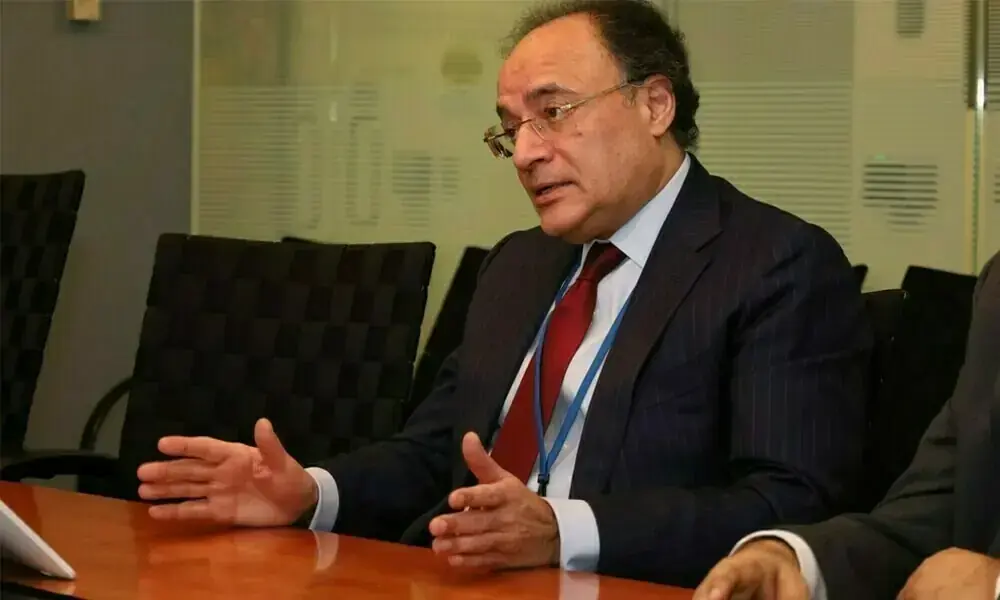
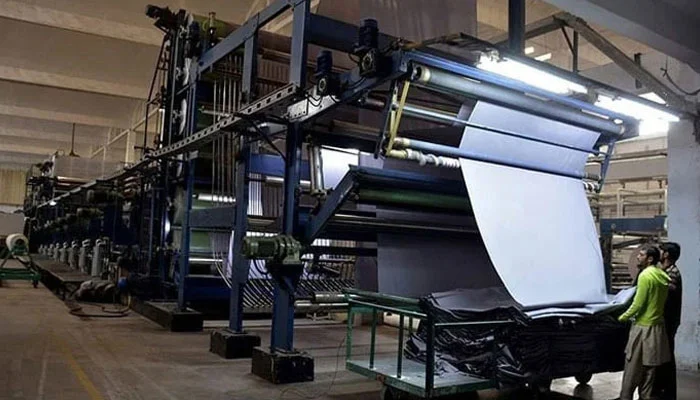
The All Pakistan Textile Mills Association (APTMA) has urgently called on the government to form an emergency task force to tackle escalating bottlenecks at ports and customs, which are severely hampering the textile industry’s operations and export performance. Read More: https://theboardroompk.com/foreign-office-rebuts-claims-pakistan-could-threaten-us-territory/ In a letter to Adviser to the Prime Minister Dr. Syed Tauqeer Hussain Shah, APTMA Chairman Kamran Arshad described the situation as “deeply alarming and rapidly deteriorating,” warning that daily delays are causing exporters to lose orders, workers to face job risks, and the nation to forfeit valuable foreign exchange. Systemic Delays and Inefficiencies Highlighted APTMA pointed to prolonged clearance times averaging 10 days—far exceeding the global standard of 2-3 days—due to excessive scanning under the National Logistics Cell regime, multi-step examinations, and grounding of containers. Issues include indiscriminate scrutiny without risk-based targeting, overlapping checks by multiple agencies like Customs Intelligence and Post Clearance Audit, and failures in the faceless assessment system, leading to arbitrary valuations, disputes, and technical glitches in WeBOC. Terminal congestion at facilities like KICT and SAPT, equipment shortages, and delays from the Plant Protection Department for key inputs such as cotton and jute further compound the problems, resulting in demurrage, detention charges, and supply chain disruptions. Call for Immediate Task Force Intervention The association proposed an emergency task force involving the Federal Board of Revenue, Ministry of Commerce, Ministry of Finance, APTMA, and trade representatives to resolve these issues within 30 days. It emphasized the need for mandatory service timelines at terminals with penalties for non-compliance, WTO-compliant risk-based processes, and elimination of overlapping regulations to restore efficiency. APTMA stressed that the textile sector, contributing around 60% of national exports and employing over 15 million directly, faces irreversible damage if delays persist, risking permanent order losses to competitors like Bangladesh, Vietnam, and Turkey. These challenges come amid broader pressures on exporters, with cumulative monthly losses in millions from penalties, production halts, and higher costs. The plea underscores the critical role of timely customs and port facilitation in sustaining Pakistan’s export growth trajectory and industrial competitiveness.

Foreign Office Rebuts Claims Pakistan Could Threaten US Territory
Pakistan

Foreign Office Rebuts Claims Pakistan Could Threaten US Territory

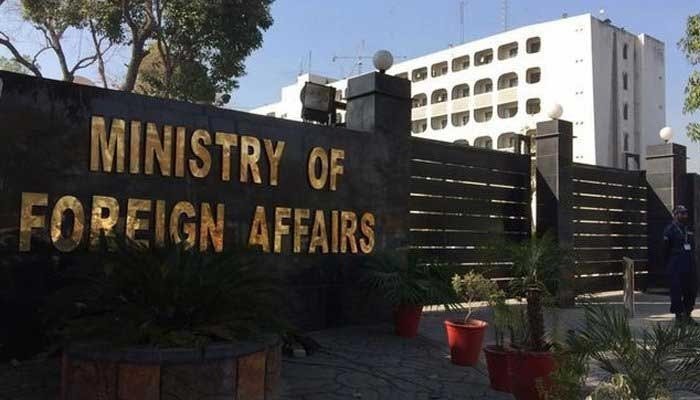
Islamabad has vehemently pushed back against US intelligence assessments suggesting Pakistan’s ballistic missile advancements could eventually endanger the American mainland. Read More: https://theboardroompk.com/pakistani-eid-movies-2026-can-local-cinema-win-back-audiences-this-festive-season/ The rejection followed remarks by US Director of National Intelligence Tulsi Gabbard, who warned in a Senate briefing that Pakistan’s ongoing missile developments might include intercontinental ballistic missiles (ICBMs) capable of reaching US territory if trends persist. Defensive Doctrine Reaffirmed Foreign Office spokesperson Tahir Andrabi stated that Pakistan “categorically rejects” the claims of a potential threat from its missile capabilities. He emphasized that the country’s strategic systems are “exclusively defensive,” designed to safeguard sovereignty and maintain regional peace amid South Asian dynamics. Pakistan’s program, he added, stays “well below intercontinental range” and is anchored in credible minimum deterrence specifically vis-à-vis India. Call for Balanced US Approach Andrabi highlighted India’s longer-range missiles—exceeding 12,000 km—as extending beyond local security needs and raising broader concerns. He appealed to Washington for evaluations that reflect factual South Asian imperatives rather than unsubstantiated extrapolations. The Foreign Office reiterated Pakistan’s readiness for engagement with the US on principles of respect and accuracy, while questioning the timing and foundation of the intelligence assertions. This diplomatic exchange occurs against a backdrop of prior US sanctions on Pakistan’s missile entities and recurring concerns over proliferation risks. Pakistan maintains its capabilities serve deterrence in a bilateral context with India, not extraterritorial ambitions. The public dismissal seeks to clarify intent and counter perceptions of emerging global threats. Observers note that while short-term friction may arise, sustained dialogue could address mutual security interests in an increasingly complex geopolitical landscape.

Pakistani Eid Movies 2026: Can Local Cinema Win Back Audiences This Festive Season?
Pakistan

Pakistani Eid Movies 2026: Can Local Cinema Win Back Audiences This Festive Season?

Pakistani Eid Movies 2026 are arriving with cautious optimism as the country’s film industry attempts to reconnect with audiences during one of the most important festive seasons. While Eidul Fitr has traditionally been a strong window for cinema releases, this year carries a mix of excitement, uncertainty, and economic pressure. Read More: https://theboardroompk.com/dollar-weakens-as-oil-surge-forces-global-central-banks-hawkish/ Pakistan’s film industry has struggled for decades with inconsistent production, limited funding, and declining cinema culture. However, recent initiatives like the Punjab government’s film fund aim to breathe new life into the sector by providing financial support and encouraging filmmakers to take creative risks. Why Pakistani Eid Movies 2026 Matter More Than Ever The importance of Pakistani Eid Movies 2026 goes beyond entertainment. These films represent an opportunity to revive cinema-going habits in a country where audiences have increasingly shifted toward digital platforms. However, external factors are shaping the industry’s trajectory. The ongoing geopolitical tensions in the Middle East have indirectly impacted Pakistan’s economy, leading to rising fuel prices. For the average Pakistani family, a trip to the cinema now involves higher transportation costs and expensive tickets making it less accessible than before. As a result, filmmakers and cinema owners are facing a crucial question: can compelling storytelling bring audiences back to theaters? Pakistani Eid Movies 2026 Lineup: What’s Releasing This Year? This Eidul Fitr, three local films are set to hit both multiplexes and traditional cinema screens, each offering a different genre and audience appeal. Aag Lagay Basti Mein: A Romantic Escape Leading the lineup is Aag Lagay Basti Mein, directed by Bilal Atif Khan. The film has already generated buzz due to its star-studded cast featuring Mahira Khan and Fahad Mustafa. Positioned as a light-hearted romantic story, it aims to attract audiences looking for feel-good entertainment during the festive season. Bullah: Action and the Return of a Legend Another major highlight among Pakistani Eid Movies 2026 is Bullah, written by Nasir Adeeb and directed by Shoaib Khan. The film marks the much-anticipated return of Shaan Shahid to the big screen after a long break. With a cast that includes Sara Loren, Saleem Sheikh, and Adnan Butt, Bullah promises high-energy action and strong performances elements that traditionally perform well with mass audiences. Delhi Gate: A Story Rooted in Lahore Delhi Gate, directed by Nadeem Cheema, offers a more grounded narrative. The film explores the intersecting lives of a journalist and a software engineer in Lahore’s historic Delhi Gate area. Featuring seasoned actors like Shafqat Cheema and Javed Sheikh, the film targets viewers who appreciate storytelling with depth and cultural context. A Subdued Release Season: Where Is the Hype? One noticeable trend surrounding Pakistani Eid Movies 2026 is the lack of traditional promotional excitement. Film premieres, once grand and media-heavy events, have either been scaled down or skipped entirely. This muted approach reflects the broader global environment, where economic uncertainty and shifting audience behavior have forced the entertainment industry to rethink its marketing strategies. Additionally, some films are still awaiting censor approvals, adding another layer of unpredictability to their release timelines. Hollywood Competition Adds Pressure Adding to the competition this Eid is the Hollywood sci-fi film Project Hail Mary, starring Ryan Gosling. With its high production value and global appeal, it is expected to draw significant attention, particularly among younger audiences in urban centers. For local filmmakers, this presents both a challenge and an opportunity to prove that Pakistani stories can stand strong alongside international productions. The Big Question: Will Audiences Return to Cinemas? The success of Pakistani Eid Movies 2026 ultimately depends on audience turnout. While there is undeniable excitement around new releases, economic realities cannot be ignored. Cinema owners and filmmakers are hoping that the festive spirit of Eidul Fitr will encourage families and friends to return to theaters, even if only for a few hours of shared entertainment. Final Thoughts: A Turning Point for Pakistani Cinema Pakistani Eid Movies 2026 could mark a turning point for the country’s film industry. With a mix of romance, action, and socially relevant storytelling, this year’s lineup has the potential to reconnect audiences with the big-screen experience. However, long-term revival will require more than just seasonal releases. Sustainable investment, consistent content production, and affordable cinema experiences will be key to rebuilding Pakistan’s cinematic culture.

Dollar Weakens as Oil Surge Forces Global Central Banks Hawkish
World

Dollar Weakens as Oil Surge Forces Global Central Banks Hawkish

The US dollar fell from recent multi-month peaks this week as surging energy costs, fueled by the ongoing US-Israeli conflict with Iran, reshaped global monetary policy expectations. The dollar index held near 99.359 but posted a 1.1% weekly drop, its sharpest since late January. Read More: https://theboardroompk.com/oil-prices-drop-as-us-allies-move-to-secure-hormuz-and-boost-supply/ This reversal came despite earlier safe-haven gains, as other major central banks signaled readiness to tighten policy in response to inflation risks from disrupted oil and gas supplies. Oil Surge Drives Policy Divergence Brent crude has climbed roughly 50% since late February when the war began, effectively shutting key Middle East export routes including the Strait of Hormuz. Prices eased slightly on Friday after US President Donald Trump urged Israel to avoid further strikes on Iranian energy sites following attacks that damaged a major Qatari gas facility. The energy shock has forced importers to face higher costs, pushing central banks outside the US toward hawkish stances to combat inflation. Central Banks Shift While Fed Holds Steady The European Central Bank kept rates at 2% but flagged energy-driven inflation risks, with markets now pricing in a potential hike by June. The Bank of England held steady yet hinted at readiness for tightening, while the Bank of Japan left the door open for an April move, supporting the yen. Australia’s RBA recently hiked for the second time, with more anticipated. In contrast, the Fed maintained rates, with Chair Jerome Powell noting it was premature to gauge the war’s full impact. J.P. Morgan analysts highlighted the ECB’s unusual sensitivity compared to the Fed’s patience amid two-sided risks to its mandate. This divergence weakened the dollar against peers: the euro rose 1.4% weekly to $1.1569, the yen gained 1.2% to around 157.88, sterling climbed over 1.5% to $1.3422, and the Australian dollar advanced 1.5% near 71 cents. While prolonged dollar weakness is seen as unlikely, analysts like Commonwealth Bank’s Carol Kong warn that an extended conflict could eventually revive greenback strength via safe-haven flows and US energy exporter status.

Oil Prices Drop as US, Allies Move to Secure Hormuz and Boost Supply
World

Oil Prices Drop as US, Allies Move to Secure Hormuz and Boost Supply

Oil prices declined on Friday amid coordinated international moves to ease supply concerns and ensure safe transit through the critical Strait of Hormuz. Brent crude futures dropped $1.24, or 1.1%, to $107.41 per barrel, while US West Texas Intermediate (WTI) fell $1.24, or 1.3%, to $94.90 per barrel. The retreat came after weeks of volatility driven by geopolitical tensions in the Middle East, including attacks on energy facilities that had previously pushed prices higher. Read More: https://theboardroompk.com/attacking-cheap-defending-expensive-drones-redefine-global-conflicts/ Allied Efforts to Secure Strait of Hormuz Leading European nations including Britain, France, Germany, Italy, the Netherlands, along with Japan, issued a joint statement expressing readiness to support safe passage for ships through the Strait of Hormuz. This vital chokepoint handles about 20% of the world’s oil and liquefied natural gas (LNG) flows. The pledge aims to reduce risks of disruptions that have contributed to recent supply fears and price spikes. US Signals Supply Boost Measures The United States outlined steps to increase global oil availability. Treasury Secretary Scott Bessent indicated potential removal of sanctions on Iranian oil currently stranded on tankers, alongside possible further releases from the US Strategic Petroleum Reserve (SPR) to curb soaring prices. Additionally, North Dakota’s crude output is expected to rise as operators restart inactive wells following the easing of winter restrictions, though this depends on sustained high prices and industry budgets. These developments offset earlier gains triggered by regional conflicts, including Iran’s strikes on Gulf state facilities that halted some production. US President Donald Trump emphasized restraint, stating he advised against attacks on Iranian energy infrastructure. While Brent remains on track for a weekly rise of over 4%, WTI faces its first weekly decline in five weeks, with the widest discount to Brent in 11 years. Market analysts view these supply-side actions as a stabilizing force, though long-term prices hinge on geopolitical outcomes and sustained production recovery.

https://theboardroompk.com/attacking-cheap-defending-expensive-drones-redefine-global-conflicts/
Auto

BYD-MMC Delivers 100 Atto 2 Vehicles Across Pakistan in a Single Day

Karachi, March 19, 2026 – Mega Motor Company (MMC), the official partner of BYD in Pakistan, marked another milestone in the country’s growing New Energy Vehicle (NEV) market by delivering 100 Atto 2 vehicles to customers nationwide in a single day. Read More: https://theboardroompk.com/attacking-cheap-defending-expensive-drones-redefine-global-conflicts/ Building on the momentum of BYD’s earlier launches and deliveries in Pakistan, this nationwide delivery milestone reflects the increasing adoption of electric mobility and the growing presence of BYD vehicles on roads across the country. The deliveries were carried out simultaneously across multiple cities through BYD experience centers and dealerships, highlighting the expanding footprint of BYD’s customer and retail network in Pakistan. Designed for urban mobility, the BYD Atto 2 offers a practical and cost-efficient electric driving solution for consumers seeking an alternative to conventional fuel vehicles. At a time of rising fuel costs, the vehicle combines affordability with advanced technology, modern design, and everyday practicality, making electric mobility more accessible to a wider segment of drivers. In addition to the Atto 2, BYD recently introduced its flagship Sealion 7 in Pakistan, with deliveries already underway. Together, these models reflect BYD’s expanding new energy vehicle portfolio in the country, offering advanced electric mobility solutions across different segments while strengthening the company’s presence in Pakistan’s evolving EV market.Commenting on the milestone, Lei Jian, Country Head, BYD Pakistan, said:“Pakistan represents an important market in BYD’s global vision for new energy mobility. As we continue to expand our portfolio here, our focus remains on making advanced electric vehicle technology accessible to more customers while supporting the country’s transition toward cleaner and more sustainable transportation.” Danish Khaliq, Vice President Sales & Strategy at BYD Pakistan-Mega Motor Company, added:“Reliability and customer trust are central to the BYD experience. As more BYD vehicles take to the roads across Pakistan, our priority is to ensure that customers receive not only advanced electric vehicles, but also a seamless ownership journey supported by strong service and customer care. The encouraging pace of EV adoption and the growing number of BYD vehicles already on the road reflect the increasing confidence Pakistani consumers have in electric mobility.” A customer receiving their Atto 2 at the delivery event shared their experience:“The whole process from booking to delivery was very smooth, and it feels great to finally receive the car. Getting the delivery just before Eid makes it even more special for my family. The team kept us informed throughout, and the experience at the delivery event was very well organised.” With more vehicles now reaching customers across the country, BYD-MMC expects to further accelerate the adoption of electric mobility in Pakistan, offering consumers a practical and efficient alternative to traditional fuel-powered vehicles.

Attacking Cheap, Defending Expensive: Drones Redefine Global Conflicts
Tech

Attacking Cheap, Defending Expensive: Drones Redefine Global Conflicts

The Israel-US war on Iran highlights how inexpensive attack drones are fundamentally transforming aerial warfare. Read More: https://theboardroompk.com/pakistans-coal-provider-exxaros-profit-jump-8-amid-war/ By enabling smaller or less affluent forces to challenge traditional air dominance, these low-cost unmanned systems are shifting the economics and tactics of conflict. This is evident in ongoing wars involving Ukraine, Russia, Iran, the U.S., and allies in the Middle East, where drones provide high-volume, affordable strikes that strain expensive defenses. The Rise of Affordable Drone Swarms Cheap drones, such as Iran’s Shahed-136 (costing $20,000–$50,000), have become a game-changer. Unlike high-end fighter jets like the U.S. F-35 or B-2 bombers, which require massive investments and trained pilots, these one-way attack drones can be produced at scale—Iran reportedly manufactures around 10,000 per month. They function like low-cost cruise missiles, carrying payloads and traveling long ranges (up to 2,000 km) before detonating on impact. This allows attackers to overwhelm air defenses through sheer numbers rather than precision alone. Economic Imbalance in Modern Conflicts The cost disparity is stark. A single Patriot missile interceptor can cost $3–4 million, enough to buy over 100 Shahed drones at lower estimates. In the Red Sea and Middle East operations, the U.S. Navy has spent over $1 billion countering Houthi drones and missiles since late 2023. Pentagon officials, including weapons buyer Bill LaPlante, have criticized this unsustainable equation, noting that defending against $50,000 drones with multimillion-dollar missiles is inefficient. Emerging countermeasures like lasers (costing $1–$10 per shot) and reusable interceptors offer hope, but traditional systems remain dominant for now. In Ukraine, drones account for roughly 70% of Russian casualties, enabling remote strikes that minimize human risk. Russia counters with its own Shahed fleets, while Ukraine adapts consumer quadcopters for warfare. The article warns that this trend lowers barriers to aerial attacks, forcing major powers to rethink procurement and embrace “affordable mass” strategies.

Pakistan's Coal Provider, Exxaro's Profit Jump 8% Amid War
Pakistan

Pakistan’s Coal Provider, Exxaro’s Profit Jump 8% Amid War

South Africa’s Exxaro Resources reported an 8% rise in full-year profit, announced on March 19, 2026, amid fluctuating global coal markets influenced by geopolitical tensions like the Iran conflict. Read More: https://theboardroompk.com/pakistan-launches-nationwide-crackdown-on-hawala-hundi-and-money-laundering-networks/ The company highlighted improved cost controls that offset lower coal prices, while forecasting higher exports in the coming year. Pakistan’s Reliance on South African Coal Pakistan remains a key destination for Exxaro’s thermal coal exports, alongside markets like India and Japan. South Africa, led by producers like Exxaro, has supplied a significant portion of Pakistan’s imported coal—around 54% in recent fiscal years—for power plants and industries. This includes higher-calorific-value coal suitable for blended use in plants such as Sahiwal, Port Qasim, and Hub. Impact of Global Volatility on Pakistani Energy The ongoing US-Iran conflict has rattled energy markets, potentially driving up coal prices and export opportunities for Exxaro, which anticipates exports reaching up to 8 million metric tons in 2026. For Pakistan, this underscores vulnerability to imported fuel costs. Recent data shows non-coking coal imports surged in early 2026, with South Africa as the top supplier. Experts in Pakistan are pushing for accelerated domestic Thar coal utilization to reduce dependence on expensive imports from South Africa and others. This development comes as Pakistan expands Thar mining capacity—Block II targeting 11.2 million tonnes per annum by late 2026—and plans blending Thar lignite at imported coal-based plants totaling nearly 4,000 MW. The Thar Coal Rail Connectivity Project, set for late 2026 operation, aims to ease domestic transport. Exxaro’s strong performance and export outlook highlight how international coal dynamics continue to affect Pakistan’s energy security and import bills.

Pakistan Launches Nationwide Crackdown on Hawala/Hundi and Money Laundering Networks
Pakistan

Pakistan Launches Nationwide Crackdown on Hawala/Hundi and Money Laundering Networks

Pakistan’s federal government has launched a major nationwide crackdown on money laundering and illegal hawala/hundi networks, as announced on March 17, 2026. Read More: https://theboardroompk.com/jazz-activates-5g-in-islamabad-lahore-karachi-and-others-initial-deployment-covers-180-sites/ In a high-level meeting co-chaired by Interior Minister Mohsin Naqvi and Finance Minister Muhammad Aurangzeb in Islamabad, authorities approved aggressive measures to curb illicit fund transfers abroad and promote transparent remittances through official channels. Government’s Zero-Tolerance Stance The crackdown targets major business figures, institutions, and operators involved in illegally moving funds overseas. Officials emphasized that no leniency will be shown to those engaged in money laundering or hawala/hundi activities. The hawala/hundi system—informal, unregulated money transfers—will not be tolerated under any circumstances, with strict enforcement promised against “big money launderers.” Formation of Joint Oversight Mechanism A key outcome of the meeting was the establishment of a joint working group comprising the Federal Investigation Agency (FIA) and the State Bank of Pakistan (SBP). This group will regularly monitor progress, review enforcement actions, and ensure coordination in combating illegal financial flows. The SBP Governor provided a briefing on existing banking channel mechanisms for fund transfers, highlighting the need for a “transparent and foolproof” remittance system. The initiative aims to streamline processes for money changers while eliminating loopholes that enable illegal transfers. All overseas remittances must now route through approved banking or legal channels to enhance transparency and reduce reliance on informal networks. This comes amid ongoing efforts by the FIA to intensify raids and arrests related to hawala/hundi, building on prior operations that have seen hundreds of cases and significant recoveries in recent years. The move is expected to strengthen Pakistan’s financial regulatory framework, curb capital flight, and support economic stability by channeling remittances officially. Interior and finance ministers reiterated their resolve for firm action, signaling a broader push to dismantle these underground networks nationwide.

ML-1, Thar Rail Projects Advance as PM Prioritizes Railways for Trade and Industry
Auto

ML-1, Thar Rail Projects Advance as PM Prioritizes Railways for Trade and Industry

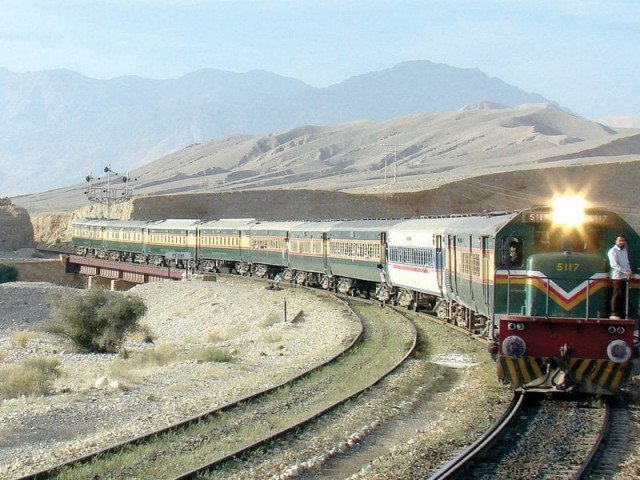
Prime Minister Muhammad Shehbaz Sharif has emphasized the urgent need to upgrade Pakistan Railways’ infrastructure to drive economic and industrial growth. Read More: https://theboardroompk.com/pakistan-real-estate-regulatory-authority-rera-a-game-changer-for-property-buyers-and-affordable-housing/ During a steering committee meeting at the PM House in Islamabad on March 18, 2026, he chaired discussions on rebuilding the railway system on sustainable foundations, highlighting its role as the backbone of the nation’s economy and communication network. Focus on Freight Upgradation and Fuel Efficiency The Prime Minister directed authorities to prioritize upgrading freight facilities, noting that in the current regional context—including geopolitical tensions—rail-based cargo transport is essential for conserving fuel and ensuring efficient goods movement. This shift from road to rail is seen as critical amid rising fuel costs and supply chain pressures. Key Ongoing Projects and Progress Significant attention was given to major initiatives like the Main Line-1 (ML-1) project, where work on the Karachi–Rohri section is progressing with Asian Development Bank support. Engineering designs, environmental surveys, and land acquisition are underway. The Thar rail connectivity project, vital for transporting coal from Thar to power plants and industries, stands at 57% completion. Additionally, the Main Line-3 (ML-3) upgradation for the Rohri–Nokundi section—key for moving minerals from Balochistan—has a finalized PC-1 and hired design consultant. Officials briefed the meeting that freight services are projected to grow by 21% this year, supported by ongoing reforms including digitalization efforts such as mobile apps, cashless ticketing, free Wi-Fi at stations, freight management systems, digital weighing bridges, and rolling stock tracking to enhance transparency and service quality. Broader Economic and Regional Benefits PM Sharif described modernizing railways as a core national policy element to boost regional trade, connectivity, and industrial output. Upgraded infrastructure will facilitate cost-effective transport, reduce reliance on expensive road haulage, and support sectors like mining, energy, and manufacturing. The meeting included Minister for Economic Affairs Ahad Khan Cheema, Railways Minister Hanif Abbasi, Finance Minister Muhammad Aurangzeb, and other senior officials, underscoring a coordinated push for sustainable development through railways. This directive aligns with Pakistan’s efforts to revitalize the sector, attract investment, and integrate it into global trade networks for long-term economic stability.

Scroll to Top