Author name: Web Desk

Jazz Activates 5G in Islamabad, Lahore, Karachi and Others; Initial Deployment Covers ~180 Sites
Tech

Jazz Activates 5G in Islamabad, Lahore, Karachi and Others; Initial Deployment Covers ~180 Sites

ISLAMABAD: Jazz, Pakistan’s leading digital operator under JazzWorld, has officially launched 5G services following the award of the Next Generation Mobile Services (NGMS)/5G license by the Pakistan Telecommunication Authority (PTA)—marking a defining moment in Pakistan’s digital journey. Read More: https://theboardroompk.com/foreign-profit-repatriation-surges-10-52-in-fy26-reaching-1-73-billion/ The license agreement was signed by DG Licensing PTA Brig. (Retd.) Aamir Shahzad and CEO JazzWorld Aamir Ibrahim at a ceremony attended by Prime Minister Shehbaz Sharif, Federal Minister for IT & Telecom Shaza Fatima Khawaja, Chairman PTA Maj. Gen. (Retd.) Hafeez Ur Rehman, and senior public and private sector leadership—reflecting a strong, unified commitment to accelerating Pakistan’s digital future. In its first phase, 5G is already live across ~180 sites, spanning Islamabad, all provincial capitals, and key metropolitan hubs including Islamabad, Rawalpindi, Lahore, Karachi, Peshawar, Quetta, Multan, and Faisalabad. Powered by its strengthened spectrum portfolio, Jazz is delivering ultra-fast speeds, low latency, and enhanced reliability at scale. At the same time, the company continues to expand and upgrade its nationwide 4G network—ensuring that the benefits of connectivity reach every Pakistani, everywhere. Speaking at the occasion, Aamir Ibrahim, CEO JazzWorld, said: “Today marks the beginning of Pakistan’s 5G era—unlocking a new wave of innovation, opportunity, and growth. As we lead this transition, our focus remains clear: delivering faster, more reliable connectivity while ensuring that no Pakistani is left behind. At Jazz, our purpose is to enable a Better Life for All—and this is a significant step forward in that journey.” In the recent spectrum auction, Jazz emerged as the only operator to secure spectrum across all key bands—700 MHz, 2300 MHz, 2600 MHz, and 3500 MHz—giving it a uniquely powerful, multi-layered network capable of delivering both deep coverage and high-capacity performance. Backed by a recently announced USD 1 billion commitment to Pakistan’s digital future—adding to over USD 11 billion invested over three decades—Jazz continues to build and scale the infrastructure powering the country’s digital economy.
Zindigi, powered by JS Bank, Launches Pakistan’s First Fintech Credit Card
Business

Zindigi, powered by JS Bank, Launches Pakistan’s First Fintech Credit Card

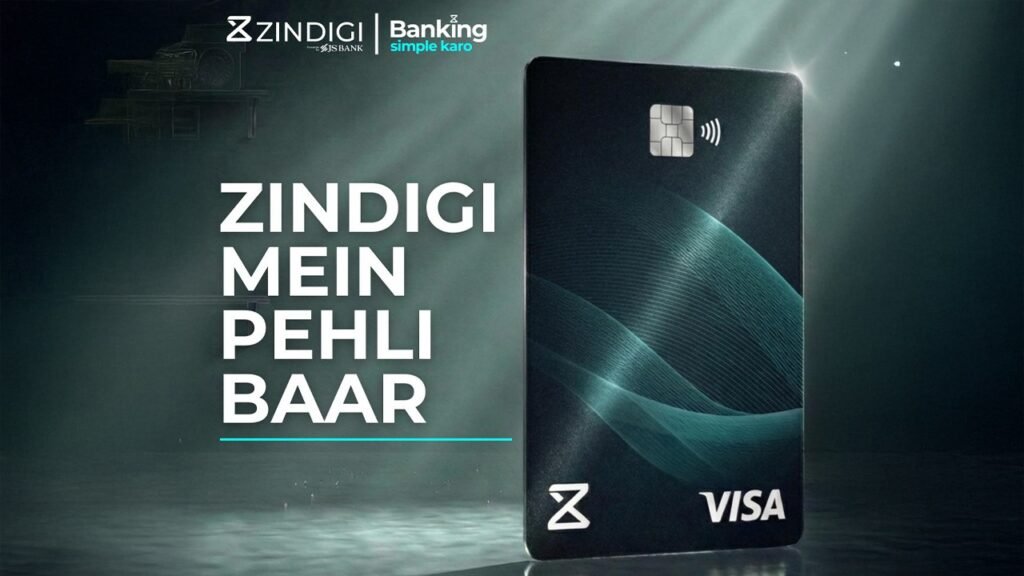
Karachi: Zindigi, powered by JS Bank, has launched Pakistan’s first fintech credit card, marking a major milestone in the country’s digital financial evolution. Read More: https://theboardroompk.com/foreign-profit-repatriation-surges-10-52-in-fy26-reaching-1-73-billion/ Built for a mobile-first generation, the Zindigi Credit Card enables customers to complete the entire application journey digitally through the app, with access to credit in minutes, eliminating the need for branch visits and lengthy documentation. Despite the rapid growth of digital payments in Pakistan, credit card penetration remains relatively low, leaving a large segment of digitally active consumers underserved. Zindigi aims to bridge this gap by offering a fast, seamless, and fully digital credit experience. The card supports POS, online payments, ATM withdrawals, and international transactions, while giving users complete control via the app, including activation, PIN management, transaction controls, card blocking, and real-time tracking. The Zindigi Credit Card is designed to deliver both accessibility and convenience. The platform will also introduce a range of lifestyle benefits, including discounts across dining, travel, shopping, and entertainment. Speaking on the launch, Noman Azhar, Chief Officer Zindigi, said: “We set out to rethink credit for today’s digital users. Our goal is simple, to make access to credit as seamless as using any modern app.” This launch reinforces Zindigi’s commitment to innovation, as it continues to redefine financial services and expand access to credit for Pakistan’s growing digital population.

Zong Launches Commercial 5G in 16+ Cities; Plans 1,000+ Nationwide Sites in 2026
Tech

Zong Launches Commercial 5G in 16+ Cities; Plans 1,000+ Nationwide Sites in 2026

Karachi: At a defining moment in Pakistan’s digital evolution, Zong, Pakistan’s leading technology service enterprise, has officially attained its 5G license and commercially launched its 5G services in more than 16 cities including Islamabad, Rawalpindi, Karachi, Lahore, Peshawar, and Quetta. Read More: https://theboardroompk.com/foreign-profit-repatriation-surges-10-52-in-fy26-reaching-1-73-billion/ Ushering in a new era of digital connectivity, innovation, and economic acceleration, Zong has a strategic commitment to deploy and upgrade 1,000+ 5G sites nationwide in 2026, driving scale, speed, and impact across Pakistan’s digital ecosystem. This launch reflects a clear strategic commitment: to lead Pakistan’s transition into a fully digital, intelligent, and connected future. It marks the culmination of Zong’s journey from pioneering Pakistan’s first 5G trial in 2019 to deploying a robust, multi-city 5G infrastructure today. Backed by globally benchmarked infrastructure, Zong has already demonstrated speeds exceeding 1.4Gbps in trials, reinforcing its position at the forefront of technological excellence and network innovation. At the core of Zong’s 5G strategy are three transformative pillars. Ultimate Customer Experience remains the top priority delivering low latency, high reliability, consistency and seamless performance to power next-generation use cases such as immersive gaming with customized bundles, ultra-HD video streaming, and advanced digital lifestyles. Moreover, Zong ensure to deliver faster issue resolution and a smooth, consistent experience across app, touchpoints, and social channels. Diversified Products & Services Portfolio will extend 5G beyond connectivity, enabling integrated solutions including cloud platforms, enterprise digitization tools, smart homes & IoT ecosystems, CCTV solutions and tailored offerings for startups, SMEs and large industries. Complementing this, is a strong focus on AI Enablement, personalized products and bundles recommendations, embedding intelligent automation across the network to enable predictive network optimization and proactive problem detection. As a subsidiary of China Mobile Limited, the world’s largest telecommunications enterprise, Zong brings global expertise and innovation leadership to build a world-class digital ecosystem in Pakistan, aligned with national growth priorities. In line with the Government’s Digital Pakistan vision and Pakistan Vision 2030, its 5G rollout positions the country as a rising global technology hub while strengthening the CPEC agenda, enabling high-speed, low-latency connectivity to power smart industries, transform healthcare, and drive precision agriculture, accelerating sustainable growth and nationwide digital innovation Zong is not just launching a network. It is enabling a future where every individual, business, and industry can thrive in a truly Digital Pakistan. The era of 5G is live with Zong 5G – Aisa hai future!

Chery Master Pakistan Gears Up to Deliver Tiggo 8 PHEV in April’26
Auto

Chery Master Pakistan Gears Up to Deliver Tiggo 8 PHEV in April’26

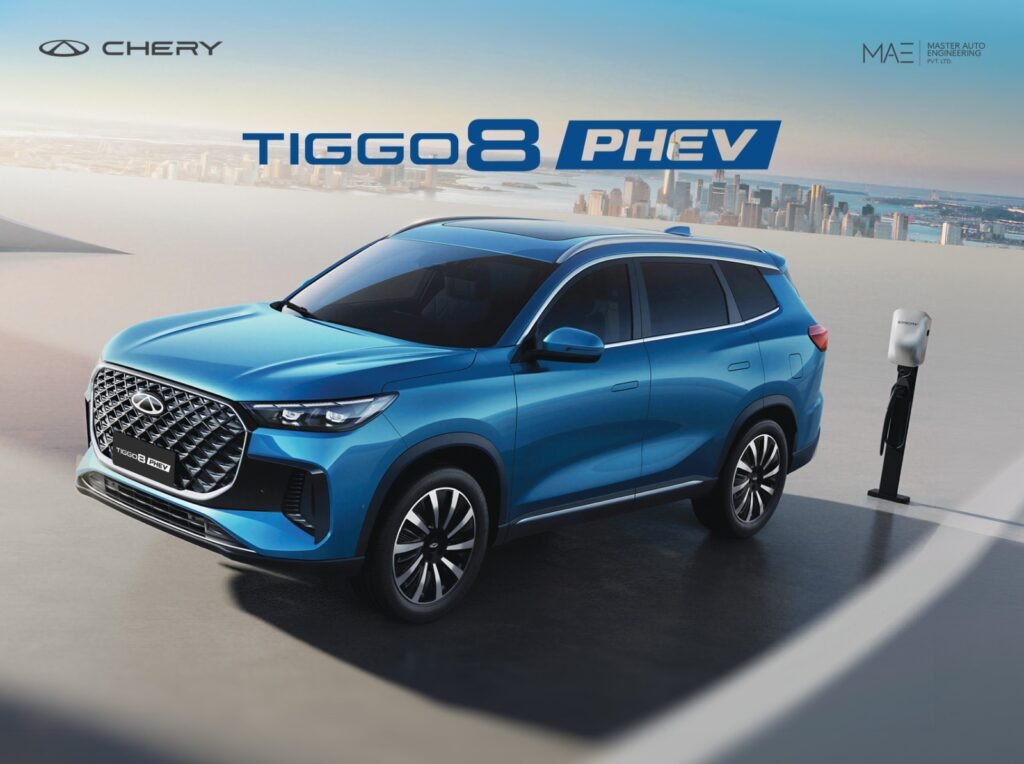
KARACHI : Chery Master Pakistan is gearing up to deliver Tiggo 8 PHEV as promised to pre-registered customers in Apr’26. Tiggo PHEV series was first unveiled in Nov’25 at Pakistan Auto Show 2025, followed by a nationwide sneak preview. Read More: https://theboardroompk.com/foreign-profit-repatriation-surges-10-52-in-fy26-reaching-1-73-billion/ Master Auto Engineering signed an agreement with Chery Global in May’25. Advance booking for Tiggo 8 PHEV started in Jan’26 at an amazing special price of Rs 10,999,000 for pre-registered customers. After an overwhelming response, the price was revised to Rs 11,299,000 from 1st Feb’26. The timely rollout reflects the Chery’s customer-first philosophy and its commitment to delivering on its promises, under the “HELLO CHERY” approach, which focuses on a technology-led ownership experience backed by strong product engineering and early aftersales readiness. Chery Tiggo is Pakistan’s most advanced plug-in hybrid SUV lineups, led by the Tiggo 8 PHEV, positioned as Pakistan’s only 7-seater plug-in hybrid D-SUV designed for modern families. It is powered by Chery Super Hybrid (CSH), the world’s best plug-in hybrid technology, combining electric efficiency with high-performance hybrid engineering. Tiggo 8 PHEV delivers 496 horsepower and 735 Nm of torque, offering an electric range of up to 90 km and a combined driving range of around 1,200 km. Beyond performance, the SUVs integrate premium comfort and convenience features including spacious threerow layouts, advanced infotainment systems and immersive Sony audio. The Tiggo 8 features the Queen Co-Pilot zero-gravity massage passenger seat, 78.9% soft-wrap interior surfaces, heating and ventilation function and driver’s dedicated speaker system enhancing overall cabin comfort during long-distance travel. Safety and intelligent driving technology are also central to the lineup. Tiggo 8 PHEV carries five-star global safety ratings and integrates 10 airbags and advanced driver assistance systems (ADAS). Supporting the rollout is a nationwide 3S dealership network with 10 operational dealerships, which the company plans to expand to 20 locations by 2027 as part of its long-term market development strategy. Introduced in Pakistan by Master Auto Engineering,part of the Master Group — a trusted industrial name in the country for over 60 years — Chery’s arrival marks the entry of a globally established automotive brand into Pakistan’s fast-evolving electrified vehicle landscape. Globally, Chery has been China’s No.1 automotive exporter for 23 consecutive years, operating in more than 120 countries, with over 18.5 million users worldwide, and accounting for one in every four vehicles exported from China.

Pakistan Real Estate Regulatory Authority (RERA): A Game-Changer for Property Buyers and Affordable Housing
Pakistan

Pakistan Real Estate Regulatory Authority (RERA): A Game-Changer for Property Buyers and Affordable Housing

Pakistan Real Estate Regulatory Authority (RERA) is set to become a landmark reform in the country’s property sector. In a major move, Prime Minister Shehbaz Sharif has directed authorities to fast-track the establishment of this regulatory body, aiming to bring transparency, accountability, and structure to an otherwise largely unregulated real estate market. Read More: https://theboardroompk.com/foreign-profit-repatriation-surges-10-52-in-fy26-reaching-1-73-billion/ This initiative signals a turning point for millions of Pakistanis who have long faced uncertainty, fraud risks, and lack of proper oversight in property dealings. Why Pakistan Real Estate Regulatory Authority (RERA) Matters for Everyday Citizens For years, Pakistan’s real estate sector has operated with minimal regulation, leaving buyers vulnerable to scams, delayed projects, and legal complications. The introduction of Pakistan Real Estate Regulatory Authority (RERA) is expected to address these challenges head-on. RERA will enforce clear codes of conduct for developers, builders, and agents, ensuring that projects are delivered on time and in accordance with approved plans. For the average Pakistani, this means safer investments, clearer documentation, and improved trust in the property market. Affordable Housing: A Core Focus of Pakistan Real Estate Regulatory Authority (RERA) One of the most impactful aspects of Pakistan Real Estate Regulatory Authority (RERA) is its alignment with the government’s broader goal of affordable housing. The government is developing a comprehensive roadmap to build homes for low-income groups through public-private partnerships. This means private developers will work alongside the government to deliver housing projects that are both accessible and affordable. Prime Minister Shehbaz Sharif emphasized that providing housing to low-income families, improving living standards, and enhancing public facilities are top national priorities. Housing Finance Reforms to Support Pakistan Real Estate Regulatory Authority (RERA) A major barrier to homeownership in Pakistan has been limited access to housing finance. To tackle this, the government is working on reforms to make mortgages and housing loans more accessible. Key developments include: • Collaboration between Federal Board of Revenue and provincial governments to standardize taxes in the construction sector• Ongoing consultations on mortgage reforms to make home financing easier• Development of Real Estate Investment Trusts (REITs) to attract investment and improve liquidity These steps are expected to complement Pakistan Real Estate Regulatory Authority (RERA), making it easier for middle- and low-income families to own homes. Tax Reforms and Investment Opportunities Under Pakistan Real Estate Regulatory Authority (RERA) The government is also revisiting the tax structure for the construction sector. Instead of presenting complex figures, here’s what it means in simple terms: • Simplified taxes will encourage more builders to enter the market• Standardized policies across provinces will reduce confusion• Investor-friendly regulations will attract both local and overseas Pakistanis Together with Pakistan Real Estate Regulatory Authority (RERA), these reforms could unlock significant growth in the real estate and construction sectors. Who Is Behind These Reforms? The initiative is being driven by multiple key institutions working together, including: • Ministry of Housing and Works• Ministry of Finance• Securities and Exchange Commission of Pakistan• Provincial housing departments Senior federal ministers and policymakers are actively involved in shaping this new framework, highlighting the government’s commitment to long-term reform. What This Means for Pakistan’s Future The introduction of Pakistan Real Estate Regulatory Authority (RERA) could reshape the entire property landscape in Pakistan. For buyers, it promises protection and transparency. For investors, it offers clarity and confidence. And for the economy, it opens doors to growth, job creation, and increased urban development. If implemented effectively, RERA may finally bring Pakistan’s real estate sector in line with global standards turning it into a safer, more reliable engine of economic progress.

Pakistan Petrol Prices Driving Shift to Plug-in Hybrid SUVs
Auto

Pakistan Petrol Prices Driving Shift to Plug-in Hybrid SUVs

Pakistan petrol prices have crossed a critical threshold, now hovering above Rs320 per litre and this is beginning to reshape how people think about owning and driving SUVs in the country. What was once a symbol of comfort and status is quickly becoming a financial burden for many households. Read More: https://theboardroompk.com/foreign-profit-repatriation-surges-10-52-in-fy26-reaching-1-73-billion/ According to industry experts, including Syed Asif Ahmed, Director Sales and Marketing at Chery Master Pakistan, the conversation is no longer just about sustainability it’s about survival in a high-cost fuel economy. Why Pakistan Petrol Prices Are Hurting SUV Owners With Pakistan petrol prices at around Rs321 per litre, running a traditional petrol-powered SUV is becoming increasingly expensive. Let’s break it down in simple terms: A typical petrol SUV that gives around 10 km per litre now costs nearly Rs32 per kilometre to operate. For daily commuters, this adds up to a significant monthly expense, especially in urban cities like Karachi, Lahore, and Islamabad. Even conventional hybrid vehicles, often marketed as fuel-efficient alternatives, still cost about Rs18 per kilometre. While better than petrol, they still depend heavily on fuel and remain vulnerable to price hikes. Plug-in Hybrids: A Smart Response to Pakistan Petrol Prices This is where plug-in hybrid electric vehicles (PHEVs) and range-extended electric vehicles (REEVs) are gaining attention. Unlike traditional hybrids, these vehicles can run primarily on electricity for daily commuting, drastically reducing fuel consumption. Take the example of the Chery Tiggo 9 PHEV: • Battery capacity: 34.46 kWh• Electric range: up to 170 km• Cost of full charge (Rs50/unit): approx. Rs1,723 This translates to a running cost of nearly Rs10 per kilometre almost three times cheaper than petrol SUVs. For Pakistani consumers, this means savings of around Rs22 per kilometre, making a huge difference over time. How Solar Energy Makes the Shift Even More Attractive One major factor accelerating this shift is Pakistan’s growing adoption of rooftop solar systems. With electricity costs rising and load-shedding still a concern, many households are investing in solar panels. This creates a powerful combination: • Generate your own electricity• Charge your vehicle at home• Reduce both fuel and power bills In such cases, the cost per kilometre can drop even further, making PHEVs and REEVs the most economical choice for daily driving. Pakistan Petrol Prices and the Bigger Economic Picture The impact of Pakistan petrol prices goes beyond individual households it affects the entire economy. Pakistan relies heavily on imported petroleum. When global oil prices rise, it creates pressure on: • Foreign exchange reserves• Fiscal deficit• Government subsidies According to official estimates, a 20% increase in global oil prices could widen Pakistan’s fiscal deficit by Rs487 billion in FY2026. Reducing dependence on petrol-powered vehicles could help ease this burden over time. Why PHEVs and REEVs Fit Pakistan’s Reality Fully electric vehicles (EVs) are still limited by charging infrastructure in Pakistan. This is where plug-in hybrids and range-extended EVs offer a practical middle ground: • Electric driving for daily city use• Petrol backup for long-distance travel• No dependency on public charging stations For SUV buyers who need space, flexibility, and reliability, this hybrid approach makes more sense in current conditions. The Road Ahead: A Shift Driven by Pakistan Petrol Prices As Pakistan petrol prices remain high, consumer behavior is clearly evolving. The focus is shifting from brand loyalty and engine power to cost efficiency and long-term savings. The message is simple:If you want to continue driving an SUV without being crushed by fuel costs, plug-in hybrids and REEVs are quickly becoming the smartest option available in Pakistan.

Foreign Profit Repatriation Surges 10.52% in FY26 reaching $1.73 billion
Business

Foreign Profit Repatriation Surges 10.52% in FY26 reaching $1.73 billion

Foreign Profit Repatriation Pakistan has taken a notable upward turn in the first eight months of FY26, signaling renewed activity by global investors operating in the country. According to central bank data, foreign companies repatriated profits and dividends worth $1.73 billion, marking a 10.52% year-on-year increase compared to $1.56 billion in the same period last year. Read More: https://theboardroompk.com/pia-halts-uaes-fujairah-route-amid-regional-tensions/ This surge reflects not just improved earnings by multinational companies but also evolving economic dynamics that are shaping Pakistan’s investment landscape. What Is Driving Foreign Profit Repatriation Pakistan in FY26? The bulk of the increase in Foreign Profit Repatriation Pakistan came from foreign direct investments (FDI). Multinational companies repatriated $1.67 billion in profits from FDI alone, up 11.27% YoY from $1.5 billion in 8MFY25. On the other hand, profit outflows linked to portfolio investments showed a slight decline. These stood at $60.32 million, down 6.81% compared to last year, indicating cautious activity in stock market-related foreign investments. Interestingly, February 2026 saw relatively moderate outflows, with foreign firms repatriating $48.7 million during the month. Which Sectors Are Sending the Most Profits Abroad? A closer look at Foreign Profit Repatriation Pakistan reveals that certain sectors are contributing heavily to the outflow of profits. The Power sector leads the chart with $421.85 million in repatriated profits. This is followed by the Financial Business sector, which recorded $374.09 million in outflows. Other sectors also showed strong activity: • The Food sector witnessed a significant rise, reaching $142.42 million, highlighting growing profitability in consumer-driven industries.• The Communications sector reported $132.3 million, reflecting continued expansion in telecom and digital services.• The Transport sector contributed $91.29 million, indicating recovery and growth in logistics and mobility. These trends suggest that foreign investors are earning substantial returns across both infrastructure and consumer-oriented industries in Pakistan. Country-Wise Breakdown: Who Is Taking the Largest Share? The Foreign Profit Repatriation Pakistan data also highlights which countries are benefiting the most from these outflows. The United Kingdom remains the top recipient, with companies repatriating $444 million during 8MFY26. However, this is slightly lower than $496.59 million recorded in the same period last year. In February alone, UK-based firms received $20.2 million. A major shift is seen in China, which emerged as the second-largest beneficiary with $433.32 million—a sharp increase from $140.46 million last year. This surge underscores the growing footprint of Chinese investments in Pakistan, particularly under infrastructure and energy projects. Other notable contributors include: • The Netherlands, with $155.2 million, showing stable investment returns.• The United States, where investors repatriated $147.51 million, reflecting consistent corporate earnings. What Does This Mean for Pakistan’s Economy? The rise in Foreign Profit Repatriation Pakistan carries mixed implications for the economy. On the positive side, higher profit repatriation indicates that foreign companies are generating strong returns an encouraging sign for Pakistan’s investment climate. It suggests operational stability and profitability across key sectors. However, increased outflows also mean pressure on foreign exchange reserves, as dollars leave the country. This can impact the balance of payments if not offset by higher inflows such as exports, remittances, or fresh investments. The Bigger Picture: Growth Opportunity or Economic Challenge? The ongoing rise in Foreign Profit Repatriation Pakistan highlights a critical balancing act. While it reflects investor confidence and business growth, it also raises questions about sustainability and foreign exchange management. For policymakers, the focus will likely remain on attracting new investments while ensuring that the economy benefits from long-term capital retention. Strengthening exports and encouraging reinvestment of profits locally could help maintain this balance. A Signal of Confidence with a Cautionary Note The latest data on Foreign Profit Repatriation Pakistan paints a picture of a growing and active investment environment. With billions of dollars flowing out as profits, it is clear that multinational companies are finding value in Pakistan’s market. Yet, the challenge lies in converting this momentum into sustained economic gains—ensuring that Pakistan not only attracts foreign capital but also retains enough value to strengthen its financial position in the long run.

PIA Halts UAE's Fujairah Route Amid Regional Tensions
Pakistan

PIA Halts UAE’s Fujairah Route Amid Regional Tensions

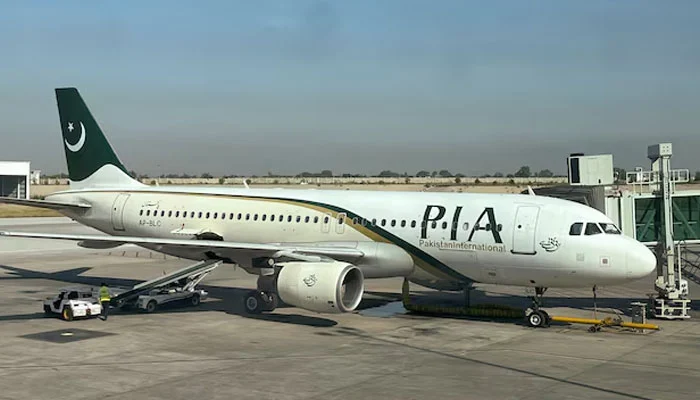
Pakistan International Airlines (PIA) has temporarily suspended its flights to Fujairah in the United Arab Emirates for the next 48 hours, citing heightened security concerns in the Gulf region. Read More: https://theboardroompk.com/federal-govt-policy-framework-in-works-for-low-income-housing-via-public-private-partnerships/ The decision was announced in an official notification on Wednesday, March 18, 2026, amid the ongoing escalation of the US-Israeli war on Iran, which has entered its third week with persistent attacks on regional targets. Precautionary Measure Amid Regional Tensions A PIA spokesperson confirmed that the suspension is a precautionary step to prioritize passenger and operational safety. The move follows recent Iranian attacks on the UAE, including one on Tuesday that caused a fire at the Fujairah port—a key oil export terminal operated by ADNOC. This incident disrupted loading activities and raised fears of further instability, potentially impacting energy markets and aviation routes in the area. Continued Operations to Al Ain While Fujairah services are halted, PIA flights to Al Ain in the UAE will proceed as scheduled. For the time being, Al Ain remains the sole active PIA destination in the UAE. The airline has not detailed specific impacts on passengers, such as refunds or rebookings, but affected travelers are advised to contact PIA for updates on their bookings originating from cities like Islamabad, Lahore, and Peshawar. Broader Context of Gulf Security Challenges The Gulf region has faced over 2,000 missile and drone attacks since the conflict began on February 28, targeting US-linked sites, military bases, oil infrastructure, ports, airports, and civilian areas. These developments have prompted several airlines, including international carriers, to adjust operations for safety. PIA’s suspension aligns with a cautious approach seen across the aviation sector to mitigate risks from the evolving Middle East crisis.

Gulf Banks Risk $307bn Deposit Flight if Middle East War Escalates: S&P
World

Gulf Banks Risk $307bn Deposit Flight if Middle East War Escalates: S&P

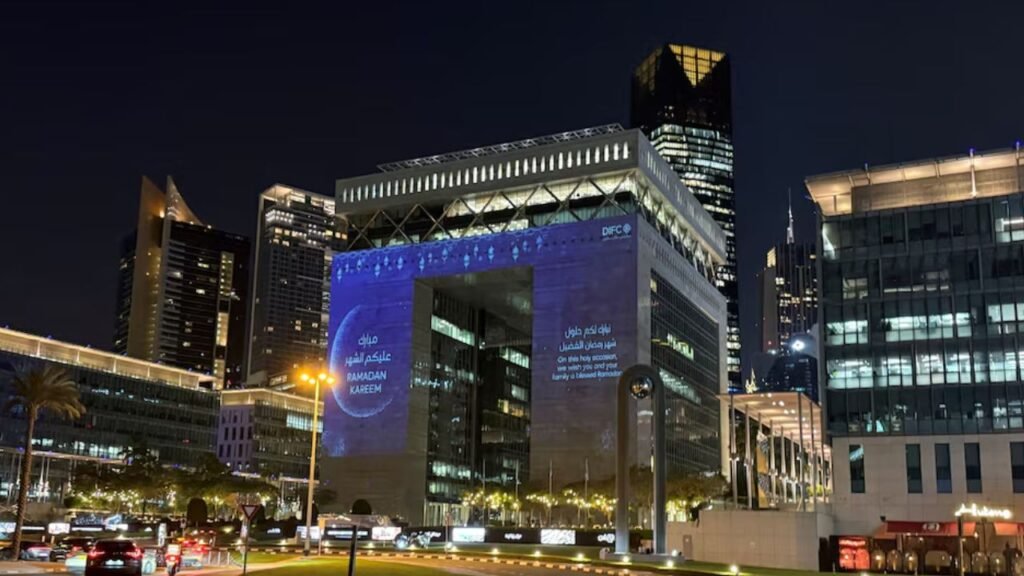
Gulf banks could encounter significant deposit outflows totaling $307 billion if the ongoing Middle East conflict escalates further, according to a recent report by S&P Global Ratings. Read More: https://theboardroompk.com/federal-govt-policy-framework-in-works-for-low-income-housing-via-public-private-partnerships/ The assessment highlights potential risks amid the U.S.-Israeli war on Iran, now in its third week with no signs of resolution. Despite the tensions, Gulf banking systems have demonstrated resilience so far, with no major evidence of foreign or domestic funding flight observed since the conflict began last month. Resilience Amid Current Tensions S&P noted that Gulf banks have held firm against initial pressures from the war, which has disrupted energy markets and regional transport. Some international lenders temporarily scaled back UAE client-facing operations following threats from Iran’s IRGC targeting economic centers and institutions linked to the U.S. and Israel. However, services have continued uninterrupted through digital channels, even as cloud infrastructure faced disruptions from reported drone strikes on facilities in the UAE and Bahrain. Stress Scenario and Buffers In a hypothetical stress test based on year-end 2025 data, domestic deposit outflows across the six GCC banking systems could hit $307 billion. Banks maintain around $312 billion in cash or at central banks to cover such scenarios, plus an additional $630 billion buffer from liquidating investments (assuming a 20% haircut). S&P described the overall risk as “manageable,” pointing to strong regulatory support in four GCC countries and heightened supervision since hostilities started. Bahraini retail banks appear relatively more vulnerable due to elevated external debt. Sector Impacts and Outlook The conflict is expected to affect loan books over time, particularly in logistics, transportation, tourism, real estate, retail, and hospitality. Under a high-stress case with sharply rising non-performing loans, cumulative losses for the region’s top 45 banks could reach about $37 billion. Gulf banks enter this period from a position of strength, similar to their handling of the 2020 COVID-19 crisis, where regulators provided flexibility to absorb impairments. UAE banking assets grew robustly in 2025, with total assets up 17.1% to 5.34 trillion dirhams, loans expanding nearly 18%, and deposits rising around 16%.

Pakistan-China Trade via Khunjerab Pass Hits Full Stride with Record Rs10.16bn Revenue
Pakistan

Pakistan-China Trade via Khunjerab Pass Hits Full Stride with Record Rs10.16bn Revenue

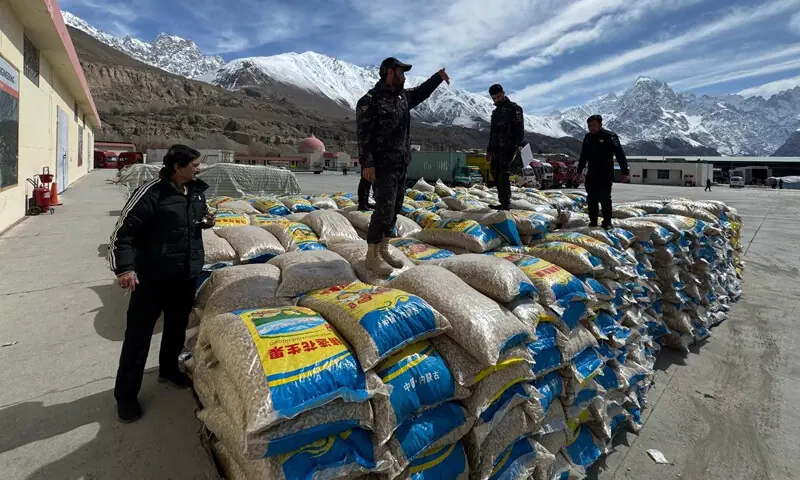
The trade corridor between Pakistan and China via the Khunjerab Pass is operating at full capacity, with significant growth in bilateral and regional commerce. According to recent data from customs authorities in Gilgit-Baltistan, exports of Pakistani agricultural and herbal products to China and Central Asian states have surged this year. Read More: https://theboardroompk.com/federal-govt-policy-framework-in-works-for-low-income-housing-via-public-private-partnerships/ The Sost Dry Port has cleared a record number of import consignments from China, generating substantial revenue despite previous disruptions. Surge in Exports and Revenue Collection Exports from Pakistan include oranges, mangoes, cherries, pine nuts (chilgoza), mushrooms, local herbs, rice, tea, herbal medicines, and dried apricots, with volumes increasing notably. Pakistan Customs Collector for Gilgit-Baltistan, Shahid Jan, highlighted that 1,774 consignments imported from China were processed at Sost Dry Port up to March 2026, yielding Rs10.16 billion in customs revenue. This marks a record achievement, especially considering the port’s 70-day closure last year due to a traders’ protest in Gilgit-Baltistan that halted cross-border activities. Shift in Import Routes and Future Concerns Import patterns are evolving, with items such as electric vehicles, specialised mining equipment, and agricultural machinery now routed through Khunjerab instead of Karachi port. Trade under the Multimodal Transports Internationaux Routiers (TIR) system continues smoothly for Central Asian destinations, and shipments from third countries destined for Central Asia are increasingly transiting via Pakistan and China. Local traders have expressed concerns over the non-implementation of Prime Minister Shehbaz Sharif’s announced tax exemptions on certain imported goods for domestic use, calling for swift action to support local consumption and trade growth.

Scroll to Top