Author name: Web Desk

Pakistan Gold Market Witnesses Historic Single-Day Plunge of Rs43,600
Business

Pakistan Gold Market Witnesses Historic Single-Day Plunge of Rs43,600

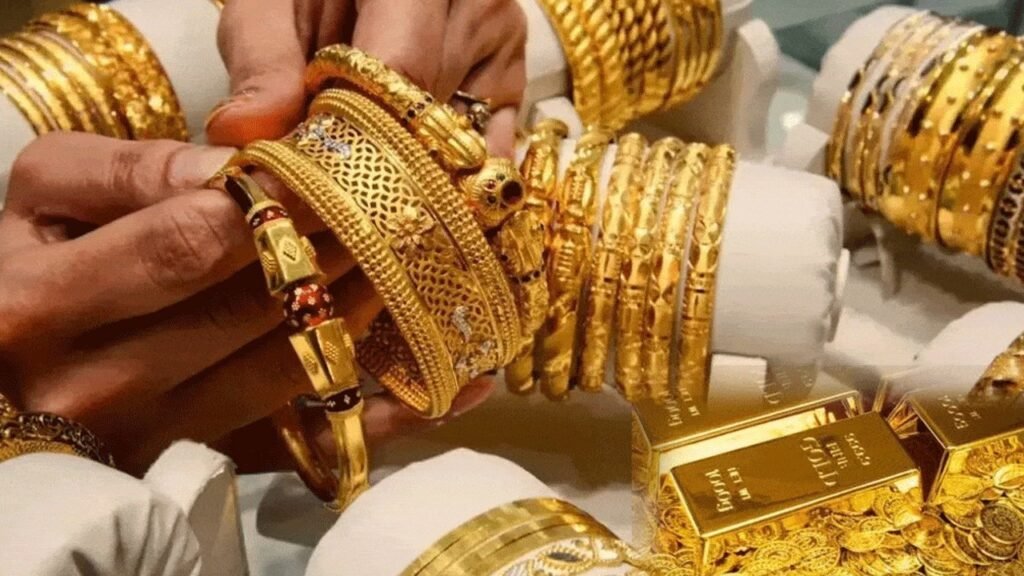
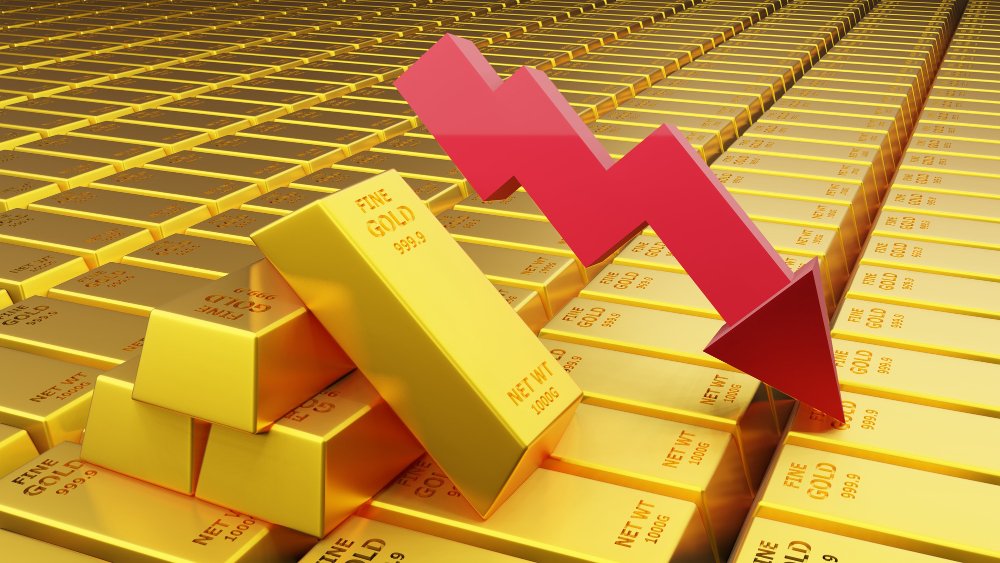
Gold prices in Pakistan experienced a dramatic decline on March 23, 2026, with the per tola rate dropping by a record Rs43,600 in a single day, according to the All Pakistan Gems and Jewellers Sarafa Association (APGJSA). Read More: https://theboardroompk.com/pakistan-bans-high-octane-fuel-in-govt-vehicles-to-enforce-austerity/ Record Local Drop Amid Bullion Market Volatility The new price for 24-karat gold settled at Rs447,762 per tola, down sharply from the previous level. This marks the biggest single-day fall ever recorded in the local market, shocking investors and jewelers alike. The price for 10 grams of gold also fell significantly by Rs37,380 to Rs383,883. Silver followed suit, decreasing by Rs800 to Rs6,884 per tola. Traders noted heavy selling pressure as buyers held back, waiting for further stabilization after the steep correction. International Factors Drive the Sharp Correction The plunge in Pakistan’s gold market mirrored a substantial drop in global prices, where spot gold fell by $436 to $4,250 per ounce (with a $20 premium). This international decline was attributed to fading safe-haven demand amid shifting market dynamics. A Reuters report highlighted gold diving to a four-month low, down over 8% in the session, driven by inflation pressures from the escalating Middle East conflict raising bets on higher global interest rates. The combination of stronger dollar influences and reduced speculative buying contributed to the rout, impacting local rates through currency and import linkages.

China's 15th Five-Year Plan Boosts Momentum in China-Pakistan Ties
Business

China’s 15th Five-Year Plan Boosts Momentum in China-Pakistan Ties

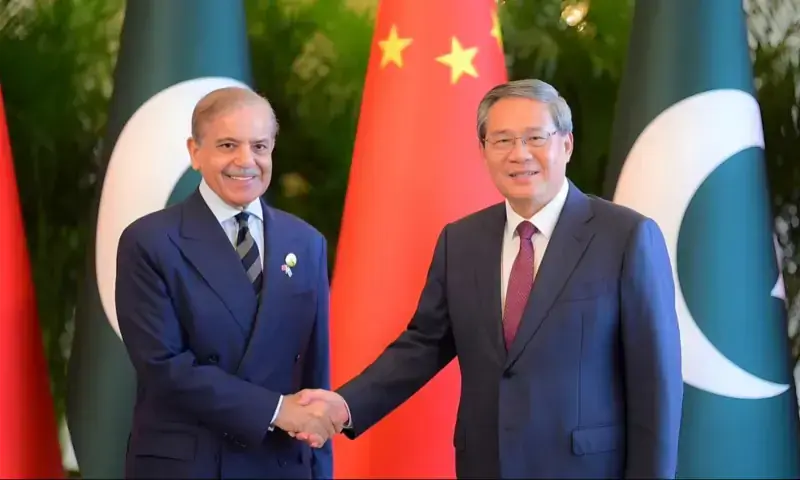
China’s 15th Five-Year Plan (2026-2030), approved during the recent Two Sessions in March 2026, is set to provide fresh impetus to the longstanding partnership between China and Pakistan. Read More: https://theboardroompk.com/pakistan-bans-high-octane-fuel-in-govt-vehicles-to-enforce-austerity/ Written by Yang Yundong, Consul General of China in Karachi, the article highlights how the plan’s emphasis on high-quality development, innovation, and expanded opening-up aligns with deepening bilateral ties. Milestone Year for Diplomatic Relations 2026 marks the 75th anniversary of diplomatic relations between China and Pakistan, adding symbolic weight to the opportunities presented by the new plan. China’s previous 14th Five-Year Plan (2021-2025) delivered strong results, with GDP exceeding 140 trillion RMB and an average annual growth of 5.4%, outpacing the global average and contributing significantly to worldwide economic progress. Building on this success, the 15th Plan prioritizes technological self-reliance, comprehensive reforms, ecological progress, improved livelihoods, and enhanced national security, aiming for substantial advancements by 2035 toward socialist modernization and moderately developed-country levels of per capita GDP. Opportunities Through Belt and Road and Broader Cooperation The plan stresses high-quality Belt and Road Initiative (BRI) development and “actively expanding independent opening-up,” which creates avenues for stronger China-Pakistan collaboration. It promotes mutual benefit, institutional openness, and a higher-standard open economy, offering Pakistan enhanced prospects in areas like innovation, green technologies, and connectivity. As policies from the Two Sessions roll out and the plan advances, bilateral cooperation is expected to scale new heights, fueling Pakistan’s economic momentum and supporting regional peace and stability. The framework provides certainty amid global uncertainties, inviting shared growth through deepened international ties.

Pakistan Bans High-Octane Fuel in Govt Vehicles to Enforce Austerity
Pakistan

Pakistan Bans High-Octane Fuel in Govt Vehicles to Enforce Austerity

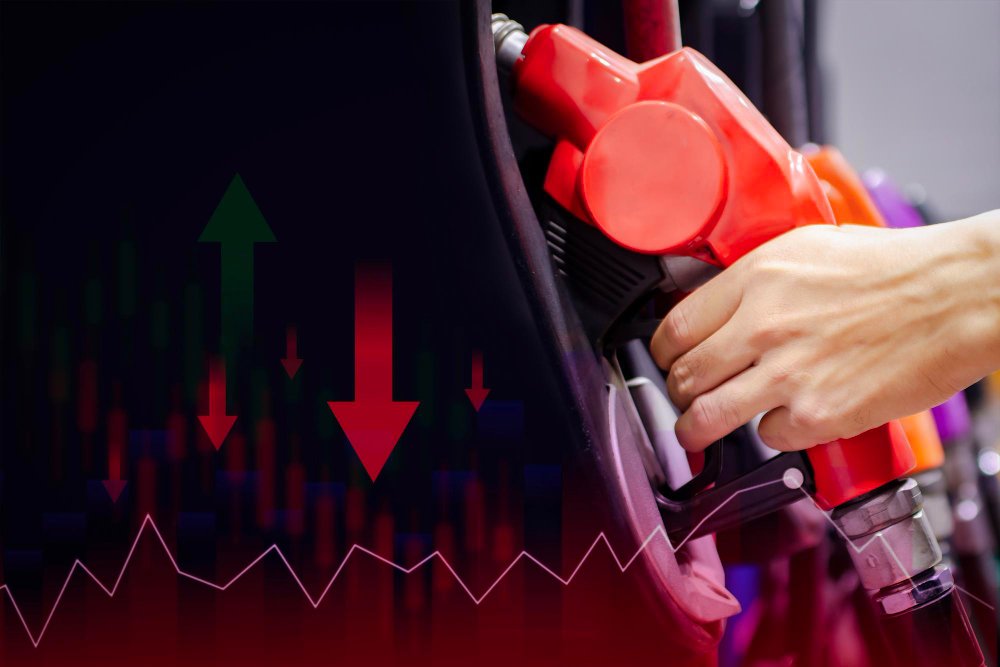
The Pakistan government has imposed an immediate ban on the use of high-octane fuel in all official vehicles, as announced by the Prime Minister’s Office (PMO) on March 23, 2026. This move is part of ongoing austerity efforts to curb public spending amid rising global oil prices and regional energy disruptions. Read More: https://theboardroompk.com/international-energy-agency-warns-of-severe-damage-to-40-middle-east-energy-infrastructure-amid-escalating-war/ Austerity Push Targets Premium Fuel Consumption Prime Minister Shehbaz Sharif directed the ban, prohibiting government departments, authorities, and institutions from using high-octane fuel (often referred to as HOBC or high-octane blending component) at state expense. The directive follows closely on the heels of a Rs200 per litre increase in the petroleum levy on high-octane fuel, raising it significantly and pushing retail prices higher for luxury vehicles. Officials emphasized that this targets unnecessary premium fuel use, typically associated with high-performance or luxury cars not essential for official duties. Personal Cost for Exceptions and Broader Compliance If high-octane fuel becomes unavoidable for any government vehicle, the cost must be borne personally by the user, not the state. The PMO stressed strict compliance across all federal entities, with directions to take action against violations. This builds on earlier measures, including a 50% reduction in fuel allowances for official vehicles and grounding nearly 60% of the government fleet. No specific savings figures were quoted for the ban, but it aligns with efforts to redirect resources toward public relief and manage fiscal pressures in a challenging economic environment.

International Energy Agency Warns of Severe Damage to 40+ Middle East Energy Infrastructure Amid Escalating War
World

International Energy Agency Warns of Severe Damage to 40+ Middle East Energy Infrastructure Amid Escalating War

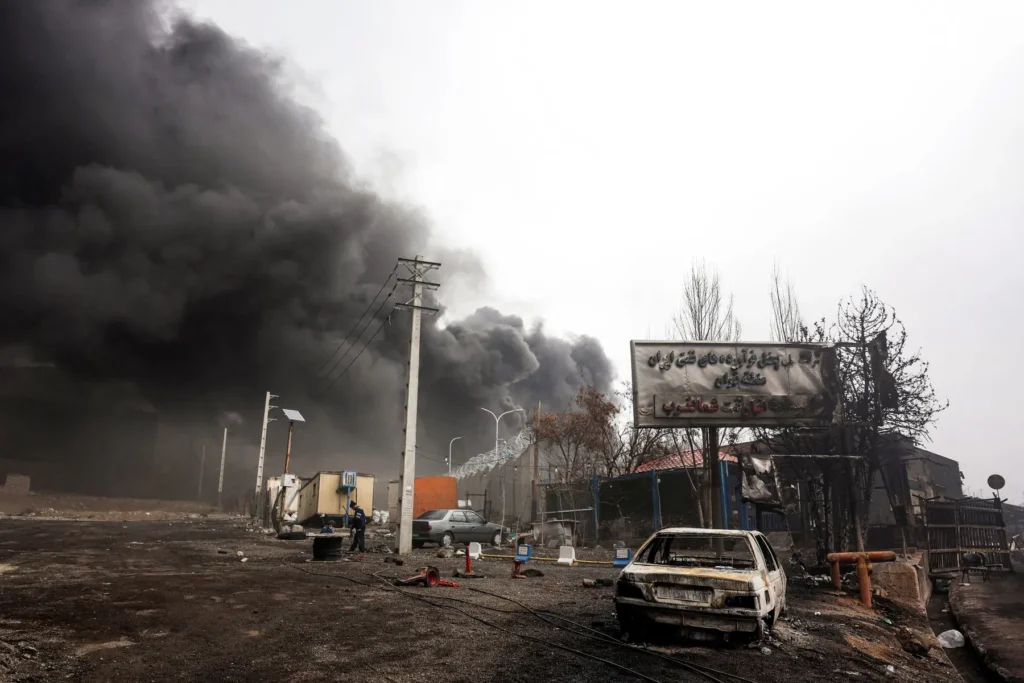
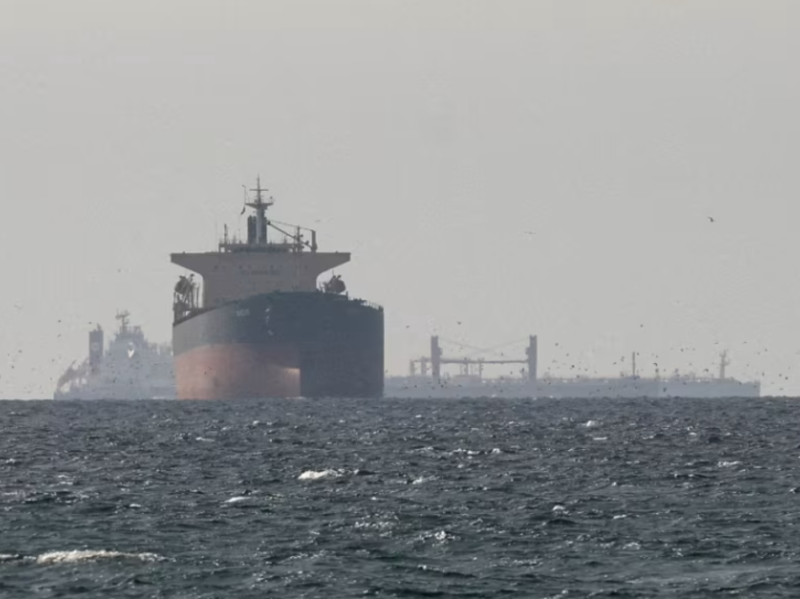
The head of the International Energy Agency (IEA) has raised alarms over extensive damage to energy facilities in the Middle East, as the regional conflict enters its fourth week and disrupts global supplies. Read More: https://theboardroompk.com/oil-prices-swing-wildly-as-u-s-iran-threats-clash-with-sanctions-relief/ Widespread Infrastructure Hits Across Nine Countries Fatih Birol stated that at least 40 energy assets—including oil fields, refineries, pipelines, and gas facilities—have been “severely or very severely” damaged across nine countries in the region. Specific incidents include drone attacks on a Kuwait oil refinery causing fires, suspension of operations at the UAE’s Shah gas field, and reported damage to an Israeli oil refinery in Haifa from Iranian strikes. These attacks have compounded broader disruptions, with recovery expected to take months even if hostilities cease soon. Global Economy Faces Unprecedented Energy Shock Birol described the crisis as equivalent to “two oil crises and one gas crash put all together,” surpassing the impacts of the 1970s oil shocks and the 2022 energy fallout from Russia’s invasion of Ukraine. The near-total blockage of the Strait of Hormuz—through which about 20% of global oil and gas transits—has halted petroleum shipments, driving oil prices sharply higher. Trade in essential commodities like petrochemicals, fertilizers, sulfur, and helium has been interrupted, threatening “grave consequences” for industries worldwide. Birol emphasized that “no country will be immune” if the situation worsens, urging immediate global efforts to resolve the conflict and reopen key routes.

Hi-Octane Price Surge Reshapes SUV Economics as PHEVs, REEVs Emerge as Practical Alternative in Pakistan
Auto

Hi-Octane Price Surge Reshapes SUV Economics as PHEVs, REEVs Emerge as Practical Alternative in Pakistan

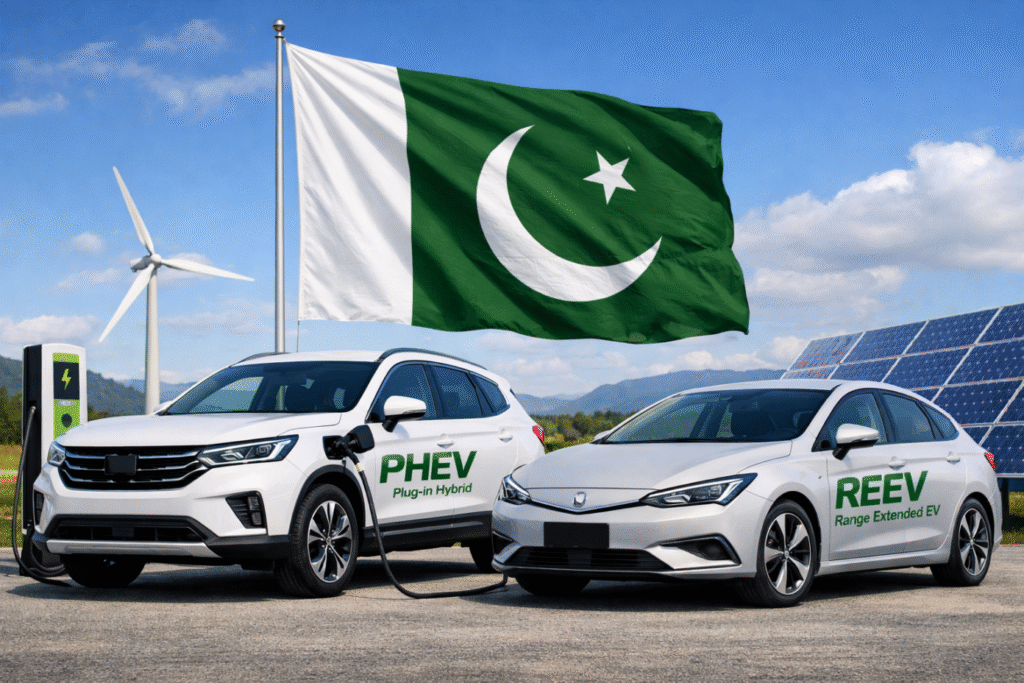
Lahore : With petrol prices in Pakistan remaining above Rs320 per litre and the government sharply increasing the levy on high-octane fuel—pushing its price to around Rs535 per litre—the economics of driving sport utility vehicles (SUVs) is undergoing a significant shift. Read More: https://theboardroompk.com/gold-price-in-pakistan-drops-sharply-latest-gold-silver-rates-today-shock-investors/ Industry experts say this change is rapidly tilting consumer preference toward plug-in hybrid electric vehicles (PHEVs) and range-extended electric vehicles (REEVs). According to Syed Asif Ahmed, Director Sales and Marketing at Chery Master Pakistan, the latest pricing dynamics are putting particular pressure on premium SUV users, as most high-end models are designed to run on high-octane fuel.Official data shows ex-depot MS petrol at approximately Rs321 per litre, while high-octane petrol has surged to around Rs535 per litre, highlighting Pakistan’s continued exposure to imported fuel volatility. Ahmed said the conversation around new energy vehicles has moved beyond environmental considerations. “For Pakistani consumers—especially SUV users—this is now a straightforward economic decision,” he said. “At these price levels, running a conventional petrol SUV is becoming a serious burden on household budgets.” A typical petrol-powered C-segment SUV, delivering around 10 kilometres per litre, now costs roughly Rs32 per kilometre to run on regular petrol. However, for luxury SUVs using high-octane fuel, the running cost jumps significantly to around Rs53–54 per kilometre, making daily usage increasingly expensive.Even conventional hybrids, with an assumed fuel economy of around 18 kilometres per litre, cost approximately Rs18 per kilometre on regular petrol. If operating on high-octane fuel, that cost can rise to nearly Rs30 per kilometre. “A hybrid improves efficiency, but it still remains exposed to petrol price shocks,” Ahmed noted. “The vulnerability is reduced, not removed.”He argued that PHEVs and REEVs fundamentally change this equation by allowing most daily urban driving to be completed on electricity rather than petrol. Using the Chery Tiggo 9 PHEV as an example, Ahmed said the SUV is equipped with a 34.46 kWh battery offering a claimed 170 km pure electric range under the NEDC cycle. “At a household electricity tariff of Rs50 per unit, a full charge costs about Rs1,723,” he explained. “Spread over 170 kilometres, that translates into a running cost of roughly Rs10 per kilometre.” This places a plug-in SUV dramatically below both conventional petrol and hybrid SUVs in day-to-day operating cost. Compared to a regular petrol SUV, the saving stands at around Rs22 per kilometre, while against high-octane luxury SUVs, the saving expands to approximately Rs43 per kilometre. Even compared to conventional hybrids, PHEVs offer a cost advantage of roughly Rs8 to Rs20 per kilometre, depending on fuel type. Ahmed added that the advantage becomes even more compelling for urban households with rooftop solar installations.Pakistan’s rooftop solar market has expanded rapidly in recent years, with net-metered capacity rising into several gigawatts by 2025, reflecting a growing shift toward self-generation. “This is where Pakistan’s energy transition and mobility transition begin to converge,” Ahmed said. “A household generating its own electricity is not just reducing its power bill—it is also significantly lowering the cost of mobility.”He noted that PHEVs and REEVs are particularly well-suited to Pakistani SUV buyers, who require space, flexibility, and long-distance usability, but are increasingly constrained by fuel costs. Unlike full battery electric vehicles (BEVs), these technologies offer electric-led commuting without complete dependence on a still-developing charging network. Ahmed also linked the argument to the broader economy, noting that Pakistan’s reliance on imported petroleum continues to exert pressure on foreign exchange reserves and fiscal stability during periods of global oil volatility. Pakistan’s Fiscal Risk Statement has warned that a 20% increase in global oil prices could widen the fiscal deficit by approximately Rs487 billion in FY2026, driven by lower petroleum levy revenues and higher subsidy requirements. “The case for PHEVs and REEVs is not about one brand or one product,” Ahmed said. “It is about providing Pakistani consumers with a realistic SUV solution that reduces running costs, lowers exposure to oil shocks, and aligns with local driving conditions.” As fuel prices remain elevated—particularly for high-octane users—the market appears to be moving toward a clear conclusion: for Pakistani consumers seeking to retain SUV mobility without absorbing the full impact of fuel inflation, plug-in hybrids and range-extended EVs are emerging as the most practical and economically viable solution.

Israel Strikes Tehran and Beirut, Iran Fires Back; U.S. Rushes Marines to Region
World

Oil Prices Swing Wildly as U.S.-Iran Threats Clash with Sanctions Relief

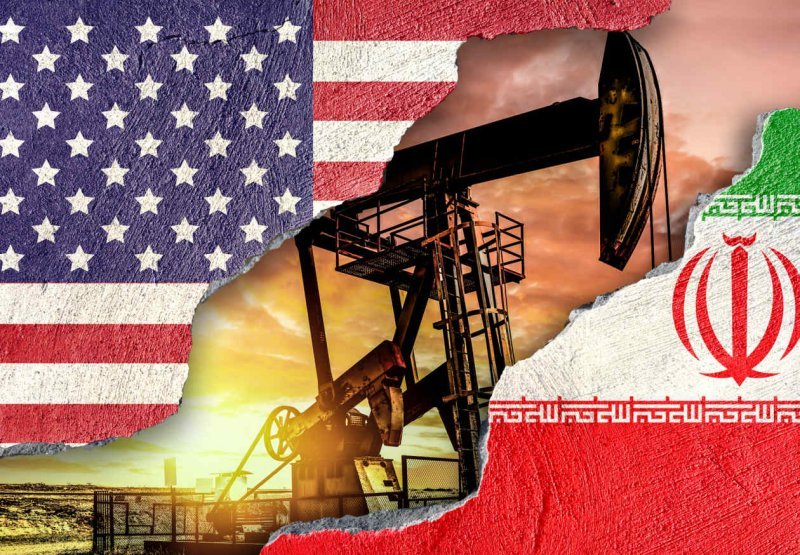
Oil prices swung sharply as traders balanced heightened war risks to energy infrastructure with temporary U.S. easing of sanctions on Iranian oil, allowing millions of barrels to potentially flow back to markets. Geopolitical Tensions Drive Market Swings U.S. President Donald Trump issued a stark ultimatum over the weekend, threatening to “obliterate” Iran’s power plants unless the Strait of Hormuz fully reopens within 48 hours. Iran’s Parliament Speaker Mohammad Baqer Qalibaf warned that any attack on Iranian facilities could lead to irreversible destruction of critical energy infrastructure across the Middle East. The conflict has severely damaged Gulf energy sites and nearly halted shipping through the Strait of Hormuz, which carries about 20% of global oil and LNG supplies. Analysts estimate a massive supply shock, with 7-10 million barrels per day of Middle East oil production lost due to disruptions. Iraq declared force majeure on foreign-operated oilfields, slashing output at Basra Oil Company to just 900,000 bpd from 3.3 million bpd. The International Energy Agency’s Fatih Birol called the crisis “very severe,” worse than the combined oil shocks of the 1970s. Oil Prices and Supply Relief Efforts Brent crude futures climbed 65 cents to $112.84 per barrel by early Monday trading, while WTI rose 84 cents to $98.75 per barrel. Both benchmarks had dropped over $1 earlier in the session, highlighting the whipsaw action driven by conflicting signals. The Brent-WTI spread widened to more than $13 per barrel, the largest in years, reflecting heightened risks to seaborne supplies. Washington temporarily lifted sanctions on stranded Iranian oil cargoes, potentially releasing millions of barrels and prompting Asian refiners, including in India, to consider resuming purchases. Experts like Vandana Hari of Vanda Insights noted that short-term sentiment sways on threats and rhetoric, but longer-term prices depend on Middle East oil flow restoration. Amrita Sen of Energy Aspects warned that further escalation could push prices higher, as Iran shows no signs of backing down. The U.S. has deployed thousands more troops to the region, adding to uncertainty.

30-Day US Waiver on Iran Oil: Pakistan's Chance to Secure Affordable Iranian Crude Amid War Chaos
Pakistan

30-Day US Waiver on Iran Oil: Pakistan’s Chance to Secure Affordable Iranian Crude Amid War Chaos

The recent US decision to grant a 30-day waiver allowing the sale of Iranian oil already loaded on vessels at sea presents a timely opportunity for Pakistan amid surging global oil prices due to the ongoing US-Israeli conflict with Iran. Read More: https://theboardroompk.com/gold-price-in-pakistan-drops-sharply-latest-gold-silver-rates-today-shock-investors/ This temporary relief, announced on March 21, 2026, aims to release around 140 million barrels into markets, potentially easing supply pressures and stabilizing prices that have exceeded $100 per barrel.Pakistan, heavily reliant on imported oil and facing skyrocketing import bills from the war, stands to gain significantly if it can access discounted or nearby Iranian crude during this window. Economic Relief for Pakistan’s Struggling Economy Pakistan’s monthly oil import costs have surged, with warnings of bills reaching up to $600 million amid tight markets and disrupted routes like the Strait of Hormuz.Access to Iranian oil could lower these expenses, as Iran has historically offered competitive pricing to regional buyers despite sanctions. Cheaper fuel imports would reduce pressure on foreign exchange reserves and help curb inflation, which has intensified from higher energy costs. This could provide breathing room for the government, already implementing fuel conservation and seeking IMF support. Reviving Long-Standing Energy Ties with Iran Pakistan and Iran share a border and history of energy cooperation, including past discussions on oil imports and the stalled Iran-Pakistan gas pipeline.The waiver facilitates ship-to-ship transfers and sales, making it easier for Pakistan to source Iranian crude without full sanctions violations.Proximity reduces shipping times and costs compared to distant suppliers like the Middle East or US.If capitalized on, this could strengthen bilateral ties and open doors for future stable energy deals post-waiver.

Israel Strikes Tehran and Beirut, Iran Fires Back; U.S. Rushes Marines to Region
World

Israel Strikes Tehran and Beirut, Iran Fires Back; U.S. Rushes Marines to Region

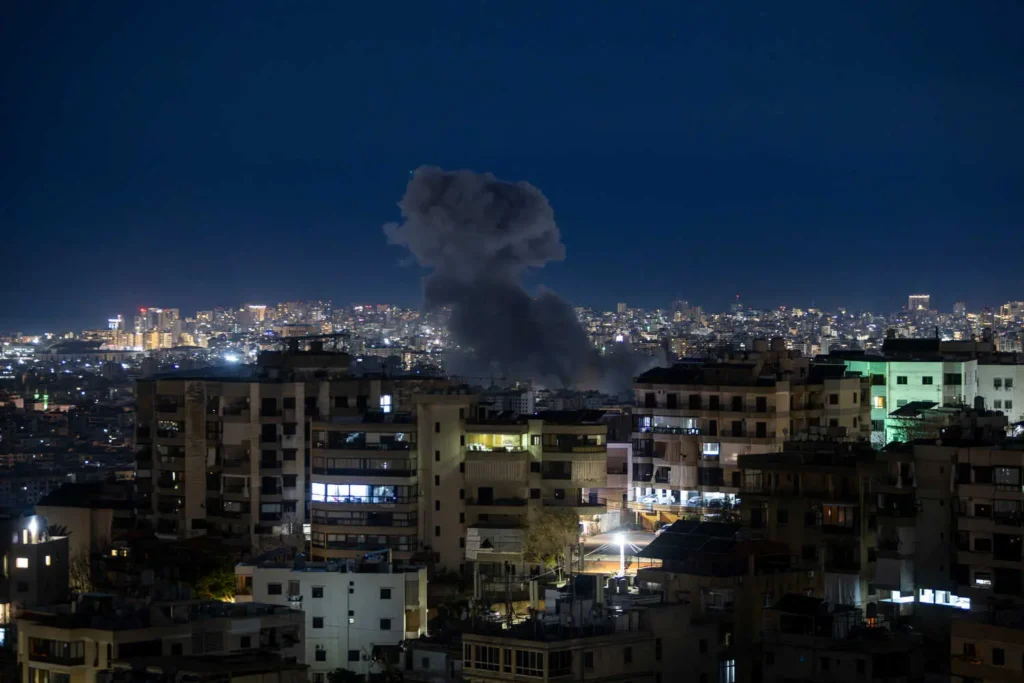
Israel carried out major airstrikes on Iran early Saturday, hitting targets in Tehran, Karaj, and Isfahan. These attacks mark a bold escalation in the ongoing U.S.-Israel campaign against Iran. Read More: https://theboardroompk.com/gold-price-in-pakistan-drops-sharply-latest-gold-silver-rates-today-shock-investors/ Iran retaliated by launching ballistic missiles toward Israel and a U.S.-British base on Diego Garcia in the Indian Ocean. The missiles toward Diego Garcia missed their target, but demonstrated Iran’s long-range capabilities. In Beirut, Israeli forces struck Hezbollah strongholds in the southern suburbs. Evacuation warnings were issued for several neighborhoods in the Lebanese capital. Hezbollah, backed by Iran, has been firing rockets into Israel since early March in solidarity with Tehran. This spillover has become the deadliest front outside Iran itself. The war began with U.S. and Israeli strikes on Iran on February 28. It has now entered its fourth week with no signs of de-escalation. Over 2,000 people have been killed across the region since the conflict started. In Lebanon alone, more than 1,000 deaths have been reported, with over a million displaced. Energy infrastructure in Iran and Gulf states has been repeatedly targeted. Oil prices have jumped 50%, while European natural gas prices surged up to 35%. The Strait of Hormuz remains largely closed to shipping, threatening global supplies. U.S. President Donald Trump criticized NATO allies as “cowards” for hesitating to help reopen the strait. He stated no large-scale U.S. ground troops would be sent into Iran, at least not announced. The Pentagon ordered 2,500 Marines to the Middle East. They are accompanied by the amphibious assault ship Boxer and additional warships. This deployment aims to bolster U.S. presence amid rising threats. Iran’s Supreme Leader Ayatollah Mojtaba Khamenei issued a defiant statement. He claimed Iranians showed unity and delivered a “disorienting blow” to enemies. Israeli Prime Minister Benjamin Netanyahu questioned who is truly leading Iran. He noted the new leader’s low public profile. Global markets reacted sharply, with stocks falling and bond yields rising. Airlines like United cut flights due to higher fuel costs.The conflict risks broader regional involvement. Iranian Foreign Minister indicated willingness to allow some shipping through the strait. However, tensions remain high with no immediate ceasefire in sight.

Pakistan Digital Payments Growth accelerates as SBP reports 92% retail transactions going digital
Tech

Pakistan Digital Payments Growth accelerates as SBP reports 92% retail transactions going digital

Pakistan Digital Payments Growth is rapidly transforming how people and businesses handle money, and the latest quarterly report from the State Bank of Pakistan (SBP) confirms just how fast this shift is happening. Covering the period from October to December 2025, the report highlights a clear move away from cash toward a digital-first economy. Read More: https://theboardroompk.com/gold-price-in-pakistan-drops-sharply-latest-gold-silver-rates-today-shock-investors/ Digital Payments Now Dominate Everyday Transactions Pakistan Digital Payments Growth has reached a new milestone, with 92% of all retail transactions now conducted digitally, up from 88% last year. This signals growing trust in digital platforms among consumers and businesses alike. During the quarter: • Retail transactions hit 3.4 billion, marking an 8% increase from the previous quarter• Total transaction value rose to PKR 167 trillion, up by 7% Out of these, 3.1 billion transactions were digital, contributing PKR 64 trillion to the economy an impressive indicator of Pakistan’s evolving financial habits. Mobile Apps Lead Pakistan Digital Payments Growth One of the strongest drivers behind Pakistan Digital Payments Growth is mobile app usage. Banking apps, branchless banking platforms, and EMIs are now the go-to tools for millions. • 2.6 billion transactions were made via mobile apps• These accounted for 83% of all digital payments• Total value reached PKR 40 trillion From sending money to paying bills and shopping online, mobile apps are reshaping daily financial interactions across urban and rural Pakistan. Meanwhile, internet banking also gained traction, with transaction volumes rising by 11% and value increasing by 22%, showing that users are exploring multiple digital channels. Raast System Accelerates Instant Transfers Across Pakistan Pakistan Digital Payments Growth is also being powered by the country’s instant payment infrastructure, Raast Instant Payment System. In Q2 FY26: • 645.7 million transactions were processed• Total value reached PKR 18.5 trillion Person-to-person (P2P) transfers dominated: • 603 million transactions, up 13%• Value of PKR 15.7 trillion Business and government adoption is also rising. Over 9 million bulk transactions worth PKR 2.6 trillion were processed, highlighting Raast’s growing role in corporate and public sector payments. Cards, ATMs, and Retail Payments Still Hold Ground Despite the digital boom, traditional payment methods remain relevant in Pakistan’s hybrid financial ecosystem. • Total payment cards reached 66.7 milliono 87% debit cardso 5% credit cards Card usage at retail outlets and online platforms is increasing steadily, with around 1.7 million transactions happening daily. Meanwhile, Pakistan’s ATM network: • 20,976 machines nationwide• Processed 277 million transactions worth PKR 4.9 trillion These figures show that while digital is growing, cash and card-based systems still support a significant portion of the economy. Branch Banking and Agents Continue Serving Millions Pakistan Digital Payments Growth doesn’t mean traditional banking is fading. Instead, it’s evolving. • 20,143 bank branches handled 138 million transactions worth PKR 102 trillion• 763,262 banking agents facilitated 135 million transactions worth PKR 0.9 trillion These channels remain essential, especially in rural and underserved areas, ensuring financial inclusion across the country. What This Means for Pakistan’s Financial Future The latest data from the State Bank of Pakistan paints a clear picture: Pakistan is steadily moving toward a digitally inclusive economy. Pakistan Digital Payments Growth is not just about convenience it’s about: • Expanding financial access• Improving transparency• Enabling faster business transactions• Supporting economic growth As platforms like Raast, mobile banking, and fintech solutions continue to evolve, Pakistan’s payment landscape is expected to become even more efficient and accessible in the coming years.

Gold Price in Pakistan Drops Sharply, Latest Gold & Silver Rates Today Shock Investors
Business

Gold Price in Pakistan Drops Sharply, Latest Gold & Silver Rates Today Shock Investors

Gold Price in Pakistan has taken a surprising dip, catching the attention of investors, traders, and everyday buyers across the country. The precious metal, often seen as a safe haven in uncertain economic times, has suddenly become more affordable raising an important question: Is this the right time to buy gold? Read More: https://theboardroompk.com/textile-sector-sounds-alarm-aptma-seeks-30-day-fix-for-export-delaying-issues/ Let’s break down the latest developments in simple terms and understand what this means for the Pakistani market. Major Drop in Gold Price in Pakistan Today The Gold Price in Pakistan has decreased significantly, with a sharp fall of Rs 8,100 per tola. This brings the new price down to Rs 491,362 per tola, marking one of the most noticeable drops in recent weeks. Similarly, the price of 10 grams of gold has dropped by Rs 6,945, now standing at Rs 421,263. This decline has sparked curiosity among buyers, especially those planning weddings or investments, as gold becomes relatively more accessible. Why Is Gold Becoming Cheaper? The fall in the Gold Price in Pakistan is closely linked to changes in the international market. Globally, gold prices dropped by $81 per ounce, bringing the rate down to $4,686 per ounce. Here’s what’s driving the decline: • Reduced global demand for safe-haven assets• Strengthening of the US dollar• Profit-taking by international investors• Changing interest rate expectations•Since Pakistan imports gold, any shift in global prices directly impacts local rates. Silver Prices Also Decline Alongside Gold It’s not just gold silver has also followed the downward trend. • Silver per tola decreased by Rs 50, now priced at Rs 7,684• 10 grams of silver dropped by Rs 43, reaching Rs 6,587• In the global market, silver is now priced at $72 per ounce The simultaneous drop in both metals suggests a broader trend in the commodities market rather than a localized fluctuation. What This Means for Pakistani Buyers and Investors The falling Gold Price in Pakistan presents both opportunities and risks: For Buyers This could be the perfect time to purchase gold for weddings or long-term savings. Lower prices mean better value for money. For Investors While some may see this as a buying opportunity, others may remain cautious, waiting to see if prices fall further. For Traders Market volatility can create short-term trading opportunities, but also increases risk. Should You Buy Gold Now or Wait? Timing the gold market is never easy. However, with the Gold Price in Pakistan currently on a downward trend, many experts suggest: • Buy gradually instead of investing all at once• Keep an eye on global economic indicators• Monitor currency fluctuations, especially the Pakistani Rupee vs US Dollar If global prices continue to decline, local prices may fall further but sudden rebounds are always possible. A Window of Opportunity? The recent drop in the Gold Price in Pakistan has created a wave of interest across the country. Whether you’re a cautious investor or a first-time buyer, this price shift could be an opportunity worth considering. However, as always, smart decisions require careful observation of both local and international trends.

Scroll to Top