Author name: Web Desk

SBP Cancels Licenses of Dream Exchange and Al Raj International Over Regulatory Violations
Breaking News

SBP Cancels Licenses of Dream Exchange and Al Raj International Over Regulatory Violations

The State Bank of Pakistan has cancelled the authorizations/licenses of two exchange companies with immediate effect. Read More: https://theboardroompk.com/pringles-distributor-ibl-and-udpl-fined-rs40m-by-ccp/ M/s Dream Exchange (Private) Limited and M/s Al Raj International Exchange Company (Private) Limited were found involved in serious violations of SBP’s regulatory instructions. Twin Blow to Exchange Sector on Same Day Both companies, including their head offices and all branches, are now strictly prohibited from undertaking any foreign exchange related business activities in any capacity. This includes currency exchange, remittances, and allied services. The action was announced through two separate press releases on Tuesday, March 24, 2026. It reflects SBP’s zero-tolerance policy towards non-compliance in the foreign exchange market. Strengthening Oversight in Remittance and Forex Business Al Raj International Exchange Company, headquartered in Rawalpindi, had been operating for over 20 years with branches in multiple cities including Raja Bazar and Sadiqabad. It offered foreign currency exchange and home remittance services. Dream Exchange (Private) Limited was also an active player in the sector, though details of its network remain limited in public records. Both firms were previously listed as authorized exchange companies by the central bank. Analysts say these back-to-back cancellations are part of SBP’s ongoing drive to clean up the forex sector. The regulator aims to protect public interest, ensure transparency, and maintain stability in foreign exchange dealings. Customers with pending transactions or accounts at either company are advised to contact the State Bank of Pakistan for guidance. No new foreign exchange business can be conducted by these entities anymore. This latest move brings the total number of license cancellations by SBP in recent months to several, signaling continued regulatory tightening.

Pringles Distributor IBL and UDPL Fined Rs40M by CCP
Pakistan

Pringles Distributor IBL and UDPL Fined Rs40M by CCP

ISLAMABAD: The Competition Commission of Pakistan (CCP) has successfully enforced its order by recovering a cumulative penalty of PKR 40 million from United Distributors Pakistan Limited (UDPL) and International Brands (Private) Limited (IBL) for entering into an anti-competitive non-compete agreement in violation of Section 4 of the Competition Act, 2010. Read More: https://theboardroompk.com/gold-price-in-pakistan-surges-sharply-after-historic-drop/ The enforcement follows the upholding of CCP’s decision by the Competition Appellate Tribunal (CAT), which affirmed the Commission’s findings that the agreement constituted a prohibited market-sharing arrangement that restricted competition in the relevant market. The case originated from a public disclosure made by UDPL to the Pakistan Stock Exchange, revealing that it had entered into a non-compete agreement with IBL. Under the agreement, UDPL agreed not to distribute human pharmaceutical products in Pakistan for a period of three years in exchange for a payment of PKR 1.131 billion from IBL. CCP determined that the arrangement effectively eliminated UDPL as a competitor in the relevant market. The substantial payment was identified as a financial incentive to secure UDPL’s exit, thereby reducing competitive pressure, distorting market dynamics, and creating barriers to entry. Although the agreement contained a clause requiring regulatory approval, both undertakings failed to obtain prior exemption from CCP and applied only after the issuance of show cause notices. CCP rejected the exemption application on the grounds that the agreement did not meet the statutory criteria for exemption and that the violation had already taken place. Accordingly, CCP imposed a penalty of PKR 20 million each on UDPL and IBL under Section 38 of the Competition Act, 2010, for entering into and giving effect to the anti-competitive agreement. The Tribunal upheld the penalties, reinforcing the legality and soundness of the CCP’s enforcement action. This enforcement underscores CCP’s continued commitment to ensuring compliance with competition law and taking firm action against agreements that distort competition and harm market dynamics.

Gold Price in Pakistan Surges Sharply After Historic Drop
Business

Gold Price in Pakistan Surges Sharply After Historic Drop

Gold Price in Pakistan has once again captured national attention as prices recorded a dramatic rebound on Tuesday, leaving investors, jewelers, and everyday buyers surprised. After witnessing one of the steepest declines just a day earlier, the local gold market has bounced back with remarkable intensity. Read More: https://theboardroompk.com/iran-rejects-trumps-fake-peace-claims-fires-missile-barrage-at-israel/ According to market data, the price of 24-karat gold per tola surged to Rs464,062, marking a massive increase of Rs16,300 in a single day. This sharp upward movement reflects the highly volatile nature of the precious metals market, both locally and globally. Why Gold Price in Pakistan Is Rising Again The sudden spike in the Gold Price in Pakistan comes right after a historic dip observed on Monday. Market analysts suggest that such rapid fluctuations are driven by a combination of global uncertainty, currency movements, and investor sentiment. Gold per 10 grams (24-karat) also jumped significantly, reaching Rs397,858, an increase of Rs13,975, while 22-karat gold climbed to Rs364,716 per 10 grams. This quick recovery indicates that buyers re-entered the market after seeing lower prices, pushing demand and prices upward again. Silver Prices Follow the Same Upward Trend It wasn’t just gold that saw a surge. Silver prices in Pakistan also moved higher, reflecting the broader trend in precious metals. • Silver (24-karat per tola): Rs7,454 (up Rs570)• Silver (per 10 grams): Rs6,390 (up Rs489) This parallel rise shows that investor interest is not limited to gold alone but extends across the metals market. A Day of Sharp Contrast: From Historic Fall to Sudden Rise To understand the magnitude of the change, here’s a simple breakdown of daily price movements: • Gold increased from Rs447,762 to Rs464,062 per tola• Silver rose from Rs6,884 to Rs7,454 per tola In simple terms, the market went from panic selling to aggressive buying within just 24 hours a rare and striking shift. Global Gold Market: What’s Driving the Trend? Internationally, gold prices are also showing movement, with spot gold trading near $4,425 per ounce, up by $19.7 (0.45%). However, despite this short-term rise, the global outlook for gold remains uncertain. Prices have actually declined nearly 18% since late February, largely due to rising geopolitical tensions and shifting investor preferences. One major factor influencing the global market is the strengthening of the US dollar, which has emerged as a preferred safe-haven asset over gold in recent weeks. Impact of Global Tensions on Gold Price in Pakistan Ongoing geopolitical tensions, especially involving Iran and its regional implications, are playing a key role in shaping investor behavior. Experts believe that: • Rising tensions could increase global inflation• Central banks may keep interest rates higher for longer• Investors may shift between gold and the US dollar depending on risk levels All these factors directly influence the Gold Price in Pakistan, making it highly sensitive to international developments. What This Means for Buyers and Investors For everyday consumers in Pakistan, especially those planning weddings or long-term investments, this volatility creates uncertainty. • Buyers may hesitate, expecting another dip• Investors may see short-term trading opportunities• Jewelers face fluctuating demand patterns In such conditions, market timing becomes extremely difficult, and price swings can happen without warning. Is Gold Still a Safe Investment? Despite recent fluctuations, gold continues to hold its reputation as a long-term store of value. However, the current market suggests that short-term risks are higher than usual. Investors are advised to: • Monitor global economic trends closely• Keep an eye on currency movements• Avoid panic buying or selling Final Thoughts on Gold Price in Pakistan The latest surge in the Gold Price in Pakistan highlights how unpredictable the market has become. A massive fall followed by an equally sharp rise within days signals heightened uncertainty driven by global economic and political factors. For now, all eyes remain on international developments and currency trends, which will likely determine the next move in gold prices.

Iran Rejects Trump’s ‘Fake’ Peace Claims, Fires Missile Barrage at Israel
World

Iran Rejects Trump’s ‘Fake’ Peace Claims, Fires Missile Barrage at Israel

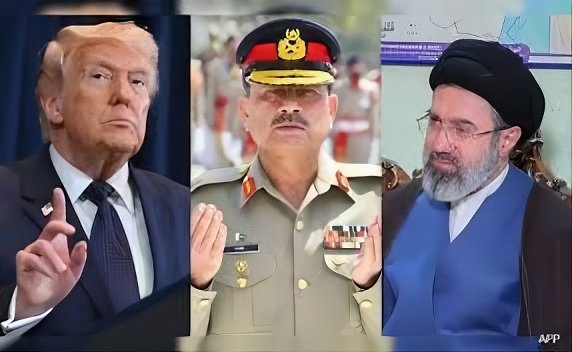
Iran launched multiple waves of missiles toward Israel on Tuesday, triggering air raid sirens across the country, including in Tel Aviv. Read More: https://theboardroompk.com/pakistan-horizontal-oil-well-breakthrough-ogdc-strikes-big-with-pasakhi-13/ Escalation Despite Diplomatic Claims The Israeli military confirmed the incoming attacks, with explosions reported in central areas. In Tel Aviv, a multi-storey apartment building suffered gaping holes, though it remained unclear if the damage came from a direct hit or intercepted debris. Israel’s Fire and Rescue Service immediately began searching for trapped civilians in one damaged structure. Rescue teams also located people sheltering in another affected building. No immediate casualty figures were released. The strikes came hours after US President Donald Trump announced he was postponing planned bombing of Iranian power plants and energy infrastructure for five days. Trump cited “very good and productive” conversations with Iranian officials as the reason for the delay. Iran Denies Any Negotiations Iran’s parliament speaker, Mohammad Baqer Qalibaf, quickly dismissed Trump’s statements as “fake news” designed to manipulate financial and oil markets. He insisted no talks had taken place between Tehran and Washington. The powerful Revolutionary Guards described Trump’s comments as “worn out” psychological operations with no effect on Iran’s resolve. The Guards vowed to continue fresh attacks on US targets in the region. Earlier, Israeli jets had struck central Tehran, hitting command centres linked to the Revolutionary Guards’ intelligence arm and the Iranian Intelligence Ministry. More than 50 additional targets, including missile storage sites, were hit overnight. The ongoing war, which began on February 28, has already claimed over 2,000 lives. Iran has effectively closed the Strait of Hormuz, disrupting roughly 20 percent of global oil and LNG flows. Markets reacted sharply. Oil prices, which had fallen below $100 a barrel on Monday, climbed again on Tuesday amid renewed uncertainty. Analysts described the situation as “fragile and flammable.” European and Pakistani officials noted indirect messaging channels, with possible talks in Islamabad still under discussion. However, Iran’s public stance showed no softening. The latest missile waves underscore the deep distrust and high stakes in the rapidly escalating Middle East conflict.

Pakistan Horizontal Oil Well Breakthrough: OGDC Strikes Big with Pasakhi-13
Breaking News

Pakistan Horizontal Oil Well Breakthrough: OGDC Strikes Big with Pasakhi-13

Pakistan Horizontal Oil Well development has taken a historic leap forward as Oil and Gas Development Company Limited (PSX: OGDC) successfully begins production from its groundbreaking Pasakhi-13 well. This achievement is more than just another oil discovery it signals a technological transformation in Pakistan’s energy sector that could reshape how the country taps into its underground resources. Read More: https://theboardroompk.com/pakistan-mediation-role-in-iran-us-israel-crisis-gains-global-attention/ What Makes This Pakistan Horizontal Oil Well So Special? The Pasakhi-13 well, located in Hyderabad District, is Pakistan’s first-ever horizontal oil well drilled in a clastic reservoir (Lower Goru-A sand). Unlike traditional vertical wells, horizontal drilling allows companies to access more oil from a single well by extending drilling laterally through the reservoir. This innovation is particularly crucial in Pakistan, where many reservoirs are complex and difficult to exploit using conventional methods. Currently, the well is producing around 460 barrels of oil per day (BPD) a promising start that highlights its commercial viability. Inside the Technology Powering the Breakthrough What truly sets this Pakistan Horizontal Oil Well apart is the advanced technology behind it. The well was drilled to a depth of nearly 3,000 meters and includes a 546-meter horizontal section. Using geo-steering technology, engineers were able to precisely guide the drill within a narrow 3-meter target zone often referred to as the reservoir’s “sweet spot.” To ensure efficient production, OGDC deployed a specially optimized Electric Submersible Pump (ESP), tailored for horizontal well operations. This combination of precision drilling and advanced pumping systems has significantly enhanced output. Why This Pakistan Horizontal Oil Well Matters for Energy Security Pakistan has long struggled with energy shortages and reliance on imported fuels. The success of this Pakistan Horizontal Oil Well offers a glimpse of hope. Compared to nearby wells under similar geological conditions, Pasakhi-13 is delivering nearly three times higher production. This means more oil can be extracted domestically, reducing the need for costly imports and easing pressure on foreign exchange reserves. Moreover, the project is fully owned by OGDC, giving Pakistan complete control over production and revenue. OGDC’s Growing Role as a Technology Pioneer Oil and Gas Development Company Limited has once again proven its position as a leader in Pakistan’s upstream oil and gas sector. By successfully executing this technically challenging project, the company demonstrates its commitment to innovation and operational excellence. This milestone could encourage further adoption of horizontal drilling techniques across the country, unlocking reserves that were previously considered uneconomical. A Step Toward a Smarter, Data-Driven Future While breakthroughs like the Pakistan Horizontal Oil Well are vital, experts stress that sustainable energy planning requires more than just drilling success. Integrating environmental, meteorological, and health data into national planning systems is becoming increasingly important. By combining energy development with climate and public health insights, policymakers can shift from reactive crisis management to proactive prevention ensuring long-term resilience and stability. What This Means for Pakistan’s Future The launch of Pasakhi-13 is not just an industry milestone it’s a signal of what’s possible when innovation meets determination. If replicated across other oil fields, this approach could significantly boost domestic production and strengthen Pakistan’s economic foundation. In a country where energy challenges have long hindered growth, the success of this Pakistan Horizontal Oil Well could mark the beginning of a more self-reliant and technologically advanced energy era.

South Punjab Mango Industry Crisis deepens as water shortages threaten production, and exports
Pakistan

South Punjab Mango Industry Crisis deepens as water shortages threaten production, and exports

The South Punjab Mango Industry Crisis is rapidly becoming a major concern for farmers, exporters, and policymakers alike, as looming water shortages threaten one of Pakistan’s most cherished agricultural sectors. Read More: https://theboardroompk.com/pakistan-mediation-role-in-iran-us-israel-crisis-gains-global-attention/ For generations, the fertile lands of South Punjab have produced world-famous mangoes celebrated for their rich taste, fragrance, and premium quality. Today, however, this legacy faces an uncertain future. Why the South Punjab Mango Industry Crisis Matters South Punjab is the heart of Pakistan’s mango production, with districts like Multan, Rahim Yar Khan, Muzaffargarh, and Khanewal leading the way. The region’s climate and soil conditions have made it globally competitive in mango exports. But the South Punjab Mango Industry Crisis is not just about fruit it’s about the economy, culture, and livelihoods of thousands. Mango farming fuels a vast ecosystem that includes: • Orchard owners and farmers• Daily wage laborers and seasonal pickers• Transporters and wholesalers• Exporters and online sellers Any disruption to water supply directly threatens this entire value chain. Water Shortages: The Root of the Crisis At the center of the South Punjab Mango Industry Crisis is the growing fear of reduced river water flows. Farmers warn that upstream water control measures, including dam construction and flow regulation, could drastically reduce water availability downstream. Water is not just important it is essential for mango orchards that take years to mature. Even short-term shortages can: • Reduce fruit yield• Damage tree health• Affect taste, size, and export quality Prominent orchard owner Shahid Hameed Bhutta emphasized that even minor disruptions can tarnish Pakistan’s global reputation for premium mangoes. Economic Impact of the South Punjab Mango Industry Crisis The South Punjab Mango Industry Crisis carries serious economic implications for Pakistan. Mango exports are a vital source of foreign exchange earnings, and the industry supports thousands of families across rural and urban areas. During peak seasons, mango-related activities surge across the economy. From roadside stalls to e-commerce platforms, the fruit becomes a major commercial driver. The traditional culture of mango gifting further boosts demand and local business activity. However, reduced production could lead to: • Declining export volumes• Loss of international market share• Increased unemployment in rural areas• Reduced income for small businesses Industry stakeholders warn that even a single weak season can have ripple effects across Pakistan’s agricultural economy. Farmers Speak: A Warning from the Ground Local growers are increasingly vocal about the risks posed by the South Punjab Mango Industry Crisis. Malik Arif Kalroo highlighted that thousands of families depend directly on mango farming, making water shortages a serious social issue. Meanwhile, Malik Umar Hayat stressed that water remains the backbone of agriculture in South Punjab, crucial not only for mangoes but for overall food security. Their message is clear: without reliable water supply, the region’s agricultural stability is at risk. The Role of the Indus Waters Treaty Farmers are urging strict adherence to the Indus Waters Treaty, a World Bank-mediated agreement that governs water distribution between Pakistan and India. Once considered a model of cooperation, the treaty is now under renewed scrutiny amid rising regional tensions. Growers believe that ensuring Pakistan’s rightful share of river water is essential to resolving the South Punjab Mango Industry Crisis. A Cultural Legacy at Risk Beyond economics, mangoes represent a deep cultural identity in Pakistan especially in South Punjab. Cities like Multan are globally recognized for producing iconic varieties that symbolize tradition, hospitality, and pride. The South Punjab Mango Industry Crisis is therefore not just about agriculture it is about preserving a centuries-old heritage. A decline in production could mean that global consumers lose access to some of the world’s finest mangoes, while Pakistan risks losing a symbol of its agricultural excellence. The Road Ahead: Can the Crisis Be Averted? Addressing the South Punjab Mango Industry Crisis requires urgent attention from policymakers, water authorities, and regional stakeholders. Key priorities include: • Ensuring fair water distribution• Investing in efficient irrigation systems• Supporting farmers with modern agricultural practices• Strengthening international water agreements Without timely intervention, the crisis could deepen, putting both economic stability and cultural heritage at risk. The South Punjab Mango Industry Crisis is a wake-up call for Pakistan. What is at stake is not just a fruit, but an entire ecosystem of livelihoods, exports, and national pride. As water challenges intensify, the future of Pakistan’s mango industry will depend on proactive policies, regional cooperation, and sustainable resource management.

Pakistan Mediation Role in Iran US Israel Crisis Gains Global Attention
World

Pakistan Mediation Role in Iran US Israel Crisis Gains Global Attention

Pakistan mediation role in Iran US Israel crisis has rapidly become one of the most talked-about geopolitical developments, as Islamabad quietly positions itself as a key diplomatic bridge in a region edging dangerously close to war. Read More: https://theboardroompk.com/k-electric-appoints-pso-chief-syed-taha-as-new-ceo/ At a time when tensions between the United States, Iran, and Israel threaten to spiral into a broader conflict, Pakistan has stepped forward not as a combatant, but as a mediator with rare access to all sides. Recent high-level contacts underline this role. Pakistan’s military leadership reached out to Washington, while Prime Minister Shehbaz Sharif engaged Tehran directly, signaling Islamabad’s willingness to help de-escalate tensions and even host talks if needed. A Narrow Window for Peace, But For How Long? The urgency of Pakistan’s mediation role comes as the crisis evolves rapidly. A temporary five-day pause in US military actions against Iranian infrastructure has created a fragile diplomatic opening. Markets responded instantly oil prices dropped while global equities rose reflecting cautious optimism. However, the situation remains volatile: • Israeli strikes have continued despite the pause• Iran has denied direct negotiations with the US• Backchannel communications are ongoing through “friendly countries” This ambiguity creates a unique opportunity and challenge for Pakistan. It can act as a trusted intermediary without being formally tied to negotiations, increasing its diplomatic value. Why Pakistan Holds a Unique Diplomatic Advantage Pakistan’s strength lies in its rare ability to maintain working relationships with all key players: • Strong communication channels with Washington• Diplomatic and geographic ties with Iran• Strategic alliance with Saudi Arabia This positioning allows Islamabad to act as a neutral messenger in a fractured diplomatic environment, where direct talks remain politically sensitive. In simple terms, Pakistan is one of the few countries that can “talk to everyone without being rejected by anyone.” Saudi Arabia Factor: A Strategic Pressure Point Pakistan mediation role in Iran US Israel crisis is further complicated by its deep ties with Saudi Arabia. A 2025 mutual defence pact between the two countries has raised expectations in Riyadh that Pakistan will stand firmly by its side. Saudi Arabia has already faced missile threats during the ongoing tensions, making the situation even more sensitive. This means Pakistan is not just mediating it is also under pressure to balance alliance commitments with neutrality. Iran Relations: A Border That Cannot Be Ignored On the other side, Pakistan shares a long and sensitive border with Iran. The relationship includes: • Cross-border trade and energy cooperation• Security coordination• Cultural and religious ties Islamabad has reassured Tehran that Saudi territory will not be used against it and continues to support Iran’s right to peaceful nuclear energy under international oversight. This careful diplomacy reflects a broader strategy: keep both doors open Riyadh and Tehran without provoking either. Domestic Risks: Why This Crisis Hits Home The Pakistan mediation role in Iran US Israel crisis is not just about foreign policy it carries serious domestic implications. Recent developments have already triggered unrest within Pakistan, particularly among Shia communities reacting to events in Iran. Any perception of bias could inflame sectarian tensions and destabilize internal security. For Islamabad, this creates a delicate balancing act: • Lean too far toward Saudi Arabia → risk domestic unrest• Lean too far toward Iran → risk Gulf relations Economic Stakes: A Crisis Pakistan Cannot Afford Beyond politics, Pakistan’s economy is deeply vulnerable to regional instability. The country relies heavily on: • Imported oil• Gulf economies• Remittances from millions of overseas workers Any disruption especially in critical routes like the Strait of Hormuz could: • Increase inflation• Weaken the rupee• Worsen fiscal pressures This is why Pakistan’s push for de-escalation is not just diplomatic it is economic survival strategy. Breaking Down the Key Developments Recent events highlight how quickly the situation is unfolding. Pakistan has actively engaged both Washington and Tehran within days, signaling urgency. Meanwhile, the US pause on strikes has provided temporary relief, but conflicting narratives especially Iran’s denial of direct talks show how fragile the situation remains. At the same time, domestic unrest in Pakistan reflects how global tensions are already spilling into local realities. Pakistan’s Strategic Relationships Explained Pakistan’s geopolitical importance comes from how it connects multiple power centers. With the United States, it maintains diplomatic channels and strategic relevance through regional security dynamics. With Iran, it shares geography and economic ties, including a long and porous border. With Saudi Arabia, it enjoys deep military, financial, and cultural connections, reinforced by defense agreements. This combination gives Pakistan influence but also exposes it to pressure from all sides. Final Thoughts: A Diplomatic Opportunity or a Strategic Trap? The Pakistan mediation role in Iran US Israel crisis places Islamabad at the center of one of the most dangerous geopolitical flashpoints today. Its ability to remain neutral while staying relevant will determine whether it emerges as a successful peace broker or becomes entangled in a widening conflict. For now, the five-day pause offers hope. But if tensions escalate again, Pakistan may face a difficult choice between: • Strategic alliances• Geographic realities• Domestic stability In a region where every move carries consequences, Pakistan is walking a very thin line.

Karachi Port Operations During Eid Boost Trade Confidence Amid Transshipment Concerns
Pakistan

Karachi Port Operations During Eid Boost Trade Confidence Amid Transshipment Concerns

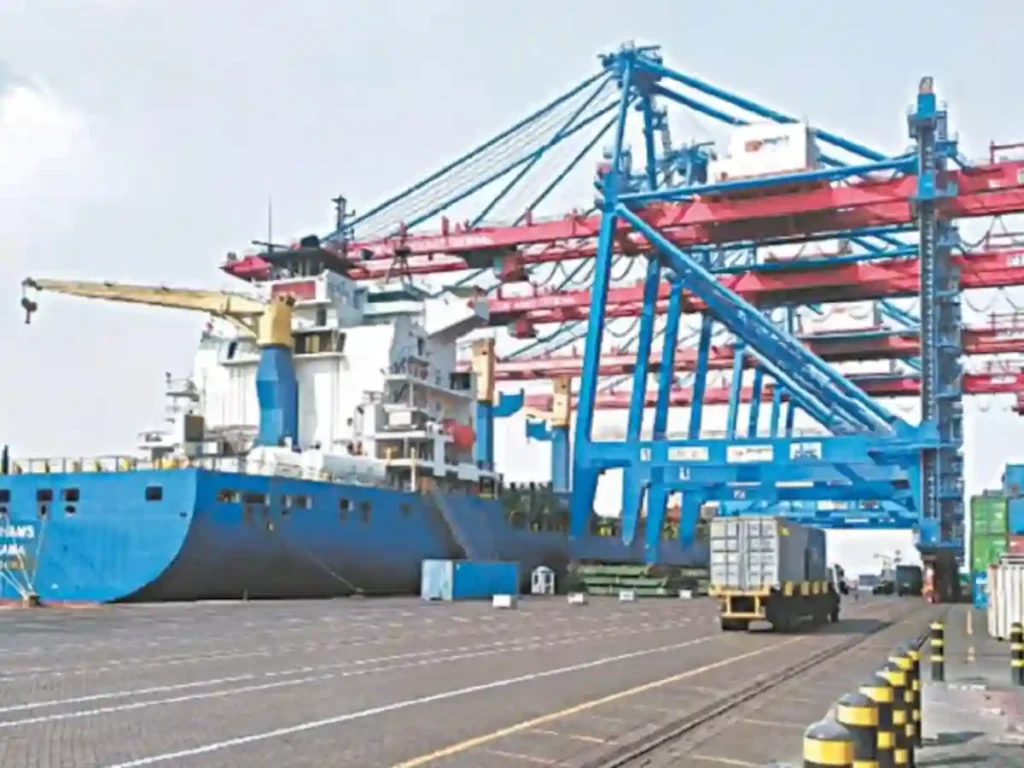
Karachi Port Operations have once again proven their reliability as the Karachi Port Trust (KPT) successfully maintained uninterrupted port activities throughout the Eid holidays. At a time when business activity typically slows down across Pakistan, this proactive move ensured that cargo movement, shipping schedules, and supply chains remained fully functional. Read More: https://theboardroompk.com/k-electric-appoints-pso-chief-syed-taha-as-new-ceo/ For traders, importers, and exporters, such continuity is more than just convenience it is a sign of stability. The decision has strengthened confidence among shipping lines and positioned Karachi as a dependable maritime hub in the region. Why Karachi Port Operations Matter for Pakistan’s Economy Pakistan’s economy heavily relies on its ports, especially Karachi, which handles a significant portion of the country’s imports and exports. Smooth Karachi Port Operations during peak holiday periods send a strong signal to global partners that Pakistan is serious about trade facilitation. Uninterrupted gate operations mean: • Faster cargo clearance• Reduced demurrage and detention costs• Improved turnaround time for vessels• Greater trust from international shipping companies This approach aligns with Pakistan’s broader ambition to become a competitive transshipment hub in South Asia. New FBR Rules Spark Industry Discussion While the smooth execution of Karachi Port Operations during Eid has been widely appreciated, the shipping industry has raised concerns regarding recent regulatory changes introduced by the Federal Board of Revenue (FBR) through SRO 517(I)/2025. Shipping companies have emphasized the importance of compliance and national security but are seeking clarity on certain aspects of the new framework particularly regarding liability for duties and taxes. Who Is Responsible After Cargo Leaves the Port? A key concern revolves around responsibility once cargo is unloaded. Shipping lines explain that they submit cargo manifests based on data received from the port of origin. After containers are discharged: • Terminal operators take custody• Containers may move to off-dock facilities• Transport is handled by bonded carriers under Customs supervision Given this chain of custody, shipping companies argue that their visibility ends after discharge. Therefore, holding them accountable for discrepancies during inland movement may not be operationally practical. Scanning Requirements May Slow Karachi Port Operations Another pressing issue affecting Karachi Port Operations is the requirement for comprehensive container scanning between terminals and off-dock facilities. Industry stakeholders believe this could: • Create operational bottlenecks• Delay cargo movement• Increase congestion at terminals Moreover, scanning charges add a financial burden especially for transshipment cargo, where no local importer or exporter exists to absorb the cost. This leaves shipping lines to bear the expenses, potentially making Karachi less attractive compared to competing ports. Regional Competition Is Heating Up Karachi is not alone in the race to become a regional logistics hub. Ports like: • Nhava Sheva Port (India)• Mundra Port (India)• Port of Colombo (Sri Lanka)• Port of Sohar (Oman) are offering incentives, streamlined processes, and cost efficiencies to attract global shipping lines. If additional costs and delays persist, stakeholders fear that cargo could be diverted to these competing hubs, impacting Pakistan’s trade potential. Industry Calls for Dialogue and Practical Solutions Despite these concerns, the shipping community remains optimistic. Stakeholders have expressed willingness to engage with authorities to refine policies and ensure that Karachi Port Operations remain efficient, compliant, and globally competitive. The focus is on: • Aligning regulations with international best practices• Ensuring clarity in roles and responsibilities• Minimizing delays while maintaining security A Balanced Approach Is the Way Forward The success of Karachi Port Operations during Eid highlights what is possible with proactive leadership and coordination. However, sustaining this momentum requires a balanced approach one that safeguards regulatory objectives without compromising trade efficiency. A collaborative dialogue between regulators, port authorities, and the shipping industry could unlock Karachi’s full potential as a regional transshipment hub.

Pakistan Air Pollution 2025 reaches alarming levels as PM2.5 pollution exceeds WHO limits by 13 times
Pakistan

Pakistan Air Pollution 2025 reaches alarming levels as PM2.5 pollution exceeds WHO limits by 13 times

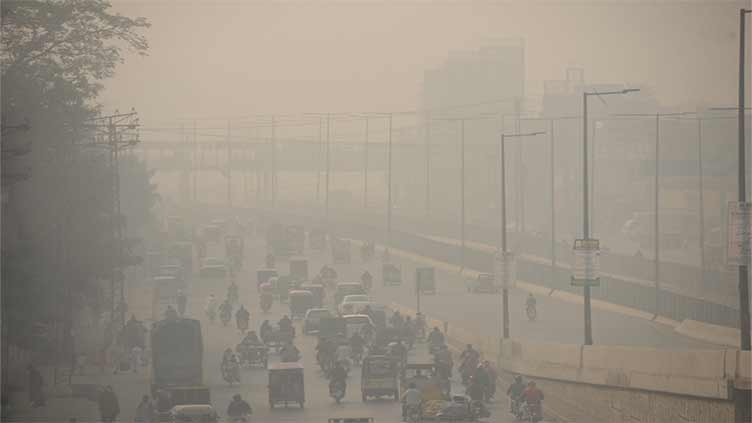
Pakistan Air Pollution 2025 has emerged as one of the most alarming environmental and public health challenges facing the country today. Recent global research reveals that Pakistan ranked as the most polluted country in the world in 2025, with dangerous levels of fine particulate matter (PM2.5) exceeding safe limits by up to 13 times. Read More: https://theboardroompk.com/k-electric-appoints-pso-chief-syed-taha-as-new-ceo/ This shocking development is not just an environmental concern it has serious implications for public health, economic productivity, and the overall quality of life for millions of Pakistanis. What Is Driving Pakistan Air Pollution 2025? The rise in Pakistan Air Pollution 2025 is largely driven by a combination of urbanization, industrial expansion, and environmental mismanagement. PM2.5 particles microscopic pollutants released from vehicle exhaust, industrial emissions, construction dust, and even wildfires are particularly dangerous. These particles are small enough to penetrate deep into the lungs and bloodstream, increasing the risk of respiratory diseases, heart conditions, and premature death. Major urban centers such as Karachi, Lahore, and Hyderabad have become hotspots of pollution due to rapid population growth and weak environmental regulation enforcement. Pakistan Air Pollution 2025: Karachi and Other Cities Under Threat In 2025, Karachi witnessed dangerously high pollution levels. On September 29, PM2.5 levels crossed 100 micrograms per cubic meter far above safe thresholds making the air “unhealthy for sensitive groups.” Lahore and Hyderabad also faced similar conditions, with frequent smog episodes affecting daily life, reducing visibility, and disrupting economic activity. The situation highlights how Pakistan Air Pollution 2025 is no longer seasonal it has become a year-round crisis impacting urban living standards. How Pakistan Compares Globally Globally, air pollution remains a widespread issue, but Pakistan Air Pollution 2025 stands out for its severity. According to international data: • Only 14% of cities worldwide met the World Health Organization’s air quality standards in 2025.• The most polluted cities globally were concentrated in South Asia and parts of China.• Countries like Bangladesh and Tajikistan followed Pakistan among the most polluted nations. Meanwhile, countries such as Australia, Iceland, Estonia, and Panama managed to maintain cleaner air, showing that effective environmental policies can make a difference. Mixed Global Trends: Improvements and Setbacks While Pakistan Air Pollution 2025 worsened, some countries showed encouraging progress. Nations like Laos, Cambodia, and Indonesia experienced better air quality due to favorable weather conditions linked to La Niña. Mongolia recorded a significant reduction in pollution levels, demonstrating that policy interventions and environmental factors can lead to measurable improvements. However, global monitoring faced setbacks when a major pollution tracking program was shut down in March 2025, creating gaps in data and making it harder to assess real progress in certain regions. Health and Economic Impact of Pakistan Air Pollution 2025 The consequences of Pakistan Air Pollution 2025 go far beyond environmental damage. On the health front, rising pollution levels are increasing the burden on hospitals, with more cases of asthma, lung infections, and cardiovascular diseases. Economically, poor air quality reduces workforce productivity, increases healthcare costs, and discourages foreign investment—posing a serious challenge for Pakistan’s long-term growth. Why Pakistan Must Act Now The reality of Pakistan Air Pollution 2025 calls for urgent and coordinated action. Without immediate intervention, the situation could worsen further, impacting future generations. Key measures that can help address the crisis include: • Stricter emission regulations for industries and vehicles• Investment in renewable energy and public transport• Urban planning reforms to reduce congestion and pollution• Public awareness campaigns about environmental responsibility The Road Ahead for Pakistan Air Pollution 2025 Pakistan stands at a critical crossroads. The findings of 2025 should serve as a wake-up call for policymakers, businesses, and citizens alike. Addressing Pakistan Air Pollution 2025 is not just about improving air quality it is about safeguarding public health, strengthening the economy, and ensuring a sustainable future. The question is no longer whether action is needed, but how quickly and effectively it can be implemented.

K-Electric Appoints PSO Chief Syed Taha as New CEO
Pakistan

K-Electric Appoints PSO Chief Syed Taha as New CEO

K-Electric, the sole power distributor for Karachi, has named Syed Taha as its new Chief Executive Officer. Read More: https://theboardroompk.com/pakistan-bans-high-octane-fuel-in-govt-vehicles-to-enforce-austerity/ The listed company informed the Pakistan Stock Exchange through an official notice on Tuesday. Leadership Transition at Karachi’s Power Utility The Board of Directors appointed Syed Taha effective April 15, 2026. He will replace interim CEO Adeeb Ahmad. This move follows the resignation of former CEO Moonis Alvi in February after a fiasco of workplace harassment charges by a female employee. Adeeb Ahmad had been serving in the interim role since then. Syed Taha’s Strong Energy Sector Background Syed Taha currently serves as Managing Director and CEO of Pakistan State Oil Company Limited since February 2020. Under his leadership, PSO achieved record profits and operational milestones. He holds an engineering degree and an MBA in Finance from the Institute of Business Administration, Karachi. Earlier, Taha worked as Chief Distribution Officer at K-Electric itself. Taha also served as Executive Director at Oasis Energy in Nigeria. There he headed the Program Management Office for Port Harcourt Electricity Distribution Company. His career includes senior roles at Shell Pakistan and Caltex Pakistan. He also brings experience from the steel industry. Industry observers see this appointment as a strategic step. Taha’s deep knowledge of Karachi’s power sector and fuel supply chain is expected to help K-Electric tackle ongoing challenges. The company expressed confidence in his ability to drive efficiency and service improvements for millions of customers in the city.

Scroll to Top