
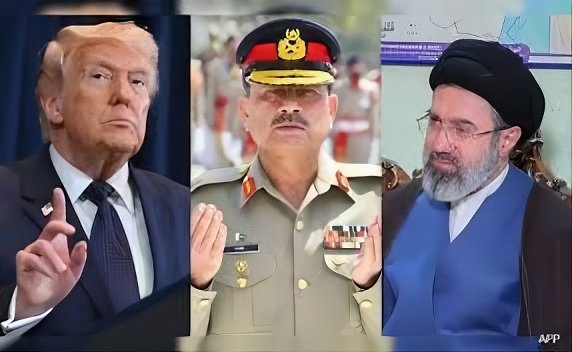
Pakistan mediation role in Iran US Israel crisis has rapidly become one of the most talked-about geopolitical developments, as Islamabad quietly positions itself as a key diplomatic bridge in a region edging dangerously close to war.
Read More: https://theboardroompk.com/k-electric-appoints-pso-chief-syed-taha-as-new-ceo/
At a time when tensions between the United States, Iran, and Israel threaten to spiral into a broader conflict, Pakistan has stepped forward not as a combatant, but as a mediator with rare access to all sides.
Recent high-level contacts underline this role. Pakistan’s military leadership reached out to Washington, while Prime Minister Shehbaz Sharif engaged Tehran directly, signaling Islamabad’s willingness to help de-escalate tensions and even host talks if needed.
A Narrow Window for Peace, But For How Long?
The urgency of Pakistan’s mediation role comes as the crisis evolves rapidly. A temporary five-day pause in US military actions against Iranian infrastructure has created a fragile diplomatic opening.
Markets responded instantly oil prices dropped while global equities rose reflecting cautious optimism. However, the situation remains volatile:
• Israeli strikes have continued despite the pause
• Iran has denied direct negotiations with the US
• Backchannel communications are ongoing through “friendly countries”
This ambiguity creates a unique opportunity and challenge for Pakistan. It can act as a trusted intermediary without being formally tied to negotiations, increasing its diplomatic value.
Why Pakistan Holds a Unique Diplomatic Advantage
Pakistan’s strength lies in its rare ability to maintain working relationships with all key players:
• Strong communication channels with Washington
• Diplomatic and geographic ties with Iran
• Strategic alliance with Saudi Arabia
This positioning allows Islamabad to act as a neutral messenger in a fractured diplomatic environment, where direct talks remain politically sensitive.
In simple terms, Pakistan is one of the few countries that can “talk to everyone without being rejected by anyone.”
Saudi Arabia Factor: A Strategic Pressure Point
Pakistan mediation role in Iran US Israel crisis is further complicated by its deep ties with Saudi Arabia.
A 2025 mutual defence pact between the two countries has raised expectations in Riyadh that Pakistan will stand firmly by its side. Saudi Arabia has already faced missile threats during the ongoing tensions, making the situation even more sensitive.
This means Pakistan is not just mediating it is also under pressure to balance alliance commitments with neutrality.
Iran Relations: A Border That Cannot Be Ignored
On the other side, Pakistan shares a long and sensitive border with Iran. The relationship includes:
• Cross-border trade and energy cooperation
• Security coordination
• Cultural and religious ties
Islamabad has reassured Tehran that Saudi territory will not be used against it and continues to support Iran’s right to peaceful nuclear energy under international oversight.
This careful diplomacy reflects a broader strategy: keep both doors open Riyadh and Tehran without provoking either.
Domestic Risks: Why This Crisis Hits Home
The Pakistan mediation role in Iran US Israel crisis is not just about foreign policy it carries serious domestic implications.
Recent developments have already triggered unrest within Pakistan, particularly among Shia communities reacting to events in Iran. Any perception of bias could inflame sectarian tensions and destabilize internal security.
For Islamabad, this creates a delicate balancing act:
• Lean too far toward Saudi Arabia → risk domestic unrest
• Lean too far toward Iran → risk Gulf relations
Economic Stakes: A Crisis Pakistan Cannot Afford
Beyond politics, Pakistan’s economy is deeply vulnerable to regional instability.
The country relies heavily on:
• Imported oil
• Gulf economies
• Remittances from millions of overseas workers
Any disruption especially in critical routes like the Strait of Hormuz could:
• Increase inflation
• Weaken the rupee
• Worsen fiscal pressures
This is why Pakistan’s push for de-escalation is not just diplomatic it is economic survival strategy.
Breaking Down the Key Developments
Recent events highlight how quickly the situation is unfolding.
Pakistan has actively engaged both Washington and Tehran within days, signaling urgency. Meanwhile, the US pause on strikes has provided temporary relief, but conflicting narratives especially Iran’s denial of direct talks show how fragile the situation remains.
At the same time, domestic unrest in Pakistan reflects how global tensions are already spilling into local realities.
Pakistan’s Strategic Relationships Explained
Pakistan’s geopolitical importance comes from how it connects multiple power centers.
With the United States, it maintains diplomatic channels and strategic relevance through regional security dynamics. With Iran, it shares geography and economic ties, including a long and porous border. With Saudi Arabia, it enjoys deep military, financial, and cultural connections, reinforced by defense agreements.
This combination gives Pakistan influence but also exposes it to pressure from all sides.
Final Thoughts: A Diplomatic Opportunity or a Strategic Trap?
The Pakistan mediation role in Iran US Israel crisis places Islamabad at the center of one of the most dangerous geopolitical flashpoints today.
Its ability to remain neutral while staying relevant will determine whether it emerges as a successful peace broker or becomes entangled in a widening conflict.
For now, the five-day pause offers hope. But if tensions escalate again, Pakistan may face a difficult choice between:
• Strategic alliances
• Geographic realities
• Domestic stability
In a region where every move carries consequences, Pakistan is walking a very thin line.