
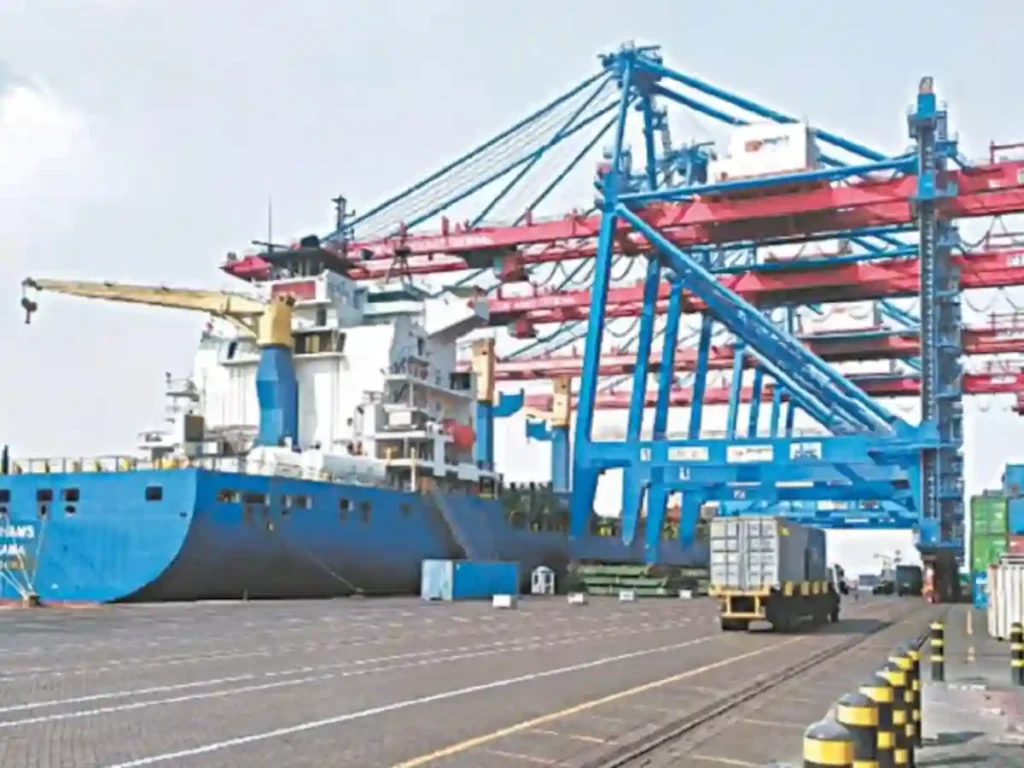
Karachi Port Operations have once again proven their reliability as the Karachi Port Trust (KPT) successfully maintained uninterrupted port activities throughout the Eid holidays. At a time when business activity typically slows down across Pakistan, this proactive move ensured that cargo movement, shipping schedules, and supply chains remained fully functional.
Read More: https://theboardroompk.com/k-electric-appoints-pso-chief-syed-taha-as-new-ceo/
For traders, importers, and exporters, such continuity is more than just convenience it is a sign of stability. The decision has strengthened confidence among shipping lines and positioned Karachi as a dependable maritime hub in the region.
Why Karachi Port Operations Matter for Pakistan’s Economy
Pakistan’s economy heavily relies on its ports, especially Karachi, which handles a significant portion of the country’s imports and exports. Smooth Karachi Port Operations during peak holiday periods send a strong signal to global partners that Pakistan is serious about trade facilitation.
Uninterrupted gate operations mean:
• Faster cargo clearance
• Reduced demurrage and detention costs
• Improved turnaround time for vessels
• Greater trust from international shipping companies
This approach aligns with Pakistan’s broader ambition to become a competitive transshipment hub in South Asia.
New FBR Rules Spark Industry Discussion
While the smooth execution of Karachi Port Operations during Eid has been widely appreciated, the shipping industry has raised concerns regarding recent regulatory changes introduced by the Federal Board of Revenue (FBR) through SRO 517(I)/2025.
Shipping companies have emphasized the importance of compliance and national security but are seeking clarity on certain aspects of the new framework particularly regarding liability for duties and taxes.
Who Is Responsible After Cargo Leaves the Port?
A key concern revolves around responsibility once cargo is unloaded. Shipping lines explain that they submit cargo manifests based on data received from the port of origin. After containers are discharged:
• Terminal operators take custody
• Containers may move to off-dock facilities
• Transport is handled by bonded carriers under Customs supervision
Given this chain of custody, shipping companies argue that their visibility ends after discharge. Therefore, holding them accountable for discrepancies during inland movement may not be operationally practical.
Scanning Requirements May Slow Karachi Port Operations
Another pressing issue affecting Karachi Port Operations is the requirement for comprehensive container scanning between terminals and off-dock facilities.
Industry stakeholders believe this could:
• Create operational bottlenecks
• Delay cargo movement
• Increase congestion at terminals
Moreover, scanning charges add a financial burden especially for transshipment cargo, where no local importer or exporter exists to absorb the cost. This leaves shipping lines to bear the expenses, potentially making Karachi less attractive compared to competing ports.
Regional Competition Is Heating Up
Karachi is not alone in the race to become a regional logistics hub. Ports like:
• Nhava Sheva Port (India)
• Mundra Port (India)
• Port of Colombo (Sri Lanka)
• Port of Sohar (Oman)
are offering incentives, streamlined processes, and cost efficiencies to attract global shipping lines.
If additional costs and delays persist, stakeholders fear that cargo could be diverted to these competing hubs, impacting Pakistan’s trade potential.
Industry Calls for Dialogue and Practical Solutions
Despite these concerns, the shipping community remains optimistic. Stakeholders have expressed willingness to engage with authorities to refine policies and ensure that Karachi Port Operations remain efficient, compliant, and globally competitive.
The focus is on:
• Aligning regulations with international best practices
• Ensuring clarity in roles and responsibilities
• Minimizing delays while maintaining security
A Balanced Approach Is the Way Forward
The success of Karachi Port Operations during Eid highlights what is possible with proactive leadership and coordination. However, sustaining this momentum requires a balanced approach one that safeguards regulatory objectives without compromising trade efficiency.
A collaborative dialogue between regulators, port authorities, and the shipping industry could unlock Karachi’s full potential as a regional transshipment hub.