Author name: Web Desk

AI Infrastructure Investment Surges as Global Tech Giants Bet on the Future
Tech

AI Infrastructure Investment Surges as Global Tech Giants Bet on the Future

AI Infrastructure Investment is rapidly becoming one of the biggest financial trends shaping the global technology landscape. Despite unprecedented spending levels, experts believe these investments are economically justified but only if companies can successfully monetize artificial intelligence services in the coming years. A new industry report suggests that the world is entering a decisive phase where massive funding for AI data centers, hardware, and cloud platforms must translate into real revenue growth. Otherwise, the market could face financial pressure and strategic recalibration. AI Infrastructure Investment Could Generate Trillions in Revenue The outlook for AI services remains highly optimistic. Analysts estimate that annual revenues from artificial intelligence could reach between $800 billion and $1.4 trillion by 2030. Interestingly, the majority of this opportunity lies in business-to-business (B2B) applications, which are expected to account for more than 95% of total earnings. This growth is largely driven by two key areas: • Enterprise AI, where companies adopt automation and data-driven tools to reduce operational costs• Embedded AI, where artificial intelligence is integrated into products and services to generate additional revenue Direct consumer subscriptions for AI services, while growing, are expected to remain relatively small in comparison. This means corporations not individuals will play the biggest role in shaping AI adoption globally. How AI Infrastructure Investment Supports the Entire Tech Ecosystem The revenue generated by AI services doesn’t stay confined to software providers. Instead, it flows through multiple layers of the technology ecosystem. Cloud platforms, AI developers, chip manufacturers, and data center operators all benefit from this expanding market. As companies deploy more AI solutions, they require: • Advanced data centers• High-performance computing hardware• Increased energy capacity• Improved networking infrastructure Under stable market conditions, analysts believe the AI ecosystem could support annual capital expenditure ranging from $430 billion to $700 billion, which aligns closely with current spending trends. Record Spending by Cloud Providers Signals Confidence Major hyperscale cloud providers are already making bold moves. Collectively, leading technology companies have announced approximately $650 billion in capital expenditure for 2026, with AI-focused cloud investments alone potentially exceeding $500 billion this year. This surge reflects strong confidence that AI will become a foundational layer for digital economies worldwide. However, this aggressive spending also increases pressure on companies to generate sustainable returns. Monetization: The Biggest Test for AI Infrastructure Investment While growth projections are impressive, success ultimately depends on monetization. AI service providers must ensure they capture meaningful value instead of losing revenue through intense competition and price reductions. If monetization falls short, two major risks could emerge: • Counterparty risk, particularly affecting cloud computing providers heavily reliant on large customers• Volume risk, which could impact hardware manufacturers and equipment suppliers if demand slows Additionally, data center operators face varying risk levels depending on how diversified their customer base is and how projects are financed. Enterprise Adoption Will Drive the Future of AI Infrastructure Investment The long-term sustainability of AI infrastructure spending depends heavily on enterprise adoption. Businesses adopting AI for productivity, automation, and analytics will ultimately determine whether the investment boom continues. If corporate users see measurable cost savings and revenue growth, the AI ecosystem will remain financially stable. However, weak adoption or delayed monetization could lead to market adjustments. The Bottom Line: A High-Stakes AI Investment Cycle The global AI Infrastructure Investment boom represents both a massive opportunity and a calculated risk. With trillions in potential revenue and hundreds of billions already committed, the industry stands at a crucial turning point. The coming years will determine whether AI delivers sustainable profits or whether companies must rethink their spending strategies. For now, the momentum remains strong, fueled by enterprise demand and technological innovation.


Gold Price in Pakistan Jumps Rs15,200 Latest Rates, Silver Trends & Market Outlook
Business

Gold Price in Pakistan Jumps Rs15,200 Latest Rates, Silver Trends & Market Outlook

The gold price in Pakistan witnessed a significant rise on Wednesday, creating fresh buzz in the local bullion market. The rate of 24-karat gold climbed by Rs15,200 per tola, reaching Rs479,262, reflecting strong demand and global market influences. According to the All-Pakistan Gems and Jewelers Sarafa Association, the price of 24-karat gold per 10 grams also increased by Rs13,031 to settle at Rs410,889. This surge highlights ongoing volatility in precious metal prices, which continues to attract investors seeking safe-haven assets. Meanwhile, 22-karat gold followed the same upward trend, rising to Rs376,661 per 10 grams, further indicating bullish sentiment in the domestic market. Silver Prices Also Follow Upward Trend The upward momentum was not limited to gold. Silver prices also recorded gains in Pakistan’s local market. • 24-karat silver per tola increased by Rs370 to Rs7,824• 24-karat silver per 10 grams rose by Rs317 to Rs6,707 This simultaneous rise in gold and silver suggests growing investor interest in precious metals amid uncertain economic conditions. Latest Gold and Silver Price Movement Explained Here’s how the recent price movement compares over different periods: • Gold per tola increased by Rs15,200 in just one day• Despite the daily surge, gold is still down by Rs61,300 compared to last month• Since the start of the fiscal year, gold has gained Rs129,062• Calendar year-to-date increase stands at Rs22,300 Silver showed similar trends, gaining Rs370 daily, although it remains lower compared to last month’s levels. However, its fiscal year performance remains positive. These fluctuations show how rapidly precious metal prices can change, making timing crucial for investors. Global Gold Market Influencing Gold Price in Pakistan International market dynamics also played a role in pushing the gold price in Pakistan higher. Globally, spot gold traded near $4,556 per ounce, rising by $10.5 or 0.23% from the previous session. The increase came as oil prices softened, encouraging investors to move funds into gold traditionally viewed as a safe-haven asset during economic uncertainty. Since Pakistan imports gold, international price movements directly impact domestic rates. What This Means for Buyers and Investors The latest surge in the gold price in Pakistan carries different implications: • For investors: Rising prices signal continued safe-haven demand and potential hedging opportunities• For jewelry buyers: Higher costs may delay purchases, especially during wedding season• For traders: Increased volatility creates short-term trading opportunities• For savers: Gold remains an attractive inflation hedge Market analysts suggest keeping an eye on global inflation trends, currency movements, and geopolitical developments, as these factors will likely influence gold’s next move. Market Outlook: Will Gold Continue Rising? Experts believe the gold price in Pakistan could remain volatile in the coming days. If global uncertainty persists and the US dollar weakens, gold may continue its upward trend. However, profit-taking in international markets could temporarily ease prices. For now, investors are closely watching international commodity markets, currency fluctuations, and local demand patterns.

OGDC Exposes Large-Scale Oil Theft, Illegal Refinery in Tando Allahyar, Sindh
Pakistan

OGDC Exposes Large-Scale Oil Theft, Illegal Refinery in Tando Allahyar, Sindh

ISLAMABAD: Oil and Gas Development Company Limited (OGDC) has uncovered a major crude oil theft operation and an illegal refinery in Sindh’s Tando Allahyar district and sought strict legal action against those involved. Read More: https://theboardroompk.com/pakistan-ports-transshipment-government-offers-incentives-to-attract-foreign-cargo/ According to officials, the theft involved illegal tapping of the Kunnar Pasakhi Deep (KPD)-TAY oil field pipeline near Tando Jam, close to the Machhi Hotel police check post. The stolen crude oil was being transported and processed at an illegal refinery before being sold in the local market. OGDC initiated a coordinated investigation in January 2026, working closely with intelligence and law enforcement agencies to trace the network. After weeks of surveillance and technical tracking, the company successfully identified tapping points along the pipeline and the location of the illegal refining facility. A raid was conducted in the Siri area of New Hyderabad City involving eight police vehicles, five OGDC vehicles, and additional support from an intelligence agency. During the operation, authorities recovered refining equipment and a large quantity of stolen crude oil. The culprits fled the scene, leaving behind five motorcycles. Tando Jam police have registered a case against the thieves’ gang leader, Wazir Daudani, along with his associates Ghani Daudani, Badshah Nizamani, Mabaan Nizamani, and six others, according to a copy of the FIR. The FIR was lodged on the complaint of an OGDC security supervisor at Pasakhi Oil Field. Police also seized three Suzuki vehicles and a Mazda truck carrying stolen crude oil. The accused were operating an illegal refinery where crude oil stolen from OGDC pipelines was being processed and sold, posing serious safety and environmental risks. Local residents also expressed serious concerns over the unsafe transportation and handling of oil. OGDC has called for strict action against the culprits, including proceedings under Section 7 of the Anti-Terrorism Act (ATA), citing the scale of the operation and its threat to critical national infrastructure. OGDC’s proactive efforts to trace and dismantle the theft network have prevented significant financial losses to the national exchequer at a time of rising energy costs due to the regional conflict. OGDC reaffirmed its commitment to safeguarding national resources and enhancing indigenous energy production to reduce reliance on imports and save foreign exchange reserves.

Pakistan Ports Transshipment: Government Offers Incentives to Attract Foreign Cargo
Pakistan

Pakistan Ports Transshipment: Government Offers Incentives to Attract Foreign Cargo

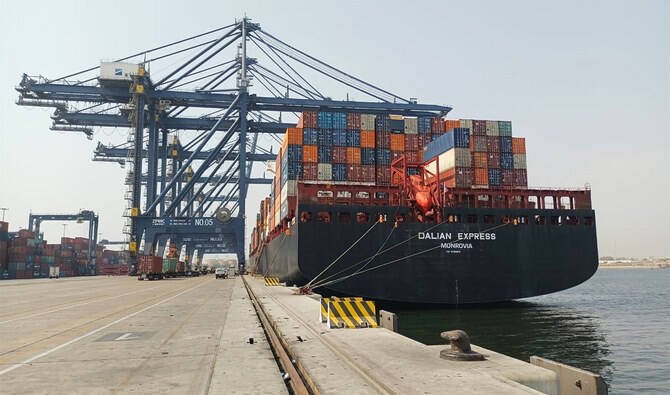
Pakistan is stepping up efforts to strengthen its maritime sector as part of a broader Pakistan Ports Transshipment strategy aimed at attracting foreign cargo and increasing trade activity. The government is introducing incentives, improving operational efficiency, and reducing costs to make Pakistani ports more competitive in the region. Read More: https://theboardroompk.com/tpl-trakker-settles-sukuk-ii-early-clears-principal-and-profit-payments-certificates-issued-in-2021-for-five-years-fully-settled-on-march-19-ahead-of-maturity-profit/ Federal Minister for Maritime Affairs Muhammad Junaid Anwar Chaudhry emphasized that evolving regional trade dynamics present a major opportunity for Pakistan. By ensuring a business-friendly environment, the country can position its ports as attractive gateways for international shipping lines and logistics operators. Fiscal Incentives Introduced to Support Pakistan Ports Transshipment To strengthen the Pakistan Ports Transshipment initiative, the government has introduced fiscal incentives for foreign-flagged transshipment vessels. These measures aim to reduce operational costs and encourage shipping lines to route cargo through Pakistani ports. The incentives include: • Up to 60% concession on port dues for ships carrying dry bulk export cargo• Reduced cost of doing business for foreign vessels• Increased port throughput and cargo handling capacity These financial relaxations are expected to help Pakistani ports compete with regional hubs that already offer attractive pricing structures. Lower costs could encourage more shipping lines to use Pakistan as a transit point for regional cargo movement. Streamlining Operations to Improve Port Efficiency The minister highlighted the importance of removing operational bottlenecks to enhance the Pakistan Ports Transshipment framework. Efforts are underway to: • Rationalise port charges• Simplify customs clearance procedures• Improve container scanning processes• Reduce delays in cargo handling These reforms aim to create a seamless environment for importers, exporters, and shipping agents. Faster turnaround times and simplified documentation can significantly improve Pakistan’s standing as a regional maritime hub. High-Level Meeting Reviews Challenges in Pakistan Ports Transshipment The developments were discussed during a high-level meeting chaired by the minister. Officials from the Ministry of Maritime Affairs, representatives from the Ministry of Commerce, Karachi Port Trust, Pakistan Customs, and National Logistics Corporation participated in the session. Representatives from the Pakistan Ships’ Agents Association also joined via video link. Participants discussed regional competition, container scanning challenges, customs clearance delays, and the management of auctionable containers. Eid Operations Highlight Port Capacity The minister appreciated the performance of Rear Admiral (retd) Shahid Ahmed, Chairman of the Karachi Port Trust, for ensuring uninterrupted operations during Eid holidays a first in the port’s 138-year history. During the three-day period: • Around 15,000 containers were handled• 22 vessels were processed• Operations continued without disruption This performance demonstrates the operational capacity of Pakistani ports and supports the broader Pakistan Ports Transshipment vision. Container Clearance and Storage Challenges Officials informed the meeting that approximately: • 1,000 containers had already been auctioned• 200 containers were under process• Nearly 3,700 containers required urgent clearance To address storage issues, 10 acres of land have been allocated for auctioned containers. Concerns were also raised about long-pending containers, some stored for up to 15 years. Stakeholders suggested setting maximum storage limits to prevent congestion and improve efficiency. Policy Clarity Needed for Pakistan Ports Transshipment The Pakistan Ships’ Agents Association stressed the need for clearer transshipment policy guidelines, particularly regarding liability for duties and taxes. Addressing these concerns will improve confidence among shipping agents and logistics companies. The minister reaffirmed the government’s commitment to resolving stakeholder issues, improving coordination, and enhancing port performance. Pakistan Ports Transshipment: A Gateway to Regional Trade Growth With fiscal incentives, operational reforms, and stronger coordination among stakeholders, the Pakistan Ports Transshipment initiative has the potential to transform the country into a regional logistics hub. Improved efficiency, competitive pricing, and streamlined processes could attract foreign cargo and boost economic activity. If implemented effectively, these measures can strengthen Pakistan’s maritime sector, create new business opportunities, and enhance the country’s role in regional trade corridors.

TPL Trakker settles Sukuk II early, clears principal and profit payments
Business

TPL Trakker settles Sukuk II early, clears principal and profit payments ,Certificates issued in 2021 for five years fully settled on March 19 ahead of maturity PROFIT

Karachi: TPL Trakker Limited has completed early settlement of its Sukuk Certificates – II, clearing both principal and profit payments ahead of the original maturity date. Read More: https://theboardroompk.com/oil-prices-slide-4-below-100-as-middle-east-ceasefire-hopes-rise/ The company informed the Pakistan Stock Exchange on Tuesday that the Sukuk, issued on March 30, 2021 for a five-year tenure, were fully settled on March 19, 2026. Following the early payment, the instruments now stand matured and discharged. The company said the move reflects adjustments in its capital structure and financing position. The early settlement is expected to reduce financing costs and improve financial flexibility, according to the disclosure. TPL Trakker directed that the information be communicated to trading right entitlement certificate holders of the exchange.

Pakistan Clears 40 Food Items for Gulf Export Including Rice, Edible Oil, Sugar, Meat, Poultry, Dried Milk, Dairy Products, Fruits and Vegetables
Business

Pakistan Clears 40 Food Items for Gulf Export Including Rice, Edible Oil, Sugar, Meat, Poultry, Dried Milk, Dairy Products, Fruits and Vegetables

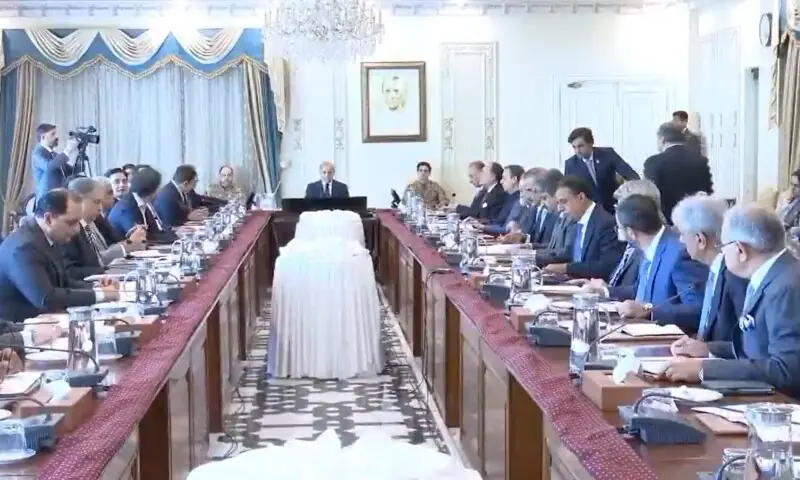
Islamabad: Prime Minister Shehbaz Sharif has been informed that a special committee has approved 40 food items for export to Gulf countries. Read More: https://theboardroompk.com/oil-prices-slide-4-below-100-as-middle-east-ceasefire-hopes-rise/ The development came during a high-level meeting chaired by the PM on Wednesday. Export Strategy Gains Momentum The special committee formed to promote exports with Gulf states gave green light to the list of items. Key products include rice, edible oil, sugar, meat, poultry, dried milk, dairy products, fruits and vegetables. No additional charges will be imposed on the export of vegetables, fruits and meat.Both air and sea routes will remain open for smooth shipment of these food items. PM Directs Swift Action Prime Minister Shehbaz Sharif expressed satisfaction over the progress made so far. He appreciated the performance of relevant departments and officials involved in the process. The PM directed all departments to stay in close contact with Gulf countries regarding their food security needs. He stressed that exports of surplus food items must be expedited without disturbing domestic supplies. Complete monitoring of demand and supply for local needs has been ordered. “Any delay in decision-making at the level of government institutions is unacceptable,” the Prime Minister said. Focus on Aviation and Ports The meeting also reviewed matters related to Pakistan’s ports and maritime operations amid the current regional situation. Prime Minister Shehbaz directed preparation of a comprehensive plan to increase flight operations. This plan covers Karachi, Gwadar and other major international airports of the country. Officials briefed the PM on measures taken for export of essential goods to Gulf states. The strategy aims to strengthen economic ties while ensuring Pakistan’s own food security remains intact. This step is expected to open new revenue streams for Pakistani farmers and exporters. Experts believe timely implementation will help balance export growth with local market stability.

Oil Prices Slide 4%, Below $100, as Middle East Ceasefire Hopes Rise
World

Oil Prices Slide 4%, Below $100, as Middle East Ceasefire Hopes Rise

Oil prices tumbled nearly 4% on Wednesday as hopes grew for a Middle East ceasefire that could ease major supply disruptions in the region. Read More: http://Oil prices below $100 ceasefire 2026, Brent $98 WTI $87 Iran talks, Middle East ceasefire oil drop Trump, Hormuz risk premium oil crash, US Iran 15-point plan oil market. Diplomatic Push Gains Momentum The United States has sent Iran a detailed 15-point plan aimed at ending the ongoing war. US President Donald Trump stated that negotiations are making progress toward a peaceful resolution. Reports suggest the proposal includes dismantling Iran’s nuclear program and stopping support for proxy groups. A month-long ceasefire is reportedly being discussed to allow further talks on reopening the Strait of Hormuz. Market Reaction and Uncertainty Brent crude futures dropped $4.89, or 4.7 percent, to $99.60 per barrel. West Texas Intermediate (WTI) crude fell $3.54, or 3.8 percent, to $88.81 per barrel. Analysts noted that profit-taking followed rising ceasefire expectations after Tuesday’s sharp gains. However, experts remain cautious, saying the outlook is still uncertain and negotiations may not succeed quickly. Hiroyuki Kikukawa of Nissan Securities said expectations have risen slightly but selling is limited by doubts. Middle East developments continue to dominate price movements, keeping volatility high in the near term. The war has caused the biggest oil supply disruption ever recorded, halting flows through the Strait of Hormuz. This vital route normally carries about one-fifth of global crude and gas supplies. Even if a ceasefire happens soon, full production restart may take time until durability is confirmed. Pakistan’s prime minister offered to host talks between the US and Iran to support diplomacy. Iran has informed international bodies that non-hostile vessels can transit the Strait if coordinated with its authorities. Meanwhile, strikes continue and the US is preparing to send more troops to the region. To compensate for disruptions, Saudi Arabia ramped up exports from its Red Sea Yanbu port to nearly 4 million barrels per day. US crude stocks rose by 2.35 million barrels last week, with gasoline and distillate inventories also increasing.

ADB Financial Support: Asia Braces for Economic Shock as Energy Costs Rise
World

ADB Financial Support: Asia Braces for Economic Shock as Energy Costs Rise

The ADB Financial Support initiative is gaining urgency as the Asian Development Bank moves to extend rapid financial assistance to developing economies facing economic fallout from the ongoing Middle East conflict. Rising energy prices, supply chain disruptions, and currency pressures are forcing governments across Asia to prepare for financial turbulence. Read More: https://theboardroompk.com/colombian-military-plane-crash-tragedy-kills-66-in-deadly-c-130-hercules-disaster/ ADB Financial Support to Counter Rising Economic Pressures ADB President Masato Kanda confirmed that the bank is preparing fast-disbursing budget support and expanded trade financing to help countries absorb immediate shocks. This ADB Financial Support package is designed to stabilize economies while protecting long-term growth prospects. The Manila-based lender highlighted that the assistance will ensure the continued flow of essential imports, particularly energy supplies. Oil financing, which had previously been scaled back, will be temporarily reinstated under exceptional circumstances to prevent shortages and manage external account pressures. Why ADB Financial Support Matters for Asian Economies The economic ripple effects of the Middle East tensions are being felt across Asia in multiple ways: • Energy prices are rising sharply, increasing import bills.• Inflationary pressures are building due to higher fuel and transport costs.• Currencies are facing depreciation risks amid capital outflows.• Supply chains are experiencing delays and increased shipping costs. Beyond oil, disruptions are also affecting petrochemicals and fertilizers two key inputs for agriculture. This raises concerns about food production and food security in many developing economies. How the ADB Financial Support Package Will Work The ADB Financial Support initiative combines several financial tools to address both government and private sector needs. The bank plans to use its countercyclical lending buffer, allowing it to scale up emergency assistance while safeguarding existing projects. Through its Countercyclical Support Facility, governments facing widening fiscal deficits can receive immediate financial relief. This support aims to stabilize budgets without forcing sudden spending cuts that could harm economic recovery. Meanwhile, the Trade and Supply Chain Finance Program will back private-sector imports of essential commodities such as fuel, food, and industrial inputs. This ensures businesses can continue operations despite global disruptions. Tourism and Remittance-Dependent Economies at Risk Countries heavily reliant on tourism and overseas remittances are particularly vulnerable. Weakening external demand and tighter financial conditions could reduce foreign exchange inflows, placing additional strain on current accounts. The ADB Financial Support package aims to cushion these economies by maintaining access to trade financing and preventing disruptions to essential imports. ADB in Talks with Affected Countries ADB officials confirmed they are actively engaging with the most affected economies to tailor assistance packages. The objective is to stabilize macroeconomic conditions while protecting vulnerable populations from inflation and job losses. This targeted approach reflects the bank’s commitment to ensuring that financial support is not only rapid but also responsive to each country’s unique economic challenges. What This Means for Pakistan and the Region For countries like Pakistan, rising oil prices and external financing needs make ADB Financial Support particularly important. Increased import bills and pressure on foreign reserves could heighten economic risks. Access to fast-disbursing funding and trade financing can help maintain stability during uncertain global conditions. The broader Asian region is now watching closely as the ADB mobilizes its financial resources to prevent short-term shocks from turning into long-term economic setbacks.

Pakistan Offers to Host US-Iran Talks as Missile Exchanges Intensify
World

Pakistan Offers to Host US-Iran Talks as Missile Exchanges Intensify

Pakistan’s Prime Minister Shehbaz Sharif offered to host direct talks between the US and Iran. In a post on X, he stated that Pakistan was “ready and honoured” to facilitate meaningful discussions for a comprehensive settlement, subject to agreement from both sides. Read More: https://theboardroompk.com/colombian-military-plane-crash-tragedy-kills-66-in-deadly-c-130-hercules-disaster/ A Pakistani government source described the initiative as advanced but dependent on US and Iranian concurrence. Oman had previously mediated nuclear talks, reporting progress before the strikes began on February 28. The conflict originated from stalled nuclear negotiations. US and Israeli forces struck Iran after claiming insufficient advancements, prompting Iranian retaliation across the region, including attacks on Gulf infrastructure. As exchanges continued, both sides showed no immediate signs of de-escalation. Netanyahu was expected to consult security officials on Trump’s deal push, while Iranian hardliners under IRGC influence hardened their stance. Analysts noted the contradictory signals: Trump expressed optimism for a deal curbing Iran’s nuclear and missile programs, yet on-the-ground actions suggested prolonged fighting. The war has already caused significant energy market shocks and regional instability. Iran launched multiple waves of missiles toward Israel on Tuesday, triggering air raid sirens across Tel Aviv and causing damage to residential areas. The strikes came as the US-Israel war with Iran entered its fourth week. Israeli military officials reported that several missiles penetrated air defenses, leading to explosions in central Tel Aviv. No fatalities were immediately confirmed, though damage included craters in roads and debris scattered around apartment buildings. Diplomatic Claims Spark Sharp Rebuttals US President Donald Trump had announced on Monday that “very good and productive” talks were underway with Iranian representatives. He claimed these discussions involved special envoys and aimed at a “complete and total resolution of hostilities” in the Middle East. Trump also postponed threats to bomb Iranian power plants for five days, citing progress. However, Iranian Parliament Speaker Mohammad Baqer Qalibaf quickly dismissed the claims as “fake news.” Tehran’s foreign ministry echoed the denial, stating no dialogue had taken place. Iran’s Revolutionary Guards described Trump’s statements as “worn out psychological operations” that would not deter their operations. In a mocking response, the Iranian embassy in South Africa posted an image of a child’s toy steering wheel on a car dashboard, seemingly ridiculing Trump’s comments on controlling the Strait of Hormuz. Regional Fallout and Retaliatory Strikes The missile attacks followed overnight Israeli airstrikes on Tehran and over 50 targets in Iran, including IRGC command centers and ballistic missile facilities. Explosions were reported in the Iranian capital, with air defenses activated. In Tabriz, at least eight people were killed and 28 injured in an Israeli strike on a residential area. The UAE successfully intercepted five ballistic missiles and 17 drones launched from Iran. Meanwhile, Israel signaled plans to expand operations in southern Lebanon up to the Litani River, targeting Hezbollah positions. Defense Minister Israel Katz warned that areas linked to “terror” would see no residents or homes remaining. Oil prices remained volatile due to Iran’s closure of the Strait of Hormuz, which handles about 20% of global oil and LNG supplies. Brent crude hovered near $103 per barrel after earlier spikes.

Bank Makramah Limited Assigned ‘A-/A2’ Ratings with Stable Outlook by VIS
Business

Bank Makramah Limited Assigned ‘A-/A2’ Ratings with Stable Outlook by VIS

Karachi, March 25, 2026 — Bank Makramah Limited (BML) has been assigned initial entity ratings of ‘A-’ (Long Term) and ‘A2’ (Short Term) with a ‘Stable’ outlook by VIS Credit Rating Company Limited.The assigned ratings reflect a significant improvement in the Bank’s credit profile, underpinned by strong sponsor support, successful recapitalization, ongoing restructuring initiatives, and a strengthened governance and liquidity framework. Read More: https://theboardroompk.com/sbp-cancels-licenses-of-dream-exchange-and-al-raj-international-over-regulatory-violations/ It is noteworthy that the Bank’s last assigned ratings in 2018 stood at ‘BBB-’ (Long Term) and ‘A3’ (Short Term) with a ‘Negative’ outlook. Subsequently, the ratings were suspended in 2019. The current assignment represents a restoration of ratings after suspension, along with a substantial upgrade in both long-term and short-term ratings, and a revision in outlook from Negative to Stable. This achievement underscores the Bank’s comprehensive transformation journey, marked by capital strengthening, improved solvency position, enhanced governance structure, and consistent progress toward strategic objectives. The milestone follows a record pre-tax profit of PKR 19 billion for the year ended 2025, alongside compliance with Minimum Capital Requirement (MCR) and Capital Adequacy Ratio (CAR) benchmarks.Bank Makramah Limited now enters its next phase, defined by financial stability, strategic clarity, and sustainable value creation for its stakeholders.

Scroll to Top