
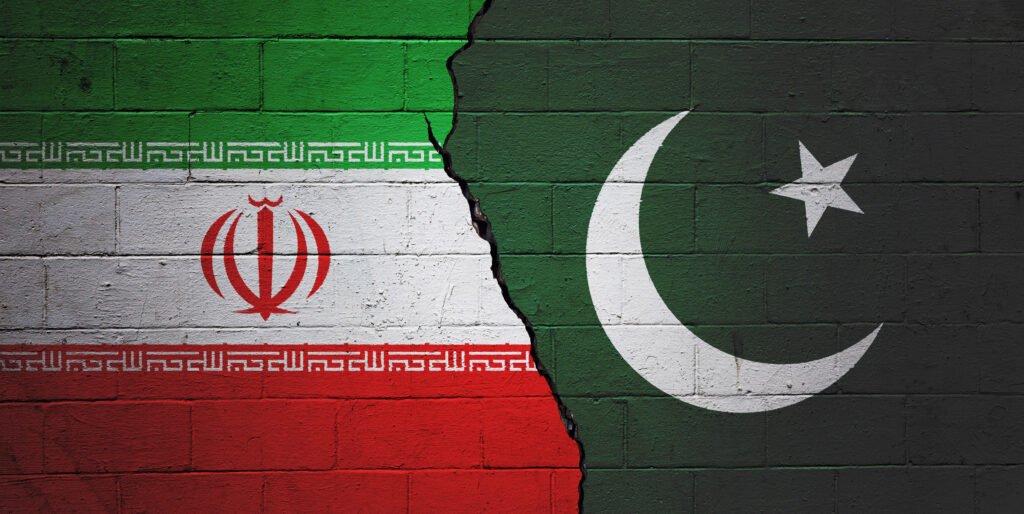
Pakistan’s Prime Minister Shehbaz Sharif offered to host direct talks between the US and Iran. In a post on X, he stated that Pakistan was “ready and honoured” to facilitate meaningful discussions for a comprehensive settlement, subject to agreement from both sides.
A Pakistani government source described the initiative as advanced but dependent on US and Iranian concurrence. Oman had previously mediated nuclear talks, reporting progress before the strikes began on February 28.
The conflict originated from stalled nuclear negotiations. US and Israeli forces struck Iran after claiming insufficient advancements, prompting Iranian retaliation across the region, including attacks on Gulf infrastructure.
As exchanges continued, both sides showed no immediate signs of de-escalation. Netanyahu was expected to consult security officials on Trump’s deal push, while Iranian hardliners under IRGC influence hardened their stance.
Analysts noted the contradictory signals: Trump expressed optimism for a deal curbing Iran’s nuclear and missile programs, yet on-the-ground actions suggested prolonged fighting. The war has already caused significant energy market shocks and regional instability.
Iran launched multiple waves of missiles toward Israel on Tuesday, triggering air raid sirens across Tel Aviv and causing damage to residential areas. The strikes came as the US-Israel war with Iran entered its fourth week.
Israeli military officials reported that several missiles penetrated air defenses, leading to explosions in central Tel Aviv. No fatalities were immediately confirmed, though damage included craters in roads and debris scattered around apartment buildings.
Diplomatic Claims Spark Sharp Rebuttals
US President Donald Trump had announced on Monday that “very good and productive” talks were underway with Iranian representatives. He claimed these discussions involved special envoys and aimed at a “complete and total resolution of hostilities” in the Middle East.
Trump also postponed threats to bomb Iranian power plants for five days, citing progress. However, Iranian Parliament Speaker Mohammad Baqer Qalibaf quickly dismissed the claims as “fake news.” Tehran’s foreign ministry echoed the denial, stating no dialogue had taken place.
Iran’s Revolutionary Guards described Trump’s statements as “worn out psychological operations” that would not deter their operations. In a mocking response, the Iranian embassy in South Africa posted an image of a child’s toy steering wheel on a car dashboard, seemingly ridiculing Trump’s comments on controlling the Strait of Hormuz.
Regional Fallout and Retaliatory Strikes
The missile attacks followed overnight Israeli airstrikes on Tehran and over 50 targets in Iran, including IRGC command centers and ballistic missile facilities. Explosions were reported in the Iranian capital, with air defenses activated.
In Tabriz, at least eight people were killed and 28 injured in an Israeli strike on a residential area. The UAE successfully intercepted five ballistic missiles and 17 drones launched from Iran.
Meanwhile, Israel signaled plans to expand operations in southern Lebanon up to the Litani River, targeting Hezbollah positions. Defense Minister Israel Katz warned that areas linked to “terror” would see no residents or homes remaining.
Oil prices remained volatile due to Iran’s closure of the Strait of Hormuz, which handles about 20% of global oil and LNG supplies. Brent crude hovered near $103 per barrel after earlier spikes.