
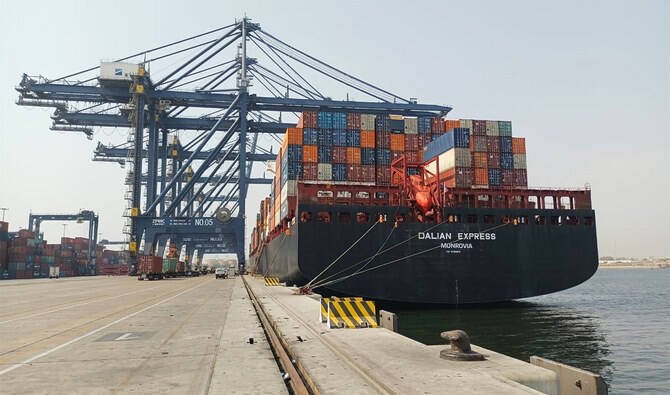
Pakistan is stepping up efforts to strengthen its maritime sector as part of a broader Pakistan Ports Transshipment strategy aimed at attracting foreign cargo and increasing trade activity. The government is introducing incentives, improving operational efficiency, and reducing costs to make Pakistani ports more competitive in the region.
Federal Minister for Maritime Affairs Muhammad Junaid Anwar Chaudhry emphasized that evolving regional trade dynamics present a major opportunity for Pakistan. By ensuring a business-friendly environment, the country can position its ports as attractive gateways for international shipping lines and logistics operators.
Fiscal Incentives Introduced to Support Pakistan Ports Transshipment
To strengthen the Pakistan Ports Transshipment initiative, the government has introduced fiscal incentives for foreign-flagged transshipment vessels. These measures aim to reduce operational costs and encourage shipping lines to route cargo through Pakistani ports.
The incentives include:
• Up to 60% concession on port dues for ships carrying dry bulk export cargo
• Reduced cost of doing business for foreign vessels
• Increased port throughput and cargo handling capacity
These financial relaxations are expected to help Pakistani ports compete with regional hubs that already offer attractive pricing structures. Lower costs could encourage more shipping lines to use Pakistan as a transit point for regional cargo movement.
Streamlining Operations to Improve Port Efficiency
The minister highlighted the importance of removing operational bottlenecks to enhance the Pakistan Ports Transshipment framework. Efforts are underway to:
• Rationalise port charges
• Simplify customs clearance procedures
• Improve container scanning processes
• Reduce delays in cargo handling
These reforms aim to create a seamless environment for importers, exporters, and shipping agents. Faster turnaround times and simplified documentation can significantly improve Pakistan’s standing as a regional maritime hub.
High-Level Meeting Reviews Challenges in Pakistan Ports Transshipment
The developments were discussed during a high-level meeting chaired by the minister. Officials from the Ministry of Maritime Affairs, representatives from the Ministry of Commerce, Karachi Port Trust, Pakistan Customs, and National Logistics Corporation participated in the session.
Representatives from the Pakistan Ships’ Agents Association also joined via video link. Participants discussed regional competition, container scanning challenges, customs clearance delays, and the management of auctionable containers.
Eid Operations Highlight Port Capacity
The minister appreciated the performance of Rear Admiral (retd) Shahid Ahmed, Chairman of the Karachi Port Trust, for ensuring uninterrupted operations during Eid holidays a first in the port’s 138-year history.
During the three-day period:
• Around 15,000 containers were handled
• 22 vessels were processed
• Operations continued without disruption
This performance demonstrates the operational capacity of Pakistani ports and supports the broader Pakistan Ports Transshipment vision.
Container Clearance and Storage Challenges
Officials informed the meeting that approximately:
• 1,000 containers had already been auctioned
• 200 containers were under process
• Nearly 3,700 containers required urgent clearance
To address storage issues, 10 acres of land have been allocated for auctioned containers. Concerns were also raised about long-pending containers, some stored for up to 15 years. Stakeholders suggested setting maximum storage limits to prevent congestion and improve efficiency.
Policy Clarity Needed for Pakistan Ports Transshipment
The Pakistan Ships’ Agents Association stressed the need for clearer transshipment policy guidelines, particularly regarding liability for duties and taxes. Addressing these concerns will improve confidence among shipping agents and logistics companies.
The minister reaffirmed the government’s commitment to resolving stakeholder issues, improving coordination, and enhancing port performance.
Pakistan Ports Transshipment: A Gateway to Regional Trade Growth
With fiscal incentives, operational reforms, and stronger coordination among stakeholders, the Pakistan Ports Transshipment initiative has the potential to transform the country into a regional logistics hub. Improved efficiency, competitive pricing, and streamlined processes could attract foreign cargo and boost economic activity.
If implemented effectively, these measures can strengthen Pakistan’s maritime sector, create new business opportunities, and enhance the country’s role in regional trade corridors.