Author name: Web Desk

Asia, Including Pakistan, faces costlier crude as Saudi raises oil prices
Pakistan

Asia, Including Pakistan, faces costlier crude as Saudi raises oil prices

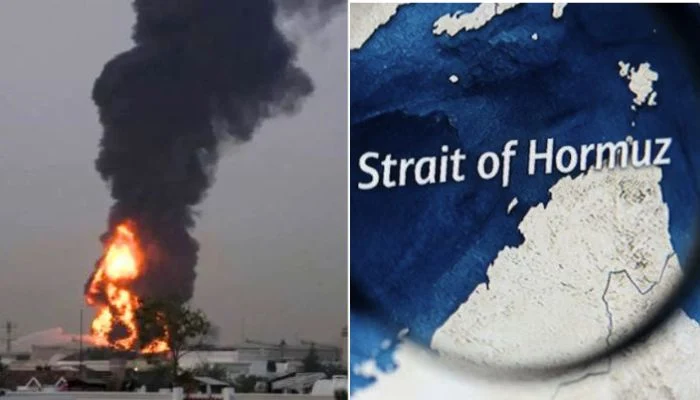
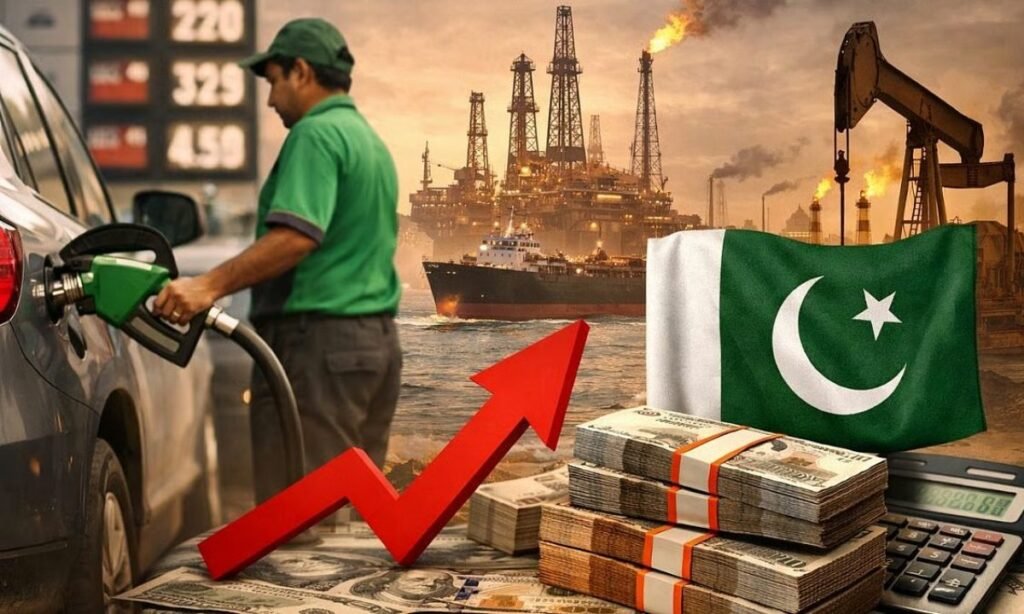
KARACHISaudi Arabia has raised the official selling price (OSP) of its flagship Arab Light crude for Asian buyers to a record premium, reflecting tightening global supply conditions and escalating geopolitical tensions.The new premium has been set at $19.50 per barrel above the Oman/Dubai benchmark, marking the highest level ever recorded for the grade. Read More: https://theboardroompk.com/iran-rejects-trump-deadline-on-hormuz-warns-of-retaliation/ Geopolitical tensions drive pricing The price hike comes amid ongoing instability in the Middle East, particularly disruptions linked to tensions involving Iran and key shipping routes. The Strait of Hormuz, a critical oil transit chokepoint, has witnessed severe disruptions, raising concerns over global supply security and pushing oil prices upward. Around one-fifth of global oil supply passes through this route, making any disruption highly impactful for international markets. Market tightness and supply constraints The elevated premium reflects tightening crude availability, especially for Asian refiners, who are the largest buyers of Saudi oil. Supply disruptions and logistical constraints have reduced the flow of crude, forcing buyers to compete for limited cargoes. Saudi Arabia has also adjusted export routes and supply strategies, further contributing to market tightness and price escalation. Despite the record premium, the increase was reportedly lower than some market expectations, indicating a balance between supply concerns and demand realities. Analysts suggest that while geopolitical risks are driving prices higher, demand-side constraints are preventing even sharper increases. Global oil prices have surged significantly in recent months, with benchmark crude crossing the $100 per barrel mark amid heightened uncertainty. This trend has amplified inflationary pressures worldwide, particularly in oil-importing economies like Pakistan. Higher oil prices are expected to widen trade deficits, increase energy costs, and put additional pressure on currencies in emerging markets. For Asian economies, the rising premium translates into higher refining costs and potentially elevated fuel prices for consumers. Saudi Arabia’s pricing decisions often set the tone for other Middle Eastern producers, meaning the ripple effects of this move are likely to be felt across global oil markets.
British MPs Face Scrutiny Over Malik Riaz Property Promotion
World

British MPs Face Scrutiny Over Malik Riaz Property Promotion

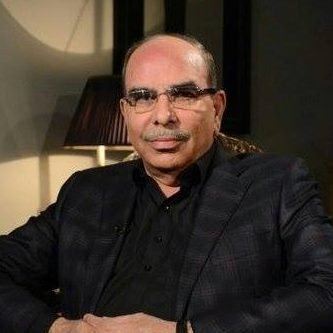
Three British MPs of Pakistani origin attended promotional events for a Dubai real estate project owned by Pakistani tycoon Malik Riaz Hussain and his son Ali Riaz Malik, according to an investigation by The Sunday Times. The pair are barred from entering the UK and face ongoing investigations in Pakistan. Read More: https://theboardroompk.com/iran-rejects-trump-deadline-on-hormuz-warns-of-retaliation/ The MPs involved include Labour’s Naz Shah and Afzal Khan, along with independent Ayoub Khan. They spoke at roadshow events in June 2024 promoting the Waada project, a planned 14-million-square-foot development in south Dubai. The project promises luxury apartments, mansions, a five-star hotel, and a replica Eiffel Tower. At one event, Malik Riaz and his son appeared on large screens. Ali Riaz Malik stated, “The true measure of success is not what we build, but who we uplift.” Background on Malik Riaz and Ali Riaz Malik Malik Riaz, 72, founded Bahria Town and serves as its chairman. His 48-year-old son is the company’s CEO. In 2019, both agreed to forfeit £190 million to Britain’s National Crime Agency (NCA) after an unexplained wealth order investigation. The settlement included proceeds from a £50 million London mansion. The NCA returned the funds to Pakistan. However, the repatriated money became central to corruption allegations against former Prime Minister Imran Khan. He allegedly allowed the funds to settle Bahria Town debts in exchange for land and cash for himself and his wife. Khan has been in detention since August 2023 and maintains that the charges are politically motivated. Although Riaz and his son have not been convicted of any crimes, they described the NCA settlement as civil in nature and dismissed critics as engaging in mud-slinging. UK Entry Ban In November 2021, the UK Court of Appeal upheld a Home Office decision to bar Malik Riaz and Ali Riaz from entering Britain. Lady Justice Nicola Davies said their exclusion was “conducive to the public good” due to their “conduct, character and associations.” Meanwhile, Pakistan has issued arrest warrants for several Bahria Town executives, including Shahid Mahmood Qureshi, the head of global sales who led the UK roadshow. Islamabad has formally requested extradition for the father and son and warned the public that investing in the Dubai venture could constitute money laundering. Despite this, The Sunday Times revealed that the three MPs attended promotional events over eight days in June 2024. MPs’ Participation in Roadshows Afzal Khan, Labour MP for Rusholme and a member of the parliament’s joint human rights committee, appeared at the roadshow launch at the Royal Nawaab Pyramid in Stockport on June 14. He praised the developers’ “30 plus years of experience” and took part in a ceremonial procession alongside Qureshi. Ayoub Khan, independent MP for Birmingham Perry Barr, attended the Birmingham event at the Hyatt Regency the next day as a “guest of honour.” He told attendees that the developers were “those that created Bahria Town… there’s a track record behind the organisation.” Naz Shah, Labour MP for Bradford West, joined the gala finale in Mayfair, describing the company as having “a successful reputation in Pakistan.” All three MPs’ appearances were later featured in promotional materials and advertisements for the Dubai project. MPs Deny Endorsement Ayoub Khan told The Sunday Times that he had “no prior knowledge of any historical impropriety” and has demanded the removal of all references to him from promotional materials. He stressed that he did not encourage constituents to invest. A spokesman for Naz Shah said she attends many events related to her constituents’ Pakistani heritage, and this was one such event. Afzal Khan clarified that he attended “briefly after being invited by a local business person, not the organisers” and did not endorse the company or promote the project. The report highlights concerns about the involvement of public officials in high-profile international property promotions. Critics argue that MPs’ appearances, even if unintentional endorsements, lend credibility to developers with controversial financial histories. While no legal wrongdoing has been attributed to the MPs, the revelations have prompted calls for stricter vetting for elected officials attending overseas promotional events. Malik Riaz and his son continue to deny any criminal wrongdoing. Bahria Town maintains that the Dubai project is a legitimate development venture. Analysts say the controversy could affect the project’s reputation among international investors, particularly those aware of the UK ban and Pakistan’s investigations.

Analysts Warn Trump’s Iran Threats Could Trigger Wider Conflict
World

Analysts Warn Trump’s Iran Threats Could Trigger Wider Conflict

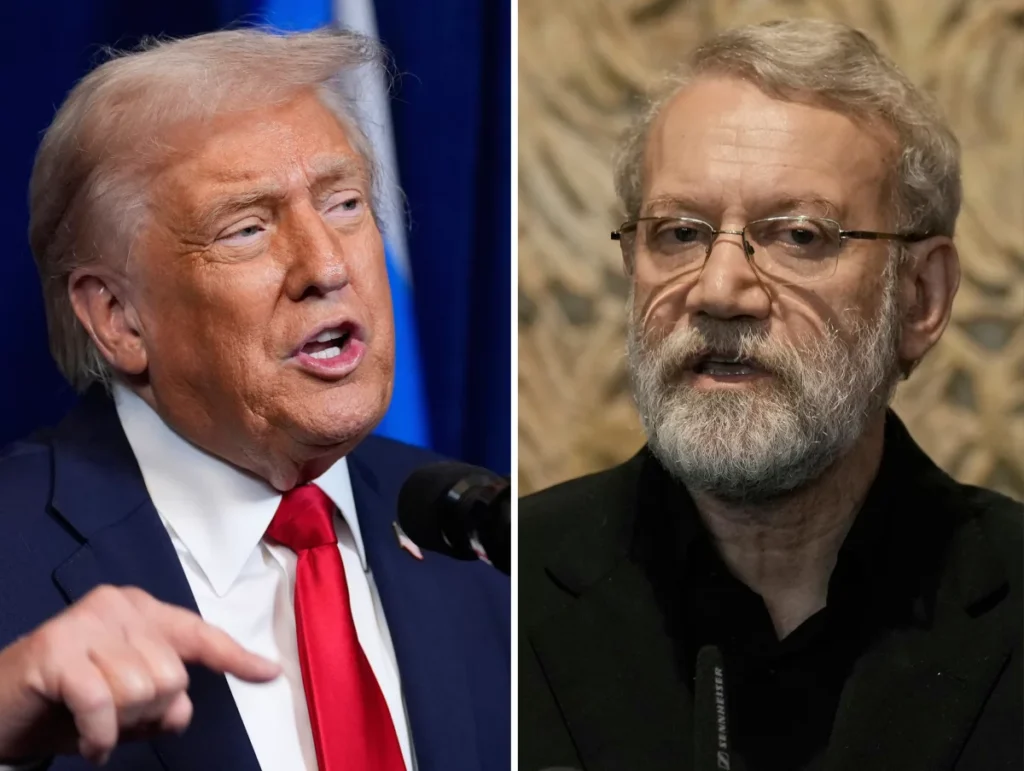
Trump Iran threats analysis has intensified after Donald Trump issued a controversial social media post threatening to strike Iranian infrastructure. The remarks, which included warnings about targeting power plants and bridges, have sparked strong reactions from global analysts, economists, and foreign policy experts. Many now fear that the rhetoric could escalate tensions into a broader regional crisis. Read More: https://theboardroompk.com/iran-rejects-trump-deadline-on-hormuz-warns-of-retaliation/ Experts Call Threats Dangerous and Uncalculated Leading analysts expressed deep concern over Trump’s language and tone. According to multiple policy experts, openly threatening civilian infrastructure crosses a dangerous line. Some warned that such actions could violate international law and trigger severe global backlash. During a discussion led by Fareed Zakaria, experts emphasized that the threats lack strategic clarity. Richard Haass noted that aggressive rhetoric without a clear endgame increases the risk of miscalculation. He stressed that wars often spiral when leaders rely on pressure tactics instead of diplomacy. Similarly, Zanny Minton Beddoes highlighted the unpredictability of the situation. She argued that inconsistent messaging from Washington creates confusion among allies and adversaries alike. According to her, unclear objectives weaken the credibility of US policy. Analysts agreed that public threats of this nature rarely produce compliance. Instead, they often harden positions and escalate conflict. Concerns Over Targeting Infrastructure A major point of concern among analysts revolves around Trump’s explicit mention of infrastructure targets. Experts warned that attacking facilities like power plants and bridges could have devastating humanitarian consequences. Legal analysts stressed that such actions may fall under war crimes if civilian harm is widespread. They argued that even threats alone could damage the US’s global standing and expose it to legal scrutiny. Haass further explained that targeting infrastructure risks provoking retaliation from Iran. He warned that Tehran could respond asymmetrically, including disruptions in key shipping routes like the Strait of Hormuz. Meanwhile, Beddoes emphasized that modern conflicts often extend beyond the battlefield. She pointed out that infrastructure attacks could cripple economies and deepen humanitarian crises. Markets React with Volatility and Fear Economic analysts also reacted strongly to Trump’s statements. Financial markets showed immediate signs of stress following the threats. Oil prices surged, while global stocks experienced volatility. Experts noted that uncertainty drives market reactions more than actual conflict. Trump’s statements, which lacked a clear timeline or strategy, increased investor anxiety. Market strategists described the situation as a “risk-off” environment. Investors shifted toward safer assets, anticipating prolonged instability. Analysts warned that continued escalation could lead to inflation, supply disruptions, and slower global growth. Furthermore, the Strait of Hormuz remains a critical chokepoint for global oil supply. Any disruption could send shockwaves across international markets. Analysts believe that even the threat of closure keeps prices elevated. Political and Strategic Fallout Intensifies Beyond economic concerns, political analysts highlighted the broader implications of Trump’s approach. Several experts described the messaging as inconsistent and potentially counterproductive. Some analysts argued that the threats reflect a pressure strategy aimed at forcing Iran into concessions. However, others believe the approach could backfire. They warned that Iran may interpret the rhetoric as justification for further resistance. During the discussion, Fareed Zakaria noted that mixed messaging complicates diplomacy. He emphasized that allies may hesitate to support a strategy that appears unpredictable. Meanwhile, critics in the US and abroad questioned the long-term objectives of the policy. Analysts pointed out that without a clear diplomatic pathway, escalation becomes more likely. Political reactions have also been sharp. Some leaders described the comments as reckless and destabilizing. Global Stakes Continue to Rise Trump Iran threats analysis shows a growing consensus among experts. Most agree that the current trajectory increases risks across multiple fronts. From military escalation to economic disruption, the stakes remain high.

Iran Rejects Trump Deadline on Hormuz, Warns of Retaliation
Politics

Iran Rejects Trump Deadline on Hormuz, Warns of Retaliation

Iran has firmly dismissed the deadline issued by the US President Donald Trump regarding the strategic Strait of Hormuz. The development has intensified tensions in an already volatile region. Tehran has warned of strong retaliatory action if any aggression occurs. Officials in Iran have also condemned what they describe as provocative and dangerous rhetoric coming from Washington. Read More: https://theboardroompk.com/drone-soccer-becoming-a-new-game-in-chinas-tech-driven-sports/ The response came after Trump set a Tuesday deadline linked to security concerns in the Strait of Hormuz. The waterway remains one of the world’s most critical oil transit routes. Iran’s leadership has made it clear that it will not bow to external pressure. Instead, it has signaled readiness to defend its sovereignty. Zarif Condemns Trump’s Threats Former Iranian Foreign Minister Javad Zarif strongly criticized Trump’s ultimatum. He described it as a “vulgar outburst” and warned of serious consequences. Zarif took to social media to express his concerns. He stated that Iran would defend itself against any form of aggression. Zarif also referred to what he called a “war crime” involving the killing of 170 schoolchildren in Minab. He alleged that such actions marked the beginning of escalating hostilities. According to him, Trump’s recent statements only worsened the situation. He further warned that any country supporting such actions could face international legal consequences. His remarks have drawn significant attention globally. Analysts say his statements reflect growing frustration within Iran’s political establishment. At the same time, they underline Tehran’s stance against foreign threats. Strategic Importance of Strait of Hormuz The Strait of Hormuz plays a crucial role in global energy supply. Nearly one-fifth of the world’s oil passes through this narrow passage. Any disruption in this area can trigger a global economic shock. This is why tensions around Hormuz often attract international concern. Iran has repeatedly warned that it could restrict access to the strait if provoked. Such a move would have far-reaching consequences. It could disrupt oil markets and increase global fuel prices. In recent years, several incidents in the region have already raised fears of conflict. Experts believe that Trump’s deadline has added fuel to the fire. It has increased the risk of miscalculation between the two sides. Diplomatic efforts now face significant challenges as both nations harden their positions. Internal Pressure and Diplomatic Challenges Zarif’s comments also come at a time when he faces pressure at home. Reports suggest that Iranian authorities reprimanded him recently. This followed an article he wrote in Foreign Affairs. In that piece, he outlined a roadmap to end ongoing tensions and conflicts. Some officials in Iran viewed his article as controversial. They believed it did not fully align with the government’s current stance. However, Zarif has long been known for advocating diplomacy. He played a key role in negotiating the historic Iran nuclear deal. Despite criticism, his latest statements show a shift toward a stronger tone. Observers say this reflects the changing political climate. Iran now appears less willing to engage in dialogue under pressure. Rising Tensions and Global Concerns The situation has raised alarm among international observers. Many fear that escalating rhetoric could lead to direct confrontation. The Middle East has already witnessed multiple flashpoints in recent months. Any new conflict could further destabilize the region. Global powers are closely monitoring the developments. They have called for restraint from both sides. However, the chances of immediate de-escalation appear slim. Iran’s warning of retaliation signals that it is prepared for worst-case scenarios. Meanwhile, energy markets remain sensitive to any news from the region. Traders and analysts are watching developments closely. Even minor incidents in the Strait of Hormuz can trigger price fluctuations.

Airblue Unveils Direct Flights: Lahore to Baku Just Got Easier!
Pakistan

Airblue Unveils Direct Flights: Lahore to Baku Just Got Easier!

Get ready to explore the stunning capital of Azerbaijan, Baku, as Airblue announces an exciting new international route directly from Lahore! Starting May 2, 2026, travelers will have the convenience of two weekly flights, scheduled for Wednesdays and Saturdays, making your journey smoother than ever. Read More: https://theboardroompk.com/drone-soccer-becoming-a-new-game-in-chinas-tech-driven-sports/ Flight PA-468 will depart Lahore at 10:15 am, arriving in Baku at 12:15 pm local time. For your return, flight PA-469 will leave Baku at 1:30 pm, landing back in Lahore at 7:10 pm. This new connection is set to significantly boost travel options between Pakistan and Azerbaijan, benefiting both leisure tourists and business professionals. Baku has rapidly become a favorite destination for Pakistani visitors, thanks to its straightforward visa process, rich cultural landscape, and growing tourism facilities. Airblue’s new service promises to make this captivating city even more accessible.

Drone Soccer Becoming a New Game in China’s Tech-Driven Sports
Tech

Drone Soccer Becoming a New Game in China’s Tech-Driven Sports

China is witnessing the rapid rise of drone soccer, an innovative sport that merges advanced drone technology with the excitement of football, as part of a broader push to integrate emerging industries into everyday life. Read More: https://theboardroompk.com/pakistan-railways-announces-major-relief-for-passengers-pm-blocks-30-rail-fare-hike/ A New Era of Sports Entertainment Drone soccer competitions are captivating audiences with their dynamic aerial gameplay, where spherical drones race through netted arenas in high-speed offensive and defensive maneuvers. The sport has gained momentum through national tournaments and regional leagues, reflecting strong institutional support. The game’s structure mirrors traditional football but introduces a technological twist. Teams of five compete to guide a drone through a circular goal, creating a spectacle often compared to “soccer in the air.” The excitement generated by these events has drawn large crowds, many experiencing the sport for the first time. Interactive zones at competitions also allow spectators, especially children, to engage directly with drone technology. Economic and Industrial Implications Beyond its entertainment value, drone soccer is closely linked to China’s expanding low-altitude economy. Industry exhibitions held alongside competitions showcase innovations from dozens of local enterprises, highlighting the commercial potential of drone-related technologies. Officials emphasize that the sport serves as a bridge between youth engagement and industrial development. By introducing students to drone technology early, China aims to build a talent pipeline for sectors such as logistics, infrastructure inspection, and emergency services. The government’s strategy also includes promoting drone soccer through community programs, schools, and public venues, ensuring widespread participation. Experts believe this approach could establish China as a global leader in drone-based sports and applications. Participants describe the sport as both mentally stimulating and highly immersive, requiring strategic thinking similar to chess but executed in real time. The blend of teamwork, technical skill, and fast decision-making makes drone soccer appealing to a wide demographic. As innovation continues to reshape industries worldwide, China’s investment in drone soccer reflects a broader vision of combining technology with everyday activities—transforming not just sports, but the future of work and education.

Pakistan Railways Announces Major Relief for Passengers; PM Blocks 30% Rail Fare Hike
Pakistan

Pakistan Railways Announces Major Relief for Passengers; PM Blocks 30% Rail Fare Hike

In a significant step aimed at providing relief to the public, the Prime Minister of Pakistan has directed that railway fares will not be increased, despite the recent rise in diesel prices. Read More: https://theboardroompk.com/auto-financing-surges-35-yoy-as-consumer-demand-rebounds/ The Government of Pakistan has decided to absorb the financial impact of increased fuel costs, ensuring that passengers are not burdened during the current economic conditions. According to official estimates, a 30% increase in train fares had become unavoidable to meet rising operational expenses. However, prioritizing public convenience and affordability, the Prime Minister has instructed Pakistan Railways to maintain existing fare levels across all classes, including Economy and Air-Conditioned (AC) categories. In addition, to support the business community and maintain economic activity, it has also been decided that freight train charges will remain unchanged. On the directive of the Prime Minister, the Government has undertaken an additional financial burden of Rs. 6 billion, which will be absorbed up to June 30. Minister for Railways, Muhammad Hanif Abbasi, appreciated the decision, stating that the Prime Minister has “won the hearts of passengers in difficult times.” He further termed the initiative as “a gift for the public,” emphasizing that railway travel will remain affordable and accessible for all segments of society. This decision reflects the Government’s commitment to public welfare, economic stability, and ensuring that essential transportation services remain within the reach of every citizen.

Auto Financing Surges 35% YoY as Consumer Demand Rebounds
Pakistan

Auto Financing Surges 35% YoY as Consumer Demand Rebounds

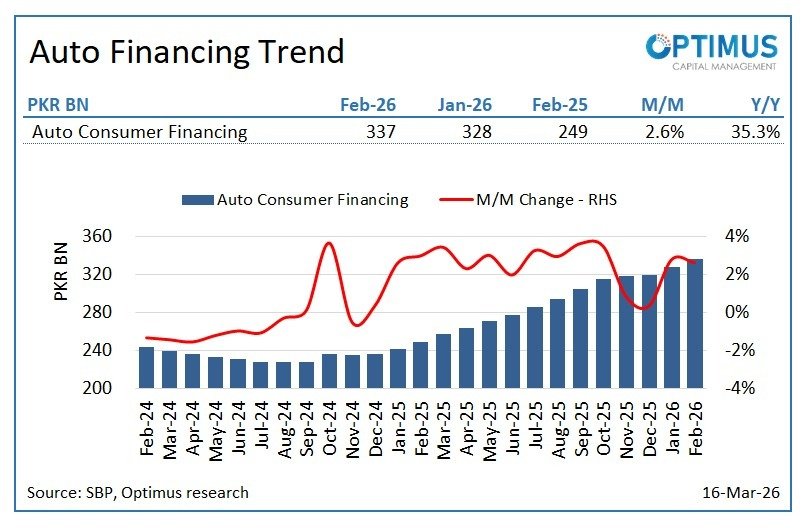
Pakistan’s auto financing sector has shown a strong recovery, with total consumer auto loans reaching Rs337 billion in February 2026, reflecting a significant 35.3% year-on-year (YoY) increase, according to data compiled from the State Bank of Pakistan and Optimus Capital Management. Read More: https://theboardroompk.com/us-iran-attacks-public-opinion-why-americans-show-low-support-compared-to-past-wars/ On a monthly basis, financing grew 2.6% compared to Rs328 billion recorded in January 2026, indicating sustained momentum in vehicle financing demand. Recovery Driven by Easing Rates The steady rise in auto financing is largely attributed to improved consumer sentiment and relatively stable interest rates compared to previous years. Analysts note that after a prolonged slowdown caused by high borrowing costs and economic uncertainty, consumers are gradually returning to the auto market. The financing trend over the past year highlights a clear upward trajectory, with consistent monthly increases since early 2025. This reflects improving purchasing power and a gradual normalization in credit availability by banks. Banks Expand Lending Appetite Commercial banks appear to be regaining confidence in consumer lending, particularly in the auto segment. With inflation showing signs of stabilization and macroeconomic conditions slightly improving, financial institutions have expanded auto loan offerings and eased certain financing conditions. Market experts believe that competition among banks and aggressive marketing strategies have also played a key role in boosting disbursements. The availability of flexible installment plans and relatively lower down payment requirements has further supported demand. Despite the growth, analysts caution that the sustainability of this trend depends on broader economic stability. Any sharp increase in interest rates or inflationary pressures could dampen consumer appetite for auto loans. Looking ahead, the auto financing segment is expected to maintain its growth trajectory in the near term, supported by pent-up demand and improving economic indicators.

US Iran Attacks Public Opinion: Why Americans Show Low Support Compared to Past Wars
Pakistan

US Iran Attacks Public Opinion: Why Americans Show Low Support Compared to Past Wars

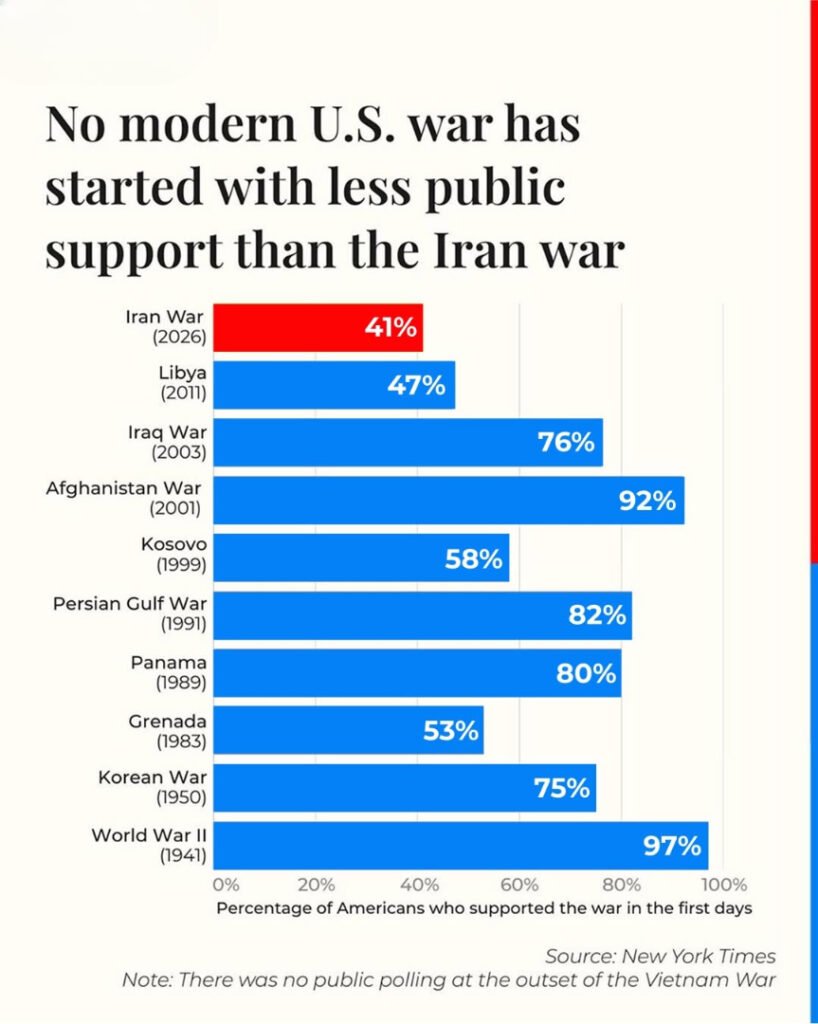
US Iran Attacks Public Opinion has taken an unexpected turn, with early polling showing significantly lower public backing compared to previous American military interventions. In the days following military strikes ordered by Donald Trump, surveys indicate that Americans are far more divided than they were at the start of earlier conflicts. This trend is unusual in U.S. history, where public opinion traditionally rallies strongly behind presidents during the early phase of military action. The muted response highlights growing political polarization and changing public attitudes toward foreign conflicts. Polls Reveal Divided US Iran Attacks Public Opinion Initial surveys show wide variation in public support. Some polls report approval as low as 27 percent, while others suggest support nearing 50 percent. Even at the higher end, backing for the strikes remains considerably lower than the early days of major wars such as World War II, the Korean War, and the Iraq War. Historical comparisons show dramatic contrasts. After the Attack on Pearl Harbor, nearly 97 percent of Americans supported entering World War II. Similarly, following troop deployment in Afghanistan by George W. Bush, about 92 percent backed the decision. Even the controversial Iraq War initially saw approval levels around 76 percent. The current US Iran Attacks Public Opinion reflects a far more fragmented public response. Why Support Is Lower Than Previous Conflicts Experts argue that one major factor is communication. Previous administrations often spent months building a narrative before engaging in military action. This helped shape public understanding and support. In contrast, analysts suggest that the Iran strikes were not preceded by a lengthy public persuasion campaign. Without sustained messaging, many citizens remain uncertain about objectives, risks, and long-term consequences. Another important factor is political polarization. Over the past three decades, American politics has become increasingly divided. This shift has weakened what researchers call the “rally around the flag” effect a phenomenon where citizens typically unite behind the president during international crises. Political Divisions Shape US Iran Attacks Public Opinion Political loyalties now play a much stronger role in shaping reactions. Supporters of the sitting president may approve of the action, while opposition voters are less likely to rally behind it. This reduces the chances of a unified national response. Moreover, some voters who supported Trump did so because they believed he would avoid foreign wars. This perception creates tension between campaign expectations and military actions, further influencing public sentiment. Historical Pattern: Support Often Drops Over Time Public support for wars usually declines as conflicts drag on. During the Vietnam War, early backing eroded as casualties increased and costs became more visible. By the late 1960s, a majority of Americans viewed the war as a mistake. The Iraq War followed a similar trajectory. While initial support was high, approval fell sharply within months. By the end of the conflict, less than half of Americans still backed the decision. The current US Iran Attacks Public Opinion starts from a lower baseline, meaning any prolonged escalation could reduce support even further. Global Implications for Pakistan and the Region For countries like Pakistan, U.S. public opinion matters. Domestic support in America often determines the scale and duration of military involvement abroad. Lower backing could signal limited long-term engagement or cautious policy decisions. This uncertainty affects global markets, oil prices, and geopolitical stability all issues closely watched in Pakistan’s economic and political circles. A New Era of Public Response to War The era of near-unanimous support for military action appears to be fading. Political polarization, rapid news cycles, and skepticism about foreign interventions are reshaping how citizens react. US Iran Attacks Public Opinion demonstrates that modern conflicts no longer guarantee immediate unity. Instead, public backing now depends heavily on political alignment, communication strategy, and perceived national interest.

Pakistan UAE Debt Repayment: Islamabad Set to Return $3.5 Billion to UAE in April
Pakistan

Pakistan UAE Debt Repayment: Islamabad Set to Return $3.5 Billion to UAE in April

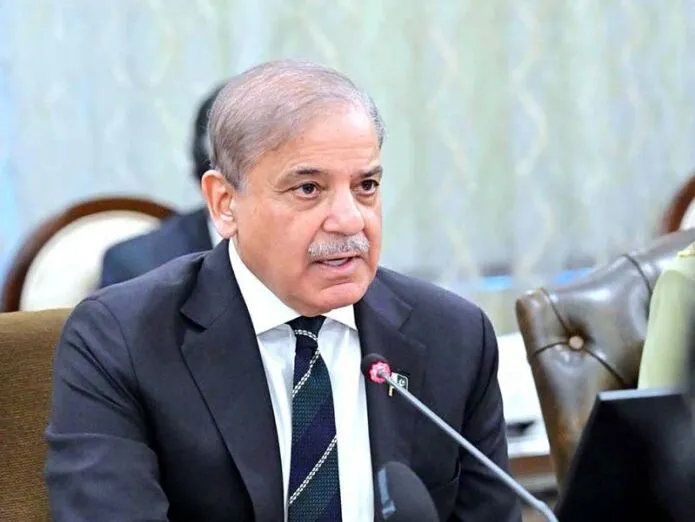
Pakistan UAE debt repayment has become a major financial development as Pakistan prepares to return its entire $3.5 billion debt to the United Arab Emirates during April. Officials confirmed that the repayment schedule includes multiple tranches spread across the month, highlighting Islamabad’s commitment to meeting external obligations despite economic pressures. Read More: https://theboardroompk.com/petrol-price-relief-package-pakistan-pm-announces-major-fuel-cut-on-petrol-by-rs80-and-subsidies/ The government has lined up payments in three phases. A $450 million installment is due on April 11, followed by $2 billion on April 17 and another $1 billion on April 23. These repayments will occur alongside a $1.3 billion Eurobond maturity on April 8, pushing total external debt servicing to $4.8 billion for the month. This significant outflow will test foreign exchange reserves but also signal financial discipline to global lenders. A 30-Year-Old Loan Finally Cleared One notable aspect of the Pakistan UAE debt repayment is the settlement of a historic $450 million loan dating back to 1996–97. Originally issued for just one year, the loan remained outstanding for nearly three decades due to repeated rollovers. Officials indicated that the UAE had previously extended two $1 billion deposits in January for only one month at an interest rate of 6.5 percent. Pakistan had requested a longer two-year rollover at around 3 percent, reflecting efforts to reduce borrowing costs and ease repayment pressure. IMF Programme and Strategic Support The repayment process is closely linked to Pakistan’s commitments under the $7 billion programme with the International Monetary Fund. As part of this arrangement, friendly countries including Saudi Arabia, the UAE, and China have pledged to maintain $12.5 billion in deposits with the State Bank of Pakistan until September 2027. These deposits act as a financial cushion, helping Pakistan stabilize reserves while implementing structural reforms. Officials noted that discussions are ongoing to convert some UAE deposits into investment, although no final decision has been taken. Foreign Exchange Reserves Remain “Comfortable” Authorities suggested that part of the central bank’s $16.4 billion foreign exchange reserves may be used for the Pakistan UAE debt repayment. They emphasized that reserves remain “comfortable,” pointing out that Pakistan has previously operated with minimal import cover during more severe crises. However, analysts caution that large outflows in a single month could still impact market sentiment and exchange rate stability. Economic Challenges Add Pressure While the repayment strengthens credibility, Pakistan’s economic indicators remain mixed. Exports have declined by 8 percent in the first nine months of the fiscal year, and foreign direct investment has also slowed. These trends complicate efforts to rebuild reserves after major repayments. Shehbaz Sharif has acknowledged the risks of heavy reliance on foreign borrowing, noting that external loans often come with conditions that limit policy flexibility. His government is aiming to balance repayments with economic reforms to avoid future crises. Panda Bonds and Interest Rate Negotiations Pakistan had planned to issue $250 million in Panda Bonds this year, but the plan has stalled due to administrative and procedural challenges. Meanwhile, negotiations with the UAE are ongoing to reduce interest rates from last year’s 6.5 percent closer to 3 percent. Lower global rates and improved credit outlooks are supporting Pakistan’s case. If successful, these talks could ease future repayment burdens and encourage investment-based financing rather than traditional loans. Why Pakistan UAE Debt Repayment Matters The Pakistan UAE debt repayment carries broader implications for the country’s financial outlook. Clearing obligations improves creditworthiness, strengthens relations with key partners, and supports ongoing IMF commitments. At the same time, it underscores the urgency of boosting exports, attracting investment, and reducing reliance on external borrowing. Pakistan’s ability to navigate this repayment cycle without destabilizing reserves will be closely watched by markets and international lenders.

Scroll to Top