Author name: Web Desk

SNGPL Gas Suspension Halts Agritech Operations
Pakistan

SNGPL Gas Suspension Halts Agritech Operations

Agritech Limited (PSX: AGL) has temporarily halted operations at its Urea plant following a suspension of gas supply by Sui Northern Gas Pipelines Limited (SNGPL). The company confirmed the disruption in an official statement released on Monday. SNGPL declared Force Majeure after pipeline damage caused by flash floods in the Baka Khel area. Gas supply will resume only after repair work is completed. Until then, the Agritech Urea plant will remain non-operational. The company promised to issue further updates as the situation develops. Second Disruption in Weeks This marks the second disruption to Agritech’s operations in recent weeks. On March 4, 2026, the company faced a shutdown at its Urea plant due to a suspension in Re-gasified Liquefied Natural Gas (RLNG) supply. The March disruption was triggered by a “Potential Event of Force Majeure” declared by the LNG supplier. Ongoing regional conflicts in the Middle East affected LNG production facilities, which in turn disrupted domestic supply. RLNG supply to the plant was halted from 00:00 hours on March 4. Operations resumed on March 13, when SNGPL restored the gas supply. The interruption lasted nine days, impacting fertilizer production and distribution schedules across Pakistan. Impact on Fertilizer Production The current shutdown highlights the vulnerability of fertilizer production to external factors. Natural disasters, such as flash floods, and international supply disruptions continue to pose risks. Agritech’s Urea plant plays a critical role in Pakistan’s fertilizer supply chain. Any disruption affects agricultural output, especially during planting seasons when farmers rely on timely fertilizer availability. Market analysts warn that repeated shutdowns could strain local fertilizer stocks and push prices higher. Coordination with SNGPL Agritech is closely monitoring the situation. The company said it is coordinating with SNGPL to restore operations as quickly as possible. Safety remains a priority while repair work on the damaged pipeline is carried out. “The plant will remain non-operational until the gas supply is restored. We are taking all necessary steps to resume production at the earliest possible time,” the company said in its statement. SNGPL’s declaration of Force Majeure shields the utility from contractual obligations during events beyond its control. Pipeline damage due to flash floods in Baka Khel is considered a natural disaster under this clause. Broader Industry Implications Industry experts note that Pakistan’s fertilizer sector faces repeated risks from both domestic and global factors. Domestic gas supply remains the primary fuel for urea production, making plants highly sensitive to pipeline disruptions. Internationally, regional conflicts and logistical issues can affect RLNG imports. The March RLNG disruption demonstrated how geopolitical tensions in the Middle East can indirectly impact local fertilizer production. Repeated interruptions may also influence the Pakistan Stock Exchange (PSX), as investors watch the financial performance of fertilizer companies like Agritech. Operational shutdowns can lead to short-term losses and affect quarterly earnings.

Motiwala Urges Immediate Fiscal and Energy Policy Interventions Amid Escalating Regional Geopolitical Pressures
Pakistan

Motiwala Urges Immediate Fiscal and Energy Policy Interventions Amid Escalating Regional Geopolitical Pressures

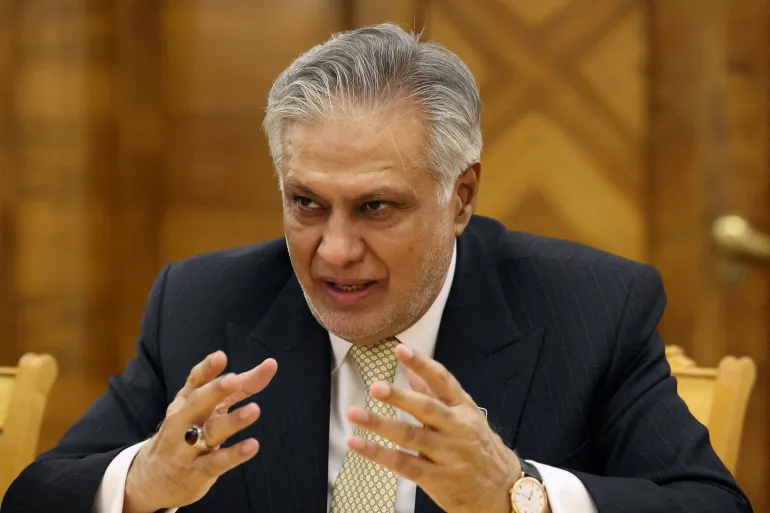
KARACHI: Chairman Businessmen Group (BMG) Muhammad Zubair Motiwala has stressed the urgent need for immediate fiscal, energy and export-related policy interventions in light of escalating US-Iran tensions, warning that the worsening regional situation could severely destabilize Pakistan’s economy if timely and well-calibrated measures are not taken. Read More: https://theboardroompk.com/ccps-study-on-solar-market-flags-barriers-to-competition-investment-offers-targeted-reform-measures/ In a letter addressed to Federal Minister for Finance & Revenue Muhammad Aurangzeb, Zubair Motiwala emphasized that the business community was becoming increasingly concerned over the adverse implications of regional instability on Pakistan’s trade, industry and overall economy.He pointed out that escalating US-Iran tensions were disrupting global trade flows, increasing freight and insurance costs and causing significant volatility in international energy markets. He noted that Pakistan’s economy was already under considerable pressure due to stagnant exports, weakening industrial activity and declining remittance inflows, all of which were aggravating external account vulnerabilities. Zubair Motiwala strongly recommended the immediate restoration of zero-rating of sales tax at the input stage for export-oriented sectors, including textiles, leather, surgical instruments, carpets and sports goods. He pointed out that these sectors contribute nearly 80 to 85 percent of Pakistan’s total exports and therefore their liquidity position is extremely important for sustaining export momentum.He observed that the shift from zero-rating to a refund-based regime had created serious working capital constraints for exporters due to delayed refund cycles and increased financial costs. According to him, the restoration of zero-rating would ensure uninterrupted liquidity, lower the cost of capital and significantly improve the global competitiveness of Pakistani exports. Highlighting another major issue, Zubair Motiwala proposed that customs duties and taxes should be assessed on Ex-Works (EXW) value instead of the existing Cost and Freight (CNF) basis. He explained that the current CNF-based valuation mechanism inflates the dutiable value of imported goods because it includes freight and insurance costs, both of which have sharply increased due to geopolitical disruptions.He stated that EXW valuation would more accurately reflect the actual price of goods at origin and would provide a fairer, more transparent and rational taxation structure. He added that such a change would reduce input costs for industries and improve manufacturing efficiency and competitiveness. Expressing grave concern over the high cost of electricity for industries, Zubair Motiwala stated that Pakistan’s industrial electricity tariffs remained uncompetitive, averaging around 14 to 16 US cents per kilowatt hour, which was substantially increasing the cost of production.He pointed out that although the Federal Government had introduced an Incremental Consumption Package (ICP), under which concessional tariffs and relief of approximately Rs10.3 per unit were being provided to industries across Pakistan on incremental consumption, Karachi’s industrial sector had not received its due share under the package. Zubair Motiwala revealed that the Federal Government had already released approximately Rs7 billion under the package for Karachi, but this amount had not been passed on to industrial consumers. He further stated that the total pending relief for Karachi industries was estimated at approximately Rs28 billion to Rs33 billion.According to Zubair Motiwala, this situation had created a serious structural disadvantage for Karachi-based industries because industries in other regions were benefiting from concessional tariffs while industries in Karachi continued to bear higher effective electricity costs. He strongly demanded the immediate disbursement of the pending Rs28 billion to Rs33 billion, stating that this would provide much-needed liquidity relief to exporters who were already facing severe cash flow constraints. He also called for the establishment of a transparent mechanism to ensure the direct transfer of benefits to industrial consumers.Turning to the issue of gas tariffs and supply, Zubair Motiwala said that industrial gas tariffs had increased substantially while supply inconsistencies continued to disrupt business operations. He stressed that gas was a critical input for export-oriented industries and its pricing directly affected Pakistan’s competitiveness in international markets. He warned that in the prevailing environment shaped by escalating US-Iran tensions, businesses were already facing rising oil prices, increased shipping costs, logistics disruptions, war risk surcharges and heightened uncertainty in global markets. These factors, he said, were likely to adversely impact industrial performance and export volumes while significantly increasing the cost of doing business.Clarifying the business community’s position, Zubair Motiwala said that industries were not asking for subsidized gas. Rather, they were demanding that gas should be supplied strictly on a cost-of-service basis, with tariffs reflecting the actual cost of procurement and supply. He further stressed that gas pricing should not be used as a revenue-generation tool during such difficult times. In this regard, he proposed that gas tariffs should be rationalized to actual cost levels, a transparent and predictable pricing mechanism should be adopted and priority gas supply should be ensured for export-oriented industries.Referring to the growing burden of logistics costs, he said that rising global shipping costs and insurance premiums, exacerbated by regional tensions, had significantly increased exporters’ expenses. He stressed the need to immediately restore freight subsidy and export facilitation schemes to offset these external cost pressures. He stated that the reintroduction of freight subsidy schemes would help exporters maintain access to international markets, preserve pricing competitiveness and meet their contractual commitments.Zubair Motiwala also drew attention to the substantial amount of exporters’ funds that remained stuck in pending tax refunds, creating severe liquidity constraints and increasing reliance on expensive borrowing.He strongly urged the government to release all pending refunds on a priority basis and ensure a time-bound automated mechanism for future processing so that exporters do not continue to face unnecessary financial stress.

CCP's Study on Solar Market Flags Barriers to Competition & Investment; Offers Targeted Reform Measures
Pakistan

CCP’s Study on Solar Market Flags Barriers to Competition & Investment; Offers Targeted Reform Measures

ISLAMABAD: The Competition Commission of Pakistan (CCP) has released a study on the solar market, titled, “Unlocking Green Potential: A Market Competition Study of Solar Energy in Pakistan,” proposing targeted reforms to remove entry barriers, enhance market transparency, and boost investment in the solar sector. Read More: https://theboardroompk.com/kse-100-index-recovers-as-pakistan-stock-exchange-gains-on-oil-cement-and-fertilizer-stocks/ The study identifies key structural challenges and outlines practical measures to strengthen grid infrastructure, improve policy clarity, and enforce quality standards, aimed at fostering competition and driving sustainable growth in the sector. Among the key recommendations, the CCP has called for urgent modernization of distribution networks, noting that outdated feeders and substations are ill-equipped to handle two-way power flows from distributed solar generation, leading to voltage fluctuations and limiting net-metering expansion. The CCP has also emphasized the need for a national smart metering rollout and grid automation, including the deployment of advanced systems such as Supervisory Control and Data Acquisition (SCADA) and Distribution Management Systems (DMS), to improve real-time monitoring, reduce losses, and enable efficient integration of renewable energy. Highlighting delays in power market reforms, the CCP has urged the government to fast-track implementation of the Competitive Trading Bilateral Contract Market (CTBCM), suggesting interim measures such as pilot bilateral contracts for renewable energy, particularly for industrial clusters and Special Economic Zones, to unlock cheaper electricity and stimulate competition. The study raises serious concerns over product quality and consumer protection, recommending the establishment of accredited solar testing laboratories, mandatory compliance with international standards, and the introduction of digital verification systems to curb the circulation of substandard and counterfeit equipment. To address regional disparities, the CCP has proposed measures to extend solar benefits to rural areas, including off-grid solutions, targeted subsidies, and concessional financing, noting that current net-metering advantages remain largely concentrated in urban centres. The CCP has further highlighted the growing importance of battery storage technologies, recommending incentives for solar-plus-storage systems and support for domestic battery manufacturing to reduce pressure on the national grid and enhance energy reliability for industrial and commercial users. At the same time, rapid global advances in battery storage, fuelled by electric vehicle (EV) innovation, present Pakistan with a timely opportunity to ease grid pressure and deepen competition in the energy market. To reduce import dependence in a challenging geopolitical climate and amid rising energy costs, the CCP has recommended the introduction of a Production-Linked Incentive (PLI) scheme alongside the development of dedicated renewable energy zones. These measures aim to stimulate domestic solar panel manufacturing, supported by targeted tax incentives, improved access to financing, and strategic international partnerships. Additionally, the study calls for the establishment of a National Solar Registry to address persistent data gaps, improve policy planning, and enhance transparency across the solar value chain. The Commission has placed the draft report on its website for stakeholder consultation.

BYD Delivers Atto 2 and Sealion 7 EVs to Islamabad Police in Pakistan’s First Federal NEV Fleet,Danish Khaliq, Vice President Sales and Strategy at BYD Pakistan
Pakistan

BYD Delivers Atto 2 and Sealion 7 EVs to Islamabad Police in Pakistan’s First Federal NEV Fleet,Danish Khaliq, Vice President Sales and Strategy at BYD Pakistan

Islamabad: Global NEV leader BYD, through its official partner in Pakistan, Mega Motor Company, has delivered BYD Atto 2 and BYD Sealion 7 electric vehicles to Islamabad Police, marking the first operational adoption of a new energy vehicle (NEV) fleet by a federal department in Pakistan. Read More: https://theboardroompk.com/kse-100-index-recovers-as-pakistan-stock-exchange-gains-on-oil-cement-and-fertilizer-stocks/ The induction of these vehicles was formally celebrated through an official ceremony inaugurated by Prime Minister Shehbaz Sharif. Inspector General of Islamabad Police, Ali Nasir Rizvi, and Chief Traffic Officer of Islamabad, Muhammad Sarfraz Virk, were also present, along with other senior officials from the department. The fleet has been designated for specific operational roles within the police department, supporting traffic patrol and official mobility. Its introduction will enable Islamabad Police to significantly reduce fuel dependency, lower operating costs, and introduce emission-free mobility into daily policing operations across the capital. The initiative comes at a time when Pakistan is experiencing unprecedented volatility in fuel prices, reinforcing the need for more stable and cost-efficient mobility solutions for institutional use. By transitioning to electric vehicles, Islamabad Police is taking a forward-looking step toward reducing exposure to fuel price fluctuations while improving long-term operational efficiency. Commenting on the initiative, an official from Islamabad Police said: “We are committed to adopting modern, sustainable solutions that enhance operational efficiency while serving the public responsibly. The integration of electric vehicles into our fleet marks a significant step toward reducing fuel dependency and enabling environmentally responsible policing. It also serves as a practical manifestation of the Prime Minister and Interior Minister of Pakistan’s vision for a greener, more sustainable future, with Islamabad Police playing a leading role in advancing this agenda. This initiative lays the foundation for the gradual expansion of our NEV fleet as we continue to modernise our operations in collaboration with BYD.” Commenting on the collaboration, Danish Khaliq, Vice President Sales and Strategy at BYD Pakistan-Mega Motor Company, said the initiative demonstrates how electric mobility solutions can support real-world institutional use cases. “Islamabad Police’s decision to integrate BYD’s electric vehicles into its operational fleet reflects growing confidence in our new energy mobility solutions for real-world institutional use. As the first federal government department to take this step, it sets an important precedent for public sector organisations across Pakistan.

KSE-100 Index Recovers as Pakistan Stock Exchange Gains on Oil, Cement and Fertilizer Stocks
Business

KSE-100 Index Recovers as Pakistan Stock Exchange Gains on Oil, Cement and Fertilizer Stocks

The KSE-100 Index showed resilience on Monday as the Pakistan Stock Exchange staged a recovery despite global uncertainty in oil markets. The benchmark index closed at 151,207.81 points, gaining 809.10 points or 0.54 percent. The rebound reflected renewed investor interest in energy, cement and fertilizer stocks following recent market declines. However, the session remained highly volatile. The KSE-100 Index moved within a wide intraday range of more than 4,100 points. It touched a high of 151,875.01 points and fell to a low of 147,771.35 points before closing in positive territory. This sharp movement highlighted cautious sentiment among investors amid global developments. Market Breadth Supports KSE-100 Index Recovery The recovery in the KSE-100 Index was backed by strong market breadth. Out of 100 companies in the benchmark index, 68 stocks closed higher, 31 declined and one remained unchanged. Total traded volume within the index reached 270.55 million shares, indicating active participation. Among top-performing stocks, Power sector companies led gains, followed by strong performances in financial services and steel-related companies. Meanwhile, some banking and energy stocks remained under pressure, limiting the overall upside. Oil and Gas, Cement and Fertilizer Lift the KSE-100 Index Sector-wise performance played a key role in pushing the KSE-100 Index higher. Oil and gas exploration companies contributed the largest positive impact, adding more than 330 points to the index. Cement sector stocks followed with a contribution of nearly 240 points, supported by expectations of improved construction demand. Investment banks and securities companies also supported the market, along with fertilizer and power generation companies. On the downside, commercial banks emerged as the biggest drag, reducing nearly 491 points from the index. Refinery stocks and select smaller sectors also witnessed selling pressure. Global Oil Market Volatility Influences Pakistan Stock Exchange Investor sentiment remained cautious during the trading session due to fluctuations in global oil prices. Oil markets experienced sharp swings after geopolitical tensions increased following statements by former US President Donald Trump regarding Iran and the Strait of Hormuz. These developments created uncertainty but also benefited energy-related stocks at the Pakistan Stock Exchange. As a result, investors engaged in selective buying, particularly in oil and gas companies, which supported the KSE-100 Index recovery. Major Contributors to Index Movement The rally in the KSE-100 Index was led by large-cap companies from diversified sectors. Key positive contributions came from Engro Holdings, Pakistan Petroleum Limited, Lucky Cement, Hub Power Company and Oil and Gas Development Company. These stocks collectively added significant points to the index. However, the gains were partially offset by declines in United Bank Limited, Bank Alfalah, Attock Refinery, Pakistan Oilfields and Nestle Pakistan. The banking sector remained under pressure due to profit-taking and interest rate expectations. Trading Activity Improves Across the Market The broader market also showed strength. The All-Share Index closed at 90,610.19 points, gaining 526.11 points or 0.58 percent. Total market volume reached 457.21 million shares, while traded value rose to Rs30.88 billion, reflecting improved liquidity. A total of 483 companies were traded during the session. Out of these, 261 companies recorded gains, 153 declined and 69 remained unchanged, indicating a positive tone at the start of the trading week. Stocks that dominated trading activity included Cnergyico Pakistan, which recorded the highest volume with nearly 58 million shares, followed by WorldCall Telecom with over 30 million shares. Pakistan Refinery Limited also saw strong activity with more than 28 million shares traded. K-Electric, Bank of Punjab, United Bank Limited, Nishat Chunian Power, Fauji Cement, Pakistan International Bulk Terminal and TRG Pakistan were also among the most actively traded stocks. KSE-100 Index Performance in Fiscal and Calendar Year Despite recent volatility, the KSE-100 Index has shown mixed performance over different timeframes. During the current fiscal year, the index has gained 25,580 points, representing an increase of 20.36 percent. However, on a calendar year basis, the index remains down by 22,847 points or 13.13 percent. Outlook for Pakistan Stock Exchange The latest recovery in the KSE-100 Index suggests that investors are cautiously returning to the Pakistan Stock Exchange, particularly in fundamentally strong sectors. Oil and gas, cement and fertilizer stocks are likely to remain in focus in the near term. However, continued pressure in banking stocks and global geopolitical uncertainty may keep volatility elevated. Market participants are expected to monitor international oil prices, interest rate expectations and local economic indicators for further direction.

Faysal Bank Launches Pakistan’s First Mobile Tap to Cash Service
Business

Faysal Bank Launches Pakistan’s First Mobile Tap to Cash Service

Karachi, April 6: — Faysal Bank Limited (FBL) has launched Pakistan’s first-ever Mobile Tap and Withdraw service, enabling its customers to withdraw cash from Faysal Bank ATMs by simply tapping their smartphone, without the need of any physical card. With a clear focus on innovation, Faysal Bank aims to create a digital-inclusive and digital-first experience for it’s customers and by creating a 360 experience ecosystem the Bank is establishing its lead as a key innovator. Faysal Bank customers can digitize their Debit or Noor card via the Faysal Digibank mobile-app to enable their smart phones to access ATMs with a simple phone-tap, combining the security of tokenized digital credentials with the convenience of contactless technology. Internationally, cardless ATM withdrawals via mobile devices have gained considerable traction and now Faysal Bank becomes the first Bank in Pakistan to offer services at par with global trends. Faysal Bank Limited is one of Pakistan’s leading Islamic banks, offering a wide range of Shariah-compliant products and services across retail, corporate, and investment banking. With a commitment to innovation and excellence, FBL continues to provide its customers with exceptional banking experiences.

Pakistan Iran US Ceasefire: FM Asim Munir’s Diplomatic Engagement Raises Hope for Strait of Hormuz Reopening
Pakistan

Pakistan Iran US Ceasefire: FM Asim Munir’s Diplomatic Engagement Raises Hope for Strait of Hormuz Reopening

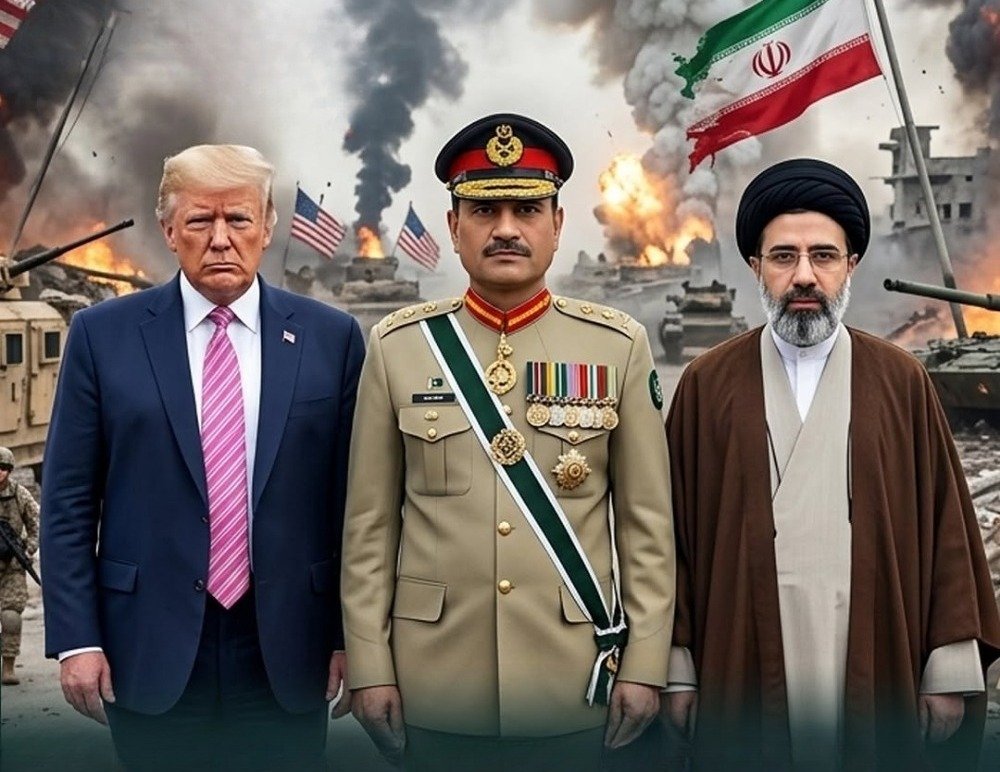
The Pakistan Iran US Ceasefire initiative is gaining international attention as diplomatic efforts led by Pakistan appear to be bringing the United States and Iran closer to a possible agreement. According to reports from Reuters, intense overnight diplomatic engagements have raised hopes of a breakthrough that could ease tensions and stabilize global energy markets. Read More: https://theboardroompk.com/gold-price-in-pakistan-rises-amid-middle-east-tensions/ Pakistan Iran US Ceasefire Diplomacy Intensifies Sources revealed that Asim Munir remained actively engaged in diplomatic contacts throughout the night. He reportedly maintained continuous communication with JD Vance, Steve Witkoff, and Iranian Foreign Minister Abbas Araqchi. These discussions focused on reducing escalating regional tensions, exploring ceasefire possibilities, and understanding the positions of all stakeholders. Pakistan’s proactive diplomatic role indicates its willingness to act as a bridge between conflicting parties. For businesses and investors, such developments are highly significant, as geopolitical stability directly influences oil prices, shipping costs, and investor confidence. Islamabad Accord Emerges as Proposed Framework The proposed settlement is reportedly being called the “Islamabad Accord”, which outlines a two-stage plan: • Immediate ceasefire between the United States and Iran• Final comprehensive agreement within 15–20 days• Nuclear-related restrictions and potential sanctions relief• Restoration of normal maritime traffic This structured approach aims to provide quick de-escalation while leaving room for long-term negotiations. Analysts believe that such phased agreements often improve the chances of sustainable peace. Strait of Hormuz Reopening Could Impact Global Trade One of the most significant aspects of the Pakistan Iran US Ceasefire plan is the possible reopening of the Strait of Hormuz immediately after a ceasefire. This narrow waterway is critical for global energy supply, with a large portion of the world’s oil shipments passing through it. If tensions ease and the route reopens fully, the following impacts could be expected: • Lower oil price volatility• Improved shipping schedules• Reduced insurance costs for cargo• Stronger investor sentiment in emerging markets For Pakistan, stability in energy markets could also help manage inflation and reduce import costs. Pakistan’s Diplomatic Role in Regional Stability Pakistan appears to be playing an active diplomatic role by facilitating communication between Washington and Tehran. Sources indicate that Islamabad is working to maintain dialogue channels to prevent further escalation. Such diplomatic engagement highlights Pakistan’s growing importance in regional geopolitics. It also strengthens the country’s image as a mediator capable of promoting peace in sensitive international disputes. Pakistan Iran US Ceasefire and Business Implications If the Pakistan Iran US Ceasefire materializes, several economic benefits could follow: • Stabilization in global oil prices• Improved investor confidence in Asian markets• Reduced supply chain disruptions• Enhanced trade prospects for Pakistan• Increased regional economic cooperation Businesses dependent on energy imports and international trade are closely monitoring these developments. A ceasefire could reduce uncertainty and encourage long-term investment planning. What Happens Next? According to sources, the agreement could be finalized quickly if both sides agree to immediate terms. The ceasefire may come into effect first, followed by negotiations on sanctions relief and broader security arrangements. The coming days will be crucial in determining whether Pakistan’s diplomatic efforts translate into a historic breakthrough. Global attention remains focused on Islamabad as discussions continue. The Pakistan Iran US Ceasefire initiative and the proposed Islamabad Accord represent a potential turning point in regional diplomacy. With Pakistan facilitating dialogue, there is renewed optimism about reducing tensions, reopening key trade routes, and stabilizing markets. If successful, this development could not only reshape geopolitical relations but also bring tangible economic benefits for Pakistan and the broader global economy. Source & Attribution: This report is based on information published by Reuters. Full story available at:https://www.reuters.com/world/china/iran-us-receive-plan-end-hostilities-immediate-ceasefire-source-says-2026-04-06/ Credit: International News Agency Reuters (Reuters.com)

Gold Price in Pakistan Rises Amid Middle East Tensions
Business

Gold Price in Pakistan Rises Amid Middle East Tensions

Gold prices in Pakistan climbed on Monday, driven by global market uncertainty and ongoing geopolitical tensions in the Middle East. Read More: https://theboardroompk.com/pakistan-india-among-south-asian-countries-that-pivot-to-renewables-and-rationing-as-fuel-crisis-intensifies/ The All-Pakistan Gems and Jewelers Sarafa Association (APGJSA) reported that 24-karat gold was sold at Rs491,462 per tola, marking an increase of Rs1,100 compared to the previous session. In terms of weight, 24-karat gold per 10 grams reached Rs421,349, rising by Rs943. Meanwhile, 22-karat gold also saw an upward move, quoted at Rs386,250 per 10 grams. Silver Prices Slide in Domestic Market Contrary to gold, silver prices declined. APGJSA noted that 24-karat silver per tola fell to Rs7,744 (-Rs50), while the 10-gram rate dropped to Rs6,639 (-Rs43). Analysts attributed this decline to weaker industrial demand and shifting investor interest towards gold amid global uncertainty. Global Factors Influence Local Prices Internationally, spot gold traded near $4,699 an ounce, up $90.9 or 1.97%, as tensions in the Middle East escalated. Investors also reacted to robust U.S. employment data, which dampened expectations for near-term Federal Reserve interest rate cuts, further supporting gold demand as a safe-haven asset.

Pakistan, India among South Asian Countries That Pivot to Renewables and Rationing as Fuel Crisis Intensifies
Pakistan

Pakistan, India among South Asian Countries That Pivot to Renewables and Rationing as Fuel Crisis Intensifies

South Asian economies are rapidly deploying emergency measures to counter a deepening energy crisis triggered by the ongoing Iran war, which has disrupted global oil and gas supplies. Read More: https://theboardroompk.com/pakistan-proposes-peace-plan-to-reopen-strait-of-hormuz/ The region, heavily dependent on Middle Eastern energy, is facing soaring fuel costs and supply shortages, forcing governments to adopt both short-term fixes and long-term strategies. Diversification and Supply Management India, the region’s largest energy consumer, is leading efforts to diversify crude imports while expanding its strategic petroleum reserves to cushion supply shocks. Authorities are also accelerating renewable energy projects to reduce long-term reliance on imported fossil fuels, reflecting a structural shift in policy direction. Pakistan, meanwhile, has introduced austerity measures, including curbs on non-essential fuel consumption and rolling power outages to manage limited supply. The government is also seeking external support and exploring alternative supply arrangements to stabilise the domestic energy market. Rationing and Alternative Energy Push Bangladesh has opted for electricity rationing while expediting liquefied natural gas (LNG) imports to offset shortages. Officials are prioritising essential sectors to minimise economic disruption, even as higher import costs strain fiscal resources. Nepal, less dependent on fossil fuel imports, is expanding hydropower capacity to reduce vulnerability to external shocks. Sri Lanka, still grappling with economic fragility, has imposed strict fuel-use restrictions and is simultaneously exploring cleaner energy options to reduce dependence on volatile imports. The Maldives is also accelerating solar energy adoption while taking steps to stabilise fuel supply chains in the short term. Across the region, governments are balancing emergency responses with longer-term transitions toward energy security, though rising global prices and supply disruptions continue to pose serious risks to economic stability.

Pakistan Proposes Peace Plan to Reopen Strait of Hormuz
Pakistan

Pakistan Proposes Peace Plan to Reopen Strait of Hormuz

Pakistan has presented a plan to Iran and the United States aimed at ending hostilities and potentially reopening the Strait of Hormuz. The initiative seeks to de-escalate tensions in the Persian Gulf following recent military strikes and disruptions to global oil routes. Read More: https://theboardroompk.com/asia-including-pakistan-faces-costlier-crude-as-saudi-raises-oil-prices/ The framework, developed by Pakistan, follows a two-tier approach: an immediate ceasefire and a comprehensive agreement to secure long-term peace. Ceasefire Proposal According to officials, all elements of the plan require prompt agreement. The initial understanding is structured as a memorandum of understanding to be finalized electronically through Pakistan, the sole channel for communication between the two sides. Under the proposal, the ceasefire would take effect immediately. This would allow commercial and oil shipping through the Strait of Hormuz to resume without delay. The strait is a critical chokepoint, accounting for nearly 20% of global oil trade. Islamabad Accord Negotiations would continue over 15–20 days to finalize a broader settlement, tentatively named the “Islamabad Accord.” The accord would establish a regional framework to manage the strait, with final in-person talks expected in Islamabad. Iran has previously indicated it seeks a permanent ceasefire. Tehran demands guarantees against future attacks by the United States and Israel. The Islamabad Accord is designed to address these concerns while ensuring maritime security for all parties. Diplomatic Engagement Pakistan’s army chief, Field Marshal Asim Munir, has reportedly maintained continuous contact with U.S. Vice President JD Vance, special envoy Steve Witkoff, and Iranian Foreign Minister Abbas Araqchi. Mediators, including Pakistan, Turkey, and Egypt, have also been engaged in discussions with Tehran. Officials say the plan envisions a phased approach. The ceasefire would be immediate, followed by negotiations for a lasting agreement. The accord would likely include Iranian commitments not to pursue nuclear weapons, in return for sanctions relief and the release of frozen assets. Regional Implications If successful, the Islamabad Accord could reduce tensions in the Persian Gulf and stabilize global oil markets. The closure of the Strait of Hormuz has already disrupted crude exports, pushed up fuel prices worldwide, and heightened inflationary concerns. Global energy markets are closely monitoring developments. The strait remains a strategic passage, and any breakthrough could reassure traders and investors. Analysts note that Pakistan’s diplomatic initiative represents a rare direct effort to mediate between Washington and Tehran. Observers say it could enhance Pakistan’s regional influence if both parties engage seriously. Challenges Ahead Despite intensified diplomatic efforts, Iranian officials have not yet committed to the proposal. Questions remain over the timeline for implementation, verification mechanisms, and enforcement of the accord. The United States has indicated willingness to discuss terms, but insists on clear assurances regarding Iran’s nuclear program and regional behavior. Tehran’s response will be critical in determining the viability of the plan. Officials stress that the success of the initiative depends on trust, timely communication, and adherence to the memorandum of understanding. Any delays or missteps could prolong hostilities and economic disruptions. Market and Security Watch Energy and security experts are closely tracking developments. The reopening of the Strait of Hormuz would immediately ease pressures on global crude prices and shipping logistics. Conversely, a rejection or delay could exacerbate instability in the region. Maritime authorities have prepared contingency plans to ensure safe passage if the ceasefire takes hold. Oil-exporting nations and international shipping companies are evaluating potential adjustments to routes and volumes in anticipation of the accord’s outcomes.

Scroll to Top