
Pakistan UAE debt repayment has become a major financial development as Pakistan prepares to return its entire $3.5 billion debt to the United Arab Emirates during April. Officials confirmed that the repayment schedule includes multiple tranches spread across the month, highlighting Islamabad’s commitment to meeting external obligations despite economic pressures.
The government has lined up payments in three phases. A $450 million installment is due on April 11, followed by $2 billion on April 17 and another $1 billion on April 23. These repayments will occur alongside a $1.3 billion Eurobond maturity on April 8, pushing total external debt servicing to $4.8 billion for the month.
This significant outflow will test foreign exchange reserves but also signal financial discipline to global lenders.
A 30-Year-Old Loan Finally Cleared
One notable aspect of the Pakistan UAE debt repayment is the settlement of a historic $450 million loan dating back to 1996–97. Originally issued for just one year, the loan remained outstanding for nearly three decades due to repeated rollovers.
Officials indicated that the UAE had previously extended two $1 billion deposits in January for only one month at an interest rate of 6.5 percent. Pakistan had requested a longer two-year rollover at around 3 percent, reflecting efforts to reduce borrowing costs and ease repayment pressure.
IMF Programme and Strategic Support
The repayment process is closely linked to Pakistan’s commitments under the $7 billion programme with the International Monetary Fund. As part of this arrangement, friendly countries including Saudi Arabia, the UAE, and China have pledged to maintain $12.5 billion in deposits with the State Bank of Pakistan until September 2027.
These deposits act as a financial cushion, helping Pakistan stabilize reserves while implementing structural reforms. Officials noted that discussions are ongoing to convert some UAE deposits into investment, although no final decision has been taken.
Foreign Exchange Reserves Remain “Comfortable”
Authorities suggested that part of the central bank’s $16.4 billion foreign exchange reserves may be used for the Pakistan UAE debt repayment. They emphasized that reserves remain “comfortable,” pointing out that Pakistan has previously operated with minimal import cover during more severe crises.
However, analysts caution that large outflows in a single month could still impact market sentiment and exchange rate stability.
Economic Challenges Add Pressure
While the repayment strengthens credibility, Pakistan’s economic indicators remain mixed. Exports have declined by 8 percent in the first nine months of the fiscal year, and foreign direct investment has also slowed. These trends complicate efforts to rebuild reserves after major repayments.
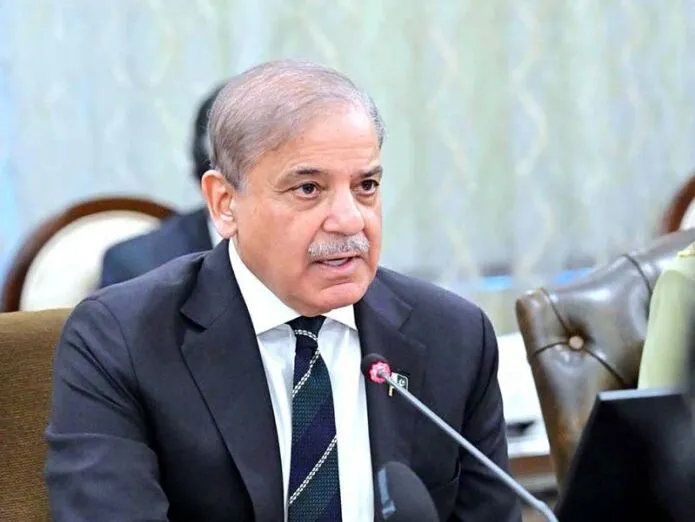
Shehbaz Sharif has acknowledged the risks of heavy reliance on foreign borrowing, noting that external loans often come with conditions that limit policy flexibility. His government is aiming to balance repayments with economic reforms to avoid future crises.
Panda Bonds and Interest Rate Negotiations
Pakistan had planned to issue $250 million in Panda Bonds this year, but the plan has stalled due to administrative and procedural challenges. Meanwhile, negotiations with the UAE are ongoing to reduce interest rates from last year’s 6.5 percent closer to 3 percent. Lower global rates and improved credit outlooks are supporting Pakistan’s case.
If successful, these talks could ease future repayment burdens and encourage investment-based financing rather than traditional loans.
Why Pakistan UAE Debt Repayment Matters
The Pakistan UAE debt repayment carries broader implications for the country’s financial outlook. Clearing obligations improves creditworthiness, strengthens relations with key partners, and supports ongoing IMF commitments. At the same time, it underscores the urgency of boosting exports, attracting investment, and reducing reliance on external borrowing.
Pakistan’s ability to navigate this repayment cycle without destabilizing reserves will be closely watched by markets and international lenders.