Author name: Web Desk

Petrol Price Relief Package Pakistan: PM Announces Major Fuel Cut on Petrol by Rs80 and Subsidies
Pakistan

Petrol Price Relief Package Pakistan: PM Announces Major Fuel Cut on Petrol by Rs80 and Subsidies

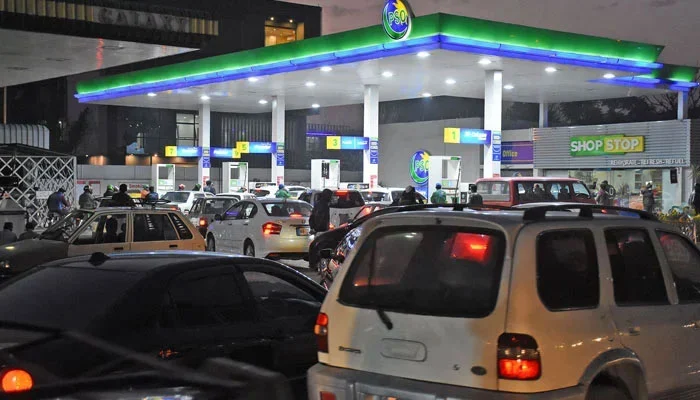
Petrol Price Relief Package Pakistan has been announced in a significant move aimed at easing inflationary pressure on households and businesses. The government unveiled a comprehensive relief plan that includes a sharp reduction in petrol prices, transport subsidies, and financial support for farmers. The initiative is designed to counter the impact of rising global oil prices and provide short-term economic relief across the country. Read More: https://theboardroompk.com/pak-qatar-asset-management-announces-pkr-0-6465-dividend-for-pak-qatar-monthly-income-plan-unit-holders/ Rs80 Petrol Price Cut Offers Immediate Relief Under the Petrol Price Relief Package Pakistan, the government reduced petrol prices by Rs80 per litre for one month. The new price stands at Rs378 per litre, down from Rs458, and took effect immediately. This move is expected to reduce transportation costs and indirectly ease prices of essential goods. Prime Minister Shehbaz Sharif announced the decision during a national address after extensive consultations with federal and provincial leadership. The reduction is part of a broader strategy to shield citizens from global energy price shocks. Petrol Price Relief Package Pakistan Includes Transport Subsidies The Petrol Price Relief Package Pakistan also introduces targeted subsidies for transport sectors to prevent fare hikes and rising commodity prices. Motorcyclists, public transport operators, cargo vehicles, and goods transport services will receive a Rs100 per litre subsidy for one month. In addition to per-litre subsidies, fixed monthly support has been allocated to transport operators. Small trucks will receive Rs70,000, large trucks Rs80,000, and public transport buses Rs100,000. These subsidies aim to stabilize logistics costs and ensure that the benefit of lower fuel prices reaches consumers. This support is particularly important for Pakistan’s supply chain, as transportation expenses directly influence the cost of food and daily necessities. Support for Farmers Under Petrol Price Relief Package Pakistan The government has also extended relief to the agricultural sector. Small farmers will receive Rs1,500 per acre to help manage increasing input costs such as fuel for tractors, irrigation, and transportation of produce. Agriculture remains a backbone of Pakistan’s economy, and this support is expected to assist farmers in maintaining productivity while controlling costs. Lower production expenses may also help stabilize food prices in urban markets. Rail Fare Freeze to Protect Passengers Another key component of the Petrol Price Relief Package Pakistan is the decision to freeze economy class fares of Pakistan Railways. The government directed authorities not to increase fares under any circumstances during the relief period. This measure ensures that low-income travelers continue to have access to affordable transport options. It also complements fuel subsidies by preventing indirect fare increases. Government Absorbs Financial Burden The prime minister highlighted that global oil prices have surged due to tensions in the Gulf region, impacting economies worldwide. To protect citizens, the government has already absorbed Rs129 billion over the past three weeks. This fiscal effort reflects the government’s attempt to balance inflation control with economic stability. The relief package is temporary but designed to provide breathing space while global markets stabilize. Nationwide Implementation of Petrol Price Relief Package Pakistan The Petrol Price Relief Package Pakistan will apply nationwide, including Gilgit-Baltistan and Azad Jammu and Kashmir. The federal government has committed to providing necessary financial resources to ensure uniform implementation. This nationwide rollout ensures that relief is distributed equally and that remote regions benefit from reduced transportation costs. Cabinet Salary Donation Signals Austerity In addition to public relief measures, members of the federal cabinet have pledged to donate six months’ salaries to the national exchequer. This step is intended to demonstrate fiscal responsibility and solidarity with citizens facing economic challenges. Such austerity measures, combined with subsidies, aim to build public confidence in economic management. Economic Impact and Public Expectations The Petrol Price Relief Package Pakistan is expected to temporarily reduce inflationary pressure, particularly in transport and food sectors. Businesses relying on logistics may see reduced operating costs, while households could benefit from stable commodity prices. However, economists note that sustained relief will depend on global oil trends and fiscal capacity. The one-month duration suggests the government is monitoring market conditions before extending the package. Overall, the initiative signals a proactive approach to managing rising fuel costs and supporting key economic sectors.
Pak-Qatar Asset Management Announces PKR 0.6465 Dividend for Pak-Qatar Monthly Income Plan Unit-Holders
Pakistan

Pak-Qatar Asset Management Announces PKR 0.6465 Dividend for Pak-Qatar Monthly Income Plan Unit-Holders

Karachi: Pak-Qatar Asset Management Company Limited (PQAMC), a leading dedicated Islamic asset management company in Pakistan, has announced a monthly dividend of PKR 0.6465 per unit for its Pak-Qatar Monthly Income Plan (PQMIP) for March 2026. Read More: https://theboardroompk.com/elon-musks-spacex-files-confidentially-for-blockbuster-ipo-valued-at-over-1-75-trillion/ PQMIP, one of the highest-return plans in its category, continues to deliver strong performance for investors seeking Shariah-compliant income solutions. The dividend was earned as of March 27, 2026. PQAMC recently received an Asset Manager rating of ‘AM2+’ with a Stable Outlook from VIS Credit Rating Company Limited, reflecting the company’s solid market position and operational strength. Mr. Farhan Shaukat, Chief Executive Officer of PQAMC, approved the dividend distribution under authority delegated by the Board of Directors. “We are pleased to announce this distribution to PQMIP unit-holders,” said Mr. Farhan Shaukat. “This reflects our robust investment strategy and ongoing commitment to delivering value to our participants. The recent rating upgrade further validates the confidence our stakeholders place in PQAMC.” As part of Pak-Qatar Group, Pakistan’s pioneer in Islamic financial services, PQAMC remains dedicated to supporting the nation’s economy through innovative, Shariah-compliant investment solutions. Investors can view PQMIP’s performance on the Mutual Funds Association of Pakistan (MUFAP) website.

Elon Musk’s SpaceX Files Confidentially for Blockbuster IPO Valued at Over $1.75 Trillion
Business

Elon Musk’s SpaceX Files Confidentially for Blockbuster IPO Valued at Over $1.75 Trillion

Elon Musk’s SpaceX has confidentially filed for an initial public offering with U.S. regulators, setting the stage for what could become the largest stock market listing in history. Bloomberg News first reported the move, which was confirmed by sources to Reuters on April 1, 2026. Read More: https://theboardroompk.com/pakistanis-favourite-tea-producer-kenya-loses-8-million-weekly-in-tea-trade-due-to-middle-east-shipping-crisis/ Merger with xAI Boosts Valuation The filing follows SpaceX’s recent merger with Musk’s artificial intelligence startup xAI. The deal valued SpaceX at $1 trillion and xAI at $250 billion, creating a combined entity with ambitions that stretch from rocket launches to orbital AI data centers. SpaceX was previously valued at about $800 billion in a secondary share sale. Starlink, the company’s satellite internet service with around 9 million subscribers, forms the core of the high valuation. It generates recurring revenue through consumer broadband, defense contracts, and global connectivity, including support in conflict zones. Record-Breaking Fundraising Plans SpaceX aims to raise more than $50 billion through the IPO, potentially eclipsing Saudi Aramco’s 2019 record. The company, headquartered in Starbase, Texas, reported approximately $15-16 billion in revenue and $8 billion in profit last year. It launches more rockets than any other entity and is developing Starship for deep-space missions. The IPO would offer public investors exposure to Musk’s integrated vision of space, satellites, and AI. SpaceX plans analyst briefings starting April 21, including a visit to xAI’s data center in Memphis. Investor Excitement and Challenges Analysts note strong demand for SpaceX shares, though valuation could fluctuate based on belief in Musk’s long-term goals, such as colonizing Mars and placing AI infrastructure in orbit. A dual-class share structure is expected to allow Musk to retain control. The listing comes amid growing interest in space and AI stocks. SpaceX did not comment on the reports. If successful, the June-targeted debut could revitalize the IPO market and precede potential listings from AI firms like OpenAI.

After Harry Potter Setback, Netflix Doubles Down on Building Original Franchises
World

After Harry Potter Setback, Netflix Doubles Down on Building Original Franchises

Netflix failed in its ambitious attempt to acquire Warner Bros Discovery’s studio and HBO in a record $72 billion offer, which would have given it access to the Harry Potter franchise and Game of Thrones. The streaming giant is now accelerating efforts to develop its own enduring content franchises. Read More: https://theboardroompk.com/pakistanis-favourite-tea-producer-kenya-loses-8-million-weekly-in-tea-trade-due-to-middle-east-shipping-crisis/ Youthful Catalog Limits Deep IP Unlike legacy studios such as Warner Bros, Disney, and Universal with over a century of stories, Netflix’s library spans roughly a dozen years. This relative youth makes building built-in fanbases more challenging. Chief Creative Officer Bela Bajaria stressed the continued focus on creating long-lasting hits: “To me, that’s just continually the goal.” The company is partnering with studios like MGM and Warner Bros to nurture original properties similar to its successes — Stranger Things, Wednesday, and Bridgerton. Mixed Results from Past Bets Netflix has seen strong returns from Shonda Rhimes’ Bridgerton, now in its fifth season with a spinoff and live events. Stranger Things has expanded into stage plays and merchandise, while Extraction spawned sequels. However, the $700 million acquisition of Roald Dahl’s catalog has yet to deliver a major breakout after five years, though a Willy Wonka-inspired reality show is planned for 2026. The $320 million film The Electric State received poor reviews and generated no sequels. Bajaria acknowledged the risks: “A lot of people have big movies that also are IP that don’t work… We’re in the film and TV business, so a lot of things work, a lot of things don’t work.” Focus on Ancillary Revenue Netflix received a $2.8 billion breakup fee from the failed deal. It is now treating its Oscar-winning animated film KPop Demon Hunters as a potential new franchise, with merchandise partnerships, themed meals, and possible sequels and tours. Upcoming projects include a live-action Scooby-Doo series, a Greta Gerwig-directed Narnia film, and an Assassin’s Creed series. Franchises are viewed as lower-risk investments that generate revenue beyond streaming through merchandise and experiences in a crowded media market.

Pakistani's Favourite Tea Producer Kenya Loses $8 Million Weekly in Tea Trade Due to Middle East Shipping Crisis
Pakistan

Pakistani’s Favourite Tea Producer Kenya Loses $8 Million Weekly in Tea Trade Due to Middle East Shipping Crisis

Disruption to key shipping routes caused by the ongoing Iran conflict has left around eight million kilograms of Kenyan tea stranded in warehouses in Mombasa for weeks. The situation is threatening export earnings and the livelihoods of tea farmers across the country. Read More: https://theboardroompk.com/port-qasim-provide-fuel-in-emergency-to-big-ship-named-mv-fairchem-katana/ Pakistan is the world’s largest importer of tea, with Kenya as its primary supplier, accounting for over 80% of its total tea imports. As of 2024, Pakistan imported approximately$553 million to $557 million worth of tea from Kenya annually. This trade volume represents nearly 190,000 to over 200,000 tonnes of tea annually. Middle East Market Paralysed No tea is currently being shipped to the Middle East, which normally accounts for 20-25% of Kenya’s tea exports. Buyers have also scaled back new purchases because even previously bought stocks are not moving due to maritime bottlenecks. The East Africa Tea Traders Association, which runs the Mombasa tea auction, reported that losses have reached about $8 million per week since early March. Rising Costs and Longer Routes Tea destined for Pakistan and Egypt continues to move but only via the much longer route around the Cape of Good Hope. This rerouting has sharply increased freight and insurance costs, squeezing exporters’ margins. Major shipping carriers have suspended operations through the Strait of Hormuz and Bab el-Mandeb Strait, imposed emergency surcharges, and diverted vessels, worsening the logistics crisis. The Kenyan tea industry was already facing challenges from earlier global shocks, including a sharp drop in exports to Russia following the Ukraine war — from 29 million kg previously to just 5 million kg now. Calls for New Markets and Urgent Action George Omuga, managing director of the East Africa Tea Traders Association, warned that the sector needs to urgently develop new markets within Africa to reduce vulnerability to international conflicts. He described government statements claiming strong export performance as overly optimistic, noting that the 81% auction figure cited by President William Ruto referred to purchases rather than actual shipments. Industry players fear prolonged disruption could severely impact small-scale farmers who depend on tea for their income.

SBP Allows Teenagers Aged 13-18 to Open Independent Bank Accounts
Pakistan

SBP Allows Teenagers Aged 13-18 to Open Independent Bank Accounts

KARACHI: In an important move to build a financially savvy young generation, the State Bank of Pakistan (SBP) has launched a new framework for teenagers’ accounts enabling them to independently own and operate bank accounts and digital wallets. The framework is designed to empower the country’s youth to save securely, transact confidently, and develop responsible financial habits. By providing a convenient entry into the formal financial system at an early age, the SBP aims to foster meaningful participation of teenagers in the economy The initiative addresses a critical gap in Pakistan’s financial landscape. While overall account ownership has risen to 67% of adult population, teenagers have largely been confined to joint or parent-controlled accounts, limiting their practical financial engagement and learning. With around 26 million Pakistanis between the age of 13 to 18 years, this framework is an effort for nurturing a generation that is financially literate, digitally adept, and capable of driving future growth. The Key Features of the New Framework include: Ownership & Independent Operation: Teenagers can now manage their accounts and wallets directly, fostering a sense of responsibility and ownership. Secure & Structured Access: Built within a regulated environment, the framework ensures safety while introducing young users to formal financial services. Foundation for Digital Economy: Equips the youth with the tools and experience necessary to participate in an increasingly digital financial ecosystem. This initiative is a cornerstone of SBP’s Strategic Plan 2023-28 and the National Financial Inclusion Strategy (NFIS) 2024-28, which prioritize youth inclusion. It also builds on Pakistan’s internationally recognized efforts in this area, following the SBP’s receipt of the AFI Global Youth Financial Inclusion Award last year. The Teenagers Account framework is more than a new banking product—it is a strategic step towards a more inclusive financial system. By empowering teenagers, Pakistan is building a stronger, and financially literate youth having capacity to independently and effectively access variety of financial services being offered by banks and financial institutions. Further details available at: https://www.sbp.org.pk/bprd/2026/C1.htm

Businessmen Urge Govt to Suspend Taxes on Petroleum Products to Avoid Economic Paralysis
Pakistan

Businessmen Urge Govt to Suspend Taxes on Petroleum Products to Avoid Economic Paralysis

Karachi: Atif Ikram Sheikh, President of the Federation of Pakistan Chambers of Commerce & Industry (FPCCI), has expressed profound concerns and outright dismay over the staggering and unprecedented increase in petroleum prices announced by the federal government. He proposed that an emergency, temporary suspension of the Petroleum Development Levy (PDL) should be announced to provide immediate breathing room to the industrial sector – until the global petroleum supplies return back to normalcy. Read More: https://theboardroompk.com/port-qasim-provide-fuel-in-emergency-to-big-ship-named-mv-fairchem-katana/ Mr. Atif Ikram Sheikh stated that the business, indusry and trade community warns that this colossal spike in the cost of doing business has escalated beyond a mere operational challenge; it now poses an existential threat to the national economy – triggering severe de-industrialization; paralyzing fragile supply chains and unleashing a devastating wave of hyperinflation across Pakistan. FPCCI Chief pointed out that, with petrol prices surging by Rs 137.23 to reach an all-time historical high of Rs 458.40 per litre – representing a staggering 42.7% increase – and high-speed diesel (HSD) seeing an astronomical rise of Rs 184.49 to hit Rs 520.35 per litre – a 55% increase – the business community is bracing for catastrophic economic disruptions. Mr. Atif Ikram Sheikh noted that if we account for the previous increase in petroleum prices in the country during March 2026, the cumulative increase works out to be 77% within a month – and, the government should have devised a better strategy through a much needed consultative process. Mr. Atif Ikram Sheikh has explained the crippling effect this will have on the nation’s industrial output and export targets. While we acknowledge that the ongoing geopolitical crisis in the Middle East has sent global oil markets into a frenzy, passing on an increase of this magnitude directly to the consumers and the industrial sector overnight is completely unsustainable, he added. President FPCCI maintained that a 55% hike in diesel prices will fundamentally paralyze our manufacturing sectors. Our flagship export industries are already struggling with high cost of doing business. With this latest shock, we are staring at a complete loss of export competitiveness on the global stage. International buyers will simply pivot to our regional competitors. Mr. Saquib Fayyaz Magoon, SVP FPCCI, elaborated that the cascading impact of this price surge threatens to destabilize multiple critical sectors simultaneously. Firstly, textiles and manufacturing will face multiplied freight and transportation charges – which will drastically inflate production overheads – leading to inevitable factory closures and shifts reductions. Mr. Saquib Fayyaz Magoon stressed that agriculture – with the harvesting season underway – can not manage the astronomical cost of diesel and will render the operation of tractors, tube wells and harvesters financially unviable for the average farmer, threatening national food security as the result. Mr. Saquib Fayyaz Magoon said that small and medium enterprises (SMEs) will be hardest hit as they lack the financial buffers of large corporations. SMEs – the backbone of the economy – will face an immediate liquidity crisis as their operational costs will double overnight. SVP FPCCI emphasized the devastating ripple effects on daily commodities – availability and prices both – as the diesel is the absolute lifeblood of our logistics; goods transport and supply chains. Pushing HSD past the Rs 520 mark means domestic freight charges will skyrocket instantly. This will directly translate to exorbitant price hikes for essential food items; medicines and raw materials. Mr. Saquib Fayyaz Magoon iterated that the targeted subsidies recently discussed by the government are administratively detrimental enough to bring any relief; historically proven to be inefficient and vastly insufficient to shield the Pakistan’s core industrial base from this monumental economic shock. FPCCI calls for an emergency dialogue with the Ministry of Finance and the Ministry of Petroleum. The Federation firmly warns that – without immediate remedial steps – the country risks severe socio-economic instability; mass bankruptcies and unprecedented job losses.

Port Qasim Provide Fuel in Emergency to Big Ship Named MV Fairchem Katana
Pakistan

Port Qasim Provide Fuel in Emergency to Big Ship Named MV Fairchem Katana

KARACHI: Port Qasim Authority (PQA) carried out a successful emergency bunkering operation for MV Fairchem Katana, reinforcing its capability to respond swiftly to maritime challenges while maintaining uninterrupted port operations. Read More: https://theboardroompk.com/china-targets-ai-addiction-risks-with-new-digital-human-regulations/ The vessel faced an unexpected fuel shortage and was unable to receive bunkers at anchorage, creating a potentially risky situation. Prompt action was required to prevent operational delays and ensure the safety of the vessel. Strategic Berthing Decision PQA responded by prioritising the vessel’s berthing at the Marginal Wharf, providing a secure and controlled environment for refueling. Around 500 metric tons of bunkers were supplied during the operation, allowing the vessel to stabilise and continue its voyage. Authorities noted that the decision to berth the vessel reflected effective coordination and efficient resource management, ensuring a rapid resolution to the issue. Ensuring Safety and Efficiency The emergency operation was conducted without any disruption to ongoing port activities. Cargo handling operations for other vessels continued smoothly, highlighting the port’s ability to manage multiple priorities simultaneously. PQA emphasised that ensuring maritime safety remains a top priority, particularly in emergency situations involving fuel shortages. The authority also reaffirmed its commitment to maintaining a reliable bunkering supply for vessels under all conditions. The successful operation underscores Port Qasim’s strategic role in supporting regional maritime trade and its reputation as a dependable port capable of handling critical situations efficiently.

China targets AI addiction risks with new digital human regulations
Tech

China targets AI addiction risks with new digital human regulations

China is moving to tighten regulation of artificial intelligence technologies that simulate human interaction, with a new draft framework aimed at curbing risks linked to addiction, misinformation, and emotional dependency. Read More: https://theboardroompk.com/govt-announces-targeted-subsidies-after-fuel-price-hike-amid-regional-tensions/ The proposed rules focus particularly on “digital humans,” which are increasingly used in entertainment, customer engagement, and social platforms. Crackdown on emotional AI manipulation, Balancing innovation with control The new guidelines reflect Beijing’s growing concern about the psychological and social effects of AI systems capable of forming human-like relationships with users. Authorities have specifically banned services that encourage addictive usage patterns among minors, highlighting the potential harm posed by immersive AI experiences. Digital human platforms will be required to implement strict safeguards, including clear identification of AI-generated content and systems to prevent misuse of personal data. The use of someone’s likeness without permission will be prohibited, signaling a push to address privacy and identity-related risks in the evolving AI ecosystem. Another major focus of the draft rules is emotional safety. Companies will need to monitor user interactions and take action when individuals display signs of excessive dependence or mental distress. This includes offering support mechanisms or interventions in cases where users show indications of self-harm or psychological vulnerability. China’s approach reflects a broader regulatory trend seen globally, where governments are increasingly stepping in to manage the societal impact of digital technologies. However, Beijing’s framework stands out for its comprehensive scope, combining content moderation, user protection, and strict control over AI behavior. The draft also reinforces longstanding policies on internet governance, banning digital humans from producing content that undermines national unity, spreads misinformation, or promotes violence. These restrictions highlight the government’s continued emphasis on maintaining stability in online spaces. The move comes as China pushes forward with ambitious plans to integrate AI into its economic and technological development. Policymakers are seeking to strike a balance between fostering innovation and ensuring that new technologies do not pose risks to users, particularly younger audiences. Experts say the proposed rules could set a global benchmark for regulating AI-driven human-like systems, especially as digital companions and virtual influencers become more prevalent worldwide.

Scroll to Top