Author name: Web Desk

OICCI CSR Report 2025: Foreign Investors Spend Rs15.33 Billion on Social Development Across Pakistan
Pakistan

OICCI CSR Report 2025: Foreign Investors Spend Rs15.33 Billion on Social Development Across Pakistan

The OICCI CSR Report 2025 has highlighted the growing role of foreign investors in Pakistan’s social and economic development, revealing that multinational companies invested Rs15.33 billion in Corporate Social Responsibility (CSR) initiatives during the 2025 financial year. Released by the Overseas Investors Chamber of Commerce and Industry (OICCI), the report shows a 10% increase in CSR spending compared to the previous year, with more than 44 million people benefiting from initiatives in healthcare, education, poverty reduction, disaster recovery, and environmental sustainability. Representing nearly 200 multinational companies operating in Pakistan, OICCI said the findings reflect the private sector’s continued commitment to supporting the country’s long-term development despite challenging business conditions. Flood Recovery Received Major Support A significant portion of CSR spending was directed toward communities affected by recent floods. According to the report, OICCI member companies allocated Rs4.5 billion to flood relief, rehabilitation, and recovery initiatives, helping rebuild affected communities and provide emergency assistance to thousands of families. Beyond financial contributions, member companies collectively contributed more than 13 million volunteer hours, working alongside 270 civil society organizations to implement welfare and development projects across Pakistan. Healthcare Remained the Largest CSR Focus Healthcare continued to receive the largest share of CSR investment. The report states that multinational companies invested more than Rs6.5 billion in healthcare programs, including free and subsidized medical treatment, hospital infrastructure, maternal and child healthcare, and mental health initiatives. These healthcare projects benefited over 19 million people, making healthcare the largest single area of CSR investment during the year. Excluding flood-related spending, more than 60% of total CSR investments were aligned with United Nations Sustainable Development Goal (SDG) 3 – Good Health and Well-being, underscoring healthcare as the highest corporate priority. Education and Poverty Reduction Programs Expanded Education remained another key area of investment. OICCI member companies invested Rs1 billion in scholarships, vocational training, digital learning, and educational infrastructure, benefiting approximately 900,000 students across Pakistan. Meanwhile, Rs645 million was allocated to poverty alleviation initiatives, including livelihood support, income-generation programs, microfinance, and social protection projects. According to the report, these initiatives positively impacted more than 1.2 million people, helping improve economic opportunities for vulnerable communities. CSR Projects Reached Every Region of Pakistan The report highlights that CSR initiatives were implemented across all provinces and regions rather than being concentrated in major urban centers. Nearly half of all projects were carried out in Punjab and Sindh, while substantial investments were also made in underserved regions, including: The nationwide distribution reflects a broader commitment to inclusive development across Pakistan. OICCI Highlights Long-Term Commitment Speaking at the launch of the report, OICCI Secretary General M. Abdul Aleem said multinational companies are investing not only in business operations but also in the communities where they operate. He noted that partnerships with 270 civil society organizations enabled member companies to reach remote areas and contribute to healthcare, education, employment, and community development, helping build a more inclusive and sustainable Pakistan. UNDP Praises Private Sector Leadership The launch ceremony was attended by Dr. Samuel Rizk, Resident Representative of the United Nations Development Programme (UNDP) in Pakistan. He commended OICCI members for aligning their CSR initiatives with the United Nations Sustainable Development Goals (SDGs), emphasizing that investments in healthcare, education, and poverty reduction strengthen Pakistan’s national development agenda while fostering collaboration between the public and private sectors. Climate Action and ESG Continue to Gain Importance The report also highlights increasing corporate focus on Environmental, Social, and Governance (ESG) priorities and climate resilience. Member companies are investing in clean energy, responsible resource management, water conservation, and environmental sustainability initiatives to support Pakistan’s long-term climate objectives. These efforts demonstrate how multinational companies are integrating sustainability into their business strategies while contributing to a greener and more resilient economy. OICCI CSR Report Reflects Growing Investor Confidence The OICCI CSR Report 2025 sends a strong message that multinational companies continue to view Pakistan as a long-term investment destination. With Rs15.33 billion invested in social development and more than 44 million beneficiaries, the report underscores the expanding role of the private sector in improving healthcare, education, disaster resilience, poverty reduction, and environmental sustainability. As Pakistan pursues sustainable economic growth, the report illustrates how collaboration between multinational companies, civil society organizations, and development partners can generate lasting social impact while strengthening the country’s overall development trajectory.

K-Electric Annual General Meetings Receive Extended Deadline
Pakistan

K-Electric Annual General Meetings Receive Extended Deadline

K-Electric Limited (PSX: KEL) has received regulatory approval to hold its pending Annual General Meetings (AGMs) for the financial years ending June 30, 2024, June 30, 2025, and June 30, 2026, by December 31, 2026. The extension, disclosed through a notification to the Pakistan Stock Exchange (PSX), provides the utility company additional time to complete the required legal and corporate formalities before convening its pending shareholder meetings. Regulatory Authority Grants Extension According to K-Electric, the extension follows advice received from the relevant regulatory authority, allowing the company to hold its pending AGMs by the end of December 2026. The company referred to its earlier disclosure dated April 17, 2026, confirming that the revised timeline applies to the AGMs for three consecutive financial years. The approval provides K-Electric with additional time to complete the necessary compliance requirements while remaining aligned with applicable corporate governance regulations. Importance of Annual General Meetings Annual General Meetings are a key element of corporate governance for listed companies. During AGMs, shareholders typically: With the extension, shareholders will receive updates covering multiple financial years once the meetings are convened. K-Electric Reaffirms Commitment to Compliance In its PSX notification, K-Electric reiterated its commitment to complying with all applicable regulatory requirements. The company stated that it will undertake all necessary actions within its control to complete the required legal and corporate formalities before the revised deadline. The assurance aims to maintain investor confidence while the company progresses toward fulfilling its governance obligations. What the Extension Means for Shareholders The extension does not affect shareholders’ ownership rights or the company’s obligation to hold the meetings. However, shareholders will now have to wait longer before formally reviewing: The AGMs will provide an opportunity for management to engage directly with shareholders after completing the pending compliance process. Investors Await Further Announcements Although the deadline has been extended until December 31, 2026, K-Electric remains responsible for completing all regulatory requirements within the approved timeframe. Investors are expected to closely monitor future company announcements regarding the scheduling of the pending Annual General Meetings and any additional corporate developments. The extension represents an important corporate governance update for one of Pakistan’s largest listed power utilities, while reinforcing the company’s commitment to meeting its regulatory obligations.

PIA Privatization First Tranche Marks a Historic Turning Point for Pakistan's National Airline
Business

PIA Privatization First Tranche Marks a Historic Turning Point for Pakistan’s National Airline

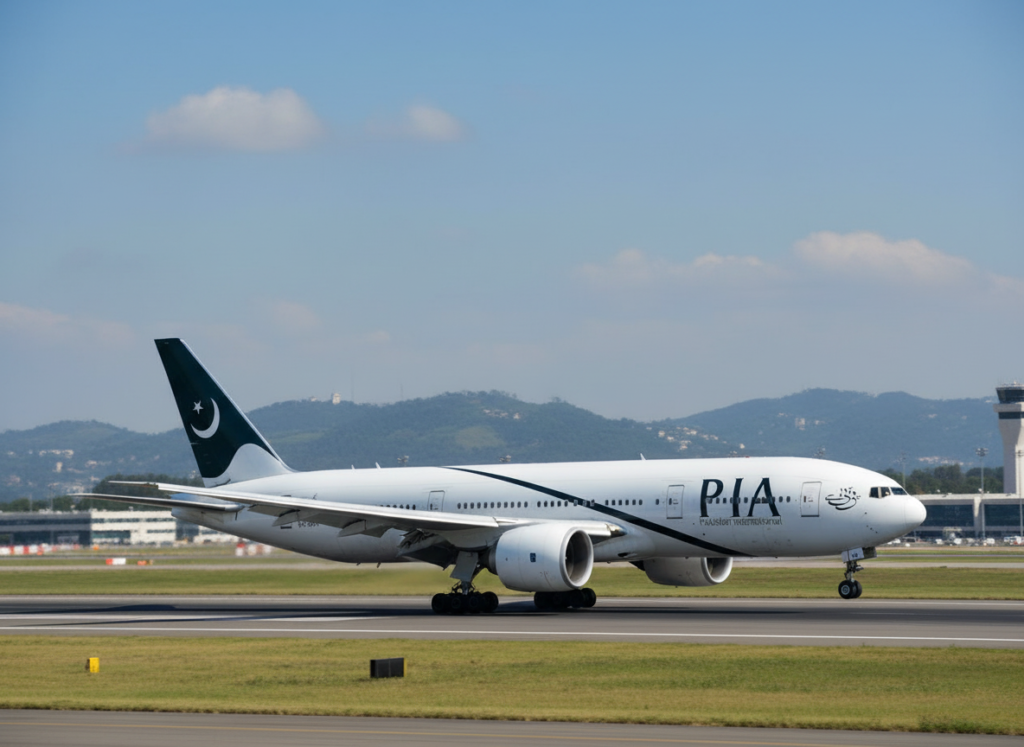
The PIA Privatization First Tranche has officially been completed, marking a major milestone in Pakistan’s privatization program and ushering in a new era for Pakistan International Airlines Corporation Limited (PIACL). After years of financial losses, operational challenges, and repeated restructuring efforts, the airline has formally transitioned to private majority ownership. The development was confirmed through a notification submitted to the Pakistan Stock Exchange (PSX), stating that the first completion under the Share Purchase and Subscription Agreement (SPSA) has been successfully executed. PIA Equity Limited Acquires Majority Ownership Following the completion of the first tranche, PIA Equity Limited, the special purpose vehicle (SPV) formed by the successful bidder consortium, now holds 66.67% of PIACL’s issued and paid-up share capital. Meanwhile, PIA Holding Company Limited (PSX: PIAHCLA) retains the remaining 33.33% stake, allowing the Government of Pakistan to maintain a strategic minority shareholding while transferring operational control to the private sector. The ownership structure follows the Share Purchase and Subscription Agreement signed on January 29, 2026, after the successful privatization process announced in December 2025. Fresh Equity Injection to Strengthen PIA The transaction goes beyond a simple transfer of ownership. As part of the agreement, the investor consortium subscribed to newly issued PIACL shares, injecting fresh equity into the airline. The capital infusion is expected to strengthen the company’s financial position and support its long-term restructuring strategy. The new investment will help finance: The capital injection is aimed at improving PIA’s commercial viability after years of financial strain. Why the First Tranche Is Significant The completion of the first tranche represents a major step in Pakistan’s privatization agenda. The successful transfer of majority ownership demonstrates the government’s commitment to reforming state-owned enterprises, improving corporate governance, reducing fiscal burdens, and encouraging private-sector investment. For investors, the transaction also reflects growing confidence in Pakistan’s ongoing economic reform program and its efforts to attract both domestic and international capital. What Comes Next? Although the first completion has been finalized, the privatization process has not yet concluded. The Share Purchase and Subscription Agreement includes additional obligations and future milestones that both parties must complete before reaching final completion. During this transition period, the new majority shareholder and the government’s minority stake will continue operating under the agreed governance framework. Industry observers will now focus on how effectively the new management implements operational reforms, improves profitability, modernizes the airline, and enhances passenger experience. PSX Notification Confirms Transaction According to the Pakistan Stock Exchange filing, the first completion under the Share Purchase and Subscription Agreement took place on June 29, 2026. The notification confirmed that: The disclosure formally confirms the completion of the first phase of one of Pakistan’s largest privatization transactions. A New Chapter for Pakistan International Airlines The completion of the PIA Privatization First Tranche marks a defining moment for Pakistan’s aviation sector. With private investors now holding a controlling stake and fresh capital entering the airline, PIA begins a new phase focused on financial stability, operational efficiency, and long-term growth. The success of the privatization will ultimately depend on the new owners’ ability to execute a sustainable turnaround strategy, improve competitiveness, and restore public confidence in the national flag carrier. However, the completion of the first tranche already stands as a landmark achievement for Pakistan’s aviation industry, capital markets, and broader privatization program.

PACRA upgrades Soneri Bank’s rating to AA
Pakistan

PACRA upgrades Soneri Bank’s rating to AA

The Pakistan Credit Rating Agency (PACRA) has upgraded Soneri Bank’s Long-Term Entity Rating from AA- to AA, while reaffirming the Short-Term Rating at the highest level, A1+. The upgrade reflects a structurally stronger liability franchise, sustained earnings growth, and continued progress in trade finance. Deposit Franchise Strengthens The bank’s deposit mix has improved steadily over recent years. PACRA noted that the CASA ratio has strengthened consistently, while current deposits have grown significantly faster than the overall deposit base, particularly in newly opened branches. The agency described Soneri Bank’s low-cost funding base as relationship-anchored rather than rate-sensitive, supported by a stable and higher-than-historical spread. Profitability Shows Strong Momentum Profitability has improved across both funded and non-funded businesses. According to PACRA, net markup income and profit before tax have recorded strong multi-year growth, driven by efficient deployment of funds and disciplined cost management. Fee and commission income has also nearly doubled over the period, with growth ranking among the stronger performers in the banking industry. Digital Banking and Technology Investments PACRA acknowledged Soneri Bank’s continued investment in alternate delivery channels, payment solutions, and core banking infrastructure. These investments reflect the bank’s commitment to improving customer experience while staying aligned with evolving industry trends and increasing digital adoption. Trade Finance Emerges as Key Growth Driver Trade finance has become a major contributor to the bank’s expansion strategy. Foreign trade volumes have more than doubled over the past five years, enabling Soneri Bank to achieve its highest market share to date and cross a significant trade volume milestone. PACRA noted that this performance has positioned the bank among the industry’s leading institutions in terms of trade growth, further reinforcing its role as a trusted trade finance partner. Asset Quality Improves Significantly The bank’s asset quality has strengthened considerably. The infection ratio has fallen to its lowest level in more than a decade, improving Soneri Bank’s industry ranking. At the same time, both general and specific coverage ratios have increased substantially, enhancing loss-absorption capacity and overall balance sheet resilience. Branch Expansion and Islamic Banking Growth Soneri Bank has continued expanding its branch network and is currently undergoing the largest expansion phase in its history. The bank’s Islamic Banking business has also contributed meaningfully to growth through continued increases in assets, deposits, and advances. Three-Year Strategic Roadmap Looking ahead, Soneri Bank has outlined a three-year strategic roadmap focused on: The strategy includes plans for further branch expansion, growth in total assets and deposits, and continued scaling of trade business volumes as a core pillar of future non-funded income.

Saudi Arabia Pakistan Cricket Stadium Partnership Set to Transform Cricket in Jeddah
Editor pick

Saudi Arabia Pakistan Cricket Stadium Partnership Set to Transform Cricket in Jeddah

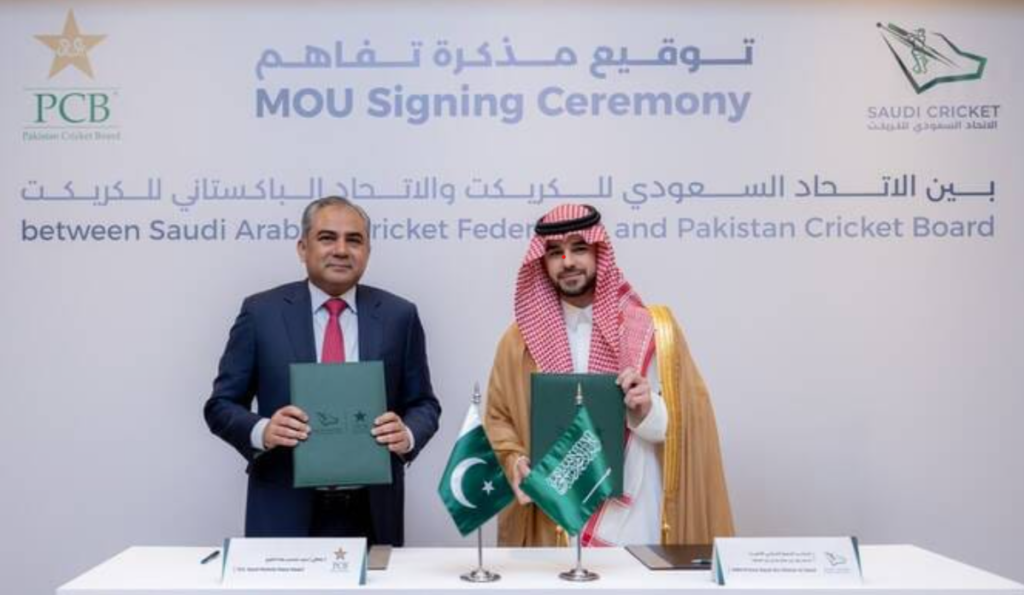
Pakistan and Saudi Arabia have signed a landmark Memorandum of Understanding (MoU) to develop a world-class international cricket stadium in Jeddah, marking a major milestone in sports cooperation between the two countries. The project is expected to strengthen cricket’s presence in the Kingdom while supporting Saudi Arabia’s broader ambitions to become a global sports destination under Vision 2030. Beyond the construction of a modern stadium, the agreement aims to establish a comprehensive cricket ecosystem that promotes player development, coaching, sports tourism, and long-term bilateral collaboration. Pakistan and Saudi Arabia Sign Historic Cricket Agreement The Memorandum of Understanding was signed by Prince Saud bin Mishal bin Mohammad Al Saud, Chairman of the Saudi Arabian Cricket Federation (SACF), and Mohsin Naqvi, Chairman of the Pakistan Cricket Board (PCB), during Naqvi’s official visit to Riyadh. The proposed stadium will be built in Jeddah and is expected to meet international cricket standards, enabling Saudi Arabia to host global cricket tournaments and international matches in the future. The agreement reflects the growing strategic partnership between the two countries and expands cooperation into sports development. Jeddah Stadium to Become a Modern Cricket Hub The project envisions much more than a cricket venue. Both cricket boards have agreed to develop a complete cricket ecosystem that includes high-quality playing facilities, broadcasting infrastructure, hospitality services, training academies, practice grounds, and modern spectator amenities. The objective is to create a venue capable of hosting international competitions while supporting the long-term growth of cricket throughout Saudi Arabia. Saudi Arabia Expands Its Global Sports Ambitions The cricket stadium project aligns with Saudi Vision 2030, which seeks to diversify the Kingdom’s economy through investments in sports, tourism, entertainment, and major international events. In recent years, Saudi Arabia has significantly expanded its presence in global sports by hosting major events in football, Formula One, golf, boxing, esports, and other international competitions. Adding world-class cricket infrastructure represents another important step toward positioning the Kingdom as a leading destination for international sporting events. Pakistan to Share Technical Expertise Under the agreement, the Pakistan Cricket Board will provide technical support across multiple areas of cricket development. The PCB will assist with stadium planning, pitch preparation, venue management, coaching systems, competition organization, broadcasting facilities, media infrastructure, and player development programs. The collaboration is intended to ensure that Saudi Arabia’s new cricket infrastructure meets international standards while benefiting from Pakistan’s decades of experience in the sport. Long-Term Partnership Beyond Stadium Construction Officials from both countries emphasized that the agreement extends beyond the construction of a single stadium. The partnership includes cooperation in coaching exchanges, technical education, talent development, cricket competitions, and institutional collaboration aimed at strengthening Saudi Arabia’s domestic cricket structure. These initiatives are expected to create greater opportunities for young Saudi cricketers while supporting the sustainable growth of the sport across the Kingdom. Cricket Continues to Grow in Saudi Arabia Cricket has steadily expanded in Saudi Arabia over the past several decades, driven largely by expatriate communities from Pakistan and India. The establishment of the Saudi Arabian Cricket Federation in 2020 accelerated the sport’s development through grassroots programs, youth participation initiatives, and national team development. Saudi Arabia became an affiliate member of the International Cricket Council (ICC) in 2003 and was elevated to associate membership in 2016, laying the foundation for its growing role in international cricket. Strategic Importance of the Project The Saudi Arabia Pakistan Cricket Stadium project carries significance beyond sports. For Saudi Arabia, it supports economic diversification, tourism growth, and private investment while strengthening the Kingdom’s position in global sports. For Pakistan, the collaboration enhances the Pakistan Cricket Board’s international role by contributing to cricket’s expansion into emerging markets. The project also reinforces the longstanding relationship between Pakistan and Saudi Arabia through sports diplomacy, creating new opportunities for investment, cultural exchange, and bilateral cooperation.

InfraZamin Convenes Global Leaders at London Climate Action Week to Scale Pakistan’s Sustainable Transformation
Editor pick

InfraZamin Convenes Global Leaders at London Climate Action Week to Scale Pakistan’s Sustainable Transformation

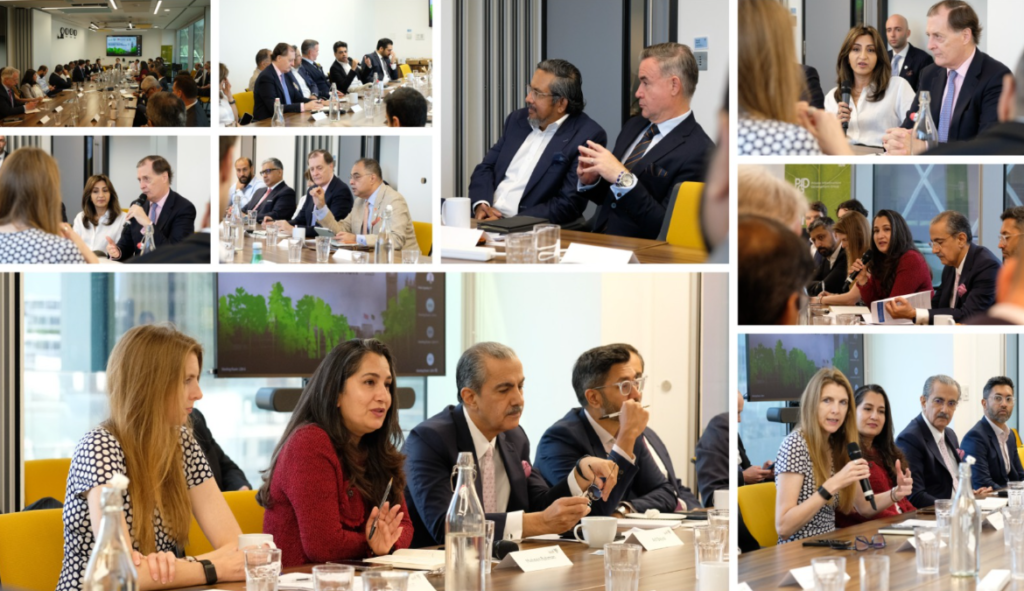
InfraZamin Pakistan, in collaboration with the Private Infrastructure Development Group (PIDG), brought together senior government officials, financial institutions, development finance organizations, investors, and private sector leaders for a high-level roundtable titled “Investing in Pakistan’s Sustainable Transformation” during London Climate Action Week 2026. Held at PIDG Headquarters in London, the event focused on mobilizing private capital for Pakistan’s climate-resilient infrastructure and strengthening collaboration between public and private stakeholders to unlock sustainable investment opportunities. High-Level Leaders Discuss Pakistan’s Investment Potential The roundtable was chaired by Maheen Rahman, CEO of InfraZamin Pakistan, and Philippe Valahu, CEO of PIDG. The event featured prominent participants from Pakistan and the United Kingdom, including: More than 30 representatives from development finance institutions, commercial banks, institutional investors, and climate-focused organizations attended the discussion. Pakistan Seen as a Strong Destination for Climate Investment Participants agreed that Pakistan offers significant opportunities for climate and infrastructure investment but emphasized that attracting large-scale private capital will require stronger collaboration among investors, government institutions, project developers, and blended finance providers. The discussion highlighted the importance of developing a robust pipeline of bankable projects, supported by enabling policies and innovative financing mechanisms to improve investor confidence and accelerate project implementation. Building a Pipeline of Investable Projects One of the key recommendations was the establishment of a multi-stakeholder task force to develop a steady pipeline of investable infrastructure and climate projects. Participants proposed creating a coordinated platform that brings together government agencies, private sector developers, financiers, and investors to identify, structure, and accelerate projects capable of attracting long-term investment. Such a platform would help streamline project development while improving coordination between public and private stakeholders. Strengthening Research and Market Intelligence The roundtable also emphasized the need for stronger research and market intelligence to support investment decisions. Participants recommended expanding evidence-based analysis and improving market data to design more effective financing structures and strengthen policy formulation. Better research, they noted, would enhance investor confidence and improve the overall investment environment. Climate-Resilient Agriculture Identified as a Priority Climate-smart agriculture emerged as another major focus area. Participants stressed the importance of increasing investment in climate-resilient farming practices to improve agricultural productivity, strengthen food security, and enhance Pakistan’s resilience to climate change. The discussion recognized agriculture as a key sector where sustainable investment can deliver both economic and environmental benefits. Policy Reforms Key to Unlocking Private Capital The forum highlighted the need for a stronger policy and regulatory framework to encourage greater private sector participation. Participants called for targeted incentives, supportive regulations, and predictable policy measures that reduce investment risks and facilitate financing for sustainable infrastructure projects. A stable and transparent regulatory environment was identified as essential for attracting both domestic and international investors. Commitment to Sustainable Infrastructure Development The roundtable concluded with a shared commitment to strengthen partnerships and develop practical solutions that mobilize larger volumes of private capital for Pakistan’s sustainable infrastructure. Participants reaffirmed their support for initiatives that promote innovation, collaboration, and long-term investment, helping Pakistan transition toward a greener, more resilient, and inclusive economy. They also commended InfraZamin Pakistan for organizing the timely dialogue during London Climate Action Week 2026 and pledged continued engagement to advance sustainable investment opportunities in the country.

Gwadar Special Economic Zone Must Be Activated Immediately to Transform Pakistan's Economy: ABAD Chairman
Uncategorized

Gwadar Special Economic Zone Must Be Activated Immediately to Transform Pakistan’s Economy: ABAD Chairman

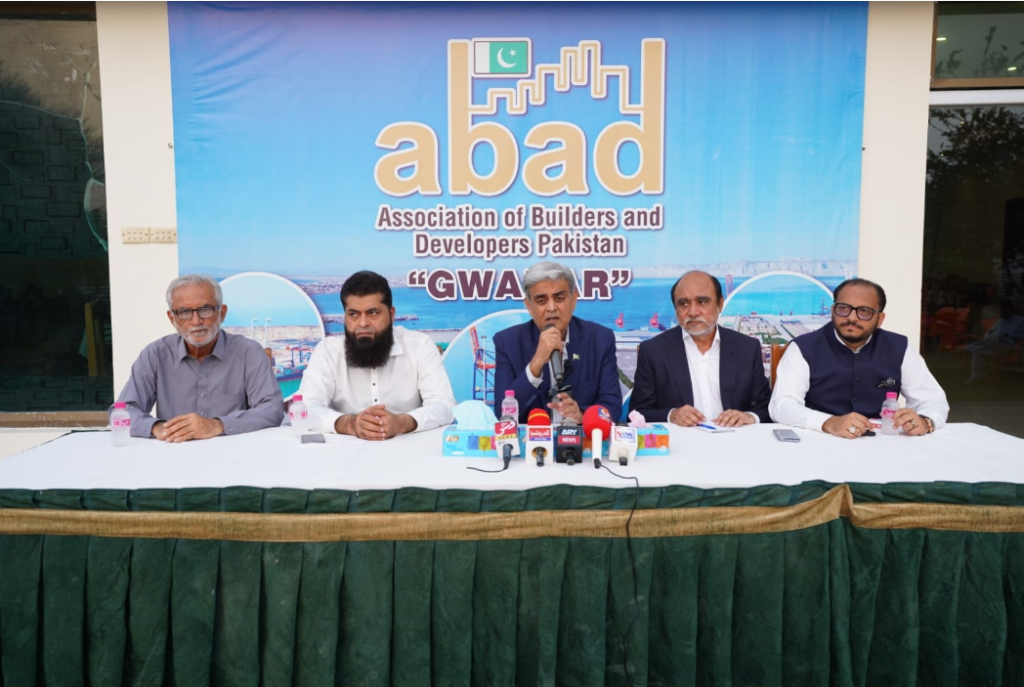
The Gwadar Special Economic Zone (SEZ) has once again taken center stage in Pakistan’s economic development agenda after Association of Builders and Developers (ABAD) Chairman Muhammad Hassan Bakhshi called on the federal government to operationalize the long-awaited industrial zone without further delay. Addressing a press conference in Gwadar, Bakhshi said Pakistan risks missing a historic opportunity to transform Gwadar into a regional hub for manufacturing, logistics, and exports if the Special Economic Zone remains inactive. He stressed that while Gwadar possesses significant strategic advantages, timely government action is essential to unlock its full economic potential. The press conference was also attended by ABAD Senior Vice Chairman Syed Afzal Hamid, former Chairman Junaid Ashraf Taloo, and ABAD Gwadar Subcommittee Convener Affan Qureshi. ABAD Calls for Relocation of Chinese Industries Bakhshi proposed the phased relocation of Chinese industries to the Gwadar Special Economic Zone, saying the move could significantly strengthen Pakistan’s export sector and industrial base. He noted that manufacturers operating from Gwadar would enjoy easier access to Central Asian markets, including Kazakhstan, Uzbekistan, and Kyrgyzstan, enhancing Pakistan’s export competitiveness while positioning Gwadar as a key trade gateway linking South Asia with Central Asia. According to Bakhshi, Gwadar should be developed not merely as a deep-sea port but as a fully integrated industrial and commercial city capable of supporting large-scale manufacturing and international trade. Strategic Location Gives Gwadar a Competitive Advantage The ABAD chairman described Gwadar as Pakistan’s future economic engine due to its strategic location and naturally deep-water port. However, he emphasized that infrastructure alone will not attract investors. The government must also simplify investment procedures, strengthen supporting infrastructure, and introduce investor-friendly policies to build confidence among local and foreign businesses. He said activating the Special Economic Zone would send a strong positive signal to investors and accelerate industrial development in the region. Local Communities Should Benefit from Development Bakhshi stressed that Gwadar’s development should directly improve the lives of local residents. He urged the government to prioritize employment opportunities, vocational training, business financing, and affordable loans for the people of Gwadar so they can actively participate in the city’s economic transformation. According to him, sustainable development can only be achieved when local communities become partners in growth rather than passive observers. Fisheries and Tourism Offer Major Growth Opportunities Highlighting Balochistan’s untapped economic potential, Bakhshi said sectors such as fisheries, tourism, natural resources, and private investment require immediate attention. He proposed interest-free financing for fishermen to modernize their boats, install advanced equipment, and meet international seafood export standards. He said these initiatives would increase export earnings while improving the livelihoods of coastal communities across Balochistan. Better Connectivity and Stronger Gwadar Development Authority Needed Bakhshi also called for expanding domestic and international flight operations to Gwadar to improve connectivity for investors, exporters, tourists, and business travelers. He further recommended granting greater financial autonomy and administrative authority to the Gwadar Development Authority (GDA), enabling it to implement development projects more efficiently. Additionally, he suggested that the federal government directly finance key infrastructure projects while the Chief Minister and Chief Secretary of Balochistan conduct regular monthly visits to monitor progress and address local concerns. Gwadar SEZ Can Transform Pakistan’s Trade Landscape Concluding his remarks, Bakhshi said Pakistan has reached a critical stage where decisive action could transform Gwadar into the country’s leading center for manufacturing, exports, logistics, and foreign investment. He said the Gwadar Special Economic Zone has the potential to accelerate economic growth, create thousands of jobs, attract billions of dollars in investment, and strengthen Pakistan’s position as a regional trade corridor connecting South Asia, Central Asia, China, and the Middle East. According to ABAD, activating the Gwadar Special Economic Zone is no longer just a development objective but a strategic economic priority that could redefine Pakistan’s long-term growth trajectory.

K-Solar, owned by KE, and China’s Mingyang sign MoU to bring advanced wind energy and BESS solutions to Pakistan
Uncategorized

K-Solar, owned by KE, and China’s Mingyang sign MoU to bring advanced wind energy and BESS solutions to Pakistan

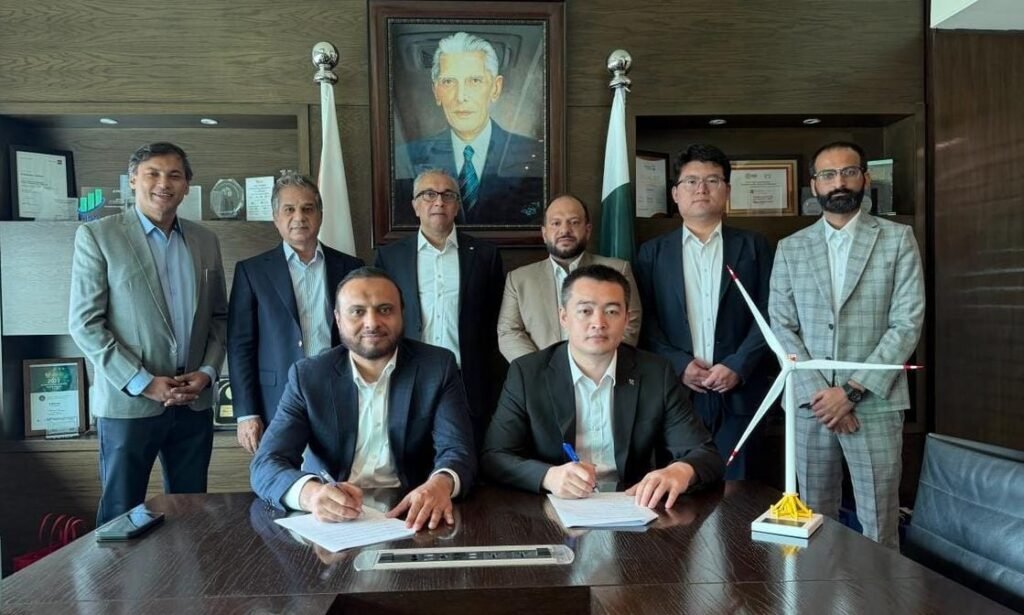
K-Solar (Private) Limited, a wholly owned subsidiary of K-Electric’s investment arm KE Ventures Company (Pvt) Limited, has signed a strategic agreement with Mingyang Smart Energy Group Limited, one of the world’s largest wind turbine manufacturers and a leading supplier of Battery Energy Storage Systems (BESS). The partnership aims to accelerate the adoption of wind energy and battery storage solutions in Pakistan while supporting the country’s transition toward cleaner and more reliable energy. Read More: https://theboardroompk.com/gold-prices-fall-as-fed-rate-hike-fears-spark-biggest-quarterly-crash-in-13-years/ The agreement also outlines plans to explore the establishment of a Battery Energy Storage System (BESS) assembly plant in Pakistan, strengthening local manufacturing capabilities and supporting the renewable energy ecosystem. K-Solar and Mingyang Sign Strategic MoU Under the Memorandum of Understanding (MoU), K-Solar and Mingyang will collaborate to market, supply, and finance wind power projects and battery energy storage systems for Pakistan’s power grid, as well as the commercial and industrial sectors. The partnership is expected to combine Mingyang’s global expertise in renewable energy technologies with K-Solar’s local market presence and execution capabilities. Both companies will work toward signing a comprehensive framework agreement in the coming weeks to formalize the collaboration. Partnership to Support Wind Power and Energy Storage The agreement focuses on expanding access to utility-scale wind energy and Battery Energy Storage Systems (BESS), which play a critical role in improving grid stability and maximizing the use of renewable energy. Battery storage technologies help balance electricity supply and demand, reduce the impact of intermittent renewable generation, and enhance the reliability of power systems. The proposed local BESS assembly plant could also contribute to technology transfer, job creation, and the development of Pakistan’s clean energy manufacturing sector. K-Solar Highlights Renewable Energy Potential Chairman Muhammad Aamir Ghaziani said wind power is becoming an increasingly important component of Pakistan’s energy transition due to its competitive generation costs and ability to complement the country’s existing energy mix. He noted that Battery Energy Storage Systems offer significant opportunities to improve grid stability, manage renewable energy intermittency, and unlock greater value from clean power generation. Falling Technology Costs Drive Market Growth K-Solar Chief Executive Officer Hashim Raza said Pakistan’s energy transition requires a combination of advanced technology, local financing, and efficient project execution. He highlighted that declining costs of wind turbines and battery storage technologies worldwide have accelerated renewable energy adoption, creating new opportunities for Pakistan’s growing clean energy market. According to Raza, the K-Solar-Mingyang partnership is well positioned to capitalize on this trend by delivering world-class renewable energy solutions to local businesses and utilities. Mingyang Sees Pakistan as a Growth Market Miao Desheng, General Manager of Mingyang Middle East and Africa (MEA), said the company is pleased to strengthen its presence in Pakistan through its collaboration with K-Solar. He described Pakistan as an important growth market for wind energy and battery storage solutions, adding that the partnership will enable Mingyang to supply wind turbines, BESS technologies, electrical equipment, and software while supporting local assembly capabilities. The company believes the collaboration will contribute to Pakistan’s transition toward affordable, reliable, and sustainable energy. Boosting Pakistan’s Clean Energy Transition The partnership reflects growing momentum in Pakistan’s renewable energy sector as businesses increasingly invest in clean power generation and energy storage technologies. By combining international expertise with local execution and financing, K-Solar and Mingyang aim to accelerate wind energy deployment, improve energy security, and support Pakistan’s long-term sustainability goals.

Select Technologies IPO Public Subscription Opens on July 2
Pakistan

Select Technologies IPO Public Subscription Opens on July 2

The general public subscription for the Initial Public Offering (IPO) of Select Technologies Limited, a wholly owned subsidiary of Air Link Communication Limited, will open on July 2, 2026, and remain available until July 3, 2026, at 11:59 p.m., following the successful completion of the company’s book-building process. Read More: https://theboardroompk.com/gold-prices-fall-as-fed-rate-hike-fears-spark-biggest-quarterly-crash-in-13-years/ The IPO comes after strong institutional demand, with the book-building phase fully subscribed at the strike price, highlighting investor confidence in the company’s growth prospects and Pakistan’s expanding electronics manufacturing sector. Book-Building Phase Fully Subscribed Select Technologies is offering 88.88 million ordinary shares, representing 10% of its post-IPO paid-up capital. Out of the total offering: Following the successful book-building exercise, the remaining 22.22 million shares (25%) will now be offered to retail investors. General Public Subscription Opens on July 2 The public subscription will run for two days, from July 2 to July 3, 2026, with shares available at the strike price of Rs34 per share. Retail investors will have the opportunity to participate in one of the latest listings on the Pakistan Stock Exchange (PSX), allowing them to invest alongside institutional investors who participated in the book-building process. Select Technologies Focuses on Local Electronics Manufacturing Select Technologies Limited is engaged in the manufacturing and assembly of smartphones, smart televisions, and air conditioners in Pakistan. The company has established strategic partnerships with globally recognized technology brands, including Xiaomi and Hisense, positioning itself to capitalize on Pakistan’s growing demand for locally manufactured consumer electronics. Its business model aligns with the government’s efforts to promote domestic manufacturing, reduce imports, and strengthen the country’s electronics industry. Air Link CEO Highlights Growth Potential Commenting on the successful completion of the book-building process, Muzaffar Hayat Paracha, Group CEO of Air Link Communication Limited, said the strong investor response reflects confidence in Select Technologies’ business model, manufacturing capabilities, and long-term growth prospects. He noted that the company was established with the vision of strengthening Pakistan’s local electronics manufacturing industry while bringing globally recognized technology products to local consumers. Arif Habib Limited Sees Positive Signal for Capital Markets Shahid Ali Habib, Chief Executive Officer of Arif Habib Limited, described the successful book-building process as an encouraging sign for Pakistan’s capital market. He said the strong participation demonstrates investor confidence in companies with sound fundamentals and reinforces the stock market’s role in helping businesses raise capital for expansion and future growth. Investment Opportunity for Retail Investors With the public subscription now opening, retail investors have an opportunity to invest in a company operating in one of Pakistan’s fastest-growing manufacturing segments. Select Technologies combines local manufacturing capabilities with international brand partnerships and operates under a Shariah-compliant business structure, making it an attractive option for investors seeking exposure to Pakistan’s consumer electronics sector.

Gold Prices Fall as Fed Rate Hike Fears Spark Biggest Quarterly Crash in 13 Years
Business

Gold Prices Fall as Fed Rate Hike Fears Spark Biggest Quarterly Crash in 13 Years

Gold prices fell sharply on Wednesday as investors shifted toward the U.S. dollar amid growing expectations that the Federal Reserve could raise interest rates before the end of the year. The precious metal, traditionally viewed as a safe-haven asset, has posted its weakest quarterly performance in more than a decade as persistent inflation concerns and tighter monetary policy continue to weigh on global markets. During Asian trading, bullion extended its recent losses, hovering near an eight-month low. Investors are now awaiting a speech by Federal Reserve Chair Kevin Warsh, whose comments could significantly influence interest rate expectations and broader market sentiment. Gold Prices Fall as Investors Shift to the U.S. Dollar Spot gold declined 0.7% to $3,978.40 per ounce, while U.S. gold futures slipped 1.2% to $3,991.45 per ounce during Asian trading. The decline reflects a growing preference among investors for dollar-denominated assets as expectations of higher U.S. interest rates strengthen. Since gold does not generate interest income, it becomes less attractive when yields on competing assets rise. Institutional investors have increasingly rotated funds out of precious metals and into fixed-income securities and the U.S. dollar, intensifying selling pressure on bullion. Gold Suffers Worst Quarterly Decline Since 2013 Gold prices dropped nearly 14% during the June quarter, marking the metal’s worst quarterly performance since 2013. Although geopolitical tensions in the Middle East initially boosted demand for safe-haven assets earlier this year, those gains quickly faded as inflation concerns resurfaced. Investors now believe the Federal Reserve may need to maintain tighter monetary policy for longer than previously anticipated. Rising Technology Costs Add to Inflation Concerns Another factor fueling inflation fears is the continued rise in semiconductor prices, driven by booming demand for artificial intelligence technologies. Higher chip costs have increased production expenses across the technology industry. Concerns intensified after Apple raised prices on several of its products in June, reinforcing expectations that businesses are passing higher costs on to consumers. Persistent inflation reduces the likelihood of interest rate cuts and increases the probability of further monetary tightening, putting additional pressure on gold. Federal Reserve Signals Potential Interest Rate Increase Minutes from the Federal Reserve’s June policy meeting indicated that several policymakers now support at least one additional interest rate increase before year-end. This represents a notable shift from earlier market expectations, which had anticipated rate cuts during 2026. Higher interest rates generally strengthen the U.S. dollar while reducing the appeal of non-yielding assets such as gold, making bullion less attractive to investors. Kevin Warsh Speech in Focus Market participants are closely watching Federal Reserve Chair Kevin Warsh, who is scheduled to speak at the European Central Bank Forum in Portugal. Although analysts do not expect an immediate policy announcement, investors will carefully scrutinize his remarks for clues regarding inflation, economic growth, and future interest rate decisions. His comments could significantly influence global financial markets and determine the short-term direction of gold prices. U.S. Jobs Report Could Be the Next Major Catalyst Attention will quickly turn to the upcoming U.S. nonfarm payrolls report, one of the Federal Reserve’s most closely watched economic indicators. A stronger-than-expected employment report would likely reinforce expectations for another interest rate hike, potentially extending gold’s decline. Conversely, weaker labor market data could ease tightening expectations and provide temporary support for bullion prices. Silver and Platinum Extend Their Declines The weakness was not limited to gold. The broad selloff highlights the impact of rising interest rate expectations across the entire precious metals market. Outlook for Gold Prices Gold remains under pressure as investors weigh persistent inflation against increasingly hawkish Federal Reserve policy. Unless inflation begins to ease or the Fed signals a more accommodative stance, analysts expect gold prices to remain volatile. The upcoming speech by Kevin Warsh and the latest U.S. employment data are likely to be key drivers of market sentiment in the near term, potentially determining whether bullion stabilizes or extends its recent losses.

Scroll to Top