Author name: Web Desk

Gold Prices Fall as Fed Rate Hike Fears Spark Biggest Quarterly Crash in 13 Years
Business

Gold Prices Fall as Fed Rate Hike Fears Spark Biggest Quarterly Crash in 13 Years

Gold prices fell sharply on Wednesday as investors shifted toward the U.S. dollar amid growing expectations that the Federal Reserve could raise interest rates before the end of the year. The precious metal, traditionally viewed as a safe-haven asset, has posted its weakest quarterly performance in more than a decade as persistent inflation concerns and tighter monetary policy continue to weigh on global markets. During Asian trading, bullion extended its recent losses, hovering near an eight-month low. Investors are now awaiting a speech by Federal Reserve Chair Kevin Warsh, whose comments could significantly influence interest rate expectations and broader market sentiment. Gold Prices Fall as Investors Shift to the U.S. Dollar Spot gold declined 0.7% to $3,978.40 per ounce, while U.S. gold futures slipped 1.2% to $3,991.45 per ounce during Asian trading. The decline reflects a growing preference among investors for dollar-denominated assets as expectations of higher U.S. interest rates strengthen. Since gold does not generate interest income, it becomes less attractive when yields on competing assets rise. Institutional investors have increasingly rotated funds out of precious metals and into fixed-income securities and the U.S. dollar, intensifying selling pressure on bullion. Gold Suffers Worst Quarterly Decline Since 2013 Gold prices dropped nearly 14% during the June quarter, marking the metal’s worst quarterly performance since 2013. Although geopolitical tensions in the Middle East initially boosted demand for safe-haven assets earlier this year, those gains quickly faded as inflation concerns resurfaced. Investors now believe the Federal Reserve may need to maintain tighter monetary policy for longer than previously anticipated. Rising Technology Costs Add to Inflation Concerns Another factor fueling inflation fears is the continued rise in semiconductor prices, driven by booming demand for artificial intelligence technologies. Higher chip costs have increased production expenses across the technology industry. Concerns intensified after Apple raised prices on several of its products in June, reinforcing expectations that businesses are passing higher costs on to consumers. Persistent inflation reduces the likelihood of interest rate cuts and increases the probability of further monetary tightening, putting additional pressure on gold. Federal Reserve Signals Potential Interest Rate Increase Minutes from the Federal Reserve’s June policy meeting indicated that several policymakers now support at least one additional interest rate increase before year-end. This represents a notable shift from earlier market expectations, which had anticipated rate cuts during 2026. Higher interest rates generally strengthen the U.S. dollar while reducing the appeal of non-yielding assets such as gold, making bullion less attractive to investors. Kevin Warsh Speech in Focus Market participants are closely watching Federal Reserve Chair Kevin Warsh, who is scheduled to speak at the European Central Bank Forum in Portugal. Although analysts do not expect an immediate policy announcement, investors will carefully scrutinize his remarks for clues regarding inflation, economic growth, and future interest rate decisions. His comments could significantly influence global financial markets and determine the short-term direction of gold prices. U.S. Jobs Report Could Be the Next Major Catalyst Attention will quickly turn to the upcoming U.S. nonfarm payrolls report, one of the Federal Reserve’s most closely watched economic indicators. A stronger-than-expected employment report would likely reinforce expectations for another interest rate hike, potentially extending gold’s decline. Conversely, weaker labor market data could ease tightening expectations and provide temporary support for bullion prices. Silver and Platinum Extend Their Declines The weakness was not limited to gold. The broad selloff highlights the impact of rising interest rate expectations across the entire precious metals market. Outlook for Gold Prices Gold remains under pressure as investors weigh persistent inflation against increasingly hawkish Federal Reserve policy. Unless inflation begins to ease or the Fed signals a more accommodative stance, analysts expect gold prices to remain volatile. The upcoming speech by Kevin Warsh and the latest U.S. employment data are likely to be key drivers of market sentiment in the near term, potentially determining whether bullion stabilizes or extends its recent losses.

Pakistan LNG Spot Market Purchase Drives Energy Costs Higher as Strait of Hormuz Tensions Disrupt Supplies
Pakistan

Pakistan LNG Spot Market Purchase Drives Energy Costs Higher as Strait of Hormuz Tensions Disrupt Supplies

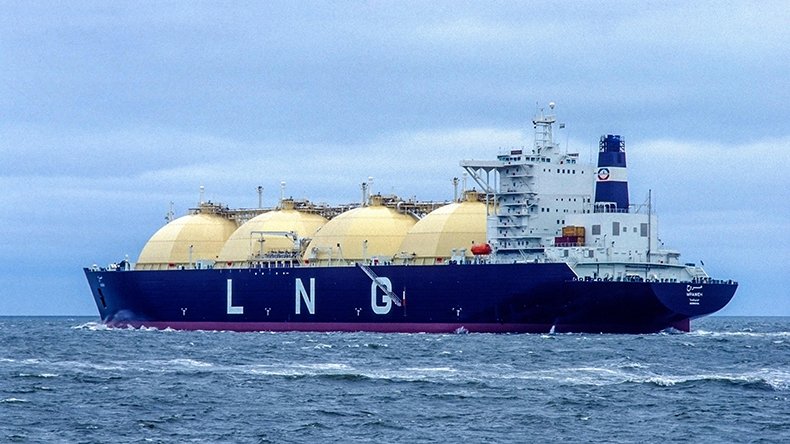
Pakistan LNG Spot Market Becomes the Only Immediate Option Pakistan LNG Spot Market purchases have once again exposed the country’s vulnerability to global geopolitical shocks after Islamabad was forced to buy an expensive liquefied natural gas (LNG) cargo following renewed security concerns in the Strait of Hormuz. The emergency procurement highlights how international conflicts can rapidly increase Pakistan’s energy costs while placing additional pressure on electricity generation and foreign exchange reserves. With regular LNG supplies from Qatar still disrupted, Pakistan has little choice but to depend on the volatile international spot market to keep its power plants operating. State-owned Pakistan LNG Limited (PLL) issued an emergency tender earlier this week to secure one LNG cargo for delivery at Port Qasim, Karachi. According to the tender results, BP Singapore Pte Limited emerged as the only bidder, offering to supply approximately 140,000 million cubic feet of LNG at $16.7372 per MMBtu on a Delivered Ex-Ship (DES) basis. The cargo is scheduled to arrive between June 30 and July 4, ensuring uninterrupted fuel supplies for five gas-fired power plants that are expected to face shortages in the coming weeks. The fact that only one company participated in the tender reflects the uncertainty surrounding regional energy supplies and shipping risks in the Gulf. Why Pakistan Had to Buy Expensive LNG Officials from Pakistan’s Energy Ministry say the latest purchase was driven by renewed tensions involving the United States and Iran, which revived concerns over the security of the Strait of Hormuz, one of the world’s busiest energy shipping routes. Although diplomatic efforts earlier this month helped reduce tensions, energy markets remain cautious. Even the possibility of disruption in the Strait immediately affects LNG availability and pricing, forcing import-dependent countries such as Pakistan to pay higher premiums. For Pakistan, delaying procurement was not an option. Without fresh LNG supplies, several electricity generation plants risked reducing output at a time when electricity demand remains high. QatarEnergy Force Majeure Continues to Hurt Pakistan The biggest challenge facing Pakistan is the continued suspension of LNG supplies from Qatar. Energy Ministry officials confirmed that QatarEnergy’s force majeure declaration, issued in March after Iranian attacks damaged two major facilities, remains effective until at least mid-July. As a result, Pakistan cannot currently receive contracted LNG cargoes from one of its most affordable long-term suppliers. This disruption has forced Pakistan LNG Limited to rely on the significantly more expensive international spot market until normal contractual deliveries resume. Pakistan LNG Spot Market Prices Are Much Higher The financial impact of buying LNG through the spot market is substantial. Normally, Pakistan imports LNG under long-term agreements with Qatar at considerably lower prices. However, emergency purchases on the spot market come with significant premiums. Regular contracted LNG generally costs between $10 and $12 per MMBtu, while the latest spot cargo was secured for $16.7372 per MMBtu. In practical terms, Pakistan is paying roughly 40 to 60 percent more for emergency LNG than it typically pays under long-term contracts. Every additional dollar spent on imported LNG increases pressure on Pakistan’s import bill, foreign exchange reserves and electricity generation costs. Power Plants Depend on Immediate LNG Supplies The latest shipment is intended to keep five power plants operational during the coming weeks. Gas-fired power stations remain an important part of Pakistan’s electricity generation mix. Any interruption in LNG availability could reduce electricity production, increase dependence on more expensive fuels, or even contribute to power shortages during periods of peak demand. For policymakers, securing the cargo was therefore viewed as essential despite its higher price. Pakistan’s LNG Supplier Network Faces New Pressure Pakistan normally sources LNG from a diverse group of international suppliers, including BP Singapore, TotalEnergies Gas & Power, Vitol Bahrain, OQ Trading, SOCAR Trading and PetroChina International Singapore. However, ongoing regional instability has complicated procurement decisions. In recent months, Pakistan has repeatedly issued and cancelled LNG spot tenders depending on shipping conditions and access through the Strait of Hormuz. This unpredictable procurement strategy demonstrates how external geopolitical events continue to influence Pakistan’s energy planning. What This Means for Pakistan’s Economy The latest Pakistan LNG Spot Market purchase serves as another reminder of the country’s heavy dependence on imported energy. Higher LNG prices ultimately increase electricity generation costs, widen the import bill and place additional strain on government finances. If geopolitical uncertainty continues or Qatar’s supply disruptions last longer than expected, Pakistan could face further expensive spot purchases during the coming months. The episode also reinforces the need for Pakistan to diversify its energy mix, strengthen domestic production and reduce dependence on imported fuels that remain vulnerable to international conflicts. As global energy markets remain volatile, Pakistan’s ability to secure affordable LNG will continue to play a critical role in maintaining energy security, controlling inflation and supporting economic stability.

Lahore Tutoring Centre Roof Collapse Kills 14 Children as Negligence Probe Begins
Pakistan

Lahore Tutoring Centre Roof Collapse Kills 14 Children as Negligence Probe Begins

Lahore Tutoring Centre Roof Collapse Claims Young Lives The Lahore Tutoring Centre Roof Collapse has shocked Pakistan after at least 14 children lost their lives when the roof of a private after-school coaching centre suddenly collapsed in Lahore on Tuesday. The tragedy has triggered nationwide anger, renewed concerns over illegal educational facilities, and demands for strict accountability from authorities. Rescue officials recovered the bodies of children and an adult teacher from beneath the debris after hours of rescue efforts. Most of the victims were under the age of nine, turning what should have been an ordinary day of learning into one of the country’s deadliest educational disasters in recent years. The heartbreaking incident has once again exposed serious questions about building safety regulations, enforcement failures, and the unchecked operation of unregistered tuition centres across Pakistan. What Happened in the Lahore Tutoring Centre Roof Collapse? According to Punjab emergency services, the roof of the private tutoring centre suddenly gave way while classes were in progress. Rescue teams rushed to the scene and searched through the rubble for survivors. Among those killed were children aged between five and sixteen years, along with a 30-year-old female teacher. Several injured students were shifted to nearby hospitals, where they continue to receive medical treatment. Witnesses reported that workers had been repairing floor tiles on the roof at the time of the collapse. Family members of victims also claimed the roof had been in poor condition for a long time, raising questions about why children were allowed to remain inside during maintenance work. The incident occurred in a densely populated residential neighbourhood where emergency responders, local residents, and volunteers worked side by side to remove debris in desperate attempts to rescue trapped students. Unregistered Coaching Centre Under Investigation Preliminary findings from the Punjab government indicate that the coaching centre was operating without official registration inside a privately owned residential building. Punjab Information Minister Azma Bokhari stated that early investigations suggest the building had a deteriorating roof and did not meet acceptable safety standards. She warned that anyone found responsible for negligence or violations of the law would face strict legal consequences. Police have already detained two individuals for questioning while forensic teams continue collecting evidence from the site. Officials say investigations will determine whether criminal negligence, regulatory failures, or unsafe construction practices contributed to the collapse. Lahore Commissioner Marryam Khan has assured the public that the investigation will remain transparent, impartial, and swift. Prime Minister Expresses Grief Prime Minister Shehbaz Sharif expressed deep sorrow over the tragic loss of young lives. He extended condolences to the affected families and directed authorities to ensure the injured receive the best available medical treatment. The Prime Minister also instructed relevant departments to closely monitor the investigation and ensure those responsible are held accountable if negligence is proven. Pakistan’s Recurring Building Safety Crisis The Lahore Tutoring Centre Roof Collapse has revived painful memories of previous building disasters across Pakistan. Experts have repeatedly warned that weak enforcement of construction laws, unauthorized structural modifications, poor-quality materials, and inadequate inspections continue to place thousands of lives at risk. Just last year, a five-storey residential building collapsed in Karachi’s Lyari area, killing 27 people and injuring many others. Similar incidents have occurred across the country, highlighting a persistent failure to enforce building regulations despite repeated tragedies. Education experts are now urging provincial authorities to conduct comprehensive inspections of private schools, coaching centres, and tuition academies operating in residential buildings before another disaster occurs. Growing Calls for Stronger Regulation The tragedy has intensified demands for stricter oversight of Pakistan’s rapidly expanding private tutoring industry. Thousands of coaching centres operate across major cities, many inside converted houses that were never designed to accommodate large numbers of students. Parents, education professionals, and civil society organizations are calling for mandatory structural safety certifications, regular inspections, emergency evacuation planning, and immediate closure of illegal educational facilities that fail to meet minimum safety requirements. The deaths of 14 innocent children have transformed the Lahore Tutoring Centre Roof Collapse from a local accident into a national wake-up call. As investigations continue, families across Pakistan are demanding more than condolences. They are demanding accountability, stronger regulation, and decisive action to ensure that classrooms remain places of learning rather than scenes of unimaginable tragedy.

Trump Crypto Earnings Top $1 Billion as Financial Disclosure Sparks Fresh Conflict of Interest Debate
Editor pick

Trump Crypto Earnings Top $1 Billion as Financial Disclosure Sparks Fresh Conflict of Interest Debate

Trump Crypto Earnings have crossed the remarkable $1 billion mark, according to the latest mandatory financial disclosure filed by US President Donald Trump, placing cryptocurrency at the center of one of the biggest political and business controversies of his presidency. The 927-page financial report shows that Trump’s growing crypto empire generated extraordinary wealth in 2025 through digital assets, licensing deals, and cryptocurrency businesses connected to his family. The disclosure has reignited debate over whether a sitting US president should benefit financially from an industry that is simultaneously being shaped by his own administration. The figures represent one of the largest annual earnings ever disclosed by a modern American president and highlight how dramatically Trump’s business portfolio has shifted from real estate to digital finance. Trump Crypto Earnings Driven by Meme Coin and Family Crypto Venture The largest contributor to Trump Crypto Earnings came from royalties linked to the Trump-themed meme coin launched shortly before he returned to the White House. According to the disclosure, Trump reported approximately $635 million in royalties from the cryptocurrency project. Although the token has lost significant value since its launch, the initial surge in investor demand generated substantial revenue. Another major source of income came from World Liberty Financial, the cryptocurrency company established by Trump’s sons together with the children of presidential special envoy Steve Witkoff. Trump disclosed earning more than $500 million through the venture, underscoring the growing financial importance of the family’s crypto investments. Beyond digital assets, the president also reported millions of dollars from traditional businesses, including real estate holdings, licensing agreements, and Trump-branded merchandise. Financial Disclosure Shows Massive Jump in Annual Income The latest disclosure reveals a dramatic increase compared with the previous year’s filing. In 2024, Trump reported business income exceeding $600 million. The latest report pushes total earnings beyond $1 billion, reflecting the explosive growth of cryptocurrency-related revenues. The disclosure illustrates how digital assets have rapidly become one of the most profitable segments of Trump’s business empire, surpassing many of his long-established real estate ventures. White House Rejects Conflict of Interest Allegations Despite criticism from ethics experts, the White House strongly rejected claims that the president’s crypto earnings present a conflict of interest. Deputy Press Secretary Anna Kelly defended the administration, stating that President Trump has successfully positioned the United States as the “crypto capital of the world.” The White House also emphasized that Trump’s business interests are held in a trust managed by his sons, maintaining that neither the president nor his family has engaged in conflicts of interest. Administration officials argue that all policy decisions are made solely in the interests of the American people and dismiss accusations as politically motivated. Trump has also repeatedly argued that the US president is not bound by federal conflict-of-interest laws that apply to many executive branch officials. Trump’s Dramatic Shift on Cryptocurrency Trump’s financial success in cryptocurrency represents a remarkable reversal from his earlier position. In 2021, he publicly described Bitcoin as a “scam” and warned that cryptocurrencies could become “a disaster waiting to happen.” However, during his presidential campaign several years later, Trump embraced digital assets, promising to transform the United States into the “crypto capital of the planet.” After returning to office, one of his first executive actions focused on supporting the responsible growth of the cryptocurrency industry, a policy shift that coincided with the rapid expansion of his own crypto-related business interests. Ethics Experts Raise Fresh Questions Over Trump Crypto Earnings The size of Trump Crypto Earnings has prompted renewed scrutiny from ethics specialists. Richard Painter, who served as chief White House ethics lawyer under former President George W. Bush, described the scale of the earnings as extraordinary and argued that they represent a clear conflict of interest because government policies affecting cryptocurrency markets could directly influence the president’s financial interests. Financial analysts also noted that Trump’s approach differs significantly from previous presidents. Will Walker-Arnott, Director of Private Clients at Raymond James Financial Group, observed that former President Jimmy Carter placed his peanut farm into a blind trust, while George W. Bush sold his ownership stake in the Texas Rangers before entering the White House. By contrast, Trump continues to generate substantial income through family-controlled business ventures while serving as president. What Trump Crypto Earnings Mean for the Future of US Digital Assets The unprecedented scale of Trump Crypto Earnings highlights the increasing influence of cryptocurrency in both politics and global finance. Supporters argue that Trump’s personal involvement demonstrates confidence in the future of blockchain technology and could accelerate innovation across the American digital asset industry. Critics, however, contend that the overlap between public policymaking and private financial interests creates significant ethical concerns that could shape future debates over presidential transparency, financial disclosures, and cryptocurrency regulation. As digital assets continue to reshape global financial markets, Trump’s billion-dollar crypto windfall is likely to remain one of the most closely watched intersections of business, politics, and emerging technology.

Telenor Pakistan Officially Merges Into Ufone 5G as PTML Following Court Approval
Tech

Telenor Pakistan Officially Merges Into Ufone 5G as PTML Following Court Approval

Karachi – July 01, 2026: Telenor Pakistan will formally amalgamate into Pak Telecom Mobile Limited (PTML) (Ufone 5G) with effect from July 2026, marking the completion of one of the most significant transactions in the country’s telecommunications history. Read More: https://theboardroompk.com/scra-balance-falls-to-rs26-29-billion-despite-rs8-51-billion-net-securities-buying/ The amalgamation follows the receipt of the final statutory approval from the Islamabad High Court, which brought to close a comprehensive regulatory process spanning multiple regulatory and statutory institutions. From here on, Telenor Pakistan will cease to exist as a separate legal entity. Operations and Customers to Be Integrated Into PTML With this development, Telenor Pakistan’s operations, network infrastructure, and customer base will be fully integrated into PTML (Ufone 5G), creating a combined entity with expanded reach, a stronger spectrum portfolio, and greater capacity to invest in next-generation connectivity and digital services across the country. PTCL CEO Calls It a Defining Moment Speaking on the occasion, President & CEO, PTCL, Hatem Bamatraf, said: “This is a defining moment for our company and for Pakistan’s telecom industry. We are deeply grateful to the Government of Pakistan and to every institution involved in this process for their diligence, and support throughout this journey. I would also like to extend my heartfelt thanks to our customers, whose trust has carried both Ufone and Telenor Pakistan through this transition, and to our employees, whose dedication and hard work made this milestone achievable. As we come together as one company, our ambition is to bring our customers cutting-edge products and services that set a new benchmark for digital experience in Pakistan.” Focus on 5G Expansion and Digital Services The combined entity, a wholly owned independent subsidiary of PTCL, will operate as PTML, with the continued commitment to expanding 5G coverage, strengthening digital infrastructure, and delivering improved services to millions of customers nationwide. Ufone 5G has promised continuity of service for both Ufone 5G and Telenor Pakistan customers during the integration process, with access to superior connectivity and digital experience.

Commerce Minister Meets KOEN Delegation to Discuss Korean Investment in Pakistan’s Green Energy Sector
Pakistan

Commerce Minister Meets KOEN Delegation to Discuss Korean Investment in Pakistan’s Green Energy Sector

Islamabad: July 1, 2026: Federal Minister for Commerce Jam Kamal Khan met a delegation of Korea South-East Power Company (KOEN) at the Minister’s Office to discuss the company’s proposed investment in Pakistan’s hydropower sector and matters relating to its two projects in Swat. The delegation was led by KOEN Chief Executive Officer Mr. Kim Min Young and included Mr. Jang Sungkyu, Deputy Chief Executive Officer; Mr. Javid Rashid Chaudhary, Chief Operating Officer; Mr. Asim Javed, Director Finance; and Mr. Shahid Javid, General Manager Project Development. KOEN Presents Progress on Swat Hydropower Projects Mr. Asim Javed, Director Finance, gave a detailed presentation to the Federal Minister on KOEN’s investment profile in Pakistan, progress on its projects, financing arrangements, regulatory approvals and support required from relevant authorities. The delegation informed the Minister that KOEN, a state-owned power company of the Republic of Korea, has been investing in Pakistan’s energy sector since 2011. KOEN successfully completed the 102 MW Gulpur Hydropower Project in March 2020 and subsequently initiated two hydropower projects under the Power Generation Policy 2015: the 229 MW Asrit Kedam Hydropower Project and the 238 MW Kalam Asrit Hydropower Project in Swat. The delegation stated that major project-related studies and approvals have been completed, including feasibility studies, environmental approvals, land-related processes, IRSA consent and grid-interconnection studies. It was further shared that approximately USD 1 billion in debt and equity financing has been arranged, while around USD 25 million has already been spent on project studies and development activities. KOEN Raises Regulatory Concerns The KOEN delegation highlighted concerns regarding the pending tariff determination, inclusion of the projects in the draft Indicative Generation Capacity Expansion Plan (IGCEP) 2025–35, and the need for clarity regarding the future implementation of the projects. The delegation noted that the projects could contribute to clean-energy generation, employment opportunities, local development and increased economic activity in Swat. It added that the company remains committed to Pakistan and is willing to align its commercial plans with the Government’s future energy requirements. Government Reaffirms Support for Foreign Investment Federal Minister Jam Kamal Khan appreciated KOEN’s continued interest in Pakistan and its confidence in the country’s long-term investment potential. The Minister said that Pakistan values its economic relationship with the Republic of Korea and welcomes foreign investment in renewable energy, sustainable infrastructure, technology, logistics and other priority sectors. “Pakistan needs a stable, transparent and investor-friendly environment to attract long-term foreign investment. Clear communication and effective coordination among institutions are important for strengthening investor confidence,” the Minister said. The Minister assured the delegation that the concerned federal ministries, departments and relevant authorities would be engaged to facilitate coordinated consideration of KOEN’s concerns. He said the Government remains committed to supporting credible foreign investors and would extend all possible assistance within the applicable legal, regulatory and policy framework to help bring clarity to the company’s proposed projects. He further noted that Pakistan is reviewing its energy requirements in light of existing capacity conditions; however, future opportunities are expected to emerge in green energy, industrial development, data centres and other growing sectors. He assured KOEN that the Ministry of Commerce would continue to support constructive engagement between the company and relevant stakeholders. The KOEN delegation thanked the Federal Minister for receiving them at his office and expressed hope that continued engagement with the Government of Pakistan would help provide clarity and facilitate progress on the proposed hydropower projects.

SLGTrax Digital Lending Partnership Expands Merchant Financing with Mobilink Microfinance Bank
Editor pick

SLGTrax Digital Lending Partnership Expands Merchant Financing with Mobilink Microfinance Bank

Pakistan’s digital commerce sector is entering a new phase of financial inclusion as SLGTrax Digital Lending gains fresh momentum through a strategic partnership between Secure Logistics Trax Group Limited (PSX: SLGL) and Mobilink Microfinance Bank Limited (MMBL). The collaboration is expected to strengthen access to working capital for thousands of merchants while expanding digital financial services across the country’s rapidly growing e-commerce ecosystem. The agreement marks a significant milestone for Secure Logistics Trax Group’s fintech ambitions and signals increasing confidence in technology-driven lending models that support small businesses. SLGTrax Digital Lending to Provide Instant Working Capital Secure Logistics Trax Group announced that its wholly owned subsidiary, LogiServe (Private) Limited, has signed a Lending Facility Agreement with Mobilink Microfinance Bank Limited to establish a digital lending mechanism specifically designed for merchants operating within the SLGTrax logistics and e-commerce network. The agreement was formally signed in Islamabad. Under the partnership, LogiServe will operate as a Non-Banking Finance Company (NBFC), allowing it to manage merchant financing under Pakistan’s regulatory framework while leveraging MMBL’s financial strength. The collaboration is expected to dramatically increase the company’s lending capacity, enabling faster loan approvals and greater financial support for businesses that rely on digital commerce. Merchants Can Access Financing of Up to Rs250,000 One of the biggest highlights of the partnership is the availability of working capital financing of up to Rs250,000 for eligible merchants. Instead of struggling with cash flow shortages or delayed inventory purchases, merchants will be able to obtain financing through a streamlined digital process. Loan disbursements and repayments will follow LogiServe’s existing lending cycle, ensuring operational efficiency while complying with NBFC regulations. For many small and medium-sized businesses operating online, quick access to working capital can determine whether they expand successfully or miss critical sales opportunities. The partnership aims to remove this financing gap and encourage sustainable business growth. SLGTrax Digital Lending Goes Beyond Traditional Loans Unlike conventional lending facilities, the new initiative combines financing with a comprehensive package of business and personal benefits designed to improve merchant resilience. Merchants enrolled under the program will receive access to more than 10,000 partner vendors offering exclusive commercial deals that can reduce procurement costs and improve operational efficiency. The package also includes free online outpatient (OPD) consultations, allowing business owners and their families to access healthcare services without additional financial pressure. Healthcare protection extends further through hospitalization coverage of up to Rs200,000 across a network of more than 300 panel hospitals. This benefit provides an additional financial safety net for entrepreneurs managing both business and personal responsibilities. Insurance Protection Adds Another Layer of Security The partnership introduces multiple insurance benefits that extend well beyond standard lending products. Eligible merchants will receive protection against accidental death, permanent disability, and damage resulting in the loss of business premises. Each insurance benefit will be covered up to the outstanding loan amount or Rs1 million, whichever is lower. These protections are designed to safeguard businesses against unexpected disruptions that could otherwise threaten repayment capacity and long-term sustainability. Female merchants will also receive additional support through family income protection and maternity-related benefits, reflecting a broader effort to encourage women-led entrepreneurship and financial inclusion. Lending Capacity Set for Major Expansion According to the company, the agreement has significantly increased LogiServe’s available lending capital, enabling it to scale its digital lending operations much faster than before. Management also indicated that additional financing facilities are already in the pipeline. If implemented successfully, these future arrangements could substantially expand merchant financing across Pakistan’s growing digital economy. The move positions Secure Logistics Trax Group to capitalize on increasing demand for embedded financial services, where lending solutions are integrated directly into e-commerce and logistics platforms instead of relying solely on traditional banking channels. Why This Partnership Matters Pakistan’s e-commerce industry continues to grow, but access to affordable financing remains one of the biggest challenges facing merchants. By integrating lending directly into its logistics ecosystem, SLGTrax is attempting to remove one of the most significant barriers to business expansion. The partnership with Mobilink Microfinance Bank demonstrates how fintech, logistics, and digital banking are increasingly converging to create smarter financial solutions for entrepreneurs. If the initiative achieves widespread adoption, it could strengthen merchant liquidity, accelerate online business growth, and reinforce Secure Logistics Trax Group’s position as an emerging player in Pakistan’s digital financial services sector. With additional lending facilities expected in the coming months, investors and merchants alike will be watching closely as SLGTrax Digital Lending continues its expansion into one of Pakistan’s fastest-growing business segments.

Pakistan Inflation Rises to 11.1% in June 2026 Despite Monthly Decline
Pakistan

Pakistan Inflation Rises to 11.1% in June 2026 Despite Monthly Decline

Pakistan’s headline inflation stood at 11.1% year-on-year (YoY) in June 2026, according to the latest data released by the Pakistan Bureau of Statistics (PBS) on Wednesday. Although inflation remained in double digits, it eased slightly from 11.7% recorded in May 2026, while remaining significantly higher than the 3.2% recorded in June 2025. The latest figures indicate that inflationary pressures persisted during the final month of the fiscal year despite a modest monthly decline in consumer prices. Consumer Prices Fall 0.3% on Monthly Basis According to the PBS, the Consumer Price Index (CPI) declined by 0.3% month-on-month (MoM) in June 2026. This follows a 0.5% increase in May 2026 and a 0.2% rise in June 2025. The monthly decline suggests that while annual inflation remains elevated due to higher prices compared to last year, consumer prices experienced a slight easing during June. Annual Inflation Averages 7.05% in FY2025-26 For the fiscal year 2025-26, average inflation reached 7.05%, compared with 4.49% during the previous fiscal year. The increase reflects sustained price pressures across various sectors throughout the year, despite periods of relative stability in some commodity prices. Urban and Rural Inflation Remain Above 10% Urban inflation continued to outpace rural inflation during June. According to PBS data, urban CPI inflation increased by 11.2% year-on-year, down from 11.8% in May 2026, but considerably higher than 3.0% recorded in June 2025. On a monthly basis, urban inflation declined by 0.5%, compared with a 0.7% increase in May and a 0.1% increase in June last year. Meanwhile, rural CPI inflation stood at 10.9% year-on-year, easing from 11.5% in May 2026 but remaining substantially above the 3.6% recorded in June 2025. On a monthly basis, rural inflation remained unchanged during June after increasing 0.3% in May. In comparison, rural prices had risen 0.5% during June 2025. Government Expects Inflationary Pressures to Ease In its latest monthly economic outlook, the Ministry of Finance said easing geopolitical tensions in the Middle East have improved global market sentiment. The ministry noted that international crude oil prices have retreated from recent highs, reducing imported inflationary pressures and potentially lowering domestic fuel and transportation costs. It projected inflation to remain within the 11% to 12% range for June 2026, broadly in line with the latest PBS figures. The ministry also said lower global oil prices are expected to support Pakistan’s external sector by reducing the country’s oil import bill. SBP Keeps Policy Rate Unchanged Last month, the State Bank of Pakistan (SBP) decided to keep its benchmark policy rate unchanged at 11.5% following a meeting of the Monetary Policy Committee (MPC). The central bank assessed that inflation is likely to remain in double digits over the coming months before gradually easing as domestic and external economic conditions improve. The latest inflation reading will remain a key indicator for policymakers as they assess future monetary policy decisions and monitor the impact of global commodity prices on Pakistan’s economy.

Govt Cuts Regulatory Duties on Imports Under National Tariff Policy 2025-30
Pakistan

Govt Cuts Regulatory Duties on Imports Under National Tariff Policy 2025-30

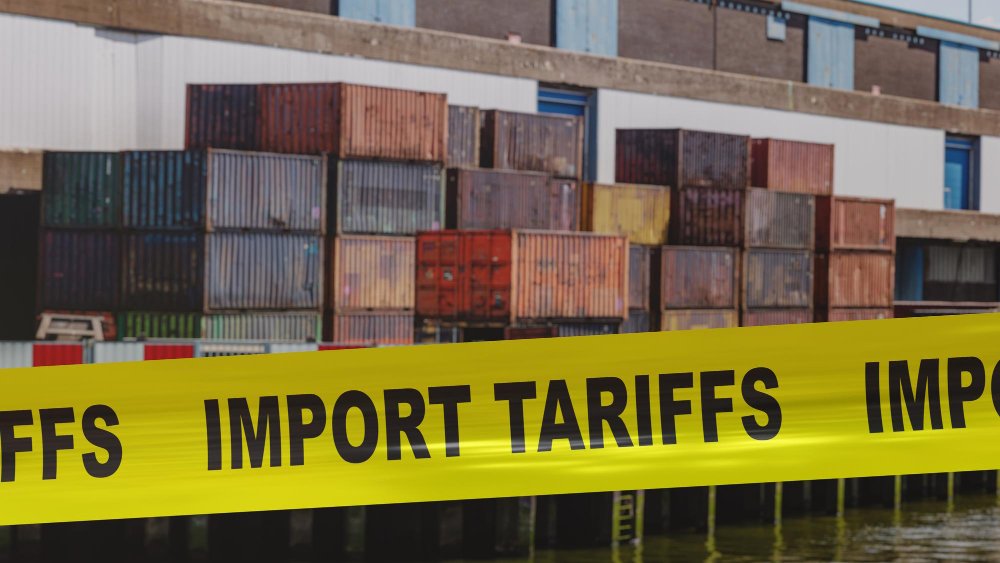
The federal government has significantly reduced regulatory duties (RDs) on the import of a wide range of goods from July 1, 2026, as part of its ongoing tariff reform agenda under the National Tariff Policy (NTP) 2025-30. The Federal Board of Revenue (FBR) issued SRO 1064(I)/2026 on Tuesday, replacing Notification No. SRO 1152(I)/2025, to implement the revised regulatory duty structure. The move is aimed at simplifying Pakistan’s tariff regime, lowering import barriers, and improving the competitiveness of businesses by gradually phasing out regulatory duties over the next several years. Maximum Regulatory Duty Capped at 20% Under the revised notification, the government has reduced the maximum regulatory duty from 50% to 20%. For goods currently subject to regulatory duties of 20% or less, the government has introduced a standard 20% reduction in the existing RD rates. However, the reduction does not apply to certain tariff lines carrying regulatory duties of 5%, 2%, and 1%, particularly those linked to export-oriented industries or domestic production, where the existing rates have been retained. The revised structure took effect from July 1, 2026. Part of National Tariff Policy Reforms The latest reductions form part of the second-year tariff rationalisation plan under the National Tariff Policy (NTP) 2025-30. The policy seeks to gradually eliminate regulatory duties by 2030, creating a more transparent and predictable tariff system that supports trade, investment, and industrial growth. As part of the second phase of implementation, the government has also adjusted regulatory duty slabs of 1%, 2%, and 2.5% in line with the broader tariff reform strategy. Objective Is to Reduce Import Barriers According to the government, the tariff reforms are designed to simplify the overall customs duty structure, reduce unnecessary import restrictions, and enhance the competitiveness of Pakistan’s economy. Lower regulatory duties are expected to reduce the cost of importing raw materials, industrial inputs, and other products, helping businesses improve productivity while supporting exports and economic growth. The government believes that a gradual reduction in import duties will also align Pakistan’s trade policies with international best practices and encourage greater integration into global supply chains. The latest notification marks another step in the implementation of the National Tariff Policy, under which regulatory duties will continue to decline in phases until they are completely phased out by 2030.

Scroll to Top