Author name: Web Desk

Pakistan Export Losses Reach $3.1b Amid Afghan Border Closure and Middle East Conflict
Pakistan

Pakistan Export Losses Reach $3.1b Amid Afghan Border Closure and Middle East Conflict

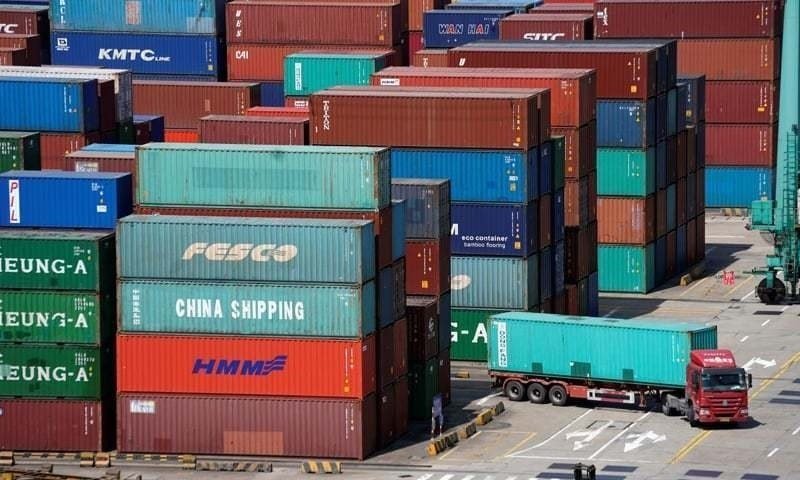
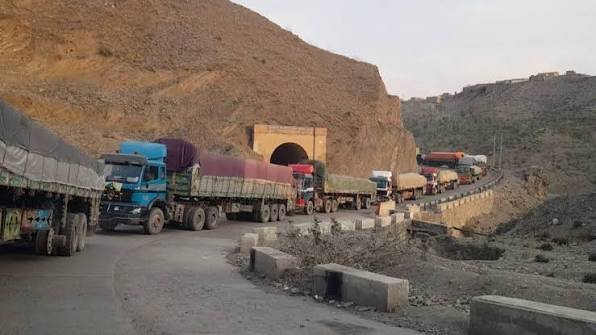
Pakistan has suffered export losses of approximately $3.1 billion as prolonged disruptions at the Afghan border and escalating tensions in the Middle East continue to weigh heavily on the country’s external trade, officials informed the National Assembly Standing Committee on Commerce on Friday. The committee was told that the closure of the Afghan border alone caused export losses of $1.1 billion, while the recent conflict in the Middle East further reduced overseas shipments by an estimated $2 billion. The briefing highlighted the growing economic impact of regional instability on Pakistan’s export sector at a time when the country is striving to boost foreign exchange earnings and strengthen its external account. Standing Committee Reviews Impact of Regional Conflicts The meeting was chaired by Javed Hanif Khan, who led discussions on the effects of geopolitical tensions on Pakistan’s trade performance. Senior officials from the Ministry of Commerce briefed lawmakers on the challenges facing exporters, particularly disruptions to regional trade routes and increasing competition in international markets. The committee reviewed the latest trade data and discussed policy measures aimed at supporting exporters and improving Pakistan’s competitiveness in global markets. Afghan Border Closure Costs Pakistan $1.1 Billion Commerce Secretary Jawad Paul informed the committee that the continued closure and disruption of trade through the Afghan border had resulted in export losses of $1.1 billion. He said transit trade and exports collectively declined by approximately $1.2 billion during the first nine months of the current fiscal year, reflecting the adverse impact of border restrictions on regional commerce. Afghanistan has traditionally served as an important export destination as well as a transit route for Pakistani goods destined for Central Asian markets. Any prolonged disruption at border crossings directly affects exporters, transporters, and businesses involved in cross-border trade. Officials noted that restoring smooth trade flows remains critical for improving Pakistan’s export performance. Middle East Conflict Adds to Pakistan Export Losses In addition to border-related disruptions, officials informed lawmakers that recent tensions in the Middle East had caused an estimated $2 billion decline in Pakistan’s exports. Although ministry officials did not identify specific sectors most affected by the regional conflict, they explained that geopolitical uncertainty disrupted trade routes, increased shipping costs, and affected demand in several export markets. The combined impact of the Afghan border closure and Middle East conflict has significantly reduced Pakistan’s export earnings during the current fiscal year. Food Exports Decline by 25% The committee was also informed that Pakistan’s food export sector experienced a major setback. According to Commerce Secretary Jawad Paul, food exports declined by 25 percent, reflecting weaker international demand and increased competition from other exporting countries. The decline has affected one of Pakistan’s key export categories, raising concerns about the country’s ability to maintain growth in agricultural exports. Officials emphasized the need to improve competitiveness through better pricing, higher productivity, and greater market diversification. Pakistani Rice Faces Tough Competition Rice exports were identified as one of the sectors facing the greatest challenges. Commerce Secretary Jawad Paul said Pakistani rice continues to enjoy a strong reputation for quality in international markets. However, exporters are increasingly losing market share because Indian rice is being offered at significantly lower prices. Officials told the committee that Indian rice is currently being sold for around $1,100 per tonne, while Pakistani rice is priced at approximately $1,300 per tonne. The price difference has made Pakistani exports less competitive despite their higher quality. Industry experts believe narrowing production costs and improving supply chain efficiency could help Pakistani exporters compete more effectively in international markets. No Evidence of Rice Rebranding Claims Committee members also discussed reports alleging that Indian traders were rebranding Pakistani rice before exporting it to international buyers. Commerce Ministry officials acknowledged receiving complaints regarding the issue but clarified that no evidence has been found to substantiate those claims. Officials said investigations had not confirmed that Pakistani rice was being relabeled and sold as Indian products in foreign markets. Copyright Amendment Bill 2026 Approved Besides reviewing trade performance, the committee also considered legislative matters. Members received reports from the subcommittee examining the Copyright (Amendment) Bill 2026 and the Insurance Bill 2026. Subcommittee convener Muhammad Nauman informed lawmakers that the Ministry of Commerce had finalized a new Insurance Bill 2026. However, he said the Trade Organisations (Amendment) Bill 2026 had been referred back to the main committee because committee member Farooq Sattar was unable to attend the meeting. Following discussion, the committee approved the Copyright (Amendment) Bill 2026. Government Plans New Insurance Law Briefing lawmakers on insurance sector reforms, Commerce Secretary Jawad Paul said the government had decided to introduce an entirely new insurance law instead of amending the existing legislation. He explained that the current insurance law is around 25 years old and requires comprehensive reforms rather than limited amendments. According to the secretary, the federal cabinet directed the ministry to prepare a completely new legal framework capable of addressing the changing needs of Pakistan’s insurance industry. SECP Drafts Insurance Bill 2026 Officials informed the committee that the initial draft of the Insurance Bill 2026 had been prepared by the Securities and Exchange Commission of Pakistan (SECP). The proposed legislation aims to increase competition in Pakistan’s insurance market while simplifying licensing procedures and improving the ease of doing business. Committee members were informed that the SECP would continue serving as the insurance sector’s regulator after the new law comes into effect. Officials also said government institutions would be permitted to purchase insurance services from private companies alongside state-owned insurers, promoting greater competition within the industry. Stronger Consumer Protection Measures The proposed legislation also includes enhanced safeguards for policyholders. According to ministry officials, the new law introduces stronger consumer protection measures designed to improve transparency, strengthen regulatory oversight, and safeguard the interests of insurance customers. Lawmakers noted that modernizing the insurance sector could improve investor confidence while encouraging greater private sector participation in Pakistan’s financial services industry.


SECP Webinar on Market Integrity Highlights Transparency and AML Compliance for Securities Brokers
Education

SECP Webinar on Market Integrity Highlights Transparency and AML Compliance for Securities Brokers

The Securities and Exchange Commission of Pakistan (SECP) has reaffirmed its commitment to strengthening transparency, investor protection, and regulatory compliance by organizing a high-level awareness webinar in collaboration with the Pakistan Stock Exchange (PSX). The webinar, titled “Promoting Transparency and Market Integrity: Prudential and AML/CFT Compliances,” brought together securities brokers, market professionals, and regulators to discuss evolving compliance requirements and governance standards in Pakistan’s capital market. The initiative forms part of the SECP’s broader strategy to improve regulatory awareness, encourage responsible market practices, and ensure that all market participants comply with the country’s financial and legal framework. SECP Emphasizes Transparency and Investor Protection During the webinar, senior SECP officials outlined the regulatory responsibilities of securities brokers under the Securities Act, 2015 and the Securities Brokers (Licensing and Operations) Regulations, 2016. The officials stressed that maintaining transparency and protecting investors remain fundamental responsibilities for all licensed brokers operating in Pakistan’s capital market. Participants were informed that brokers must maintain valid brokerage licenses and conduct their operations strictly within the regulatory framework approved by the SECP. The regulator also highlighted that compliance is not limited to obtaining a license. Instead, brokers must continuously demonstrate sound governance, financial discipline, and effective internal controls throughout their operations. Regulatory Responsibilities for Securities Brokers The webinar provided a detailed overview of the key prudential obligations that securities brokers are required to fulfill. SECP officials explained that brokers must ensure the proper segregation and safeguarding of clients’ assets to protect investors’ interests. They also emphasized the importance of maintaining sufficient capital and financial resources to support business operations and reduce financial risks. Another major area of discussion focused on maintaining accurate accounting records and comprehensive audit trails. Proper documentation, officials noted, helps improve accountability while enabling regulators to monitor compliance more effectively. Participants were also reminded to establish strong internal compliance systems capable of identifying operational risks and addressing regulatory concerns before they escalate. The SECP further encouraged brokers to implement efficient mechanisms for handling investor complaints in a timely and transparent manner, reinforcing public confidence in Pakistan’s financial markets. Strong Focus on AML and Counter-Terrorism Financing Compliance A significant portion of the webinar focused on Anti-Money Laundering (AML) and Countering the Financing of Terrorism (CFT) requirements. Officials explained the responsibilities of regulated entities under the Anti-Money Laundering Act, 2010, as well as the AML/CFT/CPF Regulations, 2020. Participants received guidance on conducting comprehensive risk assessments and adopting effective compliance procedures designed to detect and prevent financial crimes. The SECP emphasized that compliance with AML and CFT regulations is essential not only for meeting domestic legal obligations but also for maintaining Pakistan’s credibility within the international financial system. Importance of KYC and Customer Due Diligence The webinar also highlighted the importance of implementing strong Know Your Customer (KYC) procedures and Customer Due Diligence (CDD) measures. SECP officials explained that financial institutions and securities brokers must thoroughly verify customer identities before establishing business relationships. For clients considered high-risk, the regulator advised firms to conduct Enhanced Due Diligence (EDD) to better understand potential risks associated with their transactions and business activities. Participants were also encouraged to identify Ultimate Beneficial Owners (UBOs) to ensure transparency regarding the individuals who ultimately control or benefit from corporate accounts and financial transactions. According to the regulator, these measures significantly reduce the risk of money laundering, fraud, terrorist financing, and other illicit financial activities. Reporting Suspicious Financial Activities The webinar also covered the reporting obligations that regulated entities must fulfill under Pakistan’s AML framework. SECP officials explained that securities brokers are required to submit Currency Transaction Reports (CTR) and Suspicious Transaction Reports (STR) whenever applicable. Timely reporting of unusual or suspicious financial activities helps authorities detect potential financial crimes and strengthens the country’s regulatory oversight. Officials added that compliance with reporting requirements demonstrates a firm’s commitment to ethical business practices while supporting national efforts to combat financial crime. Strengthening Internal Governance and Compliance Culture Beyond regulatory requirements, the SECP urged market participants to strengthen their internal governance frameworks. Officials encouraged securities brokers to invest in regular staff training so employees remain informed about evolving regulatory requirements and international compliance standards. The regulator also recommended adopting risk-based compliance practices that allow firms to identify vulnerabilities and respond proactively to emerging risks. Building strong compliance departments and conducting independent internal audits were identified as essential steps toward improving governance, minimizing regulatory violations, and protecting investors. According to SECP, an effective compliance culture begins with senior management and requires continuous commitment across every level of an organization. Interactive Session Addresses Industry Concerns The webinar concluded with an interactive question-and-answer session, during which officials from the Pakistan Stock Exchange highlighted common market-related concerns and misconceptions faced by securities brokers. SECP representatives responded by providing detailed regulatory clarifications, helping participants better understand their obligations and practical compliance requirements. The discussion enabled market participants to address operational challenges while gaining greater clarity on implementing regulatory expectations within their organizations. SECP to Continue Industry Awareness Initiatives The webinar attracted strong participation from securities brokers, reflecting the industry’s growing interest in strengthening governance, transparency, and regulatory compliance. The SECP reaffirmed its commitment to organizing similar awareness programs in the future to help financial market participants stay updated with changing regulations and global best practices. The regulator believes continuous engagement with industry stakeholders will enhance market integrity, strengthen investor confidence, and support the long-term development of Pakistan’s capital market. By promoting transparency, encouraging robust governance, and reinforcing compliance with prudential and AML/CFT regulations, the SECP aims to create a more resilient, accountable, and internationally competitive financial sector.

Petrol Price in Pakistan Reduced by Rs1.97 Per Litre as Govt Lowers Fuel Rates
Breaking News

Petrol Price in Pakistan Reduced by Rs1.97 Per Litre as Govt Lowers Fuel Rates

The federal government has announced a reduction in the Petrol Price in Pakistan, lowering the prices of both Motor Spirit (MS) and High-Speed Diesel (HSD) by Rs1.97 per litre. The revised prices came into effect on July 4, 2026, providing some relief to consumers after fuel prices remained unchanged in the previous fortnight. The latest revision follows a decline in international oil prices, supported by easing geopolitical tensions in the Middle East. Although the reduction is modest, it is expected to benefit motorists, transport operators, businesses, and industries that rely heavily on petroleum products. Government Announces New Petrol and Diesel Prices According to a press release issued by the Ministry of Energy’s Petroleum Division, the ex-depot price of Motor Spirit (MS) has been reduced from Rs299.50 per litre to Rs297.53 per litre. Similarly, the ex-depot price of High-Speed Diesel (HSD) has been cut from Rs311.47 per litre to Rs309.50 per litre. The revised prices became effective from July 4, 2026, and will remain applicable until the government’s next fortnightly fuel price review. The government periodically revises petroleum prices based on international oil market trends, exchange rate movements, import costs, and applicable taxes and petroleum levies. Revised Fuel Prices Petroleum Product Previous Price New Price Reduction Motor Spirit (Petrol) Rs299.50/litre Rs297.53/litre Rs1.97 High-Speed Diesel Rs311.47/litre Rs309.50/litre Rs1.97 Relief for Consumers After Prices Remained Unchanged The latest reduction comes after the government maintained fuel prices during the previous fortnightly review. At that time, petrol remained at Rs299.50 per litre, while High-Speed Diesel stayed at Rs311.47 per litre, despite expectations that prices might decline. With the latest announcement, consumers will now receive a modest reduction at fuel stations nationwide. While the decrease may not substantially reduce household expenses, it offers some relief amid persistent inflation and elevated transportation costs. Why Have Fuel Prices Been Reduced? The reduction in the Petrol Price in Pakistan follows a decline in international crude oil prices over recent weeks. Global energy markets experienced significant volatility during the Iran-Israel conflict, raising concerns over potential supply disruptions through the Strait of Hormuz. Those concerns temporarily pushed crude oil prices higher. However, easing geopolitical tensions have reduced fears of supply disruptions, allowing international benchmark crude prices to retreat from recent highs. The decline in global oil prices has enabled the government to pass on part of the benefit to Pakistani consumers through lower petroleum prices. Impact on Transportation and Businesses Petrol is primarily used by motorcycles, passenger vehicles, ride-hailing services, and private transport. Lower petrol prices can help reduce commuting costs for millions of consumers. High-Speed Diesel remains critical for Pakistan’s economy, as it powers heavy transport vehicles, buses, trucks, railway operations, agricultural machinery, and various industrial sectors. Lower diesel prices can reduce transportation and logistics costs, which may gradually ease inflationary pressures if freight charges and supply chain expenses decline. However, economists note that the overall impact on inflation will depend on global oil prices, exchange rate movements, taxation policies, and domestic market conditions. Fuel Prices Continue to Depend on Global Markets Pakistan imports a significant portion of its petroleum requirements, making domestic fuel prices highly sensitive to developments in international energy markets. Besides global crude oil prices, the government also considers import premiums, freight charges, the rupee-dollar exchange rate, petroleum development levy, customs duties, and other applicable taxes before revising fuel prices. As a result, domestic petroleum prices may increase or decrease even when international crude oil prices experience only modest changes. Next Price Review Energy analysts believe future fuel prices will largely depend on developments in global oil markets over the coming weeks. If geopolitical tensions remain contained and international crude prices continue to soften, consumers could see further reductions during the next fortnightly review. However, any renewed disruption in oil-producing regions, shipping routes, or global supply chains could place upward pressure on international crude prices, limiting the government’s ability to reduce petroleum prices further. For now, motorists and businesses will benefit from the latest Rs1.97 per litre reduction in both petrol and diesel prices, effective nationwide from July 4, 2026.

Cement Despatches Rise 7.21% in FY26 on Strong Domestic Demand
Editor pick

Cement Despatches Rise 7.21% in FY26 on Strong Domestic Demand

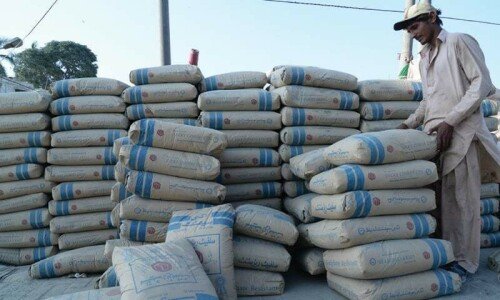
Pakistan’s cement industry recorded solid growth during the fiscal year ended June 30, 2026, with Cement despatches FY26 increasing 7.21% as robust domestic demand more than compensated for a slight decline in exports. According to data released by the All Pakistan Cement Manufacturers Association (APCMA), total cement despatches reached 50.515 million tons during FY26, compared with 47.116 million tons in the previous fiscal year. Domestic Cement Sales Drive Growth The industry’s performance was largely supported by stronger local demand. Domestic cement sales increased 9.5% to 41.507 million tons during FY26, up from 37.906 million tons in FY25. However, export performance remained under pressure. Cement exports declined 2.19% to 9.008 million tons, compared with 9.210 million tons recorded in the previous fiscal year. The figures indicate that rising construction activity within Pakistan more than offset weaker export demand. June Cement Despatches Jump Over 18% The industry also posted strong growth during June 2026. Total cement despatches reached 4.331 million tons, representing an 18.38% increase compared with 3.658 million tons dispatched in June 2025. Domestic despatches climbed 26.78% to 3.541 million tons, up from 2.793 million tons a year earlier. Meanwhile, export despatches declined 8.73% to 789,840 tons, compared with 865,387 tons in the corresponding month last year. North and South Region Performance North-based cement mills despatched 3.019 million tons during June 2026, an increase of 16.39% from 2.594 million tons in June 2025. South-based mills also recorded strong performance, with total despatches rising 23.23% to 1.31 million tons from 1.065 million tons during the same period last year. In the domestic market: Export Trends Remain Mixed No cement exports were recorded from North-based mills during June 2026. South-based mills, however, increased exports by 20.12%, shipping 789,840 tons compared with 657,527 tons in June 2025. For the full fiscal year: South-based mills continued their steady growth throughout FY26: APCMA Optimistic About Demand Outlook An APCMA spokesperson expressed confidence that cement demand will remain strong in the coming months across both domestic and international markets. The association also said that resolving geopolitical tensions through collective efforts would help ensure stable and competitive energy supplies. It added that lower energy and fuel costs would reduce production expenses and further improve the competitiveness of Pakistan’s cement industry.

Bitget Wallet Launches Crypto Card in South Asia
Editor pick

Bitget Wallet Launches Crypto Card in South Asia

South Asia’s first Bitget Wallet Card links self-custody with global acceptance, offering up to 3% cashback. Mutsamudu, Comoros, July 2, 2026 – Bitget Wallet, a self-custodial wallet for everyday finance, announced the launch of the Bitget Wallet Card in South Asia, marking the card’s first rollout in South Asia. The card allows users to top up with USDT and USDC and spend globally. The launch brings self-custodial wallet-linked crypto payments to a region with some of the world’s most active digital economies, where demand for cross-border online payments continues to grow. Users can apply digitally through the Bitget Wallet app and add the virtual card to their mobile wallet within minutes. Bitget Wallet operates as a self-custodial wallet, allowing users to manage assets independently and maintain better control over their broader wallet holdings before choosing how much to top up to a separate card account for spending. The card supports global online and in-store purchases across hundreds of millions of Mastercard acceptance locations and digital access points globally, covering everyday scenarios from subscriptions, cloud services, AI tools, gaming, and e-commerce to travel, dining, and offline retail. Users may receive up to 3% cashback on card transactions, subject to a monthly limit. South Asia consistently ranks among the highest in global crypto adoption, underscoring the region’s position as a major crypto market. Its large base of freelancers, creators, and digitally connected businesses also points to growing demand for global payment access across work, commerce, travel, and online services. “With Bitget Wallet Card, our focus is to provide users with a simpler way to connect wallet-based assets to global payment infrastructure, while keeping the experience accessible and easy to use.” said Alvin Kan, COO of Bitget Wallet. The rollout is supported by Bitget Wallet’s Onchain Payments Matrix, an infrastructure layer that connects wallets, stablecoins, card networks, and payment providers to make digital assets usable across real-world payment scenarios. For more information, visit the Bitget Wallet website. Disclaimer: For informational purposes only. Cryptocurrencies are subject to high market risk and volatility. No profit is guaranteed. You are strongly advised to conduct own research before investing at your own discretion. Nothing on this page shall be construed as financial advice or solicitation. Past performance does not indicate future results.

CPEC 2.0 to Boost Pakistan Exports: Alibaba Executive Highlights Digital and Industrial Opportunities
Business

CPEC 2.0 to Boost Pakistan Exports: Alibaba Executive Highlights Digital and Industrial Opportunities

ISLAMABAD: The next phase of the China-Pakistan Economic Corridor (CPEC 2.0) presents a significant opportunity to strengthen Pakistan’s manufacturing sector and expand exports through deeper industrial cooperation, improved logistics, and digital transformation, according to Shawn Yang, General Manager of Asia Pacific at Alibaba.com. CPEC 2.0 to Drive Industrial Growth and Better Logistics Speaking about the future of CPEC, Yang said the project’s second phase will extend beyond infrastructure development to focus on industrial collaboration and logistics improvements that can make Pakistani businesses more competitive in global markets. He noted that enhanced logistics networks are expected to reduce trade costs, improve supply chain efficiency, and make it easier for local manufacturers to connect with international buyers. Yang said Pakistan already possesses strong manufacturing capabilities and an entrepreneurial workforce. However, he stressed that simplifying export procedures, introducing predictable tax policies, and improving the overall ease of doing business will be essential to attracting greater international investment and expanding exports. AI and Digital Trade Creating New Opportunities for SMEs Yang highlighted the growing role of digital commerce in helping small and medium-sized enterprises (SMEs) overcome traditional barriers to international trade. He explained that Alibaba.com provides artificial intelligence-powered tools that help businesses generate product listings, create marketing content, communicate across languages, and respond more efficiently to overseas buyers. These technologies reduce operating costs while enabling smaller businesses to compete more effectively in global markets. Pakistan Has Strong Export Potential Across Multiple Sectors According to Yang, Pakistani SMEs have considerable export opportunities in several industries, including: He added that while Pakistan’s manufacturing base is strong, many businesses still need to improve their digital capabilities, understand international market requirements, and strengthen relationships with overseas buyers. Building Long-Term Trust with International Buyers Yang emphasized that export success depends on maintaining consistent product quality, ensuring reliable delivery, and building long-term relationships with international customers rather than focusing on short-term sales. He encouraged Pakistani exporters to maintain professional online business profiles and respond promptly to buyer inquiries to enhance credibility in international markets. Digital Transformation Will Shape Pakistan’s Export Future Looking ahead, Yang said Pakistan has the industrial capacity and talent to become one of the region’s leading digital export economies over the next five years if businesses continue investing in innovation and technology. He noted that companies adopting AI-powered digital tools early will be better positioned to benefit as global buyers increasingly diversify their supply chains and prioritize sustainability, certifications, and reliable sourcing partners. Alibaba.com, he added, supports Pakistani exporters by providing access to verified international buyers, secure digital trading tools, and educational resources designed to help businesses expand globally.

SBP Foreign Exchange Reserves Rise to $16.53 Billion on Multilateral Inflows
Uncategorized

SBP Foreign Exchange Reserves Rise to $16.53 Billion on Multilateral Inflows

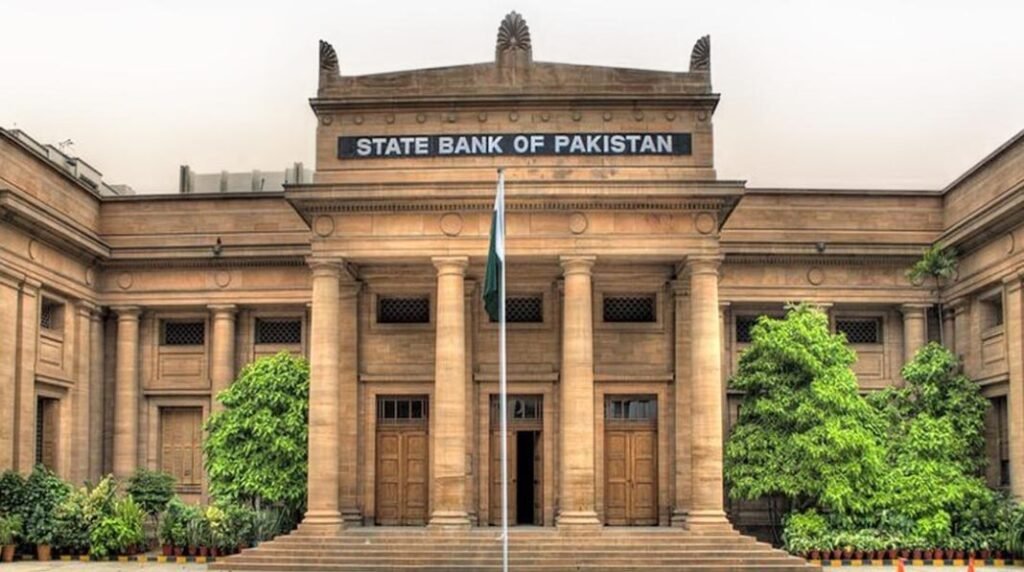
SBP Foreign Exchange Reserves Rise to $16.53 Billion on Multilateral Inflows Pakistan’s foreign exchange reserves held by the State Bank of Pakistan (SBP) recorded a strong weekly increase, supported by government inflows from multilateral institutions. According to data released by the State Bank of Pakistan on Thursday, the central bank’s foreign exchange reserves rose by $610.8 million, or 3.84% week-on-week (WoW), reaching $16.53 billion during the week ended June 24, 2026. The increase reflects improved external financing and provides additional support to Pakistan’s foreign currency holdings. Multilateral Inflows Boost Reserves The SBP said the increase in reserves was mainly driven by inflows received by the Government of Pakistan from multilateral financial institutions. These inflows strengthened the central bank’s reserve position and contributed to the overall rise in the country’s liquid foreign exchange reserves. The improvement comes as Pakistan continues to secure external financing to strengthen its economy and support balance-of-payments requirements. Total Foreign Exchange Reserves Cross $22 Billion Pakistan’s total liquid foreign exchange reserves also posted a notable weekly increase. Total reserves climbed by $559.9 million, or 2.61%, to $22.04 billion, compared with $21.48 billion in the previous week. The latest figures indicate an overall improvement in the country’s external liquidity position. Commercial Banks’ Reserves Decline While the central bank’s reserves increased, foreign exchange reserves held by commercial banks recorded a slight decline. Net foreign reserves held by banks fell by $50.9 million, or 0.91% week-on-week, decreasing from $5.57 billion to $5.52 billion. Despite the decline in commercial bank holdings, the overall increase in SBP reserves was sufficient to lift Pakistan’s total foreign exchange reserves. SBP Reserves Show Growth in 2026 The latest data also showed that the SBP’s reserves have continued to strengthen since the beginning of the current calendar year. Since January 2026, the central bank’s foreign exchange reserves have increased by $471 million, representing a 2.83% rise. The steady improvement reflects continued external financing support and efforts to maintain adequate foreign exchange buffers. Weekly Foreign Exchange Reserve Position For the week ended June 24, 2026, Pakistan’s foreign exchange reserves stood as follows: Holder June 24, 2026 June 19, 2026 Change % Change State Bank of Pakistan $16.53bn $15.92bn +$610.8m +3.84% Commercial Banks $5.52bn $5.57bn -$50.9m -0.91% Total Liquid Foreign Reserves $22.04bn $21.48bn +$559.9m +2.61% The latest increase in reserves provides additional support to Pakistan’s external financial position. However, economists will continue to monitor reserve levels, external financing inflows, import payments, and debt obligations to assess the sustainability of the country’s foreign exchange position in the months ahead.

Former TRG CEO Zia Chishti Wins US Court Ruling in Legal Dispute With TRG Pakistan
Editor pick

Former TRG CEO Zia Chishti Wins US Court Ruling in Legal Dispute With TRG Pakistan

TRG CEO Zia Chishti Wins US Court Ruling in Cross-Border Legal Dispute Former TRG Pakistan Limited (PSX: TRG) Chief Executive Officer Zia Chishti has secured a significant legal victory in his long-running dispute with The Resource Group International Limited (TRGI) and its affiliates after a United States court rejected an attempt to stop his legal proceedings in Pakistan. In an order dated July 1, 2026, the US District Court for the Southern District of New York (SDNY) denied a motion filed by TRGI, TRG Pakistan Chairman Mohammed Khaishgi, CEO Hasnain Aslam, and TRG Pakistan Limited, collectively referred to as the “Resource Group,” seeking an anti-suit injunction against Chishti. Judge Louis L. Stanton ruled that the applicants failed to satisfy the legal requirements necessary to prevent Chishti from pursuing litigation before Pakistani courts. Dispute Centers on Pakistan Court Proceedings The latest ruling stems from efforts by TRG Pakistan’s current management to stop Chishti from pursuing a criminal contempt petition before the Supreme Court of Pakistan. According to court filings, Resource Group argued that Chishti’s legal action in Pakistan was prohibited under a release agreement signed on January 10, 2022. However, Chishti maintained that his contempt petition sought to enforce Supreme Court orders issued on May 11, 2026, relating to earlier proceedings involving TRG Pakistan. Those orders upheld a Sindh High Court decision directing TRG Pakistan to hold overdue board elections and requiring its affiliate Greentree to return shares that the court found had been acquired using TRG Pakistan’s own funds. US Court Rejects Request for Anti-Suit Injunction Judge Stanton applied the legal test governing anti-suit injunctions and concluded that Resource Group did not establish the necessary grounds for relief. Although the court acknowledged sufficient overlap between the parties involved, it found that its earlier ruling issued on May 12, 2026, did not resolve the legal issues currently before Pakistani courts. The court noted that claims concerning delayed board elections had never been addressed in the previous US proceedings. It also found that allegations relating to Greentree’s acquisition of TRG Pakistan shares arose after the 2022 release agreement and therefore could not automatically be considered released claims. As a result, the court declined to block the Pakistani litigation. Court Questions Litigation Arguments The SDNY order also included observations regarding the conduct of the litigation. Judge Stanton stated that the court was led “to suspect” that previous US rulings had been inaccurately presented before Pakistani courts. The order further observed that Resource Group waited more than a year before seeking emergency relief despite being aware that certain claims involving Greentree’s share acquisition fell outside the scope of the release agreement. The court reiterated that anti-suit injunctions should be granted only in exceptional circumstances where foreign litigation substantially duplicates domestic proceedings, concluding that this standard had not been met. Pakistan Proceedings to Continue The ruling allows Chishti to continue pursuing proceedings before Pakistani courts, including the Sindh High Court case concerning TRG Pakistan’s board elections and the related contempt petition before the Supreme Court. The SDNY also formally disposed of letters filed by TRG Pakistan supporting TRGI’s motion. According to the information available, TRG Pakistan had not issued a corresponding disclosure to the Pakistan Stock Exchange (PSX) following the July 1 order at the time of reporting. Latest Development in Ongoing Legal Battle The decision represents the latest chapter in a complex cross-border legal dispute between Chishti and Resource Group. Earlier this year, several SDNY rulings had favored TRGI, including a May 12 decision concerning pre-2022 claims, a temporary restraining order issued on June 10, and a June 18 turnover order directing Chishti to satisfy a $9.1 million judgment related to share pledges and asset transfers. The July 1 ruling, however, marks a significant procedural victory for Chishti by allowing the Pakistani court proceedings to move forward while the broader legal dispute continues in multiple jurisdictions.

Pakistan Trade Deficit Widens 63.76% in June as Imports Surge, Exports Decline
Pakistan

Pakistan Trade Deficit Widens 63.76% in June as Imports Surge, Exports Decline

Pakistan Trade Deficit June 2026 Widens to $4.53 Billion as Imports Surge Pakistan’s trade deficit widened sharply in June 2026 after imports surged while exports declined, highlighting growing pressure on the country’s external sector. According to provisional data released by the Pakistan Bureau of Statistics (PBS), the trade deficit increased by 63.76% month-on-month (MoM) to $4.53 billion in June, compared with $2.77 billion recorded in May 2026. The widening gap was primarily driven by a steep increase in imports alongside a notable decline in exports during the month. Exports Fall While Imports Jump Pakistan’s exports dropped to $2.24 billion in June 2026, registering a 16.73% month-on-month decline from $2.69 billion in May. In contrast, imports climbed significantly to $6.77 billion, reflecting a 24.07% increase from $5.45 billion in the previous month. The combination of falling exports and rising imports pushed the monthly trade deficit to $4.53 billion, marking one of the largest monthly trade gaps in recent months. Trade Gap Widens Compared With Last Year On a year-on-year (YoY) basis, Pakistan’s external trade performance also weakened. Exports declined by 9.61% from $2.48 billion recorded in June 2025. Meanwhile, imports increased by 26.27% from $5.36 billion in the same month last year. As a result, the trade deficit expanded by 57.11% year-on-year, rising from $2.88 billion in June 2025 to $4.53 billion in June 2026. The latest figures indicate mounting pressure on Pakistan’s external account as import growth continues to outpace export earnings. FY26 Trade Deficit Crosses $39 Billion The cumulative figures for the fiscal year also reflected a deterioration in the country’s trade balance. During July 2025 to June 2026 (FY26), Pakistan’s total exports stood at $30.13 billion, representing a 5.97% decline compared with $32.04 billion in FY25. At the same time, cumulative imports increased 7.89% to $69.60 billion, up from $64.51 billion in the previous fiscal year. Consequently, the overall trade deficit widened to $39.47 billion, an increase of 21.57% compared with $32.47 billion recorded during the corresponding period of FY25. External Sector Faces Fresh Challenges The latest PBS data highlights renewed challenges for Pakistan’s external sector as rising imports continue to outstrip export growth. A widening trade deficit increases pressure on the country’s foreign exchange reserves and current account balance. Economists will closely monitor whether export performance improves in the coming months or whether higher import demand continues to widen the external imbalance. The June figures underscore the importance of strengthening export competitiveness while managing import growth to maintain external sector stability.

Cross-Border Pollution Requires Regional Cooperation, Says Environmental Expert
Editor pick

Cross-Border Pollution Requires Regional Cooperation, Says Environmental Expert

Cross-Border Pollution Pakistan Requires Regional Cooperation, Says Environmental Expert An environmental expert has urged South Asian countries to adopt a coordinated regional strategy to combat cross-border pollution, warning that Pakistan cannot effectively tackle worsening smog, water shortages, and climate-related disasters through domestic measures alone. Speaking to a state-owned television channel, Dr. Zainab Naeem stressed that environmental challenges affecting Pakistan demand sustained diplomatic engagement, stronger public awareness, and increased private-sector participation to build long-term climate resilience. Pakistan Faces Growing Climate Risks According to Dr. Naeem, Pakistan remains one of the countries most vulnerable to climate change and its associated disasters. She said trans-boundary smog and poor water management continue to pose serious environmental and public health challenges. She noted that seasonal crop residue burning across the border contributes to declining air quality in Pakistan. Combined with rising temperatures and prolonged heatwaves, these factors have intensified environmental pressures across the region. Dr. Naeem emphasized that environmental degradation is not confined by national borders and therefore requires practical cooperation among neighboring countries. Urgent Action Needed on Environmental Policies The environmental expert called for the swift implementation of effective environmental policies, saying governments must prioritize long-term ecological resilience over short-term considerations. She argued that stronger environmental governance would not only protect public health but also strengthen economic stability by reducing the long-term costs associated with climate-related disasters. According to Dr. Naeem, policymakers should treat environmental protection as a national and regional priority rather than a political issue. Public Awareness Plays a Key Role Dr. Naeem also highlighted the importance of expanding climate awareness campaigns across society. She said citizens, government institutions, and policymakers must recognize that environmental protection is a shared responsibility. Greater public understanding of climate challenges can encourage sustainable practices and support stronger environmental policies. She added that increasing awareness is essential for promoting long-term behavioral change and strengthening national resilience against climate risks. Government Initiatives Acknowledged Dr. Naeem acknowledged that the Government of Pakistan, under Prime Minister Shehbaz Sharif, and the Punjab government led by Chief Minister Maryam Nawaz Sharif have introduced various environmental policies and mitigation measures. She said these initiatives aim to address pollution and climate-related challenges while considering the country’s fiscal constraints. However, she maintained that domestic efforts alone cannot fully resolve environmental issues that originate beyond Pakistan’s borders. Call for a Permanent Regional Climate Mechanism To strengthen regional collaboration, Dr. Naeem proposed establishing a permanent climate-focused diplomatic mechanism for South Asia. She said such a platform would enable neighboring countries to maintain continuous dialogue on shared environmental concerns, exchange scientific data, and coordinate responses to cross-border pollution, water management, and climate adaptation. The expert also stressed the need for greater private-sector investment alongside effective regulatory enforcement. She said businesses can play a significant role in reducing pollution and promoting sustainable development if supported by clear environmental regulations. Dr. Naeem concluded that lasting environmental progress will depend on collective action among regional stakeholders, emphasizing that cooperation is essential to safeguard public health, protect natural resources, and ensure sustainable economic development across South Asia.

Scroll to Top