Author name: Web Desk

Crypto Currency Fatwa: Mufti Taqi Usmani Declares Cryptocurrency Trading Impermissible Under Islamic Law
Pakistan

Crypto Currency Fatwa: Mufti Taqi Usmani Declares Cryptocurrency Trading Impermissible Under Islamic Law

Pakistan’s digital finance debate has taken a significant turn after renowned Islamic scholar Mufti Muhammad Taqi Usmani issued a Crypto Currency Fatwa declaring that buying and selling cryptocurrencies is not permissible under Islamic Shariah. The ruling is expected to spark widespread discussion among investors, Islamic finance experts, fintech companies, and policymakers, particularly as Pakistan continues to witness growing public interest in digital assets. The latest religious opinion has once again raised important questions about the future of cryptocurrency adoption in Pakistan and how Islamic financial principles apply to emerging digital technologies. Crypto Currency Fatwa Applies to All Digital Assets According to an announcement shared online by scholars affiliated with Darul Uloom Karachi, the ruling applies equally to cryptocurrencies, crypto tokens, and stablecoins. The statement makes it clear that changing the terminology of a digital asset does not alter its religious status. Whether a digital asset is described as a cryptocurrency, crypto token, virtual currency, or a stablecoin such as USDT, the same Shariah ruling applies. This clarification aims to remove confusion among investors who may believe that certain categories of digital assets fall under different Islamic rulings because of their names or technical structures. Why the Crypto Currency Fatwa Declares Trading Impermissible The central argument presented in the Crypto Currency Fatwa is that cryptocurrencies do not qualify as “Maal” (recognized wealth or property) under Islamic jurisprudence. According to the ruling, because these digital assets do not meet the Shariah criteria of a legally recognized and ownable asset, their purchase and sale cannot be considered permissible. The announcement specifically states that cryptocurrencies are not recognized as property under Islamic principles. As a result, trading in cryptocurrencies, crypto tokens, and stablecoins is considered impermissible. The scholars further emphasized that merely assigning different labels to the same category of digital assets does not change their underlying nature or their Shariah ruling. Crypto Currency Fatwa May Influence Pakistan’s Digital Finance Debate The ruling arrives at a time when cryptocurrencies continue to attract global investment despite ongoing regulatory uncertainty in many countries. Pakistan has also witnessed increasing public interest in Bitcoin, Ethereum, stablecoins, and other blockchain-based digital assets, particularly among younger investors looking for alternative investment opportunities. While the Crypto Currency Fatwa represents a religious opinion rather than government regulation, it carries significant influence among Muslims seeking to ensure their financial activities comply with Islamic principles. For many individuals and businesses operating within Pakistan’s Islamic financial ecosystem, the ruling could influence future investment decisions and encourage greater demand for Shariah-compliant digital financial products. What the Ruling Means for Investors The announcement serves as a reminder that religious and regulatory perspectives on cryptocurrencies remain distinct issues. While governments determine the legal framework for digital assets, Islamic scholars evaluate them through the lens of Shariah principles. Investors who prioritize Shariah compliance may reconsider their exposure to cryptocurrencies following the latest ruling. At the same time, the broader debate surrounding blockchain technology, tokenized assets, and digital finance is expected to continue as financial innovation evolves. Crypto Currency Fatwa Expected to Shape Future Discussions The latest Crypto Currency Fatwa is likely to remain an important reference point in discussions about Islamic finance and digital assets, particularly in countries where religious guidance plays a meaningful role in investment decisions. Mufti Muhammad Taqi Usmani’s latest Crypto Currency Fatwa concludes that cryptocurrencies, crypto tokens, and stablecoins share the same underlying characteristics and therefore fall under a single Shariah ruling. According to the fatwa, these digital assets do not constitute recognized property under Islamic law, making their purchase and sale impermissible. As cryptocurrency adoption expands globally, the ruling is expected to influence ongoing discussions about Islamic finance, digital innovation, and the future of virtual assets in Pakistan.

Pakistan Grid Stability Enhancement Project: World Bank Approves $375.9 Million to Transform Power Transmission
Editor pick

Pakistan Grid Stability Enhancement Project: World Bank Approves $375.9 Million to Transform Power Transmission

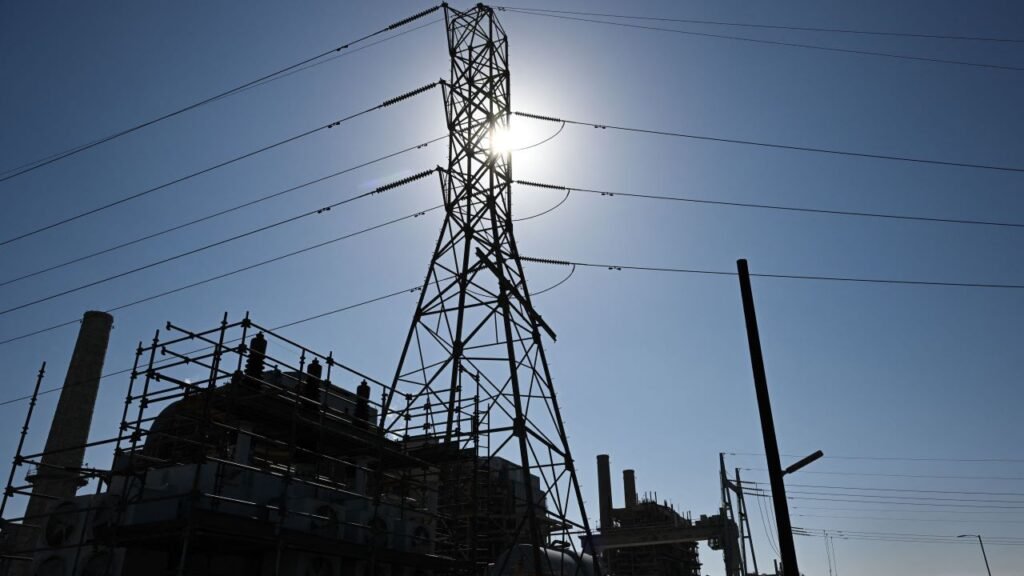
Pakistan has taken a major step toward addressing its long-standing electricity challenges after securing $375.9 million in financing from the World Bank for the Pakistan Grid Stability Enhancement Project. The investment is expected to modernize the country’s aging transmission infrastructure, reduce costly power disruptions, and unlock the full potential of renewable energy. Approved by the World Bank’s Board of Executive Directors, the project represents the first phase of the Boosting Energy Security through Transmission in Pakistan (BEST-PAK) Multiphase Programmatic Approach, a 10-year initiative designed to reshape Pakistan’s national electricity transmission network and improve the country’s energy security. Pakistan Grid Stability Enhancement Project Targets the Weakest Link in the Power Sector For years, Pakistan’s energy sector has struggled not only with electricity generation but also with an outdated transmission network that prevents power from reaching consumers efficiently. Even when sufficient electricity is available, transmission bottlenecks and unstable grid operations often lead to power outages, higher operating costs, and significant financial losses. The Pakistan Grid Stability Enhancement Project directly addresses these structural weaknesses by introducing advanced transmission technologies capable of improving voltage stability and grid reliability across the country. According to the World Bank, strengthening the transmission network will improve electricity supply for households, commercial businesses, industries, and investors while creating a more resilient power system capable of supporting future economic growth. World Bank Says Energy Reform Is Critical for Pakistan’s Economy World Bank Country Director for Pakistan, Bolormaa Amgaabazar, emphasized that Pakistan’s electricity challenges are closely connected to the country’s broader economic performance. She noted that investments in resilient transmission infrastructure and modern grid technologies can lower electricity costs, improve operational efficiency, increase renewable energy integration, and strengthen the overall performance of Pakistan’s power sector. Reliable electricity remains one of the most important requirements for industrial productivity, export competitiveness, foreign investment, and sustainable economic development. Without major improvements in transmission infrastructure, Pakistan risks limiting the benefits of future investments in electricity generation. Pakistan Grid Stability Enhancement Project Will Unlock Hundreds of Megawatts of Clean Energy A central objective of the Pakistan Grid Stability Enhancement Project is to eliminate transmission constraints that currently prevent renewable energy from reaching consumers. The project includes the installation of advanced Static Synchronous Compensators (STATCOMs) at three major 500-kilovolt substations, alongside fixed reactors and capacitor banks at 26 grid substations across the country. These upgrades are expected to unlock approximately 640 megawatts of wind energy that is currently being curtailed because of transmission limitations. As a result, Pakistan will be able to fully utilize nearly 1,840 megawatts of wind generation capacity in southern regions while also integrating approximately 491 megawatts of planned private-sector renewable energy projects into the national grid. This development could significantly reduce dependence on expensive imported fuels while supporting Pakistan’s transition toward cleaner electricity generation. Supporting Pakistan’s Renewable Energy and Climate Goals The project also aligns with Pakistan’s commitment to increase renewable energy’s share in the national electricity mix to 60 percent by 2030 under its Nationally Determined Contribution to the Paris Agreement. Over the next 25 years, the World Bank estimates that the project could prevent more than 20.8 million tonnes of carbon dioxide emissions, including approximately 832,500 tonnes annually, making it one of Pakistan’s most significant climate-focused energy investments. Beyond environmental benefits, greater reliance on domestic renewable resources could improve energy affordability and reduce exposure to volatile international fuel markets. Modern Transmission Reforms Could Attract New Investment Lead Energy Specialist for the World Bank’s BEST-PAK Program in Pakistan, Waleed Saleh Alsuraih, described a modern transmission network as the foundation for Pakistan’s future energy system. The project also supports the government’s ongoing reform agenda by assisting the restructuring of the National Transmission and Dispatch Company (NTDC) into specialized successor organizations. These reforms aim to improve governance, accountability, operational efficiency, and financial sustainability while creating a more attractive environment for private investment in Pakistan’s energy sector. If successfully implemented, these institutional reforms could help strengthen investor confidence and accelerate future infrastructure development. Climate-Resilient Infrastructure Designed for Pakistan’s Harsh Conditions Recognizing Pakistan’s increasing exposure to floods and extreme heat, the project has been designed with climate resilience as a core feature. New transmission equipment will be installed on elevated platforms to reduce flood risks, while critical infrastructure will be capable of operating in temperatures reaching 55 degrees Celsius. These measures are intended to ensure uninterrupted performance during monsoon flooding and prolonged heatwaves that increasingly threaten Pakistan’s energy infrastructure. A Turning Point for Pakistan’s Power Sector The Pakistan Grid Stability Enhancement Project represents far more than another infrastructure investment. It is a strategic effort to modernize one of the country’s most critical economic sectors by improving electricity reliability, supporting renewable energy expansion, reducing carbon emissions, and encouraging private investment. If the project delivers on its objectives, it could become a defining milestone in Pakistan’s transition toward a more secure, efficient, and climate-resilient energy future.

Pakistan Cotton Cultivation Decline Raises Fresh Concerns for Textile Industry and Economy
Pakistan

Pakistan Cotton Cultivation Decline Raises Fresh Concerns for Textile Industry and Economy

Pakistan’s agricultural landscape is undergoing a significant transformation, and the latest findings from the 7th Agricultural Census 2024 reveal one of the country’s most alarming trends. The Pakistan Cotton Cultivation Decline has accelerated, reducing the country’s cotton-growing area to just 6.51 million acres, raising serious concerns for farmers, textile manufacturers, exporters, and policymakers alike. Pakistan Cotton Cultivation Decline Signals a Major Shift in Agriculture According to the Pakistan Bureau of Statistics (PBS), cotton now occupies only 7.9 percent of Pakistan’s total cropped area of 82.77 million acres. In comparison, wheat dominates the agricultural landscape by covering 43.3 percent of cultivated land, while rice accounts for 12.9 percent and fodder crops make up 9.5 percent. The figures indicate more than a simple reduction in cotton acreage. They highlight a structural transformation in Pakistan’s farming sector, where growers are increasingly shifting towards crops that offer greater food security or more predictable returns. This trend is particularly significant because cotton has historically been one of Pakistan’s most valuable cash crops, supplying raw material to the textile industry and generating billions of dollars in export earnings. Punjab Remains the Largest Cotton Producer Despite Falling Acreage Punjab continues to dominate cotton production, accounting for 3.83 million acres, or 58.89 percent, of the country’s total cotton cultivation. Sindh follows with 1.83 million acres, representing 28.10 percent, while Balochistan contributes 0.84 million acres, or 12.95 percent. Although Punjab remains the country’s cotton hub, Sindh continues to demonstrate a stronger dependence on the crop within its own agricultural system. Cotton represents approximately 14 percent of Sindh’s total cultivated area, compared with the national average of around 8 percent. This highlights the province’s continued reliance on cotton despite the nationwide decline in cultivated acreage. Wheat Continues to Strengthen Its Position While cotton continues to lose ground, wheat has further strengthened its position as Pakistan’s dominant crop. The Agricultural Census recorded 35.82 million acres under wheat cultivation nationwide. Punjab contributes 57.66 percent of the country’s wheat-growing area, followed by Sindh with 14.93 percent, while Khyber Pakhtunkhwa accounts for 14.65 percent. The growing preference for wheat reflects farmers’ increasing focus on food production amid changing economic conditions, fluctuating commodity prices, climate-related challenges, and concerns over agricultural profitability. Textile Industry Faces Growing Supply Challenges The continued Pakistan Cotton Cultivation Decline presents serious challenges for Pakistan’s textile industry, which depends heavily on a stable domestic cotton supply. As local production continues to shrink, textile manufacturers have become increasingly dependent on imported cotton to meet production requirements. Although cotton imports help factories maintain operations, they also increase production costs, place additional pressure on foreign exchange reserves, and reduce the competitiveness of Pakistani textile exports in international markets. Industry experts have repeatedly warned that unless domestic cotton production recovers, Pakistan may face greater exposure to global price fluctuations and supply chain disruptions. Rice Production Remains Concentrated in Punjab and Sindh The census also reveals that rice cultivation follows a similar geographical pattern. Punjab and Sindh together account for 88.56 percent of Pakistan’s total rice-growing area, reinforcing their importance as the country’s primary grain and fibre-producing regions. However, while rice cultivation remains relatively stable, the balance between rice and cotton continues to shift, further illustrating the changing priorities within Pakistan’s agricultural economy. Why the Latest Census Matters The 2024 Agricultural Census provides the first comprehensive, geo-tagged farm-level agricultural data since 2010, offering policymakers, investors, and industry leaders a clearer picture of Pakistan’s evolving farming landscape. The latest figures reinforce long-standing concerns that declining cotton cultivation is no longer a temporary challenge but a structural issue with far-reaching implications for agriculture, exports, employment, and industrial growth. Unless productivity improves and farmers regain confidence in cotton cultivation through better seed technology, water management, pricing mechanisms, and policy support, Pakistan’s dependence on imported cotton is likely to increase in the coming years. The latest census serves as a timely reminder that reversing the Pakistan Cotton Cultivation Decline will require coordinated efforts across agriculture, industry, and government to protect one of the country’s most strategically important economic sectors.

Ghani Dairies Expands Dairy Farm with New Modern Cattle Sheds
Uncategorized

Ghani Dairies Expands Dairy Farm with New Modern Cattle Sheds

Ghani Dairies Limited (PSX: GDL) has completed the construction of three modern steel-structure sheds as part of its ongoing Ghani Dairies expansion strategy aimed at increasing milk production capacity, improving livestock welfare and strengthening its dairy farming operations. New Facilities Built to International Standards The company announced the development in a notification submitted to the Pakistan Stock Exchange (PSX), stating that the newly completed facilities have been built in line with international standards and are equipped with modern dairy farming infrastructure and equipment. The expansion is expected to improve the living conditions of the company’s milking herd while supporting higher operational efficiency and long-term production growth. Capacity Expanded for 1,000 Milking Cows According to the company, two of the newly completed steel-structure sheds have a combined covered area of approximately 105,000 square feet and can accommodate 800 milking cows under standard housing conditions. In addition, Ghani Dairies has completed a third steel-structure shed covering approximately 25,200 square feet, providing housing capacity for another 200 milking cows. Together, the three facilities add modern accommodation for 1,000 milking cows, significantly expanding the company’s dairy farming capacity. Expansion Expected to Improve Productivity Ghani Dairies said the new infrastructure forms an important part of its long-term business expansion strategy. The company aims to improve the welfare and health of its dairy herd by providing a better environment designed to meet international dairy farming standards. Modern housing facilities help reduce heat stress, improve ventilation and enhance overall animal comfort, factors that contribute to higher milk yields and better herd health. The company believes the upgraded infrastructure will also improve operational efficiency by supporting more effective herd management and modern farming practices. Investment Supports Modern Dairy Farming The newly completed sheds are equipped with advanced dairy farm infrastructure intended to support efficient day-to-day operations. By investing in modern facilities, Ghani Dairies seeks to strengthen its production capabilities while maintaining high standards of animal care. The company stated that providing an improved environment for milking cows will contribute to greater productivity and support sustainable growth of its dairy business. Long-Term Strategy Focuses on Growth and Efficiency The latest investment reflects Ghani Dairies’ continued focus on expanding its dairy operations to meet growing demand for milk and dairy products. The company has been investing in modern farming infrastructure to enhance production efficiency and improve the overall quality of its dairy operations. As Pakistan’s dairy sector continues to modernize, investments in advanced livestock housing and farm technology are increasingly viewed as essential for improving productivity and competitiveness.

AI Boom Creates New Energy Crisis as U.S. Data Centers Strain Power Grid
World

AI Boom Creates New Energy Crisis as U.S. Data Centers Strain Power Grid

The rapid growth of artificial intelligence is reshaping the U.S. energy landscape, with data center operators and power companies racing to secure electricity capacity and critical grid equipment to support the next wave of AI development. AI Data Centers Increase Pressure on Power Infrastructure The rising demand from AI-driven data centers has created significant pressure on the power sector, where utilities are facing shortages of essential infrastructure, including high-voltage transformers, circuit breakers, and switchgear needed to connect new facilities to the electricity grid. Industry estimates suggest that U.S. data center power demand could rise dramatically over the coming years, increasing from approximately 24 gigawatts (GW) today to around 110 GW by 2030 as companies continue expanding AI computing capacity. Grid Equipment Shortages Delay New Projects The challenge extends beyond electricity generation. Even where additional power is available, shortages of critical grid equipment are delaying the development of new data centers. Some major electrical components, including high-voltage transformers, now have delivery lead times exceeding three years due to limited manufacturing capacity and rising global demand. Utilities and Developers Seek Alternative Solutions To overcome equipment shortages, utilities and project developers are adopting several strategies. These include placing orders years in advance, reserving manufacturing capacity, sourcing equipment from international suppliers, and extending the operational life of existing electrical infrastructure. Such measures are aimed at ensuring that future AI facilities can be connected to the grid despite ongoing supply chain constraints. Energy Infrastructure Becomes Critical for AI Growth The growing competition for electricity underscores a new reality for the artificial intelligence industry: access to reliable energy infrastructure is becoming just as important as access to advanced semiconductors and computing hardware. As AI adoption continues to accelerate, companies and governments are increasingly investing in expanding grid capacity, strengthening equipment supply chains, and developing the energy infrastructure required to support the next generation of digital and AI-powered technologies.

48% of Travelers Avoid Sharing Sensitive Data With AI, Kaspersky Survey Shows
World

48% of Travelers Avoid Sharing Sensitive Data With AI, Kaspersky Survey Shows

Kaspersky’s latest survey reveals that while artificial intelligence is becoming an increasingly popular travel companion, many travelers remain cautious about sharing personal information. The findings show that AI is widely valued for saving time, providing personalized recommendations, and finding budget-friendly travel deals, but awareness of data security risks remains high. Travelers Turn to AI for Convenience According to the survey, 73% of respondents use AI to save time and simplify travel planning. Another 65% rely on AI to find information about major attractions and receive personalized recommendations based on their preferences. Additionally, 63% use AI to discover the best travel deals, while 61% trust AI to uncover information that would otherwise be difficult to find. Most Users Remain Cautious About Sharing Personal Data Beyond planning itineraries and researching destinations, many travelers also use AI to book hotels and transportation, often requiring the sharing of personal information. However, the survey found that 48% of respondents recognize the security risks associated with AI and deliberately avoid sharing sensitive data. A further 37% said they have limited concerns but still exercise caution when using AI tools. Overall, 86% of travelers who use AI for travel planning consider data security when interacting with these platforms, while only 14% believe that sharing any information with AI is completely secure. Kaspersky Urges Responsible AI Usage Commenting on the findings, Vladislav Tushkanov, Group Manager at Kaspersky AI Technology Research Center, said the level of caution demonstrated by travelers is encouraging. He noted that a rational approach is essential when interacting with AI, particularly when sharing personal information. While AI can be a valuable assistant, private conversations may still be exposed to cyber threats, and attractive offers generated by chatbots could sometimes be fraudulent. He emphasized that users should not abandon AI tools altogether but instead remain mindful, avoid oversharing personal information, and carefully assess which tasks are appropriate to delegate to AI. Tips for Safer AI-Assisted Travel Kaspersky recommends avoiding the sharing of sensitive personal information such as identification details, home addresses, passwords, and financial credentials with AI assistants. Users should also verify any links or emails suggested by AI tools before opening them and use trusted cybersecurity solutions to identify malicious websites and protect online transactions. For travelers relying on AI while abroad, Kaspersky also recommends maintaining a stable internet connection and considering an eSIM solution to ensure uninterrupted mobile data access during international travel. AI Adoption Continues Alongside Growing Cybersecurity Awareness The survey highlights that AI is becoming an increasingly important tool for travel planning, helping users save time, personalize trips, and find better deals. At the same time, growing awareness of cybersecurity risks suggests that travelers are becoming more selective about the information they share, balancing convenience with digital safety.

Fuel Supply Crunch Emerges Despite Calmer Crude Prices Due to Low Inventories
Breaking News

Fuel Supply Crunch Emerges Despite Calmer Crude Prices Due to Low Inventories

Global gasoline and diesel markets are flashing clear signals of a supply crunch despite the recent calming of crude oil prices. The trend comes after the ceasefire in the US-Iran conflict and indicates that disruptions in refined product markets may persist longer than those in crude. Russia’s Diesel Export Ban Tightens Global Supplies Pressure on fuel markets intensified this week after Russia banned diesel exports. Ukrainian attacks on Russian refining infrastructure prompted the move and increased risks of domestic shortages. Russian diesel and gasoil exports had already declined to a record low of about 400,000 barrels per day. They have now fallen to less than half that level in July so far, based on Kpler data. This reduction compels major buyers including Brazil, Turkey and countries in North and West Africa to seek alternative supplies. They are turning to the United States, the Middle East and India for replacement cargoes. Europe could face greater competition for available volumes as a consequence. The development adds another layer of complexity to global diesel trade. The ban arrives at a difficult moment for farmers in the Northern Hemisphere. Higher fuel bills await them ahead of the autumn harvest season. Record Refinery Margins Highlight Capacity Constraints European diesel refining margins reached a record high of over $60 a barrel this week following the Russian export ban announcement. The prompt Nymex 3-2-1 crack spread in the United States climbed to a record $64.58 a barrel on July 8, serving as a key indicator of refinery profitability. European gasoline also traded at a premium of about $41 a barrel to crude, the highest level since the summer of 2022 during peak disruptions caused by the Russia-Ukraine war. Low Inventories Keep Fuel Markets Vulnerable Sparta Commodities analyst Neil Crosby said there is simply not enough refining capacity globally to process current crude volumes. He noted that persistently high fuel prices could eventually reduce consumer demand. Overall OECD oil product inventories remain below the 2015–2019 average, leaving the market exposed to further supply disruptions despite some recovery from spring lows. US gasoline inventories were at their lowest level for early July since 2021 during the week ending July 3, according to Energy Information Administration data. Asian Diesel Markets Monitor Global Tightness In Asia, diesel refining margins have risen to around a one-month high. Traders are positioning for potential spillover effects from tightening fuel markets in Europe and the United States, even as regional fuel supplies remain relatively comfortable. Supply Risks May Outlast Crude Price Stability Although crude oil prices have stabilized following the US-Iran ceasefire, refined fuel markets continue to face significant supply-side challenges. Low inventories, limited global refining capacity, and Russia’s diesel export ban are expected to keep gasoline and diesel markets under pressure, raising the risk of sustained inflationary impacts for consumers, businesses, and industries worldwide.

Euromoney Awards BankIslami for Excellence in Islamic Digital Banking
Uncategorized

Euromoney Awards BankIslami for Excellence in Islamic Digital Banking

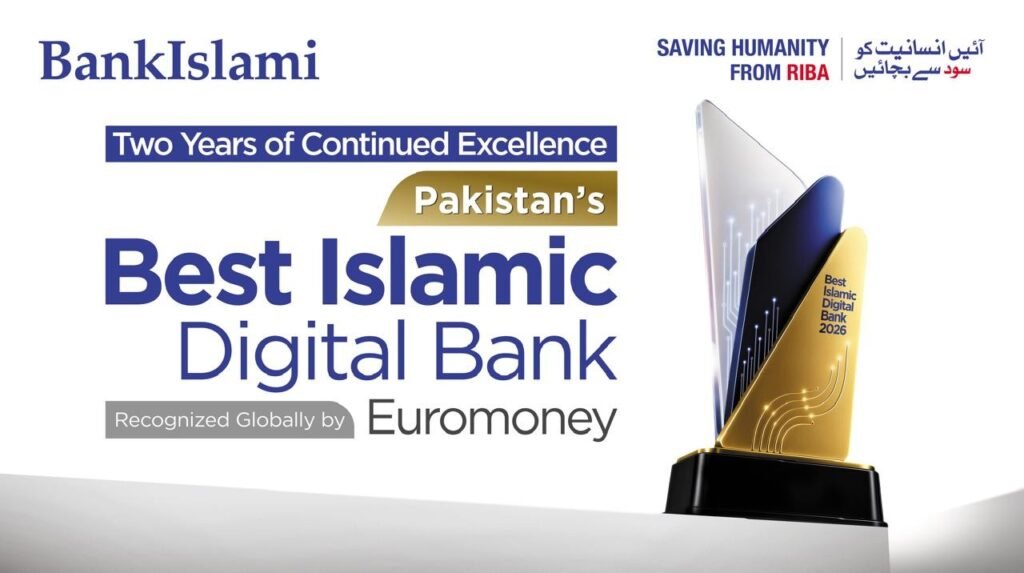
Euromoney, a leading global benchmark for excellence in financial services, has recognized BankIslami as Pakistan’s Best Islamic Digital Bank, highlighting the Bank’s continued investment in technology, innovation, and expanding access to Shariah-compliant banking across the country. BankIslami Earns Euromoney Recognition for Second Consecutive Year The accolade marks the second consecutive year that BankIslami has received recognition from Euromoney, having previously been named Best Islamic Bank in Pakistan. The achievement reflects the Bank’s continued progress in strengthening its digital platforms, enhancing customer experience, and expanding access to Shariah-compliant financial services nationwide. Digital Transformation Accelerates Banking Innovation In early 2025, BankIslami upgraded its core banking infrastructure to iMAL R-14, migrating to a centralized, API-enabled platform that enabled more than 70% of customer interactions to become digital-first. The Bank also deployed artificial intelligence across its internal operations, digitizing a significant portion of workflows, communications, and business processes to improve operational efficiency. ‘aik’ Marks a Milestone in Islamic Digital Banking One of the Bank’s most significant achievements during the year was the launch of aik, Pakistan’s first fully digital Islamic banking platform. Designed for digitally savvy and Shariah-conscious users, the mobile-first platform offers a seamless digital banking experience and reflects BankIslami’s ambition to lead the digital transformation of Islamic finance in Pakistan. Leadership Highlights Commitment to Financial Inclusion Commenting on the recognition, BankIslami President and CEO Rizwan Ata said the Bank’s digital transformation is driven by its commitment to making Islamic banking more seamless and accessible for customers. He noted that digital capabilities are central to promoting financial inclusion and ensuring world-class, Shariah-compliant banking services are available to everyone. Deputy Chief Executive Officer Imran H. Shaikh said BankIslami’s responsibility extends beyond business growth to ensuring that Islamic banking services are accessible to all segments of society. He added that continued investment in digital innovation will make Islamic banking easier to adopt while supporting broader financial inclusion across Pakistan. BankIslami Continues to Set New Industry Benchmarks BankIslami continues to strengthen its position in Pakistan’s Islamic banking sector by combining traditional Islamic banking values with modern financial technology. The latest recognition from Euromoney reinforces the Bank’s leadership in digital innovation, customer experience, and Shariah-compliant financial services while supporting the continued evolution of Pakistan’s Islamic finance industry.

Karandaaz and DigiKhata Launch Pakistan's First Embedded Finance Facility for Small Retailers
Pakistan

Karandaaz and DigiKhata Launch Pakistan’s First Embedded Finance Facility for Small Retailers

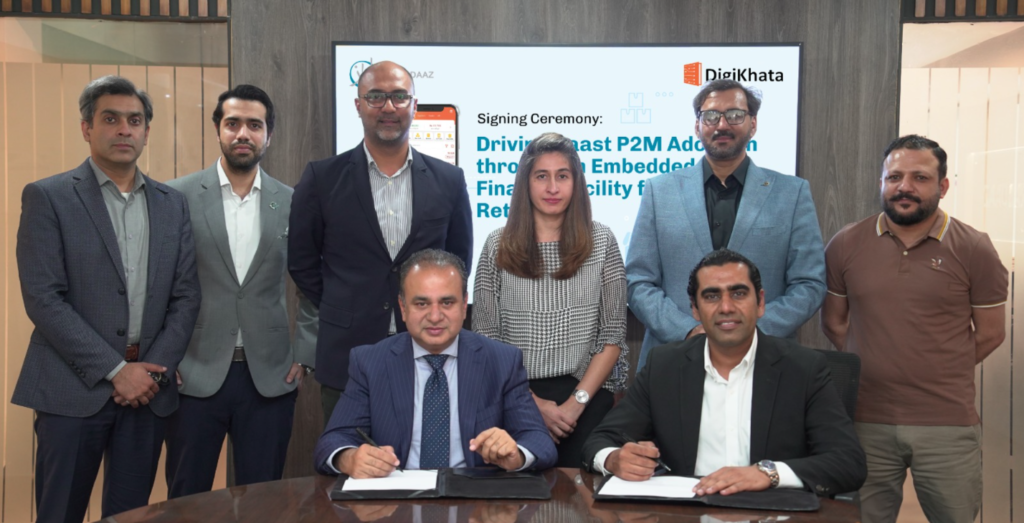
Karandaaz Pakistan and DigiKhata Financial Services (DKFS) have signed a strategic partnership to launch an Embedded Finance Facility (EFF), the first initiative of its kind in Pakistan that transforms everyday merchant payments into a pathway to formal credit for small retailers. Embedded Finance to Boost Digital Payments and Access to Credit The model is designed to address two major challenges facing Pakistan’s retail sector: low adoption of digital payments and limited access to formal financing. Pakistan’s retail and wholesale trade is a significant contributor to the country’s GDP and MSME sector, yet it remains largely cash-based. Without a verifiable digital financial history, many merchants remain invisible to lenders and are unable to access the financing needed to expand their businesses. Digital Transactions to Build Merchant Credit Profiles The Embedded Finance Facility introduces a feedback loop model in which every digital transaction contributes to building a merchant’s credit profile. This enables more accurate credit scoring and allows retailers to qualify for progressively larger financing facilities as their digital transaction history grows. The initiative also aims to transform Raast from a payment infrastructure into a broader gateway for financial inclusion while supporting the formalisation of Pakistan’s retail economy. Karandaaz Highlights Financial Inclusion Benefits Waqas ul Hasan, Chief Executive Officer of Karandaaz Pakistan, said the initiative embeds credit directly into the digital payments journey, creating a self-reinforcing cycle. He noted that merchants adopt digital payments to gain access to financing, while the financing enables them to grow, formalise their businesses, and participate more actively in Pakistan’s digital economy. DigiKhata Brings Merchant Network and Data Adnan Aslam, CEO and Founder of DigiKhata, said the partnership combines the lending infrastructure of financial institutions with DigiKhata’s extensive merchant network and transaction data. He added that, as one of Pakistan’s largest small-business platforms, DigiKhata provides the scale, data insights, and merchant trust needed to make embedded finance successful at the last mile. Initiative Aims to Transform Small Business Financing The partnership is expected to deliver long-term economic benefits for participating retailers while providing a scalable model for the next phase of digital financial inclusion in Pakistan. By linking digital payments with formal financing, the Embedded Finance Facility has the potential to accelerate financial inclusion, strengthen small businesses, and support the country’s transition towards a more digital and formal economy.

CDNS sets Rs1.5 trillion savings goal for FY2026-27
Business

CDNS sets Rs1.5 trillion savings goal for FY2026-27

Riding on strong public confidence in government-backed savings schemes, the Central Directorate of National Savings (CDNS) has set an ambitious savings mobilisation target of Rs1.5 trillion for the fiscal year 2026-27, aiming to further strengthen the country’s savings culture and expand financial inclusion. CDNS Achieves FY2025-26 Savings Target The fresh target follows the successful achievement of CDNS’s annual savings mobilisation goal of Rs1.384 trillion during FY2025-26, underscoring growing investor confidence in secure and low-risk investment instruments offered by the government. According to official sources, CDNS mobilized Rs1.384 trillion between July 1, 2025, and June 30, 2026, fully achieving its annual target. The milestone reflects sustained public trust in National Savings products despite evolving economic conditions and increasing competition from other financial institutions. The official said the directorate remains committed to encouraging household savings, widening the investor base, and providing safe investment avenues that contribute to national resource mobilisation. They noted that the institution continues to play a vital role in supporting the government’s domestic borrowing programme while promoting long-term financial planning among citizens. Islamic Savings Products Remain a Key Focus As part of its strategy to diversify investment products, CDNS allocated Rs60 billion for Islamic savings instruments during FY2025-26. The initiative aims to expand access to Shariah-compliant investment opportunities and support the continued development of Pakistan’s growing Islamic finance industry. Senior officials recalled that in the preceding fiscal year, FY2024-25, the directorate had fixed an overall savings target of Rs1.65 trillion, including Rs170 billion earmarked for Islamic finance products, reflecting its commitment to broadening financial inclusion and offering diversified investment options. Strong Savings Mobilisation Over the Years The directorate has demonstrated consistent growth in savings mobilisation over the past several years. During FY2023-24, CDNS surpassed its annual target by collecting Rs1.742 trillion against a target of Rs1.7 trillion. It also successfully achieved its Rs1.6 trillion savings target in FY2022-23. Similarly, in FY2021-22, the organisation’s initial savings target of Rs1.3 trillion was revised upward to Rs1.4 trillion in view of improved market conditions and stronger-than-expected resource mobilisation. Reforms and Digital Transformation Drive Growth Officials attributed the directorate’s sustained performance to a combination of institutional reforms, improved operational efficiency, digital transformation, and customer-focused initiatives that have enhanced accessibility and service delivery across the National Savings network. CDNS Eyes Stronger Financial Inclusion in FY2026-27 Officials expressed optimism that the Rs1.5 trillion target for FY2026-27 would further reinforce the culture of savings, strengthen domestic resource mobilisation, and contribute to the country’s broader economic stability by encouraging greater public participation in secure and reliable investment schemes.

Scroll to Top