Author name: Web Desk

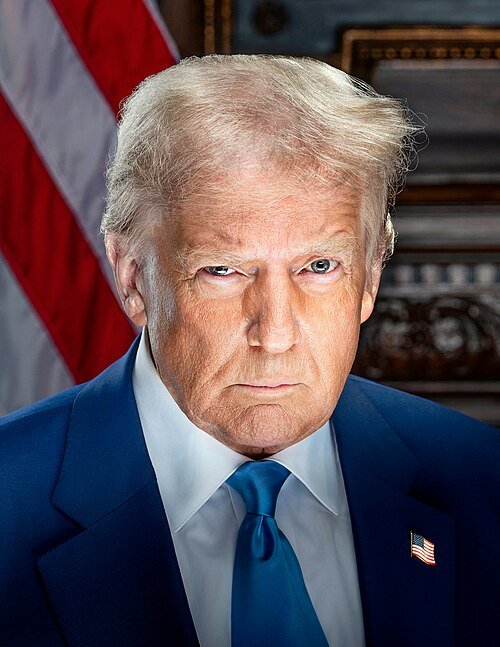
Trump Warns Iran of ‘Complete Decimation’ Over Assassination Threats
Editor pick

Trump Warns Iran of ‘Complete Decimation’ Over Assassination Threats

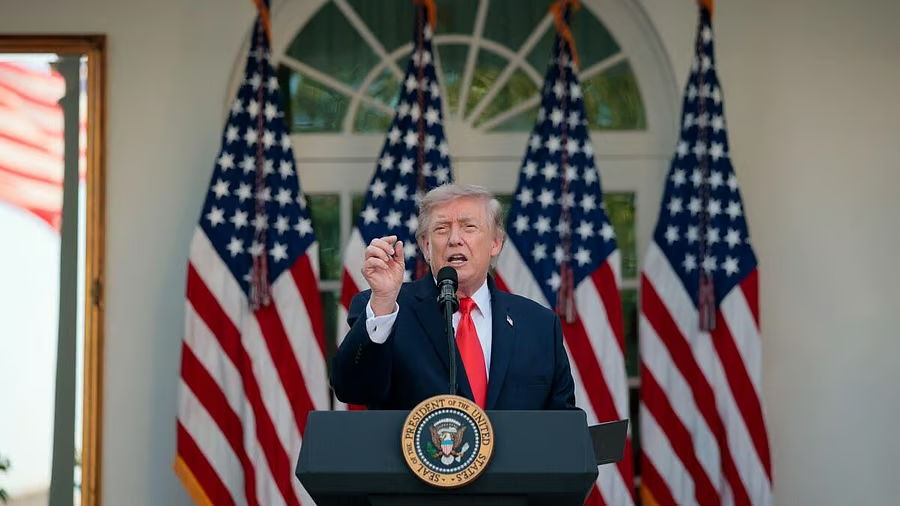
US President Donald Trump on Friday warned that the United States would “completely decimate” Iran if it attempted or carried out an assassination against the sitting US president. The remarks, made on his social media platform Truth Social, come amid ongoing tensions between Washington and Tehran and follow recent reports of alleged threats against Trump. Trump Issues Strong Warning to Iran In a post on Truth Social, Trump said Iran would face devastating military consequences if it acted on what he described as assassination threats directed at the US president. He claimed that “1,000 missiles are locked and loaded” and aimed at Iran, adding that thousands more would immediately follow if any assassination attempt were carried out. Trump also stated that military orders had already been issued and that US forces would remain prepared to respond for up to one year, with the option of extending that timeframe if necessary. Trump Threatens Overwhelming Military Response According to Trump, the United States military stands “ready, willing, and able” to launch a large-scale response if Iran were to target the US president. He warned that any assassination attempt would trigger an immediate military retaliation and said the United States would “completely decimate and destroy all areas of Iran.” However, Trump did not provide evidence to support his claim that Iran was actively planning an assassination attempt. US-Iran Tensions Remain High Relations between the United States and Iran have remained strained for years over issues including regional security, economic sanctions, Iran’s nuclear program, and military confrontations across the Middle East. Trump’s latest statement adds to the escalating rhetoric between the two countries and is expected to draw international attention as governments continue monitoring developments affecting regional stability. No Immediate Response from Iran At the time of publication, neither the Iranian government nor US national security officials had issued an immediate public response to Trump’s latest remarks. The statement comes as geopolitical tensions in the Middle East remain elevated, with policymakers and global markets closely watching developments between Washington and Tehran.

AGP Exposes Rs669bn Irregularities At PSO
Pakistan

AGP Exposes Rs669bn Irregularities At PSO

The Auditor General of Pakistan (AGP) has uncovered audit observations worth Rs669.302 billion against Pakistan State Oil (PSO) for FY2023-24, with Rs472.033 billion identified as recoverable. The audit highlights serious concerns over financial management, governance, procurement practices, operational safety, and legal compliance at Pakistan’s largest oil marketing company. AGP Flags Massive Recoverable Amounts According to the audit report for 2024-25, PSO faces significant financial challenges stemming from weak internal controls and delayed recoveries. The largest audit observation relates to Rs467.708 billion in outstanding receivables from bulk consumers, retailers, and other entities. The AGP noted that delayed recoveries forced PSO to rely heavily on bank borrowings, increasing the company’s financing costs by approximately Rs12.557 billion during the financial year. Outstanding Receivables Continue to Fuel Circular Debt The audit revealed that trade debts stood at Rs439.430 billion as of June 30, 2024. Among the major outstanding amounts were: The audit attributed the situation to management weaknesses, while PSO informed auditors that it had recovered around 81 percent of the flagged amount. The Departmental Accounts Committee (DAC) directed the company to continue recovery efforts. Delayed Payment Surcharges Not Recognized The AGP also highlighted that PSO did not execute a tripartite agreement with SNGPL and SSGC, resulting in the non-recognition of Rs176.125 billion in delayed payment surcharges, including Rs78.577 billion relating to FY2023-24. Meanwhile, the company incurred Rs39.774 billion in financing costs due to delayed recoveries, reflecting the ongoing impact of Pakistan’s circular debt crisis on the energy sector. Audit Highlights Weak Internal Controls The report also pointed to internal control failures involving Rs243.746 million in irregular transactions conducted through PSO fuel cards. Auditors identified unusually large transactions and weak security controls, raising concerns over fraud risks. The matter has been referred to the Federal Investigation Agency (FIA), while PSO reported that partial recoveries have been made and certain amounts have been withheld pending investigation. Governance Concerns Remain The AGP concluded that persistent weaknesses in receivables management, financial controls, and governance continue to expose PSO to higher financing costs and operational risks. The audit recommends stronger internal controls, faster recovery of outstanding dues, improved oversight, and enhanced compliance measures to safeguard public resources and improve the company’s financial health.

Deadly Wildfire in Southern Spain Kills 11, Leaves 19 Missing
World

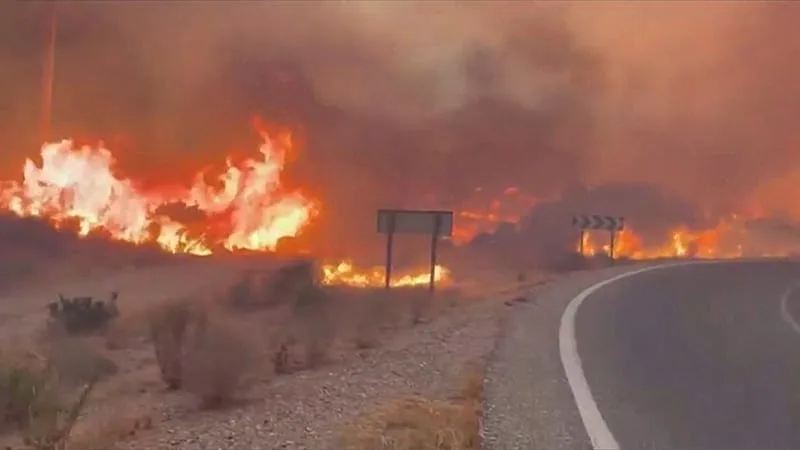
Deadly Wildfire in Southern Spain Kills 11, Leaves 19 Missing

A devastating wildfire in southern Spain has claimed at least 11 lives and left 19 people missing, as firefighters continue battling one of the country’s deadliest blazes in recent years. The rapidly spreading fire has forced thousands of residents to evacuate, destroyed homes, and scorched vast areas of forest, with authorities warning that strong winds and extreme heat continue to hamper containment efforts. Wildfire Spreads Rapidly Across Southern Spain The wildfire erupted in southern Spain before quickly expanding due to high temperatures, dry vegetation, and powerful winds. Emergency services launched large-scale evacuation operations as flames threatened residential communities and critical infrastructure. Officials confirmed that at least 11 people have died, while search teams are working to locate 19 individuals who remain unaccounted for. Rescue operations are continuing under difficult conditions as firefighters attempt to contain multiple fire fronts. Thousands Evacuated as Firefighters Battle Blaze Authorities have evacuated thousands of residents from affected towns and villages as a precaution. Hundreds of firefighters, supported by aircraft and emergency response teams, have been deployed to combat the wildfire. Emergency officials warned that changing weather conditions and strong winds continue to fuel the blaze, making containment efforts more challenging. Extreme Weather Raises Wildfire Risk Spain has experienced prolonged heatwaves and exceptionally dry conditions this summer, significantly increasing wildfire risks across the country. Experts say climate change is contributing to more frequent and intense wildfires across southern Europe, where rising temperatures and drought have created ideal conditions for fast-moving fires. Authorities have urged residents to follow evacuation orders and avoid affected areas while emergency services continue firefighting and rescue operations. Investigation Underway Spanish authorities have launched an investigation into the cause of the wildfire. While the exact origin remains unknown, officials are assessing whether natural factors or human activity may have triggered the blaze. Search and recovery efforts remain ongoing as emergency teams continue to assess the full extent of the destruction.

Pakistan Auto Policy: Small Cars May Not Get Cheaper as IMF Raises Objections
Auto

Pakistan Auto Policy: Small Cars May Not Get Cheaper as IMF Raises Objections

Pakistan’s automotive sector is moving toward another major policy shift, but the government’s proposed reforms now hinge on approval from the International Monetary Fund (IMF). The upcoming Pakistan Auto Policy aims to attract investment, strengthen local manufacturing, create employment, and introduce higher international safety standards. However, proposed tax incentives are facing resistance from the IMF, creating uncertainty over whether consumers will benefit from lower vehicle prices. Pakistan Auto Policy Under IMF Review The federal government is expected to consult the IMF before finalizing tax-related measures under the new Pakistan Auto Policy, according to official sources. One of the key proposals under discussion is reducing the sales tax on 800cc vehicles from 18 percent to 12.5 percent. The government believes the reduction would make entry-level cars more affordable and stimulate demand in the local automobile market. However, the IMF has reportedly expressed reservations, arguing that lowering the tax could reduce government revenues at a time when Pakistan remains committed to meeting strict fiscal targets under its economic reform programme. The disagreement highlights the growing influence of IMF-backed fiscal reforms on Pakistan’s tax and industrial policies. Government Seeks to Attract Investment Prime Minister Shehbaz Sharif has directed the relevant ministries to formulate an investor-friendly Pakistan Auto Policy aimed at encouraging both domestic and foreign investment. The government hopes the new policy will create a stable business environment that encourages global automakers to expand operations in Pakistan, increase production capacity, and strengthen the country’s automotive supply chain. Officials believe these measures could improve Pakistan’s competitiveness and position the country as a more attractive destination for automotive investment. Focus on Local Manufacturing and Employment A key objective of the policy is to increase local manufacturing and reduce reliance on imported auto parts. Industry experts say higher localization would strengthen Pakistan’s vendor industry, reduce import dependency, and create thousands of jobs across manufacturing, engineering, logistics, and related sectors. Greater domestic production could also improve long-term cost efficiency for automakers operating in Pakistan. Higher Safety Standards Planned The proposed Pakistan Auto Policy also seeks to align locally assembled vehicles with internationally recognized safety standards. The government wants manufacturers to adopt modern production technologies and improve vehicle quality, enabling Pakistani-made vehicles to compete more effectively in export markets while offering safer products to domestic consumers. Improved safety regulations are also expected to boost consumer confidence in locally manufactured vehicles. Carbon Tax Proposal Under Consideration The government is also evaluating the introduction of a carbon tax on gasoline-powered and hybrid vehicles as part of its broader environmental strategy. The proposal reflects Pakistan’s increasing focus on reducing emissions and encouraging cleaner transportation options. If implemented, it could influence future vehicle purchasing decisions and encourage manufacturers to invest in greener technologies. Final Policy Depends on IMF Approval Before the Pakistan Auto Policy is finalized, the government is expected to continue discussions with the IMF regarding tax incentives, exemptions, and their fiscal impact. The final policy is likely to reflect a balance between Pakistan’s goal of promoting industrial growth and the IMF’s insistence on maintaining fiscal discipline. The outcome will be closely watched by automakers, investors, dealers, and consumers, as it will shape future investment, vehicle pricing, manufacturing activity, and employment across Pakistan’s automotive sector.

PSX Closing Bell: Banking Stocks Push KSE-100 Higher Despite Global Uncertainty
Business

PSX Closing Bell: Banking Stocks Push KSE-100 Higher Despite Global Uncertainty

The PSX Closing Bell delivered another encouraging session for investors as the Pakistan Stock Exchange ended Friday with solid gains, extending its upward momentum despite persistent geopolitical tensions in the Middle East. Strong buying in banking shares helped the benchmark KSE-100 Index remain firmly in positive territory throughout the trading day, highlighting growing confidence in Pakistan’s equity market. Although concerns surrounding the U.S.-Iran situation continue to influence global markets, relatively stable crude oil prices prevented panic selling and encouraged investors to selectively accumulate fundamentally strong stocks. The latest session reflects a market that is becoming increasingly resilient, with institutional investors showing confidence in sectors expected to benefit from improving economic conditions. PSX Closing Bell Shows Strong Momentum in the KSE-100 Index The PSX Closing Bell saw the benchmark KSE-100 Index settle at 182,241.77 points, gaining 982.10 points, or 0.54%, compared with the previous session. The market maintained positive momentum throughout the day, reaching an intraday high of 183,477.57 points, while the lowest level recorded was 181,880.54 points, indicating that buyers remained firmly in control during the session. The KSE-100 Index traded a total of 412.98 million shares, demonstrating healthy participation from investors. Out of the 100 companies included in the benchmark index, 68 stocks advanced, 31 declined, and one remained unchanged, reflecting broad-based buying across multiple sectors. Banking Sector Emerges as the Biggest Winner Commercial banks once again became the backbone of the market rally. The banking sector contributed nearly 572 points to the benchmark index, making it the single largest driver of Friday’s gains. Among individual stocks, Meezan Bank (MEBL) made the largest contribution to the index, followed by United Bank Limited (UBL), Habib Bank Limited (HBL), MCB Bank, and Askari Bank (AKBL). Their strong performance suggests that investors continue to favor financially stable institutions as expectations for economic recovery strengthen. The cement sector also delivered a meaningful boost to market performance, while oil and gas exploration companies, property-related stocks, and miscellaneous sectors added further support to the overall rally. Top Performing Stocks Capture Investor Attention Several companies posted impressive gains during the trading session. GHNI emerged among the strongest performers with a gain exceeding six percent, while SSOM, JVDC, LOTCHEM, and SHFA also recorded notable advances. On the other hand, some stocks experienced profit-taking pressure. MEHT suffered the sharpest decline of the session, followed by IBFL, SAZEW, HGFA, and SNGP, which limited the benchmark’s overall advance. Market activity remained concentrated in high-volume stocks. CNERGY attracted the highest investor interest by trading more than 151 million shares, followed by K-Electric (KEL), WorldCall Telecom (WTL), TSBL, PRL, LOTCHEM, SPSL, BLUEX, BAFL, and LSECL. Strong trading volumes indicate that liquidity remains healthy even as investors become more selective in their stock choices. Broader Market Performance Remains Positive The broader Pakistan Stock Exchange also reflected improving sentiment. The All-Share Index climbed 653.91 points to close at 110,583.67, confirming that gains were not limited to large-cap companies alone. Overall market volume reached 948.78 million shares, while the total value of traded shares stood at Rs38.41 billion. Trading activity was spread across 495 listed companies, with 292 stocks closing higher, 170 declining, and 33 remaining unchanged, demonstrating widespread participation from investors. What the PSX Closing Bell Means for Investors The latest PSX Closing Bell reinforces the view that investor confidence is gradually strengthening despite ongoing international uncertainties. Stable global oil prices, resilient banking stocks, and continued institutional buying have helped the Pakistan Stock Exchange maintain its upward trajectory. The KSE-100 Index has now gained approximately 1,940 points during the current fiscal year and has advanced 8,187 points, or nearly 4.7%, since the beginning of the calendar year. If macroeconomic indicators continue to improve and geopolitical risks remain contained, analysts believe the market could maintain its positive momentum in the coming weeks. Outlook For investors, Friday’s session highlighted a familiar trend: strong banking stocks continue to lead market recoveries, while broad participation across multiple sectors suggests confidence is slowly returning to Pakistan’s capital markets.

Faysal Bank Accelerates Groundbreaking of Branch in Digitally Enabled Village Papnakha
Pakistan

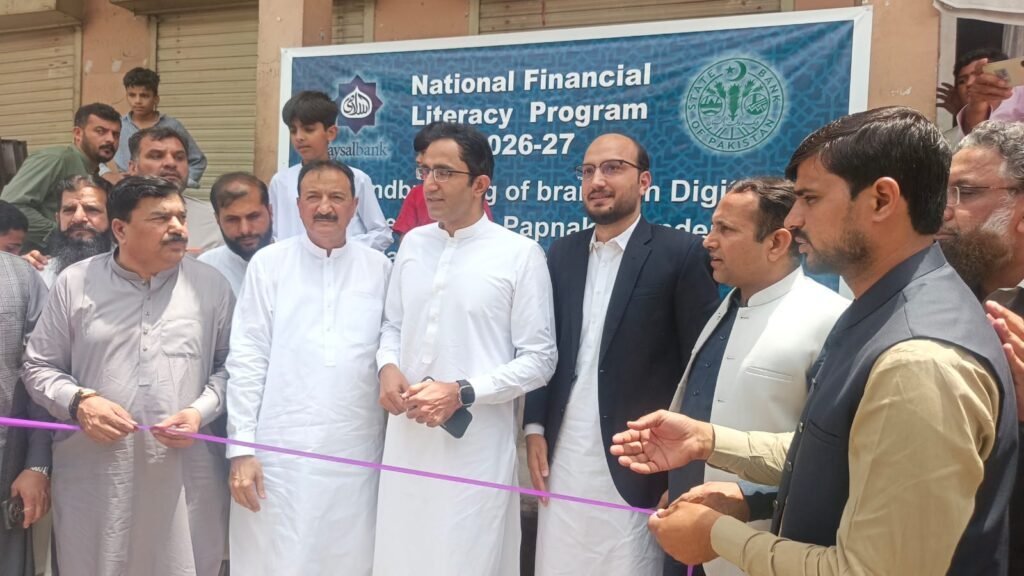
Faysal Bank Accelerates Groundbreaking of Branch in Digitally Enabled Village Papnakha

Faysal Bank (FBL) has initiated a rural financial inclusion drive in Papnakha Village, Gujranwala, as part of its ongoing efforts aligned with the State Bank of Pakistan’s National Financial Inclusion Strategy 2024-28. The initiative marks another step toward expanding access to digital banking services in underserved areas while supporting Pakistan’s transition toward a more inclusive digital economy. Faysal Bank Launches Rural Financial Inclusion Initiative The initiative is aimed at transitioning Papnakha Village toward a cashless, digitally enabled ecosystem, in line with broader national efforts to promote financial inclusion and reduce reliance on informal cash-based transactions. As part of the programme, Faysal Bank has broken ground on a dedicated branch in Papnakha Village, which is expected to improve access to formal banking services for local residents. The branch will support account opening, digital transactions, and other essential financial services. New Branch to Expand Access to Banking Services The upcoming branch is designed to bring convenient and secure financial services closer to the local community. By establishing a physical banking presence in the village, Faysal Bank aims to improve financial accessibility while encouraging greater adoption of digital payment solutions and formal banking channels. The initiative supports broader efforts to integrate underserved communities into Pakistan’s formal financial system. Financial Literacy Sessions Promote Digital Banking Alongside the branch groundbreaking, Faysal Bank conducted financial literacy sessions for community members, focusing on the use of digital financial tools and responsible banking practices. The engagement attracted participation from local residents, reflecting growing interest in formal financial services and digital banking solutions at the grassroots level. The programme is intended to enhance awareness of digital financial products while equipping community members with the knowledge needed to manage their finances more effectively. Supporting Pakistan’s National Financial Inclusion Goals The initiative has been implemented despite operational constraints, with stakeholders describing it as an early example of how targeted interventions can support financial inclusion in rural markets. The development comes as Pakistan continues to advance financial inclusion through public-private collaboration, with banks playing an increasingly important role in expanding outreach and accelerating digital adoption in remote areas. Outlook Faysal Bank’s initiative in Papnakha Village reflects the banking sector’s growing focus on extending financial services beyond urban centres. As more rural communities gain access to digital banking infrastructure and financial literacy programmes, such efforts are expected to contribute to higher financial inclusion, greater digital payment adoption, and stronger economic participation across Pakistan.

ITANZ Technologies Bonus Shares: ITANZ Approves 10 Percent Bonus Issue and Plans Rs5 Billion Capital Expansion
Pakistan

ITANZ Technologies Bonus Shares: ITANZ Approves 10 Percent Bonus Issue and Plans Rs5 Billion Capital Expansion

Investors in ITANZ Technologies Bonus Shares received encouraging news after the company’s Board of Directors approved a 10 percent interim bonus share issue for the financial year ending June 30, 2026. Alongside rewarding shareholders, the board also proposed a substantial increase in the company’s authorized share capital, highlighting management’s confidence in the company’s financial strength and long-term expansion strategy. The announcement, disclosed through a notification submitted to the Pakistan Stock Exchange (PSX), reflects ITANZ Technologies Limited’s commitment to strengthening shareholder value while preparing the business for future growth opportunities. ITANZ Technologies Bonus Shares to Reward Existing Shareholders The board approved an interim bonus share issue that will grant shareholders 10 additional shares for every 100 shares held. The bonus shares will be issued by capitalizing the company’s retained earnings and free reserves, meaning shareholders will receive additional shares without making any further investment and without any cash leaving the company’s business. The decision follows detailed discussions by the board regarding the company’s financial performance, sustained profitability, and earnings growth over the previous financial year as well as the latest half-year results. Directors concluded that the company’s financial position supports rewarding shareholders while maintaining a healthy capital structure. The bonus issue has been approved under the provisions of the Companies (Further Issue of Shares) Regulations, 2020, read together with the Companies Act, 2017. Why the Bonus Share Issue Matters Although a bonus issue does not immediately increase the overall market value of an investor’s holdings, it often signals management’s confidence in the company’s financial stability and future earnings potential. According to the board, the bonus issue is expected to: Improved liquidity often attracts greater investor participation, making a company’s shares more actively traded on the Pakistan Stock Exchange. Company Plans Massive Increase in Authorized Share Capital In another significant development, the board proposed increasing the company’s authorized share capital from Rs1.2 billion to Rs5 billion. The proposed capital structure would consist of 500 million ordinary shares with a face value of Rs10 each, compared with the current authorized capital of 120 million ordinary shares of Rs10 each. The increase will require shareholder approval through a special resolution. Following approval, the company will amend the relevant clauses of its Memorandum and Articles of Association, subject to all required regulatory approvals. This proposed expansion provides ITANZ Technologies with greater flexibility to raise capital in the future, support business expansion, pursue strategic investments, and meet long-term financing requirements without repeatedly seeking changes to its capital structure. Important Dates for Shareholders Shareholders interested in receiving the ITANZ Technologies Bonus Shares should note the important eligibility dates announced by the company. The Share Transfer Books will remain closed for one day on Tuesday, July 21, 2026, to determine shareholder entitlement. Investors whose names appear in the Register of Members or in their Central Depository System (CDS) sub-accounts and participant accounts at the close of business on Monday, July 20, 2026, will qualify for the bonus shares. Eligible shares will be credited directly into shareholders’ respective CDS accounts. Outlook The latest announcement reflects growing confidence within ITANZ Technologies regarding its operational performance and future business prospects. A bonus share issue combined with a substantial increase in authorized share capital is often interpreted by investors as a sign that management expects continued business expansion and intends to strengthen the company’s financial foundation. While the proposal to increase authorized capital still requires shareholder approval, the board’s decisions indicate that ITANZ Technologies is positioning itself for sustained growth while rewarding existing investors. Market participants will closely monitor the company’s future financial performance and strategic initiatives as it moves into its next phase of expansion.

Pakistan Tariff Rationalisation Drives Duty-Free Imports Surge to 39% and Signals a New Era for Industry
Business

Pakistan Tariff Rationalisation Drives Duty-Free Imports Surge to 39% and Signals a New Era for Industry

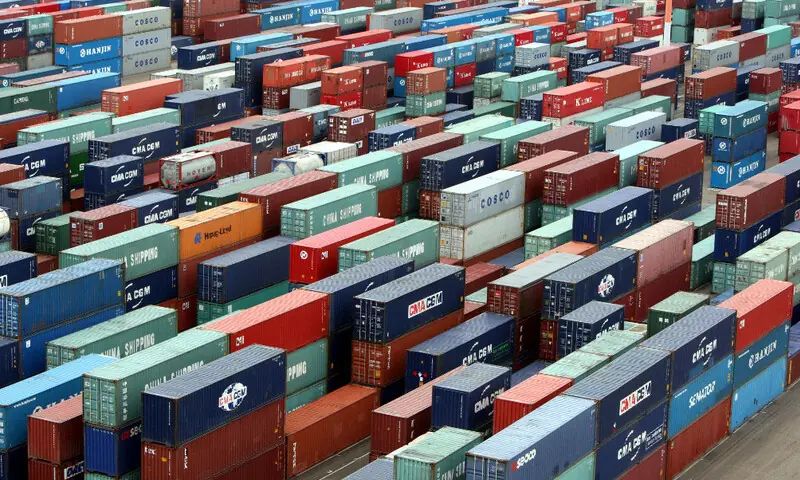
Pakistan Tariff Rationalisation is rapidly changing the country’s trade landscape, with official data revealing that nearly 40 percent of Pakistan’s imports entered the country without customs duties during the outgoing fiscal year (FY26). The development marks one of the most significant shifts in Pakistan’s import policy in recent years and highlights the government’s broader strategy to strengthen industrial growth, reduce production costs, and make local manufacturers more competitive in domestic and international markets. Pakistan Tariff Rationalisation Reshapes the Import Bill According to official data, Pakistan imported goods worth $68.99 billion during FY26. Out of this total, imports valued at $27.02 billion, representing 39.2 percent of the country’s overall import bill, entered Pakistan without attracting customs duties. Meanwhile, imports worth $41.97 billion, or 60.8 percent of the total import value, remained subject to customs duties. The figures demonstrate a clear policy direction by the government to reduce import costs for industrial raw materials and production inputs while continuing to collect revenue from other categories of imported goods. Pakistan Tariff Rationalisation Focuses on Industrial Competitiveness The government’s tariff reforms are designed to lower the cost of doing business by making essential industrial inputs more affordable. Manufacturers have long argued that high import duties on machinery, raw materials, and intermediate goods increase production costs and reduce Pakistan’s competitiveness in export markets. By expanding duty-free access for industrial imports, policymakers hope to encourage higher production, improve export performance, attract fresh investment, and create a more competitive manufacturing sector. Business analysts believe that lower import costs could also support industries facing rising global competition, allowing Pakistani products to compete more effectively on price and quality. Second Phase of Pakistan Tariff Rationalisation Begins The government has already launched the second phase of its ambitious Five-Year Tariff Reform Plan (2025-2030) through the FY27 federal budget. As part of the latest reforms, authorities have significantly reduced import-related duties across thousands of tariff categories. The government has cut Additional Customs Duty (ACD) on 3,149 tariff lines, providing relief to a wide range of industrial sectors. In addition, Regulatory Duty (RD) has been reduced to 20 percent on more than 1,900 tariff lines, further easing the financial burden on importers and manufacturers. These measures are intended to simplify Pakistan’s tariff structure while encouraging industrial expansion and long-term economic growth. What Pakistan Tariff Rationalisation Means for Businesses For Pakistan’s manufacturing and export sectors, the tariff reforms represent more than just lower import duties. They signal a broader economic strategy aimed at increasing industrial efficiency and improving the country’s investment climate. Lower duties on production inputs can help businesses reduce operational expenses, improve profit margins, and invest in expanding production capacity. Export-oriented industries, including textiles, engineering, pharmaceuticals, chemicals, and automotive manufacturing, are expected to benefit the most if cheaper imported inputs translate into lower production costs. However, economists caution that the success of Pakistan Tariff Rationalisation will ultimately depend on consistent policy implementation, stable exchange rates, reliable energy supplies, and continued reforms that support industrial productivity. Outlook Pakistan Tariff Rationalisation is emerging as one of the government’s most significant economic reform initiatives. With nearly two-fifths of imports now entering duty-free and further reductions in customs and regulatory duties underway, the country is attempting to build a more competitive industrial economy. Whether these reforms lead to stronger exports, increased investment, and sustainable economic growth will become clearer over the coming years, but the FY26 import data already suggests that Pakistan’s trade policy is entering a new phase focused on competitiveness rather than protectionism.

Israel Shares Intelligence with US on Alleged Iranian Plot to Kill Trump
Editor pick

Israel Shares Intelligence with US on Alleged Iranian Plot to Kill Trump

Israel has shared new intelligence with the United States pointing to an alleged Iranian plot to kill President Donald Trump. The Wall Street Journal reported the development on Thursday, citing people familiar with the matter. The disclosure comes at a time of heightened military tensions between Washington and Tehran. Alleged Plot and Its Background The intelligence reportedly revives long-standing Iranian threats against Trump. These threats are linked to the January 2020 US drone strike that killed Iranian General Qassem Soleimani. Iran had repeatedly vowed retaliation for that operation carried out during Trump’s first term. The new information could further escalate the already fragile situation in the region. The Wall Street Journal report did not provide specific details about the timing or nature of the alleged plot. Israeli Embassy officials in Washington declined to comment on the matter. Iran’s Mission to the United Nations did not immediately respond to requests for comment. US-Israel Coordination Amid Recent Escalation The report emerges against the backdrop of direct military exchanges between the two countries in recent days. Iran launched strikes on US military infrastructure in Bahrain, Kuwait, Qatar and Jordan. These actions were described as retaliation for earlier US strikes on Iranian targets. President Trump addressed the threats while speaking at the NATO Summit in Ankara. “They want to take out the US leader—me,” he said. “I’m on every list. I saw this morning, I’m on every single one of their lists. And so far, I guess I’ve been a little bit lucky, but that maybe doesn’t last very long.” Trump and Israeli Prime Minister Benjamin Netanyahu spoke by phone on Thursday. Both sides agreed to continue close coordination on security matters. The White House referred questions about the intelligence to the President’s earlier public remarks. Ongoing Situation Further developments are expected as Washington and Tehran remain locked in heightened tensions, with international observers closely monitoring the evolving security situation and any official confirmation regarding the reported intelligence.

Sheikh Hasina Plans December Return to Bangladesh Despite Death Sentence
World

Sheikh Hasina Plans December Return to Bangladesh Despite Death Sentence

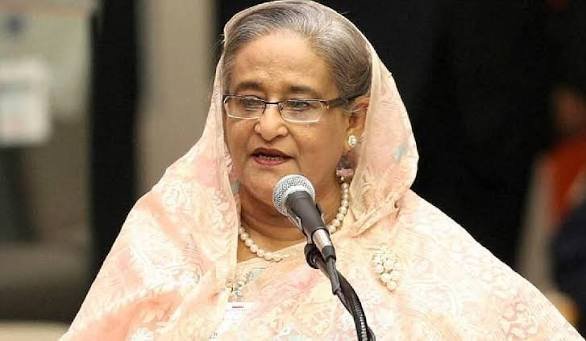
Former Bangladesh Prime Minister Sheikh Hasina has announced plans to return to Bangladesh in December from self-imposed exile in India, saying she will surrender before the courts despite facing a death sentence handed down in absentia by a war-crimes tribunal. Hasina Vows to Return to Her Homeland The former leader fled Bangladesh in 2024 after student-led protests ended her long rule. A war-crimes court later sentenced her to death in absentia for allegedly ordering a crackdown that killed up to 1,400 people, according to a United Nations report. Hasina has denied all allegations against her. Expressing her emotional attachment to Bangladesh, she said, “If death comes, I want it to come on my own soil, where my parents are buried and where their blood was shed.” Return Could Have Major Political and Diplomatic Impact Hasina’s planned return is expected to deepen political divisions in the South Asian nation of 170 million people as the interim government continues efforts to restore stability. The move could also influence relations between Bangladesh and India, which has hosted the former prime minister since she left office. Bangladesh has repeatedly sought her extradition. However, Hasina said she has not coordinated her return with any foreign government and intends to return voluntarily. She added that while the authorities in Dhaka continue sending extradition requests to India, she plans to return on her own. Awami League Ban Remains a Key Issue The Awami League remains banned, with many of its leaders and supporters facing legal cases, arrests, or attacks. Despite the restrictions, Hasina said she has been reorganising the party through online meetings covering 125 constituencies. She also called for the ban on the Awami League to be lifted, arguing that voters—not the authorities—should determine the party’s future. According to Hasina, although she may have been convicted and could be barred from contesting elections, there is no justification for suspending the Awami League. Hasina Defends Her Political Legacy Hasina entered national politics after the assassination of her father, Sheikh Mujibur Rahman, in the 1975 military coup. She has been widely credited with overseeing significant economic growth during her years in office. However, critics have accused her government of suppressing political opposition and dissent throughout her two decades in power—allegations she has consistently denied. Hasina has also been arrested multiple times in the past during political movements against military rule. Former Prime Minister Says She Is Ready to Face Court Despite the possibility of imprisonment or even execution, Hasina said she is not afraid to return or face legal proceedings. Drawing on her previous experiences of detention, she reiterated her determination to return to Bangladesh, defend herself in court, and continue advocating for the Awami League.

Scroll to Top