Author name: Web Desk

Bilawal Bhutto Zardari Signals Hope as Pakistan Hosts Crucial US-Iran Talks in Islamabad
Politics

Bilawal Bhutto Zardari Signals Hope as Pakistan Hosts Crucial US-Iran Talks in Islamabad

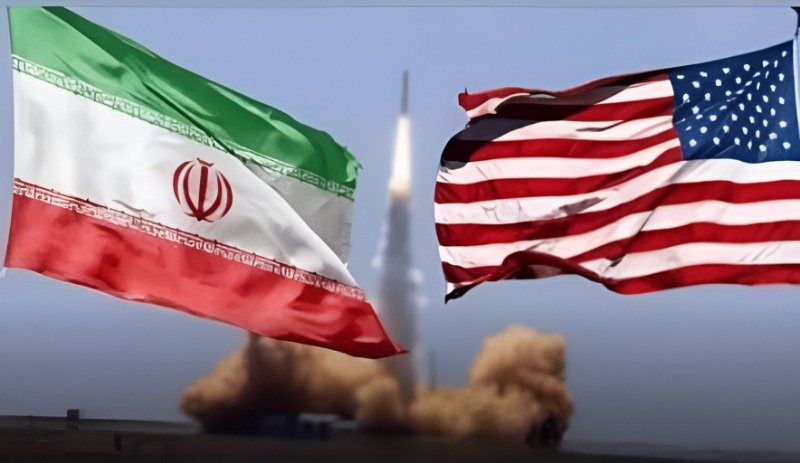
Bilawal Bhutto Zardari has said that lifting sanctions on Iran could unlock economic and strategic benefits not just for Pakistan, but for a broader global community, as Islamabad prepares to host crucial ceasefire talks between Iran and the United States. Read More: https://theboardroompk.com/pakistan-oil-gas-sector-reports-three-discoveries-in-march-2026-amid-isreal-us-war-on-iran/ Pakistan is set to play a central diplomatic role this week. Authorities have finalised all arrangements for high-stakes negotiations in Islamabad. The talks come after a fragile ceasefire between Washington and Tehran, raising cautious optimism across global markets and diplomatic circles. Pakistan Emerges as a Key Diplomatic Bridge Speaking about the upcoming dialogue, Bilawal Bhutto Zardari said the world is now increasingly looking toward Pakistan as a constructive force for peace. He stressed that Islamabad’s role goes beyond regional politics and reflects its growing importance in global diplomacy. He noted that the international community expects Pakistan to help stabilise volatile situations. According to him, hosting talks between Iran and the United States signals trust in Pakistan’s diplomatic capacity. Officials believe the Islamabad meeting could become a turning point. If successful, it may pave the way for broader agreements, including economic cooperation and regional security frameworks. Moreover, Pakistan’s involvement highlights its strategic position. It shares borders with Iran and maintains working relations with the United States. This balance places Islamabad in a unique position to mediate between both sides. Sanctions Relief Could Reshape Regional Economy Bilawal expressed strong hope that the talks would lead to the lifting of sanctions on Iran. He said such a move would not only benefit Pakistan but also contribute to global economic recovery. Sanctions have long restricted Iran’s trade, particularly in energy exports. If lifted, global oil supply could increase, potentially stabilising energy prices worldwide. For Pakistan, the benefits could be immediate. Access to Iranian energy resources could ease domestic shortages and reduce import costs. Trade routes between the two neighbours could also reopen, boosting cross-border commerce. Furthermore, regional connectivity projects could gain momentum. Economic corridors linking South Asia with the Middle East may see renewed investment. Analysts say this could reshape trade flows across the region. Bilawal emphasised that sanctions relief is not just a bilateral issue. Instead, it carries global implications, especially at a time when economies face inflationary pressures and supply chain disruptions. Strong Reaction to India’s Position While addressing foreign policy matters, Bilawal Bhutto Zardari also criticised Subrahmanyam Jaishankar, India’s External Affairs Minister. He said India’s stance reflects narrow-mindedness and frustration. According to him, such remarks reveal a limited outlook on regional cooperation. Bilawal argued that Pakistan is steadily emerging as a responsible global actor. He pointed out that constructive diplomacy, not criticism, is the need of the hour. The comments come amid ongoing tensions between Pakistan and India. Despite periodic escalations, both countries have managed to maintain ceasefire agreements in the past. Call for Long-Term Peace in South Asia Bilawal Bhutto Zardari highlighted the importance of resolving disputes between Pakistan and India. He said both nations cannot afford to leave conflicts unresolved. He noted that repeated tensions have harmed economic growth and stability in both countries. According to him, a sustained peace process is essential for long-term development. He also linked the ongoing US-Iran ceasefire talks to a broader vision of peace. He said such diplomatic efforts should serve as a starting point for resolving other conflicts. “Ceasefires must not remain temporary arrangements,” he stressed. “They should lead to lasting solutions.” Analysts agree that economic pressures are pushing countries toward dialogue. Rising inflation, energy shortages, and security concerns have increased the urgency for peaceful resolutions. Global Attention on Islamabad Talks The Islamabad talks have drawn international attention. Diplomats, policymakers, and investors are closely watching the outcome. A successful negotiation could strengthen Pakistan’s image as a mediator. It could also encourage future diplomatic initiatives hosted by Islamabad. On the other hand, failure to reach consensus may prolong uncertainty. This could impact global markets, particularly energy prices. Still, optimism remains. The recent ceasefire between Iran and the United States has created a window of opportunity. Experts say sustained dialogue is key to turning that opportunity into a lasting agreement. As talks begin, Pakistan stands at the center of a critical diplomatic moment. The outcome may influence not just regional stability but also global economic trends in the coming months.

Ishaq Dar Announces Visa on Arrival as US-Iran Delegations Land for Historic Negotiations
Editor pick, Pakistan

Ishaq Dar Announces Visa on Arrival as US-Iran Delegations Land for Historic Negotiations

Pakistan has opened its doors to global diplomacy as Ishaq Dar announced visa-on-arrival facilities for delegates attending the highly anticipated “Islamabad Talks 2026,” a summit that could reshape geopolitical dynamics after a deadly conflict between United States and Iran. Read More: https://theboardroompk.com/pakistan-oil-gas-sector-reports-three-discoveries-in-march-2026-amid-isreal-us-war-on-iran/ In a statement shared on X, Ishaq Dar said Pakistan would facilitate all participants, including journalists and official representatives. He directed airlines to allow boarding without prior visas, assuring that immigration authorities in Pakistan would issue visas upon arrival. This move reflects Islamabad’s intent to position itself as a welcoming and neutral platform for high-stakes diplomacy at a critical global moment. Pakistan Opens Doors for Global Diplomacy The Islamabad Talks 2026 have already drawn significant international attention. Pakistan’s decision to ease entry requirements aims to ensure smooth participation from all stakeholders. Officials say the initiative highlights Pakistan’s proactive diplomatic approach. It also signals confidence in hosting one of the most consequential negotiations in recent history. By simplifying travel procedures, Islamabad is sending a strong message. The country wants dialogue to take precedence over bureaucracy. Analysts believe such facilitation could improve Pakistan’s global image as a peace broker. Moreover, the inclusion of journalists indicates a commitment to transparency. It allows global audiences to closely follow developments as they unfold. High-Level Delegations Arrive in Islamabad The talks come just days after a fragile ceasefire ended a six-week war between the United States and Iran. The conflict left thousands dead and triggered fears of a global economic slowdown. The American delegation is led by Vice President JD Vance. He is accompanied by key envoys including Steve Witkoff and Jared Kushner, both closely linked to former President Donald Trump. On the Iranian side, Parliamentary Speaker Mohammad Bagher Ghalibaf is heading the delegation. He is joined by Foreign Minister Abbas Araghchi and other senior officials. The presence of such high-ranking figures underscores the urgency of the talks. It also reflects the high stakes involved in securing lasting peace. Ceasefire on Edge as Talks Begin The Islamabad dialogue aims to convert a fragile ceasefire into a durable agreement. The truce, achieved after intense diplomatic efforts, remains vulnerable. Tensions across the Middle East continue to simmer. Any misstep could reignite hostilities, analysts warn. Global markets are also reacting cautiously. The six-week war disrupted oil supplies and raised fears of inflation and recession. Therefore, the outcome of these talks carries significant economic implications. Diplomats hope Islamabad can provide neutral ground for constructive engagement. Pakistan’s balanced relations with both countries may help bridge longstanding divides. Capital Under Tight Security Lockdown Authorities have imposed unprecedented security measures across Islamabad ahead of the talks. Key roads have been sealed, and security personnel deployed in large numbers. Surveillance systems have been enhanced to ensure maximum protection for visiting dignitaries. Officials confirmed that the negotiations will take place at a secure, undisclosed location. The lockdown has visibly reduced movement in the capital. Residents have been advised to avoid unnecessary travel during the summit. Security officials say these steps are necessary. They aim to prevent any disruption and ensure the talks proceed without incident. Global Stakes and Expectations The Islamabad Talks 2026 are widely seen as a critical test of diplomacy. World leaders and policymakers are closely monitoring developments. A successful outcome could stabilise the Middle East and ease global economic pressures. It may also lead to the lifting of sanctions on Iran, opening new trade opportunities. For Pakistan, the stakes are equally high. Hosting such a major diplomatic event enhances its international standing. It positions the country as a credible mediator in global conflicts. However, failure could prolong uncertainty. It may deepen divisions and delay economic recovery worldwide. Despite the risks, optimism persists. The ceasefire has created an opportunity for dialogue. Now, all eyes are on Islamabad to see whether that opportunity can turn into lasting peace.

Pakistan Oil & Gas Sector Reports Three Discoveries in March 2026 amid Isreal-US war on Iran
Business

Pakistan Oil & Gas Sector Reports Three Discoveries in March 2026 amid Isreal-US war on Iran

KARACHI: Pakistan has discovered three new fresh sources of oil and gas amid US-Israel war on Iran which has jolted whole world from energy perspective. Read More: https://theboardroompk.com/global-oil-prices-rise-as-iran-tensions-shake-markets-after-ceasefire-dispute/ Topline Securities has issued its latest Oil and Gas Exploration Alert, summarising activity across Pakistan for March 2026. The report points to three new hydrocarbon discoveries while noting a decline in overall production. Industry players are watching closely as the sector balances fresh finds with operational challenges. Three Successful Discoveries Spark Optimism The month saw three notable hydrocarbon discoveries. Mari Petroleum Company (MARI) struck success at Shams-1, while Oil & Gas Development Company (OGDC) announced finds at Baragzai X-1 and Sahito-1. These additions are expected to support future reserves and strengthen local energy supply. In contrast, one dry well was reported — Pario-1 in the Sujawal block, fully operated by MARI. Despite the setback, the discovery count remains positive for the sector.Production Declines but Recovery Signals Emerge Crude oil production stood at 60.7k barrels per day, down 9% month-on-month and 2% year-on-year. Natural gas output fell to 2,732 million cubic feet per day, registering a 12% MoM decline and a marginal 0.1% YoY drop. LPG production was recorded at 2,116 tons per day, up 7% MoM but down 3% YoY. Weekly trends, however, suggest flows may rebound soon due to recent disruptions in RLNG supply. Province-wise, Khyber Pakhtunkhwa led oil output at 61%, followed by Punjab at 32%. For gas, Sindh dominated with 65%, while Balochistan contributed 22%.Analysts believe the discoveries and expected production recovery could ease pressure on imports and support the country’s energy needs in the coming months.

Customs Seizes Over 300 Tolas of Gold at Karachi Airport Passenger Under Investigation
Pakistan

Customs Seizes Over 300 Tolas of Gold at Karachi Airport Passenger Under Investigation

Karachi’s Jinnah International Airport became the center of a major Customs gold seizure Karachi after officials confiscated more than 300 tolas of gold from a passenger and his family. The passengers arrived from Abu Dhabi and could not provide legal documentation for carrying the gold into Pakistan. Read More: https://theboardroompk.com/global-oil-prices-rise-as-iran-tensions-shake-markets-after-ceasefire-dispute/ Authorities said the discovery occurred during routine scanning of luggage and hand-carried bags. The initial detection prompted a detailed search, which led to the recovery of a large quantity of gold jewellery, gold bars, and foreign currency. The seized items included 281 tolas of gold jewellery, consisting of bangles and rings, along with 20 tolas of gold bars. In addition, Customs officials recovered $33,100 in US dollars and 366,000 UAE dirhams from the passenger. A case has been registered against the passenger for attempting to smuggle valuables into the country. Customs authorities have confirmed that all confiscated items are now in their custody. Officials emphasized that carrying undeclared gold and foreign currency violates Pakistan’s customs laws. The seizure underlines ongoing efforts to curb smuggling and protect the country’s financial system. Investment Expected to Flow into Pakistan Soon In a related development, Federal Minister for Board of Investment Qaiser Ahmed Sheikh stated that significant investment is expected to enter Pakistan within the next 15 days. Speaking on the ARY News program “Sawal Yeh Hai,” Sheikh said the Iran conflict is likely to end within two weeks. He predicted that normalcy would return rapidly afterward. Sheikh highlighted that Pakistan has emerged as a stable country amid regional instability. He noted that many Pakistanis who invested in Gulf countries, including the UAE, might repatriate their capital due to ongoing conflicts. “After the next 15 days, a huge inflow of capital will come to Pakistan. We only need to provide the right incentives to investors. Many Pakistanis who invested in the Gulf are now regretting it,” he said. The minister described the turmoil in the Middle East as “a blessing in disguise” for Pakistan. He emphasized that proper incentives, including reduced taxes, must be offered to attract and retain investment. “We also need to prevent investors from diverting funds to other countries such as Hong Kong,” Sheikh added. The Customs gold seizure Karachi and related foreign currency recovery highlight both regulatory enforcement and the economic opportunities for Pakistan. Analysts say that repatriated Gulf investment could strengthen local markets if properly channeled. Customs authorities confirmed that smuggling cases like this one are being closely monitored. They reiterated that any attempt to import undeclared valuables will face strict action under Pakistani law. Pakistan’s authorities continue to focus on enforcing customs regulations while the government prepares to capitalize on anticipated foreign investment. The combination of law enforcement and investor incentives may play a crucial role in strengthening Pakistan’s economic outlook in the coming weeks.

Global Oil Prices Rise as Iran Tensions Shake Markets After Ceasefire Dispute
World

Global Oil Prices Rise as Iran Tensions Shake Markets After Ceasefire Dispute

The energy market is once again on edge as global oil prices rise following renewed tensions between Iran and the United States. Investors reacted quickly to fresh geopolitical risks that could disrupt supply routes. The increase comes just a day after a sharp decline in crude markets, highlighting the volatility driven by ongoing diplomatic uncertainty. Oil Markets Rebound After Sharp Sell-Off Oil prices moved higher on Thursday after suffering a steep fall in the previous session. The earlier drop marked the biggest single-day decline since 2020 for US crude. However, the market quickly reversed direction as new developments emerged from the Middle East. Brent crude futures climbed by $4.08, reaching $97.06 per barrel. At the same time, West Texas Intermediate crude gained $3.18 to trade at $97.59 per barrel. The rebound shows how sensitive markets remain to political developments. Analysts say the shift reflects renewed fears about supply disruptions. Even minor escalations in tensions can trigger immediate price reactions. Iran Accuses US of Breaking Ceasefire Terms The latest surge comes after strong statements from Iranian leadership. Parliamentary Speaker Mohammad Bagher Ghalibaf accused Washington of violating key terms of a recently agreed ceasefire. He outlined three major concerns. First, he pointed to continued Israeli military activity in Lebanon. Second, he alleged a drone incursion into Iranian airspace after the ceasefire began. Third, he criticized the US stance against Iran’s uranium enrichment. These accusations have deepened mistrust between both sides. They have also increased uncertainty in global markets. As a result, global oil prices rise again as traders price in risk. Fragile Ceasefire Adds to Market Anxiety The ceasefire between Tehran and Washington was always seen as temporary. It aimed to pause hostilities and open the door for negotiations. However, conflicting interpretations have weakened the agreement. US Vice President JD Vance acknowledged that early-stage ceasefires often face complications. He downplayed the accusations and stressed that such agreements rarely hold smoothly in the beginning. At the same time, he reaffirmed Washington’s opposition to Iran’s nuclear ambitions. He also clarified that the ceasefire does not cover Lebanon. This directly contradicts Iran’s position. Earlier, US President Donald Trump suggested that Iran’s proposal could serve as a starting point for broader talks. However, the latest tensions have cast doubt on that possibility. Supply Concerns Drive Oil Price Momentum The primary driver behind the current rally remains supply risk. The Middle East plays a central role in global energy markets. Any disruption in the region can affect oil flows worldwide. Traders fear that escalating tensions could impact key routes such as the Strait of Hormuz. Even the possibility of disruption is enough to push prices higher. This explains why global oil prices rise despite recent declines. Markets are reacting to uncertainty rather than actual shortages at this stage. Energy experts say this pattern may continue. Prices could swing sharply depending on political developments. Buyers See Opportunity Below $100 Despite the volatility, some analysts see opportunity in the current price range. According to energy research firms, prices below $100 per barrel remain attractive for buyers. Refiners may use this period to secure supplies at relatively lower rates. This could help stabilize operations in the coming months. However, experts warn against excessive caution. If buyers delay purchases expecting further price drops, it could create supply imbalances. In such a case, even stable geopolitical conditions may not prevent shortages. Market Outlook Remains Uncertain The outlook for oil markets remains highly uncertain. On one hand, diplomatic efforts continue. On the other, rising tensions threaten to derail progress. The repeated pattern of escalation followed by temporary relief keeps markets unstable. As long as this cycle continues, global oil prices rise intermittently with each new development. Investors are closely watching upcoming talks. Any positive signal could ease pressure on prices. Conversely, further conflict could push oil well beyond current levels. Impact on Global Economy Rising oil prices have far-reaching consequences. Higher energy costs can increase inflation worldwide. This affects transportation, manufacturing, and household expenses. Developing economies remain particularly vulnerable. Countries that rely on imported oil face additional financial strain. This could slow economic growth. At the same time, higher prices may benefit oil-producing nations. However, the overall impact depends on how long the volatility persists. Markets Brace for More Volatility The latest developments show how quickly sentiment can shift in global markets. The moment tensions rise, prices respond immediately. For now, global oil prices rise as uncertainty dominates the energy landscape. The fragile ceasefire and conflicting claims continue to fuel instability. The coming days will prove critical. If diplomacy succeeds, markets may stabilize. If not, the world could face another wave of energy shocks.

Pakistan Eyes Major Boost in Tyre Exports as Chinese-Backed JV Announces $120 Million Expansion
Pakistan

Pakistan Eyes Major Boost in Tyre Exports as Chinese-Backed JV Announces $120 Million Expansion

Islamabad: April 9, 2026:Federal Minister for Commerce Jam Kamal Khan held a detailed meeting with Jin Yongsheng, Chairman of Service Long March Tyres (Private) Limited, and his delegation to discuss investment expansion, export growth, and tariff policy support for Pakistan’s tyre industry. Federal Secretary Commerce Jawad Paul and senior officials also attended the meeting. During the discussion, the company announced an additional investment of $120 million in Pakistan, reaffirming its confidence in the country’s industrial and economic potential. The delegation shared that the company is on track to achieve exports of $70 million by June 2026 and is aiming to cross $100 million in exports in the following financial year, a milestone that would place it among Pakistan’s leading non-textile exporters within a short span of operations. The meeting was informed that Pakistan has made significant progress in global tyre markets, with exports to the United States and Brazil increasing rapidly. Pakistan has emerged as the fifth-largest exporter of tyres to the United States and the seventh-largest to Brazil, marking a notable shift from virtually no presence in these markets just a few years ago. This growth has largely been attributed to the transfer of technology and expertise through collaboration with Chinese partners, which has enabled local manufacturing to meet international standards and compete globally. Federal Minister Jam Kamal Khan acknowledged the concerns raised by the industry and reiterated the government’s commitment to supporting sectors that demonstrate strong performance and export potential. He emphasized the importance of maintaining a balanced tariff policy that encourages local production while ensuring competitiveness. The minister noted that the government is working towards diversifying Pakistan’s industrial base by promoting emerging industries with high growth potential. The delegation also highlighted the importance of the Pakistan-China industrial partnership, describing it as a key driver behind the rapid growth of the tyre sector. The company’s manufacturing facility in Nooriabad was cited as a modern and efficient industrial unit employing around 2,000 workers and incorporating renewable energy solutions, making it one of the more sustainable production facilities in the region. Both sides agreed on the need to strengthen collaboration between the government and industry to support export-oriented growth and industrial expansion. The minister underscored that Pakistan must focus on diversification and leverage international partnerships to enhance its manufacturing capabilities and global competitiveness. The investors expressed confidence in Pakistan’s economic outlook despite current global challenges and appreciated the government’s continued engagement with the business community. The meeting concluded with a shared resolve to promote policy stability, encourage investment, and position Pakistan as a competitive hub for manufacturing and exports in emerging sectors such as tyres.

French PM Macron lauds Pakistan’s role in Iran-US ceasefire
World

French PM Macron lauds Pakistan’s role in Iran-US ceasefire

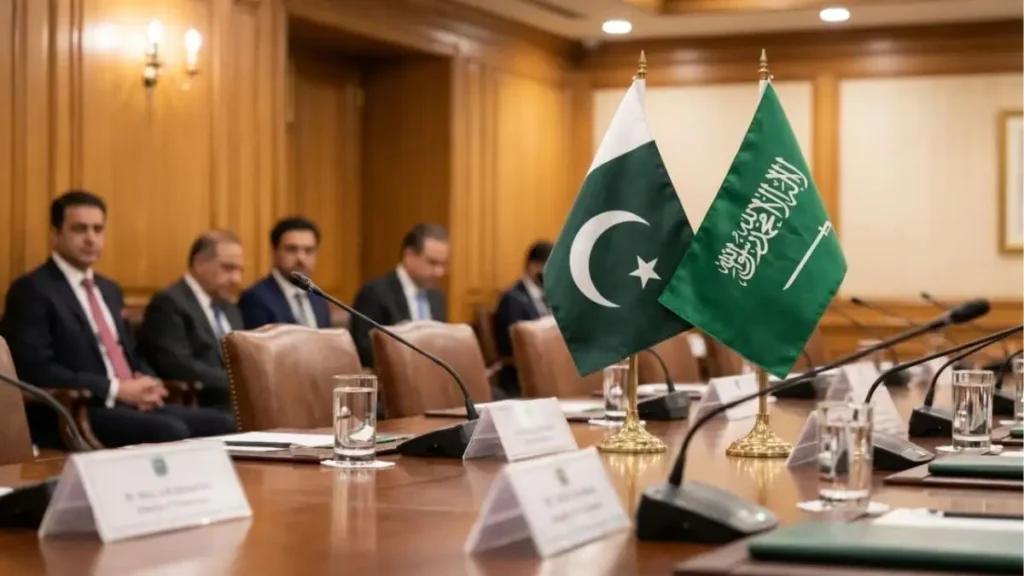
ISLAMABAD Prime Minister Shehbaz Sharif on Thursday received a telephone call from Emmanuel Macron, during which the French leader praised Pakistan’s diplomatic role in facilitating a ceasefire between Iran and the United States. Read More: https://theboardroompk.com/pia-fleet-to-expand-to-60-aircraft-says-arif-habib/ The two leaders held a warm and cordial conversation, focusing on regional peace efforts and ongoing geopolitical developments. President Macron congratulated the prime minister on Pakistan’s mediation that helped bring both sides to the negotiating table and expressed hope for successful peace talks scheduled in Islamabad. Recognition of diplomatic efforts Prime Minister Shehbaz Sharif thanked President Macron for acknowledging Pakistan’s role and reiterated Islamabad’s commitment to promoting dialogue and stability in the region. He emphasized that Pakistan would continue to play a constructive role in reducing tensions and fostering peaceful resolutions to conflicts through diplomatic engagement. The call reflects growing international recognition of Pakistan’s efforts to de-escalate tensions at a time of heightened uncertainty in global geopolitics. Concern over Lebanon situation The discussion also covered the ongoing crisis in Lebanon, with both leaders expressing serious concern over continued violence and loss of life. They stressed the urgent need for an immediate end to hostilities and called for efforts to restore peace and stability across the region. The leaders agreed to remain in close contact and continue consultations on key regional and international developments. The exchange underscores Pakistan’s evolving diplomatic outreach and its efforts to position itself as a mediator in complex global conflicts.

Tesla eyes smaller, cheaper EV to revive mass-market push
Auto

Tesla eyes smaller, cheaper EV to revive mass-market push

Tesla is developing a new smaller and more affordable electric vehicle (EV), marking a potential shift back toward mass-market offerings as competition intensifies globally. The planned model is expected to be a compact SUV, smaller than the company’s existing lineup, and priced below its current entry-level vehicles, according to sources familiar with the matter. Compact design, lower cost strategy Sources indicate the new vehicle will measure roughly 4.28 metres in length, significantly shorter than the Model Y, and will incorporate cost-saving measures such as a single motor, a smaller battery, and a lighter frame. Production is likely to begin in Shanghai, with plans to expand manufacturing to the United States and Europe at a later stage. The project is still in early development, and timelines for commercial launch remain uncertain. The move suggests Tesla may be revisiting its long-standing ambition of delivering more affordable EVs, a segment increasingly dominated by Chinese automakers offering competitively priced alternatives. Strategic shift amid slowing demand The development comes at a time when Tesla is facing pressure from slowing EV demand and rising competition. The company has not launched a completely new mainstream passenger vehicle since the Model Y in 2020, relying instead on incremental updates and cost-reduced variants. Tesla had earlier scrapped plans for a widely anticipated low-cost EV project in favour of focusing on robotaxis and artificial intelligence initiatives. However, the latest development may signal a recalibration of priorities as vehicle sales remain the company’s primary revenue driver. Analysts believe that introducing a cheaper model could help Tesla regain market share and boost volumes, particularly in price-sensitive markets where competition is intensifying.

Pak Suzuki Inaugurates 100 m³ Biogas Plant and 920 kWh Solar Power Project
Pakistan

Pak Suzuki Inaugurates 100 m³ Biogas Plant and 920 kWh Solar Power Project

Karachi: Pak Suzuki Motor Company Limited formally inaugurated its 100m³ Biogas Plant and 920 kWh Solar Power Project today, reaffirming the company’s commitment to sustainable and environment-friendly energy integration into its manufacturing operations. Read More: https://theboardroompk.com/pia-fleet-to-expand-to-60-aircraft-says-arif-habib/ The inauguration ceremony was attended by Senator Saleem H. Mandviwala, Chairman of the Senate Standing Committee on Finance & Revenue, as the Chief Guest. The newly inaugurated 100 m³ biogas facility converts organic waste into renewable energy, while the 920-kWh solar power project supplements clean electricity for plant operations. Together, these installations contribute to reduced greenhouse-gas emissions, optimize energy costs, and enhance overall resource efficiency within the plant. Senator Saleem H. Mandviwala commended Pak Suzuki’s leadership in implementing environmentally sustainable practices. He said, “I would like to sincerely appreciate Pak Suzuki for organizing this event” and expressed gratitude to Suzuki Motor Corporation for “continued trust and investment in Pakistan,” noting that “Pakistan was the first overseas investment of Suzuki Motors outside Japan.” He called the biogas and solar projects “a strong step towards a cleaner, more sustainable future for Pakistan” and praised Pak Suzuki for “taking proactive measures to adopt renewable energy solutions into its operations”. He emphasized that “sustainability is no longer a choice; it is a necessity”. He stressed that such initiatives show economic growth and environmental responsibility can go hand in hand. Hiroshi Kawamura, Managing Director, Pak Suzuki Motor Company Limited, thanked Mr. Saleem Mandviwala for gracing the occasion and making this event memorable. Speaking at the ceremony, Mr. Hiroshi Kawamura highlighted the strategic importance of these initiatives. He remarked, “Today represents an important milestone in Pak Suzuki’s environmental-sustainability journey. The commissioning of our biogas plant and solar power facility demonstrates our commitment to integrate clean energy into our operations and contribute meaningfully to Pakistan’s environmental priorities. We remain committed to adopting environment-friendly manufacturing practices and will continue to invest in technologies that support a greener future.” Pak Suzuki remains dedicated to supporting the Government of Pakistan’s sustainability goals and advancing eco-friendly industrial practices across the automotive sector.

PIA fleet to expand to 60 aircraft, says Arif Habib
Business

PIA fleet to expand to 60 aircraft, says Arif Habib

Karachi: Chairman of the Arif Habib Consortium, Arif Habib, announced plans to expand Pakistan International Airlines’ fleet to 60 aircraft, while confirming that only 18 planes are currently operational. Read More: https://theboardroompk.com/pakistan-steals-global-spotlight-with-us-iran-ceasefire-push-leaving-indians-stunned/ He shared these remarks during an address at the Korangi Association of Trade and Industry (KATI), where prominent industrialists and business leaders attended the session. Fleet recovery and expansion planArif Habib stated that PIA currently owns 30 aircraft, of which 5 to 6 require maintenance and repairs. He added that efforts are underway to restore these planes, which will increase the operational fleet to 26 aircraft in the near term. He emphasized that expanding the fleet to 60 aircraft remains a key long-term target to strengthen the airline’s global standing. Habib also highlighted that representing the business community at the government level is an honor, and he continues to advocate for resolving their issues. Energy costs and economic outlookHe noted that Pakistan’s economy has shown signs of stability, with improved revenues and the government managing to meet expenditures and debt servicing. However, he stressed that reducing the cost of production is essential for sustainable economic growth. Habib pointed out that electricity prices remain high due to capacity charges, despite underutilization of the transmission system. He suggested that fully utilizing over 22,000 megawatts of available capacity could reduce electricity costs by Rs10 to Rs12 per unit. He urged the business community to remain united beyond political affiliations and present a collective voice to the government. Habib also identified IT, agriculture, and mining as key sectors that can drive rapid economic recovery and growth.

Scroll to Top