Author name: Web Desk

Oil Prices Today Ease as U.S.–Iran Tensions and Global Economic Data Keep Markets Guessing
World

Oil Prices Today Ease as U.S.–Iran Tensions and Global Economic Data Keep Markets Guessing

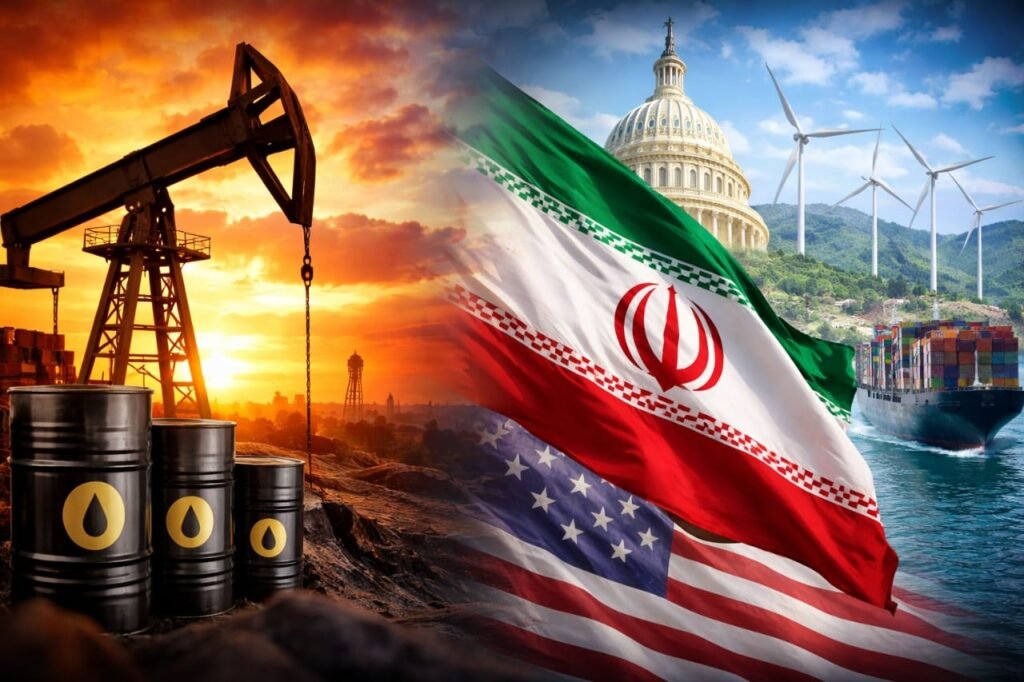
Oil prices today opened Tuesday on a cautious note, slipping slightly in Asian trading as global markets weighed rising geopolitical risks against critical economic signals from the world’s biggest oil consumers. While crude prices had surged more than 1% in the previous session, traders appeared unwilling to extend gains amid lingering uncertainty surrounding U.S.–Iran relations and upcoming inflation and employment data from the U.S. and China. The oil market, already sensitive to political flashpoints and monetary policy shifts, is now navigating a perfect storm of diplomacy, data, and demand expectations keeping investors glued to every headline. Oil Prices Today: Market Snapshot at a Glance In early Asian hours, Brent crude futures for April edged down 0.1% to $68.99 per barrel, while West Texas Intermediate (WTI) slipped 0.2% to $64.06 per barrel. The modest pullback followed a strong rally a day earlier, when prices jumped after reports suggested Washington was adopting a more cautious stance toward Iran. Instead of listing figures in a table, it’s worth noting that Brent remains just below the psychologically important $70 mark, while WTI continues to trade comfortably above $64, reflecting resilience despite short-term volatility. A softer U.S. dollar earlier in the week also provided some relief to commodity markets, although the greenback recovered slightly on Tuesday, limiting upside momentum for oil prices today. U.S.–Iran Tensions Add a New Risk Premium to Oil Prices Today One of the biggest drivers behind recent price swings is escalating concern over Middle East security. On Monday, the U.S. Department of Transportation’s Maritime Administration issued a stark advisory urging U.S.-flagged vessels to stay as far away from Iranian waters as possible while transiting the Strait of Hormuz and the Gulf of Oman. The advisory specifically recommended ships remain close to Omani territorial waters, citing heightened risks of Iranian forces boarding vessels. This warning reignited fears of supply disruptions in one of the world’s most critical oil transit routes, through which nearly one-fifth of global oil flows. Although recent weekend talks between Washington and Tehran showed signs of diplomatic progress, tensions remain unresolved. Iran’s rejection of calls to halt nuclear enrichment a core U.S. demand has kept geopolitical risk firmly embedded in oil prices today. Economic Data Takes Center Stage for Oil Prices Today Beyond geopolitics, markets are bracing for a wave of economic indicators that could redefine demand expectations. U.S. Data and Interest Rate Outlook In the United States, January nonfarm payrolls are due midweek, followed by consumer price index (CPI) inflation data on Friday. These readings will heavily influence expectations around U.S. interest rates, particularly as speculation grows over an upcoming leadership change at the Federal Reserve. Stronger labor and inflation data could dampen oil demand optimism by reinforcing a higher-for-longer rate environment, while weaker numbers may revive hopes of monetary easing potentially supporting oil prices today. China’s CPI and Lunar New Year Effect In China, the world’s largest oil importer, CPI data is also scheduled for release on Friday, just ahead of the week-long Lunar New Year holiday. Historically, this period sees a spike in travel, fuel consumption, and industrial activity. Analysts expect Chinese travel and fuel demand to rebound sharply, offering a potential cushion for oil prices today if economic data signals stabilization in the world’s second-largest economy. What This Means for Oil Prices Today and Beyond The oil market is currently balancing on a tightrope. On one side are geopolitical risks and maritime security threats, which tend to push prices higher. On the other are macroeconomic uncertainties, including inflation, interest rates, and global growth concerns. For now, oil prices today reflect a wait-and-watch mood where every diplomatic signal and data release has the power to swing sentiment. As tensions simmer in the Middle East and economic indicators roll in from Washington and Beijing, volatility is likely to remain the defining feature of the oil market in the days ahead.
Pakistan vs India T20 World Cup Match: A High-Stakes Decision That Goes Beyond Cricket
Uncategorized

Pakistan vs India T20 World Cup Match: A High-Stakes Decision That Goes Beyond Cricket

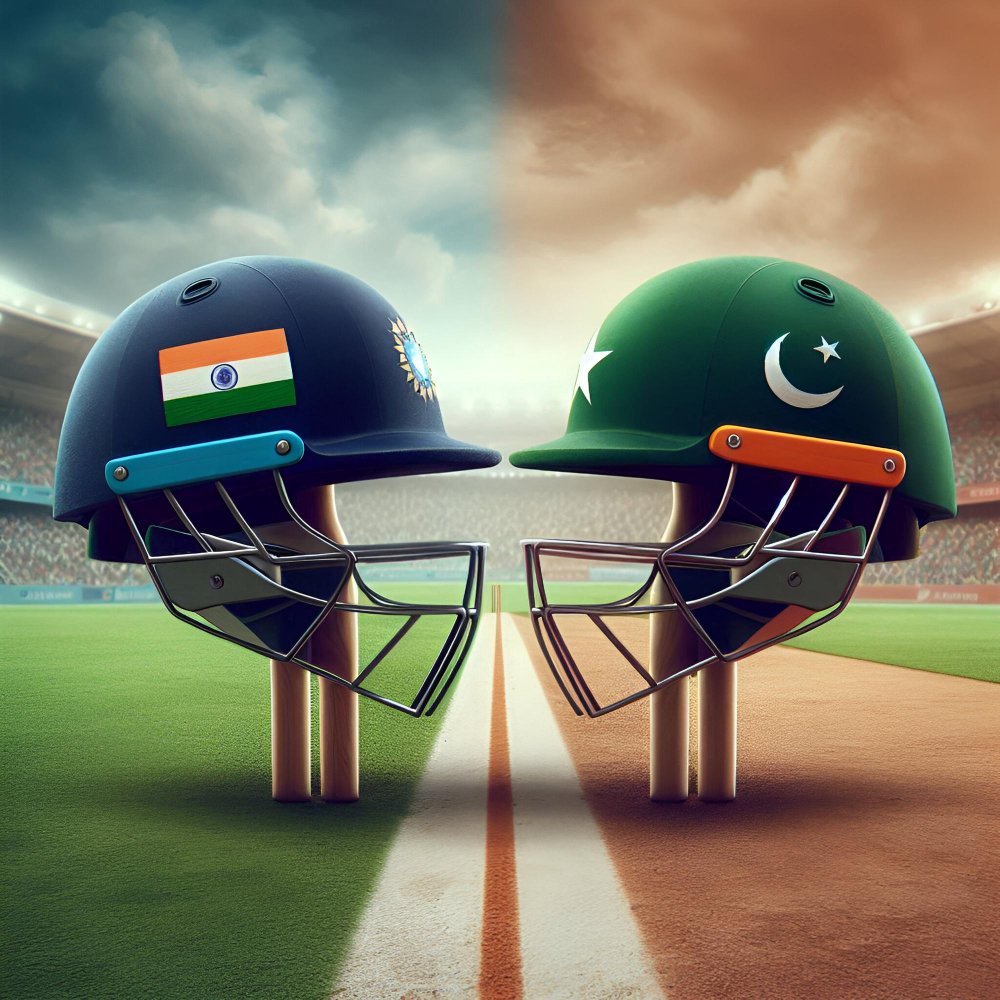
The Pakistan vs India T20 World Cup match is no longer just a fixture on a tournament schedule it has become a powerful symbol of regional diplomacy, economic interests, and the future of global cricket. After weeks of uncertainty, Pakistan has reportedly agreed to play its highly anticipated T20 World Cup clash against India on February 15, following coordinated appeals from Sri Lanka and Bangladesh and the acceptance of Pakistan’s stated preconditions by India. The announcement, confirmed by state-run Pakistan Television, has ignited intense debate across South Asia, drawing attention not only from cricket fans but also policymakers, broadcasters, and international sports stakeholders. Why the Pakistan vs India T20 World Cup Match Matters to the Global Cricket Economy The Pakistan vs India T20 World Cup match is widely regarded as the most commercially valuable contest in world cricket. Broadcasters, advertisers, host nations, and the International Cricket Council (ICC) all have major financial stakes tied to this single encounter. Historically, whenever Pakistan and India face off in ICC tournaments, global viewership surges into the hundreds of millions. Advertising slots command premium rates, sponsorship values spike, and host countries experience a noticeable boost in tourism and hospitality revenues. In simple terms, this match alone can generate more economic impact than several tournament fixtures combined. Diplomatic Push Behind the Pakistan vs India T20 World Cup Match Sri Lanka’s Strategic Appeal Sri Lankan President Anura Kumara Dissanayake personally urged Pakistan to reconsider its earlier stance during a phone call with Prime Minister Shehbaz Sharif. He highlighted Pakistan’s unwavering support for Sri Lankan cricket during years of internal security challenges, emphasizing that cricketing solidarity should transcend political turbulence. Prime Minister Shehbaz Sharif acknowledged Sri Lanka’s consistent support, particularly Colombo’s decision not to cancel recent tours to Pakistan a move widely praised by cricket fans and analysts alike. Bangladesh’s Brotherhood Message The Bangladesh Cricket Board (BCB) also played a pivotal role. BCB President Aminul Islam, following a brief visit to Pakistan, publicly appealed for Pakistan’s participation in the February 15 fixture, citing the broader “cricket ecosystem.” Bangladesh formally thanked the Pakistan Cricket Board (PCB), Chairman Mohsin Naqvi, and Pakistani fans for their solidarity, describing Pakistan’s stance as an example of “exemplary sportsmanship.” ICC Involvement and High-Level Consultations Adding further weight to the situation, a delegation from the International Cricket Council (ICC) arrived in Pakistan and held direct meetings with PCB Chairman Mohsin Naqvi. These discussions focused on logistical, security, and commercial implications of Pakistan’s participation in the Pakistan vs India T20 World Cup match. According to insiders, the ICC made it clear that a boycott could disrupt tournament planning, revenue projections, and long-term scheduling confidence among host nations. What Changed Pakistan’s Position? Earlier, Pakistan had made it clear that while it would participate in the T20 World Cup 2026, it would not play India in Colombo. This position emerged amid broader geopolitical tensions and following Bangladesh’s refusal to tour India due to security concerns a decision that reshaped tournament groupings and heightened sensitivities. However, Sri Lanka Cricket warned that a Pakistan boycott could lead to substantial financial losses and negatively impact Sri Lanka’s tourism sector, which is still recovering from the 2022 economic crisis. These economic realities, combined with diplomatic outreach, appear to have influenced Pakistan’s reconsideration. Pakistan vs India T20 World Cup Match: A Rare Rivalry Pakistan and India have not played bilateral cricket for over a decade, meeting only during ICC and regional tournaments. This scarcity has only intensified the rivalry, transforming each encounter into a global spectacle loaded with emotion, history, and geopolitical subtext. For fans, February 15 now represents more than just another T20 match it is a moment where sport briefly bridges political divides. What February 15 Could Mean for the Future If played, the Pakistan vs India T20 World Cup match could set a precedent for future cooperation within international cricket. While bilateral series may still remain distant, this decision reinforces the idea that global tournaments can serve as neutral platforms for engagement. For the ICC, it strengthens the case for cricket as a unifying force. For host nations, it safeguards economic stability. And for fans, it restores a rivalry that defines modern cricket.

Visa HBL She’s Next Pakistan Is Fueling a New Era of Women-Led Businesses
Education

Visa HBL She’s Next Pakistan Is Fueling a New Era of Women-Led Businesses

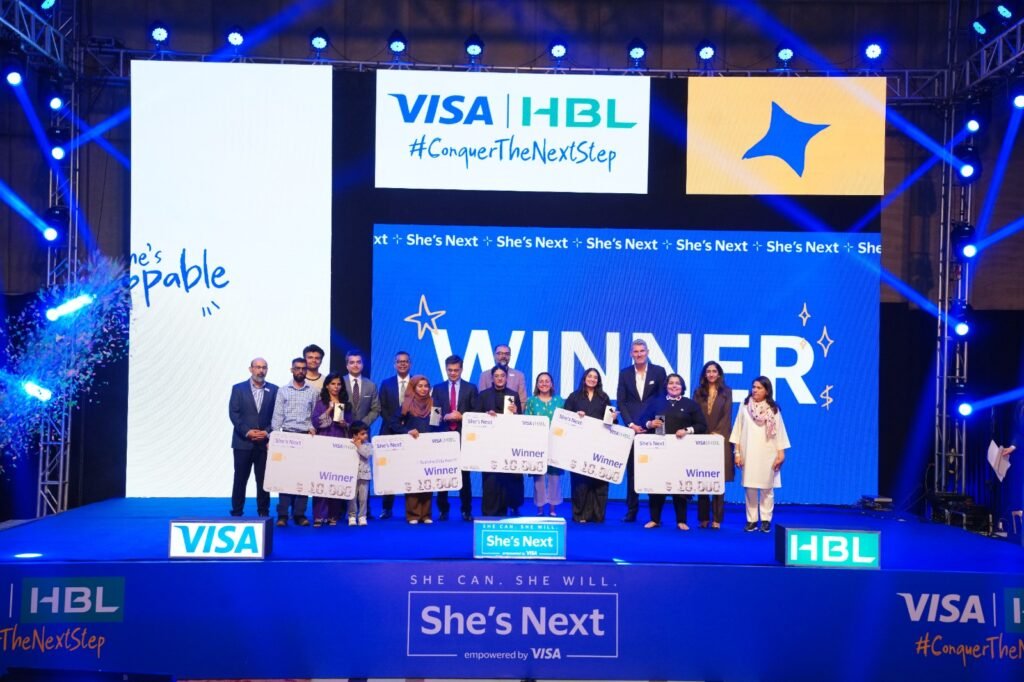
What happens when ambition meets opportunity? Visa HBL She’s Next Pakistan has the answer. At a time when women entrepreneurs are quietly reshaping Pakistan’s economic landscape, Visa global digital payments leader and HBL Pakistan’s premier private bank have once again stepped forward to amplify their impact. The 2026 edition of Visa HBL She’s Next Pakistan culminated in a high-energy final pitch event in Karachi, spotlighting five exceptional women-owned businesses that are not just building companies, but redefining industries. Held at the Pearl Continental Hotel, the awards ceremony marked the finale of a rigorous three-month journey that began in November 2025 and attracted nearly 3,500 applicants from across the country a powerful signal of Pakistan’s growing women-led entrepreneurial momentum. Meet the Five Winners of Visa HBL She’s Next Pakistan 2026 After an intensive evaluation process, an independent jury selected five standout founders whose ideas demonstrated innovation, scalability, and social impact: • Aiman Shafique – EV Square• Anusha Fatima – TrashIt (Winner of the Sustainability Award)• Fizza Hussain – Khaas Foodz Kitchen• Maira Siddiqui – Chiragh Education Technologies• Meesha Baig – Goud These ventures span high-growth sectors such as education, waste management, gaming, food, beauty, and healthcare, reflecting the diversity and depth of women-led innovation in Pakistan today. Why Visa HBL She’s Next Pakistan Stands Out Each winning entrepreneur received USD 10,000 in grant funding, but the program goes far beyond financial support. Participants also gain: • Tailored business training programs• One-on-one mentorship from leading Pakistani and global experts• Access to the She’s Next Club, featuring a rich workshop library and a thriving peer community This holistic approach ensures founders are equipped not just to survive but to scale confidently. Sustainability Takes Center Stage at Visa HBL She’s Next Pakistan A major highlight of the 2026 edition was the introduction of a Sustainability Award, won by Anusha Fatima’s TrashIt, a venture tackling Pakistan’s waste management challenges head-on. By recognizing sustainability as a competitive advantage, Visa HBL She’s Next Pakistan signals a shift toward impact-driven entrepreneurship where profitability and purpose go hand in hand. How Winners Were Selected The jury assessed applicants on: • Strength and progression of their entrepreneurial journey• Business performance metrics and scalability• Digital presence and use of technology• Confidence in problem-solving and leadership The panel included senior leaders from HBL, Visa, IFC, Carbon Law, and Abhi Microfinance Bank, ensuring a transparent and high-caliber selection process. Digital, AI-Driven, and Ready to Scale Insights from the She’s Next Women SMB Digitization Index revealed that women entrepreneurs in Pakistan are leading the digital shift. Instead of listing numbers, the story is clear:Women-led businesses are rapidly adopting digital payments, AI tools, data analytics, chatbots, and NLP platforms like ChatGPT to market smarter, operate efficiently, and retain customers. Many founders also rely on mentors and business coaches, highlighting the value they place on guidance and continuous learning. Their motivations go beyond profit financial independence and building supportive, women-friendly workplaces remain powerful drivers behind these ventures. Why Visa HBL She’s Next Pakistan Matters for the Economy Programs like Visa HBL She’s Next Pakistan are no longer optional—they are essential. As women entrepreneurs formalize, digitize, and scale their businesses, they contribute directly to job creation, financial inclusion, and Pakistan’s digital economic transformation. By combining capital, mentorship, and technology enablement, Visa and HBL are helping ensure that the next generation of Pakistani businesses is inclusive, resilient, and globally competitive.

KSE-100 Index Faces Turbulence as Volatility Shakes Investor Confidence
Pakistan

KSE-100 Index Faces Turbulence as Volatility Shakes Investor Confidence

The KSE-100 Index sent shockwaves through Pakistan’s equity market on Monday, closing at 182,340.38 points, down 1,789.20 points (0.97%). While the headline number suggests a routine pullback, a deeper look reveals a trading session marked by extreme volatility, sector-wide pressure, and mixed investor sentiment that has reignited debate over the market’s short-term direction. Despite ending in the red, the KSE-100 Index told a far more dramatic story during the day one that reflects the nervous pulse of Pakistan’s capital markets amid profit-taking and shifting sector leadership. KSE-100 Index Intraday Swings Signal Market Unease The KSE-100 Index traded within a massive 4,657-point range, underlining heightened uncertainty. Early optimism pushed the index to an intraday high of 185,650.59 points, gaining over 1,500 points at one stage. However, aggressive selling later erased gains, dragging the benchmark to a session low of 180,992.79 points before a modest recovery at close. This sharp reversal suggests investors are increasingly selective, booking profits after recent rallies while remaining cautious about near-term economic signals. Total traded volume in the KSE-100 Index stood at 597.7 million shares, reflecting active participation despite the downturn. Market Breadth Weakens as Losers Dominate Out of 100 index-listed companies, only 33 stocks closed higher, while 66 ended in negative territory and one remained unchanged highlighting broad-based selling pressure. Top Losers Weighing on the KSE-100 Index Heavyweights led the decline, with Allied Bank (AKBL) plunging over 9%, followed by Lotte Chemical, Faysal Bank, Nishat Mills, and OGDC. These stocks not only fell sharply in percentage terms but also exerted significant downward pressure on the index. In terms of index points, OGDC alone wiped out nearly 243 points, while Meezan Bank, PPL, UBL, and Lucky Cement collectively erased hundreds more turning banking and energy into the day’s biggest drags. KSE-100 Index Finds Support from Select Defensive Plays Despite the broader weakness, select stocks provided relief. AGP surged by a full 10%, while K-Electric, Sazgar Engineering, Nestlé Pakistan, and Abbott Laboratories attracted strong buying interest. These companies added stability to the KSE-100 Index, with Sazgar, MCB, Nestlé, AGP, and National Bank collectively contributing over 325 points, preventing a deeper market slide. Sector Analysis: Banks and Energy Pull the KSE-100 Index Lower Sector-wise performance reveals the real story behind Monday’s decline: • Commercial Banks emerged as the biggest drag, shaving off nearly 767 points, signaling investor caution toward financials.• Oil & Gas Exploration, Cement, Power Generation, and Technology sectors also faced sustained selling pressure. On the brighter side, Automobile Assemblers, Pharmaceuticals, and Food & Personal Care Products offered resilience, hinting at defensive positioning and selective risk-taking by investors. Broader Market Mirrors KSE-100 Index Weakness The All-Share Index followed the benchmark lower, closing down 916 points (0.83%) at 109,847.66. Market activity slowed, with total traded volume falling to 931 million shares, while traded value slipped to Rs58.88 billion. Out of 481 traded companies, decliners significantly outnumbered advancers another sign that caution dominated the session. High-volume stocks such as K-Electric, Bank of Punjab, AGHA Steel, NBP, and PPL remained active, reflecting speculative interest even amid declining prices. Big Picture: KSE-100 Index Still a Long-Term Winner While Monday’s sell-off rattled nerves, the broader trend remains impressive. The KSE-100 Index has gained 56,713 points (45.14%) during the current fiscal year and is up 4.76% so far in the calendar year a reminder that short-term volatility does not erase long-term momentum. What’s Next for the KSE-100 Index? The latest session underscores a market at a crossroads. Investors appear torn between locking in profits after historic gains and positioning for further upside. With global cues, macroeconomic signals, and corporate earnings in focus, the KSE-100 Index may continue to experience sharp swings before finding a clear direction. For now, volatility not complacency is the market’s defining theme.

Multan Sultans Sale Shakes Pakistan Cricket With a Rs2.45 Billion Deal
Business

Multan Sultans Sale Shakes Pakistan Cricket With a Rs2.45 Billion Deal

The Multan Sultans sale has rewritten the business playbook of the Pakistan Super League (PSL), sending a strong signal to investors, brands, and cricket fans alike. In a landmark auction held in Lahore ahead of PSL’s 11th edition, Walee Technologies acquired the Multan Sultans franchise for a record-breaking Rs2.45 billion, making it the most expensive team sale in PSL history. What makes this deal even more compelling is that the winning bid secures ownership for the next 10 years, reflecting long-term confidence in the commercial future of Pakistan cricket. Why the Multan Sultans Sale Matters for PSL’s Business Ecosystem The Multan Sultans sale is not just about a team changing hands it represents a strategic turning point for PSL’s valuation model. According to auction officials, the base price was set at Rs1.82 billion, drawing inspiration from the earlier sale of the Sialkot franchise at Rs1.85 billion. However, intense bidding momentum pushed the final price far beyond expectations. In practical terms, this means PSL franchises are no longer viewed as short-term sponsorship vehicles. Instead, they are now being positioned as long-term sports media assets, capable of generating value through broadcasting rights, digital monetization, brand partnerships, and fan engagement. A Surprise Twist: From Multan to Rawalpindi? Adding intrigue to the Multan Sultans sale, Walee Technologies CEO Ahsan Tahir announced a potential rebranding of the franchise to Rawalpindi, a move that instantly sparked debate across cricketing circles. Speaking at the ceremony, Tahir teased the crowd with a bold declaration: “Are you ready for a surprise? We will be going for Rawalpindi!” This possible shift underscores a crucial business reality brand geography matters. Rawalpindi, with its larger urban footprint and commercial appeal, could offer expanded sponsorship and fan-base opportunities, especially in digital-first markets. PCB’s Perspective on the Multan Sultans Brand PCB Chairman Mohsin Naqvi acknowledged the emotional and commercial weight of the Multan Sultans sale. While expressing personal attachment to the franchise, he made it clear that financial logic must prevail. He noted that it would be unreasonable to expect a buyer investing Rs2.45 billion to retain a legacy name without flexibility. Naqvi also credited former PCB Chairman Najam Sethi, who conceptualized the franchise in 2017, calling the sale “the culmination of a dream.” From a governance standpoint, this approach signals greater market freedom for franchise owners, a move likely to attract even larger investors in future PSL cycles. Who Is Walee Technologies and Why This Deal Fits Their Strategy Walee Technologies is a global player across media, finance, and technology, already familiar with the PSL ecosystem through its earlier acquisition of PSL livestreaming rights. The Multan Sultans sale aligns perfectly with the company’s digital-first vision, where sports content, data, and fan engagement converge. In business terms, the acquisition strengthens Walee’s vertical integration combining content ownership, distribution, and monetization under one umbrella. From Championship Glory to Ownership Reset The Multan Sultans franchise was launched in 2017 and competed in eight consecutive PSL seasons, clinching the championship title in 2021. However, uncertainty emerged last year when the PCB chose not to renew the ownership agreement with Ali Khan Tareen, temporarily taking control of the team. The Multan Sultans sale now brings closure to that chapter, replacing uncertainty with capital strength and strategic clarity. What the Multan Sultans Sale Signals for Pakistan Cricket In explanatory terms, this record deal highlights three major trends: First, PSL franchise valuations are rising rapidly, reflecting stronger commercial fundamentals. Second, corporate and tech-driven investors are entering sports ownership, bringing innovation and scalability.Third, the PCB is increasingly willing to let market forces shape the league’s future. As Najam Sethi aptly described it, this is not just a PSL moment it could be a turning point for Pakistan cricket’s global business narrative.

Pakistan Commits $1B to AI Development by 2030: PM Shehbaz Unveils Ambitious Plan
Tech

Pakistan Commits $1B to AI Development by 2030: PM Shehbaz Unveils Ambitious Plan

Prime Minister Shehbaz Sharif announced on February 9, 2026, that Pakistan will invest $1 billion in artificial intelligence by 2030. The declaration came during the inauguration of Indus AI Week in Islamabad. This initiative aims to build a strong national AI ecosystem and position the country as a key player in the global digital economy. Education and Youth Empowerment Drive AI Strategy The government plans to introduce AI curriculum in all federally controlled schools, as well as in Azad Jammu and Kashmir, Gilgit-Baltistan, and most parts of Balochistan. PM Shehbaz emphasized preparing youth for leadership in the digital economy. Additionally, programs will transform IT technicians into AI experts. A nationwide effort will train one million non-IT professionals in AI skills to enhance productivity and livelihoods across sectors. Research Boost and Strategic Partnerships To strengthen research, the plan includes 1,000 fully funded PhD scholarships in AI by 2030, aimed at creating a world-class research center. The announcement aligns with the implementation of Pakistan’s National AI Policy. It also follows recent talks with Saudi Arabia on tech talent collaboration, with praise for Pakistan’s high-quality AI professionals. Minister Ahsan Iqbal highlighted new national centers for quantum computing, manufacturing, and nanotechnology starting this year, including the Quantum Valley project with specialized science parks. PM Shehbaz described Indus AI Week as a game-changer, affirming Pakistan’s readiness to partner globally in AI advancement.

Pakistan's Central Bank Chief Defends High Interest Rates Citing Global and Domestic Risks
Business

Pakistan’s Central Bank Chief Defends High Interest Rates Citing Global and Domestic Risks

SBP Governor Jameel Ahmad reaffirmed the need for a tight monetary policy in a speech on February 9, 2026, at the AlUla Conference. Read more: https://theboardroompk.com/symmetry-group-approves-rs1-25bn-investment-plan-for-growth-and-acquisitions/ Despite falling inflation, the central bank holds the policy rate at 10.5%, prioritizing proactive measures to safeguard against future risks. He described high rates as necessary to handle anticipated global and domestic factors that might affect price levels. Preemptive Actions Key to Central Banking Role Ahmad explained that central banks must act timely and effectively to meet core goals. He called preemptive decisions the toughest part of the job, especially when high real interest rates draw criticism for slowing business and growth. Many fail to see looming threats, but the bank retains elevated rates to counter potential inflation drivers from international events and local pressures. Recent months show inflation below the 5-7% target, yet vigilance remains critical. Market Confidence in SBP’s Inflation Outlook The governor highlighted strong credibility, as analysts widely expect inflation to stay in the 5-7% range through this year and next. This consensus reflects trust in SBP’s guidance and policies. While acknowledging stakeholder concerns over borrowing costs, Ahmad emphasized readiness for unforeseen challenges. The stance supports macroeconomic stability over the next two years, avoiding aggressive easing that could undermine gains. Coordination with fiscal measures continues to balance growth aspirations with prudent risk management.

Symmetry Group Approves Rs1.25bn Investment Plan for Growth and Acquisitions
Pakistan

Symmetry Group Approves Rs1.25bn Investment Plan for Growth and Acquisitions

Symmetry Group Limited, a leading digital technology and experiences company in Pakistan, has approved an aggregate investment plan of up to Rs1,250 million. The decision was announced on Monday, February 9, 2026, through a notice to the Pakistan Stock Exchange. The funds will drive strategic expansions in the digital, media, and technology sectors. Read More: https://theboardroompk.com/abhi-microfinance-bank-1link-to-launch-1go-raast-person-to-merchant-p2m-services-for-merchants/ Acquisitions Target US and Local Tech Firms A key part of the plan includes acquiring a US-based technology firm to enhance global capabilities. The company will also invest in a local AI and data-driven digital company. These moves aim to bolster expertise in emerging technologies and expand market reach. Symmetry Group emphasized that the investments align with its core focus on innovative digital products and services. Scaling Operations and Supporting Long-Term Engagements The remaining funds will scale operational capacity to handle increased demand. They will support execution of recently secured long-term client engagements. Additional allocations include strengthening technology infrastructure and meeting working capital needs for improved profitability. The company stated that further details will be communicated in due course. This initiative reflects Symmetry Group’s commitment to sustained growth in a competitive digital landscape, building on its established presence in technology solutions.

ABHI Microfinance Bank, 1LINK to launch 1GO Raast Person-to-Merchant (P2M) Services for Merchants
Uncategorized

ABHI Microfinance Bank, 1LINK to launch 1GO Raast Person-to-Merchant (P2M) Services for Merchants

KARACHI: ABHI Microfinance Bank Ltd. (Abhi MFB) has entered into a strategic partnership with 1LINK to roll out 1GO Raast Person-to-Merchant (P2M) services, enabling merchants nationwide to accept instant digital payments through Raast using QR technology. Read More: https://theboardroompk.com/water-supply-suspension-halts-industrial-production-in-karachi/ The agreement was formalized at a signing ceremony where Mariam Pervaiz, Chief Commercial Officer – Abhi Microfinance Bank, and Najeeb Agrawalla, Chief Executive Officer – 1LINK, signed on behalf of their respective organizations. The ceremony was also attended by Kabeer Naqvi, Entrepreneur in Residence – Abhi Fintech, along with senior representatives from both institutions. Under this collaboration, Abhi MFB will integrate 1LINK’s 1GO Raast P2M static QR solution into its merchant ecosystem. This will allow shopkeepers, small businesses, and service providers to accept digital payments directly into their bank accounts without the need for expensive hardware or complex setup. Customers will be able to make payments instantly using Raast-supported mobile banking apps and wallets, creating a simple and interoperable payment experience. The initiative is designed to address one of the key challenges for small merchants, access to easy, low-cost digital payment acceptance. By enabling QR-based payments, Abhi MFB aims to help merchants reduce cash handling, maintain better transaction records, and improve cash flow visibility. Faster settlement of funds and transparent transaction trails are also expected to support merchants in building stronger financial profiles over time. For the broader financial ecosystem, the partnership contributes to the expansion of Raast-based merchant payments and supports Pakistan’s ongoing shift toward digital transactions. The collaboration combines Abhi MFB’s focus on merchant enablement and financial inclusion with 1LINK’s national payment infrastructure, creating a practical pathway for everyday businesses to participate in the digital economy. Representatives from both organizations shared that enabling accessible digital payment tools for merchants is an important step toward improving efficiency in commerce and strengthening trust in formal financial systems. By simplifying payment acceptance and ensuring interoperability, the partnership is expected to encourage wider adoption of digital payments in both urban and semi-urban markets. With this rollout, Abhi MFB continues to expand its merchant-focused digital services, while 1LINK further extends the reach of Raast-powered solutions within Pakistan’s payments landscape.

Scroll to Top