Author name: Web Desk

Pakistani Businessman Wins Gold Medal at Dubai 2026 World Stamp Exhibition
Pakistan

Pakistani Businessman Wins Gold Medal at Dubai 2026 World Stamp Exhibition

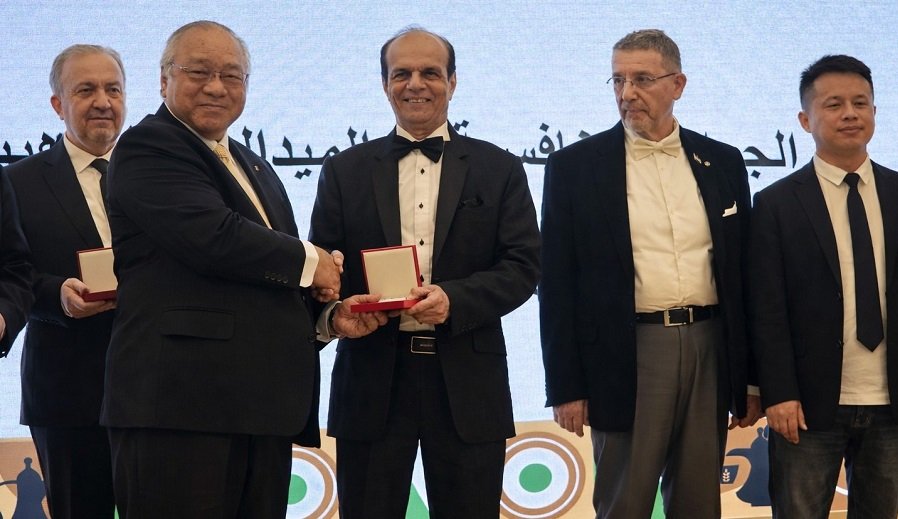
Karachi: Pakistan achieved a historic milestone in the world of philately as renowned businessman and stamp collector Muhammad Arif Balgamwala has once again been honoured with a gold medal at the prestigious Dubai 2026 World Stamp Exhibition. Read More: https://theboardroompk.com/pta-declares-toll-free-0800-calls-free-for-all-mobile-users/ Arif Balgamwala’s award-winning exhibit showcased a rare and meticulously researched collection of Pakistan Postal Stationery from 1947 to 1949, offering a compelling narrative of the country’s early postal history. His collection stood out among entries from leading philatelists representing countries including the United States, the United Kingdom and France, earning high praise from international jurors and enthusiasts alike. The achievement marks a significant moment for Pakistan on the global philatelic stage, reinforcing the country’s rich historical and cultural legacy through stamps and postal artefacts. Speaking after receiving the award, Mr. Balgamwala said the honour belonged not to him alone but to the entire nation. “This success is the result of years of dedication, research and passion to preserve Pakistan’s rare postal heritage and present it to the world as a complete historical story,” he said. Philatelic experts and collectors have lauded Mr. Balgamwala’s contributions, terming the win a landmark in Pakistan’s philatelic history. Several have urged the government to recognise his services with a high national award and to consider establishing a modern stamp museum in Pakistan. They also recommended involving him in the design and issuance of future commemorative stamps to help preserve national heritage and inspire interest among younger generations. Arif Balgamwala is no stranger to international success. In 2022, he earned the rare distinction of winning three consecutive gold medals at major global stamp exhibitions, including Dubai Expo 2022, London 2022, and Helvetia 2022 in Lugano, Switzerland. He also made history by becoming the first Pakistani to present a collection at Monaco Phil 2022, further elevating Pakistan’s profile in the international philatelic community.
PTA Declares Toll-Free (0800) Calls Free for All Mobile Users
Uncategorized

PTA Declares Toll-Free (0800) Calls Free for All Mobile Users

Islamabad – February 10, 2026: The Pakistan Telecommunication Authority (PTA) has announced a major consumer-friendly reform: calls to toll-free numbers (0800-XXXXX) are now completely free for all mobile subscribers nationwide. Read More: https://theboardroompk.com/pakistani-rupee-exchange-rate-sends-mixed-signals-whats-really-happening/ This decision aligns mobile users with fixed-line subscribers, who already enjoyed free access to these numbers. End of Charges for Mobile Callers Previously, mobile users faced standard call charges when dialing toll-free numbers like customer helplines, complaint centers, or government services. These charges often discouraged people from seeking assistance, especially in low-income households reliant on mobiles. The PTA recognized this disparity as a barrier to equitable access and consumer welfare. Stakeholder Consensus and Implementation To address the issue, the PTA initiated consultations with key stakeholders, including PTCL, NTC, local loop operators, and major cellular mobile operators (CMOs) such as Jazz, Zong, Telenor, and Ufone. After detailed deliberations and constructive discussions, all parties reached a consensus to eliminate these charges entirely. The move ensures uniform treatment across networks and promotes easier access to essential services like banking support, utility complaints, and emergency helplines. Broader Commitment to Consumer Protection The PTA emphasized its ongoing dedication to equitable telecom access, consumer-centric policies, and a responsive regulatory environment in Pakistan. This step is expected to benefit millions of mobile users who form the bulk of the country’s telecom subscribers. Public reaction on social media has been mixed, with some welcoming the relief while others called for broader reforms like reduced taxes on mobiles or action on other issues. Overall, the change marks a positive stride toward making essential telecom services more inclusive.

Pakistani Rupee Exchange Rate Sends Mixed Signals: What’s Really Happening?
Pakistan

Pakistani Rupee Exchange Rate Sends Mixed Signals: What’s Really Happening?

The Pakistani Rupee exchange rate delivered a mixed performance on Tuesday, subtly strengthening against the US dollar while losing ground against major global currencies. At first glance, a gain of just a few paisas may look insignificant but beneath the surface, the currency market is telling a far more intriguing story about capital flows, global pressures, and Pakistan’s economic direction. As investors, importers, exporters, and policymakers watch every tick closely, this seemingly modest movement is sparking fresh debate: is the rupee quietly stabilizing, or is this just another pause before renewed volatility? Pakistani Rupee Exchange Rate vs US Dollar: A Marginal but Meaningful Gain In the interbank market, the Pakistani Rupee exchange rate appreciated by 2.91 paisa, closing at PKR 279.67 per US dollar, compared to the previous close of 279.70. During the trading session, the rupee experienced mild volatility, touching an intraday high near the 280.40 level and dipping to around 280.75. In the open market, exchange companies quoted the dollar at PKR 280.30 for buying and PKR 280.75 for selling, reflecting stable demand and controlled liquidity conditions. While the movement appears marginal, currency experts note that even fractional gains signal improving sentiment especially in a market historically prone to sharp swings. Why the Pakistani Rupee Exchange Rate Is Falling Against Global Currencies Despite its slight gain against the dollar, the Pakistani Rupee exchange rate weakened noticeably against major international currencies, revealing the impact of global monetary dynamics. Against the Euro, the rupee fell by Rs1.27, closing at PKR 333.02, as European economic resilience and higher yields supported the common currency. The British Pound also outperformed PKR, gaining Rs1.62, with the rupee ending the day at PKR 382.31. Losses were even sharper against the Swiss Franc, where PKR depreciated by Rs2.58, highlighting the franc’s status as a global safe-haven asset. Meanwhile, the rupee weakened against the Japanese Yen, losing 1.20 paisa, as Asian currency movements added pressure. The rupee also slipped against the Chinese Yuan, declining by 8.83 paisa, reflecting shifting regional trade and currency settlement dynamics. Gulf Currencies Offer Stability for the Pakistani Rupee Exchange Rate In contrast to Western currencies, the Pakistani Rupee exchange rate showed mild strength against Gulf currencies. The rupee appreciated slightly against both the Saudi Riyal and the UAE Dirham, gaining less than one paisa against each. This stability matters more than it seems. With Pakistan’s heavy reliance on remittances from the Middle East, even small gains against Gulf currencies help support foreign inflows and reduce pressure on external accounts. Pakistani Rupee Exchange Rate Performance: Fiscal Year vs Calendar Year Looking at a broader horizon, the Pakistani Rupee exchange rate has improved meaningfully against the US dollar during the current fiscal year. PKR has strengthened by Rs4.09, translating into a 1.46% appreciation so far in FY26. On a calendar-year basis, the rupee has posted a modest gain of 45 paisa, indicating gradual stabilization rather than dramatic recovery. Analysts believe disciplined monetary policy and improved current-account management are playing a quiet but important role. Money Market Update: What Interest Rates Are Signaling The money market added another layer to the narrative. The benchmark 6-month Karachi Interbank Offered Rates (KIBOR) edged up by 1 basis point, settling around 10.28% (bid) and 10.53% (offer). This slight uptick suggests cautious liquidity management and signals that interest rates may remain elevated longer than previously expected an important factor influencing the Pakistani Rupee exchange rate going forward. What This Means for Businesses and Investors For importers, exporters, and investors, the current Pakistani Rupee exchange rate reflects a delicate balancing act. Stability against the dollar offers short-term relief, but weakness against global currencies could raise import costs and inflationary pressures. The key takeaway? The rupee is no longer in free fall but it’s not out of the woods either. As global interest rates, commodity prices, and geopolitical risks evolve, the coming weeks will be critical in determining whether this calm is sustainable or merely the eye of the storm.

Pakistan's Apex Court Orders Independent Review of Imran Khan's Jail Facilities
Politics

Pakistan’s Apex Court Orders Independent Review of Imran Khan’s Jail Facilities

The Supreme Court of Pakistan has taken a significant step in the ongoing legal proceedings involving former Prime Minister Imran Khan. Read More: https://theboardroompk.com/pakistan-reforms-report-2026-ipp-renegotiations-set-to-save-rs1-4-trillion-in-power-sector/ While hearing appeals against the Toshakhana criminal trial, a two-member bench led by Chief Justice Yahya Afridi appointed Barrister Salman Safdar as amicus curiae (friend of the court). This impartial advisor has been granted permission to visit Imran Khan at Adiala Jail in Rawalpindi. The decision follows the court’s earlier rejection of an urgent plea by PTI lawyers for an immediate meeting with the incarcerated leader. Court’s Directive and Purpose The bench directed Safdar to assess Imran Khan’s current living conditions, health status, and the facilities provided in jail. He must submit a comprehensive written report on his findings. Chief Justice Afridi instructed the attorney general to ensure no obstacles are placed in the way of the visit. Safdar was told to contact the court directly if any hindrance arises from jail authorities. The court also summoned a formal report from the jail superintendent to place all facts on record. This move aims to verify the ground situation independently. Background and Context Imran Khan has been imprisoned since August 2023, facing multiple charges including corruption in the Toshakhana case, land fraud, and disclosure of official secrets. Recent concerns have focused on his health, particularly a reported diagnosis of central retinal vein occlusion in his right eye, which medical experts described as serious and potentially vision-threatening if not treated promptly. The appointment of Safdar comes amid ongoing debates over his detention conditions. A prior report on his earlier stay in Attock Jail (August 2023) was noted, but the court deemed a fresh, on-site assessment necessary. Reactions and Next Steps Barrister Safdar confirmed to the media that his visit was scheduled for 2:00 pm on the same day, describing it as a “heavy responsibility” assigned by the court. The Supreme Court adjourned the hearing until February 12, planning to review Safdar’s report before resuming proceedings. This development highlights the judiciary’s role in ensuring transparency in high-profile incarceration cases.

KSE-100 Index Faces Volatility as Bulls Lose Grip
Business

KSE-100 Index Faces Volatility as Bulls Lose Grip

The KSE-100 Index closed Tuesday’s trading session on a cautious note, reflecting the tug-of-war between aggressive intraday buying and heavy sector-led selling. Despite staging a sharp rally earlier in the session, the benchmark index ultimately settled at 182,153.55 points, slipping 186.83 points or 0.10% by the close. What made the session particularly intriguing was the wide intraday swing of over 1,700 points, signaling nervous investor sentiment amid profit-taking in heavyweight sectors. At its peak, the KSE-100 Index surged to 183,216.67 points, while the day’s low touched 181,499.28 points, underscoring how quickly market momentum shifted. KSE-100 Index Trading Activity Signals Heightened Market Churn Market participation remained robust, with 636 million shares traded within the index. However, the advance-decline ratio painted a cautious picture. Out of the 100 constituent companies, 58 stocks closed in the red, while only 39 managed gains, and three remained unchanged. This imbalance highlights how selective buying failed to offset broader-based selling pressure, particularly in financial and technology stocks. Top Losers Pull KSE-100 Index Lower Several index heavyweights weighed heavily on performance. TRG led the decline with a sharp fall of over 9%, followed closely by K-Electric, Allied Bank, Sazgar Engineering, and Habib Bank Limited. From a points perspective, HBL alone erased nearly 170 points from the index, making it the single largest drag of the session. TRG, KEL, AKBL, and Bank Alfalah collectively amplified downside pressure, signaling institutional-level profit booking in the banking and tech space. Energy and Cement Stocks Cushion the KSE-100 Index Despite the overall decline, select sectors provided meaningful support. Engro Holdings emerged as the session’s star performer, contributing almost 493 index points, while Lucky Cement, Fauji Fertilizer, Hub Power, and Cnergyico also played key roles in limiting losses. This divergence reflects a rotation toward defensive and value-driven plays, particularly in cement, fertilizer, and refinery stocks, segments often favored during uncertain market phases. Sector-Wise Performance: Banks vs. Investment Companies The KSE-100 Index was primarily dragged down by commercial banks, which collectively shaved off nearly 565 points. Weakness was also observed in technology, oil & gas exploration, power generation, and textile composite sectors. In contrast, investment banks and securities companies delivered a strong counterbalance, adding close to 495 points, while cement, refinery, fertilizer, and oil marketing companies offered additional upside support. Broader Market Mirrors KSE-100 Index Weakness The cautious mood extended to the broader market, with the All-Share Index closing at 109,435 points, down 0.38%. While total traded volume rose to over 1.06 billion shares, the overall traded value dropped sharply to Rs37.9 billion, indicating reduced conviction behind buying activity. Out of 481 listed companies, only 151 closed higher, while 280 ended lower, reinforcing the day’s risk-off sentiment. High-Volume Stocks Reveal Speculative Interest Trading activity was dominated by K-Electric, Cnergyico, and WorldCall Telecom, with retail-driven stocks once again capturing attention. Notably, Cnergyico stood out, combining high volumes with strong price appreciation often a signal of short-term speculative momentum. Bigger Picture: KSE-100 Index Still a Long-Term Winner Despite the day’s pullback, the broader trend remains undeniably strong. The KSE-100 Index has gained over 56,500 points, or 45%, during the current fiscal year, while calendar-year gains stand at more than 8,000 points, translating into a 4.65% rise so far. This context suggests that recent volatility may reflect healthy consolidation rather than a trend reversal, especially as investors reassess valuations after a historic rally.

Master Changan Pakistan Makes History in 2025: And Celebrates With Unmissable Offers
Auto

Master Changan Pakistan Makes History in 2025: And Celebrates With Unmissable Offers

Master Changan Pakistan has officially shifted gears into the fast lane. In a year defined by intense competition, rising prices, and long delivery wait times, the brand has achieved a landmark milestone emerging as Pakistan’s 4th largest automobile brand in 2025, climbing two positions in just one year. With over 65,000 units sold nationwide, Master Changan Pakistan has not only secured its place among industry heavyweights but has also become the number one brand among all new entrants and the leading Chinese automobile brand in the country. This rapid ascent signals a major shift in consumer trust and the company is celebrating in style. Why Master Changan Pakistan’s Rise Matters to the Auto Industry In an automotive market where delivery delays often stretch into months, Master Changan Pakistan has managed to break the norm. The brand’s growth reflects a carefully built portfolio focused on value, innovation, and accessibility, meeting the evolving needs of Pakistani consumers across segments. To mark this historic achievement, the company has rolled out exclusive Celebration Offers for February 2026, making premium vehicles more attainable just in time for Eid. Master Changan Pakistan Celebration Offers – February 2026 Oshan X7: Redefining the 7-Seater SUV Segment Pakistan’s highest-selling 7-seater SUV, the Oshan X7, is now available starting from Rs. 7,949,000, placing it under the PKR 8 million mark a first in its category. Customers can enjoy savings of up to PKR 700,000, along with the rare advantage of confirmed delivery before Eid. With limited stock available, this offer positions the Oshan X7 as the most accessible premium family SUV in the market today. Changan Alsvin: Sedan Comfort at a Hatchback Price The Changan Alsvin, starting from Rs. 3,789,000, delivers one of the strongest value propositions currently available in Pakistan. Buyers can benefit from massive savings across all variants, including a PKR 400,000 promotional benefit combined with two years of free maintenance worth PKR 125,000. For customers looking to upgrade to a proper sedan popularly known as a “Diggi waali Gaari” before Eid, this offer hits the sweet spot. Changan Karvaan Power: More Space, Better Value Starting from Rs. 2,949,000, the Changan Karvaan Power now comes with savings of up to PKR 100,000. Priced at par with competitors, it offers significantly more space and versatility, making it a preferred choice for families and businesses alike. This move further strengthens Master Changan Pakistan’s presence in the MPV segment. Confirmed Delivery Before Eid: A Rare Advantage While most automakers struggle with extended delivery timelines, Master Changan Pakistan stands out as the only brand offering confirmed pre-Eid delivery on selected models. This limited-stock advantage adds urgency and excitement to the celebration campaign. Leadership Speaks: Vision Behind the Milestone Commenting on the achievement, Mr. Danial Malik, CEO of Master Changan Motors, emphasized that this success is deeply rooted in customer trust: “Becoming Pakistan’s 4th largest automobile brand in such a short span of time would not have been possible without the trust and unwavering support of our customers across the country this milestone truly belongs to them.” What’s Next for Master Changan Pakistan? The journey is far from over. Looking ahead, Master Changan Pakistan plans to introduce 3 brands and 11 new models, spanning ICE, HEV, PHEV, REEV, and BEV drivetrains. This forward-looking strategy aims to give Pakistani consumers true range confidence, regardless of their mobility needs. Final Thoughts Master Changan Pakistan’s rapid rise is more than just a sales story it’s a signal of changing consumer preferences and growing confidence in modern, tech-driven automotive solutions. With limited-time celebration offers, confirmed pre-Eid delivery, and an ambitious roadmap ahead, the brand is firmly positioned to shape Pakistan’s automotive future.

Wafi Energy Pakistan DMCC Subsidiary: A Strategic Leap into the Middle East Market
Uncategorized

Wafi Energy Pakistan DMCC Subsidiary: A Strategic Leap into the Middle East Market

Wafi Energy Pakistan DMCC subsidiary is more than just a corporate expansion it signals a calculated move into the heart of global trade at a time when Pakistani companies are increasingly looking beyond borders for growth, resilience, and diversification. In a key development disclosed to the Pakistan Stock Exchange (PSX), Wafi Energy Pakistan Limited (PSX: WAFI) has announced that its Board of Directors has approved the establishment of a wholly owned subsidiary in Dubai’s prestigious Dubai Multi Commodities Centre (DMCC) Free Zone, subject to regulatory approvals from the State Bank of Pakistan (SBP). This move places Wafi Energy among a growing list of Pakistani corporates leveraging Dubai as a launchpad for regional and international business expansion. Why the Wafi Energy Pakistan DMCC Subsidiary Matters Dubai’s DMCC Free Zone is globally recognized as one of the world’s leading business districts, hosting over 24,000 companies across energy, commodities, logistics, and finance. For Wafi Energy Pakistan, setting up a DMCC subsidiary offers immediate strategic advantages. Through the Wafi Energy Pakistan DMCC subsidiary, the company aims to strengthen its regional footprint, explore new commercial opportunities, and build direct access to Middle Eastern, African, and European markets regions that are central to global energy trade flows. Strategic Investment Behind the Expansion As part of the approved plan, the Board has authorized an investment of up to USD 500,000 into the Dubai-based subsidiary. This capital injection, pending SBP approval and statutory compliance, is intended to support initial setup, operational capacity, and business development initiatives in the region. Rather than merely establishing a representative office, Wafi Energy is opting for a wholly owned structure, giving it full control over strategy, governance, and long-term growth planning. How the Wafi Energy Pakistan DMCC Subsidiary Fits into the Bigger Picture This expansion reflects a broader shift among Pakistani energy and industrial companies toward geographic diversification. With domestic market pressures, currency volatility, and evolving energy dynamics, companies are increasingly hedging risk by entering stable, business-friendly jurisdictions like Dubai. The Wafi Energy Pakistan DMCC subsidiary allows the company to: • Operate in a globally connected financial ecosystem• Access international clients and suppliers• Benefit from DMCC’s investor-friendly regulations• Enhance foreign currency revenue streams• Strengthen brand credibility at a global level Instead of relying solely on Pakistan-based operations, Wafi Energy is positioning itself as a regional energy player. Dubai DMCC: A Natural Choice for Energy Companies Dubai’s DMCC Free Zone is not just another offshore destination—it is a purpose-built global commodities and energy hub. From regulatory efficiency to world-class infrastructure, DMCC offers an environment where energy companies can scale faster and operate smarter. For Wafi Energy Pakistan, the DMCC platform opens doors to partnerships, trading opportunities, and cross-border ventures that would be difficult to pursue solely from Pakistan. What This Means for Investors and the Market From an investor perspective, the Wafi Energy Pakistan DMCC subsidiary is a forward-looking signal. It reflects management’s confidence in the company’s balance sheet, its appetite for international growth, and its willingness to adapt to global market realities. While regulatory approvals remain a key milestone, the announcement itself has positioned Wafi Energy as a company thinking beyond borders an attribute increasingly valued by long-term investors. Looking Ahead As approvals from the State Bank of Pakistan are awaited, market watchers will be closely tracking how quickly the Dubai subsidiary becomes operational and what kind of business activities it undertakes. One thing is clear: the Wafi Energy Pakistan DMCC subsidiary is not just an expansion it is a strategic pivot toward global relevance in the evolving energy landscape.

Gold Price in Pakistan Signals Fresh Momentum in the Bullion Market
Business

Gold Price in Pakistan Signals Fresh Momentum in the Bullion Market

The gold price in Pakistan moved upward once again on Tuesday, reinforcing gold’s reputation as the country’s most trusted safe-haven asset. As inflation worries persist and global markets send mixed signals, local investors are keeping a close eye on bullion rates and today’s increase has certainly caught attention. According to the All-Pakistan Gems and Jewelers Sarafa Association (APGJSA), the price of 24-karat gold surged by Rs1,500 per tola, pushing rates to a striking Rs526,262 per tola. This upward move reflects both domestic demand pressures and global market dynamics that continue to influence precious metals. Gold Price in Pakistan Today: Latest Market Rates Explained In the local bullion market, gold prices rose across multiple purity categories: • 24-karat gold (per tola) climbed to Rs526,262, compared to Rs524,762 a day earlier.• 24-karat gold (per 10 grams) increased by Rs1,286, reaching Rs451,184.• 22-karat gold (per 10 grams) was quoted higher at Rs413,600, reflecting strong retail demand. In simple terms, gold has added Rs53,000 per tola over the past month, highlighting how quickly prices have accelerated. Since the start of the fiscal year, the gold price in Pakistan has surged by more than Rs176,000 per tola, underlining gold’s role as a hedge against currency depreciation and economic uncertainty. Silver Prices Stay Flat Despite Gold Rally While gold captured headlines, silver remained steady in the domestic market. 24-karat silver continued to trade at Rs8,615 per tola and Rs7,385 per 10 grams, showing no day-on-day change. Although silver has posted moderate gains over the past month and fiscal year, it has clearly lagged behind gold’s explosive performance a trend that suggests investors are prioritizing wealth preservation over industrial demand-linked metals. Why the Gold Price in Pakistan Is Rising Now The recent jump in the gold price in Pakistan isn’t happening in isolation. Several interconnected factors are at play: Global Gold Market Movements Internationally, spot gold hovered near $5,028 per ounce, slightly lower by 0.02 percent from the previous session. Despite this marginal dip, prices remain historically elevated as traders brace for key U.S. economic data that could influence the Federal Reserve’s interest rate strategy. Lower or delayed interest rate cuts typically support gold prices, as bullion becomes more attractive when yields on fixed-income assets weaken. Currency Pressures at Home The Pakistani rupee’s vulnerability against major currencies continues to add upward pressure on local gold prices. Even small movements in the global gold rate can translate into significant jumps in PKR terms. Safe-Haven Demand With geopolitical tensions, global inflation concerns, and uncertain growth outlooks, gold remains the asset of choice for Pakistani households and investors seeking long-term security. What This Means for Investors and Consumers For investors, the rising gold price in Pakistan reinforces gold’s status as a long-term store of value rather than a short-term trading instrument. Analysts suggest that unless global monetary policy tightens unexpectedly, gold prices may remain elevated in the coming months. For consumers, especially those planning weddings or jewelry purchases, today’s rates may prompt cautious buying or strategic waiting depending on global cues later this week. Final Thoughts: Is Gold Headed Higher in Pakistan? As global markets await critical U.S. economic indicators, the gold price in Pakistan is likely to remain sensitive to international developments and local currency trends. Whether you’re an investor, trader, or consumer, one thing is clear: gold continues to shine as Pakistan’s most reliable financial refuge in uncertain times.

International Court Concludes Second Phase Merits Hearing in Pakistan-India Indus Waters Arbitration
Politics

International Court Concludes Second Phase Merits Hearing in Pakistan-India Indus Waters Arbitration

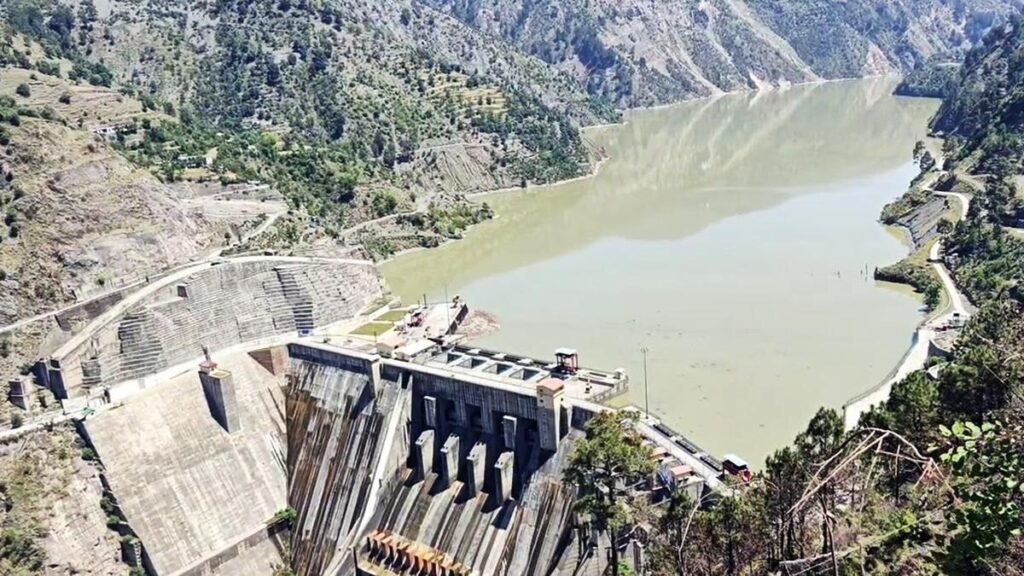
The Court of Arbitration (CoA), established under the Indus Waters Treaty (IWT) 1960, has concluded the second phase hearing on the merits in the ongoing arbitration case initiated by Pakistan against India. Read More: https://theboardroompk.com/pakistan-reforms-report-2026-ipp-renegotiations-set-to-save-rs1-4-trillion-in-power-sector/ The hearing wrapped up on February 3, 2026, at the Permanent Court of Arbitration (PCA) in The Hague, with the PCA serving as the secretariat. Background of the Long-Standing DisputeThe case, formally known as the Indus Waters Western Rivers Arbitration (Pakistan v. India), stems from Pakistan’s concerns over India’s run-of-river hydroelectric projects on the Western Rivers—Indus, Jhelum, and Chenab—which flow into Pakistan. Pakistan argues that certain design elements of these projects may violate IWT provisions, particularly regarding installed capacity, anticipated load, and maximum pondage limits outlined in Annexure D, Part 3. Key Details of the Arbitration Process Pakistan initiated the proceedings in 2016 under Article IX and Annexure G of the IWT to seek clarification on treaty interpretation and application. The CoA, chaired by Professor Sean D. Murphy (USA) and including members from Belgium, USA, Jordan, and Australia, has handled the matter despite India’s consistent non-participation and non-recognition of the tribunal’s jurisdiction. Second Phase Hearing on Merits As per Procedural Order No. 17 (dated November 21, 2025) and Procedural Order No. 18 (January 24, 2026), this phase focused on determining the basis for India to calculate installed capacity and anticipated load for proposed Annexure D, Part 3 hydroelectric projects, and how these factors influence maximum pondage calculations. Pakistan presented its arguments over the two-day session (February 2-3, 2026), while India did not appear or respond to invitations. Implications and Current Status The conclusion of the hearing marks progress in the multi-phase case, following earlier awards (including on competence in 2023 and merits in prior phases). No final award on this phase has been issued yet; the CoA will deliberate and render its decision in due course. The case underscores persistent tensions in Pakistan-India water-sharing relations, with Pakistan emphasizing treaty compliance to safeguard downstream water flows critical for agriculture and millions of people. India has maintained that parallel mechanisms (like Neutral Expert proceedings) apply and has boycotted the arbitration.

Pakistan Reforms Report 2026: IPP Renegotiations Set to Save Rs1.4 Trillion in Power Sector
Pakistan

Pakistan Reforms Report 2026: IPP Renegotiations Set to Save Rs1.4 Trillion in Power Sector

The Pakistan Reforms Report, 2026, released by Mishal Pakistan—the Country Partner Institute of the World Economic Forum—highlights significant progress in governance reforms during 2025. Read More: https://theboardroompk.com/nepra-introduces-prosumer-regulations-2026-shift-from-net-metering-to-net-billing-begins/ The report documents over 600 reforms across 135 institutions, a notable increase, with the energy sector leading at around 40% of total activity. Major Savings Projected from IPP Renegotiations Fiscal and energy reforms are expected to generate PKR 1.4 trillion in savings in the power sector through renegotiated contracts with Independent Power Producers (IPPs). This forms a key part of efforts to address inefficiencies, reduce capacity payments, and ease the burden on the national exchequer and consumers. The report emphasizes a shift from short-term crisis management to building long-term institutional capacity. Broader Reform Landscape Over 200 reforms were implemented via digital platforms, boosting transparency and minimizing bureaucratic discretion. The focus aligns with UN SDG-16, covering rule of law, accountability, and public access to information. Energy reforms include unlocking indigenous resources like the USD 6 billion Reko Diq project and new exploration policies targeting USD 5 billion in investments. Launch and Official Views Federal Minister for Climate Change Dr Musadik Malik launched the report on February 10, 2026. He praised the energy sector’s 118 reforms for improving efficiency and governance, plus tariff reductions for industry and worker relief. He stressed that transparent, fact-based reporting builds public trust and enhances Pakistan’s credibility with investors. Additional Highlights The report notes issuance of 12,600 international tech certificates to Pakistani youth. Mishal Pakistan’s CEO Amir Jahangir described it as creating “institutional memory” for tracking reforms over time. Co-Founder Puruesh Chaudhary highlighted improvements in access, transparency, and citizen services. While the IPP renegotiations promise substantial relief, the report frames them within a maturing reform process toward execution and digitization.

Scroll to Top