Author name: Web Desk

Forex Reserves Exceed $29 Billion, A Turning Point for Pakistan’s Economy
Pakistan

Forex Reserves Exceed $29 Billion, A Turning Point for Pakistan’s Economy

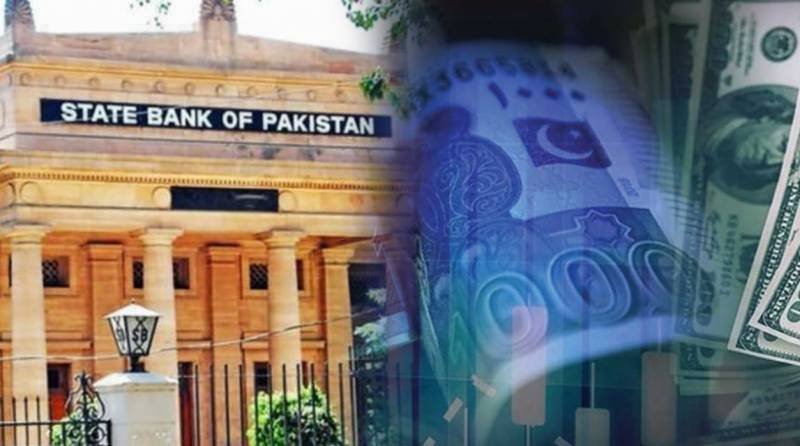
Forex Reserves Exceed $29 Billion a headline that is turning heads across financial markets, policy circles, and business communities. According to the IMF’s calculation method, Pakistan’s foreign exchange reserves have officially crossed the $29 billion mark this month, signaling a powerful shift in the country’s financial stability. Read More: https://theboardroompk.com/pakistan-construction-stone-exports-a-new-era-in-china-trade-relations/ But why does this number matter so much? And what could it mean for businesses, investors, and everyday citizens? Let’s break it down. Why “Forex Reserves Exceed $29 Billion” Is Big News When forex reserves exceed $29 billion under the IMF method, it reflects more than just a large number it represents a strengthened buffer against external shocks. Foreign exchange reserves are the country’s safety net. They are used to: • Stabilize the Pakistani rupee• Pay for essential imports like oil and machinery• Repay foreign debt obligations• Boost investor confidence Crossing the $29 billion threshold suggests Pakistan now has stronger financial ammunition to manage currency volatility and global economic uncertainty. IMF Method: Why It Matters The IMF method for calculating reserves follows international standards, ensuring transparency and credibility. This makes the milestone even more significant because it aligns Pakistan’s reporting with global financial benchmarks. When forex reserves exceed $29 billion under IMF calculations, international lenders, credit rating agencies, and foreign investors take notice. It signals compliance, discipline, and improved macroeconomic management. What’s Driving the Surge in Forex Reserves? Several economic factors have contributed to this positive development: A reduction in imports combined with stronger export performance has eased pressure on the external account. IMF disbursements and support from international partners have boosted official reserves. Overseas Pakistanis continue to send steady remittances, strengthening the country’s dollar position. Strategic debt management has helped ease repayment pressure. Together, these elements have enabled Pakistan’s forex reserves to exceed $29 billion a psychologically important level for financial markets. What This Means for the Rupee and Markets A higher reserve cushion typically: • Reduces speculative pressure on the rupee• Lowers default risk perception• Improves sovereign credit outlook• Encourages foreign portfolio investment For businesses, especially importers and exporters, stability in foreign exchange markets reduces uncertainty and improves planning. If this trend continues, it could support broader economic recovery and industrial growth. Is This a Sustainable Trend? While forex reserves exceed $29 billion today, sustainability depends on: • Continued fiscal discipline• Export growth• Controlled import management• Structural economic reforms Economists caution that reserves must remain strong without excessive borrowing, ensuring long-term stability rather than short-term relief. A Confidence Boost for Pakistan’s Economy Crossing the $29 billion mark under the IMF framework sends a clear message: Pakistan’s financial management is improving. The milestone not only strengthens macroeconomic stability but also boosts international credibility. In a global environment marked by volatility, emerging markets with solid reserve buffers stand out. For Pakistan, this could mark the beginning of a new financial chapter one defined by stability, credibility, and renewed investor confidence. Final Thoughts The fact that forex reserves exceed $29 billion is more than just a statistic it’s a signal of resilience and progress. The coming months will determine whether this milestone becomes a foundation for sustained economic growth or simply a temporary peak. But for now, the numbers tell a promising story. And the markets are watching closely.
Pakistan Construction Stone Exports: A New Era in China Trade Relations
Business

Pakistan Construction Stone Exports: A New Era in China Trade Relations

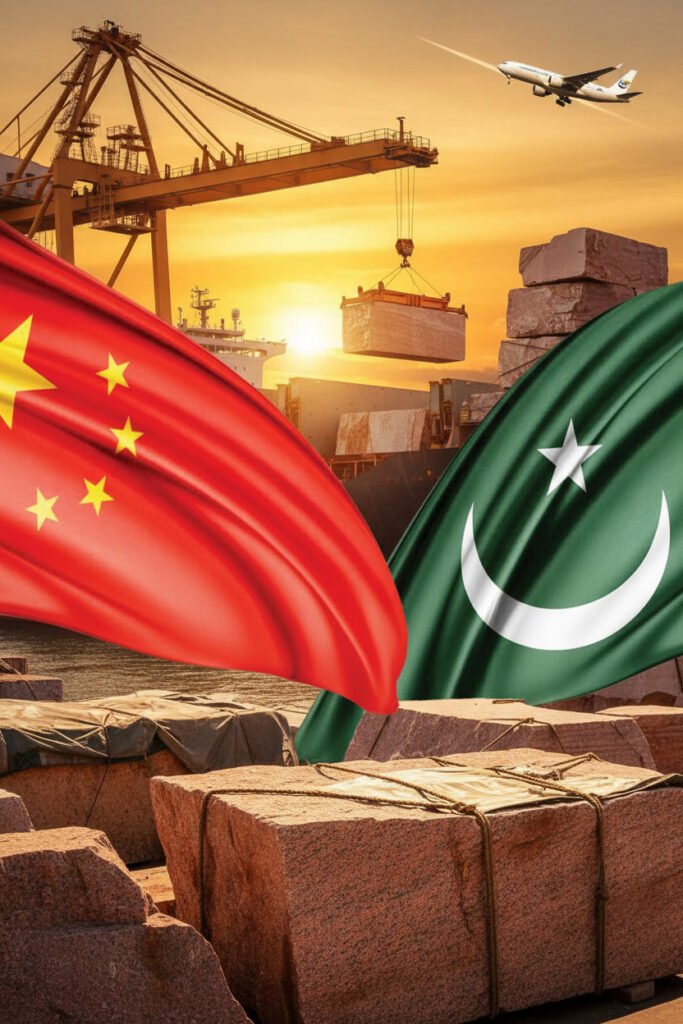
Pakistan Construction Stone Exports have reached a historic milestone, as Pakistan has officially become China’s third-largest supplier of construction stone materials. This remarkable development is not just a trade statistic it signals a powerful shift in regional economic dynamics and highlights Pakistan’s growing footprint in the global construction materials market. Read More: https://theboardroompk.com/sitara-petroleum-ipo-set-to-fuel-pakistans-capital-market-momentum/ With China leading the world in infrastructure development and urban expansion, its demand for high-quality construction materials continues to soar. Pakistan’s natural stone reserves including granite, marble, and other construction-grade materials are now playing a crucial role in meeting that demand. Why Pakistan Construction Stone Exports Are Surging The rapid growth in Pakistan Construction Stone Exports is driven by several key factors. First, Pakistan possesses vast reserves of premium-quality stone, particularly in Balochistan, Khyber Pakhtunkhwa, and Punjab. These regions are rich in granite, marble, and onyx that meet international construction standards. Second, improved trade logistics under the China-Pakistan Economic Corridor (CPEC) have streamlined export routes. Reduced transportation costs and enhanced infrastructure connectivity have made Pakistani stone more competitive in the Chinese market. Third, China’s aggressive urbanization policies have fueled unprecedented demand. With large-scale housing projects, commercial developments, and infrastructure initiatives underway, China continues to import massive volumes of construction materials and Pakistan is increasingly becoming a preferred partner. The Economic Impact of Pakistan Construction Stone Exports The rise of Pakistan Construction Stone Exports is expected to generate significant economic benefits. Instead of presenting figures in tabular form, here’s what the trend means in practical terms: • Export revenues from construction stone materials have grown steadily year-on-year, contributing to Pakistan’s overall export diversification strategy.• Thousands of jobs are being created in mining, processing, logistics, and transportation sectors.• Foreign exchange inflows are strengthening Pakistan’s balance of payments position.• Local mining companies are upgrading machinery and adopting modern extraction techniques to meet international standards. This export growth also reduces reliance on traditional textile exports, helping Pakistan broaden its trade portfolio. Pakistan Construction Stone Exports and Strengthening China Ties Trade between Pakistan and China has historically been robust, but the expansion of Pakistan Construction Stone Exports adds a new dimension to this partnership. China’s trust in Pakistan as a reliable supplier reflects improving quality control, competitive pricing, and timely delivery. The shift also demonstrates how non-traditional export sectors are becoming strategic pillars of bilateral trade. Industry analysts believe that if current growth trends continue, Pakistan could move even higher in China’s supplier rankings in the coming years. Challenges and Opportunities Ahead While the milestone is impressive, sustaining Pakistan Construction Stone Exports will require addressing key challenges. Environmental sustainability in mining operations must be prioritized. Modern processing facilities need further investment to ensure value-added exports instead of raw material shipments. Additionally, regulatory frameworks should be streamlined to facilitate easier export procedures. However, the opportunity is massive. Global demand for construction materials is projected to remain strong, particularly across Asia and the Middle East. If Pakistan continues upgrading its mining infrastructure and maintaining quality standards, its share in the global construction stone market could expand significantly. A Strategic Breakthrough for Pakistan’s Mining Sector The success of Pakistan Construction Stone Exports is more than just a trade achievement it is a signal that Pakistan’s mining sector is entering a new era of global relevance. As infrastructure projects surge worldwide and China continues its development momentum, Pakistan stands at a strategic crossroads. With abundant natural resources, improved logistics under CPEC, and growing international recognition, the country is well-positioned to transform its stone industry into a long-term export powerhouse. The question now is not whether Pakistan can compete globally but how fast it can scale.

Sitara Petroleum IPO Set to Fuel Pakistan’s Capital Market Momentum
Business

Sitara Petroleum IPO Set to Fuel Pakistan’s Capital Market Momentum

Sitara Petroleum IPO is poised to become one of Pakistan’s most significant stock market listings in recent years, with the fuel station operator targeting up to Rs3.2 billion ($11.4 million) in fresh capital next month. As investor appetite surges and the KSE-100 Index posts Asia’s strongest gains, the timing could not be more strategic. Read more: https://theboardroompk.com/pakistan-loan-demand-surge-signals-renewed-economic-confidence/ According to Shahid Ali Habib, CEO of Arif Habib Ltd., the lead manager and book runnerhas confirmed the upcoming offering. If successful, this transaction could rank as Pakistan’s second-largest IPO in the last four years, signaling renewed confidence in the country’s equity markets. Why the Sitara Petroleum IPO Is Launching Now The Sitara Petroleum IPO arrives at a time when Pakistan’s stock market is witnessing a powerful rally. Over the past year, the benchmark KSE-100 Index has surged more than 61%, making it Asia’s best-performing equity market. This strong upward trend has encouraged companies to return to capital markets after a relatively quiet period. Elevated valuations are creating favorable conditions for issuers, while rising retail participation is injecting fresh liquidity into the system. In simple terms, the market is hot and Sitara Petroleum is stepping in at the right moment. Sitara Petroleum IPO Pricing: A Strategic Discount? One of the most attractive elements of the Sitara Petroleum IPO is its valuation. The company’s shares are being offered at a price-to-earnings (P/E) ratio of 5.2x. Industry experts describe this as a significant discount compared to the average valuation of Pakistan’s oil marketing companies. Before announcing the public offer, Sitara successfully raised Rs1.66 billion through a pre-IPO placement. Institutional investors including Bank Alfalah Ltd. and Lucky Investments Ltd. participated at a 10% premium to the floor price. This early institutional backing signals confidence in the company’s expansion strategy and growth trajectory. Company Profile: From Dealer to Expansion Powerhouse Founded in 2012, Sitara Petroleum Services Ltd. has rapidly grown into a key player in Pakistan’s downstream fuel sector. The company operates as the largest dealer of Gas & Oil Pakistan Ltd. (GO) products. GO itself is the country’s second-largest fuel retailer by volume and is backed by Saudi Aramco one of the world’s biggest energy giants. Currently, Sitara Petroleum: • Operates 61 fuel stations primarily in Punjab under GO and Aramco branding• Manages a fleet of 320 oil tankers• Maintains strong logistics capabilities in fuel transportation This operational base gives the company both retail presence and distribution strength a rare combination in Pakistan’s fuel retail segment. How Sitara Petroleum IPO Funds Will Be Used The Rs3.2 billion raised through the Sitara Petroleum IPO will not sit idle. The company has outlined an ambitious expansion roadmap. First, Sitara plans to develop a 30,000-ton oil storage terminal in Gatti, Faisalabad. This project is strategically important because it will enable the company to apply for an independent oil marketing license by FY2028 a major step toward becoming a full-fledged oil marketing company (OMC). Second, the company intends to expand its retail footprint by developing at least 47 new fuel stations across key regions. Third, Sitara aims to strengthen its logistics arm by acquiring 50 additional oil tankers, increasing operational efficiency and market reach. Instead of merely expanding gradually, Sitara appears to be positioning itself for scale vertically integrating storage, retail, and transportation. What Makes the Sitara Petroleum IPO Worth Watching The Sitara Petroleum IPO combines three compelling elements: As Pakistan’s equity market regains investor confidence, energy and infrastructure-linked companies are drawing particular interest. With institutional backing already secured and ambitious expansion plans underway, Sitara Petroleum may become a case study of how mid-sized fuel operators transition into major industry players. For retail investors looking for exposure to Pakistan’s energy retail sector, this IPO could represent a timely opportunity especially given its discounted pricing compared to industry peers. The question now is not whether the IPO will attract attention but how strong the subscription demand will be once books officially open.

Pakistan Loan Demand Surge Signals Renewed Economic Confidence
Pakistan

Pakistan Loan Demand Surge Signals Renewed Economic Confidence

Pakistan loan demand surge is quickly becoming one of the most compelling economic stories of FY26. The latest Bank Lending Survey (BLS) for Q2-FY26 released by the State Bank of Pakistan (SBP) reveals a sustained rise in borrowing activity across key sectors a sign that businesses and consumers are regaining confidence in the country’s economic outlook. Read More: https://theboardroompk.com/pakistans-symmetry-group-acquires-us-based-logodesignguru-to-boost-ai-capabilities/ The current loan demand index climbed to 85, up from 84 in Q1-FY26. Even more striking, expected loan demand jumped to 89, highlighting strong credit appetite in the coming months. But what’s driving this momentum? And which sectors are leading the charge? Pakistan Loan Demand Surge Across Key Sectors The Pakistan loan demand surge is broad-based, with nearly all major sectors reporting higher credit needs. Agricultural Sector: Rural Financing Gains Strength Agricultural loan demand rose from 74 in Q1-FY26 to 79 in Q2-FY26. This increase reflects stronger rural financing needs, likely driven by seasonal cycles, input purchases, and improved farm-level economic activity. On a year-on-year basis, agricultural borrowing has shown consistent upward momentum, reinforcing the sector’s growing reliance on institutional credit. Corporate Sector: Investment Activity Expands Corporate loan demand increased from 80 to 84 quarter-on-quarter. This steady rise signals expanding business operations, capital expenditure, and working capital requirements. Compared to last year’s 78 reading, corporate borrowing has gained significant traction an encouraging indicator of private sector confidence. SME Sector: The Star Performer The SME sector delivered the strongest quarterly performance, with demand jumping from 73 to 82. This sharp increase suggests: • Rising entrepreneurial activity• Expansion in small and medium enterprises• Growing need for working capital• Increased participation in formal financing channels SMEs appear to be leveraging improved liquidity conditions and favorable borrowing costs to scale operations. Consumer Loans: Slight Moderation, Still Strong Consumer lending saw a marginal dip from 87 to 85. However, it remains firmly in the “Increase Considerably” zone. Year-on-year, consumer loans improved from 82 to 85, indicating that household borrowing remains resilient despite slight quarterly moderation. Loan Applications Reflect Strong Future Demand The Pakistan loan demand surge is also evident in application volumes. The index for current loan applications rose sharply to 86, compared to 76 in Q1-FY26. Meanwhile, expected applications increased to 90, up from 86 in the previous quarter. This trend suggests: • Businesses are actively planning expansion• Consumers are preparing for future purchases• Credit growth may accelerate further in coming quarters Borrowing Costs and Liquidity: A Favorable Environment One of the most critical factors behind the Pakistan loan demand surge is supportive monetary conditions. The index for overall current borrowing costs stands at 27 firmly in the “Decrease” zone. This means financing remains relatively affordable for both businesses and households. Liquidity conditions have also improved significantly: • Expected availability of funds surged to 80, compared to 74 in Q1-FY26• Current fund availability stands at 74, reflecting healthy banking sector liquidity This combination of lower borrowing costs and higher liquidity creates a powerful incentive for credit expansion. What’s Driving the Pakistan Loan Demand Surge? According to the SBP survey, several key drivers are fueling the upward trend: • Monetary policy decisions (Index: 82) – The dominant factor• Inventories & working capital needs (77) – Businesses rebuilding stock levels• Seasonal factors (69) – Cyclical economic effects• General economic activity (66) – Improving business sentiment• Fixed investment needs (66) – Long-term expansion plans• Improved security conditions (60) – Supporting economic stability Monetary policy remains the single most influential contributor, reinforcing how interest rate direction shapes borrowing behavior across Pakistan. Is This the Beginning of a Credit Cycle Upswing? The sustained Pakistan loan demand surge suggests more than just seasonal improvement. With expected loan demand at 89 and applications rising sharply, Pakistan may be entering a new phase of credit expansion. If liquidity remains strong and borrowing costs stay favorable, the banking sector could witness accelerated disbursements in the coming quarters potentially translating into stronger GDP growth and private sector investment. The real question now is: Can this credit momentum translate into long-term economic stability? For now, the numbers signal cautious optimism and growing economic confidence.

Pakistan's Symmetry Group Acquires US-Based LogoDesignGuru to Boost AI Capabilities
Business

Pakistan’s Symmetry Group Acquires US-Based LogoDesignGuru to Boost AI Capabilities

Pakistan’s Symmetry Group Limited has executed a Share Purchase Agreement (SPA) to acquire LogoDesignGuru (LDG), a US-based AI-driven digital branding and technology firm. Read More: https://theboardroompk.com/oil-prices-climb-on-fragile-us-iran-talks-and-rising-india-demand/ The announcement came via a notice to the Pakistan Stock Exchange (PSX) on February 11, 2026, marking a key step in the company’s international expansion strategy. This follows the board’s approval on February 9-10, 2026, of an aggregate investment plan worth up to Rs1,250 million, which includes this US acquisition alongside other initiatives like a local AI investment. Strategic Acquisition and Company ProfilesSymmetry Group, a Karachi-based digital technology and experiences company, specializes in digital products, services, and platform-led solutions. It has been actively building its AI capabilities, including launching generative AI tools and planning AI-focused subsidiaries. LogoDesignGuru (LDG) operates AI-powered design platforms, digital asset marketplaces, and hybrid design-service models, primarily serving international clients. The US firm is currently profitable and is projected to generate around $0.7 million (approximately Rs200 million) in revenue for the current year. The acquisition aligns with Symmetry’s goal to broaden its global footprint, enhance platform-led digital offerings, and integrate advanced AI-driven branding technologies. Expected Benefits and Financial Outlook Post-acquisition, Symmetry anticipates improved earnings through cost optimization, operational synergies, and revenue growth strategies. Revenues from the combined entity are expected to increase at a healthy year-on-year pace. The deal is part of broader fund deployment for scaling operations, supporting long-term client engagements, upgrading technology infrastructure, and meeting working capital needs to boost overall profitability. No specific acquisition price or payment structure was disclosed in the PSX filing. This move underscores growing outbound investment by Pakistani tech firms into AI and digital sectors abroad, complementing Symmetry’s domestic AI initiatives.

Oil Prices Climb on Fragile US-Iran Talks and Rising India Demand
World

Oil Prices Climb on Fragile US-Iran Talks and Rising India Demand

Oil prices rose on February 11, 2026, supported by persistent geopolitical risks from fragile US-Iran diplomatic talks and improved demand signals from India. Read More: https://theboardroompk.com/saudi-arabia-targets-corporate-farming-investments-in-pakistan-for-long-term-food-security/ Brent crude futures climbed 55 cents (0.80%) to $69.35 per barrel by 0356 GMT, while US West Texas Intermediate (WTI) gained 57 cents (0.89%) to $64.53 per barrel. The gains reversed some prior session softness, with markets absorbing recent surplus while awaiting fresh US inventory data. Geopolitical Risks Fuel Bullish Sentiment Escalating tensions in US-Iran relations provided a key risk premium. Talks held in Oman last week showed some consensus to continue diplomacy, but fragility persists amid ongoing sanctions, tariff threats on Iranian trade, and a heightened US military presence in the region. Reports of potential US deployment of a second aircraft carrier to the Middle East if negotiations fail dashed hopes for quick resolution. LSEG analysts noted that oil retains a “bullish tail-risk bid” due to the tenuous talks, Strait of Hormuz concerns, and sanctions pressure. Iran’s foreign ministry indicated the discussions help gauge US seriousness, yet uncertainty keeps traders cautious. India Demand and Supply Dynamics Support Prices Better demand from India contributed to easing surplus concerns. Indian refiners have shifted away from Russian oil to facilitate a potential trade pact with Washington, increasing purchases from the Middle East and West Africa. Vortexa analyst Xavier Tang highlighted that mainstream oil on water has normalized, with rising Indian demand likely to keep prices supported near-term. This pivot helps absorb barrels previously in surplus from late 2025. Markets also eyed upcoming US Energy Information Administration inventory data, with API figures showing a 13.4 million barrel crude build for the week ended February 6, offset by draws in distillates and gasoline. Overall, the combination of geopolitical tail risks and demand-side strength underpins near-term oil stability amid broader market waiting.

Saudi Arabia Targets Corporate Farming Investments in Pakistan for Long-Term Food Security
Pakistan

Saudi Arabia Targets Corporate Farming Investments in Pakistan for Long-Term Food Security

Saudi Arabia has expressed strong interest in investing in corporate-scale farming in Pakistan, aiming to establish structured, long-term arrangements that boost bilateral trade and food security. Read More: https://theboardroompk.com/pakistan-indonesia-accelerate-trade-upgrade-pta-to-become-cepa-by-2027/ This development emerged from recent high-level discussions between Pakistani and Saudi officials, focusing on agriculture as a key pillar of expanding economic ties. The talks, held ahead of February 11, 2026, involved Federal Minister for Commerce Jam Kamal Khan and Saudi Arabia’s Assistant Minister of Investment, H.E. Eng. Ibrahim Al-Mubarak. Both sides emphasized shifting toward investment-led partnerships rather than traditional aid models. Focus on Key Agricultural Sectors Saudi Arabia highlighted corporate farming opportunities in rice, fodder (such as alfalfa), meat production, and selected agri-products. Pakistan already meets quality standards for these exports, and investments in mechanization, storage, and logistics could ensure consistent rice supplies to the Kingdom under guaranteed offtake agreements. Minister Kamal noted that export-oriented models could revive Pakistan’s agricultural output, supporting downstream industries like textiles and yarn by addressing productivity challenges in crops such as cotton. Broader Cooperation and Benefits Discussions extended beyond farming to include Saudi financing for agriculture-linked infrastructure projects, human resource development through vocational training (e.g., train-to-deploy models for healthcare, hospitality, and services), and collaboration in sectors like pharmaceuticals, sports goods, footwear, light manufacturing, and building materials (limestone, marble, aggregates). Both nations stressed enhancing competitiveness, scaling production, and strengthening value chains to meet regional demand sustainably. They also explored joint opportunities in markets across Central Asia, Africa, and ASEAN. This initiative aligns with ongoing momentum in Pakistan-Saudi relations, including active investment pipelines in agriculture, mining, IT, and tourism, promising job creation, technology transfer, and economic growth.

Pakistan, Indonesia Accelerate Trade Upgrade: PTA to Become CEPA by 2027
Pakistan

Pakistan, Indonesia Accelerate Trade Upgrade: PTA to Become CEPA by 2027

Pakistan and Indonesia have taken a major step to deepen their economic partnership by agreeing to upgrade their existing Preferential Trade Agreement (PTA) into a more robust Comprehensive Economic Partnership Agreement (CEPA) targeted for 2027. Read More: http://Pakistan and Indonesia accelerate PTA upgrade to CEPA by 2027 via Joint Negotiation Committee, targeting deeper trade in agri, IT, halal products, and investments through SIFC-Danantara ties. Follow-ups This development was announced following high-level talks in Islamabad on February 10, 2026 (local time), amid ongoing efforts to boost bilateral trade, investment, and cooperation. The announcement highlights the strong diplomatic ties between the two Muslim-majority nations, building on recent milestones such as Indonesian President Prabowo Subianto’s visit to Pakistan last year and discussions at international forums. Strategic Push for Enhanced Ties Prime Minister Shehbaz Sharif met with Indonesian Minister for Investment and Downstream Industry Rosan Roeslani, who led a delegation to Pakistan. PM Sharif expressed Pakistan’s keen interest in learning from Indonesia’s successful sovereign wealth fund model to strengthen its own economic framework. He emphasized the brotherly relations and the positive momentum from high-level engagements. Minister Roeslani conveyed warm regards from President Prabowo and reaffirmed Indonesia’s commitment to removing trade barriers. Both sides agreed to expedite the transition, focusing on expanded exchanges in goods, services, and investments. Expected Benefits and Timeline The upgrade from PTA to CEPA is expected to significantly benefit both economies by facilitating broader market access, encouraging joint ventures, and promoting sustainable growth. It follows earlier talks, including those in January 2026 on accelerating the process. Officials from both countries, including Pakistan’s Deputy Prime Minister and Foreign Minister Ishaq Dar, Commerce Minister Jam Kamal Khan, and Finance Minister Muhammad Aurangzeb, participated in the discussions. The target remains 2027 for full implementation, with continued work on implementing the current PTA terms in the interim. This move aligns with Pakistan’s efforts to diversify trade partners and Indonesia’s push for comprehensive partnerships in the region.

KICT Says Allegations of Holding 38,000 Containers 'Completely Misleading'
Pakistan

KICT Says Allegations of Holding 38,000 Containers ‘Completely Misleading’

Karachi International Container Terminal (KICT) categorically rejects the inaccurate and misleading claims recently published in print media. The report presents an incorrect portrayal of terminal operations and does not reflect verified operational facts. Read More: https://theboardroompk.com/psx-transitions-to-the-t1-trade1-day-settlement-cycle/ KICT confirms that there is no examination backlog at the terminal. At no stage has KICT stopped or held any Customs released containers from delivery. The allegation that KICT is holding 38,000 undelivered containers is a complete misstatement. KICT’s real time yard inventory is significantly lower, and the figure quoted exceeds more than double the total container holding capacity of the terminal, making such assertions operationally impossible and factually incorrect. These claims misrepresent the actual situation on ground. The news that Collectorate of Customs Appraisement West Pakistan Customs has issued a warning notice to KICT is also inaccurate. KICT works closely with Pakistan Customs and regularly takes improvement measures as advised by the authorities. KICT remains fully compliant with all regulatory requirements and continues to work in close coordination with Customs authorities. The reference made to Delay & Detention Certificate (DDC) matters in the report is equally misleading. All DDC-related matters are sub-judice and currently pending before competent courts. KICT stands committed to comply with the decision of the court. KICT maintains a strong working relationship with the Karachi Port Trust (KPT), which continues to provide additional yard space to manage overflow cargo during periods of high import volumes. This coordination ensures uninterrupted operations and demonstrates proactive capacity planning by both organizations. To support trade facilitation, KICT has implemented several proactive measures, including increase in labour resources and deployed additional equipment, and strengthened 24/7 operational coverage. KICT regrets the publication of an unverified and factually incorrect report that undermines the collective efforts of KICT, Pakistan Customs, and trade unions who continue to facilitate trade under challenging conditions. KICT reiterates that there is no examination backlog and no operational crisis at the terminal. The terminal’s gates, systems, and records remain fully open for verification by any competent authority. KICT reassures the trading community of uninterrupted service and smooth operations. With a long term view of supporting Pakistan’s trade growth, KICT shareholders are already engaged with the Government on future expansion plans and modernization of equipment and facilities to further enhance container handling efficiency at the terminal.

PSX Transitions to the T+1 (Trade+1 Day) Settlement Cycle
Uncategorized

PSX Transitions to the T+1 (Trade+1 Day) Settlement Cycle

Karachi, February 10, 2026 — Pakistan’s Capital Market has officially transitioned to the T+1 settlement cycle, a landmark reform that strengthens efficiency, reduces risk and aligns the country with international best practices. Read More: https://theboardroompk.com/jazzworld-hires-100-associates-for-ai-data-science-and-fintech-roles-in-pakistan/ Effective from February 9, 2026, all eligible trades at the Pakistan Stock Exchange (PSX) are now settled on a Trade plus one (T+1) basis, replacing the previous T+2 cycle. The transition has been implemented under the guidance of the Securities and Exchange Commission of Pakistan (SECP), through close collaboration among Pakistan Stock Exchange (PSX), National Clearing Company of Pakistan Limited (NCCPL), Central Depository Company (CDC), Pakistan Stock Brokers Association (PSBA), State Bank of Pakistan (SBP), Pakistan Banks Association (PBA), Mutual Fund Association of Pakistan (MUFAP), securities brokers, custodian clearing members, asset management companies, settling banks, E-Clear and other non-broker clearing members. The transition aligns Pakistan’s Capital Market with leading markets such as the United States, Canada, Mexico, Argentina, Jamaica, and China, which have already adopted shorter settlement cycles. Europe, the UK and Switzerland are set to follow by 2027. By moving early, Pakistan positions itself ahead of several advanced markets and demonstrates its commitment to modernization and investor protection. The transition to the T+1 settlement cycle brings important advantages for Pakistan’s capital market. It enables faster access to funds and securities, improving liquidity, while reducing settlement and counterparty risk through shorter exposure periods. Quicker trade finalization enhances efficiency and the reform strengthens investor confidence, particularly among institutional and foreign investors. Together, these benefits support a stronger and more resilient market aligned with global best practices. Dr. Kabir Ahmed Sidhu, Chairman SECP, commended the Pakistan Stock Exchange, the Central Depository Company, and the National Clearing Company of Pakistan for the successful implementation of the T+1 settlement system. He stated that the reform brings Pakistan’s capital market at par with modern jurisdictions by accelerating trade settlement, reducing counterparty and market risks, and enhancing liquidity. He added that the adoption of T+1 will strengthen investor confidence and align Pakistan’s capital market with evolving international standards and global best practices. As a broader policy initiative, this milestone reflects SECP’s commitment to modernizing capital markets, reducing systemic risk, and strengthening investor protection. PSX, NCCPL, and CDC reiterate their congratulations to all stakeholders for their collective efforts in making this transition a success.

Scroll to Top