Author name: Web Desk

Pakistan Foreign Exchange Reserves Rise to $21.37 Billion – SBP Reserves Show Steady Growth
Business

Pakistan Foreign Exchange Reserves Rise to $21.37 Billion – SBP Reserves Show Steady Growth

Pakistan Foreign Exchange Reserves posted another weekly gain, signaling continued stability in the country’s external account position. According to the latest data released by the State Bank of Pakistan (SBP), foreign exchange reserves rose modestly during the week ended February 06, 2026 but the broader picture reveals a much stronger economic narrative. The SBP’s foreign reserves increased by $20.6 million (0.13% week-on-week), bringing the central bank’s total holdings to $16.18 billion. While the weekly increase may appear small, the cumulative trend tells a far more compelling story. SBP Foreign Exchange Reserves Show Strong Fiscal Year Growth The most striking development in Pakistan Foreign Exchange Reserves is the massive fiscal year improvement. Since the beginning of the current fiscal year, SBP-held reserves have surged by $7.11 billion, representing an impressive 78.47% increase. This sharp rise suggests: • Improved external financing inflows• Better current account management• Strengthened confidence among international lenders• Stability in remittance and export performance Even during the current calendar year alone, reserves have expanded by $262.7 million (1.65%), reinforcing positive momentum. Total Pakistan Foreign Exchange Reserves Reach $21.37 Billion Beyond the SBP, commercial banks also contributed to the improvement in Pakistan Foreign Exchange Reserves. Commercial banks’ net foreign reserves rose by $15.4 million (0.30%), reaching $5.2 billion. As a result, Pakistan’s total liquid foreign exchange reserves climbed to $21.37 billion, marking a $36 million (0.17%) weekly increase. In simpler terms: • The central bank strengthened its reserve buffer.• Commercial banks improved their foreign currency holdings.• The country’s overall external liquidity position expanded. Although the weekly percentage gains appear moderate, consistent upward movement reflects resilience and improving macroeconomic fundamentals. Why Pakistan Foreign Exchange Reserves Matter Foreign exchange reserves act as a financial shield for any economy. Rising Pakistan Foreign Exchange Reserves mean: For Pakistan, maintaining reserves above the $16 billion mark at the central bank level is particularly important given past volatility in the external account. What’s Driving the Growth? While the SBP has not detailed specific inflows for the week, recent reserve growth trends typically reflect: • Multilateral and bilateral funding inflows• Stable remittance performance• Controlled import growth• Exchange rate stabilization policies• Improved trade balance management The nearly $7.11 billion fiscal year increase suggests structural stabilization rather than temporary inflows a key signal markets often watch closely. Is This a Turning Point for Pakistan’s Economy? The consistent rise in Pakistan Foreign Exchange Reserves may indicate that the country is entering a more stable macroeconomic phase. After periods of pressure on the rupee and external accounts, the current reserve trajectory suggests improved financial discipline and policy effectiveness. However, sustainability remains the key question. Analysts will closely monitor: • External debt repayments• IMF program developments• Trade deficit trends• Remittance inflows• Global commodity prices If reserve growth continues at a steady pace, Pakistan could strengthen its economic outlook for 2026. Final Takeaway While the weekly increase of $36 million in Pakistan Foreign Exchange Reserves may seem incremental, the broader fiscal year expansion of over $7 billion tells a powerful story of recovery and stabilization. With total reserves now standing at $21.37 billion, Pakistan’s external buffer appears significantly stronger compared to previous years offering cautious optimism for investors, policymakers, and businesses alike. The coming weeks will reveal whether this steady upward trend transforms into sustained economic momentum.
Tabinda Lari, Icon of Heartfelt Naats, Dies at NICVD After Brief Illness
Pakistan

Tabinda Lari, Icon of Heartfelt Naats, Dies at NICVD After Brief Illness

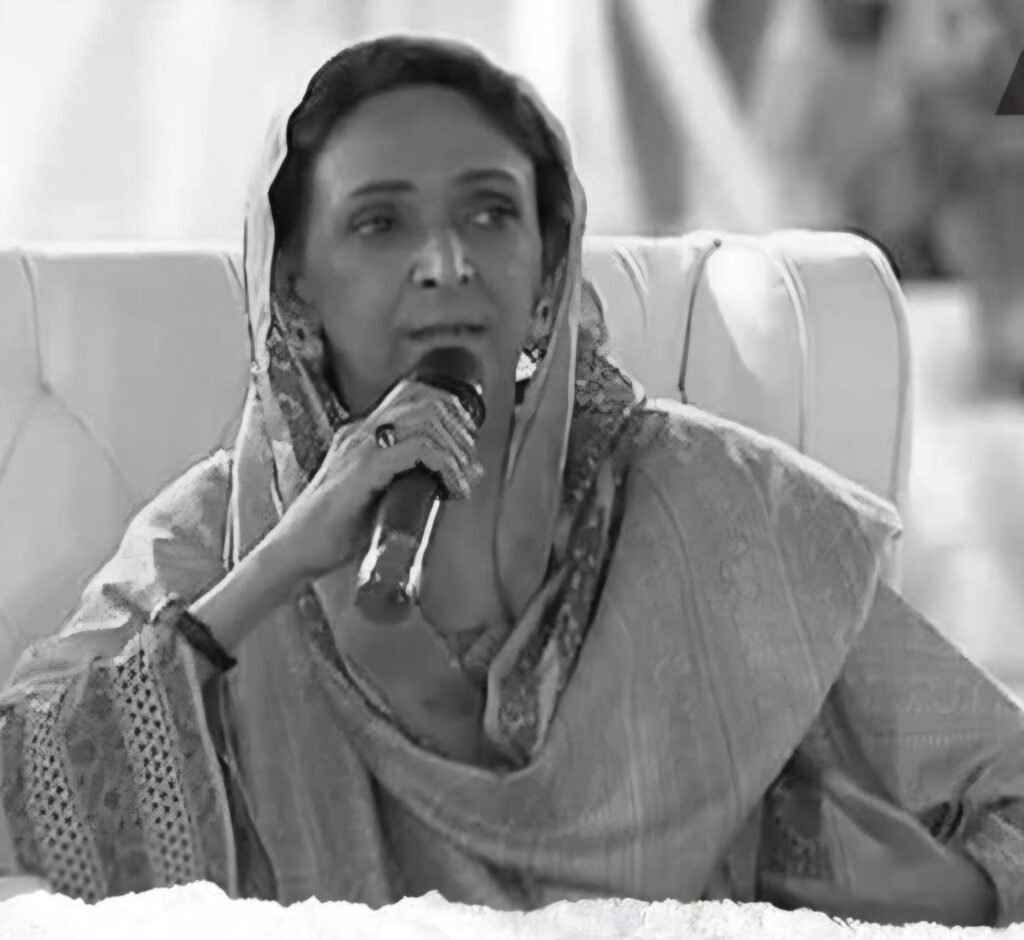
Karachi, February 12, 2026 – The Pakistani religious and cultural community is in deep grief following the passing of celebrated Naat Khawan Tabinda Lari. Hospital officials at the National Institute of Cardiovascular Diseases (NICVD) confirmed her demise on Thursday after a brief but intense battle with heart-related complications. Read More: https://theboardroompk.com/sbp-governor-calls-for-digital-agri-finance-scale-zarkheze-enhance-crop-insurance-and-diversify-geographical-outreach/ Tabinda Lari had been admitted to NICVD in recent days due to worsening heart conditions. Despite dedicated medical efforts from the hospital staff, her health deteriorated rapidly, leading to her untimely death. Family sources and hospital authorities described her illness as sudden in its severity, though she had been under treatment for heart issues. Known for her profoundly soulful and emotive recitations of Naats, Tabinda Lari held a special place in Pakistan’s spiritual landscape. Her voice, filled with devotion and sincerity, resonated deeply with millions of listeners across the country and the Pakistani diaspora. Over decades, she became synonymous with heartfelt Naat performances, captivating audiences through television channels, religious gatherings, and audio recordings. Her renditions often evoked tears and spiritual reflection, making her a beloved figure in homes during religious occasions like Rabi-ul-Awwal and other Islamic events. Tabinda Lari’s contributions extended beyond mere recitation; she inspired a generation of young Naat performers and helped preserve the tradition of Naat Khwani in its purest form. Her work touched hearts both locally and internationally, earning her widespread admiration for authenticity and emotional depth. Funeral arrangements are expected to be announced soon by her family. Tributes have begun pouring in from fans, fellow artists, and religious scholars, remembering her as a voice of piety and grace. Her legacy will continue to inspire through her timeless recordings, ensuring her soulful Naats live on in the hearts of devotees. May Allah grant her Jannat-ul-Firdous and solace to her grieving family and admirers.

KSE-100 Index Slides Sharply as Reko Diq Concerns Shake Investor Confidence
Business

KSE-100 Index Slides Sharply as Reko Diq Concerns Shake Investor Confidence

KSE-100 Index witnessed a dramatic downturn on Thursday, closing at 180,512.64, down 2,537.16 points (-1.39%), as uncertainty surrounding Barrick Gold’s $6 billion Reko Diq copper-gold project rattled investor sentiment. The decline was not just another routine market correction it reflected deeper concerns about Pakistan’s investment climate and the future of large-scale foreign projects. Why the KSE-100 Index Fell: The Reko Diq Factor The primary trigger behind the KSE-100 Index slump was Barrick Gold Corporation’s statement indicating it is reviewing the development timeline and capital budget of the Reko Diq project due to rising security risks in Balochistan. For investors, this signaled potential delays in one of Pakistan’s largest foreign direct investment (FDI) ventures. The uncertainty sparked fears about: • Foreign investor confidence• Political and security stability• Long-term economic growth prospects The market reacted swiftly and sharply. KSE-100 Index Trading Range Reflects Volatility The KSE-100 Index traded within a wide range of 4,031 points, highlighting the day’s volatility. • Intraday High: 182,757• Intraday Low: 178,725 This massive swing underscores how sensitive the Pakistan Stock Exchange (PSX) currently is to geopolitical and investment-related developments. Total traded volume for the KSE-100 stood at 448.22 million shares, reflecting heavy selling pressure. Market Breadth: Overwhelmingly Negative Out of 100 companies in the index: • 18 stocks closed positive• 80 stocks declined• 2 remained unchanged This broad-based decline indicates that the sell-off was not limited to a few sectors it was widespread. Major laggards included: • HUM Network (down 6.02%)• IBFL (down 6.00%)• Engro Fertilizers (down 5.14%)• Thal Limited (down 5.11%)• Standard Chartered Bank (down 4.67%) On the flip side, a few stocks managed gains, including PIOC (+2.21%) and RMPL (+2.07%), but these were insufficient to offset the broader decline. Sector-Wise Impact on the KSE-100 Index The KSE-100 Index was dragged down primarily by heavyweight sectors: • Commercial Banks contributed a massive 730-point decline• Oil & Gas Exploration shaved off 437 points• Technology & Communication lost over 220 points• Cement sector reduced 202 points• Power Generation dropped 192 points These sectors collectively amplified the downward momentum. Meanwhile, smaller positive contributions came from Transport, Paper & Packaging, and Tobacco but their impact was marginal. Broader Market Performance The bearish trend extended beyond the benchmark. The All-Share Index fell by 1,441 points (-1.31%), closing at 108,400. Interestingly, overall market activity increased: • Total market volume rose to 874 million shares• Traded value surged to Rs41.77 billion• 441,474 trades were recorded across 484 companies Despite higher participation, the majority of stocks 342 companies closed in negative territory. Most Active Stocks by Volume K-Electric led trading volumes with nearly 177 million shares changing hands, followed by CNERGY and AMTEXNC. While some stocks like EPCL posted gains (+6.04%), the majority of high-volume shares closed lower, reinforcing bearish sentiment. Bigger Picture: Still a Strong Fiscal Year Despite today’s drop, the KSE-100 Index has delivered remarkable gains over the fiscal year: • Up 54,885 points (43.69%) in FY so far• Up 6,458 points (3.71%) in the current calendar year•This indicates that while short-term volatility is intense, the broader market trend remains resilient. What Comes Next for the KSE-100 Index? The future trajectory of the KSE-100 Index may largely depend on: • Clarity on the Reko Diq project timeline• Improvement in security perceptions• Stability in macroeconomic indicators• Continued foreign investor confidence If reassurance emerges from policymakers or Barrick Gold, the market could stage a recovery. However, prolonged uncertainty may keep volatility elevated. Final Thoughts The latest plunge in the KSE-100 Index serves as a reminder that investor confidence is deeply tied to large-scale investment projects and geopolitical stability. While Pakistan’s stock market has shown impressive growth this fiscal year, sustaining momentum will require consistent policy clarity and security assurance. For investors, the coming sessions could prove decisive. Will this dip create a buying opportunity or signal deeper concerns ahead? Stay tuned as the KSE-100 Index navigates this critical juncture.

Reko Diq Project Faces Uncertainty as Barrick Gold Reviews Security Risks
Pakistan

Reko Diq Project Faces Uncertainty as Barrick Gold Reviews Security Risks

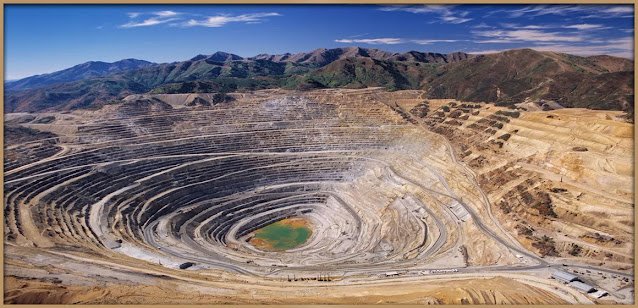
The Reko Diq Project, one of the largest planned copper-gold mines in the world, has entered a critical phase as Barrick Gold Corporation reassesses its development timeline and capital budget due to escalating security risks in Balochistan. This unexpected review has sparked debate across financial markets, government circles, and among global investors: Can Pakistan safeguard its most ambitious foreign investment? Why the Reko Diq Project Matters for Pakistan The Reko Diq Project is no ordinary mining venture. Located in Balochistan’s mineral-rich Chagai district, it represents a potential economic breakthrough for Pakistan. Barrick Gold has already invested $849 million into the project, with a remarkable $721 million deployed in 2025 alone. Phase 1 of development carries a massive projected cost of approximately $6 billion. Once operational, the mine is expected to produce: • Around 200,000 tonnes of copper annually• Approximately 250,000 ounces of gold per year• Multi-decade mining potential backed by substantial reserves•If completed as planned, the Reko Diq Project could generate billions of dollars in taxes and royalties while creating thousands of direct and indirect jobs in one of Pakistan’s most underdeveloped provinces. In simple terms, this isn’t just a mining project it’s a long-term economic engine. Security Risks Cast a Shadow Over the Reko Diq Project However, the future of the Reko Diq Project now faces uncertainty due to what Barrick described as “escalating security risks.” Balochistan has historically experienced periodic security incidents and separatist unrest. While Barrick did not detail the specific incidents prompting the review, analysts suggest the move could delay the signing of a limited recourse project financing facility that was targeted for the second half of 2025. The review has amplified investor concerns about Pakistan’s ability to protect strategic foreign investments. UBS analyst Daniel Major noted that following recent management changes, Barrick’s commitment to the Reko Diq Project appears less certain. However, he emphasized that the allocation of approximately $650 million in capital expenditure for 2026 signals continued engagement. JPMorgan analyst Bennett Moore echoed a similar sentiment, stating that although financing could face delays due to security incidents, the earmarked $650 million spending demonstrates that Barrick has not withdrawn from the project. In other words: the project is under review but not abandoned. Market Reaction and Investor Sentiment The announcement has already impacted market confidence. Investor caution intensified as concerns grew over potential delays to one of Pakistan’s largest foreign investment projects. The Pakistan Stock Exchange experienced selling pressure, particularly in sectors linked to mining and external financing exposure. For international investors, the Reko Diq Project is being viewed as a litmus test. If Pakistan successfully addresses security challenges and restores confidence, it could strengthen its global mining reputation. If not, it risks reinforcing perceptions of instability compared to other mining jurisdictions. Government Silence Raises Questions So far, federal and provincial authorities have not publicly commented on Barrick’s security review announcement. However, industry observers expect high-level discussions between the federal government, Balochistan authorities, and Barrick management. The stakes are high. The Reko Diq Project is not merely a corporate investment it represents Pakistan’s broader ambition to position itself as a competitive destination for large-scale foreign direct investment. What Happens Next for the Reko Diq Project? The coming months will be crucial. Key developments to watch include: • Confirmation or delay of the financing facility• Government security assurances• Continued capital deployment by Barrick• Market reaction to policy responses While uncertainty clouds the immediate outlook, the allocated capital spending suggests the door remains open. For Pakistan, the message is clear: securing the Reko Diq Project could redefine its economic narrative. Losing momentum, however, could send a troubling signal to global investors. The world is watching.

Karachi Fire Incident: K-Electric Staff Rescue 25 People from Index Palace Blaze
Breaking News

Karachi Fire Incident: K-Electric Staff Rescue 25 People from Index Palace Blaze

Karachi Fire Incident stories have sadly become frequent headlines in Pakistan’s largest metropolis. But amid rising concern over urban safety, one recent emergency near Tipu Sultan Road turned into a powerful story of courage, quick thinking, and corporate responsibility. When flames engulfed the Index Palace Building, panic spread quickly. Smoke choked staircases, escape routes were blocked, and residents found themselves trapped inside. What happened next has sparked citywide attention. Karachi Fire Incident at Index Palace Sparks Immediate Response As soon as reports of the Karachi Fire Incident reached K-Electric, the utility company initiated emergency safety protocols. In situations like these, electrical hazards can worsen an already dangerous fire. Acting swiftly, K-Electric isolated the feeder supplying electricity to the affected area, eliminating the risk of electrocution or electrical flare-ups. This rapid action stabilized the surrounding infrastructure and created a safer environment for rescue efforts to begin. But what followed went far beyond technical responsibility. How K-Electric Became First Responders During the Karachi Fire Incident While K-Electric’s official role is limited to managing power supply, the unfolding Karachi Fire Incident demanded more than protocol. With emergency rescue services yet to arrive, K-Electric’s on-ground team stepped into a life-saving role. Facing intense heat, smoke-filled corridors, and high-risk conditions, the team deployed its Mounted Truck Ladder (MTL) equipment typically used for maintenance operations. Through calculated maneuvering and calm coordination, at least 25 individuals were safely evacuated from upper floors where flames had blocked staircases. Eyewitnesses described scenes of desperation turning into relief as trapped residents were carefully brought down to safety. The company’s intervention bridged a critical time gap until the fire brigade arrived and took control of firefighting operations. Why This Karachi Fire Incident Raises Bigger Questions The Karachi Fire Incident at Index Palace is not an isolated case. The city has witnessed a worrying surge in fire emergencies across residential and commercial buildings. Experts frequently cite: • Aging infrastructure• Faulty wiring systems• Poor compliance with fire safety codes• Inadequate emergency preparedness This incident once again highlights the urgent need for stricter enforcement of safety regulations and building inspections across Karachi. Corporate Responsibility Beyond Business What makes this Karachi Fire Incident particularly noteworthy is the broader message it sends about corporate citizenship. K-Electric’s response reflects a growing expectation that major corporations in Pakistan must serve as community stakeholders, not just service providers. By going beyond its operational mandate, the utility demonstrated how private sector entities can contribute meaningfully during urban crises. In high-risk urban environments like Karachi, time often determines survival. The early intervention by trained personnel with access to heavy equipment can mean the difference between tragedy and relief. Investigation Underway The exact cause of the fire remains under investigation. Authorities are expected to release findings after completing their assessment. Until then, questions remain about building safety standards and emergency response readiness. However, one fact stands clear: 25 lives were saved during a terrifying Karachi Fire Incident because a team chose action over limitation. A Wake-Up Call for Urban Safety As Karachi continues to expand vertically with high-rise buildings, incidents like this serve as urgent reminders. Fire preparedness, equipment accessibility, and inter-agency coordination must improve if the city hopes to prevent larger catastrophes in the future. For now, amid the smoke and chaos of the Index Palace blaze, there is at least one reassuring takeaway decisive action, even outside defined roles, can save lives. And in a city battling recurring fire emergencies, that commitment matters more than ever.

From Deepfakes to Digital Citizenship: Google Provides Pakistan Families with AI Safety Resources
Tech

From Deepfakes to Digital Citizenship: Google Provides Pakistan Families with AI Safety Resources

Karachi:To mark Safer Internet Month, Google highlighted a range of tools, technologies, and educational initiatives designed to help students, parents, and educators in Pakistan navigate the AI era safely and responsibly. Read More: https://theboardroompk.com/sbp-governor-calls-for-digital-agri-finance-scale-zarkheze-enhance-crop-insurance-and-diversify-geographical-outreach/ As artificial intelligence becomes an increasingly important part of learning and everyday life, Google reaffirmed its commitment to ensuring families can explore its benefits with the right safeguards in place. “Protecting kids and families online is a core commitment at Google, and we take this responsibility seriously. That’s why all our products — from YouTube, Google Search to the Android ecosystem — are secure by default and private by design. We recognize the critical importance of local partnerships and we are working closely with stakeholders across Pakistan. Together, we can build a safer internet, not just for today’s youth, but for all future generations,” said Farhan Qureshi, Google’s Cluster Director for Pakistan, the Philippines, Thailand, and Frontier Markets. “Access to AI — with the right guardrails — can unlock powerful opportunities for learning, creativity, and growth,” said Norman Ng, Head of Trust and Safety, Google APAC. “This Safer Internet Month and beyond, we want to equip families in Pakistan with practical tools and knowledge to navigate technology safely and confidently.” Built to Protect: AI as a Digital Safeguard Google emphasized its “secure by design” and “secure by default” approach, which embeds safety protections directly into products. Google provides parents with peace of mind through protections like SafeSearch, which is on by default for children. Parents can further customize boundaries using Family Link to manage screen time, approve apps, and set content filters. AI-powered tools such as Google Lens and Circle to Search help users identify suspicious links and potential scams in real time. Distinguishing between human-created and AI-generated content is an increasingly vital skill. Google recommends the “SIFT” method—Stop, Investigate the source, Find better coverage, and Trace claims—to help students critically evaluate online information. Tools such as “About this image” in Search and SynthID also help identify deepfakes, manipulated images, or AI-written text. Designed to Respect: Flexible Controls for Families Recognizing that every family’s digital journey is different, Google offers customizable tools that put parents in control. YouTube’s Screen-Time tools, including the industry-first parental control Shorts timer with a “zero” option, updated account switching for age-appropriate profiles, and School Time settings on Android devices allow families to tailor technology use around study and family priorities. Created to Empower: Building AI Literacy Beyond protection, Google is investing in digital and AI literacy. The Gemini app provides students with guided AI support for learning, while programs like Experience AI and Be Internet Awesome help young people evaluate information critically, distinguish AI-generated content, and practice responsible digital citizenship. Through these efforts, Google aims to ensure that Pakistan’s youth are not only protected online but empowered to thrive in a safe, AI-driven digital world.

SBP Governor Calls for Digital Agri-Finance, Scale Zarkheze, Enhance Crop Insurance, and Diversify Geographical Outreach
Business

SBP Governor Calls for Digital Agri-Finance, Scale Zarkheze, Enhance Crop Insurance, and Diversify Geographical Outreach

The State Bank of Pakistan (SBP) held the meeting of the Agricultural Credit Advisory Committee (ACAC) today in Karachi to review agricultural credit performance and discuss measures for strengthening inclusive and resilient agricultural finance. Read More: https://theboardroompk.com/mashreq-launches-first-of-its-kind-digital-cross-border-accounts-for-pakistanis-in-the-uae-with-instant-fee-free-transfers-to-pakistan/ In his address, Governor SBP, Jameel Ahmad noted that Pakistan’s economy has regained macroeconomic stability and is moving towards a more durable growth path. He shared that real GDP growth reached 3.7 percent in Q1-FY26, while full-year growth is projected in the range of 3.75 to 4.75 percent. He further noted that headline inflation has moderated to 5.8 percent by January 2026, enabling monetary policy to support growth while remaining anchored in price stability. The external account remains broadly contained due to prudent policies, resilient remittances and stable commodity prices. The Governor underscored that agriculture remains critical for improving farm productivity, supporting rural livelihoods, and ensuring food security. He emphasized the need to strengthen agricultural financial intermediation to support value addition, market linkages, and sustainable growth in the sector. During FY25, due to collaborative efforts by SBP and the banking sector, a record agricultural credit disbursement of Rs. 2,577 billion was achieved, marking a 16 percent annual increase. Building on this momentum, agricultural credit disbursements during the first half of FY26 reached Rs. 1,412 billion, while the number of borrowers rose modestly to 2.97 million. To accelerate borrower expansion particularly among small farmers in the underserved and unserved areas the Governor urged banks to fully leverage SBP’s initiatives, including the Risk Coverage Scheme for Small Farmers and Underserved Areas and Zarkheze, SBP’s flagship digital platform for agricultural lending. The Committee reviewed progress under Zarkheze, which represents a major step towards the digital transformation of agricultural credit delivery in Pakistan. The platform enables digital onboarding of farmers, standardized credit assessment, integration with land and crop information, and end-to-end traceability of loans, while ensuring financing is utilized for quality agricultural inputs through an integrated vendor network. The Governor emphasized that Zarkheze must be scaled up as a core delivery channel for agricultural finance, particularly to make small-ticket lending commercially viable and to expand outreach beyond traditional high-volume regions. He urged banks to ensure timely processing of applications, strengthen internal ownership of the scheme, and further develop the vendor ecosystem to improve farmers’ access to certified inputs and embedded advisory services. Going forward, the Governor also called on banks to ensure full implementation of their Agricultural Credit Expansion Plans for FY26, and emphasized the importance of coordination with provincial governments for digitization of land records and partnerships with fintechs, agri-tech firms, and microfinance institutions to enhance outreach. The meeting also discussed the development of an upgraded crop loan insurance framework, CLIS+, being formulated under the ADB-funded Pakistan Insurance Transformation Program (PITP) to strengthen the agriculture sector’s resilience against calamities. The proposed scheme aims to expand crop coverage, establish an insurance consortium for improved risk sharing and farmer payouts, and introduce technology-based calamity assessment along with enhanced protection through loss-of-income support. Going forward, ADB’s Solidarity Fund will also support extending coverage to non-borrowing farmers and the development of a National Insurance Policy for Agriculture. In addition, the ACAC deliberated on scaling up Electronic Warehouse Receipt Financing (EWRF) to improve post-harvest liquidity, reduce distress sales, and strengthen agricultural market linkages. The Committee noted the need to expand accredited warehousing infrastructure and enhance bank participation in EWR-based financing. The Governor outlined three priorities for the banking sector, highlighting that Zarkheze provides the infrastructure to achieve them: Concluding the meeting, the Governor urged banks to focus on expanding the agricultural borrower base, strengthening inclusion of small farmers, and scaling up digital delivery channels such as Zarkheze to support sustainable agricultural growth. The ACAC meeting continues to serve as a strategic platform under SBP’s leadership, bringing together financial institutions and key stakeholders to advance agricultural finance as a driver of inclusion, productivity, and long-term economic resilience.

SSGC Acting MD Extension: Amin Rajput Granted Three-Month Continuation Amid Leadership Transition
Pakistan

SSGC Acting MD Extension: Amin Rajput Granted Three-Month Continuation Amid Leadership Transition

The SSGC Acting MD extension has officially granted Amin Rajput an additional three months at the helm of Sui Southern Gas Company (SSGC), ensuring uninterrupted leadership at one of Pakistan’s most critical energy institutions. As Rajput was originally set to retire on February 13, the extension comes at a crucial time when the company has yet to finalize the appointment of a permanent Managing Director. The decision by the competent authority signals a strong preference for operational continuity over abrupt transition a move widely viewed as strategic amid ongoing energy sector challenges. Why the SSGC Acting MD Extension Matters The SSGC Acting MD extension is more than a routine administrative decision. SSGC plays a central role in Pakistan’s energy infrastructure, handling the transmission and distribution of natural gas across Sindh and Balochistan. Any leadership vacuum at such an institution could disrupt policy implementation, operational efficiency, and investor confidence. Instead of allowing uncertainty to creep in, authorities have empowered Rajput with full acting powers, maintaining smooth administrative and operational flow while the recruitment process unfolds. Energy experts believe that maintaining stability at SSGC is particularly important as Pakistan navigates: • Gas supply-demand imbalances• Infrastructure modernization needs• Regulatory compliance requirements• Financial sustainability challenges In this context, continuity at the top ensures that strategic initiatives remain on track. Recruitment Process for Permanent MD Underway While the SSGC Acting MD extension secures short-term stability, the company has formally advertised the position of Managing Director, launching the process to appoint a permanent head. The recruitment is being conducted in accordance with prescribed rules and governance protocols. The advertisement invites qualified professionals to apply, signaling transparency and adherence to corporate governance standards. Interestingly, Amin Rajput himself has applied for the permanent position and will compete alongside other candidates during the selection process. This adds an element of intrigue to the leadership transition, as stakeholders watch closely to see whether continuity will become permanent. Amin Rajput: A Historic Tenure at SSGC Amin Rajput is regarded as the longest-serving Managing Director in SSGC’s history. During his extended leadership period, he has overseen: • Major operational restructuring• Strategic policy implementation• Infrastructure oversight• Regulatory engagement Under his stewardship, the company managed complex operational challenges while maintaining its core mandate of ensuring gas supply to millions of consumers. The SSGC Acting MD extension effectively positions Rajput as a stabilizing figure during this transitional phase. Transitional Arrangement or Strategic Signal? The three-month extension appears to be a carefully calibrated transitional arrangement. However, in corporate governance circles, such extensions often carry broader strategic implications. By granting Rajput full acting authority instead of appointing an interim outsider, the decision-makers have: • Preserved institutional memory• Avoided operational disruption• Maintained stakeholder confidence• Ensured policy continuity Whether this move signals confidence in Rajput’s leadership or simply buys time for a comprehensive selection process remains to be seen. What Comes Next for SSGC? Over the next three months, the spotlight will remain on SSGC as the selection committee evaluates candidates for the permanent Managing Director role. The final decision could shape the strategic direction of Pakistan’s southern gas utility for years to come. For investors, policymakers, and industry observers, the SSGC Acting MD extension underscores one key reality: leadership stability remains paramount in Pakistan’s evolving energy landscape. As the recruitment process progresses, one question lingers will this extension mark the closing chapter of Rajput’s tenure, or the beginning of a new permanent mandate? The answer could redefine SSGC’s future trajectory.

Nissan Net Loss Forecast 2026 Signals Turbulent Year for Japanese Auto Giant
Auto

Nissan Net Loss Forecast 2026 Signals Turbulent Year for Japanese Auto Giant

Nissan Net Loss Forecast 2026 has sent shockwaves across the global automotive industry. The Japanese automaker now expects to post a staggering 650 billion yen ($4.2 billion) net loss for the fiscal year ending March 2026 nearly double earlier projections. The announcement highlights the mounting pressure on Nissan as it navigates weakening global demand, US trade tensions, and intensifying competition in the electric vehicle (EV) market. But is this the beginning of a deeper crisis or the painful phase of a strategic turnaround? Why the Nissan Net Loss Forecast 2026 Doubled The revised Nissan Net Loss Forecast 2026 reflects persistent headwinds in key markets, especially the United States. Earlier tariff hikes temporarily pushed duties on Japanese vehicles to 27.5%, affecting pricing and competitiveness. Although tariffs were later reduced to 15% in mid-September following a trade agreement, the earlier damage had already impacted sales momentum. Revenue is expected to fall by 5.8% year-on-year, bringing total annual revenue to approximately 11.9 trillion yen. This decline underscores softer consumer demand and pricing pressures in mature markets. In simpler terms: fewer cars sold, tighter margins, and heavier restructuring costs have pushed Nissan deeper into the red. A Silver Lining: Operating Loss Narrowed Significantly While the headline Nissan Net Loss Forecast 2026 appears alarming, there is a critical nuance investors are watching closely. Nissan has dramatically reduced its operating loss forecast from 275 billion yen (projected in October) to just 60 billion yen. This sharp improvement suggests that internal cost-cutting measures are beginning to bear fruit. Instead of viewing the situation as a collapse, some analysts interpret it as a company aggressively restructuring to survive and compete long-term. Inside Nissan’s Aggressive Restructuring Plan To combat ongoing losses, Nissan is implementing one of the most sweeping transformations in its history: • Global production plants will be reduced from 17 to 10 by March 2028.• Approximately 20,000 jobs will be cut worldwide.• Greater outsourcing and shared service models will streamline operations.• Marketing efficiency initiatives are being accelerated. Rather than presenting this as mere downsizing, Nissan describes it as a “responsible restructuring” designed to stabilize finances and enhance operational agility. If executed effectively, these structural changes could position Nissan for a leaner and more competitive future. Regional Performance: Mixed Signals Across Markets The third-quarter results (October–December 2025) further illustrate the complexity behind the Nissan Net Loss Forecast 2026. • Overall quarterly revenue declined 5% to 2.999 trillion yen.• Net loss stood at 28.3 billion yen slightly better than market expectations.• US sales dropped 3.7%, reflecting tariff-related challenges.• China, however, recorded a 12.7% sales increase, driven largely by newly launched electric vehicles. China’s performance signals a potential growth engine, particularly as EV adoption accelerates globally. Long-Term Challenges Still Loom Nissan’s difficulties extend beyond current market dynamics. The automaker has endured: • Leadership turbulence following the 2018 arrest and escape of former CEO Carlos Ghosn.• A failed merger attempt with Honda.• Heightened exposure to US trade tensions compared to other Japanese automakers. These structural and reputational challenges have compounded financial strain over recent years. Is the Nissan Net Loss Forecast 2026 a Crisis or a Reset? The projected $4.2 billion loss undeniably reflects a difficult year. However, the significant reduction in operating losses and steady restructuring progress suggest Nissan may be entering a critical transition phase. Investors and industry watchers are now asking: Will Nissan’s aggressive restructuring and EV momentum in China offset tariff risks and weak US demand? If the company successfully executes its cost-cutting and strategic pivot, the Nissan Net Loss Forecast 2026 could mark not just a downturn but the turning point toward long-term stability.

Pakistan ranked among most promising “new frontier” tech ecosystems in new inDrive and Dealroom report
Pakistan

Pakistan ranked among most promising “new frontier” tech ecosystems in new inDrive and Dealroom report

Karachi, 12 February 2026: inDrive, a global mobility and urban services platform operating in 48 countries, together with startup intelligence platform Dealroom, has released a new research report identifying Pakistan as one of the most promising “new frontier” tech ecosystems globally. Read More: https://theboardroompk.com/mashreq-launches-first-of-its-kind-digital-cross-border-accounts-for-pakistanis-in-the-uae-with-instant-fee-free-transfers-to-pakistan/ The report, The Rapid Rise of Pakistan Tech, finds that Pakistan’s startup enterprise value has grown more than 3.6 times since 2020, ahead of markets such as India, New York and London, and second only to the Bay Area. As Pakistan’s number one ride-hailing platform, inDrive has been closely connected to this momentum and is expanding its role from operator to ecosystem investor. The report notes that capital scarcity remains the key constraint in “new frontier” markets and highlights the importance of operators with scale, local presence and market knowledge. inDrive’s shift toward a SuperApp model provides founders with access to a large user base, operational infrastructure, distribution channels and AI-first systems, helping reduce execution risk in a market where traditional venture capital remains limited. The report also finds that operator-led investors are well positioned to support under-capitalised segments, including women-led startups. One example is inDrive Ventures’ investment in the Pakistani grocery platform Krave Mart. Andries Smit, Chief Growth Businesses Officer, inDrive, said: “Pakistan is an emerging tech ecosystem with all the right fundamentals in place: strong founders, growing digital adoption and clear demand. As the number one ride-hailing platform in the market, inDrive has seen this first hand. That is why we are increasingly moving beyond being an operator to also becoming an ecosystem investor, combining capital with operational expertise, infrastructure and distribution. In frontier markets like Pakistan, operators that make this transition can play a critical role in accelerating the startup ecosystem.” Pakistan was selected as the inaugural market for the research due to its strong fundamentals, rising digital adoption and growing relevance within inDrive’s operational footprint. Demographic drivers include a young working-age population, increasing smartphone penetration and 190 million active SIM connections recorded in early 2025. Internet use remains below 46 percent, indicating significant room for further digital expansion. The country now has more than 170 VC-backed startups with a combined enterprise value exceeding $4 billion. Younger companies have expanded rapidly, with post-2015 VC-backed startups growing 11.3 times since 2020, outpacing all major global tech hubs. The country is home to 13 Colts generating between $25 million and $100 million in annual revenue and continues to attract international interest. Among its startup landscape, fintech, transportation, marketing and food are the biggest sectors. The study positions Pakistan firmly within the category of “new frontier” ecosystems, fast-growing and high-potential markets now attracting 11 percent of global venture capital investment. While Pakistan still accounts for a small share of overall enterprise value, the analysis identifies a defining moment where early, engaged operators can shape long-term outcomes. About the report The Rapid Rise of Pakistan Tech is the first publication in an inDrive–Dealroom research series focused on New Frontier tech ecosystems. The report draws on Dealroom’s proprietary database, combining public sources, verified company data and ecosystem analysis as of October 2025.

Scroll to Top