Author name: Web Desk

Tribunal Upholds CCP’s PKR40 Million Penalty on UDPL & IBL for Anti-Competitive Agreement
Pakistan

Tribunal Upholds CCP’s PKR40 Million Penalty on UDPL & IBL for Anti-Competitive Agreement

ISLAMABAD: The Competition Appellate Tribunal (CAT) has upheld the cumulative penalty of PKR 40 million imposed by the Competition Commission of Pakistan (CCP) on United Distributors Pakistan Limited (UDPL) and International Brands (Private) Limited (IBL) for entering into an anti-competitive non-compete agreement in violation of Section 4 of the Competition Act, 2010. Read More: https://theboardroompk.com/punjab-government-jet-purchase-strategic-investment-or-political-controversy/ In its order, the Tribunal affirmed that the appellants, by their own conduct, acknowledged the agreement as a non-compete arrangement and endorsed the CCP’s finding that the agreement restricted competition and constituted a prohibited market-sharing arrangement. CCP had initiated proceedings after UDPL publicly disclosed to the Pakistan Stock Exchange that it had entered into a non-compete agreement with IBL. Under the agreement, UDPL agreed not to distribute human pharmaceutical products in Pakistan for a period of three years in exchange for a payment of PKR 1.131 billion from IBL. CCP found that the agreement effectively eliminated UDPL as a competitor in the relevant market and restricted competition. The substantial payment was deemed a financial incentive to ensure UDPL’s exit from the market, thereby protecting IBL from competitive pressure and creating barriers to entry. Although the agreement contained a clause requiring regulatory approval, both companies failed to obtain prior exemption from CCP and applied for exemption only after the issuance of show cause notices. CCP rejected the exemption application, concluding that the agreement did not meet the legal criteria for exemption and that the violation had already occurred. Accordingly, CCP imposed a penalty of PKR 20 million each on UDPL and IBL under Section 38 of the Competition Act, 2010, for entering into and giving effect to the anti-competitive agreement. The Tribunal upheld CCP’s findings on the violation and endorsed CCP’s view that, following the dismissal of their exemption application, the appellants did not pursue any further legal remedy, thereby implying acceptance of the contravention. The Tribunal held that the penalties of PKR 20 million each imposed on UDPL and IBL were justified and warranted, and accordingly maintained the cumulative penalty of PKR 40 million.

Punjab Government Jet Purchase: Strategic Investment or Political Controversy?
Politics

Punjab Government Jet Purchase: Strategic Investment or Political Controversy?

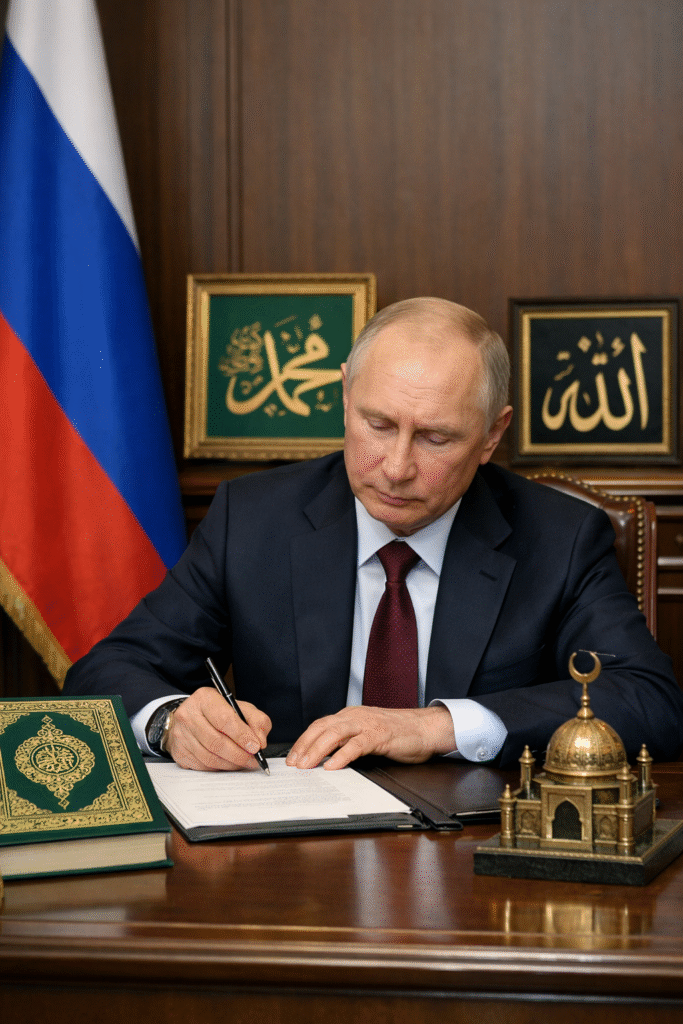
[1:41 pm, 24/02/2026] Syed Shoaib Shahram XO5: The Russia Law Protecting Prophet Muhammad and Qur’an has captured international attention, signaling a significant shift in how religious sensitivities are addressed within the country. As part of a broader effort to maintain social cohesion, Russia has enacted legislation that bans public insults against the Prophet Muhammad ﷺ and the Holy Qur’an. This move reflects not only domestic priorities but also a calculated response to Russia’s diverse religious demographics particularly its sizable Muslim population. Why Russia Law Protecting Prophet Muhammad and Qur’an Matters The introduction of the Russia Law Protecting Prophet Muhammad and Qur’an is rooted in…[2:08 pm, 24/02/2026] Syed Shoaib Shahram XO5: Punjab Government Jet Purchase: Strategic Investment or Political Controversy? The Punjab Government Jet Purchase has quickly turned into one of the most talked-about political and economic developments in Pakistan. What appears to be a routine government procurement has ignited a heated debate raising questions about governance, priorities, and long-term planning. During a recent Senate session, Rana Sanaullah Khan, Adviser to the Prime Minister on Political Affairs, strongly defended the move. He clarified that the aircraft is not intended for personal use by Maryam Nawaz or any political party but is a strategic asset owned by the provincial government. Why the Punjab Government Jet Purchase Matters The Punjab Government Jet Purchase is being positioned as a long-term investment rather than a luxury expense. According to officials, the new aircraft replaces an aging jet that has been in service for nearly three decades. Sanaullah emphasized that the new jet is expected to serve for another 30 to 40 years, making it a generational asset. In a province as large and economically significant as Punjab, efficient air mobility for official duties is being framed as a necessity rather than an indulgence. This argument reflects a broader governance perspective: investing in infrastructure that enhances administrative efficiency and crisis response capabilities. Political Reactions to Punjab Government Jet Purchase Despite official justifications, the Punjab Government Jet Purchase has drawn sharp criticism particularly from Pakistan Tehreek-e-Insaf (PTI). The opposition party has alleged that the luxury jet, reportedly costing between $38–42 million (approximately Rs11 billion), is intended for the exclusive use of the chief minister. Such claims have fueled political rhetoric, turning the procurement into a symbol of perceived government excess. The controversy underscores how public spending decisions especially high-value ones are often scrutinized through a political lens in Pakistan’s charged environment. Air Punjab Vision Behind the Jet Purchase Adding another layer to the discussion, Punjab Information Minister Azma Bokhari revealed that the aircraft is part of a broader aviation strategy. The government plans to establish a provincial fleet under the proposed “Air Punjab” initiative. This fleet would include a mix of owned and leased aircraft, aimed at improving transportation logistics, governance mobility, and possibly even commercial or emergency operations in the future. From a business and infrastructure standpoint, this signals an ambitious move toward developing regional aviation capabilities something rarely seen at the provincial level in Pakistan. Balancing Public Perception and Policy Decisions The Punjab Government Jet Purchase highlights a recurring challenge in public policy: balancing long-term strategic investments with immediate public perception. On one hand, the government argues that such acquisitions are essential for modern governance and operational efficiency. On the other, critics question whether such expenditures align with public priorities, especially in a developing economy facing fiscal constraints. This tension is not unique to Pakistan. Around the world, government spending on high-value assets often triggers similar debates about necessity versus optics. Final Thoughts At its core, the Punjab Government Jet Purchase is more than just an aviation deal it is a case study in governance, political narrative, and public accountability. Whether the aircraft ultimately proves to be a valuable long-term asset or remains a point of political contention will depend on how effectively it is utilized and communicated to the public. For now, one thing is certain: this purchase has successfully taken off not just in the skies, but in Pakistan’s political discourse.

Russia Law Protecting Prophet Muhammad and Qur’an aims to safeguard religious harmony
World

Russia Law Protecting Prophet Muhammad and Qur’an Aims to Safeguard Religious Harmony .

The Russia Law Protecting Prophet Muhammad and Qur’an has captured international attention, signaling a significant shift in how religious sensitivities are addressed within the country. As part of a broader effort to maintain social cohesion, Russia has enacted legislation that bans public insults against the Prophet Muhammad ﷺ and the Holy Qur’an. This move reflects not only domestic priorities but also a calculated response to Russia’s diverse religious demographics particularly its sizable Muslim population. Why Russia Law Protecting Prophet Muhammad and Qur’an Matters The introduction of the Russia Law Protecting Prophet Muhammad and Qur’an is rooted in the government’s desire to prevent religious tensions from escalating into broader societal conflicts. With millions of Muslims living across regions like Chechnya and Tatarstan, maintaining interfaith harmony is a critical policy priority. Supporters of the law argue that: • It promotes respect among religious communities• It reduces the likelihood of provocative acts that could lead to unrest• It reinforces national unity in a multi-faith society Rather than simply being symbolic, the law introduces enforceable penalties, signaling a firm stance against religious disrespect. The Business and Political Implications While the law is primarily religious and social in nature, its implications extend into business and geopolitics. In an increasingly interconnected world, policy decisions like the Russia Law Protecting Prophet Muhammad and Qur’an influence how global investors, multinational companies, and diplomatic partners perceive the country. From a business perspective: • Companies operating in Russia may need to reassess content policies and marketing strategies• Digital platforms could face stricter moderation requirements• International firms may weigh reputational risks linked to free speech concerns•Politically, the law aligns with Vladimir Putin’s broader narrative of positioning Russia as a defender of traditional values and religious respect. A Broader Trend in Global Policy Russia is not alone in navigating this complex issue. Countries around the world have implemented varying degrees of laws addressing religious defamation. However, the Russia Law Protecting Prophet Muhammad and Qur’an stands out due to its geopolitical significance and timing amid rising global polarization. For policymakers and business leaders alike, this development serves as a case study in how cultural sensitivities can shape national legislation and influence international perception. Final Thoughts: Stability vs свобода (Freedom) The Russia Law Protecting Prophet Muhammad and Qur’an underscores a critical question facing modern societies: Can governments protect religious harmony without compromising fundamental freedoms? As Russia moves forward with this law, its real-world impact on society, business, and global relations will be closely watched. Whether it becomes a model for other nations or a cautionary tale will depend on how it is enforced and perceived in the months ahead.

Hyundai Palisade Launch in Pakistan: A New Premium Benchmark
Auto

Hyundai Palisade Launch in Pakistan: A New Premium Benchmark

The Hyundai Palisade Launch in Pakistan marks a significant moment for the country’s automotive market. With its bold design, hybrid performance, and premium positioning, Hyundai has introduced its flagship SUV as a serious contender in the high-end segment. This launch isn’t just about a new vehicle it reflects a broader shift toward localization, innovation, and luxury in Pakistan’s evolving car market. Pricing, Variants & Booking Details of Hyundai Palisade Launch in Pakistan The Hyundai Palisade Launch in Pakistan introduces two locally assembled variants tailored for different customer preferences. The Palisade Smart variant offers an 8-seater configuration with an ex-factory price of Rs. 20,999,000, requiring a booking amount of Rs. 3,000,000. On the other hand, the Palisade Calligraphy, the top-tier variant, comes as a 7-seater priced at Rs. 22,999,000, with a booking amount of Rs. 3,300,000. These prices exclude additional charges such as Capital Value Tax (CVT), NEV Levy, and Advance Tax. Bookings are now officially open, with deliveries expected to begin in August. Positioned strategically, the Palisade competes directly with premium SUVs like the GWM Tank 500 HEV and Toyota Fortuner, making the segment more competitive than ever. Local Assembly Advantage in Hyundai Palisade Launch in Pakistan One of the most compelling aspects of the Hyundai Palisade Launch in Pakistan is its local assembly. Pakistan has become the first country outside South Korea to assemble this flagship SUV. This move not only reduces costs but also signals Hyundai’s long-term commitment to the Pakistani market. Unlike other regions where the Palisade is imported, local production allows for better pricing and accessibility an advantage that could reshape the premium SUV segment. Hyundai Palisade Launch in Pakistan: Engine & Performance Under the hood, the Palisade features a powerful 2.5-liter turbocharged hybrid engine producing 329 horsepower and 460 Nm of torque. This places it firmly among high-performance SUVs designed for both urban comfort and long-distance cruising. The hybrid setup ensures a balance between performance and efficiency, aligning with global automotive trends shifting toward electrification. Luxury Features in Hyundai Palisade Launch in Pakistan The Hyundai Palisade Launch in Pakistan lives up to its flagship status with a suite of premium features designed for comfort, technology, and convenience. Passengers can expect Nappa leather upholstery, a 14-speaker Bose sound system, and power-adjustable seating across all three rows. The SUV also includes tri-zone climate control, soundproof glass for a quieter cabin, and a dual panoramic sunroof extending across multiple rows. Additionally, the inclusion of 21-inch alloy wheels and self-damping suspension highlights Hyundai’s focus on both aesthetics and ride quality. Hyundai Palisade Launch in Pakistan vs Competitors In terms of size and road presence, the Palisade stands out. It features a longer wheelbase than both the Toyota Fortuner GR-S and the GWM Tank 500 HEV, making it one of the largest SUVs assembled locally. Inside, the SUV offers flexible seating configurations. The 7-seater variant provides captain seats in the second row for enhanced comfort, while the 8-seater variant uses a bench layout. Importantly, the third row is spacious enough for adults an area where many SUVs fall short. Why Hyundai Palisade Launch in Pakistan Matters The Hyundai Palisade Launch in Pakistan signals a shift toward premiumization in the local automotive industry. With local assembly, hybrid technology, and competitive pricing, it challenges established players and raises expectations for what a flagship SUV should offer. For buyers seeking a combination of luxury, performance, and practicality, the Palisade emerges as a compelling option that could redefine the segment.

Pakistan

Imran Khan Receives Second Anti-VEGF Injection for Severe Eye Condition at PIMS

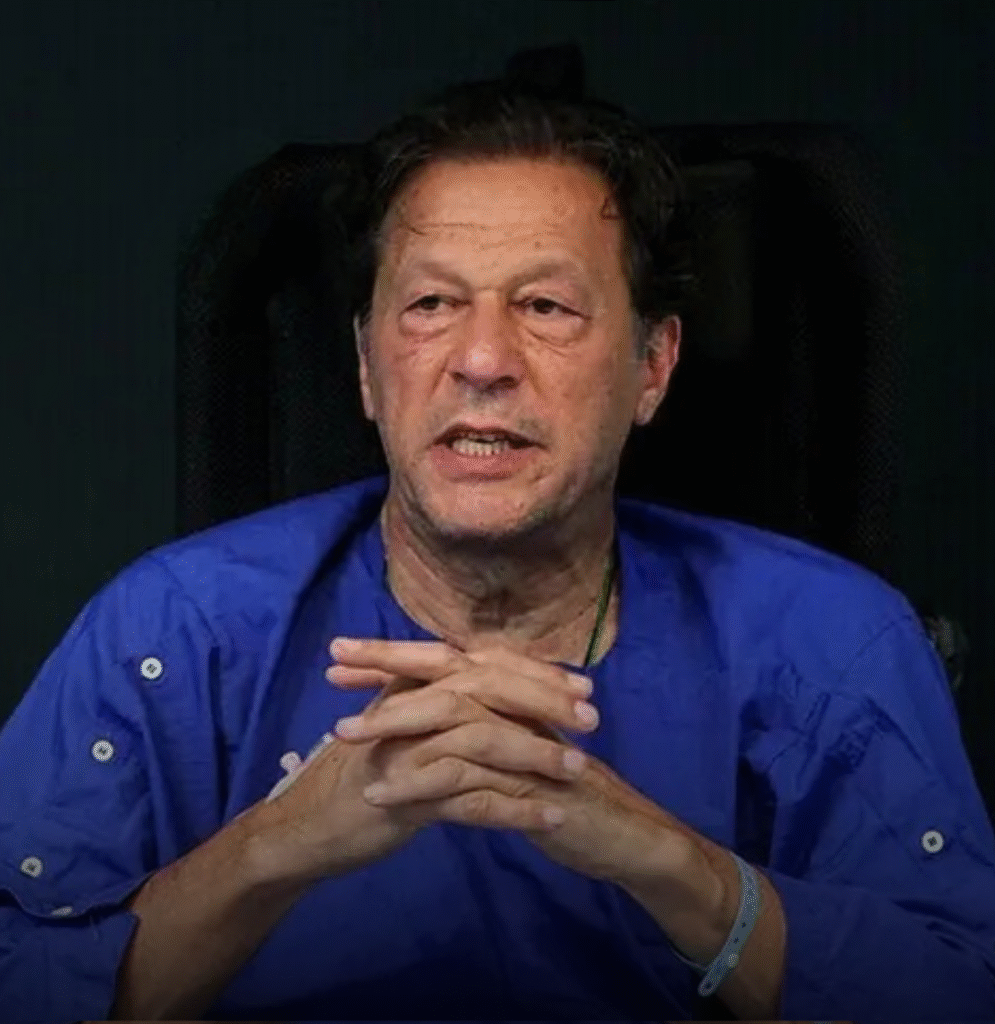
Imran Khan, the founder of Pakistan Tehreek-e-Insaf (PTI), underwent a critical follow-up eye procedure late on February 23, 2026. Read More: https://theboardroompk.com/ufone-and-zong-deposit-30m-pre-bid-for-pakistans-5g-auction/ He was shifted from Adiala Jail to the Pakistan Institute of Medical Sciences (PIMS) in Islamabad for the treatment. The former prime minister received his second dose of an anti-VEGF intravitreal injection to manage severe Central Retinal Vein Occlusion (CRVO) in his right eye. Medical Details and Treatment Progress Doctors diagnosed CRVO, which has caused about 85% vision loss in the affected eye. The condition blocks blood flow in the retina and requires prompt intervention to prevent permanent damage. The first injection was administered on January 24-25, 2026. This second dose was given as day-care surgery under senior ophthalmologists and vitreo-retinal surgeons from PIMS and Al-Shifa Eye Hospital. A medical board examined him beforehand. Cardiac tests, including ECG and echocardiography, returned normal results. Political Reactions and Concerns PTI Chairman Barrister Gohar Ali Khan criticized the lack of transparency and independent oversight. He demanded inclusion of personal physicians in future examinations and suggested transfer to a private facility like Shifa International Hospital. The Tehreek-e-Tahaffuz-e-Aaeen-e-Pakistan (TTAP) condemned the night time transfer without family or party consultation, labelling it a violation of rights. Hospital officials confirmed the procedure’s success and declared Imran Khan clinically stable. He was returned to Adiala Jail under heavy security after the treatment. The third and final injection in this course is tentatively scheduled for March 23, 2026.

Ufone and Zong Deposit $30M Pre-Bid for Pakistan's 5G Auction
Business

Ufone and Zong Deposit $30M Pre-Bid for Pakistan’s 5G Auction

Pakistan’s much-anticipated 5G spectrum auction is set for March 10, 2026. Read More: https://theboardroompk.com/hindustan-aeronautics-stock-drops-after-tejas-crash/ Two major telecom operators, Ufone and Zong, have each deposited $15 million as pre-bid earnest money with the Pakistan Telecommunication Authority (PTA). This brings the total pre-bid commitment to $30 million so far. Key Developments and Participation The PTA requires each bidder to submit $15 million upfront, adjustable against final license fees. Jazz is expected to deposit its amount soon, before the February 27, 2026 deadline. With three operators likely participating, the auction is positioned for competitive bidding. Officials believe this will meet the success threshold and boost investor confidence. Auction Structure and Expectations A total of 597 MHz of spectrum is on offer across various bands. At least 50% (around 300 MHz) must be sold for the auction to succeed. Each operator is mandated to secure a minimum of 100 MHz. The process uses a multi-round electronic clock format, starting March 10. Proceeds could exceed $634 million, with estimates ranging from $300-700 million depending on bidding intensity. The auction paves the way for 5G rollout, starting in major cities like federal and provincial capitals. Services aim to deliver ultra-high speeds, low latency, and support for digital economy growth. Industry watchers see this as a milestone for Pakistan’s telecom sector after years of delays.

Security Over Trade? Lawmakers Probe Regional Export Woes
Business

Security Over Trade? Lawmakers Probe Regional Export Woes

The National Assembly Standing Committee on Commerce recently spotlighted Pakistan’s persistent export stagnation. Despite two decades of efforts, exports hover between $25-30 billion, far short of the ambitious $60 billion target. Lawmakers expressed deep frustration over negligible trade growth with neighboring countries, even as diplomatic ties improve. Security concerns appear to overshadow economic opportunities in regional markets. Committee’s Sharp Criticism and Demands MNA Aliya Kamran, who moved the Calling Attention Notice, challenged Commerce Ministry officials to name even one country where Pakistan’s exports have risen meaningfully. She highlighted the irony: better relations with neighbors yield zero or minimal trade gains. Committee Chairman Jawed Hanif Khan noted that security priorities dominate over commerce in these relations. Proposed Actions and Broader Challenges The committee resolved to summon detailed briefings from the Ministries of Defence, Interior, Foreign Affairs, and the State Bank of Pakistan to uncover root causes. Structural issues persist, including high costs of doing business, energy shortages, taxation burdens, provincial cesses, and reliance on imports. Unresolved loopholes in the export framework have lingered for 20 years. Discussions also covered sector-specific woes, such as a 50% drop in rice exports due to India’s subsidized global supplies, causing oversupply and price depression. The panel endorsed Rs15 billion support from the Export Development Fund for rice exporters to target $1 billion in shipments. Proposals for the gem and jewellery sector, including better regulation and export promotion, were reviewed. Inter-ministerial coordination emerged as key to breaking the stasis and fostering sustainable growth, jobs, and economic stability.

Trump Renews Attack on US Supreme Court, Promises Tougher Tariffs and Licenses
World

Trump Renews Attack on US Supreme Court, Promises Tougher Tariffs and Licenses

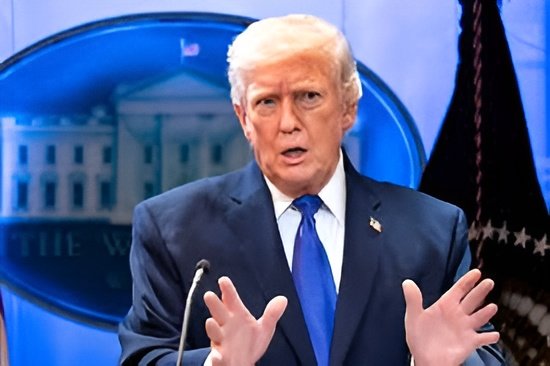
President Donald Trump escalated his criticism of the U.S. Supreme Court on February 23, 2026, renewing attacks on the justices following their recent ruling that struck down his broad global tariff program. Read More: https://theboardroompk.com/hindustan-aeronautics-stock-drops-after-tejas-crash/ In a social media post, Trump condemned the decision as overreach and vowed to pursue alternative tariff mechanisms and licensing fees with greater force. The Supreme Court’s 6-3 ruling last week, authored by Chief Justice John Roberts, found that Trump exceeded his authority under the International Emergency Economic Powers Act (IEEPA) by imposing widespread tariffs justified as responses to national emergencies like drug trafficking and trade deficits. Trump quickly countered by announcing a temporary 10% global import tariff on Friday, which he raised to 15%—the legal maximum for 150 days—on Saturday under a different statute. Trump’s Renewed Condemnation and Vows In his latest statement, Trump wrote that the court had “approved all other Tariffs, of which there are many,” allowing them to be used “in a much more powerful and obnoxious way, with legal certainty.” He criticized the ruling’s implications for licensing, arguing, “incomprehensibly, according to the ruling, (I) can’t charge them a License fee – BUT ALL LICENSES CHARGE FEES, why can’t the United States do so?” Trump also expressed frustration with specific justices, including some he appointed, and voiced concerns about potential future rulings, such as on restricting birthright citizenship. Global Reactions and Market Impact The developments have heightened trade uncertainty. China’s Commerce Ministry is assessing the ruling and urged the U.S. to scrap tariff measures. The European Union is reportedly set to freeze approval of its trade deal with the U.S. due to tariff risks, while India has delayed planned trade talks. Financial markets reacted negatively, with Wall Street futures and the dollar declining early on February 23 amid confusion over U.S. policy direction. Oil prices initially fell on growth concerns but later steadied. Analysts note that while the Supreme Court has limited Trump’s emergency-based tariff powers, his pivot to other legal tools could sustain pressure on trading partners, potentially leading to prolonged global trade volatility.

‘A Deal Is a Deal’: EU Warns Against Higher US Tariffs
World

‘A Deal Is a Deal’: EU Warns Against Higher US Tariffs

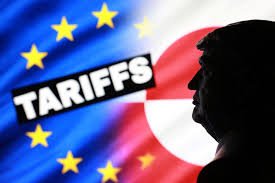
The European Union has firmly stated it will not tolerate any increase in U.S. tariffs beyond agreed levels, following a recent U.S. Supreme Court ruling and subsequent actions by President Donald Trump. Read More: https://theboardroompk.com/hindustan-aeronautics-stock-drops-after-tejas-crash/ In a strongly worded statement on Sunday, February 22, 2026, the European Commission emphasized that “a deal is a deal,” demanding Washington honor the terms of the EU-U.S. trade agreement reached last year. The dispute stems from the Supreme Court’s decision on Friday to strike down Trump’s broad global tariffs imposed under emergency powers, deeming them unauthorized. In response, Trump quickly announced temporary across-the-board tariffs, initially at 10% and then raised to 15%. This development has injected fresh uncertainty into transatlantic trade relations, just as the EU was moving toward formal ratification of the prior deal. EU Demands Clarity and Commitment The European Commission called for “full clarity” from the U.S. on its next steps, insisting EU products must retain the most competitive treatment under the existing agreement. The 2025 deal set a 15% U.S. tariff ceiling on most EU goods (with exceptions like steel), while granting zero tariffs on select items such as aircraft and spare parts. In exchange, the EU removed duties on many U.S. products and suspended retaliation threats. Officials stressed that the current situation undermines fair, balanced, and mutually beneficial trade. EU Trade Commissioner Maros Sefcovic held discussions with U.S. counterparts over the weekend to address the implications. Potential Risks and Broader Implications Analysts note the new 15% global tariff could effectively erase advantages from the bilateral deal, as it applies universally and may override or add to specific exemptions. This risks higher costs for EU exporters, disrupted market confidence, and possible escalation if the U.S. pursues further measures. Some EU voices, including lawmakers, have suggested pausing ratification or preparing proportionate responses to protect interests. The Commission’s assertive tone marks a shift from initial caution, highlighting concerns over unpredictability in U.S. policy.

Scroll to Top