Author name: Web Desk

KSE-100 Index Crash: Geopolitical Tensions Trigger Massive Market Sell-Off
Business

KSE-100 Index Crash: Geopolitical Tensions Trigger Massive Market Sell-Off

The KSE-100 Index Crash dominated headlines on Monday as Pakistan’s stock market witnessed one of its sharpest single-day declines in recent months. The benchmark index plunged by 5,478.63 points (3.16%), closing at 167,691.08, leaving investors rattled and market sentiment deeply shaken. What started as a volatile trading session quickly spiraled into a broad-based sell-off, highlighting how fragile investor confidence remains in the face of global uncertainty. What Triggered the KSE-100 Index Crash? At the heart of the KSE-100 Index Crash lies a surge in geopolitical risks. Escalating tensions between the United States and Iran sent shockwaves across global financial markets, pushing investors toward safer assets. Closer to home, rising border tensions between Pakistan and Afghanistan further intensified uncertainty, prompting local investors to adopt a risk-off strategy. This dual pressure global and regional created the perfect storm for a steep market correction. Extreme Volatility Marks the Trading Session The session was nothing short of dramatic. The index swung wildly within a 7,450-point range, reflecting panic-driven trading behavior: • Intraday High: 174,336.85 (+1,167 points)• Intraday Low: 166,886.63 (-6,283 points) Such volatility signals not just uncertainty but fear. Trading activity also slowed, with volumes dropping to 204.73 million shares, indicating cautious participation despite heavy selling. Broad-Based Sell-Off: Almost Entire Market in Red The scale of the KSE-100 Index Crash becomes clearer when looking at market breadth: • Only 2 companies closed positive• A staggering 98 companies ended in losses Major losers included: • IBFL (-9.87%)• TRG (-9.04%)• BOP (-8.63%)• HGFA (-8.60%)• PABC (-8.31%) On the flip side, only a handful of stocks showed resilience, with SSOM posting a notable +10% gain, while EFERT remained marginally positive. Sector-Wise Impact: Banking and Cement Hit Hard The KSE-100 Index Crash wasn’t limited to a few stocks it spread across key sectors that typically anchor the market: Commercial banks led the decline, dragging the index down heavily, followed by cement, oil & gas exploration, and fertilizer sectors. These sectors are often considered economic indicators, making their fall even more concerning. Even traditionally stable sectors showed minimal resistance, underlining the depth of bearish sentiment. Market Activity Reflects Panic Selling The broader market mirrored the same negative trend: • All-Share Index: Down 3,347 points (-3.22%)• Total Volume: 461 million shares (declining trend)• Total Trades: Over 310,000 Out of 479 companies traded, the overwhelming majority declined, reinforcing that this was not a selective correction but a market-wide retreat. Interestingly, the most actively traded stocks like KEL, WTL, and BOP also ended lower, showing that high liquidity did not translate into stability. A Year of Gains, But Cracks Begin to Show Despite the sharp downturn, the bigger picture tells a mixed story. The KSE-100 Index has still gained over 42,000 points (33.48%) during the fiscal year, signaling strong long-term momentum. However, on a calendar-year basis, the market has slipped by 3.66%, suggesting that recent instability may be eroding earlier gains. Can IMF Talks Stabilize the Market After the KSE-100 Index Crash? All eyes are now on the upcoming visit of the International Monetary Fund delegation, scheduled to begin discussions with Pakistani authorities on February 25. These talks are crucial. Policy direction, reform commitments, and economic signals emerging from these discussions could either restore investor confidence or deepen concerns. What Investors Should Watch Next The KSE-100 Index Crash is more than just a one-day drop it’s a reflection of how sensitive markets have become to geopolitical developments. Going forward, investors will closely monitor: • Global geopolitical stability• Regional security developments• IMF policy signals• Currency and inflation trends Final Thoughts The KSE-100 Index Crash serves as a stark reminder that markets are deeply interconnected with global politics. While Pakistan’s equities have shown resilience over the fiscal year, short-term shocks like this highlight the importance of cautious investing and diversified strategies. Whether this is a temporary correction or the start of a broader downturn will depend largely on how geopolitical tensions unfold and how effectively policymakers respond in the coming days.

CCP Approves Acquisition of First Women Bank Limited by Abu Dhabi based Eve Holdings
Business

CCP Approves Acquisition of First Women Bank Limited by Abu Dhabi based Eve Holdings

ISLAMABAD: The Competition Commission of Pakistan (CCP) has approved the proposed acquisition of First Women Bank Limited by Eve Holdings RSC Limited, pursuant to a Share Purchase Agreement executed as part of the privatization process, following a Phase-I competition assessment under the Competition Act, 2010. Read More: https://theboardroompk.com/pakistanis-drank-rs-106-billion-worth-of-tea-in-just-seven-months/ Eve Holdings RSC Limited, the acquirer, is a special purpose holding company incorporated in Abu Dhabi. First Women Bank Limited, the target, is a public unlisted commercial bank in Pakistan engaged in providing banking and financial services. Under the approved transaction, Eve Holdings RSC Limited will acquire the entire shareholding of First Women Bank Limited from the Government of Pakistan and existing institutional shareholders, including Habib Bank Limited, MCB Bank Limited, Allied Bank Limited, National Bank of Pakistan, and United Bank Limited. Upon completion, Eve Holdings will assume full ownership and control of First Women Bank Limited. CCP’s competition assessment noted that the target has a limited presence in the commercial banking market, while the acquirer does not have any existing operations in the relevant or related market. The transaction therefore constitutes a conglomerate merger and does not raise competition concerns. The Commission concluded that the proposed transaction is not likely to create or strengthen a dominant position, substantially lessen competition, or adversely affect the competitive structure of the market. Accordingly, the Commission has authorized the transaction in accordance with the provisions of the Competition Act, 2010. This acquisition reflects continued foreign investor interest in Pakistan’s financial sector and highlights the importance of transparent privatization and effective competition regulation in promoting foreign direct investment, strengthening financial institutions, and supporting economic growth.

PM Shehbaz Departs for Qatar to Strengthen Economic and Bilateral Ties
Pakistan

PM Shehbaz Departs for Qatar to Strengthen Economic and Bilateral Ties

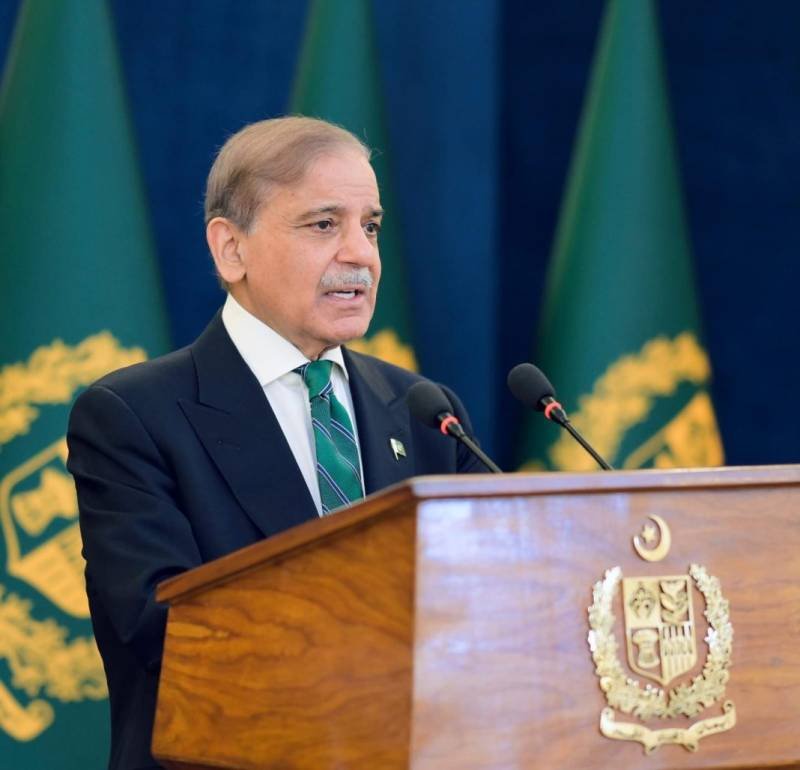
Prime Minister Shehbaz Sharif is set to depart for a two-day official visit to Qatar today, February 23, 2026. The trip, at the invitation of Qatar’s Amir Sheikh Tamim bin Hamad Al Thani, focuses on strengthening deep-rooted fraternal ties between the two nations. Read More: https://theboardroompk.com/pakistanis-drank-rs-106-billion-worth-of-tea-in-just-seven-months/ Emphasis on Economic and Investment Cooperation The visit prioritizes advancing economic collaboration and attracting investments to Pakistan. Discussions will explore new opportunities in trade, energy partnerships, infrastructure development, and manpower export. With Pakistan seeking to boost its economy, the talks aim to unlock fresh avenues for bilateral business growth and mutual benefit. Broad Agenda for Bilateral Relations Beyond economics, Prime Minister Shehbaz will hold high-level meetings with the Qatari leadership, including a bilateral session with the Amir. The agenda covers the full range of relations: political engagement, energy cooperation, people-to-people exchanges, and views on regional and global issues. Both sides are expected to reaffirm their commitment to peace, stability, and prosperity in the region. Accompanied by Deputy Prime Minister and Foreign Minister Ishaq Dar, along with a high-level delegation, the visit underscores Pakistan’s ongoing efforts to deepen multifaceted ties with Qatar. The Foreign Office highlighted the longstanding partnership built on mutual trust and coordination at international forums. This trip builds on previous engagements and signals continued momentum in Pakistan-Qatar relations amid shared interests in economic resilience and strategic alignment.

Pakistani’s Drank Rs 106 Billion worth of Tea in Just Seven Months
Pakistan

Pakistani’s Drank Rs 106 Billion worth of Tea in Just Seven Months

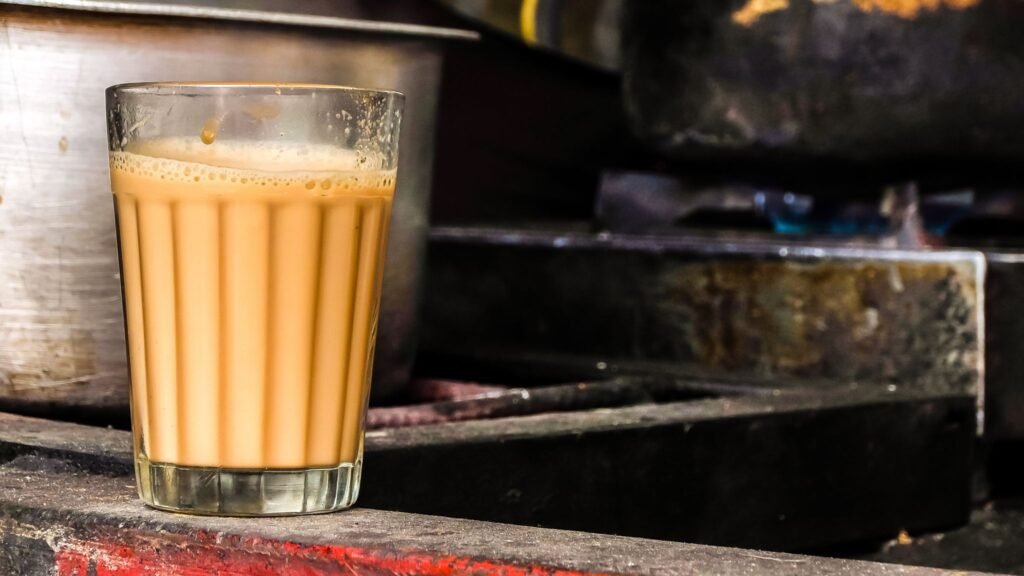
Pakistan Tea Spending has surged to an impressive Rs 106 billion in just the first seven months of the fiscal year, underscoring the country’s deep-rooted cultural and economic reliance on tea. From early morning cups to late-night conversations, tea continues to dominate daily life across urban and rural households alike. This remarkable spending figure not only reflects consumer habits but also signals broader economic and import trends shaping Pakistan’s food consumption landscape. Why Pakistan Tea Spending Continues to Rise The steady rise in Pakistan Tea Spending is driven by a combination of cultural preference, population growth, and evolving lifestyle patterns. Tea is more than just a beverage in Pakistan it is a social ritual, a comfort drink, and an essential part of hospitality. Unlike many other consumer goods, tea demand remains largely inelastic. Even during periods of inflation, households tend to maintain or only slightly adjust their consumption levels. This resilience keeps tea imports consistently high. Additionally, with increasing urbanization and busy lifestyles, ready-to-make beverages like tea have become even more indispensable. Pakistan Tea Spending and Import Trends The Rs 106 billion spent on tea highlights Pakistan’s reliance on imports to meet domestic demand. Since tea is not produced locally in sufficient quantities, the country depends heavily on international suppliers. Alongside tea, imports of dairy products, nuts, spices, and cooking oils have also witnessed a notable increase. This reflects a broader shift in consumer behavior where households are prioritizing convenience and variety in their food consumption. Rather than viewing these figures as isolated, they indicate a growing demand for packaged and processed food items, signaling opportunities for both local businesses and international exporters. Economic Impact of Pakistan Tea Spending The scale of Pakistan Tea Spending carries significant implications for the national economy. High import volumes contribute to pressure on foreign exchange reserves, especially during times of currency volatility. At the same time, this spending supports a vast domestic ecosystem ranging from importers and distributors to retailers and small tea vendors operating in every neighborhood. The tea industry also fuels employment across logistics, retail, and hospitality sectors, making it an important contributor to economic activity beyond just consumption. Changing Consumer Behavior in Pakistan While tea remains dominant, the way Pakistanis consume it is gradually evolving. Premium tea blends, branded packaging, and specialty options are gaining popularity, particularly among urban middle-class consumers. Moreover, cafes and modern tea chains are redefining the traditional tea experience, blending culture with contemporary lifestyles. Despite these changes, the core habit remains unchanged tea continues to be a daily necessity. This dual trend of tradition and modernization is a key driver behind the sustained growth in Pakistan Tea Spending. What This Means for Businesses For businesses, the rise in Pakistan Tea Spending presents both opportunities and challenges: • Importers can benefit from consistent demand and expanding market size.• Local brands have an opportunity to innovate with blends, packaging, and branding.• Retailers can capitalize on high turnover and repeat purchases. However, fluctuating exchange rates and import costs remain critical risks that businesses must navigate carefully. The Road Ahead for Pakistan Tea Spending Looking ahead, Pakistan Tea Spending is expected to remain strong, driven by population growth and entrenched consumption habits. However, policymakers may increasingly explore ways to manage import dependency and encourage local alternatives where possible. For now, one thing is certain: tea will continue to be at the heart of Pakistani households and the billions spent on it tell a story of culture, resilience, and enduring demand.

Pakistan Exports: Interloop Chief Calls for Quick Wins and Long-Term Fixes
Pakistan

Pakistan Exports: Interloop Chief Calls for Quick Wins and Long-Term Fixes

Musadaq Zulqarnain, the CEO of Interloop Limited—one of Pakistan’s leading export giants—has shared a clear and practical roadmap to boost the country’s exports. In a recent social media post, he highlighted both immediate opportunities and essential long-term reforms needed for sustainable growth. Read More: https://theboardroompk.com/global-sand-trade-why-gulf-deserts-import-millions-of-tons-of-sand/ Short-Term Focus on Apparel Sector Zulqarnain pointed out that apparel and value-added garments represent the quickest path to scaling exports. Pakistan already has a strong industrial foundation, skilled workforce, and established global market ties in this area. By removing policy hurdles and creating a fair competitive environment, the sector could deliver significant results in the near term. He stressed that quick wins here would provide momentum without requiring massive new investments. Long-Term Reforms for Lasting Impact Beyond short-term gains, Zulqarnain called for deeper structural changes. Key priorities include fixing energy sector bottlenecks to ensure reliable and cost-effective power supply for industries. He also urged consistent government policies that treat manufacturing as a national priority, attracting both local and foreign investment. Additionally, investing in skill development for Pakistan’s young population is crucial to diversify into other manufacturing fields and turn the demographic advantage into real economic strength over the next decade. Without addressing these fundamentals—like unpredictable policies and energy issues—export growth will stay limited. Zulqarnain’s vision combines immediate action in textiles with broader reforms to build a resilient, export-driven economy.

SITE Association Leadership Change: Abdul Rehman Fudda Takes Charge After Ahmed Azeem Alvi Resigns
Pakistan

SITE Association Leadership Change: Abdul Rehman Fudda Takes Charge After Ahmed Azeem Alvi Resigns

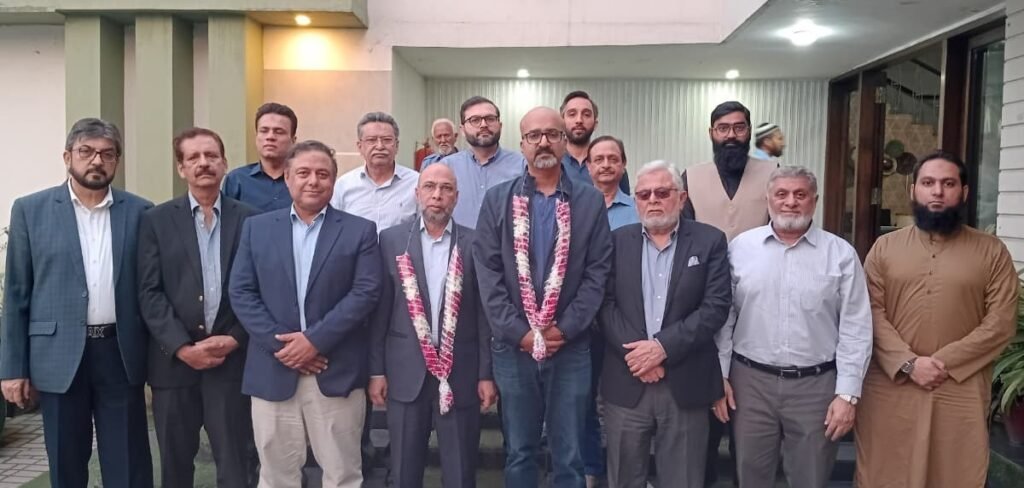
The SITE Association leadership change has captured the attention of Karachi’s business community, marking a significant shift in one of Pakistan’s most influential industrial bodies. With new leadership stepping in, stakeholders are watching closely to see how this transition will shape the future of industry in the region. Read More: https://theboardroompk.com/jazz-ceo-urges-global-investors-to-invest-now-at-austria-business-forum/ In a decisive move, the Executive Committee of the SITE Association of Industry formally accepted the resignations of key office bearers, including former President Ahmed Azeem Alvi. The decision paves the way for a fresh leadership team tasked with addressing pressing industrial challenges. Why the SITE Association Leadership Change Matters The SITE Association leadership change is more than a routine transition it reflects evolving priorities within Karachi’s industrial ecosystem. As one of the largest industrial zones in Pakistan, SITE plays a crucial role in driving manufacturing output, exports, and employment. The outgoing leadership, including Ahmed Azeem Alvi, Senior Vice President Khalid Riaz, and Vice President Muhammad Riaz Dhedhi, stepped down before completing their tenure. Their resignations were formally approved, ensuring a smooth and transparent transition. Such changes often signal a strategic reset, especially at a time when industries are grappling with infrastructure gaps, rising costs, and utility shortages. Abdul Rehman Fudda Elected President in SITE Association Leadership Change At a specially convened meeting, the Executive Committee unanimously elected Abdul Rehman Fudda as the new President. Supporting him in leadership roles are: • Ahmed Zulfiqar Chaudhry as Senior Vice President• Muhammad Tahir Goreja as Vice President This unanimous decision reflects strong internal consensus and confidence in the new leadership team. Upon assuming office, Abdul Rehman Fudda expressed gratitude for the trust placed in him and acknowledged the contributions of the outgoing team. His early statements indicate a focus on practical problem-solving and stakeholder collaboration. Key Challenges Highlighted After SITE Association Leadership Change The SITE Association leadership change comes at a time when industrial stakeholders are facing multiple operational challenges. These include: • Deteriorating infrastructure affecting logistics and productivity• Shortage of essential utilities such as electricity, gas, and water• Rising cost of doing business impacting competitiveness Rather than presenting these issues in isolation, the new leadership emphasized the interconnected nature of these challenges. Poor infrastructure disrupts supply chains, while unreliable utilities reduce production efficiency together slowing industrial growth. Fudda’s leadership is expected to prioritize engagement with government bodies and utility providers to seek long-term, sustainable solutions. Industry Leaders React to SITE Association Leadership Change The SITE Association leadership change has drawn strong reactions from senior industry figures. Patron-in-Chief Zubair Motiwala congratulated the new team and emphasized the importance of institutional strength through open dialogue and collaboration. He encouraged the leadership to take a more proactive stance in highlighting industry concerns, particularly those affecting production and economic growth. Similarly, Patron Saleem Parekh praised the outgoing office bearers for their service and urged members to actively participate in association activities. His remarks reflect a broader call for unity within the industrial community during challenging times. What This Leadership Shift Means for Karachi’s Industrial Future The SITE Association leadership change could mark the beginning of a more assertive and solution-driven phase for Karachi’s industrial sector. With a renewed mandate, the new leadership has an opportunity to: • Strengthen advocacy for industrial policy reforms• Improve coordination between businesses and government authorities• Drive initiatives that enhance productivity and competitiveness For investors, manufacturers, and policymakers, this transition signals both uncertainty and opportunity. Leadership changes often bring fresh perspectives, and in this case, the unanimous backing suggests a strong foundation for forward momentum. Final Thoughts The SITE Association leadership change is a pivotal moment for Karachi’s industrial landscape. As Abdul Rehman Fudda and his team take charge, expectations are high for meaningful reforms and tangible improvements. Whether this transition leads to measurable progress will depend on how effectively the new leadership navigates challenges and mobilizes collective action. For now, the business community remains cautiously optimistic watching closely as a new chapter unfolds.

Pakistan

Finance Ministry Clarifies: Pakistan’s Total External Debt And Liabilities Stand At $138 Billion, Not Just Debt

The Ministry of Finance (MoF) has issued a clarification on Pakistan’s external debt profile, responding to recent media claims about high interest rates and payments. Read More: https://theboardroompk.com/jazz-ceo-urges-global-investors-to-invest-now-at-austria-business-forum/ The statement emphasizes the need for context to understand the true structure of the country’s borrowings. Clarifying Total vs Public Debt Pakistan’s total external debt and liabilities stand at $138 billion. This broad figure includes public debt, public sector enterprises’ obligations, bank borrowings, private sector debt, and inter-company liabilities. The actual External Public (Government) Debt is much lower, at approximately $92 billion. Concessional Nature and Low Costs Nearly 75% of the external public debt comes from concessional and long-term sources. These include multilateral institutions (excluding IMF) and bilateral development partners. Only 7% consists of commercial loans, and another 7% is long-term Eurobonds. The average cost of external public debt is around 4%, far below claims of up to 8%. Interest Payments Rise Explained Public external debt interest outflows rose from $1.99 billion in FY2022 to $3.59 billion in FY2025. This marks an 80.4% increase, or $1.60 billion in absolute terms. The rise stems partly from global interest rate hikes, like US Federal Reserve actions from 2022-2023. Additional inflows came from concessional multilateral sources and the IMF’s Extended Fund Facility. The government stresses prudent debt management and transparency amid efforts to stabilize the economy.

Jazz CEO Urges Global Investors to 'Invest NOW' at Austria Business Forum
Business

Jazz CEO Urges Global Investors to ‘Invest NOW’ at Austria Business Forum

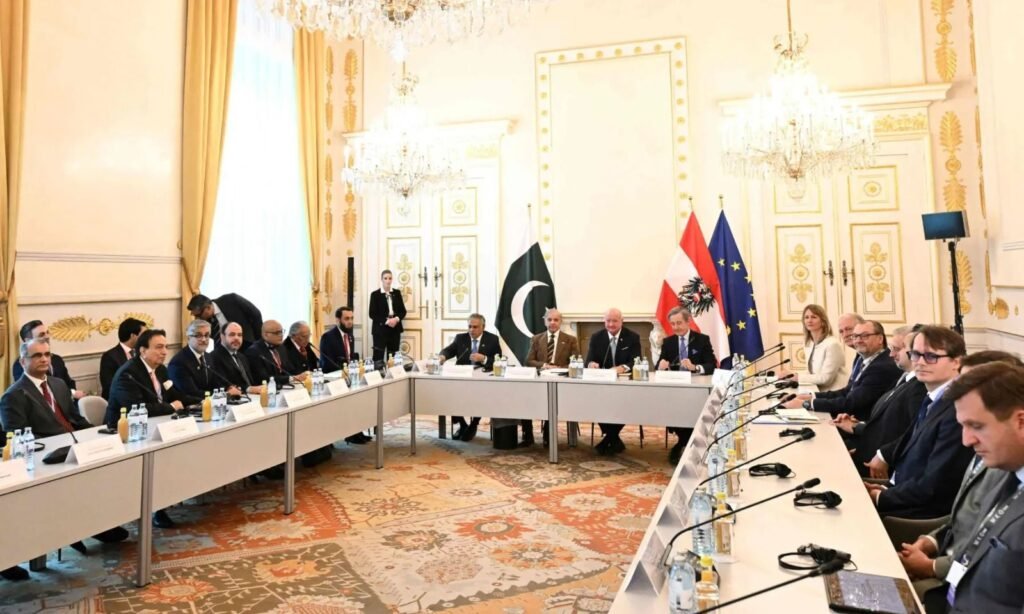
Aamir Ibrahim Highlights Pakistan’s Digital Growth Story at Austria Business Forum  Pakistan’s evolving investment narrative and digital transformation agenda were brought into focus during a high-level discussion led by Prime Minister Shehbaz Sharif at the Austria Business Forum, where Pakistani and Austrian leadership engaged international investors on emerging opportunities under the newly launched “Invest in Pakistan NOW!” initiative.  Read More: https://theboardroompk.com/trump-imposes-10-global-tariff-after-supreme-court-strikes-down-emergency-duties/ Speaking at the forum, Aamir Ibrahim, Member of the Group Executive Committee at VEON and Chief Executive Officer of JazzWorld, emphasized that Pakistan’s growth trajectory is increasingly defined by scale, resilience, and the rise of national digital platforms. “When scale meets innovation, technology stops being just an enabler and becomes a true driver of national growth,” he said.  Addressing policymakers, global partners, and industry leaders, Ibrahim described Pakistan’s transformation as one already underway rather than a future projection. He noted that leaders from multiple sectors were contributing to a broader shift toward a digitally enabled economy, where connectivity serves as the foundation for wider value creation.  At the center of this shift, he highlighted, is Pakistan’s youth. With nearly two-thirds of the population under the age of 30, the country possesses one of the largest young workforces in the region. TIncreasingly digitally skilled and entrepreneurial, this digitally skilled and entrepreneurial demographic is emerging as a catalyst for innovation, productivity, and technology-led growth across industries.  Representing JazzWorld, which serves over 100 million users through its digital platforms, Ibrahim outlined how Pakistan’s digital ecosystem is expanding beyond traditional telecommunications. What began as connectivity infrastructure has evolved into digital banking and fintech services, and is now extending into data centers, software exports, and artificial intelligence-driven solutions.  He underscored that connectivity is no longer the end goal, but a foundational layer enabling financial inclusion, digital payments, export-oriented services, and innovation at scale. The convergence of scale and technological capability, he noted, is reshaping how Pakistan participates in the global economy.  Ibrahim also pointed to policy direction at the highest level, stating that under Prime Minister Shehbaz Sharif’s leadership, Pakistan is recalibrating its global engagement model. The focus is expanding beyond conventional trade toward deeper technology partnerships anchored in shared innovation and long-term collaboration in emerging sectors.  Technology, he said, is increasingly acting as a bridge between Pakistan and global markets. From fintech-led inclusion to artificial intelligence applications and export-focused software development, the country is positioning itself as a credible digital partner. These developments reflect a broader ecosystem in formation—combining private-sector dynamism with public-sector vision. The session reflected a tone of openness and engagement, with dialogue emphasized as a critical building block for sustainable partnerships. Ibrahim signaled continued openness to collaboration, inviting investors and global partners to engage directly with Pakistan’s growing digital platforms and talent base.  The discussion reinforced a central message: Pakistan is actively shaping its place in the global digital economy, leveraging scale, demographic strength, and technological ambition to build industries for the future.

Scroll to Top