Author name: Web Desk

https://theboardroompk.com/pakistani-agri-expert-dr-muhammad-ali-raza-bags-2025-dunhuang-award-in-china/
Pakistan

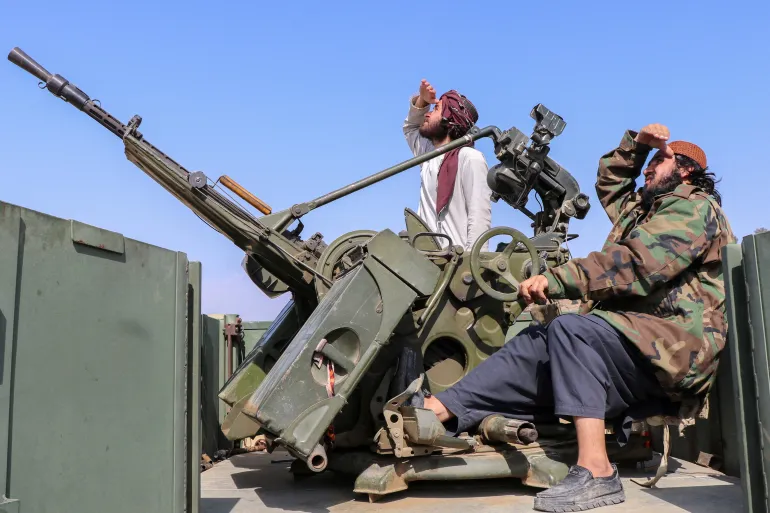
Pakistan Afghanistan Conflict 2026: A Dangerous Escalation Unfolds

Pakistan Afghanistan Conflict 2026 has taken a dramatic and alarming turn, with Islamabad declaring it is now in “open war” with Afghanistan’s Taliban government. Reports of explosions in Kabul and cross-border strikes in Kandahar and Paktika signal a rapidly intensifying conflict that could reshape regional stability in South Asia. Read More: https://theboardroompk.com/pakistani-agri-expert-dr-muhammad-ali-raza-bags-2025-dunhuang-award-in-china/ The escalation comes amid ongoing clashes along the disputed Durand Line, pushing tensions between the two neighboring countries to their most volatile point in years. Pakistan Afghanistan Conflict 2026: What Triggered the Escalation? The current phase of the Pakistan Afghanistan Conflict 2026 was ignited after Taliban spokesperson Zabihullah Mujahid announced “large-scale offensive operations” against Pakistani forces along the border. These operations were reportedly a response to earlier Pakistani air strikes targeting alleged militant hideouts inside Afghanistan. Islamabad, in turn, expanded its military operations, striking deeper into Afghan territory. Pakistan’s Defence Minister Khawaja Asif framed the situation as a necessary response to growing threats, stating that diplomatic efforts had been exhausted and “decisive action” was now underway. Global Reactions to Pakistan Afghanistan Conflict 2026 The international community has reacted with urgency as the Pakistan Afghanistan Conflict 2026 risks spiraling into a broader regional crisis. United Nations Calls for Restraint United Nations Secretary-General Antonio Guterres expressed deep concern over the surge in violence. Through spokesperson Stephane Dujarric, he urged both sides to adhere to international humanitarian law and prioritize civilian safety. Iran Urges Dialogue During Ramadan Iran’s Foreign Minister Abbas Araghchi emphasized diplomacy, calling for restraint in the spirit of Ramadan. Tehran has offered to facilitate dialogue between Kabul and Islamabad. Russia Offers Mediatio Russia has called for an immediate halt to cross-border attacks and expressed readiness to mediate if both parties agree. India Condemns Pakistan’s Actions India’s Foreign Ministry spokesperson Randhir Jaiswal strongly criticized Pakistan’s air strikes, describing them as an attempt to divert attention from internal challenges. Turkiye Engages in Shuttle Diplomacy Hakan Fidan has held discussions with regional stakeholders, including Qatar and Saudi Arabia, to assess pathways for de-escalation. Qatar Pushes for Stability Qatar’s Minister of State Mohammed bin Abdulaziz Al-Khulaifi engaged with Pakistan’s Ishaq Dar to explore diplomatic solutions aimed at restoring regional stability. China Signals Concern China has expressed deep concern over the escalation. Foreign Ministry spokesperson Mao Ning confirmed Beijing’s willingness to play a constructive role in easing tensions. United Kingdom Calls for Dialogue The UK’s Home Secretary Yvette Cooper urged both nations to avoid further civilian harm and return to mediated negotiations. Pakistan Afghanistan Conflict 2026: Afghanistan’s Response Former Afghan President Hamid Karzai struck a defiant tone, asserting that Afghanistan would defend its sovereignty and respond firmly to aggression. Karzai also criticized Pakistan’s long-standing policies, urging Islamabad to adopt a path of “good neighbourliness” rather than confrontation. Why Pakistan Afghanistan Conflict 2026 Matters for the Region The Pakistan Afghanistan Conflict 2026 is not just a bilateral issue it carries significant implications for regional security, trade, and geopolitics. South Asia is already grappling with economic uncertainty and political volatility. A prolonged conflict could disrupt trade corridors, intensify refugee flows, and increase the risk of proxy involvement by global powers. The timing during Ramadan adds a deeper emotional and political dimension, making calls for restraint even more urgent. Can Diplomacy Still Prevail? Despite the sharp escalation, multiple countries including China, Iran, and Russia have stepped forward with offers to mediate. The involvement of regional and global stakeholders suggests that diplomatic channels remain open, albeit under immense pressure. The key question now is whether Islamabad and Kabul will step back from the brink or continue down a path that could lead to a prolonged and destabilizing conflict. Conclusion: A Defining Moment in Pakistan Afghanistan Conflict 2026 The declaration of “open war” marks a critical turning point in the Pakistan Afghanistan Conflict 2026. With global powers urging restraint and both sides signaling resolve, the coming days will be decisive. Will diplomacy prevail or is the region on the edge of a deeper crisis?

Muhammad Amin Rajput Appointment as SSGC MD/CEO for 3 Years
Pakistan

Muhammad Amin Rajput Appointment as SSGC MD/CEO for 3 Years

The Sui Southern Gas MD Appointment has sparked fresh interest across Pakistan’s energy and corporate sectors, as Muhammad Amin Rajput officially steps into the role of Managing Director and Chief Executive Officer of Sui Southern Gas Company (SSGC). The appointment, approved by the company’s Board of Directors, comes into effect immediately under a three-year contractual tenure. Read More: https://theboardroompk.com/pakistani-agri-expert-dr-muhammad-ali-raza-bags-2025-dunhuang-award-in-china/ This move is more than just a routine leadership transition it signals continuity, stability, and a renewed focus on operational efficiency in a sector critical to Pakistan’s economic future. Sui Southern Gas MD Appointment Signals Continuity Prior to this appointment, Amin Rajput had already been serving as Acting Managing Director at SSGC. His elevation to the top position reflects the board’s confidence in his leadership capabilities and deep institutional knowledge. Having previously held key roles such as Chief Financial Officer and Chief Internal Auditor within the organization, Rajput brings a rare combination of financial discipline and operational insight. This continuity is particularly important for SSGC as it navigates challenges like gas supply constraints, circular debt, and infrastructure modernization. A Career Built on Financial Leadership and Industry Expertise The Sui Southern Gas MD Appointment highlights Rajput’s extensive career spanning more than three decades. His experience cuts across multiple sectors including oil & gas, energy, manufacturing, and the automobile industry. Before joining SSGC, he served as Chief Internal Auditor at K-Electric, one of Pakistan’s leading power utilities. His international exposure includes working in Saudi Arabia with Zahid Tractor, associated with global giants like Volvo and Caterpillar, where he held various finance and audit roles. Rajput is also a Fellow Chartered Accountant (FCA) and a Certified Internal Auditor, having completed his professional training with KPMG Pakistan a credential that underscores his strong financial governance background. Why This Appointment Matters for Pakistan’s Energy Sector The Sui Southern Gas MD Appointment comes at a crucial time when Pakistan’s energy sector is under pressure to reform and innovate. With increasing demand, supply challenges, and regulatory complexities, leadership at major utilities like SSGC plays a pivotal role in shaping outcomes. Rajput’s deep expertise in audit, finance, and governance could help strengthen transparency and improve operational efficiencies within the company. His familiarity with internal systems also reduces the learning curve, enabling faster decision-making and execution. What Lies Ahead for SSGC Under New Leadership As CEO, Amin Rajput is expected to focus on several key priorities:• Enhancing gas distribution efficiency• Strengthening financial controls and reducing losses• Supporting infrastructure upgrades• Navigating regulatory and policy challenges The Sui Southern Gas MD Appointment positions the company to build on existing strategies while adapting to evolving market demands. Stakeholders will be closely watching how Rajput leverages his experience to drive performance and deliver long-term value. Final Thoughts The appointment of Muhammad Amin Rajput marks a significant moment for Sui Southern Gas Company. With his extensive background and internal experience, the transition promises stability and a potential boost in governance standards. As Pakistan’s energy landscape continues to evolve, leadership decisions like the Sui Southern Gas MD Appointment will play a defining role in shaping the future of the sector.

Pakistani Agri Expert Dr. Muhammad Ali Raza Bags 2025 Dunhuang Award in China
Pakistan

Pakistani Agri Expert Dr. Muhammad Ali Raza Bags 2025 Dunhuang Award in China

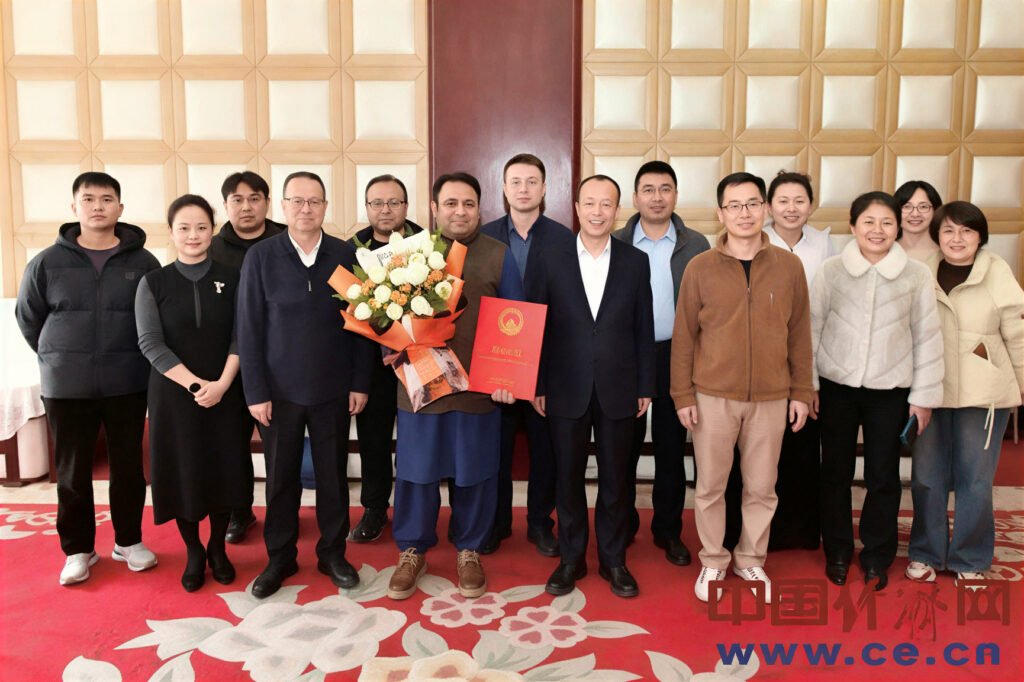
In a major boost to Pakistan-China scientific collaboration, Dr. Muhammad Ali Raza has clinched the 2025 Dunhuang Award from Gansu Province. Read More: https://theboardroompk.com/pakistan-approves-battery-backed-system-for-100-reliable-power-in-gwadar-by-early-2027/ The honor salutes his dedicated work as a foreign expert at the Gansu Academy of Agricultural Sciences, driving advancements in sustainable farming and regional development. Breakthroughs in Resource-Smart Agriculture Dr. Raza specializes in innovative techniques that conserve water and nutrients in intercropping systems, watermelon production, and intensive wheat-maize cultivation suited to dry areas. His applied research has practical impacts on food security and efficiency in both Gansu’s arid zones and Pakistan’s comparable terrains. By integrating Chinese expertise in biotechnology and mechanized systems, he advocates for productivity gains that could revolutionize Pakistan’s farming landscape. His journey from a student in China to a leading researcher illustrates the power of bilateral educational programs. Historic Recognition and Broader Impact Presented every three years since 1996, the Dunhuang Award carries significant prestige across China for honoring foreign contributions. This is the first time GAAS has received it, spotlighting the value of international talent. Dr. Raza’s success aligns with thousands of Pakistani scholars benefiting from Chinese scholarships. He views such opportunities as foundations for shared innovation and stronger ties. The award reinforces mutual benefits in agriculture, promising enhanced cooperation and sustainable growth for both countries.

Pakistan Approves Battery-Backed System for 100% Reliable Power in Gwadar by Early 2027
Pakistan

Pakistan Approves Battery-Backed System for 100% Reliable Power in Gwadar by Early 2027

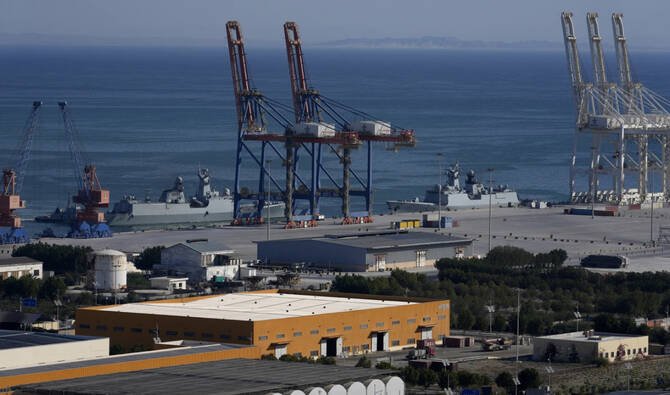
Pakistan’s federal government has greenlit a comprehensive battery-backed power arrangement to deliver fully reliable electricity to Gwadar by February or March 2027. Read More: https://theboardroompk.com/pakistan-senate-resolution-on-afghanistan-tensions-a-defining-moment/ The announcement came during a Senate session where Power Minister Sardar Awais Ahmed Khan Leghari detailed the plan to ensure no interruptions for vital facilities, including the deep-sea port, water desalination units, and emerging industrial areas. Overcoming Supply Challenges Gwadar’s existing power comes from Iranian imports (intermittent and fluctuating) and distant national grid connections (prone to voltage issues). Simultaneous operation is technically impossible, and past grid upgrade plans were not feasible economically. Abandoning the earlier 300MW imported coal plant under CPEC, authorities opted for a smarter approach: Battery Energy Storage Systems (BESS) paired with economical backup generation. This setup will handle the present 40-50 MW demand while allowing expansion as the region develops. Strategic Impact and Future Outlook The project guarantees stable power independent of external sources, eliminating fluctuations and promoting investor confidence in Gwadar. It supports sustainable progress in the Makran region and ties into national goals for efficient energy solutions. Minister Leghari emphasized its role as a milestone for reliable supply to critical infrastructure. Combined with ongoing solar initiatives in Balochistan, it signals a forward-looking strategy to power economic hubs like Gwadar effectively.

Kia Recalls 85,448 U.S. Vehicles Over Seat Back Frame Defect Risking Crash Injuries
Auto

Kia Recalls 85,448 U.S. Vehicles Over Seat Back Frame Defect Risking Crash Injuries

Kia America has announced a recall of approximately 85,448 vehicles in the United States due to a potential defect in the seat back frame. Read More: https://theboardroompk.com/pakistan-senate-resolution-on-afghanistan-tensions-a-defining-moment/ The U.S. National Highway Traffic Safety Administration (NHTSA) reported the issue on February 27, 2026, highlighting that the seat back frame may fail to adequately restrain occupants during a crash, increasing the risk of injury. Defect and Safety Concerns The core problem lies with the seat back frame, which could compromise passenger protection in the event of a collision. This structural weakness might prevent the seat from properly supporting and restraining individuals, potentially leading to heightened injury risks under impact forces. While specific models and production years were not detailed in initial reports, the recall targets vehicles where this component issue has been identified. No widespread reports of crashes or injuries directly linked to this defect have been mentioned yet, but the proactive measure aims to prevent any future incidents. Recall Actions and Next Steps Kia America is initiating the recall in coordination with NHTSA to inspect and repair the affected seat back frames at no cost to owners. Dealers will notify registered owners, and free remedies—likely involving reinforcement, replacement, or adjustment of the frame—will be provided. Owners are advised to contact their local Kia dealer or check the official Kia recall portal using their vehicle identification number (VIN) for confirmation and scheduling. This recall underscores ongoing efforts by automakers and regulators to maintain vehicle safety standards amid rising scrutiny of seating components. The announcement comes amid other recent automotive safety actions, reinforcing the importance of timely repairs for crash-related protections.

Pakistan Senate Resolution on Afghanistan Tensions: A Defining Moment
Politics

Pakistan Senate Resolution on Afghanistan Tensions: A Defining Moment

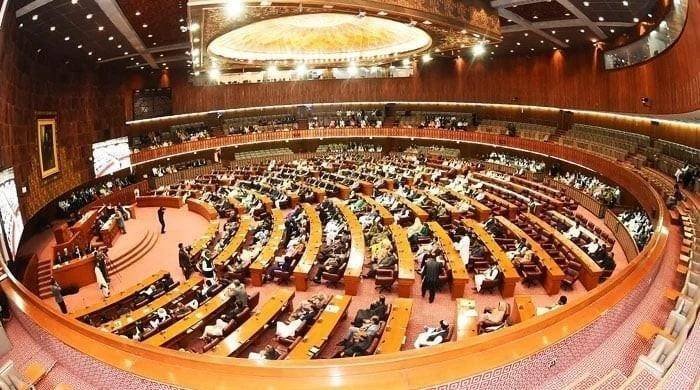
Pakistan Senate Resolution on Afghanistan tensions has sparked renewed debate over regional stability, sovereignty, and cross-border security dynamics. In a powerful and unified move, the Senate of Pakistan has “unequivocally condemned” recent acts of aggression and hostile actions originating from across the Afghan border. Read More: https://theboardroompk.com/ghazab-ul-haq-operation-drives-business-community-support-for-national-security/ This strong-worded resolution underscores a growing urgency within Pakistan’s leadership to address escalating tensions while sending a clear message: any attempt to undermine national sovereignty will be met with a firm, proportionate, and decisive response. A Unified Political Front on National Security The Pakistan Senate Resolution on Afghanistan tensions is notable not only for its content but also for the rare political consensus it reflects. Lawmakers across party lines stood united in defense “Ghazab-ul-Haq” of Pakistan’s territorial integrity and national honour. Such unity is often rare in domestic politics, making this resolution particularly significant. It highlights how national security concerns can transcend political divides, especially when external threats are perceived to be rising. The Senate reaffirmed its support for all necessary state measures aimed at protecting Pakistan’s borders, signaling a robust and coordinated approach moving forward. Strong Condemnation of Cross-Border Threats At the heart of the Pakistan Senate Resolution on Afghanistan tensions is a direct condemnation of what lawmakers described as “hostile rhetoric” and “cross-border violations.” Pakistan has long expressed concerns over the presence of anti-Pakistan militant groups operating from Afghan territory. The resolution reiterates these concerns, emphasizing that continued inaction or inability to curb such elements poses a direct threat to regional peace. This development raises critical questions: Can diplomatic channels ease tensions, or are we entering a phase of hardened security postures in the region? Recognizing the Role of Pakistan’s Armed Forces The resolution also pays tribute to the sacrifices and vigilance of the Pakistan Armed Forces and law enforcement agencies. It acknowledges their unwavering commitment to defending every inch of the homeland, often under challenging and high-risk conditions. By highlighting their bravery and professionalism, the Senate reinforces public confidence in national defense institutions while recognizing the human cost of maintaining security. Pakistan’s Frustration Over Lack of Reciprocity Another key aspect of the Pakistan Senate Resolution on Afghanistan tensions is the expression of “deep disappointment” over the lack of reciprocal goodwill from Afghanistan. For decades, Pakistan has hosted millions of Afghan nationals and advocated for Afghanistan’s stability on international platforms. However, lawmakers noted that instead of cooperation, Pakistan continues to face security challenges emanating from across the border. This sentiment reflects a broader frustration within policy circles: the expectation that humanitarian support and diplomatic advocacy should translate into mutual respect and cooperation. What This Means for Regional Stability The Pakistan Senate Resolution on Afghanistan tensions could mark a turning point in how Pakistan approaches its western border policy. While the resolution emphasizes defensive measures, its tone suggests a readiness to respond decisively if provoked. For businesses, investors, and regional stakeholders, such developments carry significant implications. Stability in Pakistan-Afghanistan relations is closely tied to trade routes, cross-border commerce, and broader economic prospects in South Asia. Any escalation could impact investor sentiment, while improved cooperation could unlock new economic opportunities. Conclusion: A Clear Message with Strategic Implications The Pakistan Senate Resolution on Afghanistan tensions is more than a political statement it is a strategic signal. It communicates resolve, unity, and a firm stance on sovereignty while leaving the door open for responsible engagement. As the region watches closely, the key question remains: will this moment lead to constructive dialogue or further escalation?

Ghazab-ul-Haq Operation Drives Business Community Support for National Security
Politics

Ghazab-ul-Haq Operation Drives Business Community Support for National Security

The Ghazab-ul-Haq Operation has rapidly become a focal point of national attention, not only for its military significance but also for the strong backing it has received from Pakistan’s business community. In a decisive response to cross-border aggression, the operation reflects a broader national consensus: security and economic stability are deeply interconnected. Read More: https://theboardroompk.com/pakistan-launches-strikes-on-afghanistan-claims-133-afghan-taliban-fighters-killed-in-operation-ghazab-lil-haq/ The President of Korangi Association of Trade and Industry (KATI), Muhammad Ikram Rajput, has publicly endorsed the Pakistan Army’s move, calling it a necessary and timely step to safeguard the country’s sovereignty. Ghazab-ul-Haq Operation and Rising Border Tensions The Ghazab-ul-Haq Operation was launched following a series of alarming incidents along Pakistan’s western border, where attacks reportedly targeted civilians and even places of worship. These developments heightened concerns over national security and prompted a swift military response. Rajput strongly condemned these acts, emphasizing that Pakistan cannot afford to compromise on its territorial integrity or the safety of its citizens. His statement underscores a growing sentiment within the business sector: prolonged instability directly threatens economic continuity. Business Community Endorses Ghazab-ul-Haq Operation In an era where economic resilience is closely tied to geopolitical stability, the Ghazab-ul-Haq Operation has received unequivocal support from industrialists and traders alike. Rajput noted that the business community stands “shoulder to shoulder” with the government and armed forces. Under the leadership of Asim Munir, the military’s decisive response has reinforced confidence among stakeholders who rely on a stable environment for growth and investment. He further highlighted that Pakistan’s armed forces have a long-standing record of defending both ideological and geographical boundaries, often at great cost. This legacy, he said, inspires confidence and unity across sectors. Why Ghazab-ul-Haq Operation Matters for Economic Stability The Ghazab-ul-Haq Operation is not just a military initiative it carries significant economic implications. Rajput emphasized that peace and security form the backbone of sustainable economic development. When instability rises, businesses face disruptions in supply chains, reduced investor confidence, and declining productivity. Conversely, strong security measures help restore market confidence and encourage both local and foreign investment. He stressed that terrorism and unrest inflict dual damage: loss of human lives and a direct blow to economic activity. This dual threat makes it imperative for all stakeholders, including the private sector, to support national security initiatives. Call for Unity and Coordinated Strategy Rajput also called for greater coordination between the government and key stakeholders. He urged authorities to keep the business community informed on national security developments, ensuring a unified and strategic approach. The Ghazab-ul-Haq Operation, he said, has already boosted national morale, particularly among traders and industrialists who view stability as essential for long-term planning. He encouraged citizens to remain vigilant, united, and resilient against disruptive elements and hostile narratives. A Defining Moment for National Cohesion As Pakistan navigates evolving security challenges, the Ghazab-ul-Haq Operation stands as a defining moment that highlights the intersection of defence and economic priorities. The strong endorsement from KATI reflects a broader realization: without security, sustainable economic growth remains out of reach. With unified support from both the public and private sectors, Pakistan appears poised to confront these challenges with renewed determination and collective strength.

Pakistan Short-Term Inflation Trends 2026: A Surprising Weekly Dip
Business

Pakistan Short-Term Inflation Trends 2026: A Surprising Weekly Dip

Pakistan short-term inflation trends have taken an unexpected turn as the latest data reveals a decline in weekly inflation, offering temporary relief to consumers grappling with persistent price pressures. Read More: https://theboardroompk.com/february-bloodbath-at-psx-kse-100-tumbles-16112-points-8-7-ends-month-at-168062/ According to the Pakistan Bureau of Statistics (PBS), the Sensitive Price Indicator (SPI) dropped by 0.54% for the week ending February 26, 2026. This decline signals a short-term easing in the cost of essential commodities something both households and policymakers have been closely watching. What’s Driving Pakistan Short-Term Inflation Trends This Week? The most notable factor behind the decline in Pakistan short-term inflation trends is the sharp fall in food prices particularly perishable items. Tomatoes led the drop, followed by other staples like potatoes and chicken. The downward trend in these high-consumption items has had an immediate impact on weekly inflation. In practical terms, this means kitchen budgets may have experienced slight relief during the week, especially for lower- and middle-income households. Food Prices Fall: A Temporary Relief? Several essential food items recorded significant price reductions. Tomatoes alone saw a dramatic decline of nearly 30%, while potatoes and chicken also posted notable drops. These decreases are important because food items carry a heavy weight in SPI calculations and directly influence Pakistan short-term inflation trends. However, the relief may be temporary. Price volatility in perishables often depends on supply chain conditions, weather, and market dynamics. Not All Prices Are Falling Despite the overall weekly decline, some categories moved in the opposite direction. Fruits like bananas, clothing materials, and energy sources such as LPG recorded price increases. This mixed trend highlights a critical insight: while Pakistan short-term inflation trends show short-term easing, underlying inflationary pressures remain present across various sectors. Pakistan Short-Term Inflation Trends on a Yearly Basis Looking beyond the weekly movement, the bigger picture tells a different story. On a year-on-year (YoY) basis, SPI increased by 4.23%, indicating that inflationary pressures are still embedded in the economy. Energy costs particularly gas and electricity charges have surged significantly, along with staples like wheat flour and meat products. This suggests that while short-term fluctuations offer relief, long-term inflation challenges continue to shape economic realities in Pakistan. Why SPI Matters for Pakistan’s Economy The Sensitive Price Indicator is more than just a weekly statistic it is a real-time economic pulse check. Covering 51 essential commodities across 50 markets in 17 cities, SPI provides policymakers with immediate insights into price movements. For decision-makers, these Pakistan short-term inflation trends help guide monetary policy, subsidy decisions, and market interventions. For businesses, SPI data influences pricing strategies, inventory planning, and consumer demand forecasting. What This Means for Consumers and Businesses For consumers, the recent dip in Pakistan short-term inflation trends may bring short-lived relief, particularly in food expenses. However, rising utility and energy costs continue to strain household budgets. For businesses, especially in retail and FMCG sectors, fluctuating SPI data underscores the importance of agile pricing and supply chain strategies. Final Thoughts: A Pause, Not a Pivot While the latest SPI figures suggest easing inflation, it is too early to declare a sustained downward trend. The mixed price movements and persistent YoY increase indicate that inflation remains a structural challenge. The current dip in Pakistan short-term inflation trends may be best understood as a temporary pause rather than a long-term shift.

Saudi-Backed Wafi Energy Delivers Rs3.54bn Profit, Up 7.5%, in Pakistan, Eyes Aggressive 2026 Growth
World

Saudi-Backed Wafi Energy Delivers Rs3.54bn Profit, Up 7.5%, in Pakistan, Eyes Aggressive 2026 Growth

Karachi, February 27, 2026 – The Board of Directors of Wafi Energy Pakistan Limited (WEPL) announced the company’s financial results for the year ended December 31, 2025. The company reported a profit after tax of PKR 3.54 billion, an increase of 7.5% compared with the same period last year. Read More: https://theboardroompk.com/pakistan-launches-strikes-on-afghanistan-claims-133-afghan-taliban-fighters-killed-in-operation-ghazab-lil-haq/ This marks Wafi Energy’s first year in Pakistan, shaped by strong performance, disciplined expansion, and strategic investment. In 2025, Wafi Energy expanded its Shell retail network, adding 35 new Shell retail sites, including a second eco-friendly Shell site built with recycled plastic, bringing the Shell retail network to over 680 sites nationwide. The Lubricants business continued strong performance across both consumer and industrial segments. Wafi Energy and OEM partnerships were strengthened, and the mining portfolio expanded, alongside growth in indirect and process oil segments. Commenting on the results, Zubair Shaikh, Chief Executive Officer, said, “We delivered a strong business performance in 2025 and importantly, we did so while investing to grow. Our focus through the year was clear – to expand in priority growth areas, establish Wafi Energy in Pakistan and strengthen the Shell customer experience. In 2026, our ambition is to accelerate growth, build shareholder value and continue investing in the energy future for Pakistan.” In 2026, Wafi Energy Pakistan Limited remains focused on operational excellence, growth, and generating shareholder value. Last year, the Board in-principle authorized management to explore potential investment and acquisition opportunities in the oil marketing sector. The company is also advancing its investment strategy by planning a Dubai-based subsidiary to expand commercial activities and strengthen its regional presence. This strategic move underscores Wafi Energy’s commitment to sustainable growth and expanding its footprint.

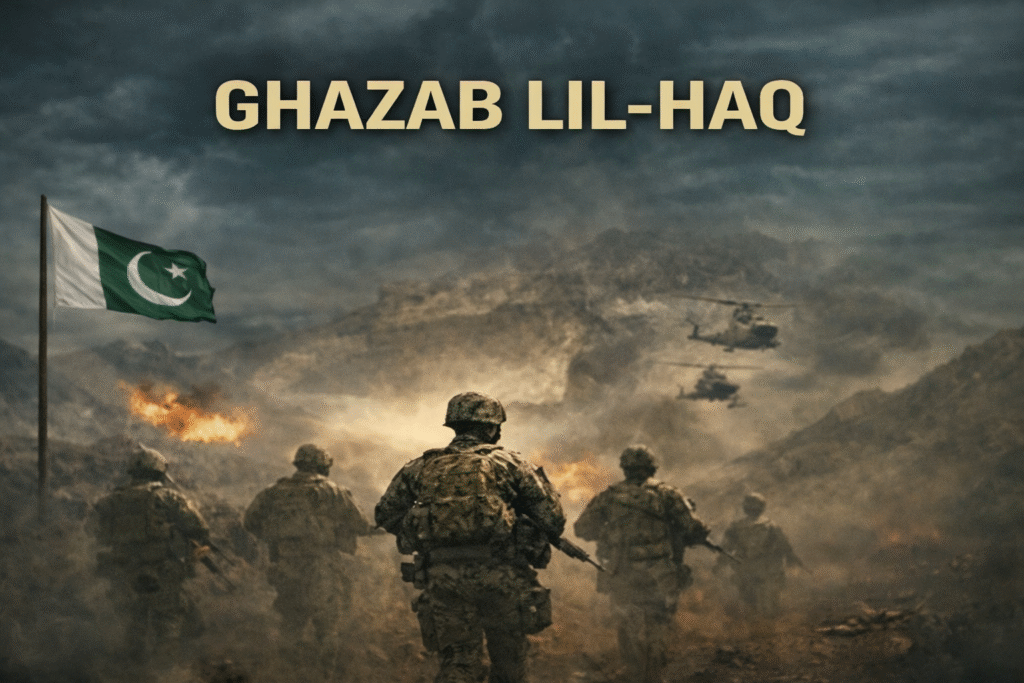
Pakistan Launches Strikes on Afghanistan: Claims 133 Afghan Taliban Fighters Killed, in Operation Ghazab lil-Haq
Pakistan

Pakistan Launches Strikes on Afghanistan: Claims 133 Afghan Taliban Fighters Killed, in Operation Ghazab lil-Haq

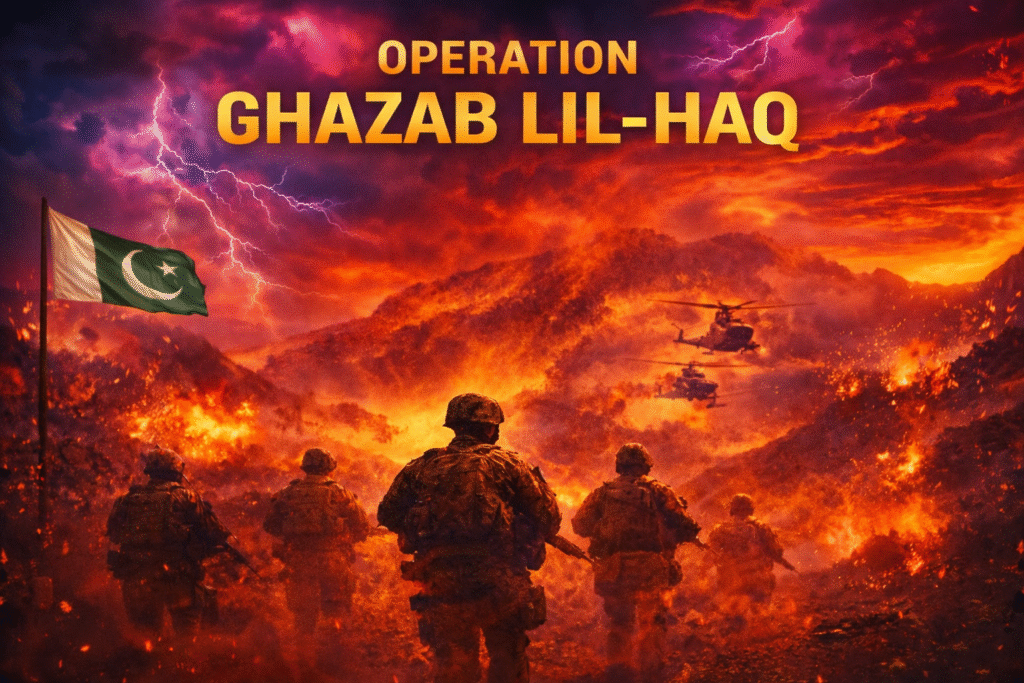
Pakistan carried out intense air and ground strikes inside Afghanistan overnight into February 27, 2026. Read More: https://theboardroompk.com/nha-boosts-pakistans-road-network-to-14480-km-in-118-districts/ Explosions rocked Kabul, with smoke rising over targeted sites. Escalation Along the Durand Line Strikes hit Taliban military offices and posts in Kabul, Kandahar, and Paktia provinces. Ground clashes erupted in multiple border sectors, including near Torkham. Pakistan accused Afghanistan of sheltering TTP militants launching cross-border attacks. Afghanistan denied the claims, calling Pakistan’s issues internal. Heavy Losses and Conflicting Claims Pakistan reported killing 133 Taliban fighters and destroying 27 posts. Afghanistan claimed 55 Pakistani soldiers killed and 19 posts captured. Both sides issued unverified tolls, with earlier strikes killing civilians. Defence Minister Khawaja Asif said, “Our cup of patience has overflowed. Now it is open war.” Taliban spokesperson Zabihullah Mujahid confirmed strikes but vowed strong retaliation. Clashes followed Afghan attacks on Pakistani installations Thursday night.Tensions stem from long accusations of militant safe havens. A fragile ceasefire from late 2025 appears broken. International calls for de-escalation emerged, with Russia offering mediation.Saudi Arabia discussed reducing tensions with Pakistan. Punjab province in Pakistan went on high alert. Security operations intensified, including deportations of Afghans.The 2,600-km border remains volatile. Analysts warn of protracted guerrilla conflict.Pakistan holds superior conventional forces. Taliban excels in asymmetric warfare from past experiences.Civilian risks rise with urban strikes. Kabul residents reported jets, blasts, and ambulances.Videos showed burning buildings in Paktian. The strikes mark a dangerous shift from border skirmishes to city targets. Both nations risk wider instability.Diplomatic efforts may be needed soon.

Scroll to Top