Author name: Web Desk

Nominal GDP 2026: Largest Economies in the World Ranked by IMF
World

Nominal GDP 2026: Largest Economies in the World Ranked by IMF

Nominal GDP 2026 figures have once again reshaped the global economic narrative, offering a fascinating glimpse into the world’s most powerful economies. As international markets evolve and geopolitical shifts influence trade flows, the latest data from the International Monetary Fund (IMF) highlights which nations are driving global wealth creation and which ones are rapidly climbing the ranks. Read More: https://theboardroompk.com/pakistan-stock-market-decline-deepens-as-kse-100-slides-below-168100-ahead-of-imf-review/ From trillion-dollar powerhouses to emerging giants, these rankings reflect not only economic size but also strategic influence, industrial strength, and financial resilience. What Does Nominal GDP 2026 Really Tell Us? Before diving into the rankings, it’s important to understand what Nominal GDP 2026 represents. Nominal Gross Domestic Product measures the total value of goods and services produced within a country at current market prices, without adjusting for inflation. This metric matters because it: • Reflects a country’s current economic scale• Influences global investment flows• Impacts currency strength and borrowing capacity• Shapes geopolitical leverage In simple terms, Nominal GDP 2026 is a scoreboard of global economic power. Top 10 Largest Economies by Nominal GDP 2026 According to IMF estimates for 2026, the global economic hierarchy is led by familiar giants but with notable shifts gaining attention. The United States remains the undisputed leader in Nominal GDP 2026, powered by innovation, technology dominance, financial markets, and consumer spending. The U.S. economy alone represents nearly one-quarter of global output. China continues its economic ascent, driven by manufacturing, exports, infrastructure expansion, and a rapidly growing domestic market. Europe’s industrial backbone, Germany maintains its position through advanced manufacturing and export-led growth. India emerges as one of the fastest-growing major economies, fueled by digital transformation, demographics, and services expansion. Despite demographic challenges, Japan remains a technological and industrial powerhouse. The UK leverages financial services and global trade networks to sustain its economic position. France combines diversified industries with strong consumer markets. Italy’s strength lies in manufacturing, fashion, and exports. Russia’s GDP remains energy-driven, with hydrocarbons playing a dominant role. Canada benefits from natural resources, trade ties, and stable financial institutions. Emerging Economic Forces in Nominal GDP 2026 Rankings Beyond the top ten, several economies are making strategic gains: • Brazil – $2.3 Trillion• Spain – $2.0 Trillion• Mexico – $2.0 Trillion• Australia – $1.9 Trillion• South Korea – $1.9 Trillion• Turkey – $1.5 Trillion• Indonesia – $1.5 Trillion• Netherlands – $1.4 Trillion• Saudi Arabia – $1.3 Trillion• Poland – $1.1 Trillion These nations represent diversified economic models from energy-rich exporters to tech-driven manufacturing hubs and consumption-led emerging markets. Key Trends Behind Nominal GDP 2026 Growth Asia continues expanding its share of global output, with China and India playing central roles. Countries like Saudi Arabia, Russia, Canada, and Australia benefit from commodities in a volatile global environment. The United States, South Korea, Japan, and Germany maintain competitive advantages through advanced technology and R&D investment. India and Indonesia are positioned to benefit from younger populations and expanding middle classes. Why Nominal GDP 2026 Matters for Investors and Businesses For entrepreneurs, investors, and policymakers, Nominal GDP 2026 is more than a ranking it’s a roadmap. • It signals where consumer markets are expanding.• It highlights stable economies for long-term investment.• It identifies emerging opportunities in high-growth regions.• It shapes currency valuations and global capital flows. Businesses looking to expand internationally often align their strategies with high Nominal GDP markets, where purchasing power and infrastructure are strongest. The Bigger Picture: A Shifting Global Order While the United States remains the largest economy, the gap between established powers and emerging giants continues to narrow. India’s rise into the top four signals a long-term structural shift. Meanwhile, Europe maintains strong representation despite economic challenges. As Nominal GDP 2026 figures demonstrate, economic leadership is no longer concentrated in one region it is increasingly multipolar. The next decade will test resilience, innovation capacity, and demographic strength. One question lingers: which emerging economy will break into the top five next?
OpenAI Strikes Deal to Deploy AI on U.S. Military Classified Networks
Tech

OpenAI Strikes Deal to Deploy AI on U.S. Military Classified Networks

OpenAI CEO Sam Altman revealed on February 27, 2026, that the company reached terms with the U.S. Department of War to deploy its AI models—including advanced systems like those powering ChatGPT—on classified networks. Read More: https://theboardroompk.com/pakistan-stock-market-decline-deepens-as-kse-100-slides-below-168100-ahead-of-imf-review/ The agreement allows deployment in secure, high-level environments, marking a major step for OpenAI in government and defense sectors. Ethical Boundaries Maintained Altman highlighted alignment on key red lines: no use for domestic mass surveillance and mandatory human oversight for any force application, including autonomous weapons. These principles, central to OpenAI’s safety framework, were incorporated via technical safeguards and contractual terms. The DoW reportedly agreed to reflect them in policy and practice. Context of Rival Fallout and Broader Impact The timing coincides with the Pentagon’s fallout with Anthropic, which sought similar restrictions but faced a government ban and supply-chain risk designation. President Trump ordered a phase-out of Anthropic tools across agencies. OpenAI’s deal fills the gap, potentially strengthening U.S. military AI capabilities. It reflects evolving dynamics where companies balance commercial interests, ethical stances, and national security demands in an increasingly competitive landscape. Observers note this could influence other AI firms’ government engagements and spur faster classified AI integration.

Pakistan Airspace Fully Operational – PAA Assures Safety Amid Tehran Airspace Closure
World

Pakistan Airspace Fully Operational – PAA Assures Safety Amid Tehran Airspace Closure

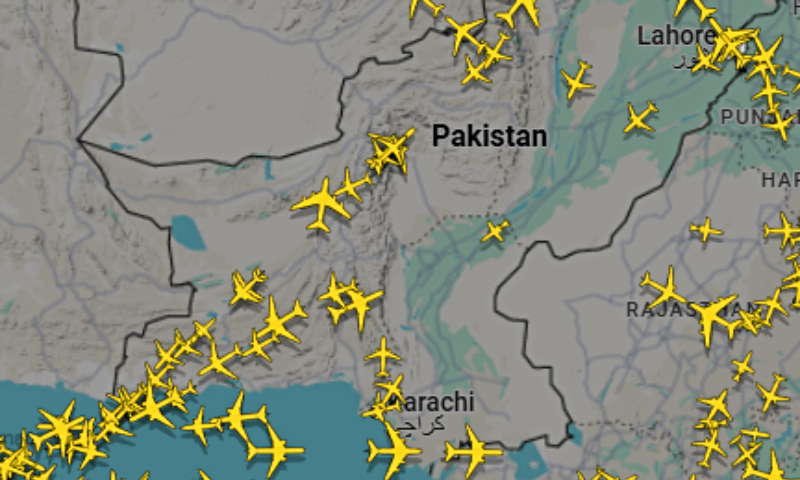
Pakistan Airspace Fully Operational this is the key message from the Pakistan Airports Authority (PAA) as it reassures airlines, passengers, and global aviation stakeholders amid temporary disruptions in neighbouring airspace. Read More: https://theboardroompk.com/pakistan-stock-market-decline-deepens-as-kse-100-slides-below-168100-ahead-of-imf-review/ From its headquarters at Jinnah International Airport, the authority issued a timely update highlighting that Pakistan’s skies remain safe, open, and fully functional despite evolving regional dynamics. Tehran Airspace Closure and Its Regional Impact on Pakistan Airspace Fully Operational Status According to a Notice to Airmen (NOTAM) issued by Tehran authorities, Iranian airspace is temporarily closed to civil aircraft between 11:30 AM and 5:00 PM Pakistan Standard Time (PKT). While this timeframe typically experiences lower volumes of east-west transit flights, the implications could grow if restrictions extend into peak hours. For global carriers operating long-haul routes between Asia, Europe, and beyond, such closures often trigger rerouting strategies. In this context, Pakistan Airspace Fully Operational becomes a critical alternative corridor for international aviation traffic. Pakistan Airspace Fully Operational: Prepared for Increased Overflight Traffic The PAA has emphasized that its air traffic management systems are fully equipped to handle any potential surge in rerouted flights. Should Iranian restrictions extend beyond the current window, airlines are expected to increasingly rely on Pakistani airspace particularly during nighttime operations when traffic density is higher. Importantly, authorities have confirmed that: Air traffic control systems are functioning seamlessly, ensuring smooth coordination for both domestic and international flights. There are currently no delays, restrictions, or congestion issues across Pakistan’s aviation network. Safety protocols remain robust, aligning with international aviation standards. This proactive readiness reinforces Pakistan’s growing importance as a strategic aviation corridor in the region. Aviation Safety and Reliability at the Core of Pakistan Airspace Fully Operational At a time when regional uncertainties can disrupt global travel schedules, Pakistan is positioning itself as a reliable and secure alternative. The PAA has reiterated its unwavering commitment to aviation safety, operational excellence, and international collaboration. Working closely with global aviation partners, Pakistan continues to maintain high standards of monitoring and response. This ensures that even in dynamic situations, airlines and passengers experience minimal disruption. The authority’s confidence underscores a broader message: Pakistan’s aviation infrastructure is resilient, adaptable, and ready to support shifting global air traffic patterns. Why Pakistan Airspace Fully Operational Matters for Global Aviation The temporary closure of Iranian airspace highlights how interconnected global aviation truly is. Even localized restrictions can ripple across continents, affecting airline routes, fuel costs, and travel times. In this environment, Pakistan’s fully operational airspace offers: Greater route flexibility for international airlines navigating regional disruptions.Reduced risk of delays due to efficient air traffic management systems.Enhanced confidence among carriers relying on stable and secure transit corridors. This positions Pakistan not just as a transit route, but as a dependable aviation partner in an increasingly complex global landscape. Final Thoughts As the situation evolves, all eyes remain on how regional airspace dynamics will shape international flight paths. For now, the message is clear and reassuring: Pakistan Airspace Fully Operational, with no compromise on safety, efficiency, or reliability. For passengers and airlines alike, that assurance makes all the difference.

Pakistan Stock Market Decline Deepens as KSE-100 Slides Below 168,100 Ahead of IMF Review
Business

Pakistan Stock Market Decline Deepens as KSE-100 Slides Below 168,100 Ahead of IMF Review

Pakistan Stock Market Decline dominated headlines this week as the benchmark KSE-100 Index extended its losing streak, closing at 168,062.17 down sharply from 173,169.71 recorded on February 20, 2026. The index lost 5,107.54 points over the week, reflecting a 2.95% week-on-week contraction and signaling persistent bearish momentum across key sectors. Read More: https://theboardroompk.com/insurance-reforms-pakistan-adb-secp-drive-future-ready-insurance-sector/ With the International Monetary Fund (IMF) review approaching, investors chose caution over conviction. Institutional repositioning, foreign outflows, and broad-based sectoral weakness combined to keep trading activity defensive and sentiment fragile. Pakistan Stock Market Decline Mirrors Shrinking Market Capitalization The Pakistan Stock Market Decline was not limited to index points alone it also eroded billions in investor wealth. Total listed market capitalization fell from Rs5.11 trillion to Rs4.96 trillion within a week. This represents a contraction of approximately Rs152.2 billion, equivalent to a 2.98% decline. In dollar terms, market capitalization declined from $18.27 billion to $17.73 billion, a weekly drop of 2.95%. Dollar-adjusted returns stood at negative 2.92%, compared to negative 3.56% in the previous week. While the pace of decline moderated slightly in foreign currency terms, equity prices remained under heavy pressure suggesting that weakness was driven more by valuation compression than currency volatility. The erosion in value was widespread, indicating systemic selling rather than isolated sector weakness. IMF Review Keeps Pakistan Stock Market Decline in Focus The upcoming IMF review has become the single most important short-term catalyst for Pakistan’s financial markets. Investors are wary of potential fiscal adjustments, taxation measures, and policy tightening that could affect corporate profitability. Market participants are trimming positions ahead of the review, preferring liquidity over risk exposure. This cautious stance has significantly reduced buying momentum, allowing sellers to dominate trading sessions. The IMF milestone is widely seen as critical for macroeconomic stability. Any clarity on fiscal targets and structural reforms could either restore confidence or intensify volatility. Sector-Wise Breakdown: Heavyweights Drive the Pakistan Stock Market Decline The week’s performance confirms that the Pakistan Stock Market Decline was broad-based and led by large-cap sectors. Major Negative Contributors: • Commercial Banks erased 1,782.63 index points• Oil & Gas Exploration companies shaved off 728.63 points• Cement sector removed 648.63 points• Technology & Communication reduced 333.54 points• Pharmaceuticals cut 310.75 points• Investment Banks & Securities Companies trimmed 258.78 points Additional pressure came from oil marketing companies, food and personal care producers, automobile assemblers, power generation firms, engineering, and transport sectors. Limited Positive Pockets: • Textile composite stocks added 55.36 points• Automobile parts contributed 48.69 points• Fertilizer added 40.70 points• Refineries and vanaspati producers offered marginal support However, these gains were insufficient to offset heavy losses in banking, exploration, cement, and technology heavyweights. Company-Level Impact: Institutional Repositioning Evident At the stock level, losses were concentrated in major index constituents, signaling institutional-level adjustments rather than retail-driven panic. Significant negative contributors included: • UBL, which alone erased 1,193.90 points• MARI, shedding 484.81 points• MEBL, losing 331.09 points• SYS, down 236.65 points• PPL and OGDC, dragging the exploration segment• HBL, declining by 230.09 points• Cement majors LUCK and MLCF posting substantial losses On the positive side, selective support emerged from BAFL, POL, AKBL, FATIMA, EFERT, THALL, and certain textile composite stocks. Yet their contribution was limited relative to the scale of declines in heavyweight counters. Foreign Outflows Amplify Pakistan Stock Market Decline Foreign Portfolio Investment (FIPI) remained negative, with net outflows of $17.28 million during the week. Foreign corporates were the primary sellers, offloading $18.29 million worth of equities. Overseas Pakistanis and foreign individuals provided only marginal buying support. Local Portfolio Investment (LIPI) fully absorbed the outflow, recording matching net inflows of $17.28 million. Major Domestic Buyers: • Banks and DFIs purchased $33.88 million• Companies and other organizations also added exposure Major Sellers: • Individuals• Mutual funds• Insurance companies• Broker proprietary desks The flow pattern indicates that domestic institutional liquidity prevented a sharper market slide, cushioning the impact of sustained foreign selling. Macroeconomic Signals Add to Market Complexity Recent macroeconomic indicators paint a mixed picture: • Broad money supply stands at Rs46.19 trillion (January 2026), down 0.73% month-on-month but up 15.08% year-on-year.• The State Bank of Pakistan purchased $620 million from the interbank market in November 2025, bringing FY26 (Jul–Nov) net FX buying to $3.12 billion.• Weekly SPI inflation declined 0.54% week-on-week but rose 4.23% year-on-year. While inflation shows signs of short-term easing, growth liquidity remains elevated on an annual basis. These dynamics complicate monetary policy expectations and investor positioning. What Lies Ahead for the Pakistan Stock Market Decline? The trajectory of the Pakistan Stock Market Decline now hinges on IMF review outcomes, foreign investment flows, and institutional confidence. If policy clarity emerges and macro stability strengthens, the market could witness a technical rebound. However, continued foreign outflows or fiscal tightening may prolong bearish conditions. For now, the equity market remains in consolidation mode balancing domestic liquidity support against external uncertainties. Investors are watching closely. The next few weeks may determine whether this correction evolves into a deeper structural downturn or becomes a foundation for recovery.

Insurance Reforms Pakistan: ADB & SECP Drive Future-Ready Insurance Sector
Uncategorized

Insurance Reforms Pakistan: ADB & SECP Drive Future-Ready Insurance Sector

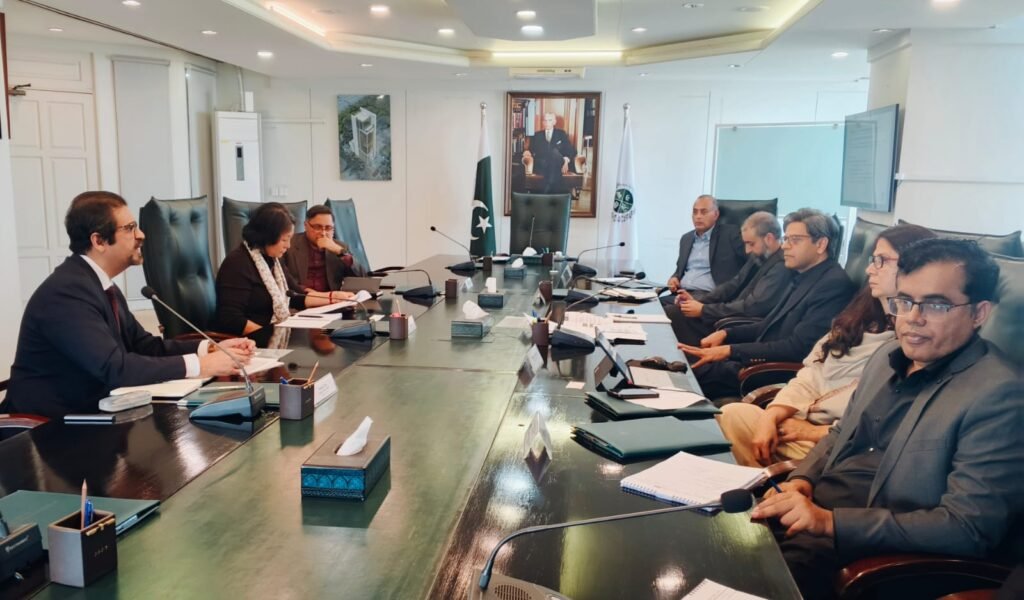
Insurance Reforms Pakistan are rapidly gaining momentum as policymakers and global partners align to reshape the country’s financial safety net. In a significant development, a high-level delegation from the Asian Development Bank (ADB), led by Country Director Emma Fan, visited the Securities and Exchange Commission of Pakistan (SECP) headquarters in Islamabad to explore transformative reforms in the insurance sector. Read More: https://theboardroompk.com/israel-and-us-launch-pre-emptive-strikes-on-iran-explosions-rock-tehran/ The meeting, chaired by SECP Chairman Dr. Kabir Ahmed Sidhu, signals a renewed push toward modernizing Pakistan’s insurance landscape one that could redefine how individuals, businesses, and public assets are protected in the years ahead. Why Insurance Reforms Pakistan Matter Now Despite being a key pillar of financial stability, Pakistan’s insurance sector remains underdeveloped, with low penetration compared to regional peers. This gap has long exposed individuals and industries especially agriculture and infrastructure to significant financial risks. Insurance Reforms Pakistan aim to bridge this gap by introducing forward-thinking policies that encourage innovation, accessibility, and resilience. With support from global institutions like ADB and the International Monetary Fund (IMF), the country is now positioning itself for a structural shift in risk management. Key Highlights of Insurance Reforms Pakistan At the core of discussions was a new insurance law currently under review at the Ministry of Law. This proposed legislation is expected to bring sweeping changes across multiple dimensions: The reforms seek to open up the insurance market, making it more competitive and attractive for both local and international players. Simplified regulations will reduce barriers to entry, fostering innovation and investment. A strong emphasis is being placed on digitalization. From digital claims processing systems to satellite-based risk assessments, technology is set to play a central role in improving efficiency, transparency, and customer experience. The proposed reforms will strengthen supervisory powers, ensuring better protection for policyholders. This is a critical step toward building trust in a sector where skepticism has historically limited growth. Insurance Reforms Pakistan and Agricultural Protection One of the most impactful elements of Insurance Reforms Pakistan is the focus on agriculture a sector that forms the backbone of the country’s economy. Instead of traditional fragmented approaches, SECP has proposed establishing a consortium of insurers to underwrite agricultural risks collectively. This model is expected to improve risk-sharing and expand coverage. Additionally, crop insurance is being extended beyond loan-taking farmers to include non-loanee farmers, a move that could significantly widen financial inclusion in rural areas. Public-private partnerships will play a key role in scaling these initiatives effectively. Building Resilience Through Mandatory Insurance Another notable proposal under Insurance Reforms Pakistan is the introduction of mandatory catastrophe insurance for critical public infrastructure. This includes assets vulnerable to natural disasters such as floods, earthquakes, and extreme weather events. By integrating modern tools like real-time data sharing and satellite monitoring, authorities aim to create a more responsive and efficient claims ecosystem. This shift is not just about protection it’s about building long-term economic resilience. The Bigger Picture: Collaboration and Global Support The collaboration between SECP and ADB reflects a broader international commitment to strengthening Pakistan’s financial systems. Development partners are actively supporting disaster risk financing frameworks, ensuring that the country is better equipped to handle economic shocks. For Pakistan, this is more than regulatory reform it’s a strategic transformation. By aligning with global best practices, Insurance Reforms Pakistan could unlock new opportunities for investment, innovation, and sustainable growth. What Lies Ahead? As discussions progress and policies take shape, the success of Insurance Reforms Pakistan will depend on execution, stakeholder alignment, and public awareness. If implemented effectively, these reforms could: • Increase insurance penetration nationwide• Strengthen financial inclusion• Protect critical sectors from economic shocks• Enhance investor confidence The road ahead is ambitious but necessary.

Israel and US Launch Pre-Emptive Strikes on Iran: Explosions Rock Tehran
World

Israel and US Launch Pre-Emptive Strikes on Iran: Explosions Rock Tehran

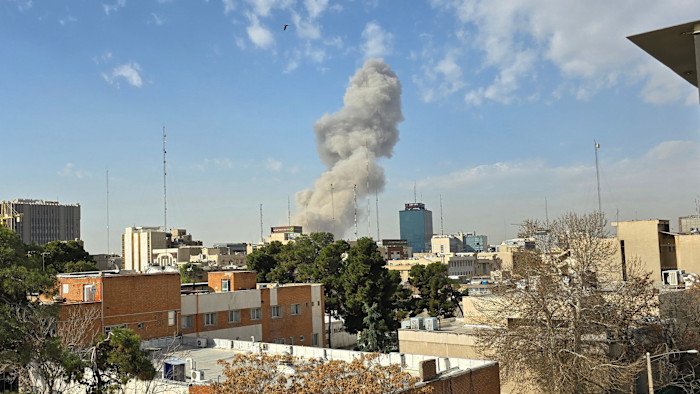
Israel and the United States have launched major military strikes against Iran on February 28, 2026. Read More: https://theboardroompk.com/illegal-immigration-pakistan-europe-agreement-new-legal-job-pathways-open-for-pakistanis/ Explosions echoed across Tehran, with smoke rising over the city as Iranian media reported blasts in the capital. People were seen running for cover amid the chaos in downtown areas. Israel described the operation as a “pre-emptive” attack to eliminate threats to its security. Defence Minister Israel Katz confirmed the strikes aimed to remove existential dangers from Iran. Prime Minister Benjamin Netanyahu stated the action prevents Iran from obtaining nuclear weapons. He added it could empower the Iranian people to shape their future. The operation was coordinated with the US, planned over months. An Israeli official revealed the launch date was set weeks earlier. In response, Iran’s air defenses activated in Tehran and other regions. Tehran state media reported ongoing engagements with hostile targets. An Iranian official vowed a “crushing” retaliation is being prepared. Sirens blared across Israel as a precaution against possible missile retaliation. The Israeli military imposed restrictions on public gatherings and work. Essential sectors were exempted from the emergency measures. The strikes follow failed diplomatic efforts on Iran’s nuclear program. Recent US-Iran talks in February collapsed over missile and enrichment issues. This escalation revives tensions after a previous air war in June. No immediate casualty figures have been confirmed from either side. The situation remains fluid with ongoing military activity.

Government Plans to Phase Out Rs. 10 Note, Eyes Long-Term Savings
Politics

Government Plans to Phase Out Rs. 10 Note, Eyes Long-Term Savings

The federal government is considering a major change to Pakistan’s currency system by gradually replacing the Rs. 10 banknote with a coin — a move aimed at cutting costs and boosting efficiency. Read More: https://theboardroompk.com/illegal-immigration-pakistan-europe-agreement-new-legal-job-pathways-open-for-pakistanis/ A high-level committee led by the finance minister presented a detailed currency management report prepared by the State Bank of Pakistan and the Pakistan Security Printing Corporation to the federal cabinet for review. The report highlights that a Rs. 10 note typically remains usable for only six to nine months before wear and tear forces it out of circulation. In contrast, a metal coin of the same denomination can last 20 to 30 years, significantly reducing the need for repeated printing. Currently, about 35 % of all notes printed each year are Rs. 10 notes, costing roughly Rs. 8–10 billion annually in printing and handling. Experts say switching to coins could save the government Rs. 40–50 billion over the next decade due to lower replacement and administrative costs. Although producing coins initially costs more, their longevity makes them more economical in the long run. The report suggests phasing out the Rs. 10 note over the next three years, following legal procedures under the State Bank Act. Several other countries, including the United Kingdom, Canada, and Australia, have already switched low-value notes to coins to improve cost efficiency.

Petroleum Prices Expected to Increase in Pakistan: Sparks Inflation Concerns
Pakistan

Petroleum Prices Expected to Increase in Pakistan: Sparks Inflation Concerns

Petrol Price Increase Pakistan is once again at the center of economic discussion, as fresh estimates suggest a rise of Rs4.50 to Rs7 per litre in petroleum prices for the upcoming fortnight ending March 15. The anticipated hike reflects shifting global oil trends and mounting regional pressures factors that are quietly reshaping Pakistan’s inflation outlook. Read More: https://theboardroompk.com/illegal-immigration-pakistan-europe-agreement-new-legal-job-pathways-open-for-pakistanis/ Why Petrol Price Increase Pakistan Is Happening Now The expected Petrol Price Increase Pakistan is largely driven by a modest uptick in international crude oil prices. Market insiders point to regional geopolitical tensions as a key reason behind the recent upward movement in benchmark crude rates. As global prices climb, Pakistan being a net importer of petroleum products faces immediate cost pressures. These are then passed on to consumers through revised ex-depot prices. Current projections indicate: • Petrol prices may rise by approximately Rs4.50 per litre• High-Speed Diesel (HSD) could increase by around Rs4.70 per litre• Kerosene oil may go up by Rs5 per litre• Light Diesel Oil (LDO) is expected to see the highest jump of about Rs7 per litre This pricing adjustment is expected to take effect from February 28, setting the tone for fuel costs in early March. Breaking Down the Current Fuel Pricing Structure To understand the Petrol Price Increase Pakistan, it’s important to look beyond global oil rates and examine the local pricing structure. Currently: • Petrol is officially priced at Rs258.17 per litre but sold above Rs259 in retail markets• HSD stands at Rs275.70 officially, while market prices exceed Rs277 per litre• Kerosene is priced at Rs180.53 but is rarely available below Rs300 in open markets• LDO is set at Rs161.72 per litre A significant portion of fuel prices comes from taxes and margins. The government collects nearly Rs105 per litre on petrol and Rs98 per litre on diesel through petroleum levy, customs duty, and climate-related charges. Additionally, around Rs17 per litre goes to oil marketing companies and dealers as distribution and sales margins. How Petrol Price Increase Pakistan Impacts Inflation The Petrol Price Increase Pakistan has far-reaching consequences beyond fuel stations. Petrol is primarily used by private vehicle owners, motorcyclists, and rickshaw drivers making it a direct burden on middle- and lower-income households. However, diesel prices play an even more critical role in inflation. High-Speed Diesel fuels: • Trucks and buses• Agricultural machinery like tractors and tube wells• Rail transport Any increase in diesel prices translates into higher transportation costs, which eventually raise the prices of vegetables, fruits, and essential commodities. This ripple effect is one of the key drivers of food inflation in Pakistan. The Government’s Growing Dependence on Petroleum Revenue Another crucial dimension of the Petrol Price Increase Pakistan is its role in government revenue. Petroleum products remain one of the largest sources of indirect taxation. In FY2025, the government collected approximately Rs1.161 trillion through petroleum levy alone. This figure is projected to rise by nearly 27%, reaching Rs1.470 trillion in the current fiscal year. With monthly sales of petrol and diesel averaging between 700,000 to 800,000 tonnes, compared to just 10,000 tonnes for kerosene, these fuels continue to dominate revenue generation. What to Expect Next As the official announcement approaches, all eyes are on final calculations that will determine the exact price adjustment. While the increase may appear moderate, its cumulative impact on transportation, food prices, and household budgets could be significant. The Petrol Price Increase Pakistan is more than just a routine adjustment it’s a signal of broader economic pressures that could shape inflation trends in the coming months.

Illegal Immigration Pakistan Europe Agreement New Legal Job Pathways Open for Pakistanis
World

Illegal Immigration Pakistan Europe Agreement New Legal Job Pathways Open for Pakistanis

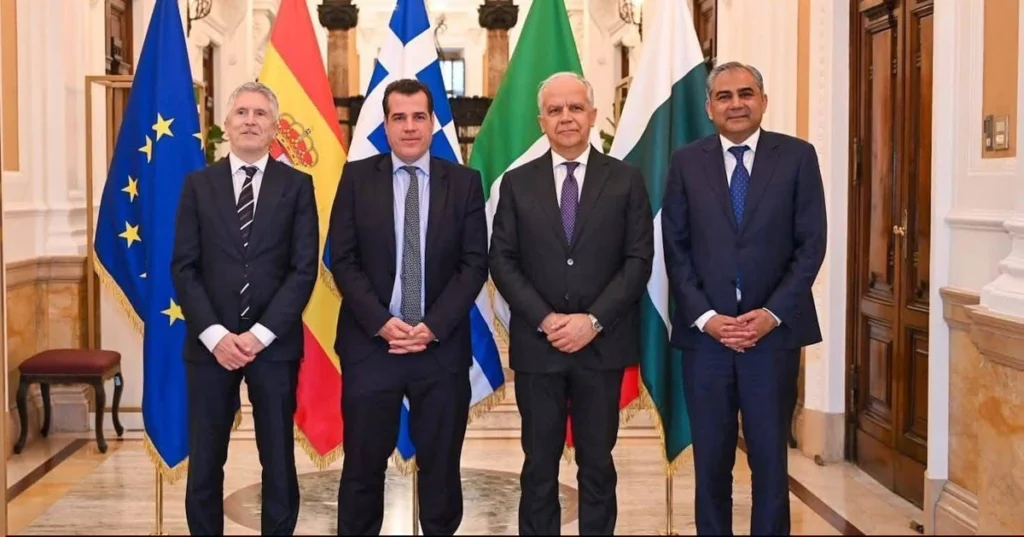
The illegal immigration Pakistan Europe agreement is rapidly emerging as a game-changer, not just for policymakers but for thousands of Pakistanis dreaming of safer and legal opportunities abroad. A recent high-level conference in Islamabad has set the stage for a new era one that prioritizes legal migration while cracking down on dangerous, illegal routes. Read More: https://theboardroompk.com/pakistan-afghanistan-conflict-2026-a-dangerous-escalation-unfolds/ This shift comes after years of heartbreaking tragedies that exposed the human cost of illegal migration. Now, with European support, Pakistan is taking decisive steps toward safer alternatives. A United Front Against Illegal Migration At the center of this development is Mohsin Naqvi, who represented Pakistan at a key conference involving several European nations. Countries including Poland, Estonia, Latvia, Lithuania, and Finland have expressed strong support for Pakistan’s efforts. The agreement focuses on two major goals: • Discouraging illegal immigration and human trafficking• Promoting structured, legal employment opportunities for Pakistanis This dual approach reflects a broader understanding: migration cannot be stopped entirely but it can be made safer, legal, and mutually beneficial. Illegal Immigration Pakistan Europe Agreement: Why It Matters For years, illegal immigration has been driven by economic desperation and lack of opportunity. Many migrants from South Asia risk dangerous journeys across seas and borders, often falling prey to traffickers. The new agreement addresses this root cause directly. Instead of risking lives, Pakistanis may soon have access to official employment channels in Europe. This is a significant shift from reactive enforcement to proactive opportunity creation. Even more striking is Pakistan’s recent progress. According to officials, illegal migration from the country has dropped by 47%, largely due to intensified crackdowns on trafficking networks. From Crackdowns to Career Pathways The illegal immigration Pakistan Europe agreement is not just about enforcement it’s about transformation. European countries have agreed to: • Offer employment opportunities through official channels• Appoint focal persons within Pakistan’s interior ministry• Strengthen coordination to streamline legal migration This could open doors in sectors facing labor shortages across Europe, from construction to services and skilled trades. For Pakistan, it means remittances, reduced human trafficking, and improved international credibility. Beyond Immigration: A Broader Security Dialogue While immigration dominated the agenda, the conference also tackled broader concerns. Discussions included: • Internal security cooperation• Counter-terrorism strategies• Anti-narcotics measures This signals a deeper partnership between Pakistan and European nations one that extends beyond migration into long-term strategic collaboration. A Safer Future for Pakistani Migrants The tragedies of the past boat capsizes, exploitation, and loss of life have forced a rethink of migration policies. The illegal immigration Pakistan Europe agreement represents hope that such incidents can be minimized, if not eliminated. By replacing risky journeys with regulated pathways, this initiative could reshape migration patterns for years to come. For aspiring migrants, the message is clear: the future lies not in dangerous shortcuts, but in legal, structured opportunities. Conclusion: Opportunity Over Risk The illegal immigration Pakistan Europe agreement marks a critical shift in how migration is managed between Pakistan and Europe. It blends enforcement with opportunity cracking down on illegal networks while opening doors to legitimate employment. If implemented effectively, this initiative could become a model for other regions grappling with similar challenges.

Data Vault to explore AI Collaboration with Punjab Govt
Tech

Data Vault to explore AI Collaboration with Punjab Govt

LAHORE: Senior leadership from Data Vault Pakistan, the country’s first sovereign AI data center, held a high-level meeting with H.E. Ali Mustafa Dar, the newly appointed Advisor to Punjab Chief Minister Maryam Nawaz on Artificial Intelligence and Special Initiatives, to present collaboration proposals aimed at accelerating the province’s AI transformation agenda with the office of AI Punjab. Read More: https://theboardroompk.com/pakistan-afghanistan-conflict-2026-a-dangerous-escalation-unfolds/ The Data Vault delegation, comprising Co-Founder and Chief Operating Officer Syed Zeeshan Ali, Board Advisor Muddasir Saleem Malik, and Chief Innovation Officer Ahmed Hamdhan. COO Data Vault Pakistan Syed Zeeshan Ali presented a proposal for a partnership to support the company’s sovereign AI infrastructure to achieve the provincial government’s ambitious plans to position Punjab as a leading AI-enabled hub in South Asia. H.E. Dar, the son of Deputy Prime Minister and Foreign Minister Ishaq Dar and son-in-law of former Prime Minister Nawaz Sharif, was appointed to the newly created ministerial-level position earlier this month on a pro bono basis. His mandate includes driving innovation-led policy, promoting technology adoption, and implementing AI-based initiatives across Pakistan’s most populous province. Dar, who holds a software engineering degree from University College London and UMIST, has publicly stated his ambition to make Punjab the most AI-enabled province in South Asia. For Punjab, home to over 120 million people, sovereign AI infrastructure could accelerate digitization across governance, healthcare, education, agriculture, and public safety. Data Vault Pakistan, founded and led by CEO Mehwish Salman Ali, has rapidly positioned itself as a cornerstone of Pakistan’s sovereign AI ecosystem. Headquartered in Karachi, the company operates Pakistan’s first AI-ready data center equipped with NVIDIA enterprise-grade GPUs, offering GPU-as-a-Service and sovereign cloud capabilities to enterprises, government institutions, and startups. The company has forged a series of high-profile partnerships in recent months. A landmark collaboration with Telenor Pakistan launched the country’s first locally hosted AI cloud, ensuring sensitive national data remains within Pakistan’s borders. A strategic partnership with U.S.-based Rafay Systems is enabling Pakistan’s first Sovereign AI Cloud, while a deal with U.S. data center operator Datarocx is expected to unlock hundreds of millions of dollars in AI infrastructure investment.

Scroll to Top