Author name: Web Desk

Pakistan Trade Deficit Widens as Exports Collapse in February 2026
Pakistan

Pakistan Trade Deficit Widens as Exports Collapse in February 2026

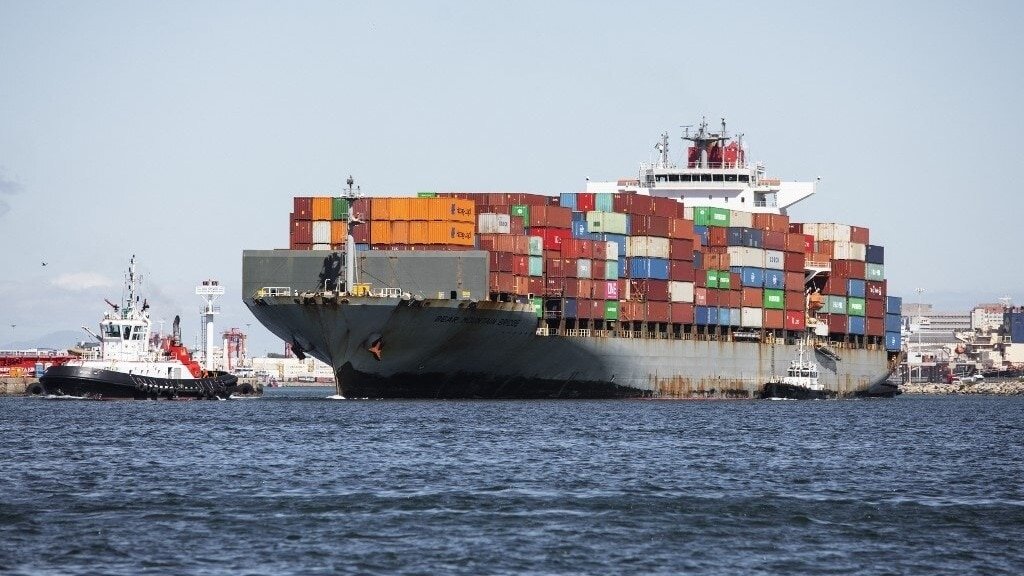
The Pakistan trade deficit has once again taken center stage, raising fresh concerns about the country’s external sector stability. February 2026 brought an unexpected twist as exports plunged sharply, outweighing the modest decline in imports and pushing the deficit to alarming levels. According to data released by the Pakistan Bureau of Statistics, the trade gap widened by 8.4% month-on-month (MoM), reaching $2.98 billion compared to $2.75 billion in January 2026. This shift signals deeper structural challenges that continue to haunt Pakistan’s economy. Pakistan Trade Deficit: What Happened in February 2026? The widening Pakistan trade deficit in February was largely driven by a steep fall in exports. Export earnings dropped to $2.27 billion, marking a sharp 25.63% decline from January’s $3.05 billion. This reversal erased the gains seen in the previous month and highlighted volatility in Pakistan’s export sector. Imports, on the other hand, declined more moderately. They fell to $5.25 billion, down 9.51% from $5.80 billion in January. While this reduction might seem positive at first glance, it was not enough to offset the dramatic fall in exports. In simple terms, Pakistan earned significantly less from exports while still spending heavily on imports resulting in a wider trade gap. Year-on-Year Insights on Pakistan Trade Deficit A broader look reveals that the Pakistan trade deficit is not just a short-term fluctuation. On a year-on-year (YoY) basis, the deficit expanded by 4.63% compared to February 2025. Exports declined from $2.49 billion last year to $2.27 billion this February an 8.76% drop. Meanwhile, imports only slightly decreased by 1.61%, falling from $5.34 billion to $5.25 billion. This imbalance where exports shrink faster than imports continues to place sustained pressure on Pakistan’s external account. Pakistan Trade Deficit in FY26: A Growing Concern The cumulative picture paints an even more concerning scenario. During the first eight months of fiscal year 2026 (July–February), the Pakistan trade deficit surged significantly. Exports during this period totaled $20.46 billion, reflecting a 7.3% decline compared to $22.07 billion in the same period last year. In contrast, imports rose to $45.50 billion, showing an 8.06% increase from $42.11 billion. As a result, the cumulative trade deficit ballooned to $25.04 billion an alarming 25% increase from $20.04 billion in FY25. Put simply, Pakistan is importing more while exporting less a trend that is unsustainable in the long run. Why the Pakistan Trade Deficit Matters The widening Pakistan trade deficit is more than just a statistic it has real economic consequences. A persistent trade gap puts pressure on foreign exchange reserves, weakens the local currency, and complicates balance of payments management. It also signals structural inefficiencies, such as limited export diversification, reliance on imported energy and raw materials, and global demand challenges. For policymakers, this trend underscores the urgency of boosting exports, improving industrial productivity, and reducing import dependency. Outlook: Can Pakistan Reverse the Trend? The road ahead for the Pakistan trade deficit depends heavily on export recovery and policy direction. Without a strong rebound in exports, the external sector will remain under stress. While import compression may provide temporary relief, sustainable improvement lies in expanding export capacity, diversifying markets, and enhancing competitiveness. As February’s data shows, Pakistan’s trade dynamics remain fragile and without structural reforms, the deficit could continue to widen in the coming months.

Gold Price in Pakistan Spikes to Record High
Pakistan

Gold Price in Pakistan Spikes to Record High

The Gold Price in Pakistan witnessed a sharp increase on Monday, reflecting both domestic demand and global economic uncertainty. According to the All-Pakistan Gems and Jewelers Sarafa Association (APGJSA), the price of 24-karat gold surged by Rs13,300 per tola, reaching an impressive Rs563,862. Read More: https://theboardroompk.com/multiple-us-fighter-jets-crash-in-kuwait-amid-iran-strikes/ This sudden jump has sparked renewed interest among investors and consumers alike, as gold continues to prove its resilience as a safe-haven asset during volatile times. Gold Price in Pakistan Across Key Categories Breaking down the latest figures, the Gold Price in Pakistan shows consistent upward momentum across all major purity levels. • 24K gold (per tola): Rs563,862 (+Rs13,300)• 24K gold (per 10 grams): Rs483,420 (+Rs11,402)• 22K gold (per 10 grams): Rs443,151 This surge is not an isolated movement but part of a broader upward trend observed over recent weeks. Over the past month alone, gold prices have increased significantly, indicating sustained bullish sentiment in the market. Silver Prices Follow the Gold Price in Pakistan Trend The rally wasn’t limited to gold. Silver prices in Pakistan also recorded gains, mirroring the broader trend in precious metals. • 24K silver (per tola): Rs10,050 (+Rs188)• 24K silver (per 10 grams): Rs8,616 (+Rs161) The parallel rise suggests a growing shift of investors toward tangible assets, especially as inflationary concerns and geopolitical risks persist. Performance Snapshot Explained A closer look at recent trends in the Gold Price in Pakistan highlights the strength of this rally: • Day-on-Day (DoD): Gold jumped by Rs13,300 per tola, signaling strong immediate demand.• 1-Month Change: Prices have climbed by Rs49,500, reflecting sustained upward momentum.• Fiscal Year-to-Date (FYTD): Gold has surged by over Rs213,662, showcasing long-term investor confidence.• Calendar Year-to-Date (CYTD): A rise of Rs106,900 underscores continued bullish sentiment in 2026. Silver has also demonstrated notable growth, with steady gains across all timeframes, reinforcing its position as a complementary investment asset. Global Factors Driving Gold Price in Pakistan Internationally, gold prices are also trending upward. Spot gold is currently trading near $5,400 per ounce, gaining $14.6 (0.27%) in the latest session. The surge is largely attributed to escalating geopolitical tensions, particularly in the Middle East, which has triggered a flight to safety among global investors. Historically, such uncertainty boosts demand for gold, directly influencing the Gold Price in Pakistan. What This Means for Investors The current spike in the Gold Price in Pakistan signals more than just a temporary fluctuation. It reflects deeper economic shifts, including: • Rising geopolitical instability• Increased demand for safe-haven assets• Currency pressure and inflation concerns For investors, this could present both opportunities and risks. While gold offers a hedge against uncertainty, sharp price increases may also lead to short-term volatility. Final Thoughts on Gold Price in Pakistan The latest surge in the Gold Price in Pakistan highlights the metal’s enduring appeal in uncertain times. With both local and global factors aligning, gold remains a key asset to watch in 2026. Whether you are an investor, trader, or simply tracking market trends, this upward movement raises an important question: Is this the beginning of a sustained bull run, or a short-term spike driven by global tensions?

Prolonged Protections Fail to Deliver: CCP Warns of Low Competitiveness, High Prices, and Export Shortfalls in Auto Industry
Auto

Prolonged Protections Fail to Deliver: CCP Warns of Low Competitiveness, High Prices, and Export Shortfalls in Auto Industry

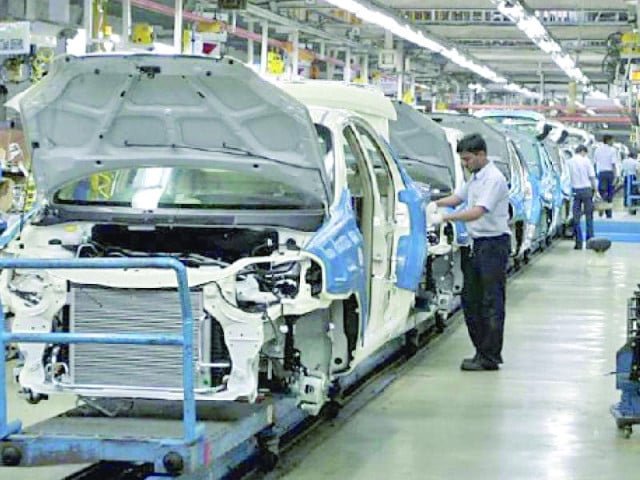
ISLAMABAD: The Competition Commission of Pakistan (CCP) has released a comprehensive report, “The Road to Fair Competition – A Study of Pakistan’s Automobile Industry,” highlighting structural and regulatory challenges in the sector and recommending wide-ranging reforms, including a long-term policy roadmap, improved vehicle financing, and removal of regulatory distortions to foster competition and efficiency. Read More: https://theboardroompk.com/multiple-us-fighter-jets-crash-in-kuwait-amid-iran-strikes/ The automobile industry remains a cornerstone of Pakistan’s economy, contributing around 2.8 percent to GDP and employing more than 215,000 people directly. As a key segment of Large-Scale Manufacturing, it plays an important role in industrial growth, technology transfer, and domestic value addition, particularly in the passenger car segment, including emerging electric vehicles. The CCP study finds that despite successive policy interventions, the passenger car market remains concentrated in several engine categories due to high entry barriers, capital-intensive requirements, and regulatory complexities. While past protectionist policies helped establish domestic manufacturing, prolonged tariff protections and localization measures have not consistently translated into competitive outcomes or export-led growth. The report also highlights fragmentation in the regulatory framework, with overlapping institutional mandates and policy inconsistencies affecting investment and industry development. Although previous auto policies aimed to increase localization, attract new entrants, and promote exports; structural rigidities, policy reversals, and weak implementation limited their effectiveness. To address affordability constraints and stimulate demand, the CCP has recommended expanding access to auto financing by reviewing restrictive financing limits and introducing targeted, subsidized schemes for first-time buyers in coordination with financial regulators. The study emphasizes the need for a predictable and coordinated transition toward electric vehicles, noting that inadequate charging infrastructure, limited domestic production capacity, and reliance on fossil fuel-based electricity remain key barriers. It stresses that sustained policy consistency and infrastructure investment will be critical to attract long-term private investment in the EV ecosystem. The report observes the absence of a comprehensive vehicle scrappage and phase-out policy and recommends the introduction of a structured disposal scheme to address environmental concerns, improve road safety, and stimulate demand through the gradual removal of obsolete and high-emission vehicles. The CCP has also called for strengthening domestic vendor development through transparent and non-discriminatory localization policies to enhance industrial linkages and integrate Pakistan’s auto sector into global supply chains. To create a level playing field, the Commission recommends gradual rationalization of distortive protections, removal of regulatory asymmetries, and adoption of stable, pro-competition policies to encourage investment, innovation, and efficiency. The CCP noted that a competitive automobile industry can deliver significant benefits to consumers and the economy, including lower prices, improved quality, greater choice, and enhanced export potential. The Commission expressed hope that the study will inform policymakers, regulators, and industry stakeholders and support the development of a modern, competitive, and globally integrated automobile sector in Pakistan. The Study has been uploaded on the CCP’s website for public comments and suggestions.

Skyrocketing Freight, Insurance Hit Exports: Business Community Demands Govt Relief Package to Protect Trade Amid US-Israel Strike on Iran
World

Skyrocketing Freight, Insurance Hit Exports: Business Community Demands Govt Relief Package to Protect Trade Amid US-Israel Strike on Iran

Karachi: Atif Ikram Sheikh, President of the Federation of Pakistan Chambers of Commerce and Industry (FPCCI), has called for the announcement of emergent measures aimed at insulating trade and industry of Pakistan to protect country’s economy and its people from the debilitating and burgeoning conflict in the Middle East. Read More: https://theboardroompk.com/multiple-us-fighter-jets-crash-in-kuwait-amid-iran-strikes/ Atif Ikram Sheikh warned that ongoing geopolitical volatility – particularly the disruptions in the Red Sea and the Strait of Hormuz – poses a severe threat to Pakistan’s fragile economic recovery, energy security and export competitiveness. FPCCI Chief explained that Pakistan’s trade and industry cannot afford to be the collateral damage in this regional conflict; with nearly 30% of global petroleum consumption passing through the Strait of Hormuz; any prolonged blockage or disruption will trigger massive supply chain shocks. We must proactively shield our economy; secure our energy lifelines and protect our exporters from skyrocketing logistics costs, he added. Mr. Atif Ikram Sheikh elaborated the country’s vulnerability vis-à-vis Middle Eastern supply chains – and, highlighted several alarming data points that necessitate immediate government intervention. The country has heavy reliance on Gulf energy as Pakistan imports over $5.7 billion in crude petroleum annually, primarily sourced from Saudi Arabia (approx. $3.2 billion) and the United Arab Emirates (approx. $2.3 billion) – and, when refined petroleum products are added, this amounted to $10.71 billion in FY25. FPCCI President stressed that skyrocketing freight and insurance costs can pose a huge challenge due to the Red Sea crisis as commercial shipping lines are being forced to reroute. This massive detour will add 15 to 20 days to transit times for Pakistani exports destined for our largest export markets; i.e. EU, UK and U.S. Mr. Atif Ikram Sheikh maintained that freight costs on key shipping routes – which may surge by up to 300% – and marine insurance premiums have spiked due to war-risk classifications. This threatens to severely inflate the cost of imported raw materials and erode the price competitiveness of Pakistani textiles and manufacturing exports, he added. Atif Ikram Sheikh has proposed that, to safeguard the national economy, the federal government shall immediately implement the protective measures and build petroleum reserves – and, prepare a backup plan through finalizing contingency agreements for backup oil supplies and deferred payment facilities with key allies like Saudi Arabia to ensure an uninterrupted flow of crude oil and diesel. Saquib Fayyaz Magoon, SVP FPCCI, stated that freight and insurance relief through the ministry of commerce and the State Bank of Pakistan (SBP) must be introduced – and, a targeted relief package to subsidize the exorbitant marine insurance premiums and freight hikes should be planned; which will cripple the country’s export earnings, if remained unaddressed. SVP FPCCI emphasized that Pakistan needs to maximize indigenous refining; and, domestic refineries must be supported to operate at their enhanced capacities. We need a localized, resilient strategy that protects our energy supplies and keeps our export engines running. The FPCCI stands ready to work with the government to navigate through this geopolitical storm, he added.

US-Isreal Strike on Iran, Chamber of Commerce Calls for Urgent Steps to Build Oil Reserves, Subsidize Freight and Insurance Costs
World

US-Isreal Strike on Iran, Chamber of Commerce Calls for Urgent Steps to Build Oil Reserves, Subsidize Freight and Insurance Costs

Karachi: Atif Ikram Sheikh, President of the Federation of Pakistan Chambers of Commerce and Industry (FPCCI), has called for the announcement of emergent measures aimed at insulating trade and industry of Pakistan to protect country’s economy and its people from the debilitating and burgeoning conflict in the Middle East. Read More: Atif Ikram Sheikh warned that ongoing geopolitical volatility – particularly the disruptions in the Red Sea and the Strait of Hormuz – poses a severe threat to Pakistan’s fragile economic recovery, energy security and export competitiveness. FPCCI Chief explained that Pakistan’s trade and industry cannot afford to be the collateral damage in this regional conflict; with nearly 30% of global petroleum consumption passing through the Strait of Hormuz; any prolonged blockage or disruption will trigger massive supply chain shocks. We must proactively shield our economy; secure our energy lifelines and protect our exporters from skyrocketing logistics costs, he added. Mr. Atif Ikram Sheikh elaborated the country’s vulnerability vis-à-vis Middle Eastern supply chains – and, highlighted several alarming data points that necessitate immediate government intervention. The country has heavy reliance on Gulf energy as Pakistan imports over $5.7 billion in crude petroleum annually, primarily sourced from Saudi Arabia (approx. $3.2 billion) and the United Arab Emirates (approx. $2.3 billion) – and, when refined petroleum products are added, this amounted to $10.71 billion in FY25. FPCCI President stressed that skyrocketing freight and insurance costs can pose a huge challenge due to the Red Sea crisis as commercial shipping lines are being forced to reroute. This massive detour will add 15 to 20 days to transit times for Pakistani exports destined for our largest export markets; i.e. EU, UK and U.S. Mr. Atif Ikram Sheikh maintained that freight costs on key shipping routes – which may surge by up to 300% – and marine insurance premiums have spiked due to war-risk classifications. This threatens to severely inflate the cost of imported raw materials and erode the price competitiveness of Pakistani textiles and manufacturing exports, he added. Atif Ikram Sheikh has proposed that, to safeguard the national economy, the federal government shall immediately implement the protective measures and build petroleum reserves – and, prepare a backup plan through finalizing contingency agreements for backup oil supplies and deferred payment facilities with key allies like Saudi Arabia to ensure an uninterrupted flow of crude oil and diesel. Saquib Fayyaz Magoon, SVP FPCCI, stated that freight and insurance relief through the ministry of commerce and the State Bank of Pakistan (SBP) must be introduced – and, a targeted relief package to subsidize the exorbitant marine insurance premiums and freight hikes should be planned; which will cripple the country’s export earnings, if remained unaddressed. SVP FPCCI emphasized that Pakistan needs to maximize indigenous refining; and, domestic refineries must be supported to operate at their enhanced capacities. We need a localized, resilient strategy that protects our energy supplies and keeps our export engines running. The FPCCI stands ready to work with the government to navigate through this geopolitical storm, he added.

https://theboardroompk.com/multiple-us-fighter-jets-crash-in-kuwait-amid-iran-strikes/
Pakistan

PSX Crashes 16,089 Points (9.57%) as US-Iran Tensions Spark Panic Selling and Trading Halt

Karachi – The Pakistan Stock Exchange (PSX) experienced its most severe single-day decline on record on Friday, February 27, 2026, as the benchmark KSE-100 Index tumbled 16,089 points, or 9.57%, to close at 151,973. Read More: https://theboardroompk.com/multiple-us-fighter-jets-crash-in-kuwait-amid-iran-strikes/ The plunge was sparked by mounting geopolitical risks in the Middle East, particularly escalating tensions between the United States and Iran that fueled investor panic and widespread selling. Market participants cited fears of potential military confrontation, which had already begun to ripple through global markets and oil prices in the preceding days. “The sharp downturn was triggered by escalating geopolitical tensions following the outbreak of war between the United States and Iran, which severely dented investor confidence and sparked widespread panic selling,” said Ali Najib, Deputy Head of Trading at Arif Habib Ltd. Trading was halted within the first five minutes after the index crashed to an intraday low of 152,991 (down 15,071 points or 8.97%), breaching circuit breakers. Activity resumed around 10:22 am, leading to a sharp technical rebound of over 6,000 points to an intraday high of 159,329. However, renewed heavy selling in the closing hours wiped out the gains, resulting in the steep closing loss. Heavyweight stocks bore the brunt, with major drags including FFC, UBL, ENGROH, HUBC, MEBL, OGDC, HBL, LUCK, MCB, and PPL collectively erasing 8,148 points from the index. Despite the turmoil, trading volume surged, exceeding 800 million shares, with turnover hitting PKR 48.3 billion. KEL topped the volume leaders with 163.3 million shares traded. Analysts noted that while the session reflected extreme volatility driven by external shocks, robust participation suggested some bargain hunting during the rebound phase. Market direction ahead remains heavily tied to developments in the US-Iran standoff, with any further escalation likely to sustain pressure, while signs of de-escalation could support a recovery.

Multiple US Fighter Jets Crash in Kuwait Amid Iran Strikes
World

Multiple US Fighter Jets Crash in Kuwait Amid Iran Strikes

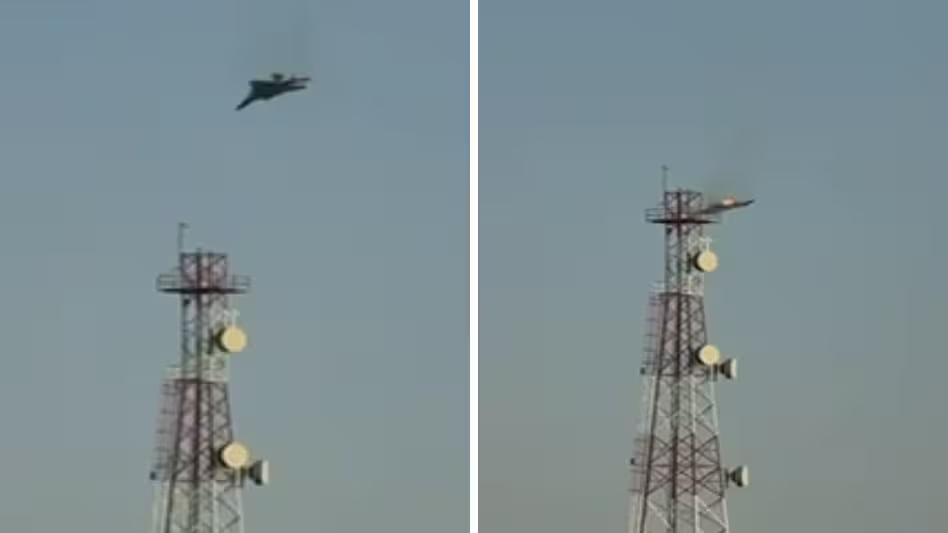
Several American warplanes crashed in Kuwait on Monday morning, but all crew members survived, according to an official statement from the country’s Defence Ministry. Read More: https://theboardroompk.com/agreement-signing-and-launch-of-oj-drive-nexgen-engine-oil/ The incident unfolded as Iran continued its third day of retaliatory strikes across the Gulf region. Incident Details Kuwait’s Defence Ministry spokesman confirmed the crashes in a brief statement. “Several US warplanes crashed this morning,” he said. “Confirming that all crew members survived.” The cause remains under active investigation, with no immediate details released. Authorities launched immediate search and rescue operations at the crash sites. Crews were quickly evacuated and transported to nearby hospitals for checks. Medical evaluations showed their condition as stable, with treatment provided promptly. Regional Tensions Escalate The crashes occurred against the backdrop of heightened conflict involving Iran. Tehran has been launching strikes following earlier attacks by Israel and the US on Iranian targets. Videos circulating online showed at least one fighter jet plummeting and a pilot parachuting safely.Some reports, including from Iranian state media, claimed air defence systems downed a US F-15. Kuwait, a key US ally hosting American forces, intercepted hostile drones earlier in the day. Smoke was seen rising near the US embassy in Kuwait City amid siren alerts. Official Response and Implications The ministry emphasized coordination with US counterparts on the matter. No further elaboration came from the US Central Command initially. The event highlights risks to coalition aircraft in the volatile Gulf airspace.Markets reacted sharply, with regional stocks dipping on escalation fears. President Trump reportedly vowed to avenge related US casualties elsewhere. This incident adds to mounting pressure in the ongoing Iran-US-Israel confrontation. Rescue teams continue monitoring for any secondary hazards from the wreckage. All surviving crew are receiving necessary care, officials stressed. The full number and types of aircraft involved have not been disclosed yet. Investigators are examining potential technical, hostile fire, or operational factors. Kuwaiti authorities urged calm while promising transparency on findings. The Gulf region remains on high alert as strikes persist.

Agreement Signing and Launch of OJ DRIVE NEXGEN ENGINE OIL
Pakistan

Agreement Signing and Launch of OJ DRIVE NEXGEN ENGINE OIL

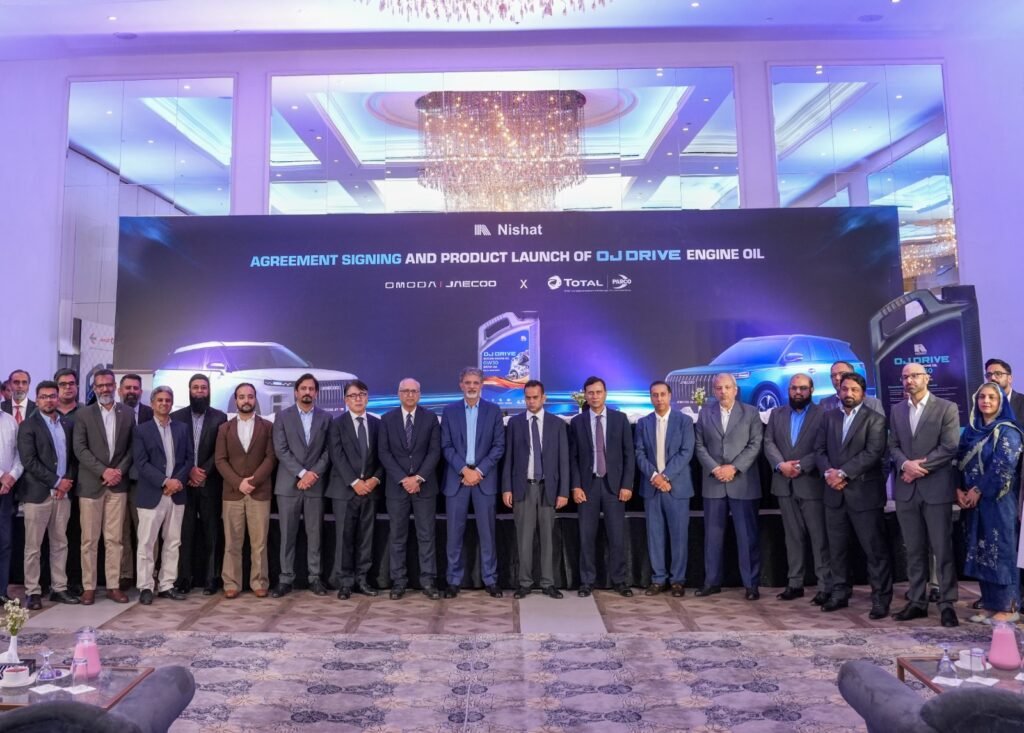
Lahore, 26 February 2026: In a significant step towards strengthening Pakistan’s evolving automobile sector, Omoda & Jaecoo Nishat, (NexGen Auto Pvt. Ltd.) under the Nishat Group, has entered into a strategic collaboration with PARCO Gunvor Limited to introduce OJ DRIVE NEXGEN ENGINE OIL, an engine oil specifically engineered for Omoda & Jaecoo vehicles. Read More: https://theboardroompk.com/us-israel-strikes-assassinate-irans-supreme-leader-khamenei/ The agreement signing and product launch ceremony was held at Ballroom A, The Nishat Hotel, bringing together senior leadership from both organizations, industry stakeholders, and esteemed dealers. The launch of OJ DRIVE NEXGEN ENGINE OIL reaffirms Nishat Group’s commitment to delivering advanced mobility solutions to its customers. Since entering the market in August 2025, Omoda & Jaecoo Nishat has introduced a progressive lineup that includes two of Pakistan’s most sought-after SUV options, the Jaecoo J7 SHS PHEV and the Jaecoo J5 SHS HEV. With the rapid adoption of hybrid mobility solutions, the demand for a purpose-built engine oil tailored to these advanced drivetrains has become increasingly critical. OJ DRIVE NEXGEN ENGINE OIL has been developed to meet this requirement, ensuring optimal performance, protection, and efficiency for the brand’s Super Hybrid System engines, while addressing Pakistan’s diverse driving conditions with the technical support of PARCO Gunvor Limited. OJ DRIVE NEXGEN ENGINE OIL is introduced in a 0W-30 SP/GF-6 fully synthetic formulation, available in 4.7-litre packaging, and is designed to complement the technical architecture of Omoda & Jaecoo vehicles.

US-Israel Strikes Assassinate Iran's Supreme Leader Khamenei
World

US-Israel Strikes Assassinate Iran’s Supreme Leader Khamenei

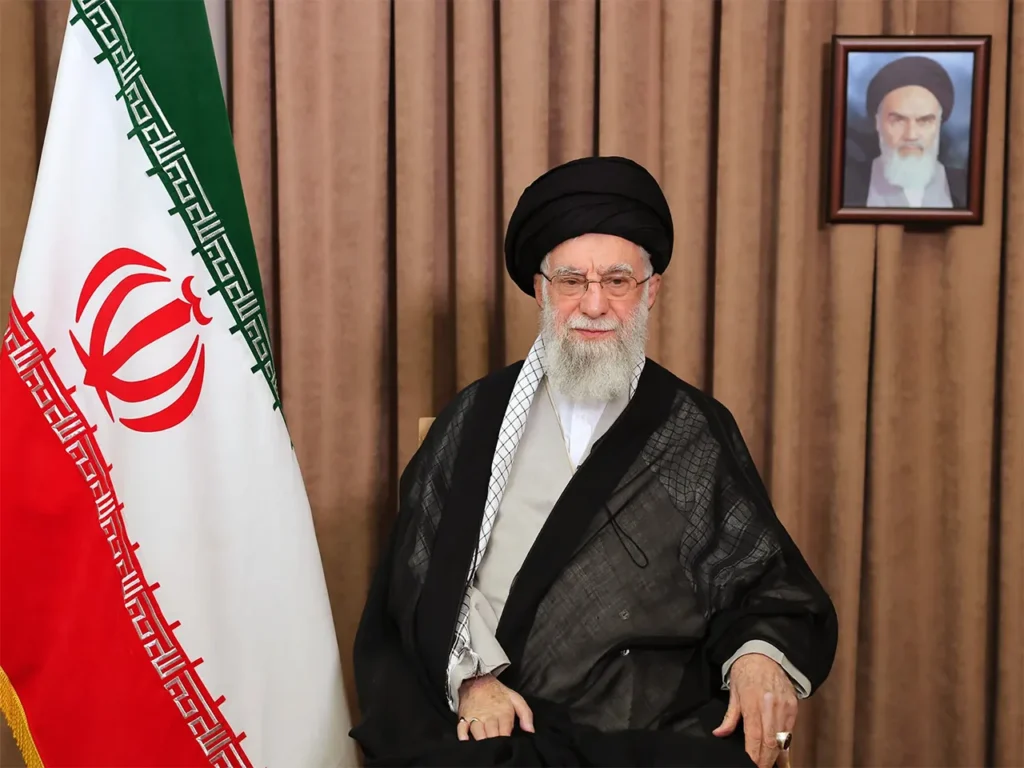
Iranian state television announced early Sunday that Ayatollah Ali Khamenei, 86, was martyred in US-Israeli airstrikes targeting the country. Read More: https://theboardroompk.com/spacex-prepares-confidential-ipo-filing-as-early-as-march-eyes-1-75-trillion-valuation/ The strikes began Saturday as part of a major joint operation, with US President Donald Trump declaring it a step toward peace in the Middle East. Confirmation and Immediate Fallout State media confirmed Khamenei’s death hours after initial reports from Israeli officials and Trump. Iran declared 40 days of national mourning. A three-member transitional council, including the president and chief justice, will oversee duties until a new supreme leader is chosen. Iran Vows Revenge The Islamic Revolutionary Guard Corps (IRGC) called Khamenei’s death martyrdom at the hands of “terrorists” and promised swift, major retaliation. Tehran has already launched retaliatory missile strikes on Israel and US bases in the region. Broader Context of the Attack The operation follows weeks of tension, including Iran’s refusal to abandon ballistic missiles and recent weakening of its regional proxies. Multiple senior officials, including top generals, were also killed in the strikes hitting Tehran and other sites. Global Reactions Pour In Trump described Khamenei as one of history’s most evil figures and warned against Iranian retaliation with overwhelming force. World leaders expressed concern, with some calling for restraint while others condemned the strikes as escalatory. The region braces for further conflict as fighting continues into a second day.

End of the Battle: Paramount Wins Warner Bros. with $110 Billion After Netflix Walks Away
World

End of the Battle: Paramount Wins Warner Bros. with $110 Billion After Netflix Walks Away

Paramount Skydance emerged victorious in a fierce contest for Warner Bros. Discovery, sealing a $110 billion deal that reshapes the entertainment landscape. The agreement ends months of negotiations after Netflix backed out, unwilling to escalate beyond its initial proposal. Read More: https://theboardroompk.com/spacex-prepares-confidential-ipo-filing-as-early-as-march-eyes-1-75-trillion-valuation/ Paramount’s $31-per-share cash offer outpaced Netflix’s $27.75 bid for select assets, prompting WBD’s board to declare it superior. This triggered Netflix’s withdrawal and a hefty termination payout to the streamer. Strategic Gains and Challenges Ahead The acquisition creates a media behemoth with unparalleled content assets, blending legendary film franchises, premium streaming services, and prominent news divisions like CNN and CBS. Executives highlight enhanced consumer choice and creative empowerment in a streaming-dominated era. However, the merger draws criticism for potential antitrust issues and market dominance. California officials are probing vigorously, citing risks to jobs and competition in Hollywood. The Writers Guild has called it a “disaster” for the industry. What It Means for the Future With $6 billion expected in synergies, the deal promises efficiencies but raises fears of cuts. The Ellison family’s deep involvement, backed by substantial funding, positions the new company to compete aggressively against rivals. Shareholder votes and regulatory clearances remain key hurdles before the anticipated Q3 2026 closing. This mega-merger signals continued consolidation as legacy media adapts to digital shifts.

Scroll to Top