US Iran conflict

Trump Threatens ‘Tremendous’ Economic Consequences For Countries Supporting Iran
Editor pick

Trump Threatens ‘Tremendous’ Economic Consequences For Countries Supporting Iran

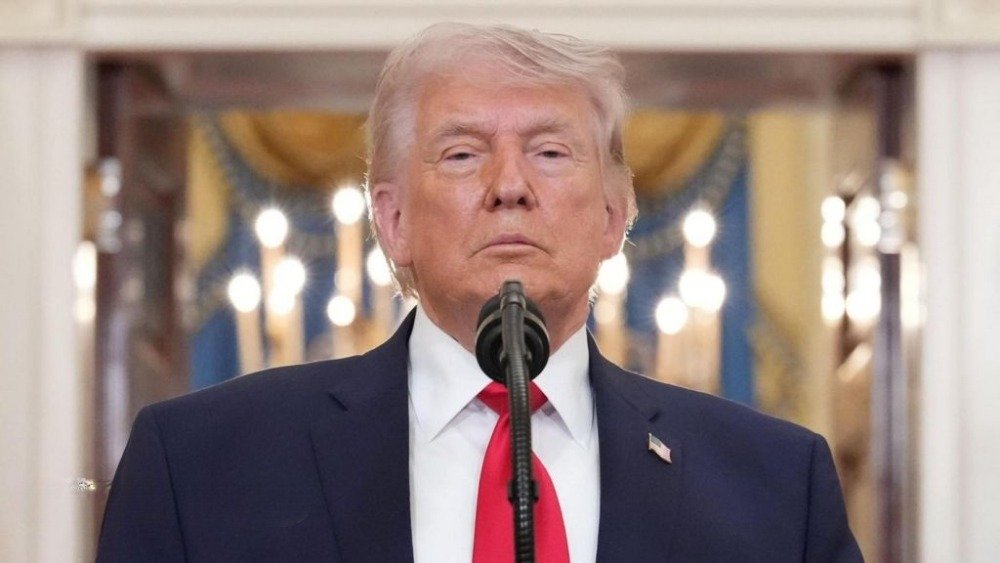
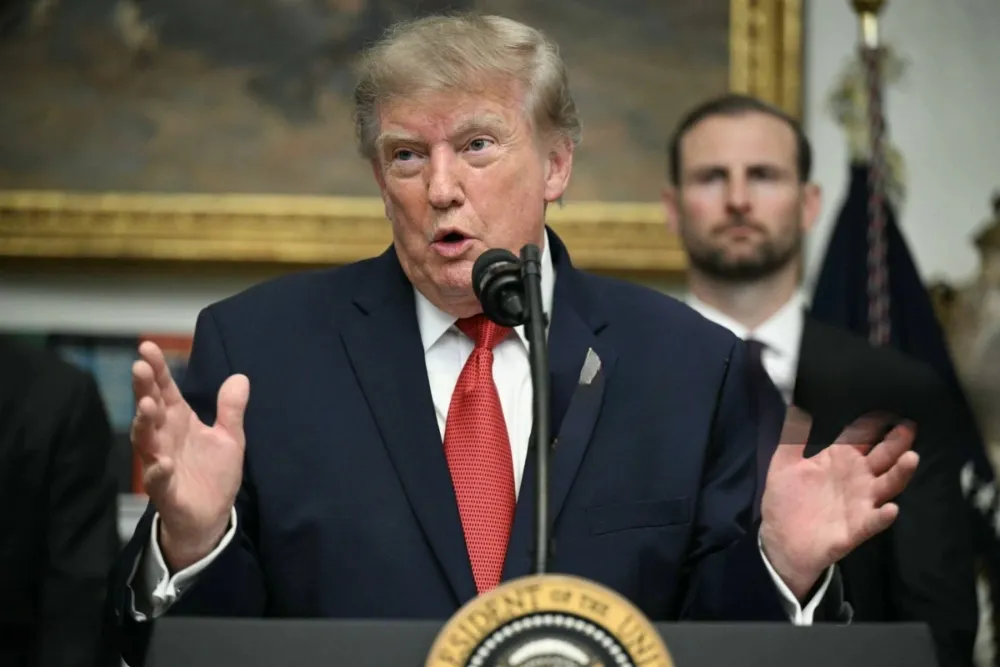
US President Donald Trump on Wednesday announced a major new economic campaign against Iran, threatening “tremendous” consequences for countries, businesses and financial institutions that continue to provide economic support or services to Tehran. Trump said the campaign would amount to an unprecedented level of economic warfare and isolation as the US-Iran conflict approaches its sixth month, with the Strait of Hormuz still facing severe disruption and diplomatic efforts showing little sign of producing an immediate settlement. “Today, I am announcing the MOST CRUSHING ECONOMIC OPERATION EVER TAKEN AGAINST ANY COUNTRY!” Trump wrote on his Truth Social platform, describing the campaign as “Economic Warfare and Isolation on an unprecedented scale”. He warned that any country allowing its financial institutions, companies, airports or government bodies to provide what he called a “lifeline” to Iran would face severe economic consequences. Trump did not specify what measures Washington would impose on countries that violate the new policy and did not identify any country other than Iran. Trump Targets Iran’s Financial And Oil Networks Trump listed several activities that he said must stop, including oil smuggling, swap lines, cash transfers, exchange houses, ship registries and front companies. The announcement suggests that Washington intends to expand its efforts beyond sanctions directly targeting Iranian entities and increase pressure on international businesses and governments that facilitate Iran’s trade and financial transactions. The US Treasury has already been pursuing a sanctions campaign known as Operation Economic Fury, aimed at restricting Iran’s access to revenue and financial networks. Trump’s latest announcement could broaden that campaign by targeting third-country institutions and businesses that maintain economic links with Tehran. The move comes as the administration faces increasing pressure over the economic and military costs of the conflict. With the November elections approaching, the impact of the war on US consumers, energy markets and military resources could become an increasingly important domestic political issue. US Threatens Wider Economic Isolation US Treasury Secretary Scott Bessent said last week that Washington was preparing to intensify efforts to isolate Iran economically. Bessent described the strategy as part of a broader two-pronged campaign involving economic isolation and a US naval blockade. The US administration has argued that cutting Iran’s access to international revenue and trade would increase pressure on Tehran and weaken its ability to sustain the conflict. However, Iran has rejected the strategy and accused Washington of using economic pressure after failing to achieve its military objectives. Iranian Foreign Minister Abbas Araghchi said the US economic campaign was a diversion from America’s own economic problems. He warned that increasing pressure would not force Iran to surrender and argued that continuing what he called failed policies would deepen hostility toward the United States. Iran Rejects US Economic Pressure Iran has maintained a defiant position despite months of military and economic pressure. The conflict began on February 28, when US and Israeli forces launched attacks against Iran. Tehran responded with missile and drone strikes targeting locations across the region. The fighting has disrupted regional trade and significantly reduced shipping activity through the Strait of Hormuz, one of the world’s most important energy routes. Iran’s ability to threaten shipping through the strategic waterway has become a major source of leverage during the conflict. The Strait of Hormuz normally carries a significant portion of global oil shipments, making prolonged disruption a major concern for energy-importing countries. Strait Of Hormuz Remains Choked The latest economic escalation comes as the Strait of Hormuz remains significantly restricted. A framework for a US-Iran agreement aimed at reopening the waterway collapsed, while both sides have continued exchanging conflicting messages over possible negotiations. Trump said earlier on Wednesday that US military efforts were helping ships navigate through the strait and claimed that “a lot of boats are coming through”. According to reports, US forces have been facilitating the movement of around 15 to 20 ships each night, although the traffic represents only about half the daily oil shipment volume seen before the war. The reduced flow through the waterway has continued to raise concerns about global energy supplies and shipping costs. Trump Calls For Allies To Isolate Iran Trump has called on US allies to support Washington’s strategy. “We need all of our Allies to stand with the United States of America to isolate, and defeat, the Iran threat,” he said. The statement comes after the United Arab Emirates announced that it was suspending economic dealings with Iran following an incident involving ballistic missiles. The UAE has historically maintained significant economic and cultural ties with Iran and has been an important trading partner for the country despite longstanding US sanctions. A broader campaign against countries conducting business with Iran could therefore have consequences well beyond Tehran. Companies involved in shipping, banking, energy trading and other international commercial activities could face increased compliance risks if Washington expands secondary sanctions or other economic penalties. Economic Pressure Could Affect Global Markets The intensified US campaign could also increase uncertainty across global energy and financial markets. Any further restrictions on Iranian oil exports could tighten global crude supplies, particularly if the Strait of Hormuz remains partially blocked. Higher oil prices could increase transportation and manufacturing costs in countries that rely heavily on imported energy. For Pakistan and other energy-importing economies, prolonged disruption in the Gulf could also raise fuel import bills and increase pressure on foreign exchange reserves. The conflict has already forced several countries to reconsider their energy supply routes and dependence on Gulf shipping corridors. Trump’s latest announcement indicates that Washington is preparing to widen the economic dimension of the conflict rather than relying solely on military pressure. Iran, meanwhile, has shown no indication that it intends to accept the US demands. With military operations continuing, shipping through the Strait of Hormuz constrained and diplomatic channels uncertain, the new US economic campaign could further escalate tensions and increase the international economic consequences of the conflict.
Trump Says Iran Cannot Have Nuclear Weapon As Tehran Warns Over Hormuz
Editor pick

Trump Says Iran Cannot Have Nuclear Weapon As Tehran Warns Over Hormuz

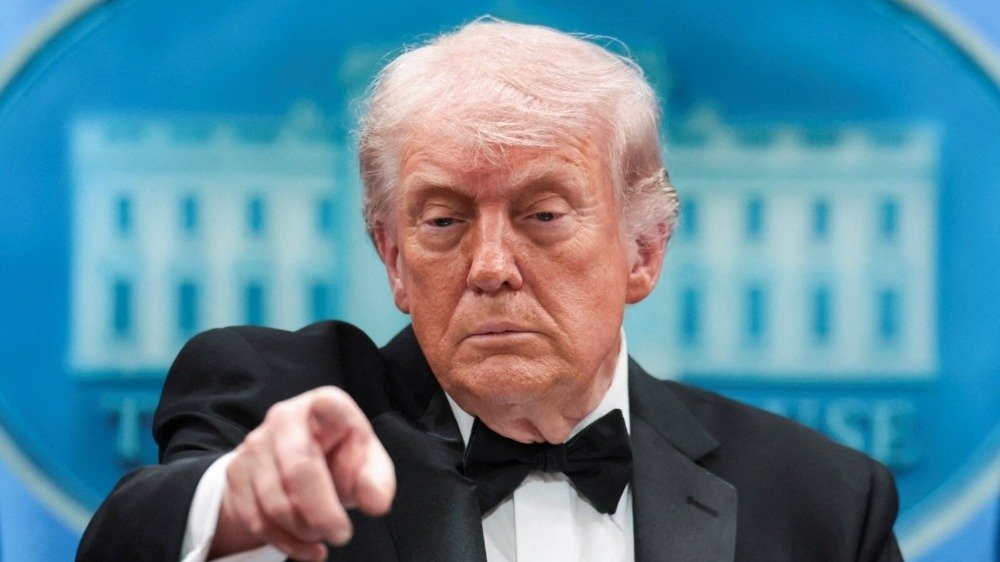
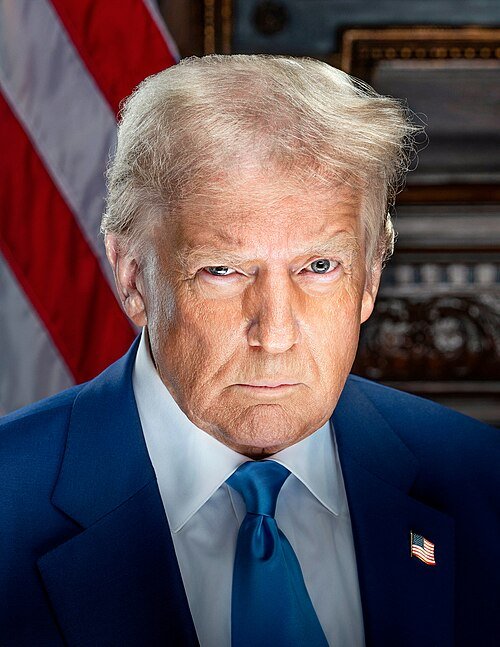
US President Donald Trump has reiterated that Iran cannot have a nuclear weapon, as tensions between Washington and Tehran remain high amid stalled diplomatic efforts and continuing disputes over the Strait of Hormuz. In a post on his Truth Social platform, Trump said preventing Iran from obtaining a nuclear weapon remains the primary objective of his administration. “The number one goal is, and always will be, that Iran cannot have, in any way, shape, or form, a nuclear weapon,” he wrote. Trump’s latest warning comes as negotiations between the United States and Iran remain stalled. The two sides have also been locked in a wider dispute over the strategic Strait of Hormuz, through which a significant share of global energy supplies normally passes. Recent shipping activity through the waterway has slowed sharply amid the continuing tensions. Iran Responds To Trump’s Hormuz Threat Iranian officials have continued to reject US pressure and have issued increasingly strong warnings over Washington’s position on the Strait of Hormuz. Ebrahim Azizi, chairman of the Iranian Parliament’s National Security Committee, directly responded to Trump’s recent statements regarding the strategic waterway. Azizi said Trump should focus on his own security rather than making what he described as “endless bluffs” about the Strait of Hormuz. “The President of the United States, instead of his endless bluffs regarding the Strait of Hormuz, should be thinking about securing his own safety,” Azizi said in a post on X. His comments came after Trump threatened to designate the Strait of Hormuz as US territory after claiming that Iran would be defeated. Trump has also said the US effectively controls the waterway because of the blockade. Iran has rejected the suggestion that Washington can claim control over the strategic passage. Iranian officials have insisted that any decision regarding the reopening or closure of the waterway remains under Iran’s authority. Strait Of Hormuz Dispute Escalates The dispute over Hormuz has become a central issue in the confrontation between Iran and the United States. The waterway is one of the world’s most important energy routes, connecting the Persian Gulf with the Gulf of Oman and the wider global shipping network. Any prolonged disruption can affect crude oil, LNG shipments, freight costs and international energy prices. Recent shipping data showed a significant decline in traffic through the strait. Five commodity vessels crossed the waterway on Saturday, while no registered transit was recorded on Sunday, compared with 31 vessels during the previous weekend. Iranian and US positions remain far apart. Tehran has linked the reopening of the waterway to changes in US policy, compensation for war-related damage, sanctions relief and the release of frozen Iranian assets. Trump Maintains Focus On Iran’s Nuclear Programme Trump’s latest statement shows that Iran’s nuclear programme remains a central issue for Washington. The US president has repeatedly said that Iran must not be allowed to obtain a nuclear weapon. The administration has used the nuclear issue as one of the principal justifications for maintaining pressure on Tehran. Iran, however, has consistently rejected claims that it is seeking nuclear weapons and has maintained that its nuclear programme has peaceful purposes. The disagreement over Iran’s nuclear activities has remained one of the most difficult issues in relations between the two countries. The current crisis has now expanded beyond the nuclear question, with the Strait of Hormuz, sanctions, economic pressure and military operations also forming major points of disagreement. Diplomatic Efforts Remain Uncertain Diplomatic efforts to resolve the confrontation remain uncertain. A US-Iran memorandum aimed at ending the conflict was due to expire on August 17, while talks remained stalled, according to a live regional update. Iran has maintained that messages exchanged through regional intermediaries, including Qatar and Pakistan, do not necessarily amount to formal negotiations. Separate discussions involving Oman have focused on arrangements concerning shipping through the Strait of Hormuz. The lack of progress has increased concerns that the dispute could continue to affect regional security and global energy markets. For Washington, preventing Iran from obtaining a nuclear weapon remains the stated priority. For Tehran, resistance to US pressure and control over its strategic interests remain central to its position. The latest exchange between Trump and Azizi highlights how sharply the two sides continue to disagree. While Trump insists that Iran must never acquire a nuclear weapon, Iranian officials are warning Washington against further threats and pressure over the Strait of Hormuz. With diplomatic efforts still uncertain, the dispute over Iran’s nuclear programme and the strategic waterway remains a major source of tension across the Middle East.

Trump Says Strait Of Hormuz Could Become US Territory After Iran Defeat
World

Trump Says Strait Of Hormuz Could Become US Territory After Iran Defeat

The Strait of Hormuz as US territory emerged as a major point of international concern on Friday after US President Donald Trump said he would “soon” declare the strategic waterway a US territory once Iran was defeated. Trump made the remarks during an appearance at a police academy in New York state, as the crisis surrounding the vital maritime corridor intensified following fresh attacks on commercial vessels linked to the United Arab Emirates. The US president said Washington was maintaining a blockade and claimed that ships could not pass through the waterway unless the United States allowed them to do so. “After we finish defeating Iran,” Trump said, the United States would soon declare the Strait of Hormuz a US territory. He did not provide details about how such a move could be implemented or explain its legal implications. The statement came amid growing international concerns over the disruption of maritime traffic through the strait, which is one of the world’s most important routes for oil and gas shipments. Strait Of Hormuz Crisis Disrupts Oil Shipments The latest escalation followed attacks on two commercial vessels affiliated with the Abu Dhabi National Oil Company (ADNOC), according to the United Arab Emirates. The UAE Foreign Ministry condemned what it described as a hostile Iranian attack on the two state-owned commercial vessels. Abu Dhabi said there were no injuries and that the incidents had been brought under control. ADNOC also confirmed that its vessels had been attacked on Thursday evening. The United Kingdom Maritime Trade Operations later reported two similar drone strikes against tankers in the Strait of Hormuz. The attacks caused minor damage to the vessels but raised fresh concerns about the safety of commercial shipping. The incidents came only days after ADNOC reported attacks involving three of its other tankers in the same strategic waterway. The latest attacks appeared to have an immediate impact on maritime traffic. Vessel-tracking data indicated that shipping activity through the strait had slowed sharply, with very limited vessel movement reported. The disruption has increased concerns over global energy supplies because the Strait of Hormuz normally carries a significant share of the world’s oil shipments. Trump Urges Americans To Accept Higher Fuel Prices Trump also urged Americans to accept somewhat higher gasoline prices as part of the cost of preventing Iran from obtaining a nuclear weapon. The president defended the US military campaign against Iran, saying Washington was providing a service to the wider world by preventing Tehran from developing a nuclear weapon. He also said he would not apologise for the attacks on Iran. The comments came as the US administration increasingly focused on the economic consequences of the conflict, particularly the potential impact of the Strait of Hormuz disruption on oil and gasoline prices. US Vice President JD Vance acknowledged that keeping oil and gas prices affordable for American consumers had become an immediate priority for Washington. He said maintaining lower energy prices was a key objective, while preventing Iran from obtaining a nuclear weapon remained another major goal. US Maintains Pressure On Iran The United States has also indicated that its naval blockade of Iranian ports could continue indefinitely. US Defence Secretary Pete Hegseth said the US Navy could maintain the blockade by rotating ships in and out of the region. Washington has simultaneously threatened additional economic measures against Tehran. US Treasury Secretary Scott Bessent said the United States planned to impose further financial pressure on Iran, warning that Washington would pursue economic isolation on an unprecedented scale. The US strategy reflects a broader shift in the conflict, which initially focused heavily on Iran’s nuclear programme but has increasingly centred on control of the Strait of Hormuz and the protection of global energy supplies. Iran Uses Strait As Strategic Leverage Iran has sought to use the Strait of Hormuz as a major bargaining tool in the conflict. By restricting commercial shipping and threatening energy supplies, Tehran has gained significant leverage over international markets and countries that depend on oil shipments passing through the waterway. Analysts have described Iran’s ability to restrict shipping as one of its strongest sources of leverage in negotiations. The situation has also increased pressure on the United States to find a way to restore normal maritime traffic without allowing Iran to gain greater control over the strategic corridor. Trump had previously suggested that an agreement to reopen the waterway could be reached soon. However, the latest developments indicate that tensions remain high, with diplomatic efforts apparently stalled. Saudi Arabia And Qatar Condemn Attacks Regional countries have condemned the latest attacks on commercial vessels. Saudi Arabia denounced the targeting of two UAE-linked oil tankers and called the attacks an unacceptable continuation of incidents involving commercial shipping. Riyadh said Iran should be held responsible for the consequences of continued attacks and called for an immediate end to such actions. Qatar also condemned the attacks, describing them as a violation of international law and freedom of maritime navigation. Doha rejected the use of the Strait of Hormuz as political leverage and called for the waterway to be reopened unconditionally. The statements reflected growing concern among Gulf countries over the economic and security consequences of prolonged disruption in the strategic corridor. Regional Conflict Expands The wider conflict also continued to affect other parts of the Middle East. In Yemen, the internationally recognised government said Houthi forces fired ballistic missiles at the Red Sea port of Mocha, killing eight people and damaging civilian infrastructure. The Houthis disputed the account and said their attacks targeted military positions, weapons depots and warships belonging to Saudi-backed forces. The group also claimed to have launched a separate drone attack against an Aramco facility in Saudi Arabia, although it did not provide details confirming whether the facility was hit. As tensions continue to spread across the region, the Strait of Hormuz remains at the centre of the international energy and security crisis. Any prolonged disruption to the waterway could affect global oil supplies, fuel prices, shipping costs and international

Oil Prices Fall as Markets Watch US-Iran Ceasefire Efforts and Middle East Tensions
Business

Oil Prices Fall as Markets Watch US-Iran Ceasefire Efforts and Middle East Tensions

Oil prices today moved lower on Tuesday as investors weighed reports of renewed diplomatic efforts to secure a temporary ceasefire between the United States and Iran against continued military exchanges and fresh threats to energy supplies in the Middle East. Brent crude futures fell 96 cents, or 1.1%, to $88.26 per barrel, while US West Texas Intermediate (WTI) crude declined 73 cents, or 0.9%, to $82.50 per barrel. The more actively traded September WTI contract also slipped 57 cents, or 0.7%, to $81.91 per barrel as traders assessed geopolitical risks alongside expectations for US oil inventory data. Ceasefire Proposal Raises Hopes of De-escalation Market Sentiment Improves on Diplomatic Efforts Market sentiment improved after reports emerged that international mediators had proposed a 10-day ceasefire between the United States and Iran in an effort to revive diplomatic negotiations. According to Reuters, a senior Iranian official said Tehran had received the proposal, which aims to preserve the Memorandum of Understanding (MoU) signed on June 17 and create space for broader negotiations toward ending the conflict that began on February 28. Analysts at ING said hopes for de-escalation helped ease concerns over immediate supply disruptions. However, they cautioned that significant differences remain between Washington and Tehran, making a breakthrough uncertain. The analysts also noted that US President Donald Trump has warned of retaliation following the deaths of several US soldiers, highlighting the fragile nature of the diplomatic process. Military Operations Continue Despite Diplomacy Despite renewed diplomatic efforts, military activity continued across the region. The latest mediation initiative followed another night of US strikes targeting Iranian cities, while Iran’s Revolutionary Guards reportedly launched attacks on US military assets in the region. Later on Monday, US Central Command announced that it had initiated another round of military strikes against Iranian targets. The continuation of military operations has kept investors cautious, as any further escalation could threaten oil production, shipping routes, and regional stability. Tanker Attack Adds to Market Uncertainty Adding to market uncertainty, a commercial tanker transiting the Strait of Hormuz reported being struck by an unidentified projectile. According to the United Kingdom Maritime Trade Operations (UKMTO), the crew abandoned the vessel and evacuated to a lifeboat following the incident. The Strait of Hormuz remains one of the world’s most critical energy corridors, carrying a significant share of global crude oil exports. Reports also indicated that vessel traffic through the strategic waterway declined further as shipping companies exercised greater caution amid rising security risks. Any disruption in the Strait of Hormuz has the potential to affect global oil supplies and increase transportation costs. Supply Risks Continue to Influence Oil Markets Markets were also monitoring developments in Yemen after the Iran-aligned Houthi movement announced plans to impose a naval blockade on Saudi Arabia. The threat has raised concerns that the conflict could expand beyond the Gulf, potentially affecting another major oil-exporting nation. Tim Waterer, Chief Market Analyst at KCM Trade, said the Houthi announcement represents a significant development because it increases the risk of supply disruptions involving Saudi Arabia, one of the world’s largest crude oil exporters. An expansion of hostilities involving Saudi energy infrastructure or shipping routes could have broader implications for global energy markets. Crude Stockpile Report in Focus In addition to geopolitical developments, traders are closely watching upcoming US crude inventory data for further direction. A preliminary Reuters survey indicated that US crude oil inventories likely declined last week, gasoline stockpiles were also expected to fall, while distillate fuel inventories, including diesel and heating oil, were projected to increase. Lower crude inventories generally indicate stronger demand or reduced supply, while higher fuel inventories can signal weaker consumption in some sectors. The official inventory figures are expected to provide additional insight into supply-demand conditions in the world’s largest oil-consuming nation. Outlook for Global Oil Prices Although oil prices edged lower on Tuesday, market participants remain highly sensitive to developments in the Middle East. Investors continue to balance hopes for diplomatic progress with the ongoing risk of military escalation that could disrupt production, shipping, and global energy supplies. Analysts say any confirmed ceasefire agreement between the United States and Iran could ease upward pressure on crude prices. However, further attacks involving the Strait of Hormuz, Saudi Arabia, or other major energy infrastructure could quickly reverse the current decline and increase market volatility.

Brent Crude Climbs Above $90 as Middle East Conflict Raises Global Oil Supply Concerns
Breaking News

Brent Crude Climbs Above $90 as Middle East Conflict Raises Global Oil Supply Concerns

Brent crude oil prices climbed above $90 per barrel on Monday after escalating military tensions between the United States and Iran triggered fresh concerns over global energy supplies. The sharp rise reflects growing fears that prolonged conflict in the Middle East could disrupt crude exports from one of the world’s most important oil-producing regions. Brent crude futures gained more than 2%, reaching their highest level in over a month, while US West Texas Intermediate (WTI) crude also posted strong gains. The latest rally follows another week of significant increases, driven by uncertainty surrounding oil shipments through the Strait of Hormuz, a strategic maritime route that carries a substantial share of the world’s seaborne oil trade. Brent Crude Climbs Above $90 as Hormuz Supply Risks Intensify Market sentiment has become increasingly cautious after both Washington and Tehran expanded military operations in recent days. Reports of reduced tanker traffic through the Strait of Hormuz have heightened worries about possible supply disruptions, prompting traders to factor geopolitical risks into oil prices. Although there has been no complete interruption in exports, the decline in shipping activity has been enough to push crude prices higher and increase volatility across global energy markets. Energy Markets Remain Highly Sensitive Energy analysts believe the oil market remains highly sensitive to developments in the Middle East. Any further escalation or prolonged disruption to shipping routes could tighten global crude supplies and place additional upward pressure on prices. Some experts also note that global oil inventories remain relatively low, making energy markets more vulnerable to unexpected supply shocks and geopolitical events. Higher Oil Prices Could Fuel Inflation Rising crude oil prices could have far-reaching economic consequences. Countries that rely heavily on imported fuel may face higher energy import costs, while consumers around the world could experience increased prices for petrol, diesel, transportation, and manufactured goods. Economists also warn that sustained strength in oil prices may add to global inflationary pressures, complicating monetary policy decisions for central banks. Investors Closely Watch Middle East Developments Investors are now closely monitoring geopolitical developments and shipping activity across the Gulf region for signs of either escalation or de-escalation. While easing tensions could stabilize oil markets, continued military operations are expected to keep crude prices volatile and maintain uncertainty over global energy supplies in the days ahead.

US Strikes Target Key Iranian Infrastructure Amid Escalating Hormuz Conflict; Iran Says 38 Killed
Pakistan

US Strikes Target Key Iranian Infrastructure Amid Escalating Hormuz Conflict; Iran Says 38 Killed

Deadly US strikes overnight hit an airport, a railway station, and bridges in Iran, killing at least three people and wounding several others, according to Iranian state media. The attacks come as tensions over the Strait of Hormuz intensify, with both sides exchanging fire despite earlier diplomatic efforts. Infrastructure Damage and Casualties Reported Across Iran A US strike on two bridges in Hormozgan province killed three people and wounded nine, state television reported. Explosions were also heard near Iranshahr Airport in southeastern Iran, with at least one projectile reportedly striking the facility. Bandar Abbas Railway Junction Station was also targeted, injuring two people, according to Mehr News Agency. Another strike wounded one person in the port city of Bushehr, while Chabahar’s maritime control tower was reportedly hit for the third time in a week. Iran Reports Rising Death Toll Iran’s Ministry of Health said that 38 people have been killed and more than 400 injured since US strikes resumed in late June. According to Iranian authorities, the casualties include women and minors, underscoring the humanitarian impact of the ongoing conflict. Iran Claims Retaliation as Strait of Hormuz Tensions Deepen Iran’s Revolutionary Guards claimed responsibility for a retaliatory strike on a US command centre in Syria. They also asserted that Iran continues to maintain control over the Strait of Hormuz, disrupting oil and gas exports during the conflict. The US Central Command (CENTCOM) confirmed carrying out a new wave of strikes targeting Iranian military assets, stating that the operations are intended to degrade Iran’s military capabilities and respond to attacks on commercial shipping. US officials said more than 50,000 American military personnel remain deployed across the region. US Cites Memorandum Violation The United States said the latest military action followed what it described as Iran’s violation of a Pakistan-mediated memorandum of understanding. President Donald Trump stated that the United States is “winning big in Iran,” while White House officials reiterated that the naval blockade targeting Iranian ports would continue. Global Energy Markets and Pakistan Face Growing Risks The escalating conflict has heightened concerns over global energy supplies passing through the Strait of Hormuz, one of the world’s most critical oil transit routes. For Pakistan, sustained disruptions could translate into higher crude oil prices, increased inflation, and additional pressure on the country’s current account through rising import costs. Analysts also warn that prolonged instability in the Middle East could affect remittance flows, regional trade routes, and investor confidence across emerging markets, including Pakistan. Diplomatic efforts involving regional stakeholders, including Pakistan, may gain renewed importance as the conflict continues.

Pakistan Stock Exchange KSE-100 Ends Lower as Middle East Tensions Shake Investor Confidence
Business

Pakistan Stock Exchange KSE-100 Ends Lower as Middle East Tensions Shake Investor Confidence

The Pakistan Stock Exchange KSE-100 ended Thursday’s trading session in negative territory as growing geopolitical uncertainty in the Middle East continued to dominate investor sentiment. Although the benchmark index staged a notable intraday recovery after suffering heavy losses earlier in the session, persistent concerns over the escalating U.S.-Iran conflict prevented the market from sustaining gains. The latest market performance reflects how international political developments are increasingly influencing Pakistan’s financial markets. Investors remained defensive as fears of prolonged regional instability, higher oil prices, and disruptions to global energy supplies outweighed positive buying activity in selected sectors. Pakistan Stock Exchange KSE-100 Faces Pressure from Geopolitical Risks Investor confidence remained fragile after Wednesday’s sharp market selloff, with market participants closely monitoring developments in the Middle East. Fresh military strikes carried out by the United States on Iranian targets, following attacks on commercial vessels near the Strait of Hormuz, heightened concerns about a wider regional conflict. The possibility of prolonged disruptions to one of the world’s most important oil shipping routes pushed crude oil prices higher, raising concerns about inflation, import costs, and economic stability for energy-importing countries such as Pakistan. These developments encouraged investors to adopt a cautious approach, resulting in reduced risk appetite across the stock market. By the close of trading, the Pakistan Stock Exchange KSE-100 Index settled at 181,259.67 points, declining by 369.69 points or 0.20 percent. During the session, the benchmark remained highly volatile, swinging nearly 2,900 points between its intraday high and low before recovering a significant portion of its earlier losses. Banking Stocks Drag the Pakistan Stock Exchange KSE-100 Lower Commercial banking stocks emerged as the primary reason behind the market’s decline. Major banking companies including Meezan Bank, MCB Bank, and Askari Bank recorded notable losses, collectively removing hundreds of index points from the benchmark. Oil and gas exploration companies also came under selling pressure as investors assessed the broader economic impact of rising geopolitical uncertainty. Investment companies, insurance firms, and automobile parts manufacturers further contributed to the negative performance. However, the market was not entirely without optimism. Automobile assemblers, refinery companies, fertilizer producers, textile manufacturers, and oil marketing companies attracted buying interest, helping the benchmark recover from its intraday low. Among individual performers, Ghani Glass delivered the strongest gain with a 10 percent increase, followed by Mehtab Industries, Cnergyico, Ghandhara Automobiles, and Honda Atlas Cars, all posting impressive advances during the session. Trading Activity Shows Investors Remain Selective Overall market activity slowed compared with the previous trading session, indicating that investors preferred to stay on the sidelines while monitoring international developments. Nearly one billion shares changed hands across the broader market, while trading value declined significantly from the previous session. Market breadth, however, remained relatively balanced as 263 companies closed higher, 203 declined, and 31 remained unchanged, suggesting that selective buying continued despite the overall cautious environment. Cnergyico remained the most actively traded stock by a considerable margin, recording trading volume of more than 211 million shares. LSE Capital, Pakistan Refinery, Pace Pakistan, K-Electric, WorldCall Telecom, First National Equities, Bank of Punjab, Thatta Cement, and Pak Elektron also featured among the day’s most actively traded companies, reflecting continued investor interest in energy, infrastructure, financial, and industrial sectors. Pakistan Stock Exchange KSE-100 Outlook Remains Positive Despite Short-Term Volatility Despite Thursday’s decline, the broader market trend remains positive. The Pakistan Stock Exchange KSE-100 has gained 958 points during the current fiscal year, representing an increase of 0.53 percent. On a calendar-year basis, the benchmark has advanced more than 7,200 points, delivering a gain of 4.14 percent. Market analysts believe that while geopolitical tensions are likely to keep volatility elevated in the near term, investor focus will gradually shift back toward corporate earnings, economic indicators, monetary policy expectations, and government reforms. Any easing in regional tensions could quickly improve investor confidence and support renewed buying across key sectors of the Pakistan Stock Exchange.

Oil Prices Climb for Third Day as Gulf Tensions Escalate and Dollar Nears Key Yen Milestone
Pakistan

Oil Prices Climb for Third Day as Gulf Tensions Escalate and Dollar Nears Key Yen Milestone

Oil prices climbed for a third straight session on Wednesday as renewed hostilities in the Gulf heightened concerns over global energy supplies. US crude futures rose nearly 2 percent to reach $95.40 per barrel after peace talks between the United States and Iran stalled, raising fears of further disruptions in one of the world’s most important oil-producing regions. The latest increase reflects growing market anxiety over the security of oil shipments through the Strait of Hormuz, a critical maritime route for global energy trade. US-Iran Conflict Raises Supply Concerns Market sentiment turned cautious after fresh military exchanges between Washington and Tehran. According to the US Central Command, Iran launched missiles toward Kuwait and Bahrain. The attacks were reportedly intercepted or failed to reach their targets. In response, US forces struck Iran’s Qeshm Island, located near the Strait of Hormuz. Meanwhile, Iran’s Revolutionary Guards claimed responsibility for attacks targeting the headquarters of the US Fifth Fleet. The escalation came only days after both countries signaled progress toward a potential agreement aimed at ending hostilities. However, the absence of a formal deal has revived concerns that tensions could continue to threaten regional stability and global energy supplies. Strait of Hormuz Remains Under Pressure Analysts say the Strait of Hormuz remains a major source of concern for oil markets. ANZ Bank Senior Commodity Strategist Daniel Hynes noted that efforts to fully reopen the waterway face significant challenges. He said Iran has reportedly mined large areas of the strategic passage, making commercial shipping operations difficult. Although some vessels have resumed transit, shipping volumes remain significantly below pre-conflict levels. The Strait of Hormuz handles a substantial portion of the world’s crude oil exports, making any disruption a key driver of oil prices. US Oil Inventories Continue to Fall Adding further support to oil prices, US crude stockpiles declined for a seventh consecutive week. Market sources citing data from the American Petroleum Institute reported that crude inventories fell by 6.8 million barrels during the week ending May 29. The sustained decline in stockpiles suggests strong demand and tighter supply conditions in the world’s largest economy. Investors are now awaiting official inventory figures from the US government for additional market direction. Dollar Approaches 160 Yen Level Currency markets also reacted to the evolving geopolitical situation. The US dollar briefly touched the 160-yen level before retreating slightly as traders became cautious about potential intervention by Japanese authorities. The dollar later traded near 159.86 yen. The 160-yen mark remains a closely watched level because previous moves beyond it have prompted action from Japanese policymakers seeking to stabilize their currency. The euro remained relatively stable at $1.1627. AI Boom Continues to Support Global Stocks Despite rising geopolitical risks, artificial intelligence-related stocks continued to drive gains in equity markets. Stock indexes in Japan and Taiwan reached record highs as investors maintained confidence in AI-driven growth opportunities. Wall Street also recorded modest gains overnight, supported by strong performance in the technology sector. Shares of chipmaker Marvell Technology surged 32.5 percent to a record high after Nvidia Chief Executive Jensen Huang described the company as a potential trillion-dollar business during the Computex technology conference in Taipei. The AI sector has largely remained resilient despite growing uncertainty in global markets. Bitcoin Falls to Two-Month Low Cryptocurrency markets moved sharply lower as investors reduced exposure to riskier assets. Bitcoin dropped nearly 10 percent over three trading sessions and fell to a two-month low of $66,123. Analysts said geopolitical uncertainty and changing interest rate expectations contributed to the decline. The broader cryptocurrency market also experienced significant losses as traders shifted toward safer investments. Investors Reassess Interest Rate Outlook Fresh US economic data added another layer of complexity to financial markets. Job openings in the United States recorded their largest increase in five years during April, signaling continued strength in the labor market. The data reduced expectations that the US Federal Reserve would cut interest rates in the near future. Instead, markets have started pricing in the possibility of rate increases later this year. Analysts believe stronger-than-expected employment data could further support the US dollar and reinforce expectations of tighter monetary policy. Markets Brace for More Volatility Investors are now closely watching upcoming US economic reports, including services sector data and employment figures due later this week. At the same time, developments in the Gulf remain a major source of uncertainty. With oil supplies under pressure, geopolitical tensions rising, and central banks reassessing interest rate paths, financial markets could face continued volatility in the days ahead. The combination of higher oil prices, military tensions, and shifting monetary policy expectations is likely to keep investors on edge as global markets navigate an increasingly uncertain environment.

Brent Oil Prices Surge 7% as US-Iran Tensions Threaten Global Supply
World

Brent Oil Prices Surge 7% as US-Iran Tensions Threaten Global Supply

Brent oil prices surged sharply on Thursday, rising as much as 7 percent amid escalating geopolitical tensions between the United States and Iran. The rally follows reports that Donald Trump is considering potential military action to break the deadlock in negotiations, raising fears of further disruptions to already strained Middle East oil supplies. Oil Markets Rally on War Fears In early trading, Brent oil prices for June delivery jumped by $6.81, or 5.8 percent, reaching $124.84 per barrel. This marked the ninth consecutive session of gains for the expiring contract. Meanwhile, the more actively traded July contract climbed to $113.78, gaining 3 percent after a strong rise in the previous session. At the same time, US benchmark West Texas Intermediate (WTI) also recorded gains. June futures rose by $2.76, or 2.6 percent, to $109.64 per barrel. The contract has now increased in eight of the last nine sessions, reflecting sustained bullish momentum across global oil markets. Geopolitical Tensions Drive Supply Concerns The sharp rise in Brent oil prices comes amid deepening conflict in the Middle East. According to reports, the United States is weighing military options to pressure Iran into negotiations over its nuclear programme. The conflict escalated after joint US-Israel air strikes began earlier this year, prompting Iran to retaliate by restricting shipping through the critical Strait of Hormuz. This narrow passage is one of the world’s most important energy chokepoints. A disruption here can significantly impact global oil flows. Analysts warn that prolonged closure or restricted access could tighten supply further, pushing prices even higher. Energy Markets Face Historic Disruption The ongoing conflict has already triggered what experts describe as one of the largest energy disruptions in modern history. Thousands have died, and regional infrastructure has suffered severe damage. Despite a temporary ceasefire, tensions remain high, with the US maintaining pressure through sanctions and a blockade on Iranian ports. Market analysts believe that the prospects for a near-term resolution remain slim. Continued uncertainty surrounding the reopening of the Strait of Hormuz is keeping traders on edge, driving speculative buying in oil markets. OPEC+ and UAE Exit Add to Market Uncertainty Beyond geopolitical risks, structural shifts within OPEC+ are also influencing Brent oil prices. The recent decision by the United Arab Emirates to exit the alliance, effective May 1, has raised concerns about the group’s ability to manage global oil supply. OPEC+ is expected to discuss a modest production increase of around 188,000 barrels per day in its upcoming meeting. However, analysts believe this adjustment will have limited impact given the scale of supply disruptions caused by the conflict. Demand Destruction Emerges as Key Risk With supply tightening and prices rising rapidly, analysts are now focusing on demand destruction as a possible balancing mechanism. Experts estimate that high prices could reduce global oil demand by approximately 1.6 million barrels per day as consumers cut back on fuel usage. However, this reduction may not be sufficient to offset the current supply shortfall. As a result, Brent oil prices could remain elevated in the near term, especially if geopolitical tensions continue to escalate. Both Brent and WTI benchmarks are now on track for their fourth consecutive monthly gains. Since the start of the year, Brent crude has more than doubled, reaching its highest level since March 2022. WTI has also surged by over 90 percent during the same period.

Trump Threatens Iran as Strait of Hormuz Closure Puts Ceasefire on Brink
Politics

Trump Threatens Iran as Strait of Hormuz Closure Puts Ceasefire on Brink

The fragile truce in the Middle East faces a fresh crisis as Trump threatens Iran after ceasefire, following Tehran’s decision to close the Strait of Hormuz again. The move came in response to intensified Israeli strikes in Lebanon. The development has raised global alarm. It has also put ongoing peace efforts at serious risk. The White House has demanded the immediate reopening of the vital waterway while pushing to keep negotiations alive. Read More: https://theboardroompk.com/pakistan-steals-global-spotlight-with-us-iran-ceasefire-push-leaving-indians-stunned/ Ceasefire Under Immediate Pressure The ceasefire agreement between the United States and Iran now appears dangerously unstable. Both sides had earlier declared victory after reaching a temporary deal aimed at pausing the war. However, events on the ground quickly challenged that narrative. Iran’s closure of the Strait of Hormuz has triggered strong reactions from Washington. Officials described the move as unacceptable and warned of consequences if the route remains blocked. At the same time, violence has intensified across the region. Israeli forces launched heavy strikes on Hezbollah positions in Lebanon. These attacks targeted both residential and commercial areas in Beirut. According to Lebanon’s health ministry, at least 182 people were killed in a single day. This marked the deadliest escalation in the ongoing conflict. US Vice President JD Vance described the agreement as fragile. His statement reflected growing concerns that the deal may collapse at any moment. Iran Accuses US of Violating Terms Iranian leadership has openly criticized Washington’s actions. Parliament Speaker Mohammad Bagher Qalibaf accused the United States of violating key conditions of the ceasefire. He stated that planned peace talks now seem unreasonable due to these breaches. Iran outlined ten conditions for ending hostilities. Officials claim the US has already violated at least three of them. These include continued Israeli strikes on Hezbollah, alleged drone activity inside Iranian airspace, and refusal to accept Iran’s right to uranium enrichment. Foreign Minister Abbas Araghchi emphasized that Lebanon was part of the ceasefire understanding. However, both US President Donald Trump and Israeli Prime Minister Benjamin Netanyahu rejected that interpretation. They insisted the deal only applied to direct US-Iran hostilities. This disagreement has created a major diplomatic rift. It has also increased mistrust between both sides. Strait of Hormuz Closure Raises Global Stakes The closure of the Strait of Hormuz has serious global implications. The waterway serves as a critical route for nearly 20 percent of the world’s oil and gas supply. Any disruption sends shockwaves across global markets. The White House responded strongly. Press Secretary Karoline Leavitt called the move completely unacceptable. She reiterated Trump’s demand that Iran must reopen the strait without delay. Maritime data showed that only 11 vessels passed through the strait on Wednesday. This number remained far below normal levels. Reports suggest that Iran has introduced new tolls for ships crossing the route. Some vessels are now paying up to one dollar per barrel of oil. This new policy could change long-standing international norms. For decades, the strait has remained open as a free global shipping lane. Any shift may trigger further tensions with Gulf nations. Conflicting Claims Over Military Success Both Washington and Tehran continue to claim victory despite the escalating crisis. US Defense Secretary Pete Hegseth said American and Israeli forces achieved a decisive military outcome. He claimed Iran no longer poses a major threat in the region. Iran strongly rejected this claim. Its military leadership stated that it forced the US and Israel to accept its conditions. Officials described the outcome as a strategic success for Tehran. These conflicting narratives highlight the uncertainty surrounding the ceasefire. Many key aspects of the agreement remain unclear. This includes the future of Iran’s nuclear and missile programs. Trump has suggested working with Iran to remove enriched uranium. However, Iranian authorities have not confirmed any such arrangement. Peace Talks Face Uncertain Future Despite rising tensions, diplomatic efforts continue. The White House has signaled readiness for further talks. Vice President JD Vance is expected to lead the US delegation in upcoming negotiations. Sources indicate that talks could begin in Pakistan within days. The goal is to stabilize the ceasefire and reach a long-term agreement. Iran has presented its own demands. These include the withdrawal of US forces from the region, lifting of economic sanctions, and release of frozen assets. However, deep mistrust continues to overshadow these discussions. Each side remains skeptical of the other’s intentions. Israel Intensifies Regional Conflict While Washington and Tehran attempt to negotiate, Israel has continued its military campaign. Israeli Chief of Staff Lt. Gen. Eyal Zamir confirmed ongoing operations against Hezbollah. He stated that Israel would use every available opportunity to strike. The Israeli military reported hitting more than 100 targets within minutes. This marked one of the largest attack waves in recent months. Hezbollah has responded with rocket fire into northern Israel. The group stated it would continue attacks until Israeli and US aggression stops. This ongoing conflict threatens to derail diplomatic efforts completely. Rising Casualties and Humanitarian Crisis The human cost of the conflict continues to rise. In Iran, more than 1,900 people have reportedly died since the start of hostilities. In Lebanon, over 1,700 people have been killed. Around one million people have been displaced. Casualties have also been reported in Israel, Gulf states, and the West Bank. US forces have suffered losses as well, with 13 service members confirmed dead. The scale of destruction has drawn global concern. Many world leaders have called for restraint and immediate de-escalation. Conclusion: Ceasefire Hanging by a Thread The situation remains highly volatile as Trump threatens Iran after ceasefire and regional tensions escalate. The closure of the Strait of Hormuz, combined with ongoing violence in Lebanon, has pushed the fragile agreement to the brink. Diplomatic efforts continue, but the risk of renewed full-scale war remains high. The coming days will prove critical. Any further escalation could collapse the ceasefire entirely and trigger a wider regional conflict.

Scroll to Top