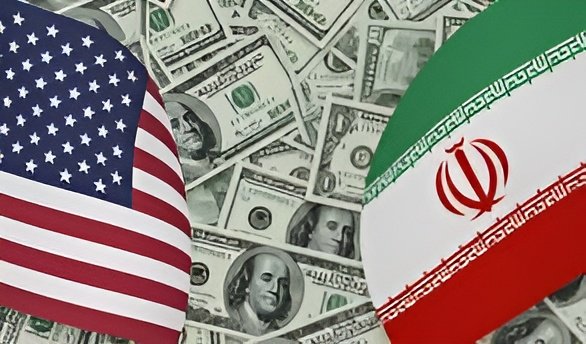
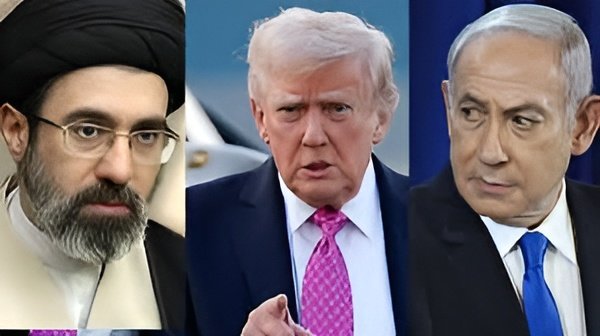
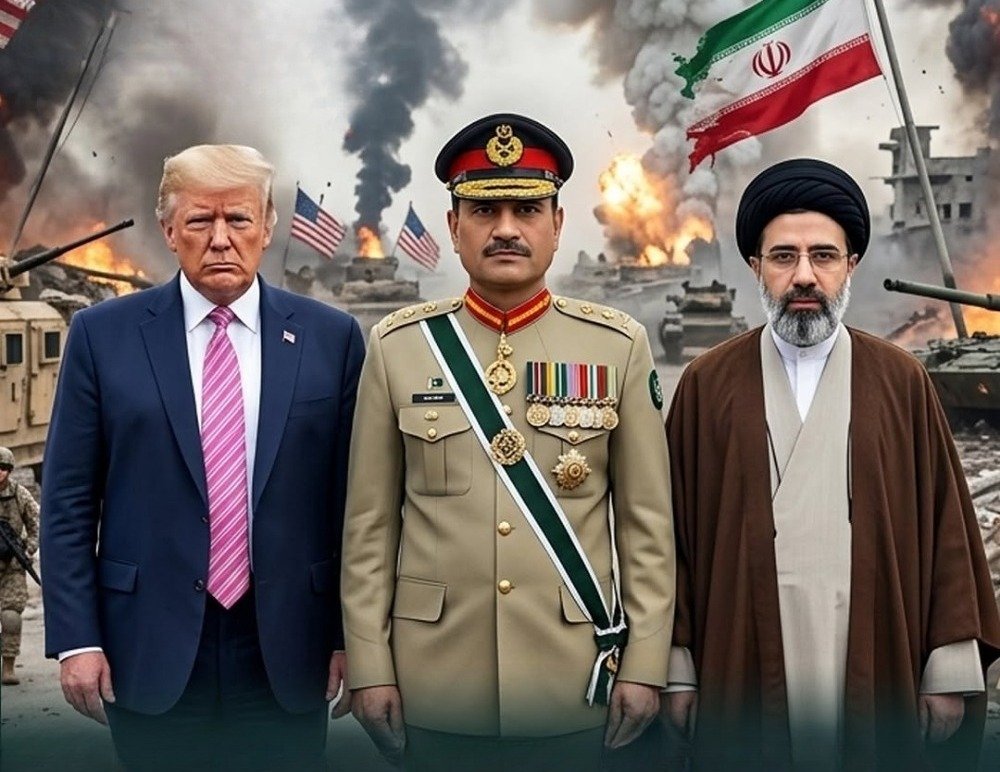
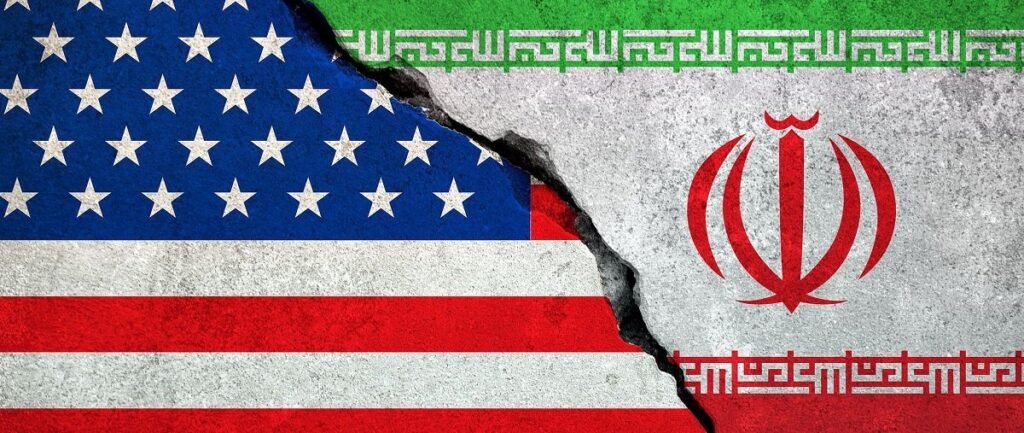
Iran US tensions

Oil Prices Surge Above $110 Amid Strait of Hormuz Tensions
Pakistan

Oil Prices Surge Above $110 Amid Strait of Hormuz Tensions

Oil prices surged sharply on Tuesday as geopolitical tensions in the Middle East continued to disrupt global energy markets. Prices climbed above $110 per barrel amid a lack of progress in reopening the Strait of Hormuz, a critical route for global oil shipments. Read More: https://theboardroompk.com/electricity-generation-improves-amid-local-gas-supply-reports-power-division/ Investors reacted cautiously as uncertainty deepened. Markets showed concern over prolonged disruptions in oil supply. At the same time, global equities, especially technology stocks, faced pressure as investors shifted focus to corporate earnings and interest rate outlooks. Brent and WTI Prices Record Strong Gains Benchmark oil prices recorded significant gains during the trading session. Brent crude for June delivery rose 2.7 percent to $111.19 per barrel. Meanwhile, West Texas Intermediate crude climbed 3.4 percent to $99.68 per barrel. Analysts said the price rally reflects growing fears of supply constraints. The ongoing blockade of the Strait of Hormuz has disrupted one of the world’s busiest energy corridors. A large portion of global oil and gas shipments passes through this route, making it vital for energy security. Conflict Stalemate Fuels Market Uncertainty Efforts to end the ongoing conflict in the Middle East remain stalled. The United States is currently reviewing a proposal from Iran to reopen the strait. However, tensions between the two sides continue to rise. Iran has maintained its blockade of the waterway since the start of the US-Israeli offensive two months ago. This move has sent shockwaves through global markets and raised fears of prolonged supply disruptions. Iranian officials stated that Washington can no longer dictate terms. This stance has further complicated negotiations and reduced hopes for a quick resolution. Trump Signals Tough Stance on Iran Proposal Reports suggest that Donald Trump is unlikely to accept Iran’s latest proposal to restore traffic in the Strait of Hormuz. This development has dampened market optimism. Earlier, hopes for a diplomatic breakthrough had increased. However, those expectations weakened after Trump scrapped a planned diplomatic trip. His envoys, Steve Witkoff and Jared Kushner, were scheduled to visit Islamabad to advance discussions. The cancellation signaled a hardening of the US position. Analysts believe this move has contributed to rising uncertainty in global energy markets. Risk of Prolonged Conflict Raises Concerns Qatar has warned that the situation could turn into a “frozen conflict” if no agreement is reached. Such a scenario could prolong disruptions and keep oil prices elevated for an extended period. Market experts say investors are closely monitoring developments. The lack of progress in negotiations has reduced confidence in a near-term resolution. Kathleen Brooks, research director at XTB, said the market remains pessimistic about reopening the strait. She noted that Iran’s demand to delay discussions on nuclear disarmament has complicated talks. Global Economic Impact Intensifies The surge in oil prices is adding pressure to the global economy. Higher energy costs could fuel inflation and slow economic growth in many countries. Investors are also keeping a close eye on central bank policies. Rising oil prices often influence interest rate decisions, particularly in major economies. Technology stocks have already taken a hit as market sentiment shifts. Investors are reallocating funds toward safer assets amid growing uncertainty. The outlook for oil markets remains highly uncertain. Much depends on diplomatic developments and the potential reopening of the Strait of Hormuz. Until then, analysts expect continued volatility in oil prices. Any escalation in tensions could push prices even higher. For now, global markets remain on edge as the Middle East conflict continues without a clear resolution.
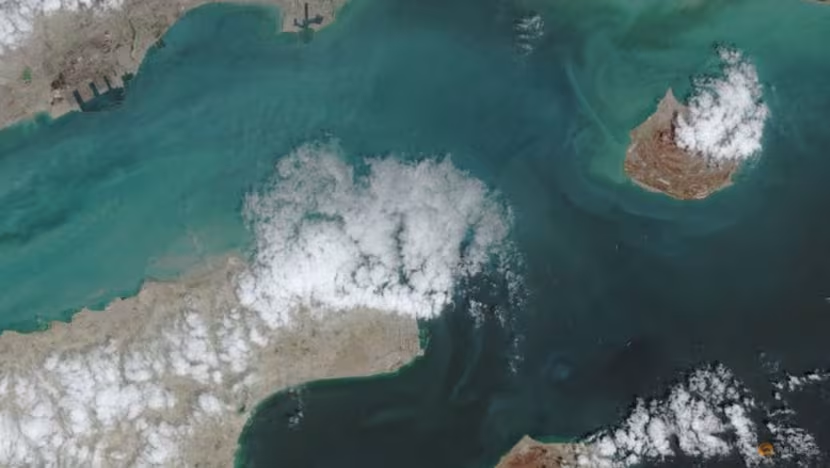
Strait of Hormuz Crisis: Pakistan Warns of Global Economic Shockwaves
World

Strait of Hormuz Crisis: Pakistan Warns of Global Economic Shockwaves

The Strait of Hormuz Crisis is rapidly emerging as one of the most dangerous threats to the global economy, and Pakistan is sounding the alarm at the highest diplomatic level. Speaking at the United Nations Security Council, Pakistan warned that prolonged disruption in this critical maritime route could trigger a chain reaction of economic shocks worldwide. Read More: https://theboardroompk.com/nishat-group-and-icaur-sign-strategic-partnership-to-expand-pakistans-new-energy-market/ From oil tankers to food shipments, the narrow Strait of Hormuz handles a significant portion of global trade. Any instability here is not just a regional concern, it is a global economic emergency in the making. Strait of Hormuz Crisis Could Disrupt Trade and Fuel Inflation Pakistan emphasized that the Strait of Hormuz Crisis could severely interrupt international trade flows. This chokepoint is essential for transporting oil, gas, and fertilizers. A disruption would mean immediate supply shortages and soaring prices. In practical terms, this could translate into higher fuel costs, rising food prices, and worsening inflation across the globe. Developing economies, already struggling with fragile financial systems, would likely bear the brunt of this crisis. Beyond commodities, the ripple effects could include shrinking economic growth, widening current account deficits, and intensifying balance-of-payments pressures. For countries like Pakistan, which rely heavily on maritime trade, the risks are both direct and immediate. Pakistan’s Strategic Concerns in the Strait of Hormuz Crisis Highlighting the country’s vulnerability, Asim Iftikhar Ahmad, Pakistan’s Permanent Representative to the UN, stressed that Pakistan’s geographic position makes it deeply sensitive to developments in nearby waters. As a key littoral state in the Indian Ocean, Pakistan depends heavily on sea-borne trade routes. Any instability in the Strait of Hormuz could disrupt imports of energy and essential goods, putting additional strain on the national economy. Diplomatic Efforts to Defuse the Strait of Hormuz Crisis Amid rising tensions, Pakistan is actively working to reduce geopolitical friction. The country has been engaging in diplomatic efforts to ease tensions between the United States and Iran, with support from major regional and global players. Countries including China, Saudi Arabia, Türkiye, and Egypt are also playing roles in de-escalation efforts. Pakistan has reiterated its commitment to dialogue, urging all sides to prioritize peaceful solutions over conflict. Strait of Hormuz Crisis and Maritime Security Initiatives Pakistan is not just raising concerns, it is actively contributing to maritime security. The country recently took command of Combined Task Force 150, which focuses on securing key shipping routes beyond the Arabian Gulf. Previously, Pakistan led Combined Task Force 151, aimed at combating piracy in international waters. Additionally, Regional Maritime Security Patrols have been launched to safeguard commercial shipping lanes. These initiatives highlight Pakistan’s growing role as a responsible maritime stakeholder amid the escalating Strait of Hormuz Crisis. Legal Frameworks Under Threat Pakistan also underscored the importance of international maritime law, particularly the United Nations Convention on the Law of the Sea. This framework ensures order and stability in global waters. However, weakening adherence to such rules could deepen the crisis. Pakistan warned that ignoring established norms would not only increase tensions but also threaten global peace and sustainable development. A Global Call to Action The Strait of Hormuz Crisis is more than a geopolitical issue, it is a looming economic disaster with global consequences. Pakistan has urged the international community to act collectively, protect maritime routes, and uphold the rules-based international order. Without swift and coordinated action, the world could face a perfect storm of economic instability, rising inflation, and disrupted supply chains.

US-Iran Talks in Doubt Amid Mixed Signals Ahead of Islamabad Meeting
Breaking News, Politics

US-Iran Talks in Doubt Amid Mixed Signals Ahead of Islamabad Meeting

Uncertainty deepened on Monday as mixed signals from Tehran cast doubt over whether the United States and Iran would proceed with a second round of direct negotiations. Despite preparations underway in Islamabad, officials on both sides continued to issue conflicting statements. These contradictions raised concerns about the future of diplomacy at a time of rising regional tension. Read More: https://theboardroompk.com/indrive-joins-world-economic-forums-unicorn-community/ Iran Sends Mixed Signals on Negotiations Iran’s foreign ministry spokesperson Esmaeil Baqaei confirmed that Tehran has not yet decided whether it will attend the next round of talks with the US. He made it clear that no final decision exists at this stage. His statement reflected the broader mixed signals emerging from Iran’s leadership. Baqaei addressed reporters in Tehran and said the government had no immediate plans for negotiations. He stressed that Iran remains cautious. He also accused Washington of failing to demonstrate genuine commitment to diplomacy. According to him, recent US actions contradict its stated willingness to engage in dialogue. At the same time, Iran’s parliament speaker Mohammad Bagher Ghalibaf offered a slightly different tone. He said Tehran continues negotiations with Washington. However, he warned that Iran stands ready to take necessary measures if tensions escalate. His remarks added to the growing sense of mixed signals surrounding Iran’s position. US Position Adds to Uncertainty On the American side, statements from Donald Trump further complicated the situation. Trump announced that a US delegation would travel to Islamabad for talks. However, he did not confirm whether negotiations would actually take place. This announcement followed reports that the US Navy targeted an Iranian vessel attempting to bypass a blockade in the Strait of Hormuz. Both Washington and Tehran presented conflicting accounts of the incident. This development intensified tensions and reinforced the prevailing mixed signals. The situation worsened after Iran closed the Strait of Hormuz again on Saturday. Tehran declared it would not reopen the vital trade route until the US lifted its blockade on Iranian ports. This move raised global concerns about oil supply disruptions and regional stability. Tehran Accuses US of Ceasefire Violations Baqaei strongly criticized US actions during his briefing. He argued that Washington’s behavior undermines any claim of pursuing diplomacy. He pointed to several incidents as evidence. These included the alleged attack on an Iranian cargo ship, the ongoing naval blockade, and delays in implementing a ceasefire in Lebanon. According to Iran, these actions violate a recently agreed two-week ceasefire. Baqaei said such measures show a lack of seriousness from the US. Iran’s leadership also expressed deep mistrust toward Washington. Ghalibaf reiterated that Iran does not trust its adversary. He warned that the US could escalate the conflict at any moment. He also referenced past experiences, including the brief but intense 12-day war in June 2025. He said Iran has learned from that conflict and remains prepared for future confrontations. Islamabad on High Alert for Possible Talks Meanwhile, Islamabad continued preparations for the expected negotiations. Authorities implemented extraordinary security measures across the capital and nearby Rawalpindi. Officials deployed more than 10,000 security personnel. These included commandos and snipers stationed at key locations. Authorities also sealed the high-security Red Zone and blocked major routes. Public transport services were suspended in several areas to ensure security. At Islamabad International Airport, special arrangements were put in place to handle the expected arrival of foreign delegations. Reports confirmed that advance US security teams had already reached the city to coordinate logistics. Authorities also vacated two luxury hotels to accommodate visiting officials. These measures highlighted Islamabad’s readiness to host high-stakes diplomatic engagement despite ongoing uncertainty. Confusion Over US Delegation Leadership Another layer of uncertainty emerged regarding the US delegation. During the first round of talks, JD Vance led the American team. However, officials have not confirmed whether he will attend the upcoming meeting. Trump initially suggested that Vance would not lead the delegation due to security concerns. He later praised his vice president but avoided giving a clear answer. The White House also issued conflicting statements, adding to the confusion. This lack of clarity contributed to the broader atmosphere of mixed signals. It raised questions about the seriousness and structure of the US approach to the negotiations. Strait of Hormuz Tensions Escalate Tensions in the Strait of Hormuz remained a critical issue. Iran’s First Vice President Mohammad Reza Aref issued a strong warning regarding the situation. He stated that the security of the vital shipping route cannot be guaranteed if Iran’s oil exports remain restricted. He emphasized that no country should expect free security while limiting Iran’s economic activity. Aref said the global community faces a clear choice. It must either allow a free oil market or accept significant economic consequences. He warned that continued pressure on Iran could destabilize global energy markets. His remarks underscored the high stakes involved. The Strait of Hormuz remains one of the world’s most important oil transit routes. Any disruption could have far-reaching economic impacts. Diplomatic Path Remains Uncertain The combination of military tension, political mistrust, and conflicting statements has created a fragile environment. Both sides appear open to dialogue, yet their actions suggest otherwise. These mixed signals continue to cloud the future of US-Iran relations. While Islamabad stands ready to host the talks, the absence of clear commitments from either side raises doubts. The coming days will prove critical. They will determine whether diplomacy can move forward or whether tensions will escalate further.

US Dollar Rises as Iran Tensions Shake Global Currency Markets
Business, Editor pick

US Dollar Rises as Iran Tensions Shake Global Currency Markets

The US dollar strengthened in early Asian trading on Monday as global markets reacted to rising tensions between Washington and Tehran. Investors moved quickly toward safe haven assets after peace talks between the United States and Iran collapsed. The United States signaled a major escalation in the conflict. The move pushed traders to shift away from riskier currencies and into the US dollar. Market analysts described the early trading session as thin but decisive. They noted a clear risk off sentiment across global foreign exchange markets. US Dollar Climbs as Hormuz Blockade Fears Intensify US President Donald Trump announced that the US Navy would begin blockading the Strait of Hormuz. This development followed failed negotiations aimed at ending the ongoing conflict. The blockade targets Iranian ports and threatens to disrupt global oil supply routes. As a result, investors reacted swiftly by increasing their exposure to the US dollar. The United States Central Command confirmed that operations would begin at 10 a.m. ET. This announcement further intensified uncertainty in global markets. US Dollar Pressures Major Global Currencies The surge in the US dollar weighed heavily on other major currencies. The euro slipped 0.3 percent to 1.1684 against the dollar. The British pound also declined by 0.5 percent to 1.3398. Meanwhile, risk sensitive currencies saw sharper declines. The Australian dollar dropped 0.6 percent to 0.7030. The New Zealand dollar fell 0.4 percent to 0.5816. These movements reflect growing caution among investors. They are moving away from higher risk currencies amid rising geopolitical uncertainty. US Dollar Index Holds Near Recent Highs The US Dollar Index remained steady at 99.056. This level is close to its highest point since early April. The index tracks the strength of the US dollar against a basket of major currencies. Its stability signals continued demand for the dollar despite market volatility. Analysts from Westpac noted that the dollar rally reflects broader risk aversion. They highlighted that geopolitical developments are driving market sentiment more than economic data. Hungarian Forint Surges After Political Shift In contrast to the broader market trend, the Hungarian forint posted strong gains. The currency rallied sharply after a major political shift in Hungary. Veteran leader Viktor Orbán lost power following national elections. The result boosted investor confidence in Hungary’s economic outlook. The forint surged as much as 1.8 percent against the dollar. It reached its strongest level since January. Against the euro, it gained 2.2 percent and hit a four year high. Analysts from Goldman Sachs said markets reacted positively to the election outcome. They noted that the result could unlock European Union funding for Hungary. EU Funding Expectations Support Hungarian Assets Market participants expect faster release of European Union funds to Hungary. These funds form a significant part of the country’s economic framework. Analysts estimate that EU funding accounts for about 3 percent of Hungary’s GDP each year. Nearly half of these funds had remained frozen under previous political conditions. The expected release of funds has boosted investor sentiment. It has also strengthened the forint despite broader global uncertainty. US Dollar Gains Against Yen as Bond Yields Rise The US dollar also strengthened against the Japanese yen. It rose 0.4 percent to 159.83 yen during trading. At the same time, Japan’s benchmark 10 year government bond yield climbed sharply. It increased by 5.5 basis points to 2.49 percent. This marks its highest level in nearly three decades. Higher bond yields often support currency strength. In this case, the dollar continued to gain as investors sought safety and returns. Global Markets Brace for Continued Volatility The rise of the US dollar reflects deeper concerns about geopolitical stability and global economic risks. Investors remain cautious as tensions between the United States and Iran continue to escalate. Currency markets are likely to remain volatile in the coming days. Much will depend on developments in the Middle East and the response of global powers. For now, the US dollar continues to dominate as the preferred safe haven asset. Its strength signals a broader shift in investor sentiment as uncertainty grips global markets.

Hormuz Standoff Deepens As Iran Defies Trump Ahead of Ceasefire Deadline
World

Hormuz Standoff Deepens As Iran Defies Trump Ahead of Ceasefire Deadline

DUBAI:Iran has rejected a U.S. ceasefire proposal and refused to reopen the Strait of Hormuz, defying a deadline set by President Donald Trump and raising fears of a major escalation in the ongoing conflict. Read More: https://theboardroompk.com/pakistan-condemns-iran-strikes-on-saudi-energy-sites/ The standoff comes as Washington warned of large-scale strikes on Iranian infrastructure if Tehran fails to comply, marking a critical turning point in the intensifying Middle East crisis. Iran Rejects Temporary Ceasefire Tehran has made it clear that it will not accept a temporary ceasefire, instead demanding a permanent end to hostilities, an immediate halt to U.S. and Israeli strikes, and compensation for damages. Iran has also insisted on broader conditions, including the lifting of sanctions and guarantees against future attacks, signaling a hardline negotiating stance. Officials further emphasised that control over the Strait of Hormuz remains central, with Iran seeking the right to regulate or impose transit conditions on ships passing through the strategic waterway. The refusal has stalled diplomatic efforts, including mediation attempts involving regional players such as Pakistan. US Threatens Escalation as Deadline Looms President Trump has warned that failure to meet the deadline could result in “devastating” attacks on Iran’s civilian infrastructure, including power plants and transport networks. The United States views reopening the Strait of Hormuz — a key global oil transit route — as essential to stabilising energy markets and global supply chains. In response, Iran has warned it could retaliate by targeting infrastructure in Gulf countries allied with Washington, raising the risk of a broader regional conflict. Markets and governments worldwide are closely watching developments, with oil prices and geopolitical tensions already rising sharply amid the uncertainty.

Pakistan Iran US Ceasefire: FM Asim Munir’s Diplomatic Engagement Raises Hope for Strait of Hormuz Reopening
Pakistan

Pakistan Iran US Ceasefire: FM Asim Munir’s Diplomatic Engagement Raises Hope for Strait of Hormuz Reopening

The Pakistan Iran US Ceasefire initiative is gaining international attention as diplomatic efforts led by Pakistan appear to be bringing the United States and Iran closer to a possible agreement. According to reports from Reuters, intense overnight diplomatic engagements have raised hopes of a breakthrough that could ease tensions and stabilize global energy markets. Read More: https://theboardroompk.com/gold-price-in-pakistan-rises-amid-middle-east-tensions/ Pakistan Iran US Ceasefire Diplomacy Intensifies Sources revealed that Asim Munir remained actively engaged in diplomatic contacts throughout the night. He reportedly maintained continuous communication with JD Vance, Steve Witkoff, and Iranian Foreign Minister Abbas Araqchi. These discussions focused on reducing escalating regional tensions, exploring ceasefire possibilities, and understanding the positions of all stakeholders. Pakistan’s proactive diplomatic role indicates its willingness to act as a bridge between conflicting parties. For businesses and investors, such developments are highly significant, as geopolitical stability directly influences oil prices, shipping costs, and investor confidence. Islamabad Accord Emerges as Proposed Framework The proposed settlement is reportedly being called the “Islamabad Accord”, which outlines a two-stage plan: • Immediate ceasefire between the United States and Iran• Final comprehensive agreement within 15–20 days• Nuclear-related restrictions and potential sanctions relief• Restoration of normal maritime traffic This structured approach aims to provide quick de-escalation while leaving room for long-term negotiations. Analysts believe that such phased agreements often improve the chances of sustainable peace. Strait of Hormuz Reopening Could Impact Global Trade One of the most significant aspects of the Pakistan Iran US Ceasefire plan is the possible reopening of the Strait of Hormuz immediately after a ceasefire. This narrow waterway is critical for global energy supply, with a large portion of the world’s oil shipments passing through it. If tensions ease and the route reopens fully, the following impacts could be expected: • Lower oil price volatility• Improved shipping schedules• Reduced insurance costs for cargo• Stronger investor sentiment in emerging markets For Pakistan, stability in energy markets could also help manage inflation and reduce import costs. Pakistan’s Diplomatic Role in Regional Stability Pakistan appears to be playing an active diplomatic role by facilitating communication between Washington and Tehran. Sources indicate that Islamabad is working to maintain dialogue channels to prevent further escalation. Such diplomatic engagement highlights Pakistan’s growing importance in regional geopolitics. It also strengthens the country’s image as a mediator capable of promoting peace in sensitive international disputes. Pakistan Iran US Ceasefire and Business Implications If the Pakistan Iran US Ceasefire materializes, several economic benefits could follow: • Stabilization in global oil prices• Improved investor confidence in Asian markets• Reduced supply chain disruptions• Enhanced trade prospects for Pakistan• Increased regional economic cooperation Businesses dependent on energy imports and international trade are closely monitoring these developments. A ceasefire could reduce uncertainty and encourage long-term investment planning. What Happens Next? According to sources, the agreement could be finalized quickly if both sides agree to immediate terms. The ceasefire may come into effect first, followed by negotiations on sanctions relief and broader security arrangements. The coming days will be crucial in determining whether Pakistan’s diplomatic efforts translate into a historic breakthrough. Global attention remains focused on Islamabad as discussions continue. The Pakistan Iran US Ceasefire initiative and the proposed Islamabad Accord represent a potential turning point in regional diplomacy. With Pakistan facilitating dialogue, there is renewed optimism about reducing tensions, reopening key trade routes, and stabilizing markets. If successful, this development could not only reshape geopolitical relations but also bring tangible economic benefits for Pakistan and the broader global economy. Source & Attribution: This report is based on information published by Reuters. Full story available at:https://www.reuters.com/world/china/iran-us-receive-plan-end-hostilities-immediate-ceasefire-source-says-2026-04-06/ Credit: International News Agency Reuters (Reuters.com)

Scroll to Top