
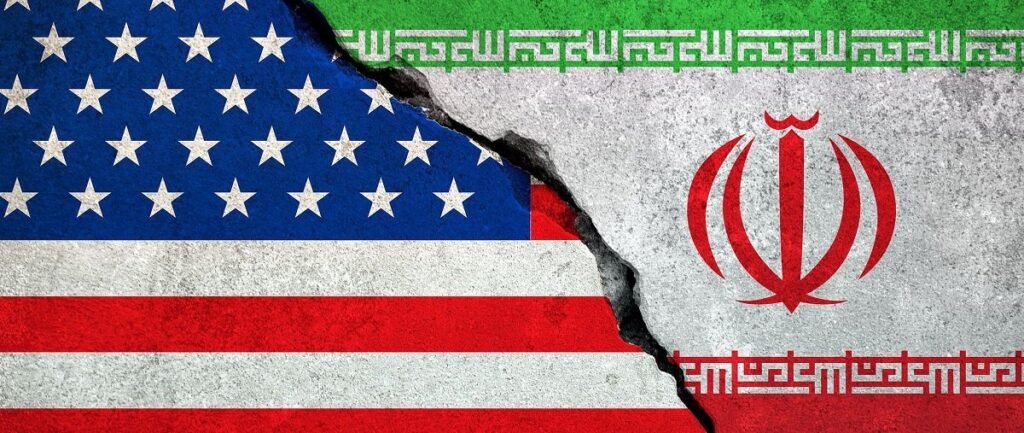
Uncertainty deepened on Monday as mixed signals from Tehran cast doubt over whether the United States and Iran would proceed with a second round of direct negotiations. Despite preparations underway in Islamabad, officials on both sides continued to issue conflicting statements. These contradictions raised concerns about the future of diplomacy at a time of rising regional tension.
Read More: https://theboardroompk.com/indrive-joins-world-economic-forums-unicorn-community/
Iran Sends Mixed Signals on Negotiations
Iran’s foreign ministry spokesperson Esmaeil Baqaei confirmed that Tehran has not yet decided whether it will attend the next round of talks with the US. He made it clear that no final decision exists at this stage. His statement reflected the broader mixed signals emerging from Iran’s leadership.
Baqaei addressed reporters in Tehran and said the government had no immediate plans for negotiations. He stressed that Iran remains cautious. He also accused Washington of failing to demonstrate genuine commitment to diplomacy. According to him, recent US actions contradict its stated willingness to engage in dialogue.
At the same time, Iran’s parliament speaker Mohammad Bagher Ghalibaf offered a slightly different tone. He said Tehran continues negotiations with Washington. However, he warned that Iran stands ready to take necessary measures if tensions escalate. His remarks added to the growing sense of mixed signals surrounding Iran’s position.
US Position Adds to Uncertainty
On the American side, statements from Donald Trump further complicated the situation. Trump announced that a US delegation would travel to Islamabad for talks. However, he did not confirm whether negotiations would actually take place.
This announcement followed reports that the US Navy targeted an Iranian vessel attempting to bypass a blockade in the Strait of Hormuz. Both Washington and Tehran presented conflicting accounts of the incident. This development intensified tensions and reinforced the prevailing mixed signals.
The situation worsened after Iran closed the Strait of Hormuz again on Saturday. Tehran declared it would not reopen the vital trade route until the US lifted its blockade on Iranian ports. This move raised global concerns about oil supply disruptions and regional stability.
Tehran Accuses US of Ceasefire Violations
Baqaei strongly criticized US actions during his briefing. He argued that Washington’s behavior undermines any claim of pursuing diplomacy. He pointed to several incidents as evidence.
These included the alleged attack on an Iranian cargo ship, the ongoing naval blockade, and delays in implementing a ceasefire in Lebanon. According to Iran, these actions violate a recently agreed two-week ceasefire. Baqaei said such measures show a lack of seriousness from the US.
Iran’s leadership also expressed deep mistrust toward Washington. Ghalibaf reiterated that Iran does not trust its adversary. He warned that the US could escalate the conflict at any moment. He also referenced past experiences, including the brief but intense 12-day war in June 2025. He said Iran has learned from that conflict and remains prepared for future confrontations.
Islamabad on High Alert for Possible Talks
Meanwhile, Islamabad continued preparations for the expected negotiations. Authorities implemented extraordinary security measures across the capital and nearby Rawalpindi.
Officials deployed more than 10,000 security personnel. These included commandos and snipers stationed at key locations. Authorities also sealed the high-security Red Zone and blocked major routes. Public transport services were suspended in several areas to ensure security.
At Islamabad International Airport, special arrangements were put in place to handle the expected arrival of foreign delegations. Reports confirmed that advance US security teams had already reached the city to coordinate logistics.
Authorities also vacated two luxury hotels to accommodate visiting officials. These measures highlighted Islamabad’s readiness to host high-stakes diplomatic engagement despite ongoing uncertainty.
Confusion Over US Delegation Leadership
Another layer of uncertainty emerged regarding the US delegation. During the first round of talks, JD Vance led the American team. However, officials have not confirmed whether he will attend the upcoming meeting.
Trump initially suggested that Vance would not lead the delegation due to security concerns. He later praised his vice president but avoided giving a clear answer. The White House also issued conflicting statements, adding to the confusion.
This lack of clarity contributed to the broader atmosphere of mixed signals. It raised questions about the seriousness and structure of the US approach to the negotiations.
Strait of Hormuz Tensions Escalate
Tensions in the Strait of Hormuz remained a critical issue. Iran’s First Vice President Mohammad Reza Aref issued a strong warning regarding the situation.
He stated that the security of the vital shipping route cannot be guaranteed if Iran’s oil exports remain restricted. He emphasized that no country should expect free security while limiting Iran’s economic activity.
Aref said the global community faces a clear choice. It must either allow a free oil market or accept significant economic consequences. He warned that continued pressure on Iran could destabilize global energy markets.
His remarks underscored the high stakes involved. The Strait of Hormuz remains one of the world’s most important oil transit routes. Any disruption could have far-reaching economic impacts.
Diplomatic Path Remains Uncertain
The combination of military tension, political mistrust, and conflicting statements has created a fragile environment. Both sides appear open to dialogue, yet their actions suggest otherwise. These mixed signals continue to cloud the future of US-Iran relations.
While Islamabad stands ready to host the talks, the absence of clear commitments from either side raises doubts. The coming days will prove critical. They will determine whether diplomacy can move forward or whether tensions will escalate further.