World

Oil Prices Slide 4%, Below $100, as Middle East Ceasefire Hopes Rise
World

Oil Prices Slide 4%, Below $100, as Middle East Ceasefire Hopes Rise

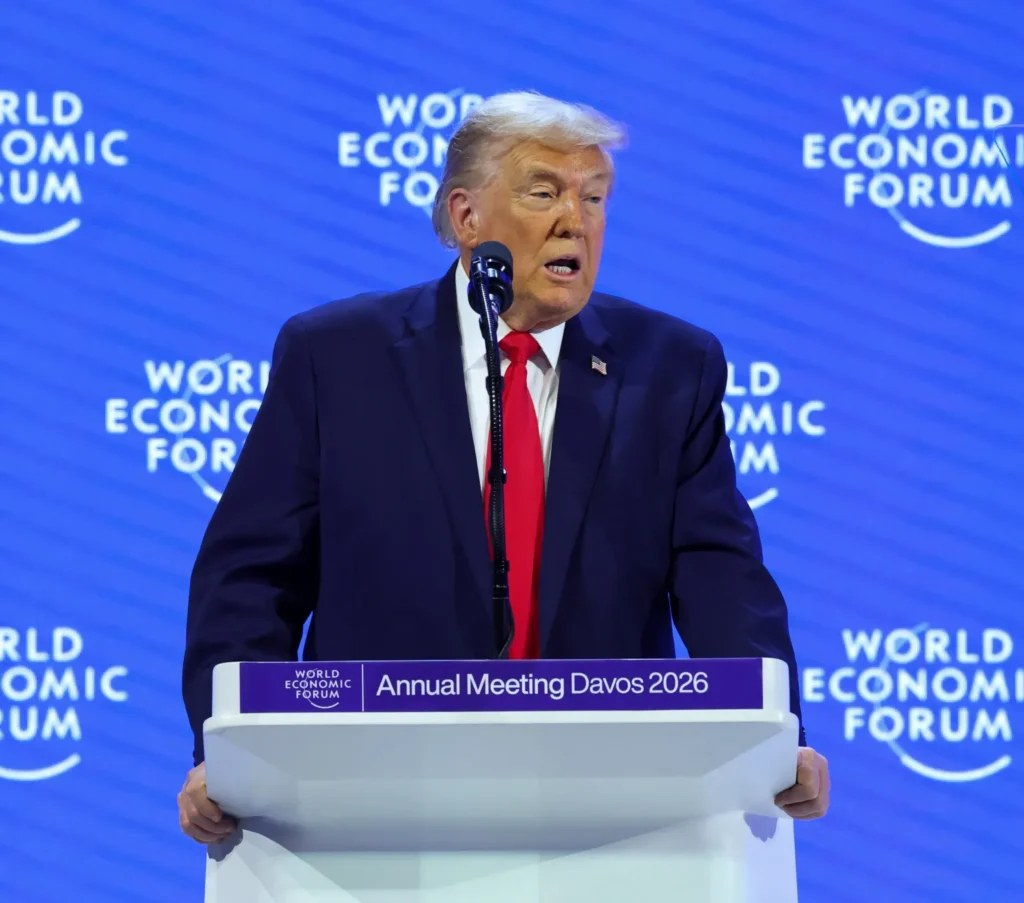
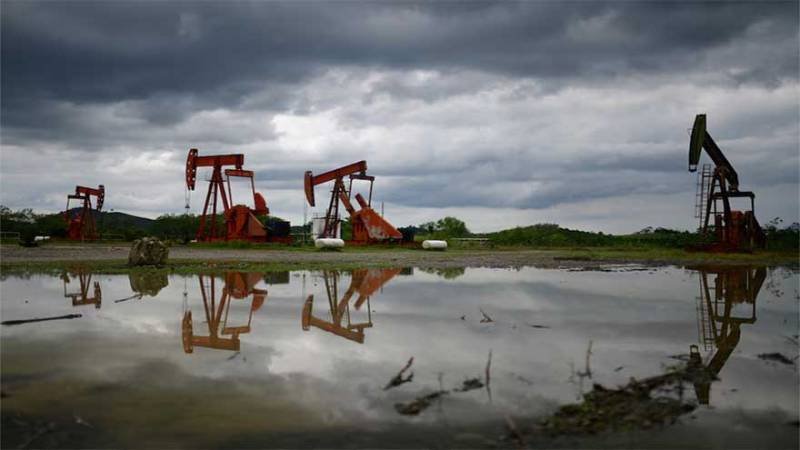
Oil prices tumbled nearly 4% on Wednesday as hopes grew for a Middle East ceasefire that could ease major supply disruptions in the region. Read More: http://Oil prices below $100 ceasefire 2026, Brent $98 WTI $87 Iran talks, Middle East ceasefire oil drop Trump, Hormuz risk premium oil crash, US Iran 15-point plan oil market. Diplomatic Push Gains Momentum The United States has sent Iran a detailed 15-point plan aimed at ending the ongoing war. US President Donald Trump stated that negotiations are making progress toward a peaceful resolution. Reports suggest the proposal includes dismantling Iran’s nuclear program and stopping support for proxy groups. A month-long ceasefire is reportedly being discussed to allow further talks on reopening the Strait of Hormuz. Market Reaction and Uncertainty Brent crude futures dropped $4.89, or 4.7 percent, to $99.60 per barrel. West Texas Intermediate (WTI) crude fell $3.54, or 3.8 percent, to $88.81 per barrel. Analysts noted that profit-taking followed rising ceasefire expectations after Tuesday’s sharp gains. However, experts remain cautious, saying the outlook is still uncertain and negotiations may not succeed quickly. Hiroyuki Kikukawa of Nissan Securities said expectations have risen slightly but selling is limited by doubts. Middle East developments continue to dominate price movements, keeping volatility high in the near term. The war has caused the biggest oil supply disruption ever recorded, halting flows through the Strait of Hormuz. This vital route normally carries about one-fifth of global crude and gas supplies. Even if a ceasefire happens soon, full production restart may take time until durability is confirmed. Pakistan’s prime minister offered to host talks between the US and Iran to support diplomacy. Iran has informed international bodies that non-hostile vessels can transit the Strait if coordinated with its authorities. Meanwhile, strikes continue and the US is preparing to send more troops to the region. To compensate for disruptions, Saudi Arabia ramped up exports from its Red Sea Yanbu port to nearly 4 million barrels per day. US crude stocks rose by 2.35 million barrels last week, with gasoline and distillate inventories also increasing.

ADB Financial Support: Asia Braces for Economic Shock as Energy Costs Rise
World

ADB Financial Support: Asia Braces for Economic Shock as Energy Costs Rise

The ADB Financial Support initiative is gaining urgency as the Asian Development Bank moves to extend rapid financial assistance to developing economies facing economic fallout from the ongoing Middle East conflict. Rising energy prices, supply chain disruptions, and currency pressures are forcing governments across Asia to prepare for financial turbulence. Read More: https://theboardroompk.com/colombian-military-plane-crash-tragedy-kills-66-in-deadly-c-130-hercules-disaster/ ADB Financial Support to Counter Rising Economic Pressures ADB President Masato Kanda confirmed that the bank is preparing fast-disbursing budget support and expanded trade financing to help countries absorb immediate shocks. This ADB Financial Support package is designed to stabilize economies while protecting long-term growth prospects. The Manila-based lender highlighted that the assistance will ensure the continued flow of essential imports, particularly energy supplies. Oil financing, which had previously been scaled back, will be temporarily reinstated under exceptional circumstances to prevent shortages and manage external account pressures. Why ADB Financial Support Matters for Asian Economies The economic ripple effects of the Middle East tensions are being felt across Asia in multiple ways: • Energy prices are rising sharply, increasing import bills.• Inflationary pressures are building due to higher fuel and transport costs.• Currencies are facing depreciation risks amid capital outflows.• Supply chains are experiencing delays and increased shipping costs. Beyond oil, disruptions are also affecting petrochemicals and fertilizers two key inputs for agriculture. This raises concerns about food production and food security in many developing economies. How the ADB Financial Support Package Will Work The ADB Financial Support initiative combines several financial tools to address both government and private sector needs. The bank plans to use its countercyclical lending buffer, allowing it to scale up emergency assistance while safeguarding existing projects. Through its Countercyclical Support Facility, governments facing widening fiscal deficits can receive immediate financial relief. This support aims to stabilize budgets without forcing sudden spending cuts that could harm economic recovery. Meanwhile, the Trade and Supply Chain Finance Program will back private-sector imports of essential commodities such as fuel, food, and industrial inputs. This ensures businesses can continue operations despite global disruptions. Tourism and Remittance-Dependent Economies at Risk Countries heavily reliant on tourism and overseas remittances are particularly vulnerable. Weakening external demand and tighter financial conditions could reduce foreign exchange inflows, placing additional strain on current accounts. The ADB Financial Support package aims to cushion these economies by maintaining access to trade financing and preventing disruptions to essential imports. ADB in Talks with Affected Countries ADB officials confirmed they are actively engaging with the most affected economies to tailor assistance packages. The objective is to stabilize macroeconomic conditions while protecting vulnerable populations from inflation and job losses. This targeted approach reflects the bank’s commitment to ensuring that financial support is not only rapid but also responsive to each country’s unique economic challenges. What This Means for Pakistan and the Region For countries like Pakistan, rising oil prices and external financing needs make ADB Financial Support particularly important. Increased import bills and pressure on foreign reserves could heighten economic risks. Access to fast-disbursing funding and trade financing can help maintain stability during uncertain global conditions. The broader Asian region is now watching closely as the ADB mobilizes its financial resources to prevent short-term shocks from turning into long-term economic setbacks.

Pakistan Offers to Host US-Iran Talks as Missile Exchanges Intensify
World

Pakistan Offers to Host US-Iran Talks as Missile Exchanges Intensify

Pakistan’s Prime Minister Shehbaz Sharif offered to host direct talks between the US and Iran. In a post on X, he stated that Pakistan was “ready and honoured” to facilitate meaningful discussions for a comprehensive settlement, subject to agreement from both sides. Read More: https://theboardroompk.com/colombian-military-plane-crash-tragedy-kills-66-in-deadly-c-130-hercules-disaster/ A Pakistani government source described the initiative as advanced but dependent on US and Iranian concurrence. Oman had previously mediated nuclear talks, reporting progress before the strikes began on February 28. The conflict originated from stalled nuclear negotiations. US and Israeli forces struck Iran after claiming insufficient advancements, prompting Iranian retaliation across the region, including attacks on Gulf infrastructure. As exchanges continued, both sides showed no immediate signs of de-escalation. Netanyahu was expected to consult security officials on Trump’s deal push, while Iranian hardliners under IRGC influence hardened their stance. Analysts noted the contradictory signals: Trump expressed optimism for a deal curbing Iran’s nuclear and missile programs, yet on-the-ground actions suggested prolonged fighting. The war has already caused significant energy market shocks and regional instability. Iran launched multiple waves of missiles toward Israel on Tuesday, triggering air raid sirens across Tel Aviv and causing damage to residential areas. The strikes came as the US-Israel war with Iran entered its fourth week. Israeli military officials reported that several missiles penetrated air defenses, leading to explosions in central Tel Aviv. No fatalities were immediately confirmed, though damage included craters in roads and debris scattered around apartment buildings. Diplomatic Claims Spark Sharp Rebuttals US President Donald Trump had announced on Monday that “very good and productive” talks were underway with Iranian representatives. He claimed these discussions involved special envoys and aimed at a “complete and total resolution of hostilities” in the Middle East. Trump also postponed threats to bomb Iranian power plants for five days, citing progress. However, Iranian Parliament Speaker Mohammad Baqer Qalibaf quickly dismissed the claims as “fake news.” Tehran’s foreign ministry echoed the denial, stating no dialogue had taken place. Iran’s Revolutionary Guards described Trump’s statements as “worn out psychological operations” that would not deter their operations. In a mocking response, the Iranian embassy in South Africa posted an image of a child’s toy steering wheel on a car dashboard, seemingly ridiculing Trump’s comments on controlling the Strait of Hormuz. Regional Fallout and Retaliatory Strikes The missile attacks followed overnight Israeli airstrikes on Tehran and over 50 targets in Iran, including IRGC command centers and ballistic missile facilities. Explosions were reported in the Iranian capital, with air defenses activated. In Tabriz, at least eight people were killed and 28 injured in an Israeli strike on a residential area. The UAE successfully intercepted five ballistic missiles and 17 drones launched from Iran. Meanwhile, Israel signaled plans to expand operations in southern Lebanon up to the Litani River, targeting Hezbollah positions. Defense Minister Israel Katz warned that areas linked to “terror” would see no residents or homes remaining. Oil prices remained volatile due to Iran’s closure of the Strait of Hormuz, which handles about 20% of global oil and LNG supplies. Brent crude hovered near $103 per barrel after earlier spikes.

Colombian Military Plane Crash: Tragedy Kills 66 in Deadly C-130 Hercules Disaster
World

Colombian Military Plane Crash: Tragedy Kills 66 in Deadly C-130 Hercules Disaster

Colombian Military Plane Crash has gripped global attention after a devastating accident claimed at least 66 lives and left dozens injured in southern Colombia. The tragic incident highlights not only the dangers of military aviation but also the challenges faced in remote regions. What Happened in the Colombian Military Plane Crash? The Colombian Military Plane Crash occurred shortly after a military aircraft took off from Puerto Leguizamo, a remote municipality in the Amazon region. The aircraft, identified as a Lockheed Martin C-130 Hercules, was carrying around 125 people when it went down just 1.5 kilometers from the runway. The crash resulted in a massive explosion due to onboard ammunition, causing the plane to burst into flames and scatter debris across the jungle floor. Rising Death Toll and Emergency Response Efforts Authorities confirmed that at least 66 military personnel lost their lives in this tragic Colombian Military Plane Crash, while many others sustained serious injuries. Pedro Sanchez stated that there were no signs of sabotage or attack, easing concerns of militant involvement in the crash. Meanwhile, Hugo Alejandro Lopez Barreto revealed that several personnel remain missing, adding uncertainty to the final death toll. Local healthcare facilities struggled to cope with the sudden influx of injured victims. Small clinics in Puerto Leguizamo provided initial treatment before patients were airlifted to better-equipped hospitals in Bogota. Challenges of Rescue Operations in Remote Areas The Colombian Military Plane Crash also exposed logistical challenges in emergency response due to the region’s isolation. Puerto Leguizamo, located deep in the Amazon, lacks advanced medical infrastructure. Rescue teams had to act swiftly, deploying aircraft equipped with dozens of medical beds to evacuate the injured. Deputy Mayor Carlos Claros confirmed that local resources were overwhelmed, making external assistance critical. Understanding the Aircraft: C-130 Hercules The aircraft involved in the Colombian Military Plane Crash was a C-130 Hercules, a widely used military transport plane known for its durability and versatility. Colombia has operated these aircraft since the late 1960s, often upgrading older models with modern technology sourced from the United States. Despite its strong safety record globally, accidents involving such aircraft can be catastrophic due to their size and cargo capacity. A Pattern of Recent Military Aviation Incidents This tragic Colombian Military Plane Crash comes just weeks after another similar disaster in El Alto, where a Bolivian Air Force C-130 crashed, killing over 20 people. Such incidents raise broader concerns about aging fleets, maintenance standards, and operational risks in military aviation across Latin America. Why This Incident Matters Globally While the Colombian Military Plane Crash occurred far from Pakistan, it resonates worldwide due to the scale of loss and the implications for aviation safety. For countries like Pakistan, which also operate military transport aircraft, this tragedy serves as a reminder of the importance of: • Regular aircraft maintenance• Modernization of aging fleets• Emergency preparedness in remote areas A Tragedy That Raises Tough Questions The Colombian Military Plane Crash is not just a national tragedy it is a wake-up call for military aviation safety across the globe. As investigations continue, questions remain about what caused the crash and whether it could have been prevented. For now, the focus remains on rescue efforts, medical care for survivors, and honoring the lives lost in this devastating incident.

Iran Rejects Trump’s ‘Fake’ Peace Claims, Fires Missile Barrage at Israel
World

Iran Rejects Trump’s ‘Fake’ Peace Claims, Fires Missile Barrage at Israel

Iran launched multiple waves of missiles toward Israel on Tuesday, triggering air raid sirens across the country, including in Tel Aviv. Read More: https://theboardroompk.com/pakistan-horizontal-oil-well-breakthrough-ogdc-strikes-big-with-pasakhi-13/ Escalation Despite Diplomatic Claims The Israeli military confirmed the incoming attacks, with explosions reported in central areas. In Tel Aviv, a multi-storey apartment building suffered gaping holes, though it remained unclear if the damage came from a direct hit or intercepted debris. Israel’s Fire and Rescue Service immediately began searching for trapped civilians in one damaged structure. Rescue teams also located people sheltering in another affected building. No immediate casualty figures were released. The strikes came hours after US President Donald Trump announced he was postponing planned bombing of Iranian power plants and energy infrastructure for five days. Trump cited “very good and productive” conversations with Iranian officials as the reason for the delay. Iran Denies Any Negotiations Iran’s parliament speaker, Mohammad Baqer Qalibaf, quickly dismissed Trump’s statements as “fake news” designed to manipulate financial and oil markets. He insisted no talks had taken place between Tehran and Washington. The powerful Revolutionary Guards described Trump’s comments as “worn out” psychological operations with no effect on Iran’s resolve. The Guards vowed to continue fresh attacks on US targets in the region. Earlier, Israeli jets had struck central Tehran, hitting command centres linked to the Revolutionary Guards’ intelligence arm and the Iranian Intelligence Ministry. More than 50 additional targets, including missile storage sites, were hit overnight. The ongoing war, which began on February 28, has already claimed over 2,000 lives. Iran has effectively closed the Strait of Hormuz, disrupting roughly 20 percent of global oil and LNG flows. Markets reacted sharply. Oil prices, which had fallen below $100 a barrel on Monday, climbed again on Tuesday amid renewed uncertainty. Analysts described the situation as “fragile and flammable.” European and Pakistani officials noted indirect messaging channels, with possible talks in Islamabad still under discussion. However, Iran’s public stance showed no softening. The latest missile waves underscore the deep distrust and high stakes in the rapidly escalating Middle East conflict.

Pakistan Mediation Role in Iran US Israel Crisis Gains Global Attention
World

Pakistan Mediation Role in Iran US Israel Crisis Gains Global Attention

Pakistan mediation role in Iran US Israel crisis has rapidly become one of the most talked-about geopolitical developments, as Islamabad quietly positions itself as a key diplomatic bridge in a region edging dangerously close to war. Read More: https://theboardroompk.com/k-electric-appoints-pso-chief-syed-taha-as-new-ceo/ At a time when tensions between the United States, Iran, and Israel threaten to spiral into a broader conflict, Pakistan has stepped forward not as a combatant, but as a mediator with rare access to all sides. Recent high-level contacts underline this role. Pakistan’s military leadership reached out to Washington, while Prime Minister Shehbaz Sharif engaged Tehran directly, signaling Islamabad’s willingness to help de-escalate tensions and even host talks if needed. A Narrow Window for Peace, But For How Long? The urgency of Pakistan’s mediation role comes as the crisis evolves rapidly. A temporary five-day pause in US military actions against Iranian infrastructure has created a fragile diplomatic opening. Markets responded instantly oil prices dropped while global equities rose reflecting cautious optimism. However, the situation remains volatile: • Israeli strikes have continued despite the pause• Iran has denied direct negotiations with the US• Backchannel communications are ongoing through “friendly countries” This ambiguity creates a unique opportunity and challenge for Pakistan. It can act as a trusted intermediary without being formally tied to negotiations, increasing its diplomatic value. Why Pakistan Holds a Unique Diplomatic Advantage Pakistan’s strength lies in its rare ability to maintain working relationships with all key players: • Strong communication channels with Washington• Diplomatic and geographic ties with Iran• Strategic alliance with Saudi Arabia This positioning allows Islamabad to act as a neutral messenger in a fractured diplomatic environment, where direct talks remain politically sensitive. In simple terms, Pakistan is one of the few countries that can “talk to everyone without being rejected by anyone.” Saudi Arabia Factor: A Strategic Pressure Point Pakistan mediation role in Iran US Israel crisis is further complicated by its deep ties with Saudi Arabia. A 2025 mutual defence pact between the two countries has raised expectations in Riyadh that Pakistan will stand firmly by its side. Saudi Arabia has already faced missile threats during the ongoing tensions, making the situation even more sensitive. This means Pakistan is not just mediating it is also under pressure to balance alliance commitments with neutrality. Iran Relations: A Border That Cannot Be Ignored On the other side, Pakistan shares a long and sensitive border with Iran. The relationship includes: • Cross-border trade and energy cooperation• Security coordination• Cultural and religious ties Islamabad has reassured Tehran that Saudi territory will not be used against it and continues to support Iran’s right to peaceful nuclear energy under international oversight. This careful diplomacy reflects a broader strategy: keep both doors open Riyadh and Tehran without provoking either. Domestic Risks: Why This Crisis Hits Home The Pakistan mediation role in Iran US Israel crisis is not just about foreign policy it carries serious domestic implications. Recent developments have already triggered unrest within Pakistan, particularly among Shia communities reacting to events in Iran. Any perception of bias could inflame sectarian tensions and destabilize internal security. For Islamabad, this creates a delicate balancing act: • Lean too far toward Saudi Arabia → risk domestic unrest• Lean too far toward Iran → risk Gulf relations Economic Stakes: A Crisis Pakistan Cannot Afford Beyond politics, Pakistan’s economy is deeply vulnerable to regional instability. The country relies heavily on: • Imported oil• Gulf economies• Remittances from millions of overseas workers Any disruption especially in critical routes like the Strait of Hormuz could: • Increase inflation• Weaken the rupee• Worsen fiscal pressures This is why Pakistan’s push for de-escalation is not just diplomatic it is economic survival strategy. Breaking Down the Key Developments Recent events highlight how quickly the situation is unfolding. Pakistan has actively engaged both Washington and Tehran within days, signaling urgency. Meanwhile, the US pause on strikes has provided temporary relief, but conflicting narratives especially Iran’s denial of direct talks show how fragile the situation remains. At the same time, domestic unrest in Pakistan reflects how global tensions are already spilling into local realities. Pakistan’s Strategic Relationships Explained Pakistan’s geopolitical importance comes from how it connects multiple power centers. With the United States, it maintains diplomatic channels and strategic relevance through regional security dynamics. With Iran, it shares geography and economic ties, including a long and porous border. With Saudi Arabia, it enjoys deep military, financial, and cultural connections, reinforced by defense agreements. This combination gives Pakistan influence but also exposes it to pressure from all sides. Final Thoughts: A Diplomatic Opportunity or a Strategic Trap? The Pakistan mediation role in Iran US Israel crisis places Islamabad at the center of one of the most dangerous geopolitical flashpoints today. Its ability to remain neutral while staying relevant will determine whether it emerges as a successful peace broker or becomes entangled in a widening conflict. For now, the five-day pause offers hope. But if tensions escalate again, Pakistan may face a difficult choice between: • Strategic alliances• Geographic realities• Domestic stability In a region where every move carries consequences, Pakistan is walking a very thin line.

International Energy Agency Warns of Severe Damage to 40+ Middle East Energy Infrastructure Amid Escalating War
World

International Energy Agency Warns of Severe Damage to 40+ Middle East Energy Infrastructure Amid Escalating War

The head of the International Energy Agency (IEA) has raised alarms over extensive damage to energy facilities in the Middle East, as the regional conflict enters its fourth week and disrupts global supplies. Read More: https://theboardroompk.com/oil-prices-swing-wildly-as-u-s-iran-threats-clash-with-sanctions-relief/ Widespread Infrastructure Hits Across Nine Countries Fatih Birol stated that at least 40 energy assets—including oil fields, refineries, pipelines, and gas facilities—have been “severely or very severely” damaged across nine countries in the region. Specific incidents include drone attacks on a Kuwait oil refinery causing fires, suspension of operations at the UAE’s Shah gas field, and reported damage to an Israeli oil refinery in Haifa from Iranian strikes. These attacks have compounded broader disruptions, with recovery expected to take months even if hostilities cease soon. Global Economy Faces Unprecedented Energy Shock Birol described the crisis as equivalent to “two oil crises and one gas crash put all together,” surpassing the impacts of the 1970s oil shocks and the 2022 energy fallout from Russia’s invasion of Ukraine. The near-total blockage of the Strait of Hormuz—through which about 20% of global oil and gas transits—has halted petroleum shipments, driving oil prices sharply higher. Trade in essential commodities like petrochemicals, fertilizers, sulfur, and helium has been interrupted, threatening “grave consequences” for industries worldwide. Birol emphasized that “no country will be immune” if the situation worsens, urging immediate global efforts to resolve the conflict and reopen key routes.

Israel Strikes Tehran and Beirut, Iran Fires Back; U.S. Rushes Marines to Region
World

Oil Prices Swing Wildly as U.S.-Iran Threats Clash with Sanctions Relief

Oil prices swung sharply as traders balanced heightened war risks to energy infrastructure with temporary U.S. easing of sanctions on Iranian oil, allowing millions of barrels to potentially flow back to markets. Geopolitical Tensions Drive Market Swings U.S. President Donald Trump issued a stark ultimatum over the weekend, threatening to “obliterate” Iran’s power plants unless the Strait of Hormuz fully reopens within 48 hours. Iran’s Parliament Speaker Mohammad Baqer Qalibaf warned that any attack on Iranian facilities could lead to irreversible destruction of critical energy infrastructure across the Middle East. The conflict has severely damaged Gulf energy sites and nearly halted shipping through the Strait of Hormuz, which carries about 20% of global oil and LNG supplies. Analysts estimate a massive supply shock, with 7-10 million barrels per day of Middle East oil production lost due to disruptions. Iraq declared force majeure on foreign-operated oilfields, slashing output at Basra Oil Company to just 900,000 bpd from 3.3 million bpd. The International Energy Agency’s Fatih Birol called the crisis “very severe,” worse than the combined oil shocks of the 1970s. Oil Prices and Supply Relief Efforts Brent crude futures climbed 65 cents to $112.84 per barrel by early Monday trading, while WTI rose 84 cents to $98.75 per barrel. Both benchmarks had dropped over $1 earlier in the session, highlighting the whipsaw action driven by conflicting signals. The Brent-WTI spread widened to more than $13 per barrel, the largest in years, reflecting heightened risks to seaborne supplies. Washington temporarily lifted sanctions on stranded Iranian oil cargoes, potentially releasing millions of barrels and prompting Asian refiners, including in India, to consider resuming purchases. Experts like Vandana Hari of Vanda Insights noted that short-term sentiment sways on threats and rhetoric, but longer-term prices depend on Middle East oil flow restoration. Amrita Sen of Energy Aspects warned that further escalation could push prices higher, as Iran shows no signs of backing down. The U.S. has deployed thousands more troops to the region, adding to uncertainty.

Israel Strikes Tehran and Beirut, Iran Fires Back; U.S. Rushes Marines to Region
World

Israel Strikes Tehran and Beirut, Iran Fires Back; U.S. Rushes Marines to Region

Israel carried out major airstrikes on Iran early Saturday, hitting targets in Tehran, Karaj, and Isfahan. These attacks mark a bold escalation in the ongoing U.S.-Israel campaign against Iran. Read More: https://theboardroompk.com/gold-price-in-pakistan-drops-sharply-latest-gold-silver-rates-today-shock-investors/ Iran retaliated by launching ballistic missiles toward Israel and a U.S.-British base on Diego Garcia in the Indian Ocean. The missiles toward Diego Garcia missed their target, but demonstrated Iran’s long-range capabilities. In Beirut, Israeli forces struck Hezbollah strongholds in the southern suburbs. Evacuation warnings were issued for several neighborhoods in the Lebanese capital. Hezbollah, backed by Iran, has been firing rockets into Israel since early March in solidarity with Tehran. This spillover has become the deadliest front outside Iran itself. The war began with U.S. and Israeli strikes on Iran on February 28. It has now entered its fourth week with no signs of de-escalation. Over 2,000 people have been killed across the region since the conflict started. In Lebanon alone, more than 1,000 deaths have been reported, with over a million displaced. Energy infrastructure in Iran and Gulf states has been repeatedly targeted. Oil prices have jumped 50%, while European natural gas prices surged up to 35%. The Strait of Hormuz remains largely closed to shipping, threatening global supplies. U.S. President Donald Trump criticized NATO allies as “cowards” for hesitating to help reopen the strait. He stated no large-scale U.S. ground troops would be sent into Iran, at least not announced. The Pentagon ordered 2,500 Marines to the Middle East. They are accompanied by the amphibious assault ship Boxer and additional warships. This deployment aims to bolster U.S. presence amid rising threats. Iran’s Supreme Leader Ayatollah Mojtaba Khamenei issued a defiant statement. He claimed Iranians showed unity and delivered a “disorienting blow” to enemies. Israeli Prime Minister Benjamin Netanyahu questioned who is truly leading Iran. He noted the new leader’s low public profile. Global markets reacted sharply, with stocks falling and bond yields rising. Airlines like United cut flights due to higher fuel costs.The conflict risks broader regional involvement. Iranian Foreign Minister indicated willingness to allow some shipping through the strait. However, tensions remain high with no immediate ceasefire in sight.

Trump 250th Anniversary Coin Sparks Debate: A Bold Tribute or Controversial Move?
World

Trump 250th Anniversary Coin Sparks Debate: A Bold Tribute or Controversial Move?

The Trump 250th Anniversary Coin is already making headlines across the globe and not just for its design. Approved for the United States’ 250th Independence anniversary, this commemorative coin has sparked curiosity, admiration, and controversy in equal measure. At the heart of the discussion lies a simple question: Is this a proud celebration of history, or a bold political statement? A Bigger-Than-Usual Coin with a Bigger Message In a surprising move, the commission responsible for approving national commemorative designs gave the green light to a coin featuring former U.S. President Donald Trump. What makes the Trump 250th Anniversary Coin stand out is not just the personality featured but also its proposed size. Officials suggested making the coin as large as three inches in diameter, significantly bigger than typical commemorative coins. This unusual size reflects what some insiders described as a preference for “bigger and bolder” symbolism mirroring Trump’s well-known style. Inside the Design: Power, Patriotism, and Symbolism The design of the Trump 250th Anniversary Coin carries strong visual messaging: • Trump is depicted standing confidently with fists placed on his desk• The word “LIBERTY” is prominently inscribed• The years 1776–2026 mark America’s 250-year journey• A majestic eagle appears on the reverse side Interestingly, the image appears inspired by a portrait displayed at the Smithsonian National Portrait Gallery, giving the coin a semi-official artistic backing. Supporters argue that the design reflects strength and leadership during a milestone year. Critics, however, see it as overly personalized. Trump 250th Anniversary Coin Raises Legal and Ethical Questions While commemorative coins have more flexibility, the Trump 250th Anniversary Coin is stirring legal debate. Under U.S. law, living or sitting presidents are generally not allowed to appear on circulating currency. However, commemorative coins exist in a gray area. The last time a sitting president appeared on such a coin was Calvin Coolidge in 1926 making this decision historically rare. Adding fuel to the debate, lawmakers are now pushing new legislation to ban any living or sitting president from appearing on any U.S. currency in the future. Why Size and Symbolism Matter in the Trump 250th Anniversary Coin During discussions, commission members repeatedly emphasized one thing: size matters. Their reasoning goes beyond aesthetics. A larger coin: • Creates a stronger visual impact• Appeals to collectors• Symbolizes the magnitude of the 250th anniversary But critics argue that the emphasis on size and personality risks overshadowing the broader significance of America’s independence. Public Reaction: Pride, Politics, and Polarization The Trump 250th Anniversary Coin has triggered mixed reactions: Supporters say: • It honors leadership during a historic milestone• It represents strength and national pride• It could become a valuable collector’s item Critics argue: • It politicizes a national celebration• It breaks long-standing traditions• It may set a controversial precedent For many observers in countries like Pakistan, the debate highlights how deeply politics and national identity are intertwined even in something as symbolic as a coin. What Happens Next? While the commemorative coin has been approved, discussions are still ongoing about a separate proposal for a $1 coin featuring Trump something that could directly clash with U.S. legal frameworks. If approved, it could open the door to further controversy and possibly legal challenges. A Coin That Reflects More Than Currency The Trump 250th Anniversary Coin is more than just a piece of metal it’s a reflection of modern political culture, leadership identity, and national storytelling. As the United States prepares to celebrate 250 years of independence, this coin has already ensured that the conversation will be as big as the celebration itself.

Scroll to Top