World

After Harry Potter Setback, Netflix Doubles Down on Building Original Franchises
World

After Harry Potter Setback, Netflix Doubles Down on Building Original Franchises

Netflix failed in its ambitious attempt to acquire Warner Bros Discovery’s studio and HBO in a record $72 billion offer, which would have given it access to the Harry Potter franchise and Game of Thrones. The streaming giant is now accelerating efforts to develop its own enduring content franchises. Read More: https://theboardroompk.com/pakistanis-favourite-tea-producer-kenya-loses-8-million-weekly-in-tea-trade-due-to-middle-east-shipping-crisis/ Youthful Catalog Limits Deep IP Unlike legacy studios such as Warner Bros, Disney, and Universal with over a century of stories, Netflix’s library spans roughly a dozen years. This relative youth makes building built-in fanbases more challenging. Chief Creative Officer Bela Bajaria stressed the continued focus on creating long-lasting hits: “To me, that’s just continually the goal.” The company is partnering with studios like MGM and Warner Bros to nurture original properties similar to its successes — Stranger Things, Wednesday, and Bridgerton. Mixed Results from Past Bets Netflix has seen strong returns from Shonda Rhimes’ Bridgerton, now in its fifth season with a spinoff and live events. Stranger Things has expanded into stage plays and merchandise, while Extraction spawned sequels. However, the $700 million acquisition of Roald Dahl’s catalog has yet to deliver a major breakout after five years, though a Willy Wonka-inspired reality show is planned for 2026. The $320 million film The Electric State received poor reviews and generated no sequels. Bajaria acknowledged the risks: “A lot of people have big movies that also are IP that don’t work… We’re in the film and TV business, so a lot of things work, a lot of things don’t work.” Focus on Ancillary Revenue Netflix received a $2.8 billion breakup fee from the failed deal. It is now treating its Oscar-winning animated film KPop Demon Hunters as a potential new franchise, with merchandise partnerships, themed meals, and possible sequels and tours. Upcoming projects include a live-action Scooby-Doo series, a Greta Gerwig-directed Narnia film, and an Assassin’s Creed series. Franchises are viewed as lower-risk investments that generate revenue beyond streaming through merchandise and experiences in a crowded media market.

US Army chief Fired as war with Iran intensifies
World

US Army chief Fired as war with Iran intensifies

The United States Defence Secretary Pete Hegseth has removed Army Chief of Staff Randy George in a sudden leadership shake-up, as Washington remains engaged in an ongoing war with Iran, according to media reports. The move comes at a sensitive moment, with thousands of US troops deployed across the Middle East. Read More: https://theboardroompk.com/islamabad-commuters-to-enjoy-free-transport-under-rs350m-relief-plan/ Leadership tensions within Pentagon, Decision comes during active conflict Reports indicate that General George’s removal reflects growing tensions between Hegseth and senior Army leadership, rather than differences over military strategy. Officials cited long-standing disputes over personnel decisions and strained relations within the Pentagon hierarchy. The Army chief, who was appointed in 2023 for a typical four-year term, was asked to step down with immediate effect. His abrupt departure has raised questions about stability in US military leadership during wartime. The defence secretary has reportedly clashed with Army officials over promotions of senior officers, including efforts to block certain candidates from advancing to higher ranks. These disagreements deepened a rift between Hegseth and the Army’s top command. General George had worked closely with Army Secretary Daniel Driscoll, forming a strong leadership partnership that some reports suggest further contributed to tensions with the defence secretary. The removal also comes amid a broader shake-up within the Pentagon, where several high-ranking officers have been dismissed in recent months as part of efforts to reshape military leadership. Alongside George, other senior officials — including General David Hodne and Major General William Green — were also removed, signaling a wider restructuring of the Army’s top ranks. The United States remains actively involved in military operations against Iran, with escalating tensions across the region and no clear timeline for resolution. Analysts warn that leadership disruptions during active conflict could impact operational coordination and strategic decision-making. General Christopher LaNeve is expected to take over as acting Army chief, having previously worked closely with Hegseth at the Pentagon. The move highlights ongoing internal challenges within the US defence establishment, as policymakers attempt to balance wartime priorities with leadership restructuring at the highest levels of the military.

Pakistan France Trade and Investment Forum Opens New Doors for Business Cooperation
World

Pakistan France Trade and Investment Forum Opens New Doors for Business Cooperation

The Pakistan France Trade and Investment Forum marked a major step toward strengthening economic ties between Pakistan and France. Held in Paris, the high-level gathering brought together policymakers, investors, and industry leaders to explore fresh opportunities in trade, investment, and sustainable growth. Read More: https://theboardroompk.com/pakistan-uk-free-trade-agreement-gains-momentum-as-trade-talks-deepen-economic-cooperation/ The event reflected growing interest in Pakistan’s economic potential and highlighted the willingness of both nations to deepen commercial cooperation in key sectors. Why the Pakistan France Trade and Investment Forum Matters The Pakistan France Trade and Investment Forum created a platform for meaningful dialogue between business communities. More than seventy companies from sectors such as agriculture, information technology, textiles, energy, and tourism participated, signaling strong investor confidence. The initiative followed the 2024 understanding between Emmanuel Macron and Shehbaz Sharif to promote a sustainable and mutually beneficial economic partnership. Leadership Highlights at the Pakistan France Trade and Investment Forum Pakistan’s Ambassador to France, Mumtaz Zahra Baloch, inaugurated the forum and emphasized Pakistan’s economic reforms, investor-friendly policies, and improved business environment. French business leaders also showed strong support for expanding economic cooperation. Key voices included Thierry Pflimlin, Patricia Glasel, and Ardavan Amir-Aslani. They highlighted the importance of private-sector collaboration and long-term partnerships. Pakistan’s Federal Minister for Commerce, Jam Kamal Khan, described the forum as a timely initiative to expand Pakistan’s global trade footprint and attract foreign investment. Key Sectors Discussed During the Pakistan France Trade and Investment Forum During plenary sessions and Business-to-Business meetings, participants explored several high-potential areas. Discussions focused on textiles, agriculture and dairy, and information technology, along with energy and tourism opportunities. Textile collaboration centered on joint ventures, technology transfer, and value-added exports. Agriculture and dairy discussions emphasized modern farming techniques and supply chain improvements. Meanwhile, IT collaboration highlighted outsourcing opportunities, digital services, and startup partnerships. These discussions translated into practical pathways for joint investments and long-term cooperation between businesses from both countries. Growing Confidence in Pakistan as an Investment Destination The participation of over seventy companies demonstrated growing confidence in Pakistan’s market potential. Investors showed interest in Pakistan’s large consumer base, competitive labor costs, and strategic location connecting South Asia, Central Asia, and the Middle East. The Pakistan France Trade and Investment Forum also underscored the importance of sustainable growth, encouraging partnerships aligned with environmental and technological innovation. Future Outlook After the Pakistan France Trade and Investment Forum The successful conclusion of the Pakistan France Trade and Investment Forum signals a positive trajectory for bilateral trade. Both countries expressed commitment to expanding cooperation, strengthening business linkages, and encouraging cross-border investment. The forum is expected to pave the way for future trade delegations, investment projects, and policy-level engagement aimed at boosting economic collaboration. With renewed momentum, Pakistan and France appear poised to build a stronger economic partnership that benefits businesses, investors, and consumers in both nations.

Explosions Heard in Dubai as UAE Engages Missile and Drone Threats
World

Explosions Heard in Dubai as UAE Engages Missile and Drone Threats

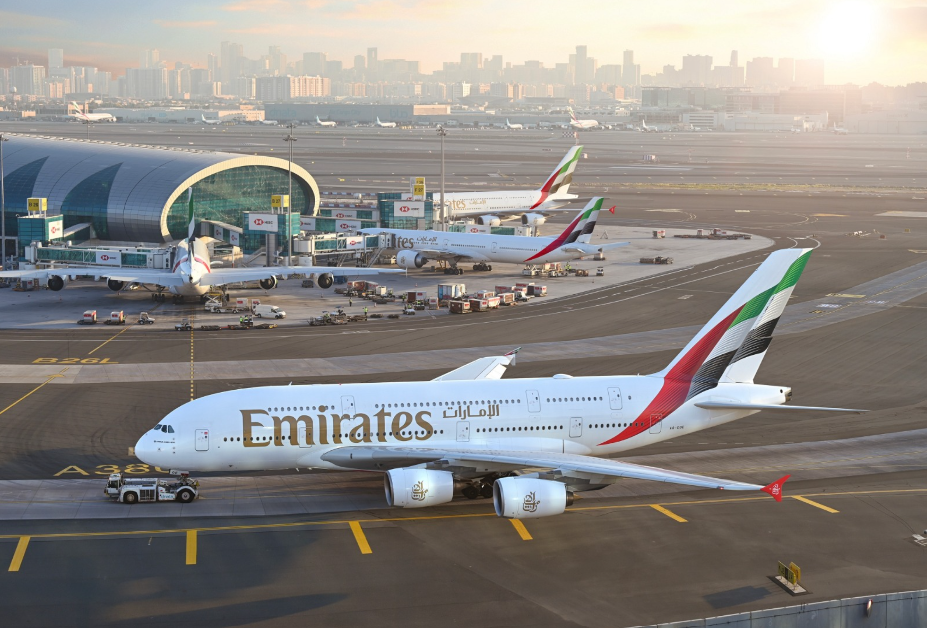
Dubai: Loud explosions were heard in Dubai on Tuesday, according to journalists from Agence France-Presse (AFP). The blasts occurred as UAE authorities issued warnings about incoming missile and drone attacks. Read More: https://theboardroompk.com/unilever-pakistan-partners-with-fesf-to-expand-employment-opportunities-for-deaf-community/ This incident marks the latest escalation in the ongoing Middle East conflict, now one month old. Iran has reportedly launched daily attacks targeting several Gulf countries during this period. UAE Air Defences Activated The UAE Defence Ministry confirmed that its air defence systems were actively engaging with missile and UAV threats. A statement posted on X (formerly Twitter) assured residents that defences were responding to the incoming dangers. AFP journalists on the ground reported hearing the explosions clearly across parts of the city. No immediate details were released about specific locations, damage, or casualties in Dubai from this latest event. Broader Regional Tensions The explosions come amid heightened regional instability. Linked incidents include Qatar intercepting a missile attack and earlier reports of missile debris causing a fatality in Abu Dhabi, where a Pakistani national was killed. Authorities have urged caution as the conflict continues to affect civilian life and critical infrastructure across the Gulf. Residents in Dubai and other emirates have grown accustomed to intermittent air defence activations and loud blasts in recent weeks. Experts warn that prolonged attacks could disrupt shipping, aviation, and energy operations in one of the world’s busiest hubs. Dubai International Airport and key financial districts remain highly sensitive to any security developments. The situation is being closely monitored by international observers, with calls for de-escalation to prevent further spillover into civilian areas.

Oil Swings Sharply as Iran De-escalation Hopes Clash with Hormuz Closure Fears
World

Oil Swings Sharply as Iran De-escalation Hopes Clash with Hormuz Closure Fears

Oil prices swung sharply on Tuesday as traders balanced hopes of de-escalation in the Iran conflict against fears of a long-term shutdown of the Strait of Hormuz. Read More: https://theboardroompk.com/secp-mufap-membership-made-mandatory-to-strengthen-investor-protection-in-pakistan/ Market Volatility Persists Brent crude futures rose slightly by 18 cents, or 0.16 percent, to $112.96 per barrel in early trading. The more active June contract stood at $107.10. WTI futures fell 25 cents, or 0.24 percent, to $102.63 per barrel after touching recent highs. De-escalation Signals vs Supply Risks US President Donald Trump signaled willingness to end military action against Iran, even if the Strait of Hormuz stays closed for now. However, he warned of obliterating Iran’s energy plants and oil wells if the waterway is not reopened soon. The US extended its deadline for strikes into April. Traders remain cautious as any real relief depends on actual reopening of the critical chokepoint. The strait handles about one-fifth of global oil supply and significant LNG volumes. Analyst Sugandha Sachdeva noted that diplomatic signals are mixed, but ground realities suggest prolonged uncertainty. Restoring damaged infrastructure would take time even after de-escalation. Broader Disruptions Heighten Concerns A Kuwaiti crude tanker, fully loaded with up to two million barrels, was reportedly struck in an alleged Iranian attack near a Dubai port. Officials warned of possible oil spills from the incident. Yemen’s Iran-aligned Houthi forces launched missiles at Israel, raising risks to the Bab el-Mandeb strait and global shipping routes. Saudi Arabia has sharply increased crude exports through the Red Sea to Yanbu port, reaching 4.658 million barrels per day last week. A Reuters poll pointed to expected declines in US crude stockpiles, distillates, and gasoline inventories. Outlook Remains Tense Experts like Lin Ye from Rystad Energy warned that oil market buffers are shrinking fast. Prolonged closure could push the world closer to physical shortages in many regions, supporting further upward pressure on prices. This month, Brent has surged 59 percent while WTI gained 58 percent, marking some of the strongest monthly rises in recent history. Markets show little change overall but stay highly sensitive to any new headlines from the region.

Global Energy Investment Shift: Investors Are Moving Toward Oil, Coal, and Commodities
World

Global Energy Investment Shift: Investors Are Moving Toward Oil, Coal, and Commodities

The Global Energy Investment Shift is rapidly transforming how investors allocate capital worldwide. A structurally inflationary environment, rising geopolitical tensions, and energy security concerns are forcing a rethink of the traditional 60/40 balanced portfolio. Analysts now argue that conventional diversification strategies are no longer sufficient to protect capital, especially during supply shocks and disruptions in global trade. Read More: https://theboardroompk.com/pso-names-abdus-sami-interim-ceo-as-syed-taha-joins-k-electric/ Instead, experts recommend adopting a “heads I win, tails I don’t lose” approach centered on energy assets. This strategy emphasizes sectors that benefit from both economic expansion and supply constraints, particularly oil refining, coal, and commodities. Why the Global Energy Investment Shift Is Happening Three major assumptions that once supported global markets are weakening. First, U.S. Treasuries are no longer viewed as completely liquid during crises. Second, control of global sea lanes is becoming less predictable due to modern warfare technologies. Third, the geopolitical stability provided by traditional superpower leadership is increasingly uncertain. With the Strait of Hormuz disruption fears and declining natural gas inventories in key Asian markets, energy security has become more critical than financial reserves. This reality is pushing governments to prioritize power generation reliability over environmental commitments. Oil Refiners Lead the Global Energy Investment Shift Oil refiners are emerging as one of the most resilient investment options. Refining margins, often referred to as crack spreads, are expected to remain elevated due to damage to refining infrastructure in major producing regions. Even if geopolitical tensions ease, rebuilding capacity could take time, keeping supply tight and profitability high. This dynamic makes refiners attractive because their earnings can remain strong regardless of short-term oil price fluctuations. Coal Returns Despite Environmental Concerns The Global Energy Investment Shift also includes a surprising return to coal. Governments facing shrinking natural gas reserves are prioritizing stable electricity supply over emissions targets. For policymakers, avoiding widespread power shortages is politically and economically critical. This trend is particularly relevant for developing economies, including Pakistan, where consistent power generation is essential for industrial growth and economic stability. Coal and related transportation infrastructure such as rail networks could therefore see increased investment. Safe-Haven Oil Producers Gain Attention Investors are increasingly focusing on oil producers in politically stable regions. Countries such as Canada, Brazil, and Colombia offer lower regulatory risk compared to markets where windfall taxes or export controls may be introduced. This approach reduces the risk of government intervention while maintaining exposure to strong energy demand. Chinese Green Technology and Commodities Benefit Interestingly, the Global Energy Investment Shift does not exclude renewable energy. Rising electricity demand, especially from data centers, is forcing policymakers to reconsider trade barriers on solar panels and battery technology. As energy shortages intensify, tariffs on imported green technology could be reduced to accelerate power generation capacity. This would benefit solar manufacturers, battery producers, and rare earth supply chains. Key Investment Themes Explained Instead of a traditional table, the recommended investment actions can be summarized clearly. Refiners are considered strong buys due to sustained refining margins. Coal and rail infrastructure are gaining support as governments prioritize reliable electricity. Safe-haven oil producers in stable regions are attractive to reduce political risk. Chinese solar and battery companies could benefit from easing trade restrictions. Rare earth supply chains are expected to gain importance as countries secure critical materials. Meanwhile, developed market government bonds are losing their diversification appeal, while some emerging market bonds are viewed as potential hedges. What the Global Energy Investment Shift Means for Pakistan For Pakistan, this shift carries important implications. Higher global energy investment could influence fuel import costs and energy policy decisions. It may also accelerate interest in local coal projects, renewable energy partnerships, and regional trade cooperation. Businesses dependent on electricity, such as manufacturing and IT services, should closely monitor these developments. Energy availability and pricing will directly impact competitiveness in export markets. Capital Reallocation Underway Energy currently represents a small portion of major global equity indices compared to historical levels. As investors adjust portfolios, a significant capital reallocation toward energy and commodities is expected. This could drive higher valuations in these sectors and reshape global investment trends for years to come. The Global Energy Investment Shift signals a move from symbolic climate commitments toward pragmatic energy security policies. For investors and policymakers alike, understanding this transformation is essential to navigating the evolving economic landscape.

Colgate Faces Lawsuits Over Misleading Kids Mouth Rinse Packaging
World

Colgate Faces Lawsuits Over Misleading Kids Mouth Rinse Packaging

CHICAGO, March 28 (APP): A US federal judge ruled on Friday that Colgate-Palmolive Co. must defend against two proposed class action lawsuits claiming its mouth rinse products for children have deceptive packaging that misleads parents about safety for kids under six. Read More: https://theboardroompk.com/pakistan-to-host-saudi-turkish-and-egyptian-fms-amid-iran-war-diplomacy/ U.S. District Judge Andrea Wood in Chicago allowed the cases to proceed while dismissing a similar lawsuit concerning Colgate’s fluoride toothpaste. Allegations of Misleading Marketing The lawsuits allege that Colgate’s brightly colored mouth rinses, featuring flavors like Bubble Fruit and Silly Strawberry, prominently display words such as “kids” or “children’s” on the packaging. They also include imagery that suggests the products are suitable for very young children. Plaintiffs argue this confuses parents, despite US health authorities warning that children under six should not use fluoride mouth rinses because swallowing fluoride can be harmful. The suits claim the packaging downplays risks and fails to clearly highlight safety limitations. Judge’s Reasoning Judge Wood noted that reasonable consumers might not realize the restrictions on fluoride rinses, especially given the prominent front-of-pack claims. She was not convinced by Colgate’s argument that buyers would check the back labels containing FDA warnings for young children. The judge distinguished the mouth rinse cases from the toothpaste lawsuit, pointing out that toothpaste packaging includes clearer instructions for children aged two to six to use only a pea-sized amount. Plaintiffs’ lawyer Michael Connett said the rulings should serve as a wake-up call to manufacturers to stop promoting unsafe use of fluoride products for young children. Colgate-Palmolive, based in New York, did not immediately respond to requests for comment on the ruling. This decision comes amid growing scrutiny over marketing of children’s oral care products containing fluoride.

Middle East Conflict Threatens Pakistan’s Trade with GCC by Billions
World

Middle East Conflict Threatens Pakistan’s Trade with GCC by Billions

The ongoing Middle East conflict between the US, Israel, and Iran has evolved into a major economic threat for Pakistan. Read More: https://theboardroompk.com/reko-diq-project-slowdown-security-concerns-force-barrick-to-reassess-pakistans-mega-mining-investment/ Trade routes critical to the country’s external sector face severe disruption, particularly through the Strait of Hormuz. Trade Losses Mount Direct exports to GCC countries could drop by USD 1.5 to 2 billion. Imports, mainly energy, may decline by around USD 3 billion. Higher global energy prices are expected to inflate Pakistan’s import bill by USD 4.5 billion. This double pressure risks widening the current account deficit and increasing external debt. Impact on Local Economy Disrupted supply chains threaten local production and global exports from Pakistan. Remittance inflows may also fall, putting fresh pressure on foreign reserves. Border trade with Iran is already strained and could shrink further. The conflict risks reversing recent gains in controlling inflation, potentially pushing it back to double digits. Suggested Mitigation Steps Experts recommend rerouting oil imports via Yanbu port on the Red Sea. Diversifying energy sources and fully leveraging CPEC 2.0 could help build resilience against external shocks. The crisis highlights the need for greater competitiveness, innovation, and efficiency in Pakistani industries rather than reliance on external support. Prolonged instability could compound challenges for developing economies like Pakistan.

Pakistan China CPEC Phase 2: New Momentum for Agriculture, Industry and Infrastructure
World

Pakistan China CPEC Phase 2: New Momentum for Agriculture, Industry and Infrastructure

Pakistan China CPEC Phase 2 is back in the spotlight as both countries reaffirmed their commitment to deepen economic cooperation, particularly in agriculture, industrial collaboration, and priority infrastructure projects. The renewed focus highlights the evolving nature of the China-Pakistan partnership, moving beyond roads and energy to long-term economic growth and productivity. Read More: https://theboardroompk.com/pakistan-finalises-app-based-fuel-quota-for-motorcycles-and-rickshaws/ The development came during a meeting between Prime Minister Shehbaz Sharif and Chinese Ambassador Jiang Zaidong in Islamabad, where both sides emphasized stronger collaboration and continued economic engagement. Pakistan China CPEC Phase 2 aims to transform the corridor into a broader economic platform, focusing on job creation, industrialization, and food security areas that directly affect the everyday lives of Pakistanis. Pakistan China CPEC Phase 2 aims to transform the corridor into a broader economic platform, focusing on job creation, industrialization, and food security areas that directly affect the everyday lives of Pakistanis. Agriculture Takes Center Stage in Pakistan China CPEC Phase 2 One of the most important shifts in Pakistan China CPEC Phase 2 is the emphasis on agricultural cooperation. This includes: • Technology transfer for modern farming• Improving irrigation efficiency• Enhancing crop productivity• Expanding agro-based industries• Developing agricultural supply chains This focus is crucial for Pakistan, where agriculture remains a backbone of the economy. Improved agricultural productivity can boost exports, stabilize food prices, and support rural employment. Prime Minister Shehbaz Sharif appreciated China’s consistent economic support and reiterated Pakistan’s commitment to strengthening the all-weather strategic cooperative partnership. Industrial Cooperation to Drive Economic Growth Pakistan China CPEC Phase 2 also highlights industrial cooperation as a priority. Both countries are working to expand: • Special Economic Zones (SEZs)• Manufacturing partnerships• Technology-driven industries• Export-oriented production This move is expected to attract Chinese investment into Pakistan’s manufacturing sector, helping diversify exports and reduce reliance on imports. It also aligns with Pakistan’s broader goal of sustainable industrial development. Ambassador Jiang Zaidong praised Pakistan’s economic resilience and reform efforts, reaffirming China’s continued support in trade and investment. Infrastructure Projects Still a Priority While Pakistan China CPEC Phase 2 expands into new sectors, infrastructure development remains a key pillar. Priority projects are expected to focus on: • Transport connectivity• Logistics improvements• Energy transmission networks• Urban development initiatives These projects aim to enhance connectivity across Pakistan, reduce business costs, and support industrial growth. Strengthening Diplomatic and Strategic Relations During the meeting, Prime Minister Shehbaz Sharif also emphasized Pakistan’s constructive role in promoting regional stability and the importance of close coordination on matters of mutual interest. He congratulated Chinese leadership, including Xi Jinping, Li Qiang, and Wang Yi, on the successful conclusion of the “Two Sessions” and thanked them for their Pakistan Day greetings. Both sides expressed satisfaction over ongoing exchanges and agreed to enhance high-level engagements, particularly as Pakistan and China prepare to celebrate the 75th anniversary of diplomatic relations. What Pakistan China CPEC Phase 2 Means for the Public Pakistan China CPEC Phase 2 is not just a diplomatic development it directly impacts:Pakistan China CPEC Phase 2 is not just a diplomatic development it directly impacts: • Employment opportunities• Agricultural modernization• Industrial expansion• Export growthRegional connectivively, the second phase could help Pakistan transition from infrastructure-led growth to production-led economic development. Pakistan China CPEC Phase 2 signals a new chapter in bilateral relations, focusing on agriculture, industry, and sustainable economic development. With both countries reaffirming their commitment, the next phase of CPEC has the potential to reshape Pakistan’s economic landscape and unlock long-term growth opportunities.

Scroll to Top